ต้องส่งตัวอย่างขนาดเท่าไร?What size of sample should we send?
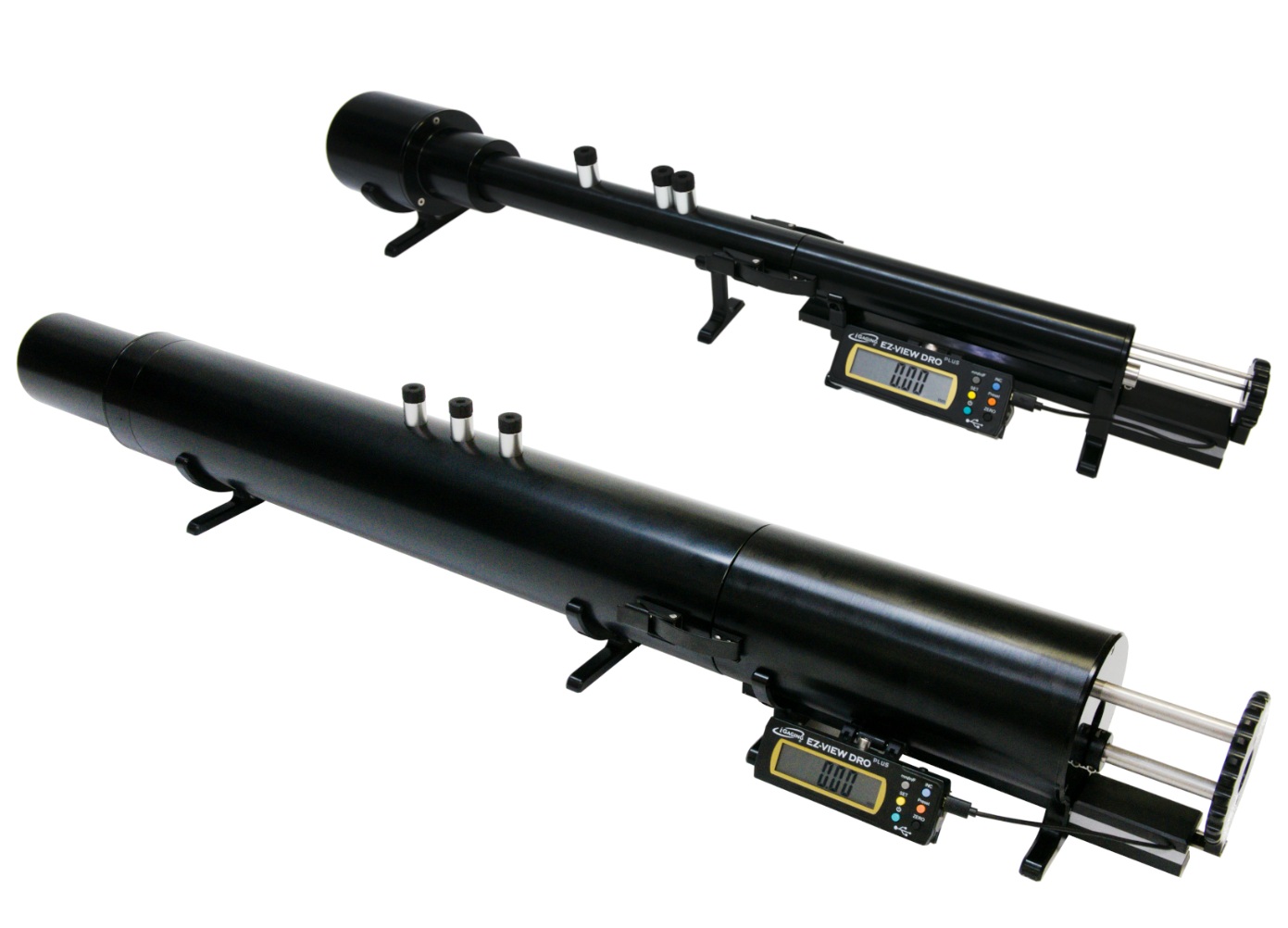
ชิ้นตัวอย่างต้องพอดีกับเส้นผ่านศูนย์กลางของท่อทดสอบ ซึ่งท่อแต่ละขนาดครอบคลุมย่านความถี่ต่างกัน กรุณาแจ้งชนิดวัสดุ ความหนา และย่านความถี่ที่สนใจ วิศวกรจะแจ้งขนาดและจำนวนตัวอย่างที่ต้องใช้Specimens must fit the diameter of the test tube, and each tube size covers a different frequency range. Tell us the material type, thickness and the frequency range of interest, and the engineer will confirm the size and number of samples needed.
ทำไมต้องใช้หลายชิ้นตัวอย่าง?Why are several specimens needed?
ผลของท่อไวต่อการเตรียมตัวอย่าง เช่น ช่องว่างที่ขอบหรือการถูกบีบอัด และวัสดุจริงมีความแปรปรวนในตัว การทดสอบหลายชิ้นช่วยแยกความต่างจริงของวัสดุออกจากความคลาดเคลื่อนจากการเตรียมTube results are sensitive to preparation, such as edge gaps or compression, and real materials vary. Testing several specimens separates genuine material differences from preparation errors.
ผลใช้ในเอกสารรับรองผลิตภัณฑ์ได้หรือไม่?Can the results be used for a product rating?
ผลจากท่อเป็นค่าเสียงตกกระทบตั้งฉาก เหมาะกับงานวิจัย พัฒนา และตรวจคุณภาพ ค่าที่ใช้ในเอกสารผลิตภัณฑ์โดยทั่วไปมาจากการทดสอบในห้องก้องเสียงตามวิธีมาตรฐานอีกแบบหนึ่งTube results are normal-incidence values, suited to research, development and quality control. Values in product datasheets generally come from reverberation-room tests under a different standard method.
วัสดุแบบไหนไม่เหมาะกับท่อทดสอบ?Which materials are not suited to tube testing?
วัสดุที่ไม่สม่ำเสมอในพื้นที่กว้าง เช่น แผ่นเจาะรูที่ระยะห่างของรูมาก แผ่นมีร่อง หรือระบบที่มีโครงและช่องอากาศขนาดใหญ่ ชิ้นตัวอย่างวงกลมเล็กอาจไม่เป็นตัวแทน ควรปรึกษาก่อนเตรียมตัวอย่างProducts that are not uniform over a large area, such as widely spaced perforations, slotted panels or systems with frames and large cavities. A small disc may not be representative, so please ask before preparing samples.
การทดสอบอ้างอิงมาตรฐานใด?Which standard applies?
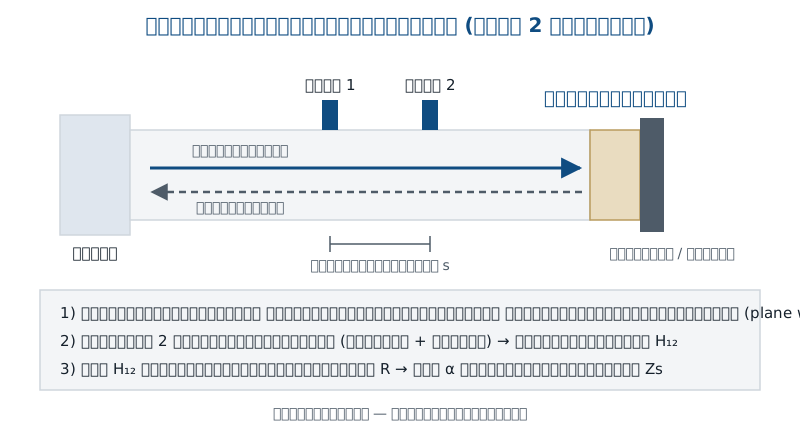
การวัดค่าดูดซับเสียงด้วยท่อใช้วิธีไมโครโฟนสองตำแหน่งตาม ISO 10534-2 ซึ่งเป็นวิธีสำหรับเสียงตกกระทบตั้งฉากAbsorption in the tube is measured with the two-microphone method of ISO 10534-2, a method for normal incidence.