Service 02

อะคูสติกอาคาร: วัดการกันเสียงผนัง ฝ้า และพื้นBuilding Acoustics: Sound Insulation of Walls, Ceilings and Floors

ตรวจสอบว่าอาคารกันเสียงได้ตามที่ออกแบบ ทั้งเสียงผ่านอากาศและเสียงกระแทกVerifying that the building achieves its design sound insulation, for airborne and impact sound

วัดประสิทธิภาพการกันเสียงของผนัง ฝ้าเพดาน และพื้นระหว่างห้องที่ติดกัน ทั้งเสียงที่ผ่านอากาศ เช่น เสียงพูดหรือเสียงเครื่องเสียง และเสียงกระแทกผ่านพื้น เช่น เสียงฝีเท้า ใช้ตรวจรับงานก่อสร้าง หาสาเหตุเมื่อห้องกันเสียงได้ไม่ดี และเลือกแนวทางปรับปรุงที่ได้ผลMeasurement of the sound insulation of walls, ceilings and floors between adjacent rooms, for airborne sound such as speech or audio systems and for impact sound through floors such as footsteps. Used for construction handover, for finding out why a room does not insulate well, and for choosing effective improvements.

อะคูสติกอาคาร: วัดการกันเสียงผนัง ฝ้า และพื้น

ปัญหาแบบนี้ใช่ไหม?Is this your problem?

เสียงลอดระหว่างห้องมากกว่าที่ควรเป็น?Is more sound getting between rooms than it should?

ผลวัดระหว่างห้องคือผลรวมของทุกเส้นทางที่เสียงผ่านได้ เราจึงไม่ได้ถามแค่ว่า "ผ่านหรือไม่ผ่าน" แต่ถามว่าเสียงผ่านทางไหนA room-to-room result is the sum of every path the sound can take, so we do not only ask whether it passes, but which way the sound is getting through.

  • ได้ยินเสียงพูด เสียงทีวี หรือเสียงเพลงจากห้องข้างเคียงSpeech, TV or music is heard from the next room
  • ห้องประชุมไม่มีความเป็นส่วนตัว คนข้างนอกฟังเนื้อหาที่คุยกันได้Meeting rooms lack privacy: people outside can follow the conversation
  • ได้ยินเสียงเดิน เสียงลากเก้าอี้ หรือเสียงกระแทกจากชั้นบนFootsteps, dragged chairs or impacts are heard from the floor above
  • ผลหน้างานไม่ตรงกับที่คาดจากแบบ หรือจากเอกสารของวัสดุThe site result does not match what the design or the product datasheet suggested
  • ไม่แน่ใจว่าเสียงผ่านผนัง ประตู ฝ้า หรือเส้นทางอื่นIt is not clear whether sound passes through the wall, the door, the ceiling or another path
  • ต้องตรวจรับห้องก่อนส่งมอบRooms must be checked before handover

คำถามที่การวัดช่วยตอบQuestions measurement helps answer

เริ่มจากคำถาม ไม่ใช่ตัวเลขStart from the question, not the number

ห้องคู่นี้กันเสียงได้จริงเท่าไร เทียบกับที่โครงการกำหนด?How much sound insulation does this pair of rooms actually give, compared with the project requirement?

วัดการกันเสียงผ่านอากาศในสภาพก่อสร้างจริง: สร้างเสียงในห้องต้นทาง วัดทั้งสองห้อง และปรับด้วยเวลาก้องของห้องรับเสียง ได้ค่าตัวเลขเดียว เช่น DnT,w (ค่ายิ่งสูงยิ่งกันเสียงดี) และกราฟตามย่านความถี่ที่บอกว่าห้องอ่อนตรงย่านใดField airborne insulation: sound is generated in the source room, levels are measured in both rooms and corrected for the receiving room's reverberation. The result is a single-number rating such as DnT,w (higher is better) plus a curve by frequency band showing where the insulation is weak.

เสียงผ่านผนังเอง หรือผ่านทางอื่น เช่น ประตู ช่องลอด ฝ้า หรือรอยต่อโครงสร้าง?Is sound passing through the wall itself, or another way: the door, penetrations, the ceiling void or structural junctions?

ตรวจรายละเอียดหน้างาน ร่วมกับการหาตำแหน่งจุดรั่วด้วยหัววัดเสียง เพราะผลวัดระหว่างห้องเป็นผลรวมของทุกเส้นทาง รวมถึงเสียงที่อ้อมผ่านโครงสร้างข้างเคียง (flanking)Inspection of the site details together with leak localization using a probe, because the room-to-room result is the sum of all paths, including sound travelling round through adjoining structure (flanking).

เสียงกระแทกจากพื้นชั้นบนมาถึงห้องล่างมากแค่ไหน?How much impact sound from the floor above reaches the room below?

ใช้เครื่องเคาะพื้นมาตรฐานสร้างแรงกระแทกที่ทำซ้ำได้ แล้ววัดระดับเสียงในห้องล่าง ได้ค่าเช่น L'nT,w (ค่ายิ่งต่ำยิ่งดี)A standard tapping machine produces repeatable impacts and the level is measured in the room below, giving a rating such as L'nT,w (lower is better).

ผลที่ไม่ผ่านเกิดเฉพาะห้องนี้ หรือเกิดซ้ำทุกห้อง?Is the shortfall limited to one room, or repeated across units?

วัดห้องคู่อื่นที่มีรายละเอียดก่อสร้างเหมือนกัน ถ้าเกิดเฉพาะจุดมักชี้ไปที่การติดตั้ง ถ้าเกิดซ้ำมักชี้ไปที่รายละเอียดแบบTesting further room pairs built the same way: an isolated shortfall often points to workmanship, a repeated one to the design detail.

หลังแก้ไข ดีขึ้นเท่าไร?After the fix, how much better is it?

วัดซ้ำด้วยวิธีเดิมในห้องคู่เดิม เพื่อเปรียบเทียบก่อนและหลังได้ตรงกันRe-testing the same pair with the same method, so before and after can be compared directly.

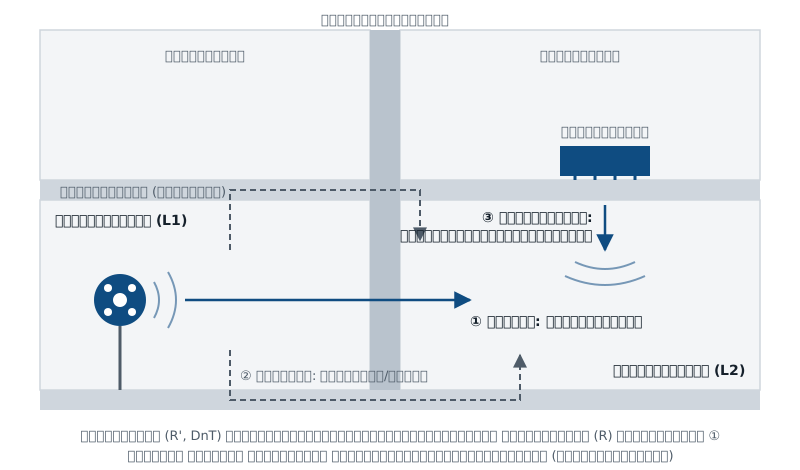
ภาพตัดห้องต้นทางและห้องรับเสียง แสดงเส้นทางเสียงผ่านผนังโดยตรง เส้นทางอ้อมผ่านพื้นและฝ้า และเครื่องเคาะพื้นที่ทำให้พื้นสั่นแล้วแผ่เสียงลงห้องล่างSection through a source room and a receiving room showing the direct path through the wall, flanking paths via floor and ceiling, and a tapping machine making the slab radiate sound into the room below
เส้นทางเสียงระหว่างห้อง: ผ่านผนังโดยตรง อ้อมผ่านพื้นหรือฝ้า และเสียงกระแทกผ่านพื้น ค่าที่วัดหน้างานรวมทุกเส้นทาง ส่วนค่าห้องปฏิบัติการครอบคลุมเฉพาะเส้นทางผ่านผนังSound paths between rooms: direct through the wall, flanking via floor or ceiling, and impact through the slab. Field values include every path; the laboratory value covers the direct path only.

ขอบเขตงานScope

  • วัดค่าการกันเสียงผ่านอากาศระหว่างห้องต้นทางและห้องปลายทางAirborne sound insulation between the source room and the receiving room
  • วัดระดับเสียงกระแทกที่ส่งผ่านพื้นลงสู่ห้องด้านล่างImpact sound level transmitted through the floor to the room below
  • ตรวจสอบเส้นทางเสียงลอดที่ไม่ได้ตั้งใจInvestigation of unintended sound leakage paths
  • เปรียบเทียบผลกับเกณฑ์ที่โครงการกำหนดComparison of results against the project's specified criteria

วิธีดำเนินการMethod

  • ใช้แหล่งกำเนิดเสียงมาตรฐานสร้างสนามเสียงในห้องต้นทางStandard sound source generating the sound field in the source room
  • ใช้เครื่องเคาะพื้นมาตรฐานสร้างแรงกระแทกที่ทำซ้ำได้Standard tapping machine providing repeatable impact excitation
  • วัดระดับเสียงทั้งสองห้องและวัดเวลาก้องสะท้อนประกอบSound level measurement in both rooms, with supporting reverberation time measurement
  • คำนวณค่าตามวิธีมาตรฐานCalculation according to standard methods

สิ่งที่ส่งมอบDeliverables

  • รายงานผลการวัดพร้อมกราฟค่าการกันเสียงตามย่านความถี่Measurement report with sound insulation curves by frequency band
  • ข้อสังเกตจุดที่เสียงลอดผ่านและแนวทางแก้ไขObservations on leakage points and recommended remedies

ตรวจสอบว่าส่วนประกอบอาคารกั้นเสียงได้ตามที่ออกแบบไว้Verifying that building elements achieve their design sound insulation

การวัดค่าประสิทธิภาพการป้องกันเสียงของผนัง ฝ้าเพดาน และพื้นSound insulation measurement of walls, ceilings and floors

วัดความสามารถในการกั้นเสียงของผนัง ฝ้าเพดาน และพื้น ระหว่างห้องที่ติดกัน เพื่อตรวจสอบว่าผลงานก่อสร้างเป็นไปตามเกณฑ์ที่โครงการกำหนด และใช้เป็นหลักฐานในการตรวจรับงานMeasurement of the sound insulation of walls, ceilings and floors between adjacent rooms, to verify that the construction meets the project's specified criteria and to provide evidence for handover acceptance.

ขอบเขตงานScope

  • วัดค่าการกั้นเสียงระหว่างห้องต้นทางและห้องปลายทางMeasurement of sound insulation between the source room and the receiving room
  • ตรวจสอบเส้นทางเสียงลอดที่ไม่ได้ตั้งใจInvestigation of unintended sound leakage paths
  • เปรียบเทียบผลกับเกณฑ์ที่โครงการกำหนดComparison of results against the project's specified criteria

วิธีดำเนินการMethod

  • ใช้แหล่งกำเนิดเสียงมาตรฐานสร้างสนามเสียงในห้องต้นทางStandard sound source generating the sound field in the source room
  • วัดระดับเสียงทั้งสองห้องและวัดเวลาก้องสะท้อนประกอบSound level measurement in both rooms, with supporting reverberation time measurement
  • คำนวณค่าการกั้นเสียงตามวิธีมาตรฐานCalculation of sound insulation according to standard methods

สิ่งที่ส่งมอบDeliverables

  • รายงานผลการวัดพร้อมกราฟค่าการกั้นเสียงตามย่านความถี่Measurement report with sound insulation curves by frequency band
  • ข้อสังเกตจุดที่เสียงลอดผ่านและแนวทางแก้ไขObservations on leakage points and recommended remedies

วัดเสียงกระแทกที่ส่งผ่านพื้นลงสู่ห้องด้านล่างMeasuring impact sound transmitted through floors to the room below

การวัดค่าประสิทธิภาพการป้องกันเสียงกระแทกของพื้นImpact sound insulation measurement of floors

วัดการส่งผ่านเสียงกระแทกผ่านพื้น เช่น เสียงฝีเท้าหรือของตกในอาคารพักอาศัยและอาคารสำนักงาน ด้วยเครื่องเคาะพื้นมาตรฐาน เพื่อตรวจสอบคุณภาพของระบบพื้นและวัสดุรองพื้นMeasurement of impact sound transmission through floors, such as footsteps or dropped objects in residential and office buildings, using a standard tapping machine to verify the performance of the floor system and underlay materials.

ขอบเขตงานScope

  • วัดระดับเสียงกระแทกในห้องด้านล่างImpact sound level measurement in the room below
  • เปรียบเทียบผลก่อนและหลังการปูวัสดุรองพื้นBefore-and-after comparison of underlay installation
  • ตรวจสอบผลเทียบกับเกณฑ์ของโครงการVerification of results against the project criteria

วิธีดำเนินการMethod

  • ใช้เครื่องเคาะพื้นมาตรฐานสร้างแรงกระแทกที่ทำซ้ำได้Standard tapping machine providing repeatable impact excitation
  • วัดหลายตำแหน่งบนพื้นที่ทดสอบMeasurements at multiple positions on the test floor
  • คำนวณค่าตามวิธีมาตรฐานพร้อมแก้ค่าตามสภาพห้องCalculation according to standard methods with correction for room conditions

สิ่งที่ส่งมอบDeliverables

  • รายงานผลการวัดเสียงกระแทกแยกตามย่านความถี่Impact sound measurement report by frequency band
  • ข้อเสนอการปรับปรุงระบบพื้นหากผลไม่ผ่านเกณฑ์Recommended floor system improvements if the criteria are not met

ปัญหาที่ลูกค้าพบบ่อยCommon client problems

อาการที่พบ และข้อมูลที่การวัดให้ได้What clients notice, and what measurement can tell

ห้องประชุมข้างกันได้ยินเสียงพูดกันชัดSpeech is clearly heard between adjacent meeting rooms

สิ่งที่มักเข้าใจกันCommon assumption
ผนังกั้นบางเกินไป ต้องรื้อสร้างใหม่ให้หนาขึ้นThe partition is too thin and must be rebuilt thicker
สิ่งที่วิศวกรตรวจWhat we investigate
การกันเสียงระหว่างห้อง แล้วตรวจว่าผนังสูงถึงพื้นโครงสร้างด้านบนหรือหยุดแค่ฝ้า ช่องใต้ประตูและขอบประตู ท่อลมหรือท่อที่ลอดผ่าน และปลั๊กไฟที่ติดตั้งตรงกันสองฝั่งInsulation between the rooms, then whether the partition reaches the slab above or stops at the ceiling, the gap under and around the door, ducts or pipes passing through, and back-to-back sockets
ข้อมูลที่การวัดให้ได้What measurement can show
ค่าการกันเสียงของห้องคู่นั้น และย่านความถี่ที่อ่อน ซึ่งบอกว่าควรตรวจเส้นทางใดก่อนThe insulation of that room pair and the weak frequency bands, which indicate which paths to check first
สิ่งที่การวัดพิสูจน์ไม่ได้What it cannot prove
ผลวัดตัวเลขเดียวไม่ได้บอกว่าเส้นทางใดเป็นตัวหลัก ต้องตรวจหน้างานและหาตำแหน่งจุดรั่วประกอบA single test result does not say which path dominates; site inspection and leak localization are needed as well
ช่วยตัดสินใจเรื่องDecision it supports
แก้เส้นทางที่เป็นปัญหา เช่น กั้นช่องเหนือฝ้า เปลี่ยนซีลประตู แทนการรื้อผนังทั้งแผงFixing the actual paths, such as closing the ceiling void or replacing door seals, instead of demolishing the whole partition

ได้ยินเสียงกระแทกจากชั้นบนหลังเปลี่ยนวัสดุปูพื้นImpact noise from above after a floor finish was changed

สิ่งที่มักเข้าใจกันCommon assumption
พื้นคอนกรีตบางเกินไปThe concrete slab is too thin
สิ่งที่วิศวกรตรวจWhat we investigate
ระดับเสียงกระแทกด้วยเครื่องเคาะพื้นมาตรฐาน ชนิดวัสดุปูพื้นและวัสดุรองพื้น และขอบพื้นที่อาจชนผนังโดยตรงThe impact level with a standard tapping machine, the type of finish and underlay, and floor edges that may touch the walls directly
ข้อมูลที่การวัดให้ได้What measurement can show
ระดับเสียงกระแทกที่ห้องล่างได้รับ เทียบกับเกณฑ์ที่ตกลงกันไว้The impact level reaching the room below, compared with the agreed criterion
สิ่งที่การวัดพิสูจน์ไม่ได้What it cannot prove
ความรับผิดชอบระหว่างเจ้าของห้อง และเสียงตุบหนัก ๆ เช่น เสียงเดินลงส้น ซึ่งเครื่องเคาะพื้นอย่างเดียวอาจแสดงได้ไม่ครบResponsibility between owners, or heavy thuds such as heel-strike footsteps, which the tapping machine alone may not fully represent
ช่วยตัดสินใจเรื่องDecision it supports
เลือกวัสดุรองพื้นหรือระบบพื้นลอย และกำหนดกติกาการปรับปรุงห้องสำหรับนิติบุคคลChoice of underlay or floating floor, and renovation rules for the building's management

ผลทดสอบก่อนส่งมอบต่ำกว่าเกณฑ์เล็กน้อยThe handover test falls slightly short

สิ่งที่มักเข้าใจกันCommon assumption
แบบผิดทั้งหมด ต้องแก้ทุกห้องThe whole design is wrong and every room must be changed
สิ่งที่วิศวกรตรวจWhat we investigate
ทดสอบห้องคู่อื่นที่ก่อสร้างเหมือนกัน ตรวจรายละเอียดหน้างาน และหาตำแหน่งจุดรั่วTests on other room pairs built the same way, site inspection, and leak localization
ข้อมูลที่การวัดให้ได้What measurement can show
ปัญหาเกิดเฉพาะจุดหรือเกิดซ้ำ และจุดรั่วอยู่ที่ใดWhether the problem is isolated or repeated, and where the leaks are
สิ่งที่การวัดพิสูจน์ไม่ได้What it cannot prove
สาเหตุจากตัวเลขเพียงอย่างเดียวThe cause, from the number alone
ช่วยตัดสินใจเรื่องDecision it supports
แก้เฉพาะจุด หรือปรับรายละเอียดแบบก่อนสร้างห้องที่เหลือA local repair, or a change to the design detail before the remaining rooms are built

ความเข้าใจผิดที่พบบ่อยCommon misconceptions

เรื่องที่มักเข้าใจคลาดเคลื่อนWhat is often misunderstood

วัสดุที่มีค่ากันเสียงสูงจากห้องปฏิบัติการ จะให้ผลเท่าเดิมเมื่อติดตั้งจริงA product with a high laboratory rating will perform the same once installed

ค่าจากห้องปฏิบัติการวัดเฉพาะชิ้นส่วน ส่วนผลหน้างานรวมเสียงที่อ้อมผ่านโครงสร้างข้างเคียง ช่องรั่ว และคุณภาพการติดตั้ง จึงเป็นคนละปริมาณกัน และเทียบกันตรง ๆ ไม่ได้A laboratory value measures the element alone; the site result also includes flanking through adjoining structure, leaks and the quality of installation. They are different quantities and cannot be compared one-to-one.

ถ้าเสียงลอด แปลว่าผนังกันเสียงไม่ดีIf sound gets through, the wall must be poor

เสียงอาจอ้อมผ่านฝ้า ประตู ช่องท่อ หรือรอยต่อโครงสร้าง มาตรฐานสากลจึงมีวิธีเฉพาะสำหรับวัดและวิเคราะห์เสียงที่อ้อมผ่านทางข้าง แยกจากตัวผนังSound may travel round through the ceiling, the door, service openings or structural junctions. International standards have dedicated methods for measuring and analysing flanking transmission separately from the wall.

ค่า STC ใช้แทนค่า Rw หรือ DnT,w ได้STC can be used interchangeably with Rw or DnT,w

เป็นระบบการให้ค่าคนละระบบ คำนวณต่างกัน และบางค่าเป็นค่าห้องปฏิบัติการ บางค่าเป็นค่าหน้างาน จึงไม่ควรนำมาแทนกันโดยตรง ควรระบุในข้อกำหนดให้ชัดว่าใช้ค่าใดThey are different rating systems calculated in different ways, and some are laboratory values while others are field values, so they should not be substituted for one another. A specification should state clearly which one applies.

ตัวอย่างสมมติIllustrative example

ผนังไม่ใช่ตัวการ: ห้องประชุมสองห้องที่ได้ยินกันThe wall was not the culprit: two meeting rooms that could hear each other

ตัวอย่างประกอบการอธิบาย ไม่ใช่โครงการของ GET BEST SOUND และไม่มีตัวเลขผลลัพธ์จริงAn illustrative scenario, not a GET BEST SOUND project, with no real results

  1. อาการที่พบSymptomหลังปรับปรุงสำนักงาน ผู้ใช้ห้องประชุมบอกว่าฟังเนื้อหาการประชุมห้องข้าง ๆ ได้ แม้ผนังกั้นจะระบุวัสดุกันเสียงไว้ในแบบAfter an office refurbishment, users of a meeting room say they can follow meetings next door, although the partition was specified with a sound-insulating build-up.
  2. คำถามแรกInitial questionผนังกั้นเป็นปัญหาหลักจริงหรือไม่ หรือเสียงอ้อมผ่านทางอื่น?Is the partition really the main problem, or is the sound finding another way round?
  3. การตรวจสอบInvestigationวัดการกันเสียงระหว่างห้อง ตรวจว่าผนังสูงถึงพื้นโครงสร้างหรือหยุดที่ฝ้า ตรวจประตู ช่องลอดของท่อและสายไฟ ช่องเหนือฝ้า และรอยต่อกับผนังภายนอก แล้วสแกนหาจุดรั่วในบริเวณที่สงสัยAn airborne test between the rooms; checks on whether the partition reaches the slab or stops at the ceiling, on the door, service penetrations, the ceiling void and the junction with the façade; then a leak scan where suspected.
  4. สิ่งที่อาจพบPossible insightอาจพบว่าตัวผนังให้ค่าตามที่ควร แต่เสียงผ่านช่องเหนือฝ้าและขอบประตูมากกว่าผ่านผนัง เส้นทางอ้อมเหล่านี้จำกัดผลรวมของห้อง การเพิ่มความหนาผนังจึงอาจแทบไม่ช่วยThe partition itself may perform as expected, while more sound passes over the ceiling void and around the door. Those flanking paths limit the overall result, so a thicker partition might achieve little.
  5. การตัดสินใจทางวิศวกรรมEngineering decisionกั้นช่องเหนือฝ้า ปรับซีลและช่องใต้ประตู อุดช่องลอด แล้ววัดซ้ำด้วยวิธีเดิมClose the ceiling void, fix the door seals and the gap under the door, seal the penetrations, then re-test with the same method.
  6. ประโยชน์ต่อลูกค้าClient benefitแก้ตรงเส้นทางที่เป็นปัญหา ไม่ต้องรื้อผนังที่ใช้งานได้ และมีผลวัดก่อน-หลังยืนยันผลThe work targets the actual paths, a sound partition is not demolished, and before-and-after results confirm the outcome.

ภาพประกอบงานGallery

คำถามที่พบบ่อยFAQ

คำถามที่ลูกค้ามักถามQuestions clients often ask

ต้องเตรียมพื้นที่อย่างไร?What access is needed?

ต้องเข้าได้ทั้งห้องต้นทางและห้องรับเสียงพร้อมกัน ประตูและหน้าต่างปิดได้ตามสภาพใช้งาน และช่วงวัดควรเงียบพอ ไม่มีงานก่อสร้างเสียงดังอยู่ใกล้ ๆ เพราะเสียงพื้นหลังมีผลต่อผลวัดAccess to both the source and the receiving room at the same time, doors and windows that close as in normal use, and a quiet period with no noisy works nearby, because background noise affects the result.

ควรวัดตอนไหนของงานก่อสร้าง?At what stage of construction should we test?

การทดสอบรับงานควรทำเมื่อห้องเสร็จตามสภาพส่งมอบ ถ้าทดสอบห้องคู่ตัวอย่างชุดแรกก่อนสร้างห้องที่เหลือ จะมีโอกาสพบปัญหาจากรายละเอียดแบบก่อนที่จะเกิดซ้ำทุกห้องAcceptance testing should be done when rooms are finished as for handover. Testing a first sample pair before the remaining rooms are built gives a chance to catch design-detail problems before they repeat in every room.

ทำไมผลหน้างานต่ำกว่าค่าในเอกสารผู้ผลิต?Why is the site result lower than the manufacturer's figure?

ค่าของผู้ผลิตมักมาจากการทดสอบในห้องปฏิบัติการซึ่งวัดเฉพาะชิ้นส่วน ผลหน้างานรวมเส้นทางอ้อม ช่องรั่ว และการติดตั้งจริง จึงเป็นคนละปริมาณกัน และไม่มีตัวเลขส่วนต่างตายตัว เพราะขึ้นกับอาคารแต่ละแห่งManufacturer figures usually come from laboratory tests of the element alone. The site result includes flanking, leaks and the actual installation, so they are different quantities, and there is no fixed difference to apply because it depends on each building.

ถ้าผลไม่ผ่าน ต้องทำอย่างไรต่อ?What if the result fails?

ขั้นแรกดูว่าเกิดเฉพาะห้องหรือเกิดซ้ำ จากนั้นตรวจหน้างานและหาตำแหน่งจุดรั่วด้วยบริการหาตำแหน่งแหล่งกำเนิดเสียง แก้ไขตรงจุด แล้ววัดซ้ำด้วยวิธีเดิมFirst establish whether it is one room or repeated. Then inspect the site and locate leaks with sound source localization, fix the specific points and re-test with the same method.

การวัดอ้างอิงมาตรฐานใด?Which standards apply?

การวัดการกันเสียงในสภาพอาคารจริงมีวิธีมาตรฐานสากลคือ ISO 16283 (เสียงผ่านอากาศ เสียงกระแทก และผนังภายนอก) และการให้ค่าตัวเลขเดียวตาม ISO 717 ถ้าโครงการกำหนดวิธีหรือเกณฑ์เฉพาะ ควรแจ้งตั้งแต่ต้นเพื่อวางแผนการวัดให้ตรงField sound insulation has an international method, ISO 16283 (airborne, impact and façade), with single-number ratings to ISO 717. If your project specifies a particular method or criterion, tell us at the start so the survey is planned to match.
อ้างอิงทางเทคนิคTechnical references ISO 16283-1:2014 Field measurement of sound insulation – Airborne (ISO catalogue) · ISO 12354-1:2017 Estimation of acoustic performance of buildings – Airborne sound insulation between rooms (ISO catalogue) · ISO 10848-1:2017 Measurement of flanking transmission (ISO catalogue) · ISO 15186-2:2003 Sound intensity – In-situ measurements in the presence of flanking (ISO catalogue)

Learn more

เรียนรู้เพิ่มเติมLearn more

บทความความรู้ มาตรฐาน และกรณีศึกษาที่อธิบายเรื่องนี้ตั้งแต่พื้นฐานKnowledge articles, standards and case studies that explain this from the basics

วิธีทดสอบการกันเสียงผ่านอากาศของผนัง พื้น และเปลือกอาคารในสนามHow to test airborne and façade sound insulation in the field

วิธีการตรวจวัด: โจทย์ ขั้นตอน เครื่องมือ และการอ่านผลApplication guide: task, workflow, equipment and interpretation

วิธีทดสอบเสียงกระทบของพื้น (เสียงเดิน เสียงของตก)How to test impact sound insulation of floors

วิธีการตรวจวัด: โจทย์ ขั้นตอน เครื่องมือ และการอ่านผลApplication guide: task, workflow, equipment and interpretation

การกันเสียงในอาคาร: เสียงผ่านอากาศ เสียงกระแทก และผนังภายนอกSound insulation in buildings: airborne, impact and facade

ห้องต้นเสียง ห้องรับเสียง ผลต่างระดับเสียง และค่า R', DnT,w, L'nT,w อธิบายทีละขั้นSource and receiving rooms, level difference, and R', DnT,w, L'nT,w explained step by step

การสะท้อน การดูดซับ และการส่งผ่านเสียง: กันเสียงกับดูดซับเสียงต่างกันอย่างไรReflection, absorption and transmission: sound insulation vs sound absorption

พลังงานเสียงที่ผนัง: สะท้อน ดูดซับ ส่งผ่าน และทำไมกันเสียงกับดูดซับเสียงไม่ใช่เรื่องเดียวกันSound energy at a wall: reflected, absorbed, transmitted, and why insulation and absorption differ

ISO 16283 — การวัดการกันเสียงในอาคารภาคสนามISO 16283 — Field measurement of sound insulation in buildings

มาตรฐานวัดการกันเสียงในอาคารจริง: เสียงผ่านอากาศ เสียงกระแทก และผนังภายนอกThe field standard for airborne, impact and facade sound insulation in real buildings

งานวิจัยพื้น–เพดานคอนกรีตคาร์บอน: การวัดการกันเสียงCarbon-concrete floor/ceiling research: measuring sound insulation

กรณีศึกษาจาก NTi AudioCase study from NTi Audio

บริการและเครื่องมือที่เกี่ยวข้องRelated services & instruments

ภาพหน้างานของ GET BEST SOUNDGET BEST SOUND field photos

ภาพการทำงานจริงOur work in the field

ภาพจริง: เครื่องเคาะพื้นมาตรฐานวางบนพื้นห้องชุดระหว่างการทดสอบเสียงกระแทกReal photo: standard tapping machine on an apartment floor during an impact test
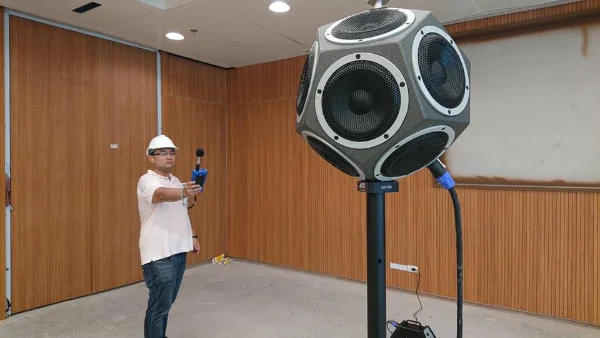
ภาพจริง: ลำโพงรอบทิศทางในห้องต้นทางระหว่างทดสอบการกันเสียงผ่านอากาศReal photo: omnidirectional loudspeaker in the source room during an airborne test

สนใจบริการนี้?Interested in this service?

แจ้งลักษณะพื้นที่ จำนวนจุดที่ต้องวัด และกำหนดเวลา ทีมงานจะเสนอขอบเขตงานและราคาให้ภายในวันทำการTell us the site, the number of positions and your timing — we will propose a scope and price within a business day.

โทรศัพท์Phone062-195-1909
อีเมลEmailgetbestsoundthailand@gmail.com
Line Official@x2525