Service 04

หาตำแหน่งแหล่งกำเนิดเสียงและจุดเสียงรั่วSound Source Localization and Leak Detection

เห็นว่าเสียงมาจากไหน ก่อนตัดสินใจแก้ไขSee where the noise comes from before deciding on a fix

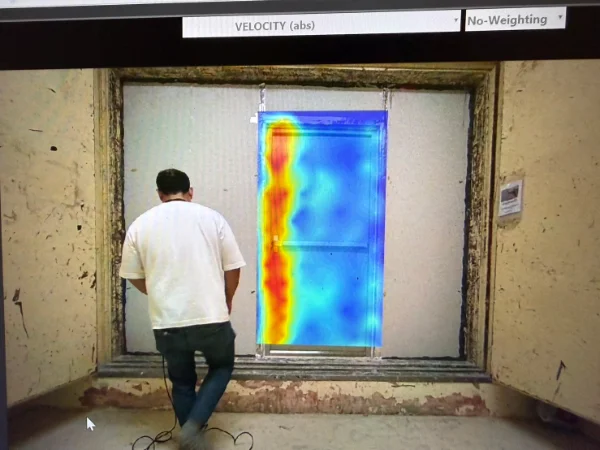
สแกนหาตำแหน่งแหล่งกำเนิดเสียงของเครื่องจักรและจุดที่เสียงลอดผ่านผนัง ประตู หน้าต่าง หรือรอยต่อ ด้วยเทคโนโลยี Microflown Scan & Paint 2D แสดงผลเป็นภาพ Heatmap ซ้อนบนภาพถ่ายจริง ทำให้แก้ไขได้ตรงจุด ไม่ต้องเสียงบประมาณกับการปิดผนึกหรือหุ้มทั้งพื้นที่Locating noise sources on machinery and the points where sound passes through walls, doors, windows or joints, using Microflown Scan & Paint 2D. Results are shown as heatmaps overlaid on site photographs, so remedial work is targeted and budget is not spent sealing or enclosing the whole area.

หาตำแหน่งแหล่งกำเนิดเสียงและจุดเสียงรั่ว

ปัญหาแบบนี้ใช่ไหม?Is this your problem?

ได้ยินเสียง แต่ไม่รู้ว่ามาจากตรงไหน?You can hear it, but you cannot tell where it comes from?

การวัดระดับเสียงบอกว่า "ดังเท่าไร" การหาตำแหน่งบอกว่า "เสียงแผ่ออกมาจากตรงไหนมากที่สุด" ทั้งสองอย่างช่วยให้แก้ได้ตรงจุด แต่บริเวณที่เสียงแผ่ออกมาไม่จำเป็นต้องเป็นต้นเหตุเสมอไปA sound level measurement says how much; localization shows where most of the sound radiates from. Together they make targeted fixes possible, but the region that radiates the sound is not always the root cause.

  • เครื่องจักรมีเสียงดังหรือเสียงวี้ด แต่ไม่รู้ว่าออกมาจากชิ้นส่วนใดA machine is loud or whines, but it is unclear which part the sound comes from
  • ผลทดสอบการกันเสียงไม่ผ่าน และต้องหาว่าเสียงรั่วตรงไหนA sound insulation test failed and you need to find where the sound leaks
  • เสียงลอดผ่านประตู หน้าต่าง รอยต่อ หรือช่องท่อ แต่ไม่รู้ว่าจุดไหนสำคัญที่สุดSound comes through doors, windows, joints or service openings, but it is unclear which point matters most
  • มีงบจำกัด ต้องการแก้เฉพาะจุดแทนการหุ้มหรือปิดทั้งพื้นที่The budget is limited and you want to treat specific points rather than enclose everything
  • ต้องการเปรียบเทียบก่อนและหลังการแก้ไขYou want to compare before and after a fix

คำถามที่การวัดช่วยตอบQuestions measurement helps answer

เริ่มจากคำถาม ไม่ใช่ตัวเลขStart from the question, not the number

เสียงแผ่ออกมาจากบริเวณใดมากที่สุด?Where does most of the sound radiate from?

สแกนพื้นผิวด้วยหัววัดแบบ Scan & Paint แล้วแสดงผลเป็นแผนภาพสีซ้อนบนภาพถ่ายจริงของชิ้นงานScanning the surface with a Scan & Paint probe and showing the result as a colour map over a photograph of the object.

จุดใดควรแก้ก่อน?Which point should be fixed first?

จัดลำดับจุดตามความแรงเปรียบเทียบบนแผนภาพ ในย่านความถี่ที่เป็นปัญหาRanking the points by their relative strength on the map, within the problem frequency band.

ปัญหาอยู่ที่ย่านความถี่ใด?Which frequency range is the problem?

ดูสเปกตรัมก่อน แล้วสร้างแผนภาพเฉพาะย่านนั้น เพราะแหล่งกำเนิดต่างกันอาจเด่นคนละย่านความถี่Looking at the spectrum first, then mapping that band only, because different sources can dominate different frequency ranges.

ช่องรั่วระหว่างห้องอยู่ตรงไหน?Where are the leaks between two rooms?

สร้างสนามเสียงอ้างอิงในห้องต้นทาง แล้วไล่สแกนตามรอยต่อ ขอบประตู และช่องเปิดในฝั่งห้องรับเสียงCreating a reference sound field in the source room, then scanning joints, door edges and openings on the receiving side.

หลังแก้ไข จุดนั้นลดลงจริงหรือไม่?After the fix, did that point really improve?

สแกนซ้ำในสภาวะการทำงานเดิม และถ้าต้องการตัวเลขเทียบเกณฑ์ ให้วัดซ้ำด้วยวิธีมาตรฐานของงานนั้นRe-scanning under the same operating condition and, where a figure against a criterion is needed, re-measuring with the standard method for that job.

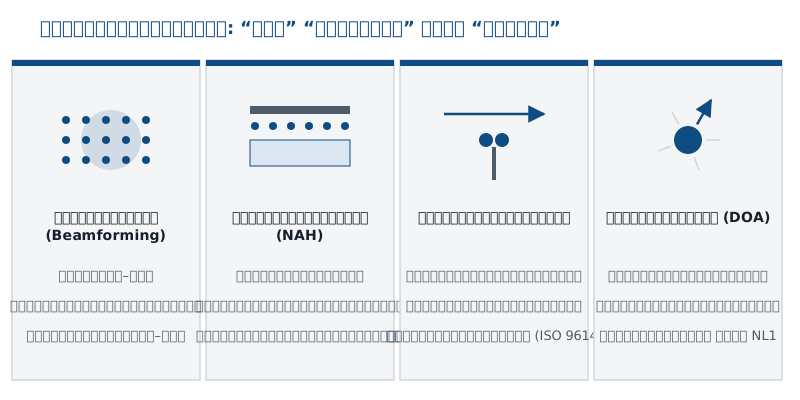
ตารางเปรียบเทียบกล้องจับเสียง การถ่ายภาพเสียงระยะใกล้ หัววัดความเข้มเสียง และเซนเซอร์บอกทิศทาง ว่าแต่ละวิธีให้ผลแบบใดและเหมาะกับระยะหรือความถี่ใดComparison of an acoustic camera, near-field holography, a sound intensity probe and a direction sensor: what each one delivers and which distance or frequency range it suits
เครื่องมือหาแหล่งกำเนิดเสียงแต่ละแบบตอบคำถามต่างกัน: ภาพแผนที่เสียง ค่ากำลังเสียง หรือทิศทางที่เสียงมา จึงเลือกวิธีจากคำถามของงานEach source-finding tool answers a different question (a picture, a sound power value or a direction), so the method is chosen from the question

ขอบเขตงานScope

  • สแกนพื้นผิวเครื่องจักรหรือพื้นที่เป้าหมายตามตารางที่กำหนดScanning of machine surfaces or target areas on a defined grid
  • ไล่ตรวจตามแนวรอยต่อและช่องเปิดเพื่อหาจุดเสียงรั่วScanning along joints and openings to find sound leaks
  • สร้างแผนภาพระบุตำแหน่งและความแรงของแหล่งกำเนิดเสียงProducing a map of noise source locations and strengths
  • จัดลำดับจุดที่ควรแก้ไขตามความสำคัญRanking the points to fix by significance

วิธีดำเนินการMethod

  • ใช้หัววัด Microflown สแกนแบบ Scan & Paint 2DMicroflown probe with Scan & Paint 2D scanning
  • สร้างสนามเสียงอ้างอิงเมื่อตรวจหาจุดรั่วระหว่างห้องReference sound field when searching for leaks between rooms
  • ประมวลผลข้อมูลเป็นแผนภาพซ้อนบนภาพถ่ายจริงData processed into maps overlaid on site photographs
  • ตรวจสอบผลซ้ำในจุดที่ค่าสูงผิดปกติRepeat checks at points with abnormally high levels

สิ่งที่ส่งมอบDeliverables

  • แผนภาพ Heatmap แสดงตำแหน่งแหล่งกำเนิดเสียงบนภาพจริงHeatmaps of noise sources on site photographs
  • แผนผังจุดรั่วพร้อมลำดับความสำคัญLeak location plan with priorities
  • รายงานสรุปและแนวทางแก้ไขที่แนะนำSummary report with recommended remedies

ไล่หาจุดที่เสียงลอดผ่านก่อนตัดสินใจแก้ไขPinpointing sound leaks before deciding on remedial work

การตรวจหาตำแหน่งของเสียงรั่ว หรือบริเวณที่เสียงทะลุผ่านได้มากด้วยเทคนิค Scan and ListenDetecting sound leaks, or areas where a lot of sound passes through, with the Scan and Listen technique

ตรวจไล่ตามแนวผนัง ประตู หน้าต่าง ช่องท่อ และรอยต่อ เพื่อหาตำแหน่งที่เสียงลอดผ่านได้มากที่สุด ทำให้การแก้ไขตรงจุดและไม่ต้องเสียงบประมาณกับการปิดผนึกทั้งพื้นที่A systematic scan along walls, doors, windows, service penetrations and joints to locate where the most sound passes through, so that remedial work is targeted and budget is not spent sealing the entire area.

ขอบเขตงานScope

  • ไล่ตรวจตามแนวรอยต่อและช่องเปิดทั้งหมดในพื้นที่Scanning along all joints and openings in the area
  • ระบุตำแหน่งที่เสียงลอดผ่านมากที่สุดตามลำดับความสำคัญIdentifying the leakage points with the greatest sound transmission, ranked by priority
  • ประเมินแนวทางปิดผนึกที่เหมาะกับแต่ละจุดAssessing suitable sealing methods for each location

วิธีดำเนินการMethod

  • สร้างสนามเสียงอ้างอิงในห้องต้นทางGenerating a reference sound field in the source room
  • ใช้เครื่องมือตรวจฟังไล่ตามแนวผิวและรอยต่อScanning surfaces and joints with a listening probe
  • บันทึกตำแหน่งและระดับเสียงที่ตรวจพบRecording the location and sound level of each detected leak

สิ่งที่ส่งมอบDeliverables

  • แผนผังระบุตำแหน่งจุดรั่วพร้อมภาพประกอบLeak location plan with supporting photographs
  • ลำดับความสำคัญของการแก้ไขและแนวทางที่แนะนำPrioritized list of remedial actions with recommended solutions

เห็นแหล่งกำเนิดเสียงเป็นภาพ ไม่ใช่แค่ตัวเลขSee noise sources as an image, not just numbers

การสแกนพื้นที่เพื่อสร้างแผนภาพระบุตำแหน่งของเสียงArea scanning and sound source mapping

สแกนพื้นที่หรือพื้นผิวของเครื่องจักร แล้วสร้างแผนภาพแสดงตำแหน่งและความแรงของแหล่งกำเนิดเสียง ทำให้ทีมวิศวกรรมเห็นภาพรวมและตัดสินใจเรื่องการแก้ไขได้เร็วขึ้นScanning of an area or machine surface to produce a map showing the location and strength of noise sources, giving the engineering team a clear overview and enabling faster decisions on remedial action.

ขอบเขตงานScope

  • สแกนพื้นผิวหรือพื้นที่เป้าหมายตามตารางที่กำหนดScanning of target surfaces or areas on a defined grid
  • สร้างแผนภาพระบุตำแหน่งแหล่งกำเนิดเสียงProducing a sound source localization map
  • จัดลำดับแหล่งกำเนิดเสียงตามความสำคัญRanking noise sources by significance

วิธีดำเนินการMethod

  • กำหนดกริดการวัดให้ครอบคลุมพื้นผิวเป้าหมายDefining a measurement grid covering the target surface
  • เก็บข้อมูลตามจุดและประมวลผลเป็นแผนภาพPoint-by-point data acquisition processed into a sound map
  • ตรวจสอบผลซ้ำในจุดที่ค่าสูงผิดปกติRepeat checks at points with abnormally high levels

สิ่งที่ส่งมอบDeliverables

  • แผนภาพแสดงตำแหน่งแหล่งกำเนิดเสียงซ้อนบนภาพถ่ายจริงSound source map overlaid on site photographs
  • รายงานสรุปแหล่งกำเนิดเสียงหลักและข้อเสนอแนะSummary report of the dominant noise sources with recommendations

ปัญหาที่ลูกค้าพบบ่อยCommon client problems

อาการที่พบ และข้อมูลที่การวัดให้ได้What clients notice, and what measurement can tell

เครื่องจักรมีเสียงโทนชัด แต่ไม่รู้ว่าออกจากชิ้นส่วนใดA machine has a clear tone, but the radiating part is unknown

สิ่งที่มักเข้าใจกันCommon assumption
ต้องเป็นชิ้นส่วนที่ใหญ่ที่สุดหรือดูเก่าที่สุดIt must be the biggest or oldest-looking component
สิ่งที่วิศวกรตรวจWhat we investigate
สเปกตรัมเพื่อหาความถี่ของเสียงโทน แล้วสแกนหาตำแหน่งเฉพาะย่านนั้น ขณะเครื่องทำงานในสภาวะที่คงที่และทำซ้ำได้The spectrum, to find the tone frequency, then a scan of that band while the machine runs in a steady, repeatable condition
ข้อมูลที่การวัดให้ได้What measurement can show
บริเวณบนตัวเครื่องที่แผ่เสียงย่านนั้นมากที่สุด และลำดับความสำคัญของจุดต่าง ๆThe region of the machine that radiates most in that band, and the ranking of the points
สิ่งที่การวัดพิสูจน์ไม่ได้What it cannot prove
ว่าบริเวณที่แผ่เสียงคือต้นเหตุเชิงกล เช่น แผ่นปิดที่สั่นอาจถูกขับจากชิ้นส่วนอื่นThat the radiating region is the mechanical root cause; a vibrating cover, for example, may be driven by another component
ช่วยตัดสินใจเรื่องDecision it supports
จุดที่ควรลดการสั่น ครอบ หรือตรวจทางกลต่อWhere to apply damping or an enclosure, or where to carry out a mechanical check

ผลทดสอบการกันเสียงระหว่างห้องไม่ผ่านA room-to-room insulation test has failed

สิ่งที่มักเข้าใจกันCommon assumption
ต้องเพิ่มความหนาผนังทั้งแผงThe whole wall must be made thicker
สิ่งที่วิศวกรตรวจWhat we investigate
สนามเสียงอ้างอิงในห้องต้นทาง และสแกนตามขอบประตู แนวผนังชนฝ้า ปลั๊กไฟ และช่องท่อ ในฝั่งห้องรับเสียงA reference sound field in the source room and scans along door edges, the partition-to-ceiling line, sockets and service openings on the receiving side
ข้อมูลที่การวัดให้ได้What measurement can show
ตำแหน่งจุดรั่วและลำดับความสำคัญเมื่อเทียบกันLeak positions and their relative importance
สิ่งที่การวัดพิสูจน์ไม่ได้What it cannot prove
ค่าการกันเสียงของห้องตามเกณฑ์ และเส้นทางภายในโครงสร้าง เพราะเสียงที่ออกตรงจุดหนึ่งอาจเข้ามาจากที่อื่นThe room's insulation rating, or the path inside the structure: sound emerging at one point may enter somewhere else
ช่วยตัดสินใจเรื่องDecision it supports
แก้เฉพาะจุดรั่ว แล้วยืนยันด้วยการทดสอบการกันเสียงซ้ำRepairing the specific leaks, then confirming with a repeat sound insulation test

เสียงหึ่งความถี่ต่ำในห้องเครื่องที่มีผนังแข็งA low-frequency hum in a hard-walled plant room

สิ่งที่มักเข้าใจกันCommon assumption
กล้องจับเสียงจะชี้ตำแหน่งได้ทันทีเสมอAn acoustic camera will always point straight at the source
สิ่งที่วิศวกรตรวจWhat we investigate
ย่านความถี่ของปัญหา ระยะการวัด และสภาพห้องที่มีผิวสะท้อนมาก ก่อนเลือกวิธี เช่น สแกนระยะใกล้ด้วยหัววัดแทนการใช้อาร์เรย์ไมโครโฟนจากระยะไกลThe problem frequency, the measuring distance and how reflective the room is, before choosing a method, for example a close-range probe scan instead of a microphone array at a distance
ข้อมูลที่การวัดให้ได้What measurement can show
ตำแหน่งที่เสียงแผ่ออกมา เมื่อใช้วิธีที่เหมาะกับความถี่และระยะWhere the sound radiates, once a method suited to the frequency and distance is used
สิ่งที่การวัดพิสูจน์ไม่ได้What it cannot prove
ผลที่เชื่อถือได้จากวิธีที่ไม่เหมาะกับความถี่ต่ำหรือห้องที่สะท้อนมาก ซึ่งอาจให้ภาพเงาหรือตำแหน่งคลาดเคลื่อนReliable results from a method unsuited to low frequencies or strongly reflective rooms, which can produce ghost images or misplaced sources
ช่วยตัดสินใจเรื่องDecision it supports
เลือกวิธีหาตำแหน่งที่เหมาะกับปัญหา ก่อนลงเวลาที่หน้างานChoosing the right localization method before committing site time

ความเข้าใจผิดที่พบบ่อยCommon misconceptions

เรื่องที่มักเข้าใจคลาดเคลื่อนWhat is often misunderstood

ตัวเลข dB บนแผนภาพสี คือระดับเสียงที่ผู้ได้ยินรับจริงThe dB number on a colour map is the level the listener actually receives

ค่าบนแผนภาพเป็นค่าเปรียบเทียบระหว่างตำแหน่ง ขึ้นกับย่านความถี่ที่เลือกและระยะ ไม่ใช่ระดับเสียงสัมบูรณ์ที่จุดรับเสียง ถ้าต้องการตัวเลขเทียบเกณฑ์ ต้องวัดด้วยเครื่องวัดระดับเสียงแยกต่างหากValues on a map compare positions and depend on the selected band and distance; they are not the absolute level at a receiver. A figure for comparison with a limit needs a separate sound level meter measurement.

จุดที่สีแดงที่สุดบนแผนภาพคือต้นเหตุของปัญหาThe reddest spot on the map is the cause of the problem

แผนภาพบอกบริเวณที่เสียงแผ่ออกมามาก (source region) ซึ่งไม่เท่ากับต้นเหตุ (root cause) เช่น แผ่นโลหะที่สั่นอาจถูกขับจากมอเตอร์หรือจุดยึดที่หลวม ต้องใช้การวิเคราะห์ทางวิศวกรรมประกอบA map shows where sound radiates strongly (the source region), which is not the same as the root cause. A vibrating metal panel, for example, may be driven by a motor or a loose fixing; engineering analysis is still needed.

อุปกรณ์หาตำแหน่งเสียงใช้ได้ทุกความถี่และทุกระยะSound localization equipment works at any frequency and any distance

อาร์เรย์ไมโครโฟนแยกตำแหน่งได้ยากขึ้นที่ความถี่ต่ำ ห้องที่สะท้อนมากอาจทำให้เกิดภาพเงา และแหล่งเสียงเบาอาจถูกบังโดยแหล่งเสียงดังข้างเคียง จึงต้องเลือกวิธีให้เหมาะกับปัญหาMicrophone arrays resolve sources less well at low frequencies, strongly reflective rooms can create ghost images, and a quiet source can be hidden by a loud neighbour, so the method must suit the problem.

ตัวอย่างสมมติIllustrative example

ทุกคนสงสัยมอเตอร์ แต่เสียงออกมาจากแผ่นปิดEveryone suspected the motor, but the sound came from a cover panel

ตัวอย่างประกอบการอธิบาย ไม่ใช่โครงการของ GET BEST SOUND และไม่มีตัวเลขผลลัพธ์จริงAn illustrative scenario, not a GET BEST SOUND project, with no real results

  1. อาการที่พบSymptomเครื่องจักรในสายการผลิตมีเสียงดังเกินเป้าหมายและมีเสียงโทนชัด ทีมซ่อมบำรุงสงสัยหลายชิ้นส่วนA production machine is above its noise target and has a clear tone. The maintenance team suspects several components.
  2. คำถามแรกInitial questionระดับเสียงบอกว่าดังเท่าไร แต่ส่วนใดของเครื่องที่แผ่เสียงโทนนั้นออกมามากที่สุด?The level says how loud; which part of the machine radiates most of that tone?
  3. การตรวจสอบInvestigationดูสเปกตรัมเพื่อหาความถี่ของเสียงโทน สแกนพื้นผิวเครื่องขณะทำงานในสภาวะคงที่ และสร้างแผนภาพเฉพาะย่านนั้นA spectrum to find the tone frequency, a surface scan while the machine runs in a steady condition, and a map of that band.
  4. สิ่งที่อาจพบPossible insightอาจพบว่าบริเวณที่เด่นที่สุดคือแผ่นปิดด้านข้าง ไม่ใช่ตัวมอเตอร์ แผ่นปิดเป็นบริเวณที่แผ่เสียง (source region) แต่ไม่จำเป็นต้องเป็นต้นเหตุ (root cause) เพราะอาจสั่นจากชิ้นส่วนอื่นที่ส่งแรงผ่านจุดยึดThe strongest region may be a side cover panel rather than the motor. The cover is the source region, not necessarily the root cause: it may vibrate because another component drives it through its fixings.
  5. การตัดสินใจทางวิศวกรรมEngineering decisionตรวจทางกลที่จุดยึดและแหล่งการสั่น ทดลองมาตรการที่แผ่นปิด เช่น ลดการสั่นหรือแยกจุดยึด แล้วสแกนและวัดระดับเสียงซ้ำCheck the fixings and the vibration source mechanically, try a measure on the panel such as damping or decoupling, then repeat the scan and the level measurement.
  6. ประโยชน์ต่อลูกค้าClient benefitแก้ตรงบริเวณที่มีผล และตรวจยืนยันผลได้ ไม่ต้องหุ้มทั้งเครื่องTreatment targets the region that matters and is verified, without enclosing the whole machine.

ภาพประกอบงานGallery

คำถามที่พบบ่อยFAQ

คำถามที่ลูกค้ามักถามQuestions clients often ask

ต้องเตรียมอะไรบ้าง?What do we need to prepare?

เครื่องหรือแหล่งกำเนิดต้องทำงานในสภาวะที่คงที่และทำซ้ำได้ระหว่างสแกน ต้องเข้าถึงพื้นผิวที่จะสแกนได้ในระยะใกล้ และถ้าเป็นการหาจุดรั่วระหว่างห้อง ต้องเข้าได้ทั้งสองห้องThe machine or source must run in a steady, repeatable condition during the scan, the surfaces must be reachable at close range, and for leaks between rooms both rooms must be accessible.

ใช้แทนการวัดระดับเสียงตามมาตรฐานได้หรือไม่?Can it replace a standard sound level measurement?

ไม่ได้ การหาตำแหน่งบอกว่าเสียงออกจากที่ไหนและจุดใดสำคัญกว่ากัน ส่วนระดับเสียงเทียบเกณฑ์หรือค่าการกันเสียง ต้องวัดด้วยวิธีมาตรฐานของงานนั้น เช่น การตรวจวัดเสียงสิ่งแวดล้อม หรือการทดสอบการกันเสียงNo. Localization shows where sound comes out and which points matter more. Levels against a limit, or insulation ratings, need the standard method for that job, such as environmental noise measurement or a sound insulation test.

เสียงที่เกิดเป็นช่วง ๆ หรือเปลี่ยนไปมา สแกนได้หรือไม่?Can intermittent or changing noise be scanned?

วิธี Scan & Paint ออกแบบมาสำหรับเสียงที่คงที่ตลอดช่วงสแกน ถ้าเสียงเกิดเป็นช่วงหรือเปลี่ยนไปมา ต้องหาทางให้สภาวะการทำงานคงที่ หรือพิจารณาวิธีอื่น วิศวกรจะประเมินก่อนเข้าพื้นที่The Scan & Paint method is designed for sound that stays steady during the scan. If the noise is intermittent or changing, the operating condition must be held steady or another approach considered; the engineer assesses this before the site visit.

สแกนแล้วบอกได้เลยไหมว่าต้องแก้อย่างไร?Does the scan tell us directly how to fix it?

แผนภาพบอกตำแหน่งและลำดับความสำคัญ การเลือกวิธีแก้ต้องดูกลไกประกอบ เช่น เป็นช่องรั่ว เป็นแผ่นที่สั่น หรือเป็นเสียงที่ส่งผ่านโครงสร้าง แนวทางในรายงานจึงอิงทั้งผลสแกนและการตรวจหน้างานThe map gives positions and priorities. Choosing a remedy also depends on the mechanism: a leak, a vibrating panel or structure-borne sound. Recommendations in the report therefore draw on both the scan and the site inspection.

ใช้กับเสียงความถี่ต่ำได้หรือไม่?Does it work for low-frequency noise?

ขึ้นกับวิธี ผู้ผลิตหัววัดระบุว่าการสแกนระยะใกล้พื้นผิวเป็นประโยชน์กับปัญหาความถี่ต่ำ ส่วนอาร์เรย์ไมโครโฟนที่วัดจากระยะไกลแยกตำแหน่งได้ยากขึ้นเมื่อความถี่ต่ำลงIt depends on the method. The probe manufacturer states that scanning close to the surface is useful for low-frequency problems, whereas microphone arrays used at a distance resolve sources less well as frequency falls.
อ้างอิงทางเทคนิคTechnical references Microflown – Scan&Paint 2D (product page, FAQ) · Microflown – Scan&Paint 2D product brochure (2026) · Microflown – Understanding acoustic cameras (blog) · Sorama – CAM iV64 User Manual v2.20 (dB marker is not absolute SPL)

อ่านเพิ่มเติมGo deeper

รายละเอียดเชิงเทคนิคสำหรับวิศวกรTechnical depth for engineers

วิธีการตรวจวัดApplication guideการหาตำแหน่งแหล่งกำเนิดเสียงและจุดรั่วLocating noise sources and leaksวิธีเลือกเครื่องมือ ขั้นตอน และข้อจำกัดChoosing a method, workflow and limitsความรู้Knowledgeกล้องจับเสียงและ BeamformingAcoustic cameras and beamformingความละเอียดตามความถี่ ภาพเงา และข้อจำกัดResolution vs frequency, ghost images and limitsบริการServiceทดสอบการกันเสียงก่อนและหลังแก้ไขSound insulation testing before and after a fixบริการServiceตรวจวัดเสียงสิ่งแวดล้อมและอุตสาหกรรมEnvironmental and industrial noise measurementความรู้Knowledgeเครื่องวัดระดับเสียง กล้องเสียง และหัววัด p-u: ใช้ตัวไหนตอบคำถามไหนSound level meter, acoustic camera and p-u probe: which answers which questionเครื่องมือที่เราใช้Equipment we useกล้องเสียง Sorama CAM iV64Sorama CAM iV64 acoustic cameraวิธีการตรวจวัดApplication guideScan & Paint: เสียงเครื่องจักรและผลิตภัณฑ์Scan & Paint: machine and product noise

บริการและเครื่องมือที่เกี่ยวข้องRelated services & instruments

ภาพหน้างานของ GET BEST SOUNDGET BEST SOUND field photos

ภาพการทำงานจริงOur work in the field

ภาพจริง: สแกนพื้นผิวเครื่องจักรด้วยหัววัดขณะเครื่องทำงานReal photo: probe scan over a machine surface while it runs
ภาพจริง: สแกนหาจุดรั่วตามขอบประตูหรือรอยต่อผนังReal photo: leak scan along a door edge or wall joint

สนใจบริการนี้?Interested in this service?

แจ้งลักษณะพื้นที่ จำนวนจุดที่ต้องวัด และกำหนดเวลา ทีมงานจะเสนอขอบเขตงานและราคาให้ภายในวันทำการTell us the site, the number of positions and your timing — we will propose a scope and price within a business day.

โทรศัพท์Phone062-195-1909
อีเมลEmailgetbestsoundthailand@gmail.com
Line Official@x2525