Knowledge

บทความและความรู้ด้านอะคูสติกAcoustics knowledge base

รวมเรื่องที่ลูกค้าถามบ่อยในรูปแบบบทความสั้น อ่านจบแล้วนำไปใช้วางแผนงานวัดหรือเลือกเครื่องมือได้จริงShort articles on the questions clients ask most — enough to plan a measurement or choose an instrument.

หมวดความรู้Topics

สำรวจตามหัวข้อExplore by topic

เส้นทางการเรียนรู้ทั้งหมด 4 ระดับ ↓The full 4-level learning path ↓วิธีการตรวจวัด →Application guides →มาตรฐาน →Standards →

Acoustics explained from zero

เส้นทางการเรียนรู้: เริ่มจากศูนย์Learning path: start from zero

อ่านตามลำดับจากระดับ 1 ถึง 4 แต่ละบทอธิบายคำศัพท์ก่อนใช้ ไม่ต้องมีพื้นฐานด้านเสียงมาก่อน เนื้อหาเรียบเรียงโดย GET BEST SOUND จากมาตรฐานสากล เอกสารทางเทคนิคของผู้ผลิต และแหล่งวิชาการที่ระบุไว้ในแต่ละบทความRead in order from level 1 to 4; every article explains its terms before using them, so no background in acoustics is needed. Content is prepared by GET BEST SOUND from international standards, manufacturer technical documentation and the academic/institutional sources cited in each article.

ไม่มีพื้นฐานเรื่องเสียงเลย? เริ่มที่นี่New to acoustics? Start here บทที่ 1: เสียงคืออะไร →Article 1: What is sound? →

ระดับ 1 · เริ่มต้นจากศูนย์Level 1 · Start here

เสียงคืออะไร เดซิเบลคืออะไร — พื้นฐานที่ต้องรู้ก่อนเรื่องอื่นทั้งหมดWhat sound is, what a decibel is — the basics everything else builds on

เสียงคืออะไรWhat is sound?

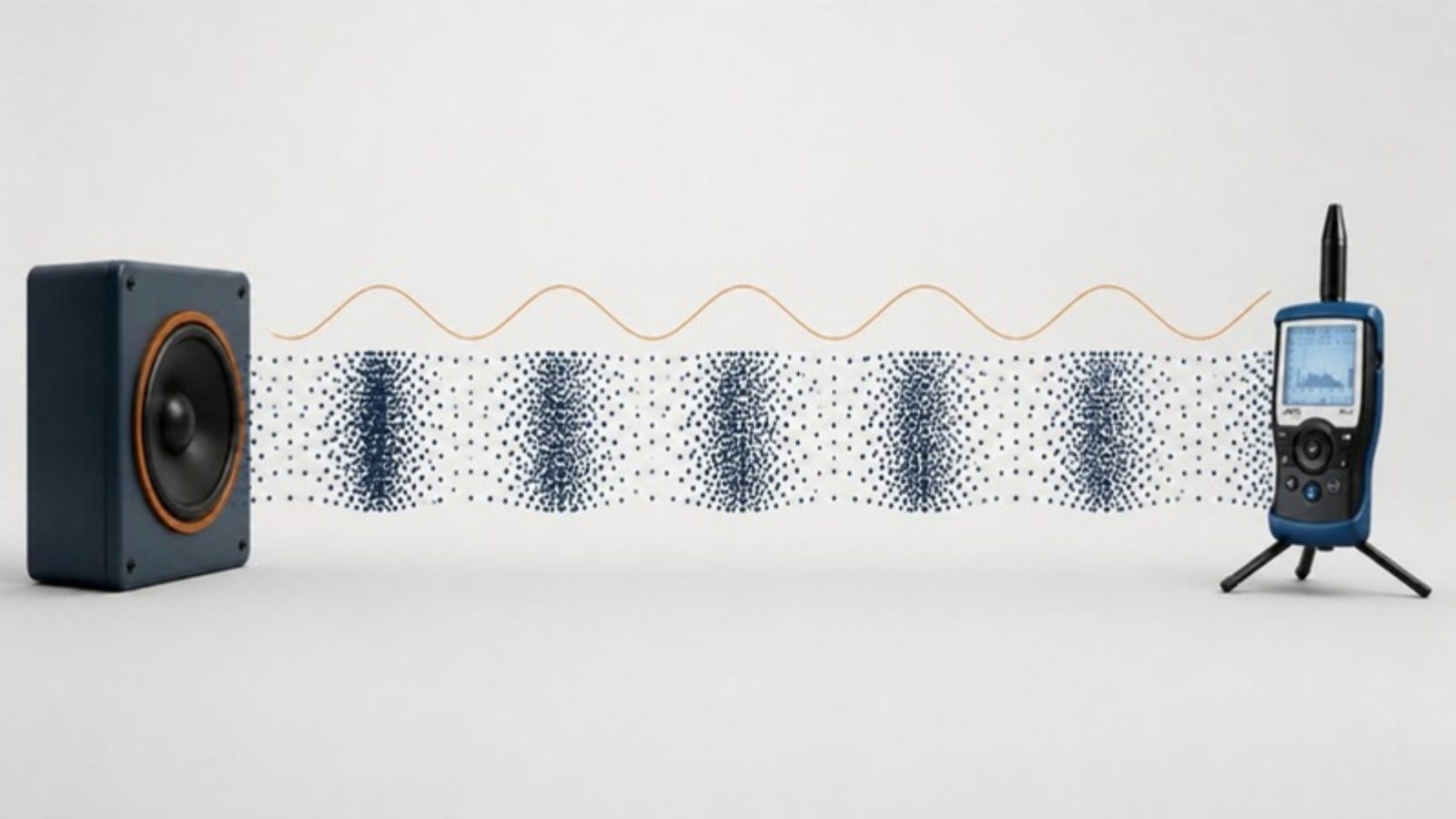
จุดเริ่มต้น: เสียงเกิดจากการสั่น เดินทางเป็นคลื่น และมีแหล่งกำเนิด ตัวกลาง ผู้รับเสมอThe starting point: sound begins as a vibration, travels as a wave, and always has a source, a medium and a receiver.

ความถี่คืออะไรWhat is frequency?

เฮิรตซ์ (Hz) เสียงทุ้ม–แหลม ช่วงที่หูได้ยิน และทำไมเสียงจริงจึงมีหลายความถี่ปนกันHertz (Hz), deep and shrill sounds, the range we can hear, and why real sounds mix many frequencies.

เสียงรบกวนคืออะไร และทำไมจึงสำคัญWhat is noise, and why does it matter?

เสียงรบกวนคือเสียงที่ไม่ต้องการ ผลต่อสุขภาพ การนอน การสื่อสาร และเรื่องร้องเรียนNoise is unwanted sound: its effects on health, sleep, communication and complaints.

เดซิเบล (dB) และระดับความดันเสียง (SPL)The decibel (dB) and sound pressure level (SPL)

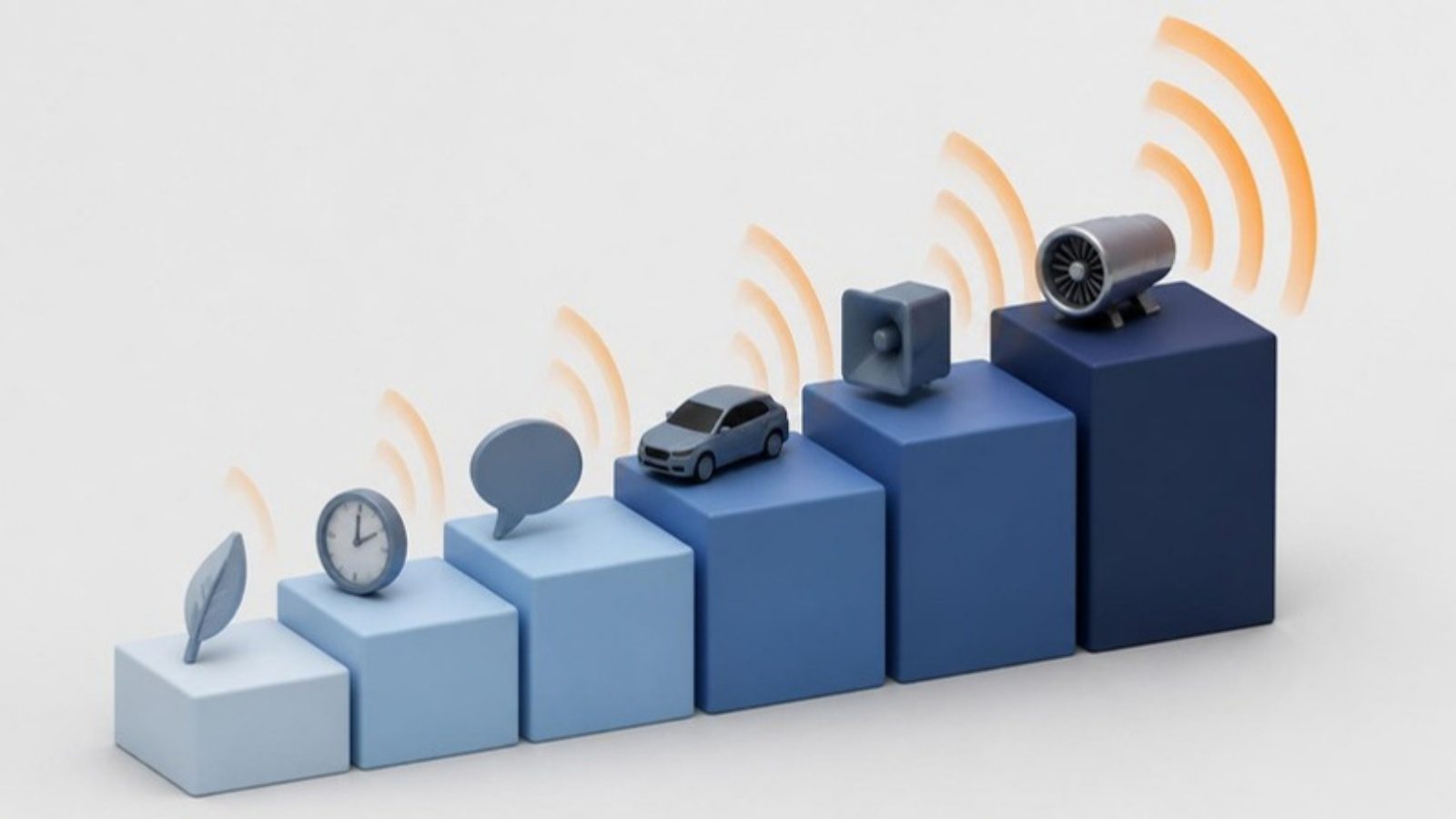
ทำไมใช้สเกลลอการิทึม SPL อ้างอิงอะไร ระดับเสียงทั่วไป และทำไม 60 + 60 sc-camel-d-b = 63 dBWhy a logarithmic scale, what SPL refers to, typical levels, and why 60 dB + 60 sc-camel-d-b = 63 dB.

dBA dBC และ dBZ ต่างกันอย่างไรdBA, dBC and dBZ: frequency weighting explained

ทำไมเครื่องวัดเสียงต้องมี A, C และ Z และควรเลือกใช้แบบไหนเมื่อไรWhy a sound level meter has A, C and Z, and which one to choose when

Fast, Slow และ Impulse: การถ่วงน้ำหนักเวลาFast, Slow and Impulse: time weighting

Fast, Slow และ Impulse คืออะไร เลือกอย่างไร และทำไม LAeq,T ไม่ใช่ Fast หรือ SlowWhat Fast, Slow and Impulse are, how to choose, and why LAeq,T is neither Fast nor Slow

Leq, Lmax, Lmin และ Lpeak คืออะไรLeq, Lmax, Lmin and Lpeak explained

ค่าเฉลี่ย ค่าสูงสุด ค่าต่ำสุด และค่ายอดของเสียง แต่ละค่าบอกอะไรAverage, maximum, minimum and peak: what each sound level value tells you

ค่าเปอร์เซ็นไทล์ (L90, L10) และเสียงพื้นหลังPercentile levels (L90, L10) and background noise

L90 L10 L50 คืออะไร และทำไม L90 มักใช้เป็นตัวบ่งชี้เสียงพื้นหลังWhat L90, L10 and L50 mean, and why L90 is often used as a background noise indicator

ย่านออกเตฟและ 1/3 ออกเตฟOctave and 1/3 octave bands

แบ่งเสียงเป็นย่านความถี่เพื่อดูว่าเสียงดังที่ความถี่ไหนSplitting sound into frequency bands to see where the energy is

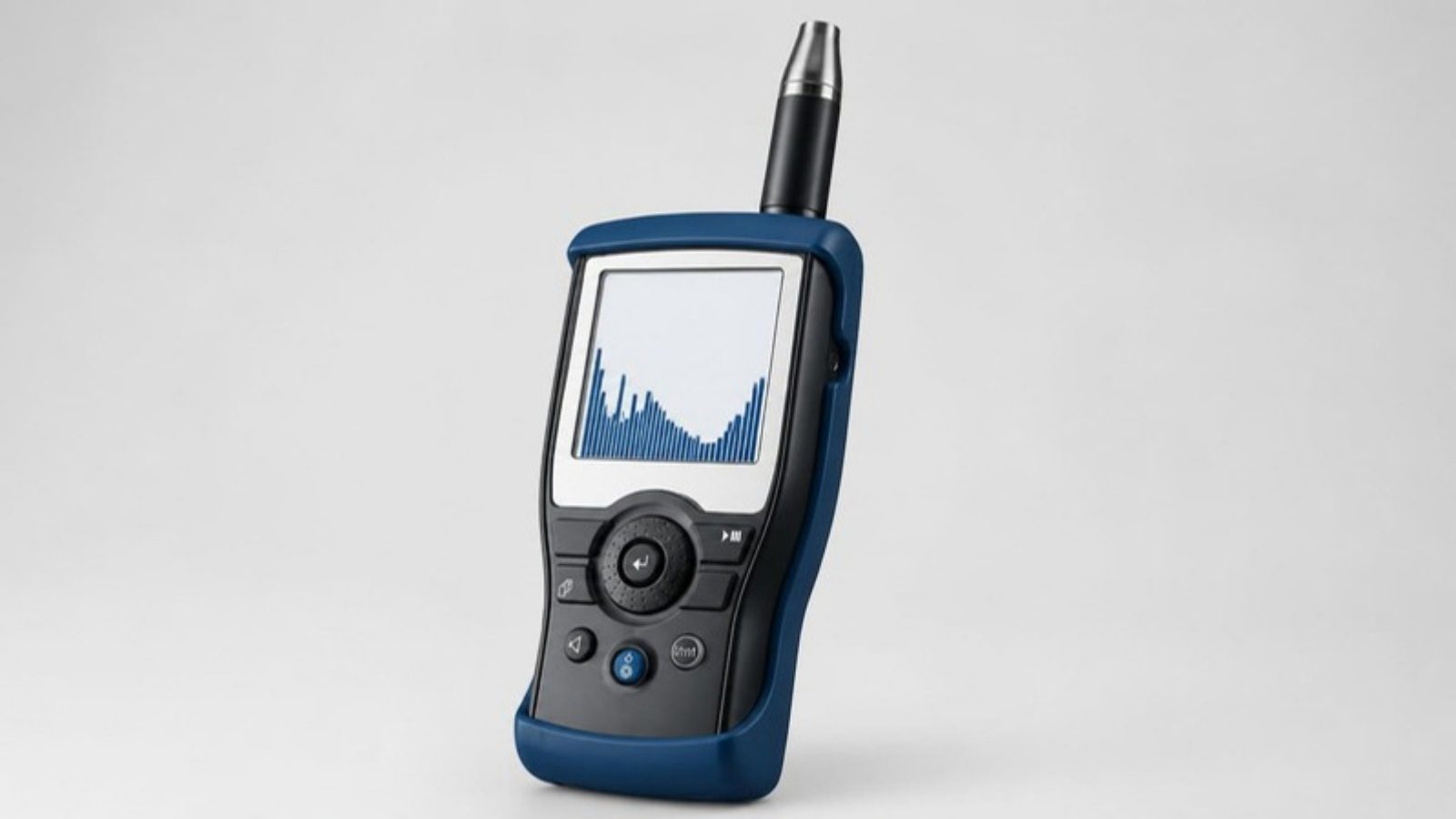
เครื่องวัดระดับเสียงคืออะไร และ Class 1 / Class 2 ต่างกันอย่างไรWhat is a sound level meter? Class 1 vs Class 2

เครื่องวัดระดับเสียงทำงานอย่างไร และเลือก Class 1 หรือ Class 2How a sound level meter works, and choosing Class 1 or Class 2

ระดับ 2 · วัดเสียงอย่างไรLevel 2 · How sound is measured

ไมโครโฟน การสอบเทียบ การถ่วงน้ำหนัก และการวิเคราะห์ความถี่Microphones, calibration, weightings and frequency analysis

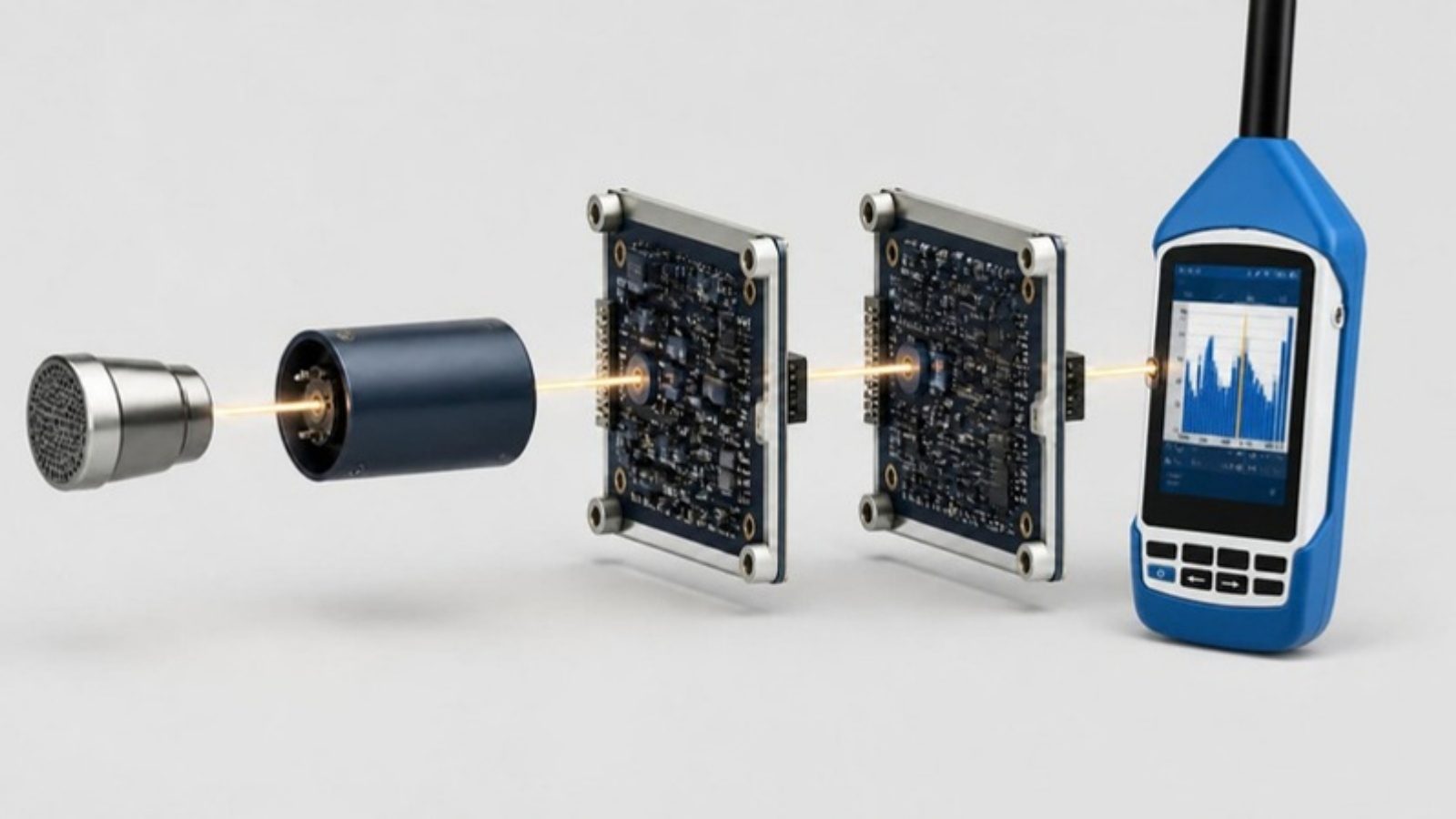
ไมโครโฟนวัดเสียงและสายการวัดMeasurement microphones and the measurement chain

ไมโครโฟนวัดเสียงทำงานอย่างไร และทำไมทั้งสายการวัดจึงสำคัญHow measurement microphones work, and why the whole chain matters

สนามเสียงอิสระ สนามเสียงกระจาย และไมโครโฟนแต่ละแบบFree field, diffuse field and microphone types

สนามเสียงสามแบบ และไมโครโฟน free-field / diffuse-field / pressure ต่างกันอย่างไรThe three sound fields, and how free-field, diffuse-field and pressure microphones differ

การสอบเทียบไมโครโฟนและเครื่องสอบเทียบเสียงMicrophone calibration and the sound calibrator

ตรวจเช็กภาคสนามกับสอบเทียบในห้องปฏิบัติการ ต่างกันอย่างไร และทำไมต้องทำทั้งสองอย่างField check vs laboratory calibration, and why you need both

FFT กับการวิเคราะห์แบบออกเตฟFFT vs octave analysis

FFT หรือออกเตฟ: ความละเอียด การเลือกใช้ และการหาเสียงโทนFFT or octave bands: resolution, when to use which, and finding tones

การบันทึกข้อมูลและการวัดระยะยาวLogging and long-term measurements

ช่วงบันทึกข้อมูล สิ่งที่ต้องบันทึก ไฟล์เสียง และตัวทำเครื่องหมายLogging intervals, what to record, audio and markers

การตั้งค่าการวัดและข้อผิดพลาดที่พบบ่อยMeasurement setup and common mistakes

เช็กลิสต์ก่อนวัดเสียง และข้อผิดพลาดที่ทำให้ผลใช้ไม่ได้A pre-measurement checklist and the mistakes that spoil results

เสียงพื้นหลัง การแก้ค่า และช่วงไดนามิกของการวัดBackground noise, correction and measurement dynamic range

บวกลบเดซิเบล เกณฑ์ 3 dB / 10 dB การแก้ค่าเสียงพื้นหลัง และช่วงไดนามิกของเครื่องวัดAdding and subtracting decibels, the 3 dB / 10 dB margins, background correction and instrument dynamic range

ความไม่แน่นอนของการวัดเสียงMeasurement uncertainty in acoustics

ผลวัดทุกค่ามีช่วงความไม่แน่นอน มาจากไหนและอ่านอย่างไรEvery result has an uncertainty: where it comes from and how to read it

การวัดเสียงกลางแจ้ง: ลม ฝน อุณหภูมิ และการกันลมMeasuring outdoors: wind, rain, temperature and windscreens

เสียงลมที่ไมโครโฟน Windscreen ฝน อุณหภูมิ ทิศลม ความสูงไมโครโฟน และการบันทึกสภาพอากาศWind noise at the microphone, windscreens, rain, temperature, wind direction, microphone height and weather records

วิธีเลือกเครื่องวัดระดับเสียงHow to choose a sound level meter

คำถามที่ต้องตอบก่อนซื้อเครื่องวัดระดับเสียงThe questions to answer before buying a sound level meter

วิธีเลือกไมโครโฟนวัดเสียงHow to choose a measurement microphone

Certified Class 1, Class 1 frequency response และ Class 2 และปัจจัยอื่นในการเลือกไมโครโฟนCertified Class 1, Class 1 frequency response, Class 2, and the other factors in choosing a microphone

ระดับ 3 · งานประยุกต์Level 3 · Applications

เสียงสิ่งแวดล้อม อาคาร ห้อง ความชัดเจนของเสียงพูด และแรงสั่นสะเทือนEnvironmental noise, buildings, rooms, speech intelligibility and vibration

การประเมินเสียงรบกวนในสิ่งแวดล้อมEnvironmental noise assessment

LAeq กลางวันกลางคืน ระดับประเมิน บทลงโทษ และการหาแหล่งเสียงDay and night LAeq, rating level, penalties and finding sources

การเฝ้าระวังเสียงอัตโนมัติและเรื่องร้องเรียนเสียงดังUnattended noise monitoring and noise complaints

สถานีวัดเสียงทำงานเองได้อย่างไร และทำไมค่าเฉลี่ยต่ำก็ยังมีคนร้องเรียนHow monitoring stations work, and why people complain even when the average is low

เสียงดังในที่ทำงานและระดับการสัมผัสเสียงOccupational noise exposure

LEX,8h, LCpeak และค่าระดับที่ต้องดำเนินการ อธิบายแบบเข้าใจง่ายLEX,8h, LCpeak and action values in plain language

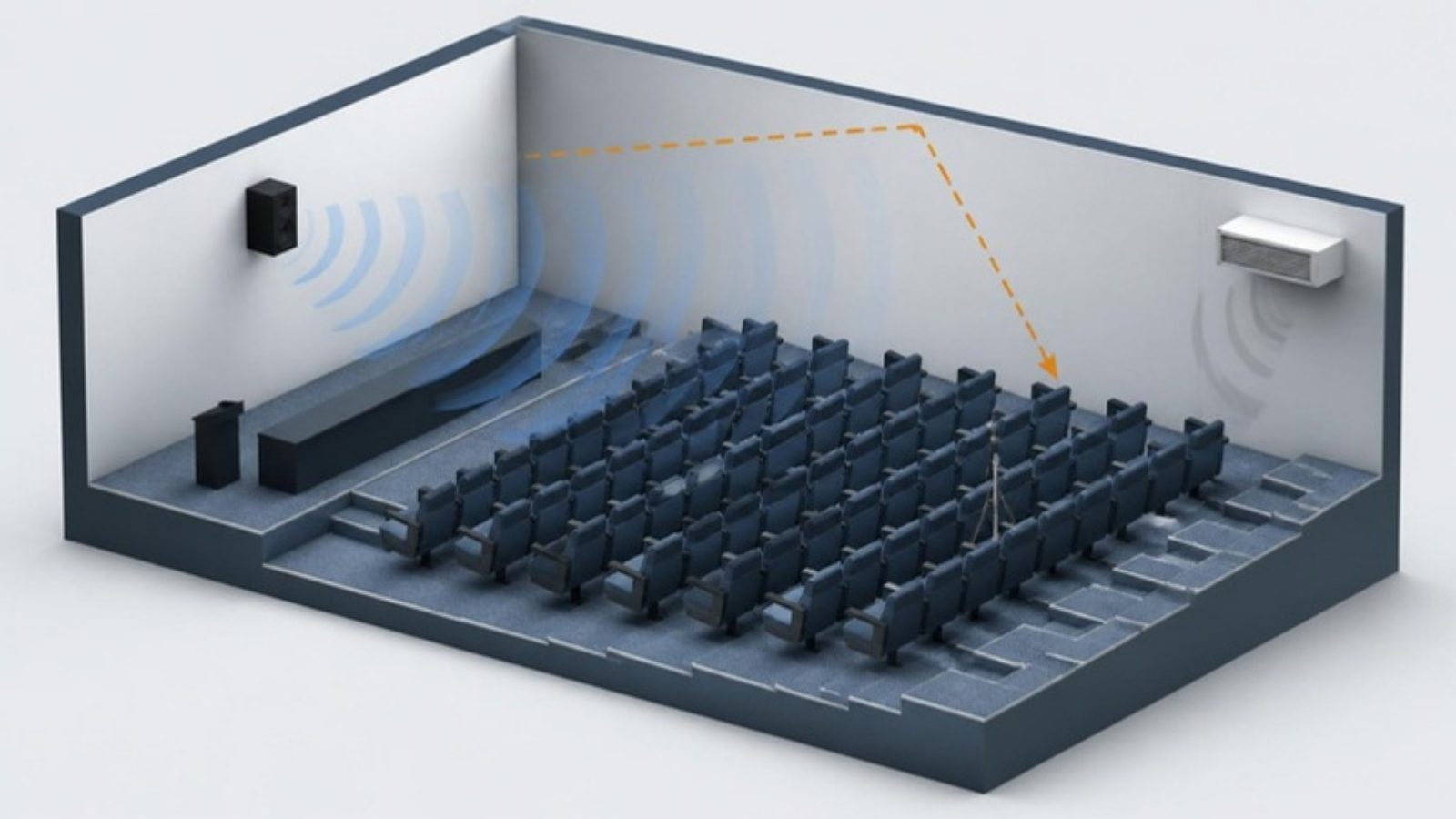
เวลาเสียงก้อง (RT60) คืออะไรWhat is reverberation time (RT60)?

เสียงก้องคืออะไร วัดอย่างไร และห้องแบบไหนควรก้องเท่าไรWhat reverberation is, how it is measured and how much each room should have

การสะท้อน การดูดซับ และการส่งผ่านเสียง: กันเสียงกับดูดซับเสียงต่างกันอย่างไรReflection, absorption and transmission: sound insulation vs sound absorption

พลังงานเสียงที่ผนัง: สะท้อน ดูดซับ ส่งผ่าน และทำไมกันเสียงกับดูดซับเสียงไม่ใช่เรื่องเดียวกันSound energy at a wall: reflected, absorbed, transmitted, and why insulation and absorption differ

ความชัดเจนของเสียงพูด: STI และ STIPASpeech intelligibility: STI and STIPA

ตัวเลข 0–1 ที่บอกว่าเสียงพูดฟังรู้เรื่องแค่ไหน และวิธีวัดด้วย STIPAThe 0–1 number for how understandable speech is, and how STIPA measures it

อะคูสติกห้องสำหรับการพูด: ห้องเรียน ห้องประชุม สำนักงานRoom acoustics for speech: classrooms, meeting rooms, offices

เสียงก้อง เสียงพื้นหลัง และ STI: สามเรื่องที่ทำให้ห้องฟังเสียงพูดชัดหรือไม่ชัดReverberation, background noise and STI: the three things that make speech clear or unclear

เกณฑ์เสียงรบกวนในอาคาร: NC และ NRIndoor noise criteria: NC and NR curves

NC และ NR คืออะไร มาจากไหน และอ่านค่าอย่างไรWhat NC and NR are, where they come from and how to read them

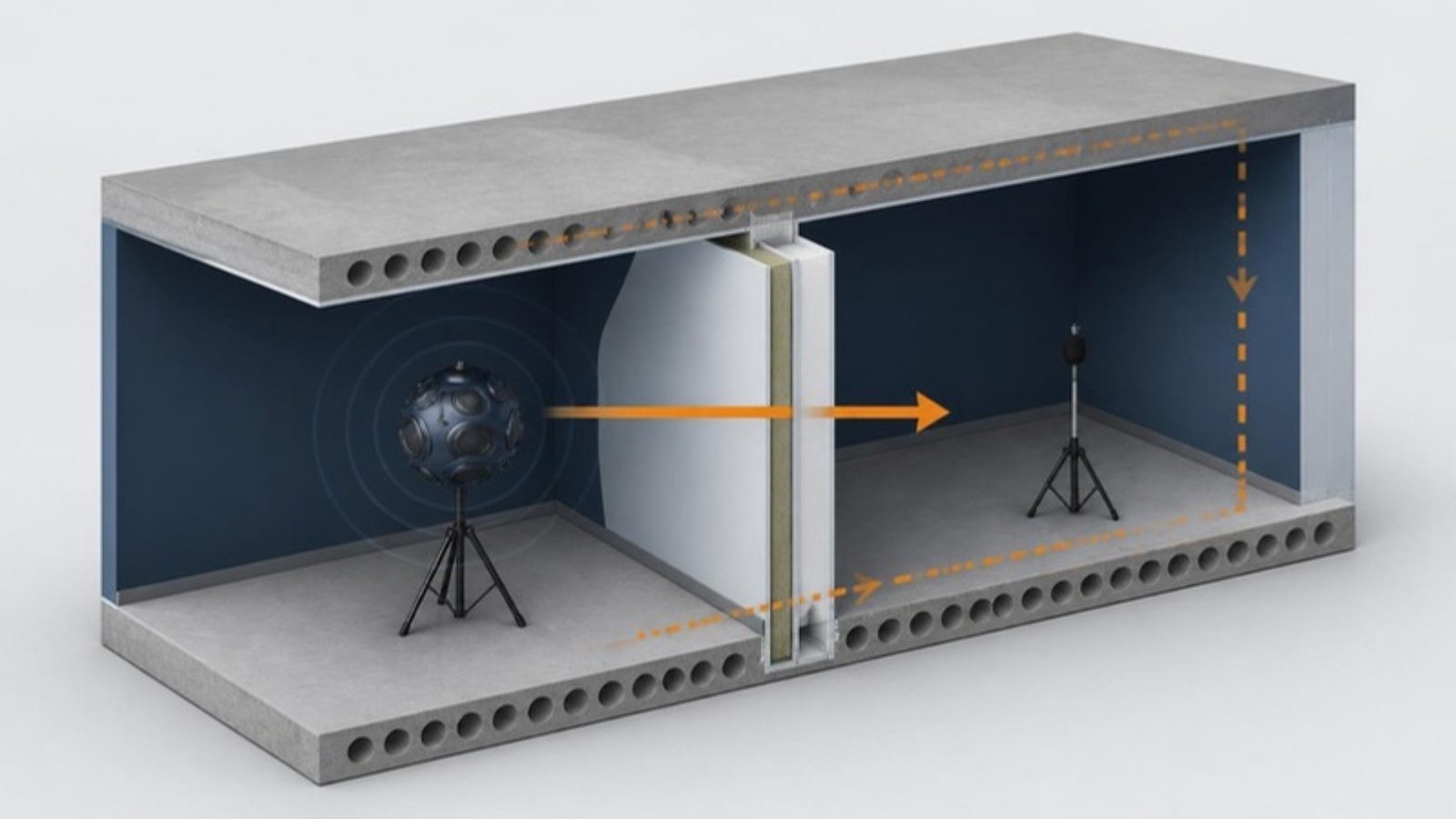
การกันเสียงในอาคาร: เสียงผ่านอากาศ เสียงกระแทก และผนังภายนอกSound insulation in buildings: airborne, impact and facade

ห้องต้นเสียง ห้องรับเสียง ผลต่างระดับเสียง และค่า R', DnT,w, L'nT,w อธิบายทีละขั้นSource and receiving rooms, level difference, and R', DnT,w, L'nT,w explained step by step

อุปกรณ์สำหรับวัดอะคูสติกห้องและการกันเสียงในอาคารEquipment for room acoustics and building sound insulation measurements

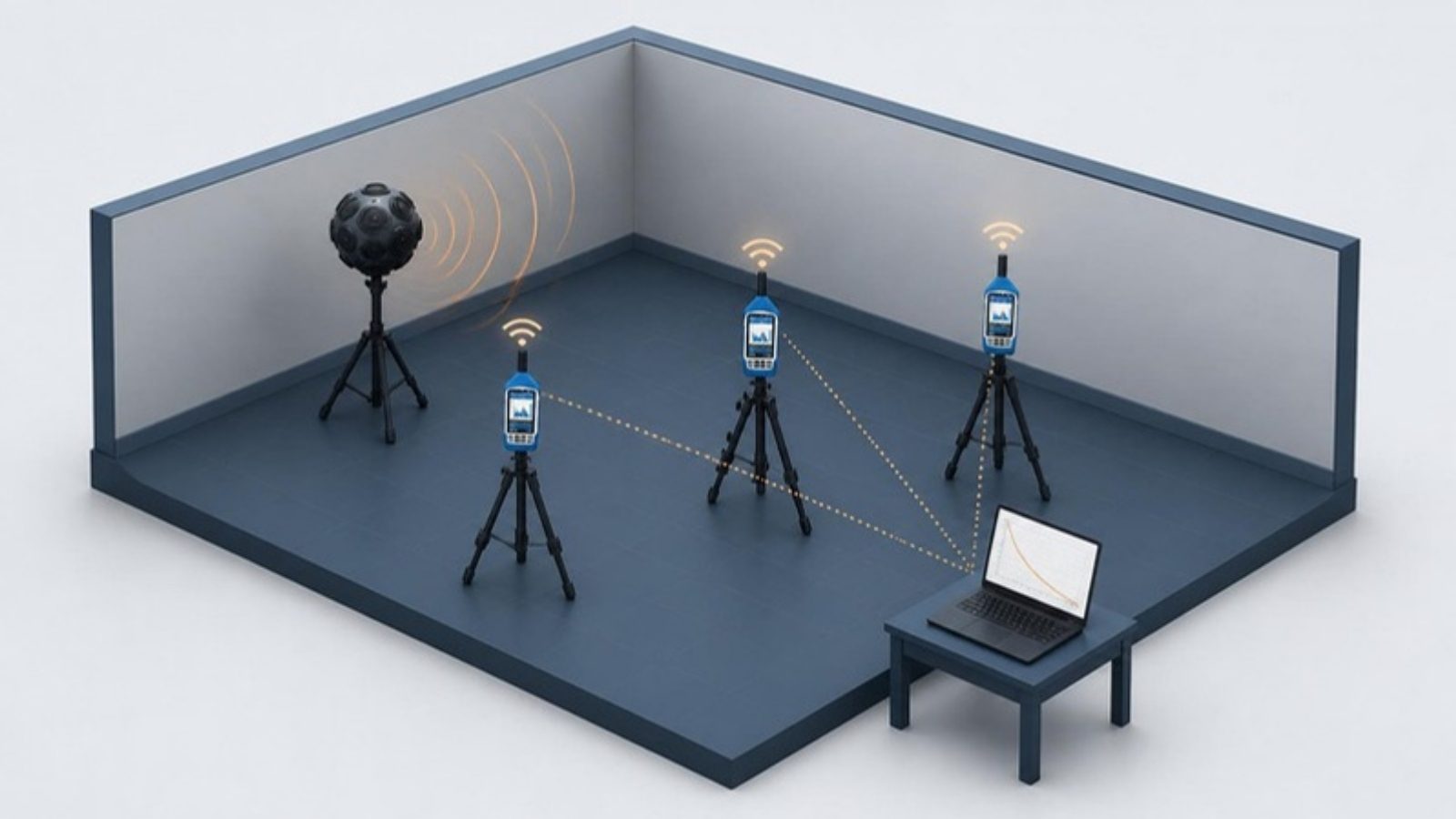
ชุดอุปกรณ์สำหรับวัดเวลาเสียงก้องและการกันเสียง และหน้าที่ของแต่ละชิ้นThe kit for reverberation time and sound insulation, and what each part does

การทดสอบระบบเสียงประกาศและอพยพฉุกเฉินTesting voice alarm and PA evacuation systems

ดังพอและฟังรู้เรื่อง: ระดับเสียงประกาศ STIPA ตารางจุดวัด และอิมพีแดนซ์สายลำโพงLoud enough and understandable: announcement level, STIPA grid and speaker-line impedance

การเฝ้าระดับเสียงในงานแสดงสดและคอนเสิร์ตSound level monitoring at live events

LAeq 15/60 นาที, LCeq, LCpeak, การแก้ค่าจาก FOH และไฟเตือนสำหรับซาวด์เอนจิเนียร์LAeq over 15/60 min, LCeq, LCpeak, FOH correction and warning lights for the engineer

พื้นฐานการปรับจูนระบบเสียงSound system tuning basics

Pink noise, RTA, ความครอบคลุม ดีเลย์ และโพลาริตี: ขั้นตอนพื้นฐานของการจูนระบบเสียงPink noise, RTA, coverage, delay and polarity: the basic steps of tuning a sound system

แรงสั่นสะเทือนเบื้องต้น: ความเร่ง ความเร็ว การกระจัดVibration basics: acceleration, velocity, displacement

ความเร่ง ความเร็ว การกระจัด Accelerometer และการประเมินอาคารกับความสบายของคนAcceleration, velocity, displacement, accelerometers, and assessing buildings versus human comfort

วิธีเลือก Accelerometer สำหรับวัดการสั่นสะเทือนHow to choose an accelerometer

ความไว ช่วงความถี่ วิธียึด และปัจจัยอื่นในการเลือก accelerometerSensitivity, frequency range, mounting and the other factors in choosing an accelerometer

ระดับ 4 · หัวข้อขั้นสูงLevel 4 · Advanced topics

สำหรับผู้ที่เข้าใจพื้นฐานแล้วFor readers who already know the fundamentals

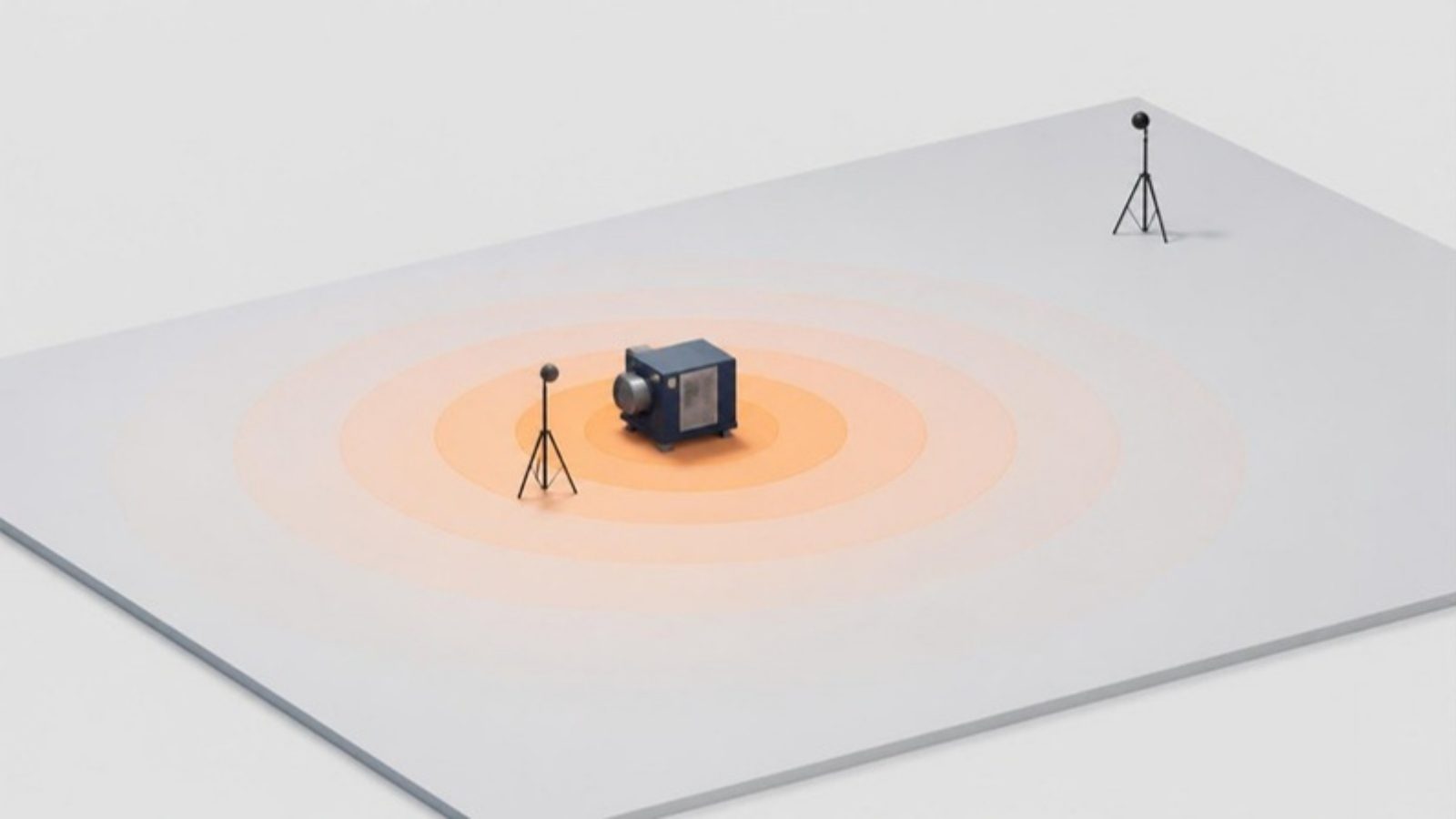
กำลังเสียง (Sound power) ต่างจากความดันเสียงอย่างไรSound power vs sound pressure

กำลังเสียงคือคุณสมบัติของแหล่งเสียง ความดันเสียงคือสิ่งที่ได้ยิน ณ จุดหนึ่ง: ต่างกันอย่างไรและวัดอย่างไรSound power belongs to the source; sound pressure is what you hear at one point: the difference and how it is measured

ความเข้มเสียงและการหาทิศทางของเสียงSound intensity and direction of arrival

ความดันเสียงบอกว่าดังแค่ไหน ความเข้มเสียงบอกว่าพลังงานไหลมาทางไหน: หลักการของ NL1Pressure says how loud; intensity says which way the energy flows: the principle behind the NL1

หัววัด p-u และความเร็วอนุภาคเสียง: ความดันกับการเคลื่อนที่ของอากาศบอกอะไรเราได้บ้างThe p-u probe and acoustic particle velocity: what pressure and air motion each tell us

ไมโครโฟนวัดความดัน หัววัด p-u วัดทั้งความดันและการเคลื่อนที่ของอากาศ จึงรู้ว่าพลังงานเสียงไหลไปทางไหนA microphone measures pressure; a p-u probe also measures air motion, so it shows which way sound energy flows

แผนที่มาตรฐานการวัดเสียงและการทำรายงานA map of acoustic measurement standards and reporting

ตารางรวม: งานวัดแต่ละแบบใช้มาตรฐานอะไร และรายงานต้องมีอะไรOne table: which standard for which measurement task, and what the report must contain

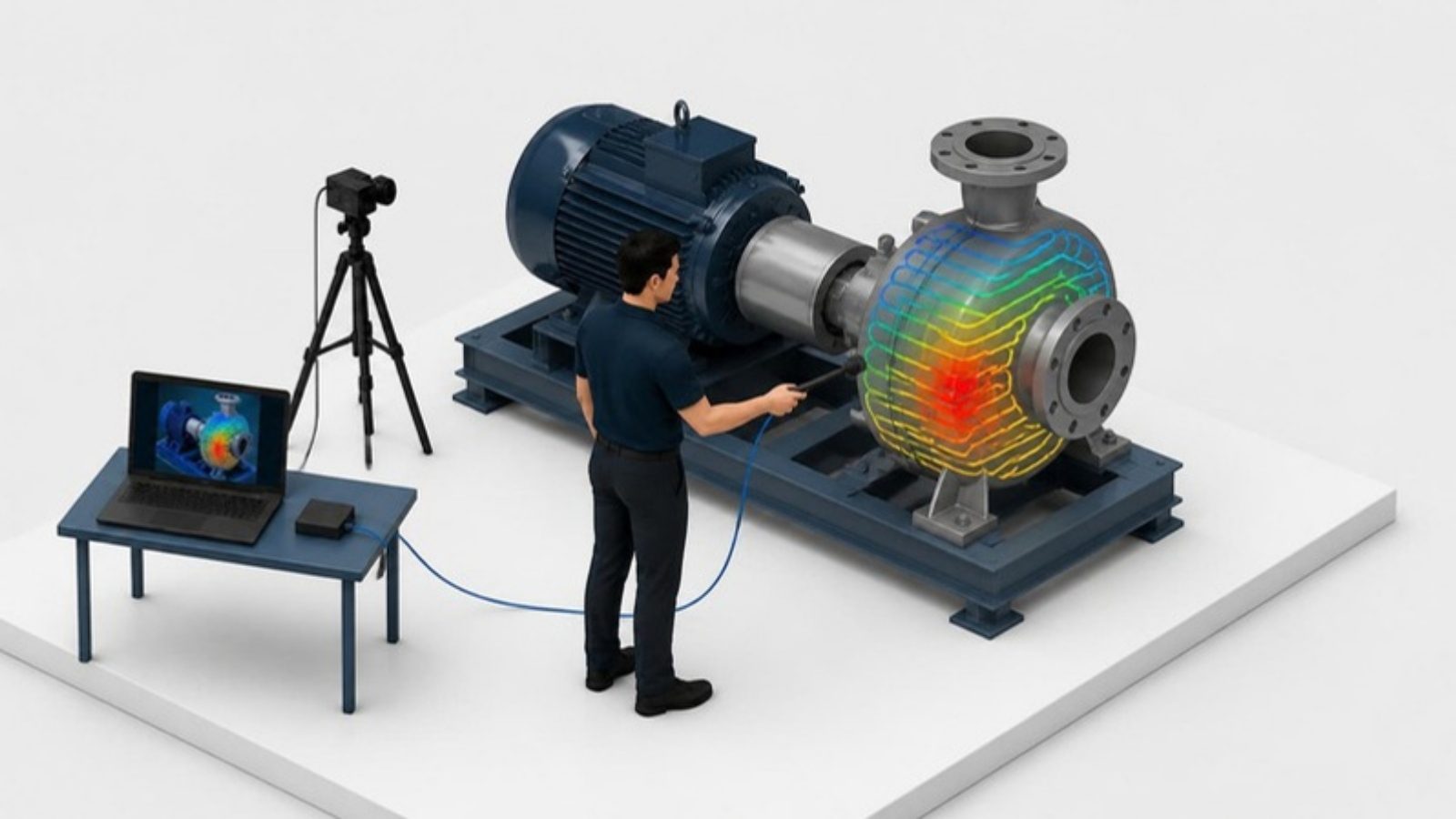
กล้องอะคูสติกและ Beamforming ทำงานอย่างไรHow acoustic cameras and beamforming work

Delay-and-sum ขนาดแผงกับความถี่ ความละเอียด ช่วงไดนามิกของแผนที่ NAH และความต่างจากความเข้มเสียงและ DOADelay-and-sum, array size and frequency, resolution, map dynamic range, NAH, and how it differs from intensity and DOA

เครื่องวัดระดับเสียง กล้องเสียง และหัววัด p-u: สามเครื่องมือ ตอบสามคำถามSound level meter, acoustic camera and p-u probe: three tools, three questions

ตรงนี้ดังเท่าไร? เสียงมาจากไหน? พลังงานเสียงไหลอย่างไร? สามเครื่องมือที่ใช้เสริมกันHow loud is it? Where does it come from? How does the energy flow? Three complementary tools

อ้างอิง: มาตรฐานด้านเสียงและการสั่นสะเทือนReference: acoustic & vibration standards

คลังอ้างอิงมาตรฐานสำคัญ ค้นได้ทั้งตามเลขมาตรฐานและตามงานที่ต้องวัดA reference library of important standards, by number and by measurement task

วิธีการตรวจวัด: จากโจทย์สู่วิธีวัดApplication guides: from a measurement problem to a method

มีโจทย์การวัดอยู่แล้ว? คู่มือเหล่านี้อธิบายว่าควรวัดอะไร วัดอย่างไร ใช้เครื่องมืออะไร และระวังอะไรAlready have a measurement problem? These guides explain what to measure, how, with which equipment and what to watch out for

วิธีการตรวจวัดเสียงและการสั่นสะเทือนSound and vibration measurement application guides

จากโจทย์การวัดจริงสู่วิธีวัด เครื่องมือ และการอ่านผลFrom a real measurement problem to method, equipment and interpretation

วิธีทดสอบการกันเสียงผ่านอากาศของผนัง พื้น และเปลือกอาคารในสนามHow to test airborne and façade sound insulation in the field

ทดสอบผนัง พื้น และหน้าต่างในอาคารจริง: L1, L2, เสียงพื้นหลัง, T, DnT,w, R'w และ D2m,nT,wField tests of walls, floors and windows: L1, L2, background, T, DnT,w, R'w and D2m,nT,w

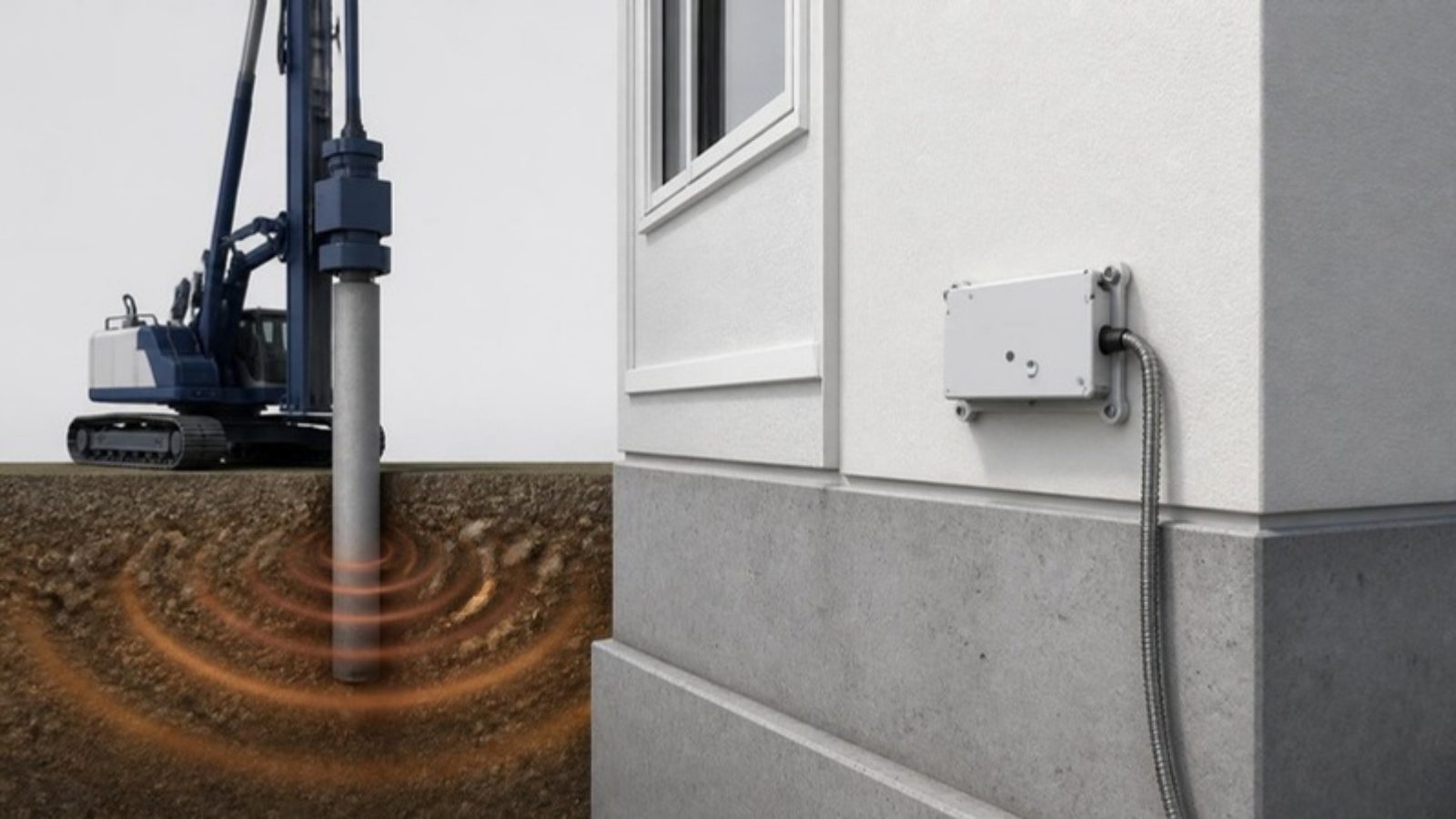
วิธีวัดและเฝ้าระวังการสั่นสะเทือนในอาคารและงานก่อสร้างHow to measure and monitor building and construction vibration

PPV ความถี่เด่น เซนเซอร์สามแกน การแจ้งเตือน และรายงาน: เฝ้าระวังการสั่นจากงานก่อสร้างอย่างเป็นระบบPPV, dominant frequency, triaxial sensors, alerts and reports: systematic construction vibration monitoring

วิธีสำรวจเสียงรบกวนในสิ่งแวดล้อม เช่น เสียงจากโรงงานถึงชุมชนHow to carry out an environmental noise survey

เสียงจากโรงงานถึงชุมชน: จุดวัด เสียงคงเหลือ ระยะเวลา ลม การสอบเทียบ และรายงานPlant-to-neighbour noise: positions, residual sound, duration, wind, calibration and reporting

วิธีวัดเวลาเสียงก้อง (RT60) และอะคูสติกของห้องHow to measure reverberation time (RT60) and room acoustics

จากห้องที่ “ก้อง” สู่ตัวเลข T20/T30 รายย่านความถี่: วิธีวัด ตำแหน่ง และการอ่านผลFrom an “echoey” room to band-by-band T20/T30: methods, positions and reading the results

วิธีวัดกำลังเสียงของเครื่องจักรและอุปกรณ์How to measure the sound power of machines and equipment

จากโจทย์ถึงผล: เลือกวิธี วางไมโครโฟน แก้ค่า K1/K2 และรายงานกำลังเสียงของเครื่องจักรFrom the question to the result: choose the method, place the microphones, apply K1/K2 and report machine sound power

วิธีตรวจความชัดเจนของเสียงประกาศด้วย STIPA (PA และระบบเสียงแจ้งเหตุ)How to verify PA and voice-alarm intelligibility with STIPA

จากคำถาม “ประกาศฟังรู้เรื่องไหม” สู่ผล STIPA ที่ตรวจรับได้: การป้อนสัญญาณ ตารางจุดวัด และการรวมเสียงรบกวนFrom “can people understand the announcement?” to an acceptance-grade STIPA result: injection, grid and noise correction

วิธีประเมินการสัมผัสเสียงของพนักงานในโรงงานHow to assess workplace noise exposure

LEX,8h, LCpeak, กลยุทธ์ตาม ISO 9612, เครื่องวัดติดตัวกับเครื่องวัดมือถือ และความไม่แน่นอนLEX,8h, LCpeak, ISO 9612 approaches, dosimeter versus sound level meter, and uncertainty

วิธีทดสอบเสียงกระทบของพื้น (เสียงเดิน เสียงของตก)How to test impact sound insulation of floors

เครื่องเคาะมาตรฐาน ลูกบอลยาง L'nT,w (ยิ่งต่ำยิ่งดี) และ ΔLw ของวัสดุปูพื้นTapping machine, rubber ball, L'nT,w (lower is better) and floor covering ΔLw

การเฝ้าระวังเสียงระยะยาวและการตรวจสอบเรื่องร้องเรียนเสียงดังLong-term noise monitoring and noise complaint investigation

ทำไมวัดครั้งเดียวไม่พอ การวางสถานีเฝ้าระวัง บันทึกเสียงเหตุการณ์ และการเทียบกับเรื่องร้องเรียนWhy spot checks fail, monitoring stations, event audio and matching complaints

หาตำแหน่งแหล่งกำเนิดเสียงและจุดรั่ว: มองให้เห็นว่าเสียงมาจากไหนLocating noise sources and leaks: see where the noise comes from

เสียงดังแต่ไม่รู้ว่ามาจากไหน: กล้องเสียงกับ Scan & Paint 2D ต่างกันอย่างไร และเลือกวิธีใดให้ตรงโจทย์Hear it but can't find it? How an acoustic camera and Scan & Paint 2D differ, and which fits your problem

หาต้นเสียงของผลิตภัณฑ์และเครื่องจักรด้วยกล้องเสียงFinding product and equipment noise sources with an acoustic camera

ผลิตภัณฑ์หรือเครื่องจักรดังเกินไป? หาว่าชิ้นส่วนใดเป็นต้นเสียงก่อนออกแบบใหม่Product or machine too loud? Find which part is the source before redesigning

วิธีวัดและประเมินเสียงจากระบบปรับอากาศ เครื่องกำเนิดไฟฟ้า และเสียงความถี่ต่ำHow to measure and assess HVAC, generator and low-frequency noise

วัดเสียงหึ่งจากงานระบบ: ในห้อง ที่เพื่อนบ้าน เสียงโทน และทางผ่านโครงสร้างMeasuring plant hum: indoors, at neighbours, tones and structure-borne paths

หาจุดเสียงรั่วที่ประตู ผนัง และผนังกั้นห้อง ด้วยการสแกนหัววัด p-u (Scan & Paint 2D)Finding sound leaks at doors, walls and partitions with a scanned p-u probe (Scan & Paint 2D)

ผนังดีแต่เสียงยังลอด: สแกนฝั่งห้องรับเพื่อหาจุดรั่ว แยกจากการทดสอบการกันเสียงตามมาตรฐานGood wall, sound still gets through: scan the receiving side to find leaks, separate from standard insulation tests

หาแหล่งเสียงบนเครื่องจักรและผลิตภัณฑ์ด้วยการสแกนหัววัด p-u (Scan & Paint 2D)Finding noise sources on machines and products with a scanned p-u probe (Scan & Paint 2D)

ดังเกินเป้าแต่ไม่รู้ว่าชิ้นไหน: สแกนหัววัด p-u ใกล้ผิวเครื่องเพื่อจัดลำดับส่วนที่แผ่เสียงToo loud, but which part? Scan a p-u probe near the machine to rank the radiating parts

ตรวจตู้ลำโพงด้วยการสแกนหัววัด p-u: แผ่นตู้ ท่อพอร์ต และจุดรั่วLoudspeaker enclosure diagnostics with a scanned p-u probe: panels, ports and leaks

แผ่นตู้ พอร์ต หรือรอยต่อ ส่วนไหนแผ่เสียงเกิน: สแกนหัววัด p-u ใกล้ผิวตู้ลำโพงPanels, port or joints, which one radiates too much? Scan a p-u probe near the loudspeaker cabinet

หาจุดเสียงรั่วที่ผนังภายนอก หน้าต่าง และประตู ด้วยกล้องเสียงFinding sound leaks in façades, windows and doors with an acoustic camera

เสียงลอดเข้าห้องทางหน้าต่างหรือประตู? ใช้กล้องเสียงหาจุดรั่วก่อนตัดสินใจแก้Sound getting in through windows or doors? Find the leak with an acoustic camera before deciding on a fix

พื้นฐานการวัดMeasurement basics

Class 1 กับ Class 2 ต่างกันอย่างไร และควรเลือกแบบไหนClass 1 vs Class 2: what is the difference, and which should you choose?

ความต่างอยู่ที่ค่าความคลาดเคลื่อนที่มาตรฐานยอมให้ และผลต่อการนำผลไปใช้อ้างอิงทางกฎหมาย บทความนี้อธิบายว่างานลักษณะใดจำเป็นต้องใช้ Class 1 และงานใดที่ Class 2 เพียงพอThe difference lies in the tolerances the standard allows, and in how this affects using the results as a legal reference. This article explains which types of work require Class 1 and where Class 2 is sufficient.

อ่านต่อ →Read more →
อะคูสติกอาคารBuilding acoustics

RT60 คืออะไร และทำไมห้องประชุมถึงฟังไม่รู้เรื่องWhat is RT60, and why is speech in meeting rooms hard to understand?

เวลาก้องสะท้อนที่ยาวเกินไปทำให้เสียงพูดซ้อนทับกันจนจับใจความยาก บทความอธิบายวิธีวัด ค่าที่เหมาะสมกับห้องแต่ละประเภท และแนวทางแก้ไขที่ได้ผลจริงAn excessively long reverberation time makes speech overlap until it is hard to follow. This article explains how to measure it, the values suited to each type of room, and remedies that really work.

อ่านต่อ →Read more →
ระบบเสียงประกาศPA systems

STIPA: วัดความชัดเจนของเสียงพูดเพื่อการตรวจรับงานSTIPA: measuring speech intelligibility for acceptance testing

ระบบเสียงประกาศที่ดังพอไม่ได้แปลว่าฟังรู้เรื่อง บทความอธิบายหลักการของค่า STI ขั้นตอนการวัด และข้อควรระวังที่ทำให้ผลเพี้ยนA PA system that is loud enough is not necessarily intelligible. This article explains the principle of STI, the measurement procedure, and the precautions against errors that distort the results.

อ่านต่อ →Read more →
วัสดุอะคูสติกAcoustic materials

อ่านค่าสัมประสิทธิ์การดูดซับเสียงให้เป็นHow to read sound absorption coefficients correctly

ค่า α ที่ผู้ผลิตแจ้งมาอาจวัดคนละวิธีกัน บทความเปรียบเทียบการวัดด้วยท่ออิมพีแดนซ์กับห้องก้อง และอธิบายว่าเลือกใช้ค่าไหนกับงานแบบใดThe α values stated by manufacturers may have been measured by different methods. This article compares impedance tube and reverberation room measurements and explains which value to use for which type of work.

งานอุตสาหกรรมIndustry

ลดเสียงในโรงงาน: เริ่มจากตรงไหนให้คุ้มที่สุดReducing factory noise: where to start for the best value

การลดเสียงที่ได้ผลเริ่มจากการรู้ว่าเสียงมาจากไหนก่อน บทความอธิบายลำดับการทำงานตั้งแต่สำรวจ วัด หาแหล่งกำเนิด ไปจนถึงเลือกมาตรการที่คุ้มค่าที่สุดEffective noise reduction starts with knowing where the sound comes from. This article explains the sequence of work from survey and measurement to identifying the sources and selecting the most cost-effective measures.

ต้องการบทความเชิงลึกเรื่องใดเป็นพิเศษ แจ้งหัวข้อมาได้ ทีมงานจะเขียนเพิ่มให้Want a deeper article on a specific topic? Tell us the subject and we will write it.

อยากได้คำแนะนำ
เฉพาะงานของคุณ?
Want advice specific
to your project?

ปรึกษาทีมวิศวกรได้โดยตรง ไม่มีค่าใช้จ่ายในการประเมินเบื้องต้นTalk to our engineers directly. Initial assessment is free of charge.

โทรศัพท์Phone062-195-1909
อีเมลEmailgetbestsoundthailand@gmail.com
Line Official@x2525