โจทย์การวัดThe measurement problem
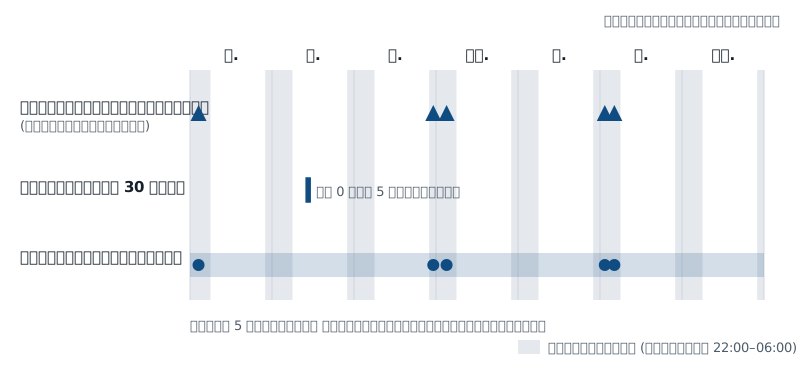
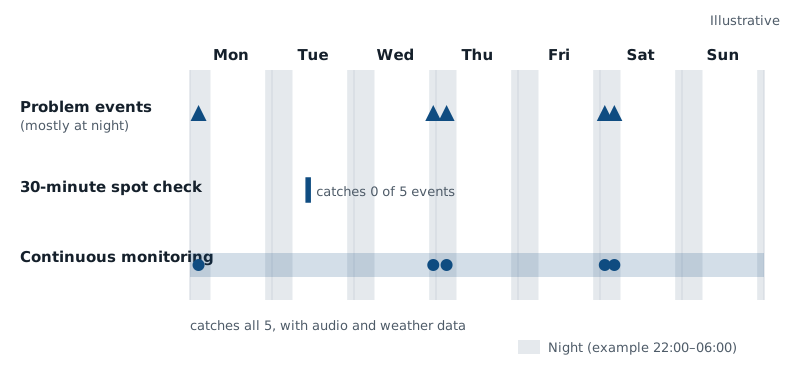
ผู้อยู่อาศัยร้องเรียนว่าถูกเสียงปลุกตอนตีสองบ่อยครั้ง แต่เมื่อเจ้าหน้าที่ไปวัดตอนบ่ายก็ไม่พบอะไรผิดปกติ ผู้ประกอบการยืนยันว่าไม่ได้ทำงานตอนกลางคืน ข้อมูลจากทั้งสองฝ่ายขัดกัน และไม่มีหลักฐานที่ตรวจสอบได้ นี่คือสถานการณ์ทั่วไปของเรื่องร้องเรียนเสียงดังA resident complains of being woken at 2 a.m. again and again, but when an officer measures in the afternoon, nothing unusual shows up. The operator insists there is no night work. The two accounts conflict and there is no verifiable evidence. This is a typical noise complaint.
การเฝ้าระวังเสียงระยะยาว (long-term noise monitoring) ตอบโจทย์นี้โดยวางเครื่องวัดไว้ที่จุดวัดต่อเนื่อง บันทึกทุกอย่างตามเวลา แล้วใช้ข้อมูลตอบคำถามว่าเหตุการณ์ที่ร้องเรียนเกิดจริงหรือไม่ มาจากแหล่งใด และดังเท่าไร การเฝ้าระวังแบบเดียวกันยังใช้ติดตามงานก่อสร้าง โรงงาน หรือสถานบันเทิงที่ต้องควบคุมเสียงตามเงื่อนไขLong-term noise monitoring answers this by leaving a meter at the position continuously, logging everything against time, and using the data to show whether the reported events really happened, what caused them and how loud they were. The same approach is used to follow construction sites, plants or venues that must keep noise within agreed conditions.
ทำไมการวัดเฉพาะจุดครั้งเดียวมักไม่ได้ผลWhy short spot checks fail
- เวลาไม่ตรงกับปัญหา: เสียงที่ร้องเรียนอาจเกิดเพียงไม่กี่นาทีต่อคืน การวัด 30 นาทีตอนกลางวันมีโอกาสน้อยมากที่จะเจอWrong time: the reported sound may last only minutes per night; a 30-minute daytime check has little chance of catching it.
- แหล่งเสียงรู้ตัว: เมื่อเห็นเจ้าหน้าที่หรือเครื่องวัด พฤติกรรมอาจเปลี่ยนชั่วคราวThe source knows: when an officer or a meter is visible, behaviour may change for a while.
- สภาพอากาศเปลี่ยน: ทิศลมในวันที่วัดอาจพาเสียงออกไปจากผู้รับ ในขณะที่คืนที่มีปัญหาลมพัดเข้าหาWeather changes: on the measurement day the wind may carry sound away from the receiver, while on problem nights it blows towards it.
- ไม่มีหลักฐานเชื่อมโยง: ตัวเลขเดียวไม่บอกว่าเสียงมาจากอะไร ถ้าไม่มีไฟล์เสียงและบันทึกการเดินเครื่องNo linking evidence: a single number does not say what caused the sound without audio and operation records.
ต้องบันทึกอะไรบ้างWhat should be recorded
| ข้อมูลData | เหตุผลWhy |
|---|---|
| LAeq ช่วงสั้น (เช่น ทุก 1 วินาที) และ LAFmaxShort-interval LAeq (e.g. every second) and LAFmax | เหตุผลWhyเห็นเหตุการณ์แต่ละครั้ง และรวมเป็นค่าของช่วงใดก็ได้ภายหลังShows each event and allows any period to be calculated later |
| ค่าเปอร์เซ็นไทล์ เช่น L90Percentiles such as L90 | เหตุผลWhyดูระดับเสียงพื้นหลังของแต่ละคืนShows the background level on each night |
| สเปกตรัม 1/3 ออกเตฟ1/3 octave spectra | เหตุผลWhyแยกแหล่งเสียงและตรวจเสียงโทนหรือเสียงความถี่ต่ำSeparates sources and checks tones or low-frequency sound |
| ไฟล์เสียงของเหตุการณ์Audio of events | เหตุผลWhyหลักฐานสำคัญที่สุดว่าเสียงมาจากอะไรThe strongest evidence of what caused the sound |
| ลม ฝน อุณหภูมิWind, rain, temperature | เหตุผลWhyตัดช่วงที่ข้อมูลไม่น่าเชื่อถือ และอธิบายความต่างระหว่างคืนExcludes unreliable periods and explains night-to-night differences |
| สถานะเครื่อง (ไฟ แบตเตอรี่ การเชื่อมต่อ)Station status (power, battery, connection) | เหตุผลWhyพิสูจน์ว่าไม่มีช่วงข้อมูลขาดหายProves there were no gaps in the data |
การออกแบบสถานีเฝ้าระวังแบบไม่ต้องมีคนเฝ้าDesigning an unattended monitoring station
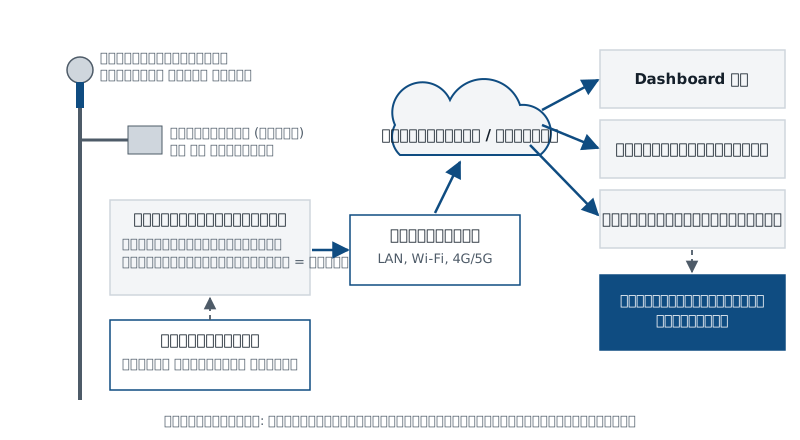
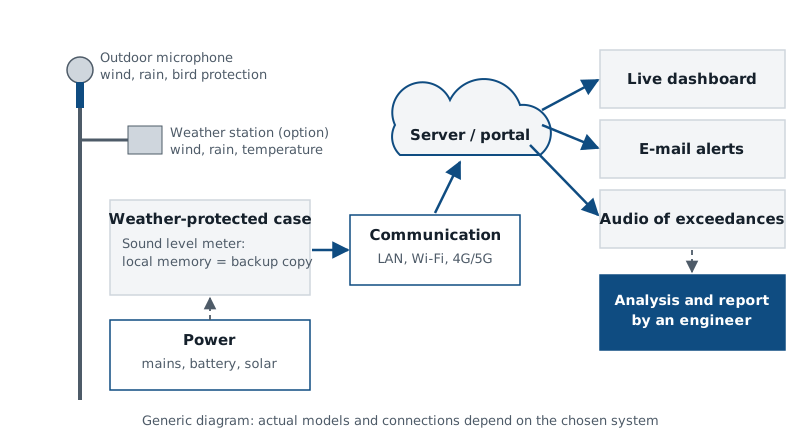
สถานีเฝ้าระวังต้องทำงานเองได้หลายวันโดยไม่มีคนดูแล ทั้งกลางแดด ฝน และลม คิดเป็นระบบ ไม่ใช่แค่เครื่องวัดหนึ่งเครื่องA monitoring station has to run by itself for days in sun, rain and wind. Think of it as a system, not just a meter.
- ตำแหน่ง: ตัวแทนของผู้รับเสียง เช่น ระเบียงหรือสวนหน้าห้องนอนของผู้ร้องเรียน ห่างจากแหล่งเสียงเฉพาะที่ เช่น เครื่องปรับอากาศของบ้านนั้นเอง ระบุว่าวัดแบบห่างผนังหรือติดผนัง และบันทึกความสูงPosition: representative of the receiver, such as the balcony or garden outside the complainant's bedroom, away from local sources like the home's own air conditioner. State free field or façade and record the height.
- ไมโครโฟนและการป้องกัน: ชุดไมโครโฟนกลางแจ้งที่มีฉากกันลม กันฝน และกันนกเกาะ ยึดกับเสาหรือขาตั้งให้มั่นคงMicrophone and protection: an outdoor set with windscreen, rain and bird protection, fixed firmly to a mast or tripod.
- ไฟฟ้า: ไฟบ้านเป็นหลัก สำรองด้วยแบตเตอรี่หรือแผงโซลาร์ตามระยะเวลาที่ต้องการ คำนวณการใช้ไฟให้เผื่อวันที่มีเมฆมากPower: mains where possible, backed by batteries or solar for the required duration; size the supply with margin for cloudy days.
- ข้อมูล: เก็บข้อมูลในเครื่องเสมอเป็นสำเนาหลัก ถ้าต้องการดูผลระหว่างวัด ให้ส่งขึ้นเซิร์ฟเวอร์ผ่าน LAN, Wi-Fi หรือเครือข่ายมือถือ และตรวจสัญญาณที่หน้างานก่อนติดตั้งData: always keep the data on the meter as the master copy; if results are needed during the survey, send them to a server over LAN, Wi-Fi or mobile network, and check the signal on site before installing.
- การแจ้งเตือน: แจ้งเมื่อเสียงเกินค่าที่ตั้งไว้ และแจ้งเมื่อไฟดับหรือการเชื่อมต่อขาด เพื่อแก้ไขได้ก่อนข้อมูลหายหลายวันAlarms: alert on level exceedances and on power or connection failures, so problems are fixed before days of data are lost.
- ความปลอดภัยและการบำรุงรักษา: ล็อกกล่องให้แน่น ตรวจเครื่องด้วยเครื่องสอบเทียบตอนติดตั้งและตอนเก็บ และตรวจเป็นระยะในการวัดยาวSecurity and maintenance: lock the case, check with the calibrator at installation and removal, and periodically during long campaigns.
การจับเหตุการณ์และบันทึกเสียงCapturing events and audio
การบันทึกเสียงตลอดเวลาหลายสัปดาห์ใช้หน่วยความจำมากและฟังไม่ไหว จึงมักตั้ง เงื่อนไขบันทึกเหตุการณ์ (trigger) ให้เครื่องบันทึกเสียงเฉพาะเมื่อระดับเสียงเกินค่าที่ตั้งไว้นานกว่าเวลาขั้นต่ำ พร้อมเก็บเสียงก่อนและหลังเหตุการณ์เล็กน้อย เพื่อให้ฟังแล้วรู้ว่าเสียงเริ่มและจบอย่างไรRecording audio continuously for weeks uses a lot of memory and is impossible to listen through, so a trigger is usually set: the meter records audio only when the level stays above a threshold for longer than a minimum time, with a little audio kept before and after, so the listener hears how the sound starts and ends.
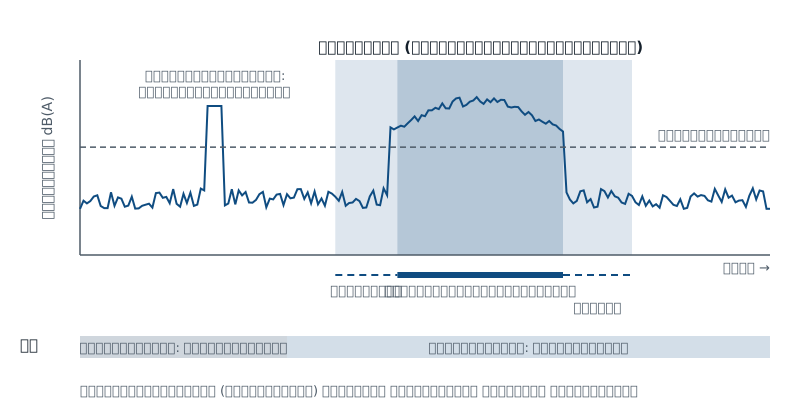
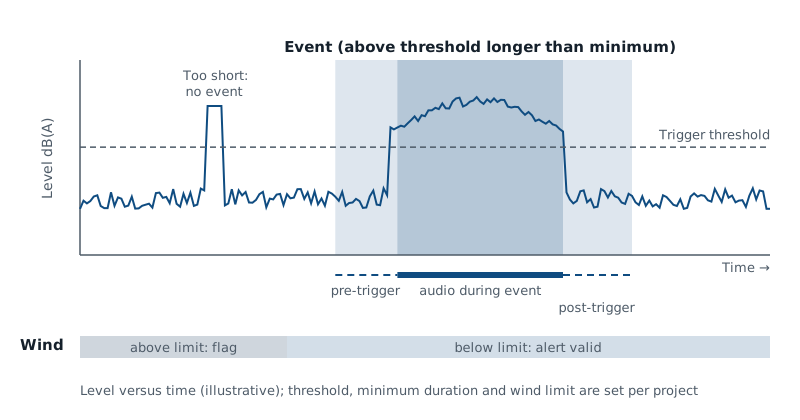
- ตั้งค่าเกณฑ์ให้สูงกว่าเสียงพื้นหลังปกติพอสมควร ถ้าต่ำเกินไปจะได้ไฟล์จำนวนมากจากเสียงทั่วไป ถ้าสูงเกินไปจะพลาดเหตุการณ์ที่ร้องเรียนSet the threshold sensibly above the normal background: too low gives thousands of files from everyday sounds, too high misses the reported events.
- ทดลองตั้งค่าในวันแรกแล้วปรับตามข้อมูลจริงTry the settings on the first day and adjust them to the real data.
- ให้ผู้ร้องเรียนมีวิธีทำเครื่องหมายเวลาเมื่อได้ยินเสียง เช่น จดเวลาหรือกดปุ่ม ถ้าระบบรองรับ ข้อมูลนี้ช่วยได้มากเมื่อเหตุการณ์เบากว่าเกณฑ์Give the complainant a way to mark the time when they hear the sound, such as a written log or a button if the system supports it; this helps greatly when events are below the threshold.
เทียบข้อมูลกับเรื่องร้องเรียนและบันทึกการเดินเครื่องCorrelating with complaints and operation logs
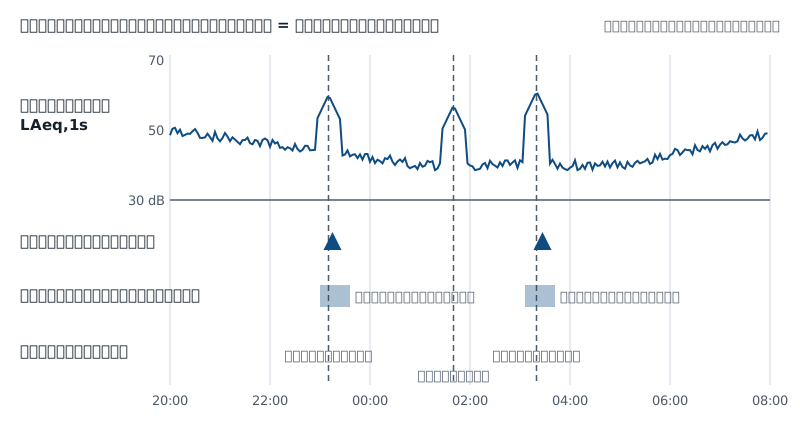
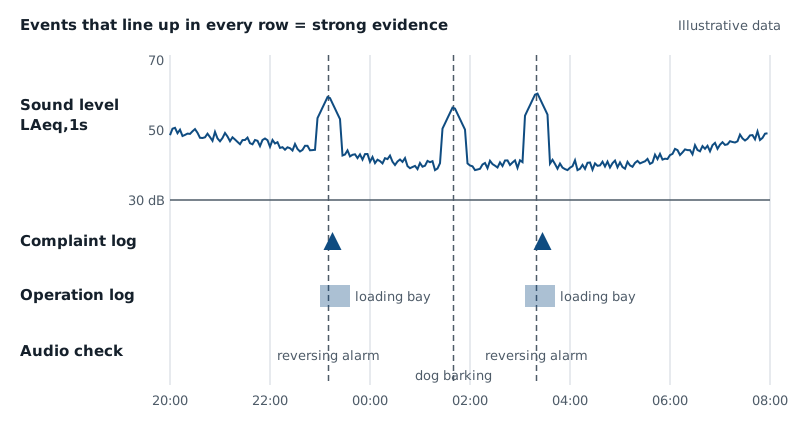
หลักฐานที่หนักแน่นที่สุดคือเมื่อ ข้อมูลหลายแหล่งตรงกัน: ระดับเสียงสูงขึ้น ผู้ร้องเรียนบันทึกว่าถูกรบกวน บันทึกของผู้ประกอบการแสดงว่ามีกิจกรรม และไฟล์เสียงยืนยันว่าเป็นเสียงชนิดเดียวกัน ถ้าตรงกันเพียงบางแถว ต้องหาคำอธิบายเพิ่มThe strongest evidence is when several records line up: the level rises, the complainant logs a disturbance, the operator's records show an activity, and the audio confirms the same kind of sound. If only some records agree, more explanation is needed.
- ตั้งเวลาให้ตรงกัน: นาฬิกาของเครื่องวัด บันทึกของผู้ร้องเรียน และบันทึกของผู้ประกอบการต้องอ้างอิงเวลาเดียวกัน ต่างกันไม่กี่นาทีก็ทำให้เทียบผิดได้Synchronise clocks: the meter, the complainant's log and the operator's records must use the same time; a few minutes' offset can lead to wrong matches.
- ขอบันทึกการเดินเครื่อง: เวลาเปิดปิดเครื่องจักร การขนส่ง การล้างเครื่อง หรือกิจกรรมพิเศษAsk for operation records: machine start and stop times, deliveries, cleaning cycles or special activities.
- ใช้ทิศทางของเสียงถ้ามี: เมื่อมีหลายแหล่งที่เป็นไปได้ ข้อมูลทิศทางช่วยยืนยันว่าเสียงมาจากด้านไหนUse direction data if available: with several possible sources, direction information confirms where the sound came from.
ขั้นตอนการทำงานทั่วไปTypical workflow
- รับเรื่องและคุยกับผู้ร้องเรียน: ลักษณะเสียง เวลาที่เกิด ห้องที่ได้รับผลกระทบ และขอให้เริ่มจดบันทึกTake the complaint and talk to the complainant: character of the sound, times, affected rooms, and ask them to start a log.
- สำรวจแหล่งเสียงที่เป็นไปได้: ฟังรอบพื้นที่ในช่วงเวลาที่มีปัญหา และขอบันทึกการเดินเครื่องSurvey possible sources: listen around the area at problem times and request operation records.
- ออกแบบและติดตั้งสถานี: ตำแหน่ง ความสูง ไฟฟ้า การสื่อสาร เกณฑ์บันทึกเหตุการณ์ และตรวจด้วยเครื่องสอบเทียบDesign and install the station: position, height, power, communication, trigger settings and a calibrator check.
- ติดตามระหว่างวัด: ตรวจสถานะเครื่องและข้อมูลทุกวัน ปรับเกณฑ์ถ้าจำเป็นFollow the station: check status and data daily, adjust triggers if needed.
- เก็บเครื่องและตรวจหลังวัด: ตรวจด้วยเครื่องสอบเทียบอีกครั้ง ดาวน์โหลดข้อมูลทั้งหมดจากเครื่องRemove and check: repeat the calibrator check and download all data from the meter.
- วิเคราะห์ ประเมิน และรายงาน: ฟังเหตุการณ์ เทียบกับบันทึก ตัดช่วงที่ไม่เกี่ยวข้อง คำนวณค่าตามกฎเกณฑ์ที่ใช้ และสรุปพร้อมข้อจำกัดAnalyse, assess and report: listen to events, match with logs, exclude unrelated periods, calculate values under the applicable rules and conclude with limitations.
เครื่องมือ: ระบบทั่วไปก่อน แล้วจึงเลือกรุ่นEquipment: the generic system first, then the models
ระบบเฝ้าระวังทั่วไปประกอบด้วย เครื่องวัดระดับเสียงตาม IEC 61672 ที่บันทึกค่าตามเวลาและไฟล์เสียงได้ ชุดไมโครโฟนกลางแจ้ง กล่องกันสภาพอากาศ แหล่งจ่ายไฟ อุปกรณ์สื่อสาร สถานีอากาศ เครื่องสอบเทียบเสียง และซอฟต์แวร์หรือพอร์ทัลสำหรับดูข้อมูล แจ้งเตือน และวิเคราะห์A generic monitoring system consists of an IEC 61672 sound level meter that logs over time and records audio, an outdoor microphone set, a weather-protected case, a power supply, communication hardware, a weather station, a sound calibrator, and software or a portal for viewing, alerts and analysis.
MeasurEye (สำหรับ XL3, NL1 และ GSS 5GV, ตามที่ NTi ระบุ): แพลตฟอร์มคลาวด์ที่รวมข้อมูลเสียง ทิศทางเสียงจาก NL1 การสั่นสะเทือน สภาพอากาศ และคุณภาพอากาศไว้ในโปรเจกต์เดียว ตั้ง Event แบบรวมหลายเงื่อนไขข้ามเซนเซอร์ได้ เช่น แจ้งเมื่อเสียงเกินค่าเฉพาะตอนลมต่ำกว่าเกณฑ์ ฟังเสียงของแต่ละเหตุการณ์ แจ้งสถานะแบตเตอรี่และไฟ และส่งรายงานตามรอบทางอีเมล NTi Audio ระบุว่า MeasurEye ใช้งานได้ฟรี แต่เครื่องมือวัดซื้อแยก และการวิเคราะห์ละเอียดทำใน Data ExplorerMeasurEye (for the XL3, NL1 and GSS 5GV, as stated by NTi): a cloud platform combining noise, NL1 noise direction, vibration, weather and air-quality data in one project. It allows combined events across sensors, for example a noise alert only when wind is below a threshold, listening to each event, battery and power status alerts, and periodic e-mailed reports. NTi Audio states that MeasurEye is free to use; the instruments are bought separately, and detailed analysis is done in Data Explorer.
สำหรับไมโครโฟน NTi Audio แนะนำ M2340 สำหรับงานเฝ้าระวังระยะยาวที่ต้องการระบบตรวจตัวเอง (CIC) ซึ่งทำงานกับ XL2 และใช้กับ XL3 ได้ผ่าน API เท่านั้น ส่วนการตรวจก่อนและหลังวัดใช้ Class 1 Sound Calibrator ไม่ว่าจะใช้ระบบใด ข้อมูลที่ได้ต้องผ่านการตรวจสอบและประเมินโดยผู้วัด ระบบส่งข้อมูลไม่ได้ทำหน้าที่ประเมินตามกฎหมายแทนFor microphones, NTi Audio names the M2340 for long-term monitoring that needs a system self-test (CIC), which works with the XL2 and with the XL3 only via the API; the checks before and after use the Class 1 Sound Calibrator. Whatever the system, the data still has to be reviewed and assessed by the measurer; a data platform does not perform the legal assessment.
การตรวจและวิเคราะห์ข้อมูลReviewing and analysing the data
- ตรวจความครบถ้วนก่อน: ช่วงข้อมูลขาด ผลตรวจเครื่องสอบเทียบ และสถานะเครื่องCheck completeness first: data gaps, calibrator checks and station status.
- ดูภาพรวมทั้งช่วงวัด หาคืนหรือเวลาที่มีรูปแบบผิดปกติ แล้วค่อยซูมเข้าไปที่เหตุการณ์Look at the whole campaign for unusual nights or times, then zoom into events.
- ฟังเหตุการณ์ทุกครั้งที่ใช้เป็นหลักฐาน ห้ามพึ่งผลจำแนกเสียงอัตโนมัติอย่างเดียว เพราะเป็นเพียงคะแนนความเชื่อมั่นListen to every event used as evidence; do not rely on automatic classification alone, as it only gives confidence scores.
- ทำเครื่องหมายและตัดช่วงที่ไม่เกี่ยวข้องหรือสภาพอากาศไม่ผ่านเงื่อนไข พร้อมเหตุผลMark and exclude unrelated or bad-weather periods, with reasons.
- คำนวณค่าที่กฎเกณฑ์ต้องการ เช่น LAeq ของช่วงกลางคืน จำนวนเหตุการณ์ที่เกินค่า หรือระดับประเมินCalculate what the rules require, such as night-time LAeq, number of events above a level, or the rating level.
ความเป็นส่วนตัวของไฟล์เสียง: ไมโครโฟนที่วางใกล้บ้านอาจบันทึกเสียงพูดของผู้คนได้ ควรแจ้งผู้เกี่ยวข้องว่ามีการบันทึกเสียง บันทึกเฉพาะที่จำเป็น เช่น ใช้เงื่อนไขบันทึกเหตุการณ์ จำกัดผู้ที่เข้าถึงไฟล์ และกำหนดระยะเวลาเก็บ ตรวจสอบข้อกำหนดด้านข้อมูลส่วนบุคคลที่ใช้บังคับกับงานนั้นด้วยPrivacy of audio recordings: a microphone near homes can record people's speech. Tell those involved that audio is recorded, record only what is needed (for example with triggers), limit who can access the files and set a retention period. Check the personal-data requirements that apply to the project.
มาตรฐานที่เกี่ยวข้องRelevant standards
การเฝ้าระวังระยะยาวใช้หลักการวัดเดียวกับการวัดเสียงสิ่งแวดล้อมทั่วไป: ISO 1996-1:2016 สำหรับปริมาณและระดับประเมิน ISO 1996-2:2017 สำหรับการหาระดับเสียง รวมถึงสภาพอากาศและเสียงคงเหลือ IEC 61672 สำหรับเครื่องวัด และ IEC 60942 สำหรับเครื่องสอบเทียบ ส่วนเกณฑ์และตัวชี้วัดที่ใช้ตัดสินเรื่องร้องเรียนมาจากกฎหมายหรือเงื่อนไขของแต่ละพื้นที่Long-term monitoring uses the same measurement principles as other environmental noise work: ISO 1996-1:2016 for quantities and rating levels, ISO 1996-2:2017 for determining levels including weather and residual sound, IEC 61672 for the meter and IEC 60942 for the calibrator. The criteria and indicators used to judge a complaint come from each area's law or permit conditions.
ข้อผิดพลาดที่พบบ่อยCommon mistakes
- วางไมโครโฟนใกล้แหล่งเสียงเฉพาะที่ เช่น เครื่องปรับอากาศ ปั๊มน้ำ หรือกิ่งไม้ที่ลมพัดPlacing the microphone near local sources such as an air conditioner, a pump or branches moving in the wind.
- ไม่มีไฟสำรอง ทำให้ข้อมูลหายในคืนที่สำคัญที่สุดNo backup power, so data is lost on the most important night.
- ตั้งเกณฑ์บันทึกเหตุการณ์ครั้งเดียวแล้วไม่ตรวจอีกSetting the trigger once and never checking it.
- นาฬิกาของเครื่องวัดกับบันทึกของผู้ร้องเรียนไม่ตรงกันMeter clock and complainant log not synchronised.
- สรุปจากผลจำแนกเสียงอัตโนมัติโดยไม่ฟังยืนยันConcluding from automatic classification without listening.
ตัวอย่างสถานการณ์Example scenario
ผู้อยู่อาศัยในอาคารชุดร้องเรียนว่าถูกรบกวนด้วยเสียงแหลมเป็นจังหวะช่วงดึกหลายคืนต่อสัปดาห์ ด้านหลังอาคารมีศูนย์กระจายสินค้าที่มีลานขนถ่ายสินค้า
ทีมวัดติดตั้งสถานีที่ระเบียงห้องผู้ร้องเรียนสองสัปดาห์ บันทึก LAeq ทุก 1 วินาที สเปกตรัม และสภาพลม ตั้งเงื่อนไขบันทึกเสียงเมื่อระดับเกินเสียงพื้นหลังกลางคืนพอสมควรนานกว่า 2 วินาที ผู้ร้องเรียนจดเวลาที่ตื่น ส่วนศูนย์กระจายสินค้าส่งบันทึกเวลารถเข้าออก
จากข้อมูลสองสัปดาห์ พบว่าเหตุการณ์ที่ผู้ร้องเรียนบันทึกส่วนใหญ่ตรงกับเวลารถเข้าลานขนถ่าย และไฟล์เสียงยืนยันว่าเป็นสัญญาณถอยรถ ขณะที่ยอดสูงบางส่วนเป็นเสียงสุนัขเห่าซึ่งตัดออก ผลนี้นำไปสู่การเปลี่ยนชนิดสัญญาณถอยรถและปรับเส้นทางรถกลางคืน แล้วเฝ้าระวังซ้ำหนึ่งสัปดาห์เพื่อยืนยันResidents of a condominium complain of a sharp, rhythmic sound late at night several times a week. Behind the building is a distribution centre with a loading bay.
The team installs a station on the complainant's balcony for two weeks, logging 1-second LAeq, spectra and wind, with audio triggered when the level stays well above the night-time background for more than 2 seconds. The complainant notes the times they wake up, and the distribution centre provides its vehicle arrival log.
Over the two weeks, most of the complainant's entries match trucks entering the loading bay, and the audio confirms reversing alarms; some other peaks are a barking dog and are excluded. The result leads to a change of reversing-alarm type and a revised night-time truck route, followed by a one-week repeat monitoring to confirm.
คำถามที่พบบ่อยFrequently asked questions
ควรเฝ้าระวังนานเท่าไร?How long should monitoring run?
นานพอให้ครอบคลุมรูปแบบของปัญหา ถ้าเหตุการณ์เกิดสัปดาห์ละหลายครั้ง อย่างน้อยหนึ่งถึงสองสัปดาห์มักเห็นรูปแบบ ถ้าเกิดตามฤดูกาลหรือตามการผลิต อาจต้องนานกว่านั้น ให้ครอบคลุมทั้งวันทำงานและวันหยุดLong enough to cover the pattern of the problem. If events happen several times a week, one to two weeks often shows the pattern; seasonal or production-dependent problems may need longer. Cover both working days and weekends.
ต้องส่งข้อมูลออนไลน์ไหม?Does the data need to go online?
ไม่จำเป็นเสมอไป การบันทึกในเครื่องอย่างเดียวก็ใช้ได้ แต่ระบบออนไลน์ช่วยให้รู้ทันทีเมื่อไฟดับหรือเครื่องมีปัญหา ดูเหตุการณ์ได้ระหว่างวัด และลดการเดินทางไปหน้างานNot always; logging on the meter alone works. An online system tells you immediately if power fails or the station has a problem, lets you see events during the campaign and reduces site visits.
ผู้ร้องเรียนจดบันทึกเองมีประโยชน์จริงไหม?Is the complainant's own log really useful?
มีประโยชน์มาก บันทึกบอกว่าเสียงไหนรบกวนจริง ช่วยตั้งเกณฑ์บันทึกเหตุการณ์ และเมื่อเทียบกับข้อมูลเครื่องวัดจะเห็นว่าเหตุการณ์ใดตรงกัน บันทึกที่ดีควรมีวันเวลา ลักษณะเสียง และระยะเวลาVery useful: it shows which sounds actually disturb, helps set triggers, and when compared with the meter data shows which events line up. A good log records date and time, the character of the sound and how long it lasted.
AI จำแนกเสียงเชื่อถือได้แค่ไหน?How reliable is AI noise classification?
เป็นเครื่องมือคัดกรองที่ช่วยประหยัดเวลา ระบบของ NTi Audio ให้เป็นคะแนนความเชื่อมั่นตามประเภทเสียง คะแนนต่ำอาจหมายถึงเสียงเข้าได้หลายประเภท เหตุการณ์ที่ใช้เป็นหลักฐานควรฟังยืนยันโดยคนเสมอIt is a screening tool that saves time. NTi Audio's systems give confidence scores per class, and a low score can mean the sound fits several classes. Events used as evidence should always be confirmed by a person listening.
ถ้าเสียงที่ร้องเรียนเบากว่าเกณฑ์บันทึกเหตุการณ์จะทำอย่างไร?What if the reported sound is below the trigger threshold?
ใช้บันทึกเวลาของผู้ร้องเรียนไปดูข้อมูลระดับเสียงและสเปกตรัมช่วงนั้น ลดเกณฑ์หรือเพิ่มเงื่อนไขจากย่านความถี่ถ้าระบบรองรับ หรือบันทึกเสียงต่อเนื่องในช่วงเวลาที่มีปัญหาบ่อยUse the complainant's times to look at levels and spectra for those moments, lower the threshold or add a frequency-band condition if the system supports it, or record audio continuously during the usual problem hours.