โจทย์การวัดThe measurement problem
ผู้รับเหมาต้องตอกเสาเข็มข้างตึกแถวเก่า เจ้าของอาคารกังวลว่าผนังจะร้าว ผู้อยู่อาศัยบ่นว่าสั่นจนนอนไม่หลับ และห้องแล็บชั้นล่างกลัวกล้องจุลทรรศน์ใช้งานไม่ได้ ทั้งสามฝ่ายพูดถึง “การสั่น” เหมือนกัน แต่ต้องการคำตอบคนละแบบ การวัดที่ดีจึงต้องให้หลักฐานที่ใช้ตัดสินใจได้: ควรหยุด ปรับวิธีทำงาน หรือทำงานต่อได้ และมีข้อมูลก่อน ระหว่าง และหลังงานไว้ใช้เมื่อมีข้อโต้แย้งA contractor must drive piles next to old shophouses. The owner worries the walls will crack, residents say the shaking keeps them awake, and a ground-floor laboratory fears its microscope will be unusable. All three talk about “vibration” but need different answers. Good measurement therefore gives evidence for decisions: stop, change the working method or carry on, with data from before, during and after the works in case of dispute.
สามเป้าหมาย ใช้ค่าต่างกันThree goals, different measures
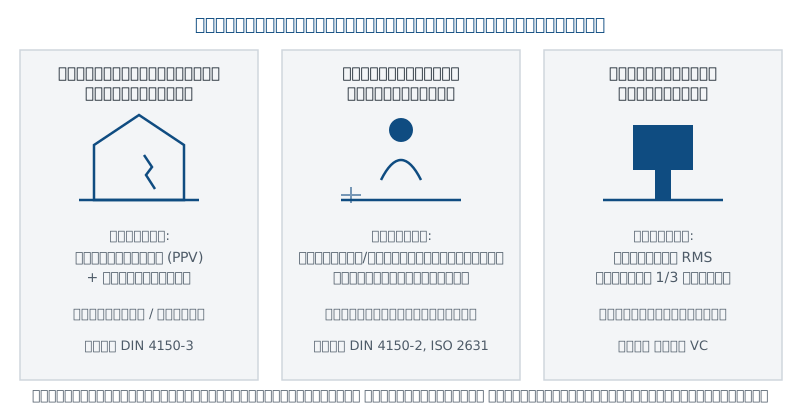
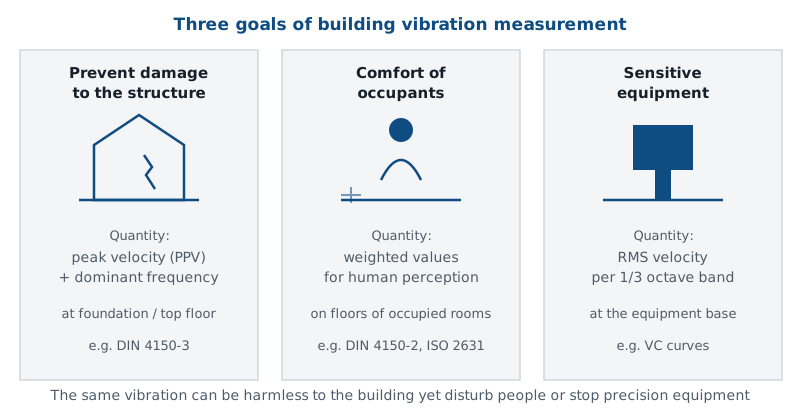
| เป้าหมายGoal | ปริมาณหลักMain quantity | จุดวัดทั่วไปTypical point | ตัวอย่างมาตรฐานExample standards |
|---|---|---|---|
| ป้องกันความเสียหายของโครงสร้างPrevent structural damage | ปริมาณหลักMain quantityความเร็วยอด (PPV) และความถี่เด่นPeak particle velocity (PPV) and dominant frequency | จุดวัดทั่วไปTypical pointฐานรากหรือผนังรับน้ำหนักชั้นล่าง บางกรณีพื้นชั้นบนสุดFoundation or load-bearing ground-floor wall; top floor in some cases | ตัวอย่างมาตรฐานExample standardsDIN 4150-3, BS 7385DIN 4150-3, BS 7385 |
| ความรู้สึกของผู้อยู่อาศัยOccupant comfort | ปริมาณหลักMain quantityค่าที่ถ่วงน้ำหนักตามการรับรู้ของคน เช่น KB, ความเร่งถ่วงน้ำหนัก, VDVPerception-weighted values such as KB, weighted acceleration, VDV | จุดวัดทั่วไปTypical pointพื้นห้องที่คนอยู่Floor of occupied rooms | ตัวอย่างมาตรฐานExample standardsDIN 4150-2, ISO 2631, BS 6472DIN 4150-2, ISO 2631, BS 6472 |
| อุปกรณ์ที่ไวต่อการสั่นSensitive equipment | ปริมาณหลักMain quantityความเร็ว RMS รายย่าน 1/3 ออกเตฟRMS velocity per 1/3-octave band | จุดวัดทั่วไปTypical pointฐานหรือพื้นที่ตั้งอุปกรณ์Equipment base or floor | ตัวอย่างมาตรฐานExample standardsเส้น VC หรือสเปกของผู้ผลิตอุปกรณ์VC curves or the equipment maker's specification |
คนรับรู้การสั่นได้ที่ระดับต่ำกว่าระดับที่ทำให้โครงสร้างเสียหายมาก “ไม่เกินเกณฑ์อาคาร” จึงไม่ได้แปลว่า “ไม่มีใครเดือดร้อน” ถ้ามีทั้งสองประเด็น ต้องวัดและประเมินแยกกันPeople perceive vibration at levels far below those that damage structures, so “below the building criterion” does not mean “nobody is affected”. If both issues exist, measure and assess them separately.
ทำไมจึงยากWhy it is difficult
- ความถี่สำคัญพอ ๆ กับขนาด อาคารทนการสั่นความถี่ต่ำได้น้อยกว่า เกณฑ์ความเสียหายจึงขึ้นกับความถี่ ค่ายอดอย่างเดียวไม่พอFrequency matters as much as size: buildings tolerate low-frequency vibration less well, so damage criteria depend on frequency; the peak alone is not enough.
- การยึดติดเซนเซอร์ เซนเซอร์ที่ยึดไม่แน่นจะวัดการโยกของตัวเอง ได้ค่าสูงหรือต่ำผิดจริงSensor coupling: a loosely fixed sensor measures its own rocking, giving values that are too high or too low.
- แหล่งอื่นปนเข้ามา รถบรรทุก คนเดินใกล้เซนเซอร์ ประตูปิดแรง หรือเครื่องจักรในอาคาร อาจทำให้เกิดเหตุการณ์ที่ไม่ได้มาจากงานก่อสร้างOther sources mix in: trucks, people walking near the sensor, slammed doors or building services can trigger events not caused by the works.
- งานยาวนานและหยุดไม่ได้ ต้องบันทึกต่อเนื่องหลายสัปดาห์หรือหลายเดือน โดยมีไฟเลี้ยง การสื่อสาร และการแจ้งเตือนที่เชื่อถือได้Long works that cannot stop: logging must run for weeks or months, with reliable power, communications and alerts.
ปริมาณที่วัด: PPV ต่อแกน ผลรวมเวกเตอร์ และความถี่เด่นWhat is measured: PPV per axis, vector sum and dominant frequency
- PPV (Peak particle velocity)PPV (peak particle velocity)
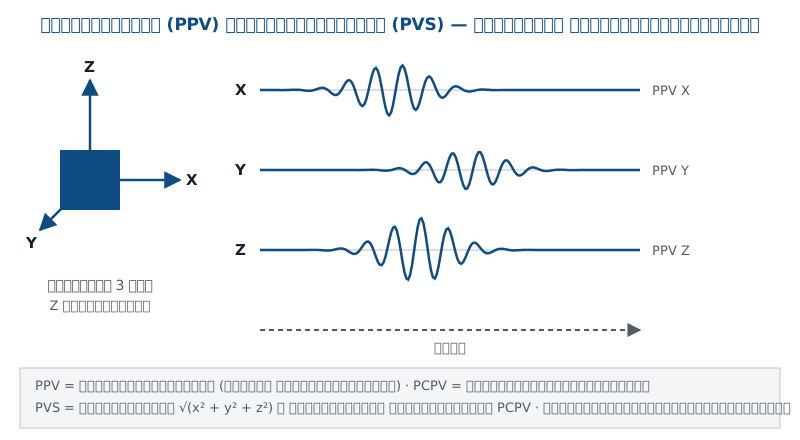
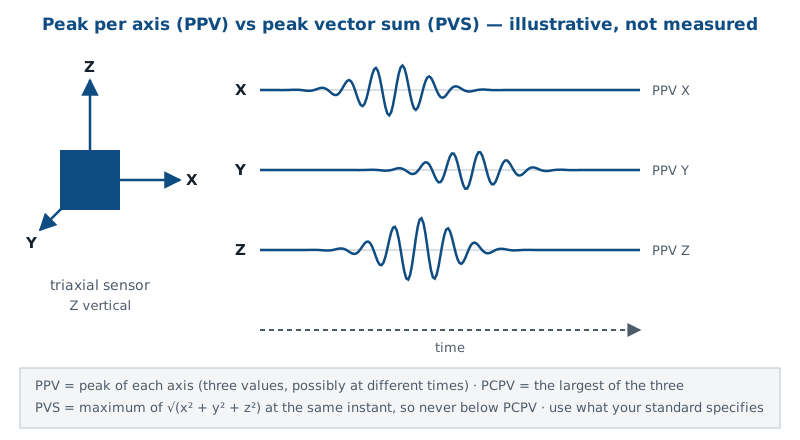
- ค่าสูงสุดของความเร็วการสั่นในแต่ละแกน หน่วย mm/s เป็นตัวชี้วัดหลักของความเสี่ยงต่อโครงสร้าง เพราะสัมพันธ์กับความเครียดในโครงสร้างได้ดีThe highest vibration velocity on each axis, in mm/s; the main indicator of structural risk because it relates well to stress in the structure.
- PCPV และ PVSPCPV and PVS
- PCPV คือ PPV ที่มากที่สุดในสามแกน PVS (peak vector sum) คือค่าสูงสุดของผลรวมเวกเตอร์ √(x² + y² + z²) ณ เวลาเดียวกัน จึงไม่ต่ำกว่า PCPV มาตรฐานบางฉบับประเมินแต่ละแกน บางฉบับใช้ผลรวมเวกเตอร์ ต้องรายงานให้ตรงกับที่อ้างPCPV is the largest PPV of the three axes. PVS (peak vector sum) is the maximum of √(x² + y² + z²) at the same instant, so it is never below PCPV. Some standards assess each axis, others the vector sum; report what your standard uses.
- ความถี่เด่นDominant frequency
- ความถี่ที่มีการสั่นแรงที่สุดในเหตุการณ์นั้น หาได้จากการนับจุดตัดศูนย์หรือจาก FFT ใช้ประกอบกับค่ายอดเพราะเกณฑ์ขึ้นกับความถี่The frequency with the strongest vibration in the event, found by zero-crossing counting or FFT; used with the peak because criteria depend on frequency.
เซนเซอร์หลายแบบวัดความเร่งแล้วคำนวณเป็นความเร็ว สิ่งสำคัญคือช่วงความถี่ของทั้งระบบต้องครอบคลุมความถี่ต่ำของการสั่นจากงานก่อสร้าง และต้องระบุเสมอว่ารายงานเป็นค่ายอดหรือ RMS แกนเดียวหรือผลรวมเวกเตอร์Many sensors measure acceleration and calculate velocity. What matters is that the whole system's frequency range covers the low frequencies of construction vibration, and that the report always states peak or RMS, single axis or vector sum.
DIN 4150 ในภาพรวมDIN 4150 in outline
DIN 4150 เป็นมาตรฐานเยอรมันที่ถูกอ้างถึงบ่อยในงานก่อสร้าง แบ่งเป็นสามส่วน ส่วนที่ 1 การคาดการณ์การสั่นล่วงหน้า ส่วนที่ 2 ผลต่อคนในอาคาร ใช้ค่าที่ถ่วงน้ำหนักตามการรับรู้ (KB) เทียบกับค่าแนวทางตามประเภทพื้นที่และช่วงกลางวันกลางคืน ส่วนที่ 3 ผลต่อโครงสร้าง ใช้ความเร็วยอดกับค่าแนวทางที่ขึ้นกับประเภทอาคาร (เช่น อาคารพาณิชย์ อาคารพักอาศัย อาคารที่อ่อนไหวหรือมีคุณค่าทางประวัติศาสตร์) ความถี่ จุดวัด และลักษณะการสั่นว่าเป็นระยะสั้นหรือต่อเนื่องDIN 4150 is a German standard often cited on construction projects, in three parts. Part 1 covers predicting vibration in advance. Part 2 covers effects on people in buildings, using perception-weighted values (KB) against guide values by area type and day or night. Part 3 covers effects on structures, using peak velocity against guide values that depend on the building category (e.g. commercial, residential, sensitive or historic), the frequency, the measurement point and whether the vibration is short-term or continuous.
หน้านี้ไม่แสดงตารางค่าแนวทางของ DIN 4150 ให้ใช้ค่าจากตัวมาตรฐานฉบับที่สัญญาหรือหน่วยงานกำหนดเท่านั้น ในประเทศไทยหรือประเทศอื่น ค่าที่ใช้บังคับอาจมาจากกฎหมายหรือข้อกำหนดของโครงการ ไม่ใช่จาก DIN 4150 โดยอัตโนมัติ และการเกินค่าแนวทางไม่ได้แปลว่าเสียหายแน่นอน แต่ควรตรวจสอบเพิ่มเติมThis page does not reproduce DIN 4150 guide-value tables; use values only from the edition required by the contract or authority. In Thailand or elsewhere, binding values may come from law or project specifications rather than automatically from DIN 4150. Exceeding a guide value does not mean damage is certain, but it calls for further investigation.
การติดตั้งเซนเซอร์: การยึดและทิศของแกนSensor mounting: coupling and orientation
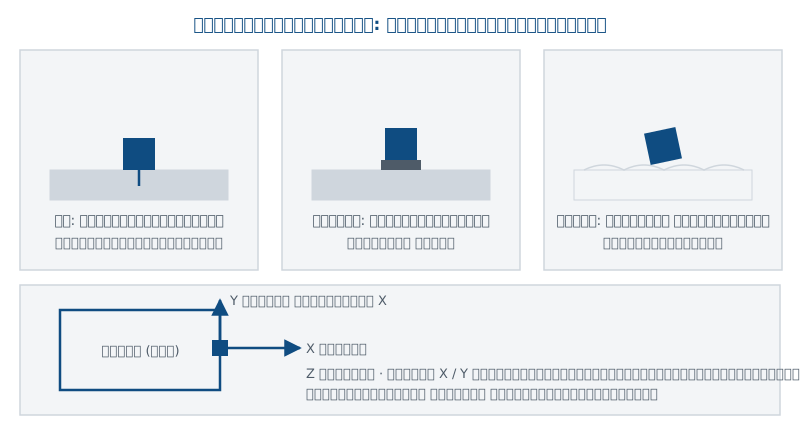
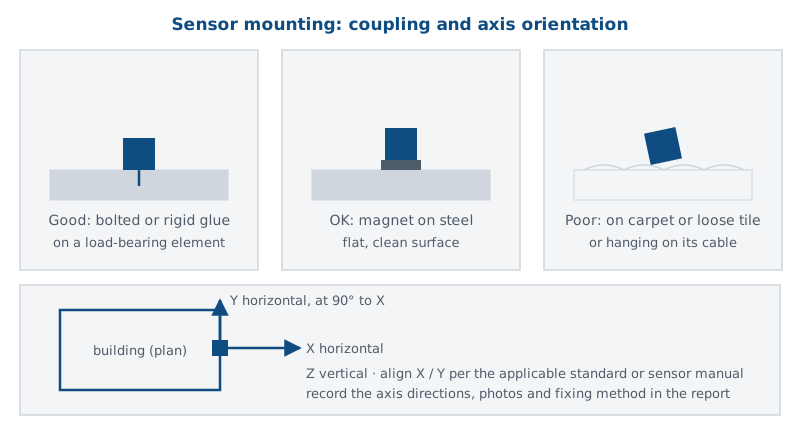
- ยึดกับชิ้นส่วนโครงสร้างที่รับน้ำหนัก เช่น ฐานราก เสา หรือผนังรับน้ำหนัก ด้วยสกรู พุก หรือกาวแข็ง ใช้แม่เหล็กได้บนผิวเหล็กที่เรียบและสะอาดFix to a load-bearing element such as the foundation, a column or a load-bearing wall with a bolt, anchor or rigid adhesive; magnets suit flat, clean steel only.
- หลีกเลี่ยงพรม กระเบื้องที่ร่อน ฝ้า ผนังเบา หรือการปล่อยให้เซนเซอร์แขวนด้วยสาย ยึดสายไม่ให้กระตุกเซนเซอร์Avoid carpet, loose tiles, ceilings, lightweight partitions or a sensor hanging on its cable; secure the cable so it cannot tug the sensor.
- วางแกนแนวนอนสองแกนตั้งฉากกัน และแกน Z แนวดิ่ง โดยจัดทิศตามที่มาตรฐานที่ใช้หรือคู่มือเซนเซอร์กำหนด ถ่ายภาพ ระบุทิศ และจดวิธียึดทุกจุดSet two horizontal axes at right angles and Z vertical, oriented as the applicable standard or the sensor manual specifies; photograph, note the orientation and the fixing at every point.
- เครื่องวัดสามแกนวัดทุกแกนพร้อมกัน ถ้าใช้เซนเซอร์แกนเดียวกับเครื่องวัดช่องเดียว จะวัดได้ทีละแกน ซึ่งเหมาะกับการตรวจเฉพาะจุด แต่ไม่เหมาะกับการเฝ้าระวังเหตุการณ์ที่เกิดครั้งเดียวA triaxial instrument measures all axes at once. A uniaxial sensor with a single-channel meter measures one axis at a time, fine for spot checks but not for monitoring one-off events.
การเฝ้าระวังระยะยาว การแจ้งเตือน และขั้นตอนงานLong-term monitoring, alerts and workflow
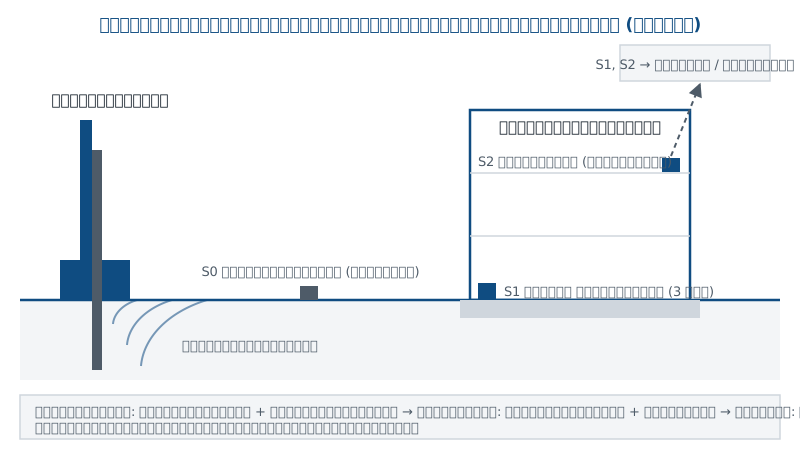
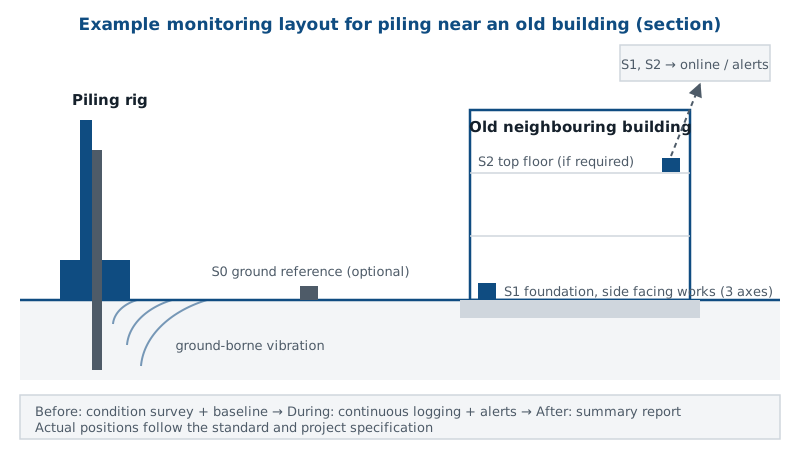
- ตกลงเกณฑ์ก่อนเริ่มงาน มาตรฐานหรือข้อกำหนดที่ใช้ ประเภทอาคาร จุดวัด และระดับแจ้งเตือน ซึ่งมักตั้งระดับเตือนล่วงหน้าไว้ต่ำกว่าเกณฑ์ เพื่อให้มีเวลาปรับวิธีทำงานAgree the criteria before work starts: the standard or specification, building category, points and alert levels; an early-warning level is usually set below the limit to leave time to adjust the method.
- สำรวจสภาพอาคาร ถ่ายภาพและบันทึกรอยร้าวเดิมร่วมกับเจ้าของอาคารSurvey the building condition: photograph and log existing cracks together with the owner.
- บันทึกค่าพื้นฐาน (Baseline) อย่างน้อยหลายวันก่อนเริ่มงาน เพื่อรู้ระดับการสั่นจากการจราจรและกิจกรรมปกติRecord a baseline for at least several days before the works, to know the vibration from traffic and normal activity.
- ติดตั้งและตรวจระบบ ยึดเซนเซอร์ ตั้งเวลาให้ตรงกัน ตั้งค่าการบันทึก การแจ้งเตือน และทดสอบการส่งข้อมูลInstall and check: fix the sensors, synchronise time, set logging and alerts, and test data transfer.
- เฝ้าระวังระหว่างงาน บันทึก PPV และความถี่เด่นต่อเนื่อง เก็บสัญญาณของเหตุการณ์ที่เกินระดับกระตุ้น จดบันทึกกิจกรรมหน้างานพร้อมเวลา เพื่อจับคู่เหตุการณ์กับงานที่ทำMonitor during the works: log PPV and dominant frequency continuously, store waveforms of triggered events, and keep a timed site diary to match events with activities.
- ตอบสนองต่อการแจ้งเตือน ตรวจว่าเหตุการณ์มาจากงานจริงหรือแหล่งอื่น แล้วปรับวิธีทำงาน เช่น ลดพลังงานการตอก เปลี่ยนชนิดเสาเข็ม หรือเพิ่มระยะRespond to alerts: check whether the event came from the works or another source, then adjust, e.g. lower driving energy, change the pile type or increase distance.
- รายงานเป็นระยะและเมื่อจบงาน สรุปค่าสูงสุด ความถี่ เหตุการณ์ที่เกิน และการดำเนินการ แล้วสำรวจสภาพอาคารหลังงานReport periodically and at the end: summarise maxima, frequencies, exceedances and actions, then survey the building after the works.
รายงานควรระบุ มาตรฐานและฉบับที่ใช้ ประเภทอาคาร ตำแหน่งและทิศของแกน วิธียึด เครื่องมือและช่วงความถี่ ค่าพื้นฐาน ค่าสูงสุดต่อแกนหรือผลรวมเวกเตอร์พร้อมความถี่ เหตุการณ์ที่เกินพร้อมเวลาและกิจกรรม และข้อจำกัดของการวัดThe report should state the standard and edition, building category, positions and axis orientation, fixing method, instruments and frequency range, the baseline, maxima per axis or vector sum with frequency, exceedances with time and activity, and the limitations of the measurement.
อุปกรณ์ที่ต้องใช้Equipment
ชุดทั่วไป: สำหรับการเฝ้าระวัง ใช้เครื่องบันทึกการสั่นสามแกน (geophone หรือ accelerometer) ที่ครอบคลุมความถี่ต่ำพอ คำนวณค่ายอดและความถี่เด่นของแต่ละเหตุการณ์ บันทึกได้นาน มีแหล่งไฟ การสื่อสาร และการแจ้งเตือน สำหรับการตรวจเฉพาะจุดหรือการวิเคราะห์ความถี่ ใช้เครื่องวัดการสั่นแบบพกพากับ accelerometer ที่เหมาะกับช่วงความถี่และระดับGeneral kit: for monitoring, a triaxial vibration logger (geophone or accelerometer) covering low enough frequencies, calculating the peak and dominant frequency of each event, recording for long periods, with power, communications and alerts. For spot checks or frequency analysis, a portable vibration meter with an accelerometer suited to the frequency range and level.
- GSS 5GV + MeasurEye (NTi Audio): เครื่องเฝ้าระวังแบบติดตั้งถาวร เซนเซอร์ MEMS สามแกนพร้อมวัดการเอียงในตัว ช่วงความถี่ 1 Hz ถึง 1 kHz วัด PPV ผลรวมเวกเตอร์ และความถี่เด่น (Zero Crossing หรือ FFT) NTi ระบุช่วงความถี่สำหรับเกณฑ์ DIN 4150-3, BS 7385 และมาตรฐานอื่น และค่าความรู้สึกของคน (VDV, AWt, KB ตาม DIN 4150-2) ส่งข้อมูลผ่านเครือข่ายมือถือไปยัง MeasurEye สำหรับข้อมูลสด การแจ้งเตือน (รวม SMS ได้ถึง 5 หมายเลข) และรายงาน PDF อัตโนมัติ ใช้แบตเตอรี่ได้นานถึง 6 เดือนในโหมดประหยัดพลังงานหรือต่อไฟภายนอกGSS 5GV + MeasurEye (NTi Audio): a permanently installed monitor with a built-in triaxial MEMS sensor and tilt measurement, 1 Hz to 1 kHz, measuring PPV, peak vector sum and dominant frequency (zero crossing or FFT). NTi lists frequency ranges for DIN 4150-3, BS 7385 and other criteria, plus comfort values (VDV, AWt, KB per DIN 4150-2). Data goes over the mobile network to MeasurEye for live data, alerts (including SMS to up to 5 phones) and automatic PDF reports; up to 6 months on battery in low-power mode, or external power.
- XL2 Vibration Meter + เซนเซอร์ (NTi Audio): เครื่องวัดแบบพกพาช่องเดียว ใช้ accelerometer แกนเดียวผ่าน ICP Adapter ASD แสดงความเร่ง ความเร็ว การกระจัด และ PPV พร้อมกัน มี FFT และสเปกตรัม 1/3 ออกเตฟ 0.8 Hz ถึง 2.5 kHz และตัวกรอง 1–80 Hz, 1–315 Hz ตาม DIN 45669-1 วัดสามแกนได้ทีละแกน NTi ไม่ได้ระบุการประเมินตาม DIN 4150-3 สำหรับเครื่องนี้ A4580 ในชุดเป็นเชิงเส้นตั้งแต่ 3 Hz ส่วน KS901MF และ A97100 ลงได้ถึง 0.2 Hz และ 0.15 Hz เหมาะกับการตรวจเฉพาะจุดและวิเคราะห์ความถี่ ไม่ใช่การเฝ้าระวังระยะยาวแบบไม่มีคนเฝ้าXL2 Vibration Meter + sensors (NTi Audio): a single-channel portable meter using a uniaxial accelerometer via the ICP Adapter ASD, showing acceleration, velocity, displacement and PPV together, with FFT, a 1/3-octave spectrum from 0.8 Hz to 2.5 kHz and 1–80 Hz and 1–315 Hz filters per DIN 45669-1. Three axes are measured one after another. NTi does not list DIN 4150-3 evaluation for this meter. The kit's A4580 is linear from 3 Hz; the KS901MF and A97100 reach 0.2 Hz and 0.15 Hz. It suits spot checks and frequency analysis, not unattended long-term monitoring.
GSS 5GV ใช้แบตเตอรี่ลิเธียม D-cell ภายใน 4 ก้อน (Product Data ของ NTi) และ Product Data ระบุสูงสุด 3 เดือนในโหมด MQTT เรียลไทม์ อายุแบตเตอรี่จึงขึ้นกับรอบการส่งข้อมูลที่ตั้งไว้The GSS 5GV runs on 4 internal lithium D cells (NTi Product Data), and the Product Data gives up to 3 months in real-time MQTT mode, so battery life depends on the reporting interval set.
ข้อผิดพลาดที่พบบ่อยCommon mistakes
- ไม่บันทึกค่าพื้นฐานก่อนเริ่มงาน จึงแยกไม่ได้ว่าการสั่นหรือรอยร้าวมีอยู่ก่อนแล้วNo baseline before the works, so existing vibration or cracks cannot be distinguished.
- รายงานค่ายอดโดยไม่มีความถี่ หรือไม่ระบุว่าเป็นค่าต่อแกนหรือผลรวมเวกเตอร์Reporting peaks without frequency, or without saying per axis or vector sum.
- ติดเซนเซอร์บนกระเบื้อง พื้นยก หรือวางไว้เฉย ๆPlacing sensors on tiles, raised floors or just setting them down.
- ใช้เกณฑ์ความเสียหายของอาคารตอบข้อร้องเรียนเรื่องความรู้สึกของคนUsing building damage criteria to answer comfort complaints.
- ไม่ตั้งเวลาเครื่องให้ตรงและไม่จดบันทึกหน้างาน จึงอธิบายเหตุการณ์ที่เกินไม่ได้Unsynchronised clocks and no site diary, so exceedances cannot be explained.
ตัวอย่างสถานการณ์: ตอกเสาเข็มใกล้อาคารเก่าExample scenario: piling near an old building
โครงการคอนโดมิเนียมจะตอกเสาเข็มห่างตึกแถวอายุหลายสิบปีไม่มาก สัญญากำหนดให้เฝ้าระวังการสั่นตามเกณฑ์ที่ที่ปรึกษาเลือกสำหรับอาคารที่อ่อนไหว ทีมวัดสำรวจรอยร้าวเดิมร่วมกับเจ้าของ ติดเครื่องบันทึกสามแกนที่ฐานรากด้านที่หันเข้าหางาน ยึดด้วยพุกกับคานคอดิน จัดแกน X ตั้งฉากกับผนัง และบันทึกค่าพื้นฐานหนึ่งสัปดาห์ พบเหตุการณ์สั้น ๆ เป็นระยะจากรถบรรทุกบนถนนหน้าอาคาร
เมื่อเริ่มตอก ค่าเข้าใกล้ระดับเตือนล่วงหน้าเฉพาะช่วงเสาเข็มต้นที่ใกล้อาคารที่สุด และความถี่เด่นของเหตุการณ์เหล่านั้นอยู่ในช่วงต่ำ ผู้รับเหมาจึงเปลี่ยนวิธีทำงานสำหรับเสาเข็มแถวใกล้อาคาร หลังจากนั้นค่ากลับไปอยู่ต่ำกว่าระดับเตือน ขณะเดียวกันผู้อยู่อาศัยชั้นบนร้องเรียนเรื่องสั่นตอนกลางคืน จึงติดจุดวัดเพิ่มบนพื้นห้องนอนเพื่อประเมินตามเกณฑ์ความรู้สึกของคนแยกต่างหาก รายงานรายสัปดาห์แสดงค่าสูงสุด ความถี่ และเหตุการณ์ที่จับคู่กับบันทึกหน้างาน (สถานการณ์สมมุติเพื่ออธิบายวิธีการ ไม่ใช่โครงการจริงของ GET BEST SOUND)A condominium project will drive piles a short distance from decades-old shophouses. The contract requires vibration monitoring against criteria chosen by the consultant for sensitive buildings. The team surveys existing cracks with the owner, installs a triaxial logger on the foundation facing the works, anchored to the ground beam with X perpendicular to the wall, and records a one-week baseline, which shows short events from trucks on the road in front.
Once piling starts, values approach the early-warning level only for the piles closest to the building, and the dominant frequency of those events is low. The contractor changes the method for the near row, after which values stay below the warning level. Meanwhile upper-floor residents complain of night-time shaking, so an extra point is set on a bedroom floor to assess comfort separately. Weekly reports show maxima, frequencies and events matched to the site diary. (A hypothetical scenario to explain the method, not a real GET BEST SOUND project.)
คำถามที่พบบ่อยFrequently asked questions
ต้องวัดสามแกนเสมอไหมMust all three axes always be measured?
สำหรับการเฝ้าระวังความเสียหายของอาคาร ควรวัดสามแกนพร้อมกัน เพราะไม่รู้ล่วงหน้าว่าแกนใดจะสูงสุด และบางมาตรฐานใช้ผลรวมเวกเตอร์ การวัดทีละแกนเหมาะกับการตรวจการสั่นที่คงที่และเกิดซ้ำได้For building damage monitoring, measure all three at once: you cannot know in advance which axis will peak, and some standards use the vector sum. One axis at a time suits steady, repeatable vibration.
ใช้ค่า DIN 4150-3 เป็นเกณฑ์ในประเทศไทยได้ไหมCan DIN 4150-3 values be used as criteria in Thailand?
ใช้เป็นเกณฑ์ตามสัญญาได้ถ้าคู่สัญญาหรือหน่วยงานกำหนด แต่ไม่ใช่กฎหมายไทยโดยอัตโนมัติ ต้องระบุฉบับของมาตรฐาน ประเภทอาคาร และจุดวัดให้ชัดในข้อกำหนดของโครงการYes, as contractual criteria if the parties or the authority specify them, but they are not Thai law by default. State the edition, building category and measurement points clearly in the project specification.
ควรตั้งระดับแจ้งเตือนอย่างไรHow should alert levels be set?
นิยมตั้งอย่างน้อยสองระดับ คือ ระดับเตือนล่วงหน้าที่ต่ำกว่าเกณฑ์ และระดับที่ต้องหยุดหรือปรับงาน ค่าที่ใช้ควรตกลงกับที่ปรึกษาและเจ้าของอาคารก่อนเริ่มงานCommonly at least two: an early-warning level below the criterion and an action level to stop or change the work. Agree the values with the consultant and building owner before work starts.
เซนเซอร์ติดที่พื้นดินแทนอาคารได้ไหมCan the sensor go on the ground instead of the building?
จุดในดินใช้เป็นจุดอ้างอิงหรือดูการลดลงตามระยะได้ แต่เกณฑ์ความเสียหายของอาคารมักกำหนดจุดวัดบนโครงสร้าง เช่น ฐานราก ถ้าติดในดินต้องยึดให้แน่นกับดิน ไม่ใช่วางบนผิวดินหลวม ๆA ground point is useful as a reference or to see attenuation with distance, but building damage criteria usually specify points on the structure such as the foundation. In the ground, the sensor must be firmly coupled, not set on loose soil.
เครื่องวัดการสั่นแบบพกพาใช้แทนเครื่องเฝ้าระวังได้หรือไม่Can a portable vibration meter replace a monitor?
ใช้ได้สำหรับการตรวจเฉพาะจุด การวัดค่าพื้นฐานเบื้องต้น และการวิเคราะห์ความถี่ แต่การเฝ้าระวังตลอดงานต้องการการบันทึกสามแกนต่อเนื่อง การแจ้งเตือน และการส่งข้อมูลระยะไกล ซึ่งเป็นงานของเครื่องเฝ้าระวังแบบติดตั้งFor spot checks, first baseline readings and frequency analysis, yes. Monitoring throughout the works needs continuous triaxial logging, alerts and remote data, which is the job of an installed monitor.