ทำไมเรื่องนี้สำคัญWhy this matters
ถ้ายืนวัดเสียงหน้าบ้านห้านาที ผลที่ได้ขึ้นกับว่าช่วงนั้นมีรถบรรทุกผ่านหรือไม่ มีนกร้องหรือไม่ เสียงเครื่องจักรในโรงงานใกล้เคียงอาจดังเฉพาะกะกลางคืน เสียงเพลงจากร้านอาหารอาจเริ่มหลังสี่ทุ่ม การวัดสั้น ๆ ครั้งเดียวจึงอาจพลาดเหตุการณ์ที่เป็นปัญหาจริงไปทั้งหมดIf you stand outside a house for five minutes, the result depends on whether a truck happened to pass or a bird was singing. A nearby factory may be loud only on the night shift; music from a restaurant may start after 10 pm. A single short measurement can miss the real problem entirely.
การวัดระยะยาว เช่น หลายชั่วโมง หนึ่งวันเต็ม หรือหลายสัปดาห์ ช่วยให้เห็นรูปแบบของเสียงตลอดช่วงเวลา เปรียบเทียบกลางวันกับกลางคืน และจับเหตุการณ์ที่เกิดไม่บ่อยได้ แต่ข้อมูลจำนวนมากจะมีประโยชน์ก็ต่อเมื่อวางแผนการบันทึกไว้ดีตั้งแต่ต้นLong-term measurements, over hours, a full day or several weeks, show how the sound behaves over time, allow day and night to be compared, and catch events that happen only occasionally. But a large dataset is only useful if the logging was planned well from the start.
แนวคิดพื้นฐาน: การบันทึกเป็นช่วง ๆThe basic idea: logging in intervals
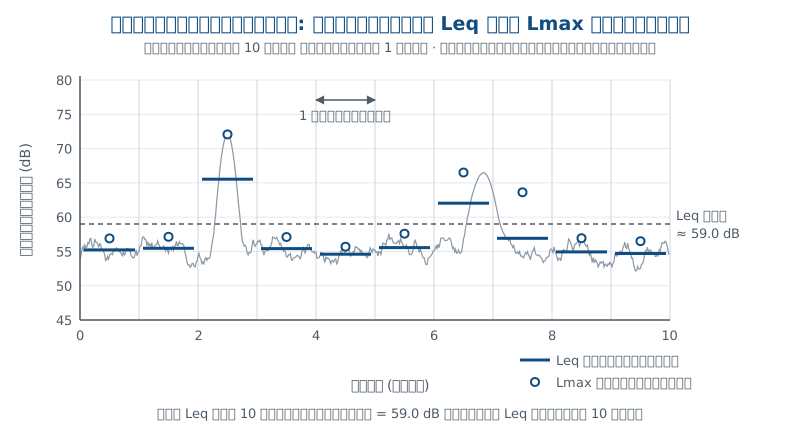
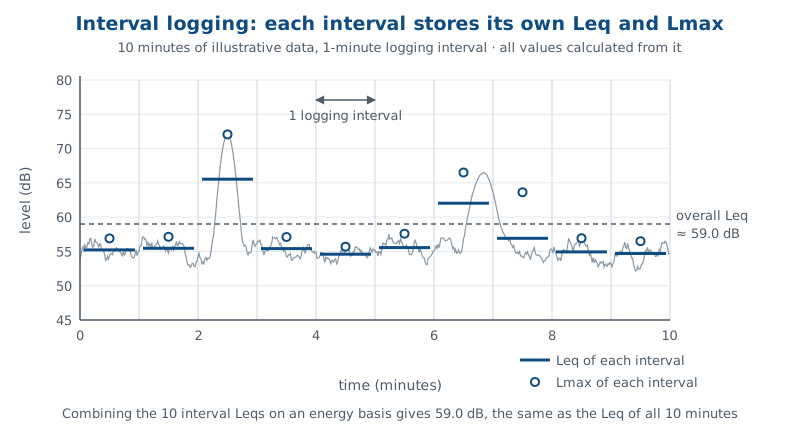
การบันทึกข้อมูล (logging) คือการให้เครื่องวัดเก็บค่าต่าง ๆ ทุก ๆ ช่วงเวลาที่กำหนด เรียกว่า ช่วงบันทึก (logging interval) เช่น ทุก 100 มิลลิวินาที ทุก 1 วินาที หรือทุก 1 นาที แต่ละช่วงจะมีค่าของตัวเอง เช่น ระดับเสียงเฉลี่ยเทียบเท่า (Leq) และระดับสูงสุด (Lmax) ในช่วงนั้น พร้อมกันนั้นเครื่องยังคำนวณค่ารวมของการวัดทั้งหมดไว้ด้วยLogging means the instrument stores its values at a fixed rhythm called the logging interval, for example every 100 ms, every second or every minute. Each interval gets its own values, such as the equivalent continuous level (Leq) and the maximum level (Lmax) within that interval. At the same time the instrument also keeps overall values for the whole measurement.
ข้อดีคือ Leq ของช่วงยาวสามารถคำนวณจาก Leq ของช่วงสั้นหลายช่วงได้ในภายหลัง (รวมแบบพลังงาน) เราจึงเก็บข้อมูลละเอียดครั้งเดียว แล้วนำมาสรุปเป็นรายชั่วโมง ช่วงกลางวัน หรือช่วงกลางคืน ตามที่กฎเกณฑ์ต้องการได้ รวมถึงตัดช่วงที่มีเสียงไม่เกี่ยวข้องออกได้ด้วยThe advantage is that the Leq of a long period can be calculated later from the Leqs of many short intervals (combined on an energy basis). You collect detailed data once, then summarise it by hour, daytime or night-time as the rules require, and you can remove periods containing unrelated sounds.
เลือกช่วงบันทึกอย่างไรHow to choose the logging interval
| ช่วงบันทึกLogging interval | เหมาะกับSuits | ข้อควรรู้Keep in mind |
|---|---|---|
| สั้นมาก (เช่น 100 ms)Very short (e.g. 100 ms) | เหมาะกับSuitsดูเหตุการณ์สั้น ๆ อย่างละเอียด และการประมวลผลภายหลังด้วยซอฟต์แวร์Looking at short events in detail, and post-processing in software | ข้อควรรู้Keep in mindไฟล์ใหญ่ และต้องเข้าใจพฤติกรรมของค่าแต่ละตัวในช่วงสั้นLarge files; you must understand how each parameter behaves over short intervals |
| สั้น (เช่น 1 วินาที)Short (e.g. 1 s) | เหมาะกับSuitsการวัดยาวหลายวันที่ยังต้องการเห็นเหตุการณ์แต่ละครั้งMulti-day measurements where individual events still need to be visible | ข้อควรรู้Keep in mindความละเอียดพอสำหรับงานส่วนใหญ่ ข้อมูลยังจัดการได้Enough detail for most work; data volume stays manageable |
| ยาว (เช่น 1 นาทีขึ้นไป)Long (e.g. 1 min or more) | เหมาะกับSuitsดูแนวโน้มรวม และรายงานตามช่วงเวลาที่กฎเกณฑ์กำหนดTrends and reporting against periods set by the rules | ข้อควรรู้Keep in mindเหตุการณ์สั้น ๆ จะถูกเฉลี่ยรวมจนมองไม่เห็นใน LeqShort events are averaged away and disappear in Leq |
NTi Audio แนะนำให้ใช้ช่วงบันทึก 100 ms เมื่อจะนำข้อมูลไปวิเคราะห์ต่อด้วยซอฟต์แวร์ Data Explorer โดยเฉพาะเมื่อบันทึก LAFmax ร่วมด้วย ข้อมูลละเอียดขนาดนี้ทำให้ย้อนกลับไปดูและตัดเหตุการณ์ได้แม่นยำNTi Audio recommends a 100 ms logging interval when the data will be analysed later with the Data Explorer software, especially when LAFmax is also logged. Data this fine lets you look back and cut out events precisely.
ระวังตอนอ่านข้อมูลช่วงสั้นมาก: ในช่วงบันทึก 100 ms บางครั้งจะเห็น LAeq สูงกว่า LAFmax ซึ่งดูแปลกแต่ไม่ใช่เครื่องเสีย เหตุผลคือ Leq ไม่มีการถ่วงน้ำหนักเวลาจึงตอบสนองทันที ส่วน LAFmax ใช้การถ่วงน้ำหนักเวลาแบบ Fast (ค่าคงที่เวลา 125 ms) ซึ่งต้องใช้เวลาไล่ตามเมื่อเสียงดังขึ้นทันทีTake care reading very short intervals: with a 100 ms logging interval you will sometimes see LAeq higher than LAFmax. It looks odd but is not a fault. Leq has no time weighting and reacts immediately, while LAFmax uses Fast time weighting (125 ms time constant), which needs time to catch up after a sudden rise.
ควรบันทึกอะไรบ้างWhat to record
ตัดสินใจก่อนเริ่มวัดว่าต้องการค่าอะไร เพราะบางค่าเปลี่ยนภายหลังไม่ได้ รายการด้านล่างเป็นชุดที่ใช้กันทั่วไปในการวัดเสียงสิ่งแวดล้อมและเสียงรบกวน ส่วนรายละเอียดที่ต้องใช้จริงขึ้นกับมาตรฐานหรือกฎเกณฑ์ของงานนั้นDecide before you start which values you need, because some cannot be changed afterwards. The list below is a common set for environmental and nuisance measurements; what you actually need depends on the standard or rules for the job.
| ข้อมูลData | ใช้ทำอะไรWhat it is for |
|---|---|
| LAeq ของแต่ละช่วงLAeq per interval | ใช้ทำอะไรWhat it is forค่าพื้นฐานของการประเมิน รวมเป็นค่าของช่วงใดก็ได้ภายหลังThe basis of most assessments; can be combined into any period later |
| LAFmax (และ LAFmin)LAFmax (and LAFmin) | ใช้ทำอะไรWhat it is forเห็นเหตุการณ์ดังสั้น ๆ ที่ Leq เฉลี่ยจนหายไปShows short loud events that Leq averages away |
| ค่าเปอร์เซ็นไทล์ เช่น L90 และ L10Percentile levels such as L90 and L10 | ใช้ทำอะไรWhat it is forL90 มักใช้เป็นตัวบ่งชี้เสียงพื้นหลัง (ขึ้นกับวิธีการประเมิน) L10 บอกช่วงที่ดังบ่อยL90 is often used as a background indicator (depending on the assessment method); L10 the frequently loud part |
| ค่าถ่วงน้ำหนัก C เช่น LCeq, LCpeakC-weighted values such as LCeq, LCpeak | ใช้ทำอะไรWhat it is forดูเสียงความถี่ต่ำ เช่น เสียงเบสจากดนตรี และค่ายอดLow-frequency content such as music bass, and peaks |
| สเปกตรัม 1/3 ออกเตฟ1/3 octave spectra | ใช้ทำอะไรWhat it is forระบุแหล่งกำเนิดและตรวจหาเสียงโทนIdentify sources and detect tones |
| ไฟล์เสียงAudio recording | ใช้ทำอะไรWhat it is forฟังย้อนหลังเพื่อยืนยันว่าเสียงดังมาจากอะไรListen back to confirm what caused a loud moment |
| สภาพอากาศWeather | ใช้ทำอะไรWhat it is forตรวจสอบช่วงที่ลมหรือฝนอาจทำให้ข้อมูลเชื่อถือไม่ได้Check periods where wind or rain may have made data unreliable |
| บันทึกภาคสนามและผลการตรวจสอบเครื่องField notes and calibration checks | ใช้ทำอะไรWhat it is forตำแหน่ง รูปถ่าย เหตุการณ์ที่สังเกตได้ และค่าที่อ่านได้จากเครื่องสอบเทียบก่อนและหลังการวัดPosition, photos, observed events, and calibrator readings before and after |
เรื่องค่าเปอร์เซ็นไทล์มีรายละเอียดที่ควรรู้ เครื่อง XL2 สุ่มค่าพื้นฐานที่เลือก เช่น LAF ทุก 1 มิลลิวินาที แล้วนับลงในช่องระดับที่กว้าง 0.1 dB สำหรับค่ารวมทุกความถี่ ค่าพื้นฐานนี้ต้องเลือกก่อนวัดและเปลี่ยนภายหลังไม่ได้ แต่เลือกได้ภายหลังว่าจะดู L90 หรือ L10 นอกจากนี้ค่าที่เครื่องแสดงเป็นค่าสะสมตั้งแต่เริ่มวัด ถ้าต้องการค่าแยกตามช่วง ต้องตั้งโหมดตั้งเวลาซ้ำ (repeated timer) ไว้ และถ้าคำนวณใหม่ในซอฟต์แวร์จากข้อมูล 100 ms ผลอาจต่างจากค่าในเครื่องเล็กน้อยPercentiles have details worth knowing. The XL2 samples the chosen base parameter, such as LAF, every millisecond and counts it into level classes 0.1 dB wide for broadband values. This base parameter must be chosen before measuring and cannot be changed later, although you can decide afterwards whether to read L90 or L10. The values shown are also cumulative from the start; for per-period values you must set the repeated timer mode. If software recalculates them from 100 ms logged data, the result can differ slightly from the instrument's own values.
การบันทึกเสียงเพื่อระบุเหตุการณ์Audio recording to identify events
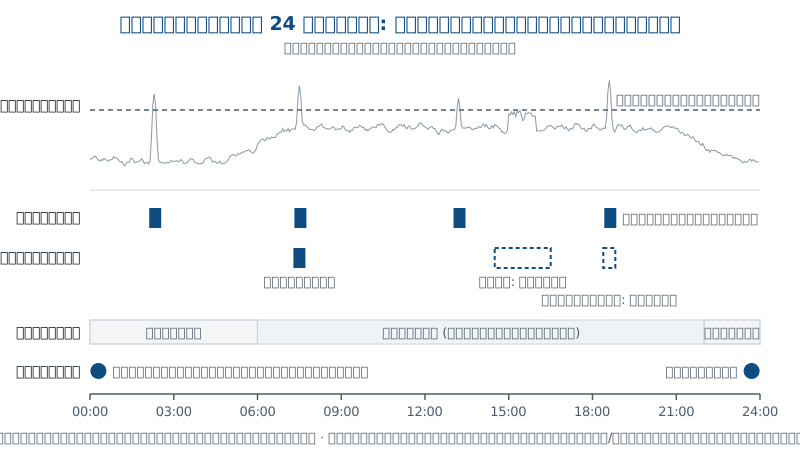
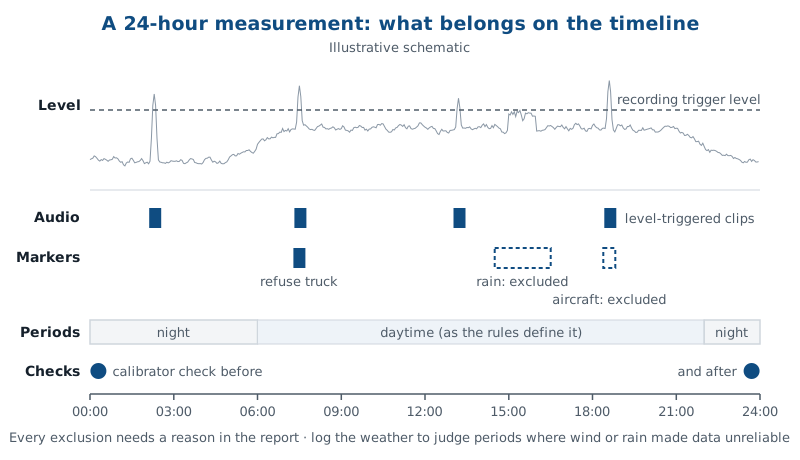
กราฟระดับเสียงบอกว่า เมื่อไร มีเสียงดัง แต่ไม่บอกว่า อะไร ดัง ยอดสูงในกราฟตอนตีสองอาจเป็นเครื่องจักรที่กำลังตรวจสอบ หรืออาจเป็นสุนัขเห่าข้างไมโครโฟน การบันทึกเสียงจริงไว้ทำให้ฟังย้อนหลังและแยกแยะได้ ซึ่งช่วยทั้งการวิเคราะห์และการเป็นหลักฐานA level graph tells you when it was loud, not what was loud. A peak at 2 am could be the machine under investigation, or a dog barking next to the microphone. Recording the actual sound lets you listen back and tell them apart, which helps both the analysis and the evidence.
- บันทึกต่อเนื่อง: เก็บเสียงตลอดการวัด มักใช้ไฟล์แบบบีบอัดเพื่อประหยัดพื้นที่ เหมาะสำหรับใช้อ้างอิงและเป็นบริบทContinuous recording: audio for the whole measurement, usually compressed to save space; good for documentation and context.
- บันทึกเมื่อเกินเกณฑ์ (triggered): เครื่องเริ่มบันทึกเมื่อระดับเสียงสูงกว่าค่าที่ตั้งไว้ ได้เฉพาะช่วงที่สำคัญLevel-triggered recording: the instrument starts recording when the level exceeds a set threshold, capturing only the important moments.
- บันทึกด้วยการกดปุ่ม: ผู้ที่ได้รับผลกระทบกดปุ่มเมื่อได้ยินเสียงรบกวน ระบบที่ดีจะเก็บเสียงก่อนกดปุ่มไว้ด้วย (pre-trigger) เช่น ระบบบันทึกเสียงรบกวนที่ NTi Audio นำเสนอเก็บเสียงย้อนหลังได้ 5 ถึง 30 วินาทีPush-button recording: the affected person presses a button when they hear the noise. Good systems also keep the sound from before the press (pre-trigger); for example a noise nuisance recording system presented by NTi Audio keeps 5 to 30 seconds before the press.
ถ้าจะนำเสียงไปวิเคราะห์ต่อ เช่น ดูสเปกตรัมหรือเสียงโทน ควรใช้ไฟล์แบบไม่บีบอัด (linear WAV) เช่น XL2 มีตัวเลือกบันทึกแบบ 24 บิต 48 kHz ส่วนไฟล์บีบอัดเหมาะกับการฟังเพื่อระบุเหตุการณ์If the audio will be analysed further, for example for spectra or tones, use uncompressed files (linear WAV); the XL2 offers an option for 24-bit, 48 kHz recording. Compressed files are fine for listening to identify events.
ไฟล์เสียงอาจเก็บเสียงพูดของคนที่อยู่ใกล้จุดวัดได้ ควรพิจารณาเรื่องความเป็นส่วนตัวและกฎระเบียบที่เกี่ยวข้องก่อนตั้งค่าการบันทึกเสียงAudio files can capture the speech of people near the measurement point. Consider privacy and any applicable rules before setting up audio recording.
ตัวทำเครื่องหมาย (marker)Markers
ตัวทำเครื่องหมาย (marker) คือป้ายที่ติดไว้บนช่วงเวลาหนึ่งของข้อมูล เพื่อบอกว่าช่วงนั้นมีอะไรเกิดขึ้น เช่น “รถขยะ” “ฝนตก” “เครื่องจักรหยุด” ใช้ได้ทั้งตอนวัด เช่น การบันทึกเสียงพูดสั้น ๆ (voice note) หรือกดทำเครื่องหมายบนเครื่อง และตอนวิเคราะห์ภายหลังในซอฟต์แวร์A marker is a label attached to a stretch of the data to say what happened then, such as “refuse truck”, “rain” or “machine stopped”. Markers can be set during the measurement, for example with a short voice note or a button on the instrument, and later during analysis in software.
- ทำเครื่องหมายเพื่ออธิบาย: ติดข้อความบนช่วงที่น่าสนใจ เพื่อให้คนอ่านรายงานเข้าใจกราฟDescriptive markers: label interesting periods so readers of the report understand the graph.
- ทำเครื่องหมายเพื่อตัดออก (exclude): ใน Data Explorer สามารถกำหนดช่วงที่มีเสียงไม่เกี่ยวข้องให้ถูกตัดออกจากผลรวม เช่น เสียงเครื่องบินผ่านระหว่างวัดเสียงโรงงานExclusion markers: in Data Explorer, periods with unrelated sound can be excluded from the totals, such as an aircraft passing while you measure a factory.
- ทำเครื่องหมายอัตโนมัติ: ซอฟต์แวร์สร้างเครื่องหมายตามระดับเสียง เสียงโทน เสียงกระแทก หรือช่วงเวลา ตามวิธีในมาตรฐานอย่าง ISO 1996-2:2017 และ BS 4142 (ตรวจฉบับที่ซอฟต์แวร์รองรับกับฉบับที่งานนั้นกำหนดเสมอ)Automatic markers: the software creates markers from levels, tones, impulses or time periods, following methods in standards such as ISO 1996-2:2017 and BS 4142 (always check which edition the software supports against the edition the job requires).
การตัดข้อมูลออกต้องมีเหตุผลและบันทึกไว้ในรายงานเสมอ ห้ามตัดช่วงที่ดังออกเพียงเพราะทำให้ผลดูไม่ดีEvery exclusion needs a reason recorded in the report. Never remove a loud period just because it makes the result look bad.
เตรียมการวัดระยะยาวPreparing a long-term measurement
- กำหนดคำถาม: ต้องการรู้อะไร ต้องใช้มาตรฐานหรือกฎเกณฑ์ใด ช่วงเวลาไหนสำคัญDefine the question: what you need to know, which standard or rules apply, and which periods matter.
- ตั้งค่าล่วงหน้า: ช่วงบันทึก ค่าที่ต้องการ ค่าพื้นฐานของเปอร์เซ็นไทล์ สเปกตรัม และรูปแบบการบันทึกเสียง แล้วตรวจสอบนาฬิกาของเครื่องให้ตรงเวลาSet up in advance: logging interval, parameters, percentile base, spectra and audio mode; check that the instrument clock is correct.
- พลังงานและหน่วยความจำ: คำนวณว่าแบตเตอรี่หรือไฟเลี้ยงและการ์ดหน่วยความจำพอสำหรับตลอดระยะเวลาหรือไม่ โดยเฉพาะเมื่อบันทึกเสียงด้วยPower and memory: make sure the battery or supply and the memory card last the whole period, especially when recording audio.
- ป้องกันสภาพอากาศ: ใช้ไมโครโฟนสำหรับภายนอกอาคารที่มีฉากกันลมและการป้องกันน้ำ ติดตั้งให้มั่นคงและปลอดภัยWeather protection: use an outdoor microphone with windscreen and rain protection; mount it securely and safely.
- ตรวจสอบด้วยเครื่องสอบเทียบเสียง: ก่อนเริ่มและหลังจบการวัด แล้วบันทึกค่าไว้Check with a sound calibrator: before starting and after finishing, and write down the readings.
- บันทึกสภาพแวดล้อม: รูปถ่ายตำแหน่ง ระยะจากสิ่งสะท้อน และข้อมูลสภาพอากาศ ถ้าเป็นไปได้ให้ใช้สถานีตรวจอากาศบันทึกไปพร้อมกันDocument the site: photos, distances to reflecting surfaces and weather data; if possible log a weather station at the same time.
ร้านอาหารแห่งหนึ่งถูกร้องเรียนเรื่องเสียงเพลงตอนดึก วิศวกรติดตั้งเครื่องวัดที่ระเบียงของผู้ร้องเรียนเป็นเวลาหนึ่งสัปดาห์ บันทึก LAeq และ LCeq ทุก 1 วินาที สเปกตรัม 1/3 ออกเตฟ และให้ผู้ร้องเรียนกดปุ่มบันทึกเสียงเมื่อได้ยินเพลง
เมื่อวิเคราะห์ภายหลัง ช่วงที่กดปุ่มตรงกับระดับ LCeq ที่สูงขึ้นในย่านความถี่ต่ำ ขณะที่ LAeq เพิ่มขึ้นไม่มาก เสียงที่บันทึกไว้ยืนยันว่าเป็นเสียงเบสจากร้าน ส่วนยอดอื่นที่ไม่มีการกดปุ่ม เมื่อฟังแล้วเป็นรถจักรยานยนต์ จึงทำเครื่องหมายแยกไว้A restaurant receives complaints about late-night music. An engineer installs a meter on the complainant's balcony for a week, logging LAeq and LCeq every second plus 1/3 octave spectra, and gives the complainant a button to record audio when the music is audible.
In the analysis, the button presses line up with rises in LCeq in the low-frequency bands, while LAeq rises only a little. The recordings confirm bass from the restaurant. Other peaks without a button press turn out, on listening, to be motorcycles, and are marked separately.
คำศัพท์สำคัญKey terms
- การบันทึกข้อมูล (logging)Logging
- การเก็บค่าที่วัดได้ซ้ำ ๆ ตามช่วงเวลาที่กำหนดStoring measured values repeatedly at a fixed rhythm.
- ช่วงบันทึก (logging interval)Logging interval
- ความยาวของแต่ละช่วงที่เครื่องเก็บค่าไว้ เช่น 100 ms หรือ 1 วินาทีThe length of each stored interval, such as 100 ms or 1 s.
- ระดับเสียงเฉลี่ยเทียบเท่า (Leq)Equivalent continuous level (Leq)
- ระดับคงที่ที่มีพลังงานเสียงรวมเท่ากับเสียงที่ผันผวนจริงในช่วงเวลานั้นThe steady level with the same total sound energy as the fluctuating sound over the period.
- การบันทึกก่อนทริกเกอร์ (pre-trigger)Pre-trigger
- การเก็บเสียงช่วงก่อนเกิดทริกเกอร์ไว้ด้วย เพื่อไม่พลาดต้นเหตุการณ์Keeping the audio from before the trigger, so the start of an event is not lost.
- ตัวทำเครื่องหมาย (marker)Marker
- ป้ายบนช่วงเวลาของข้อมูล เพื่ออธิบายหรือตัดช่วงนั้นออกจากผลรวมA label on a stretch of data, to describe it or exclude it from totals.
- โหมดตั้งเวลาซ้ำ (repeated timer)Repeated timer mode
- โหมดที่เครื่องเริ่มช่วงวัดใหม่อัตโนมัติ เช่น ทุก 15 นาที เพื่อให้ได้ค่าแยกของแต่ละช่วงA mode that automatically starts a new measurement period, e.g. every 15 minutes, to give separate values per period.
ความเข้าใจผิดที่พบบ่อยCommon misunderstandings
- “บันทึกนานแค่ไหนก็ได้ ข้อมูลยิ่งเยอะยิ่งดี” ข้อมูลเยอะแต่ไม่มีไฟล์เสียงหรือบันทึกเหตุการณ์ มักตีความไม่ได้ว่ายอดแต่ละยอดมาจากอะไร“Log for as long as possible; more data is always better.” Lots of data without audio or event notes often cannot be interpreted: you cannot tell what caused each peak.
- “ค่า Leq ของทั้งวันเป็นค่าเฉลี่ยเลขคณิตของค่าแต่ละชั่วโมง” ไม่ใช่ ต้องรวมแบบพลังงาน ชั่วโมงที่ดังจะมีผลต่อค่ารวมมากกว่าชั่วโมงที่เงียบมาก“The whole-day Leq is the arithmetic mean of the hourly values.” No; values are combined on an energy basis, so loud hours weigh far more than quiet ones.
- “LAeq สูงกว่า LAFmax แปลว่าเครื่องผิดพลาด” ในช่วงบันทึกสั้นมาก เป็นเรื่องปกติจากการถ่วงน้ำหนักเวลาที่ต่างกัน“LAeq above LAFmax means the instrument is faulty.” Over very short intervals it is normal, caused by the different time weightings.
- “ตั้งค่าพลาดก็แก้ในซอฟต์แวร์ได้หมด” บางค่า เช่น ค่าพื้นฐานของเปอร์เซ็นไทล์ หรือช่วงบันทึกที่ยาวเกินไป ย้อนกลับมาแก้ไม่ได้“Wrong settings can always be fixed in software.” Some cannot, such as the percentile base parameter or a logging interval that was too long.
นำไปใช้ที่ไหนWhere it is used
- การประเมินเสียงรบกวนสิ่งแวดล้อมจากโรงงาน ถนน และสถานที่ก่อสร้างEnvironmental assessment of factories, roads and construction sites.
- การตรวจสอบเรื่องร้องเรียนเสียงดังจากเพื่อนบ้าน ร้านอาหาร หรือสถานบันเทิงInvestigating complaints about neighbours, restaurants or entertainment venues.
- การเฝ้าระวังเสียงแบบอัตโนมัติระยะยาวพร้อมการแจ้งเตือนLong-term unattended monitoring with alarms.
- การเก็บข้อมูลพื้นฐานก่อนเริ่มโครงการ เพื่อเทียบกับช่วงก่อสร้างหรือหลังเปิดใช้งานBaseline surveys before a project, for comparison during construction or after opening.