ทำไมเรื่องนี้สำคัญWhy this matters
เสียงรอบตัวเราไม่เคยคงที่ เสียงถนนหน้าบ้านมีทั้งช่วงเงียบ ช่วงรถวิ่งต่อเนื่อง และช่วงที่มอเตอร์ไซค์บิดคันเร่งผ่าน ถ้ามีคนถามว่า “ถนนนี้ดังเท่าไร” คำตอบเดียวย่อมไม่พอ เราอาจอยากรู้ว่าโดยรวมดังแค่ไหน ช่วงที่ดังที่สุดดังเท่าไร หรือช่วงที่เงียบที่สุดเงียบแค่ไหนThe sound around us is never steady. The road outside a house has quiet moments, periods of continuous traffic and moments when a motorbike revs past. If someone asks “how loud is this road?”, one answer is not enough. We may want to know how loud it is overall, how loud the loudest moments are, or how quiet the quietest moments are.
ค่าแต่ละตัวในบทความนี้ตอบคำถามคนละข้อ การรู้ว่าแต่ละค่าหมายถึงอะไรช่วยให้ อ่านรายงานผลการวัดได้ถูก เลือกค่าที่ตรงกับเกณฑ์ที่ใช้ และไม่ตกใจเมื่อเห็นตัวเลขที่ดูขัดกันEach value in this article answers a different question. Knowing what each one means helps you read measurement reports correctly, choose the value that matches the limit you work to, and not be alarmed by numbers that seem to contradict each other.
อ่านชื่อค่าให้เป็นHow to read the names
ชื่อค่าระดับเสียงดูยาวและซับซ้อน แต่จริง ๆ แล้วประกอบขึ้นจากส่วนย่อยที่อ่านจากซ้ายไปขวาได้ทีละตัว:Sound level names look long and complicated, but they are built from small parts that can be read one by one from left to right:
- L — ระดับ (level) หน่วยเป็นเดซิเบลL — level, in decibels
- ตัวอักษรการถ่วงน้ำหนักความถี่ — A, C หรือ ZFrequency weighting letter — A, C or Z
- ตัวอักษรการถ่วงน้ำหนักเวลา — F (Fast), S (Slow) หรือ I (Impulse) ถ้ามีTime weighting letter — F (Fast), S (Slow) or I (Impulse), where relevant
- ตัวบอกชนิดค่า — เช่น eq (ค่าเฉลี่ยพลังงาน), max (สูงสุด), min (ต่ำสุด), peak (ค่ายอด)Descriptor — such as eq (energy average), max, min or peak
LAFmax อ่านว่า ระดับเสียง (L) ถ่วงน้ำหนัก A ถ่วงน้ำหนักเวลา Fast ค่าสูงสุด ส่วน LAeq คือระดับเสียงถ่วงน้ำหนัก A ค่าเฉลี่ยพลังงาน (ไม่มีตัวอักษรเวลา เพราะ Leq ไม่ใช้การถ่วงน้ำหนักเวลา) และ LCpeak คือค่ายอดถ่วงน้ำหนัก CLAFmax reads: level (L), A-weighted, Fast time weighting, maximum. LAeq is the A-weighted energy-average level (there is no time letter, because Leq uses no time weighting). LCpeak is the C-weighted peak.
Leq: ค่าเฉลี่ยพลังงานเสียงLeq: the energy average
ระดับเสียงเฉลี่ยเทียบเท่า (equivalent continuous sound level, Leq) ตอบคำถามว่า “ถ้าเสียงทั้งหมดในช่วงเวลานี้ดังคงที่ตลอด จะต้องดังเท่าไรจึงจะมีพลังงานรวมเท่ากับเสียงจริง” ลองนึกถึงการเทน้ำจากแก้วหลายใบที่มีน้ำไม่เท่ากันลงในถังใบเดียว แล้วแบ่งกลับให้ทุกแก้วมีน้ำเท่ากัน ระดับน้ำที่เท่ากันนั้นคือแนวคิดของ LeqThe equivalent continuous sound level (Leq) answers the question: “if all the sound in this period had been perfectly steady, how loud would it have to be to carry the same total energy as the real sound?” Think of pouring several glasses holding different amounts of water into one bucket and then sharing it out equally again. That equal level is the idea behind Leq.
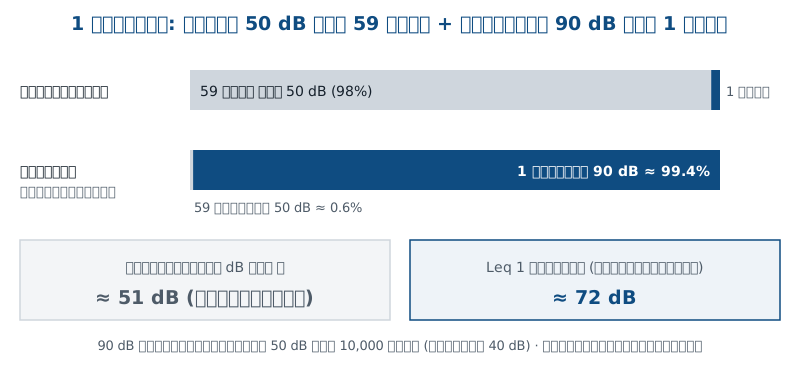
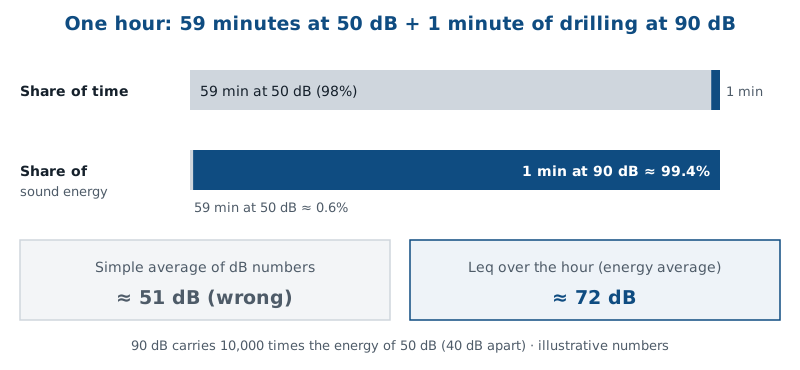
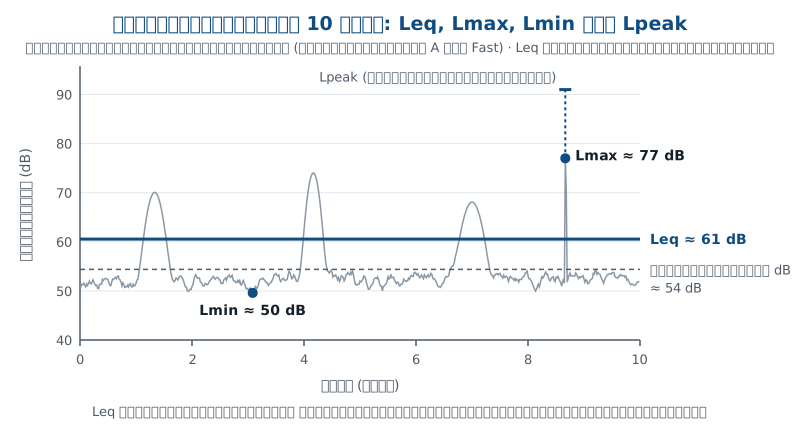
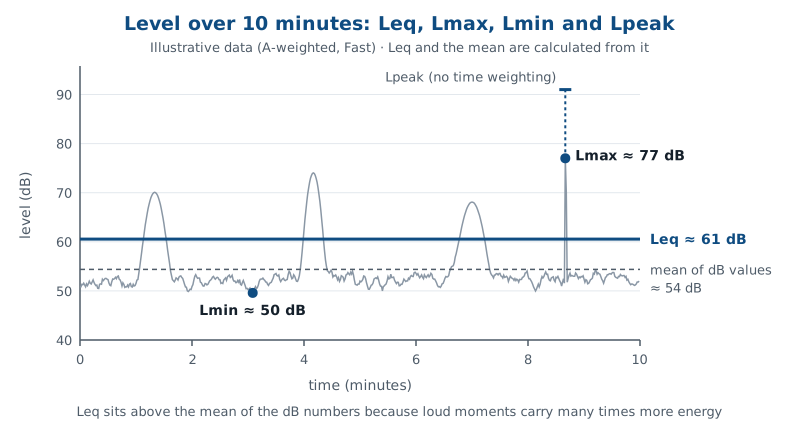
จุดสำคัญคือ Leq เฉลี่ย พลังงาน ไม่ได้เฉลี่ยตัวเลข dB ตรง ๆ และเพราะเดซิเบลเป็นสเกลลอการิทึม ช่วงที่ดังมากจึงมีน้ำหนักมากกว่าช่วงที่เงียบมาก เสียงดังเพียงช่วงสั้น ๆ สามารถดึงค่า Leq ทั้งชั่วโมงให้สูงขึ้นได้มากThe key point is that Leq averages energy, not the dB numbers themselves. Because the decibel is a logarithmic scale, loud periods count far more than quiet ones. A short loud period can raise the Leq of a whole hour a great deal.
ห้องหนึ่งเงียบที่ 50 dB ตลอดหนึ่งชั่วโมง ยกเว้นหนึ่งนาทีที่มีการเจาะผนังดัง 90 dB ถ้าเฉลี่ยตัวเลขธรรมดาจะได้ประมาณ 51 dB แต่ Leq ของชั่วโมงนั้นจะอยู่ที่ประมาณ 72 dB เพราะพลังงานของหนึ่งนาทีนั้นมากกว่าพลังงานของอีก 59 นาทีรวมกันหลายเท่า อีกตัวอย่างหนึ่ง ครึ่งชั่วโมงที่ 70 dB กับครึ่งชั่วโมงที่ 50 dB ให้ Leq ประมาณ 67 dB ไม่ใช่ 60 dB (ตัวเลขสมมติเพื่ออธิบายหลักการ)A room sits at a quiet 50 dB for an hour, except for one minute of drilling at 90 dB. A simple average of the numbers would give about 51 dB, but the Leq for that hour is about 72 dB, because the energy of that one minute is many times the energy of the other 59 minutes together. Another example: half an hour at 70 dB and half an hour at 50 dB give an Leq of about 67 dB, not 60 dB. (Illustrative numbers.)
ค่า Leq ต้องระบุ ช่วงเวลา เสมอ เช่น LAeq 15 นาที หรือ LAeq ช่วงกลางคืน เพราะช่วงเวลาต่างกันให้ผลต่างกัน Leq เป็นค่าหลักในการประเมินเสียงรบกวนในสิ่งแวดล้อม และเป็นจุดเริ่มต้นของการคำนวณระดับการสัมผัสเสียงในที่ทำงานAn Leq must always state its time period, such as LAeq over 15 minutes or LAeq for the night, because different periods give different results. Leq is the main value for environmental noise assessment and the starting point for calculating workplace noise exposure.
Lmax และ Lmin: ค่าสูงสุดและต่ำสุดLmax and Lmin: highest and lowest
Lmax คือระดับเสียงสูงสุด และ Lmin คือระดับเสียงต่ำสุด ที่เครื่องวัดแสดงในช่วงการวัด ทั้งสองค่านี้คำนวณจากระดับเสียงที่ผ่านการถ่วงน้ำหนักเวลาแล้ว (Fast หรือ Slow) ดังนั้นจึงต้องบอกเสมอว่าใช้แบบใด เช่น LAFmax หรือ LASmax สำหรับเสียงที่เกิดสั้น ๆ ค่าสองแบบนี้อาจต่างกันหลาย dBLmax is the highest and Lmin the lowest level the meter shows during the measurement. Both are taken from the time-weighted level (Fast or Slow), so the weighting must always be stated, for example LAFmax or LASmax. For short events these two can differ by several dB.
Lmax ใช้ตรวจว่าเหตุการณ์ที่ดังที่สุดเกินเกณฑ์หรือไม่ เช่น เสียงรถบรรทุกวิ่งผ่านบ้านในตอนกลางคืน ส่วน Lmin ให้ภาพคร่าว ๆ ว่าช่วงที่เงียบที่สุดเงียบแค่ไหน แต่เป็นเพียงจุดเดียว ในงานประเมินเสียงสิ่งแวดล้อมหลายวิธีจึงนิยมใช้ค่าเปอร์เซ็นไทล์ เช่น L90 เป็นตัวแทนของเสียงพื้นหลัง (ขึ้นกับวิธีหรือมาตรฐานที่ใช้ อธิบายในบทถัดไป)Lmax is used to check whether the loudest events exceed a limit, such as a truck passing a house at night. Lmin gives a rough idea of how quiet the quietest moment was, but it is a single point; many environmental assessment methods therefore use a percentile value such as L90 to represent background noise (depending on the method or standard; see the next article).
Lpeak: ค่ายอดของความดันเสียงLpeak: the peak sound pressure
ค่ายอด (Lpeak) คือค่าสูงสุดของความดันเสียงชั่วขณะ โดยไม่มีการถ่วงน้ำหนักเวลาเลย ต่างจาก Lmax ที่ผ่านการหน่วงแบบ Fast หรือ Slow มาแล้ว สำหรับเสียงกระแทกสั้นมาก เช่น เสียงค้อน เสียงปืน หรือเสียงพลุ ค่ายอดจึงมักสูงกว่า Lmax อย่างชัดเจน เพราะ Lmax ตามไม่ทันเสียงที่จบลงเร็วขนาดนั้นThe peak level (Lpeak) is the highest instantaneous sound pressure, with no time weighting at all, unlike Lmax, which has been damped by Fast or Slow. For very short impacts, such as a hammer blow, a gunshot or fireworks, the peak is therefore usually clearly higher than Lmax, because Lmax cannot keep up with a sound that ends so quickly.
ค่ายอดที่ใช้บ่อยที่สุดคือ LCpeak (ถ่วงน้ำหนัก C) ซึ่งใช้ประเมินความเสี่ยงต่อการได้ยินจากเสียงกระแทก ตัวอย่างเช่น ข้อกำหนดเรื่องเสียงในที่ทำงานของสหภาพยุโรป (2003/10/EC) ใช้ LCpeak ที่ 135, 137 และ 140 dB คู่กับค่าเฉลี่ยแบบ AThe most common peak value is LCpeak (C-weighted), used to assess the hearing risk from impacts. For example, the European Union workplace noise directive (2003/10/EC) uses LCpeak values of 135, 137 and 140 dB alongside the A-weighted average.
LAE (SEL): การสัมผัสเสียงที่อ้างอิงเวลา 1 วินาทีLAE (SEL): sound exposure normalised to one second
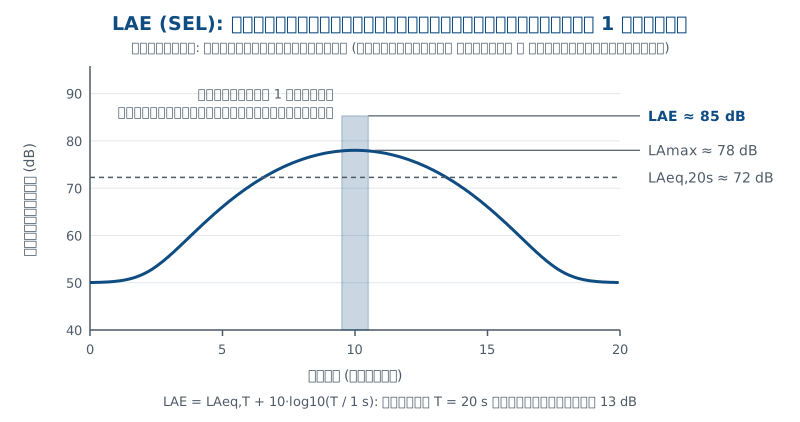
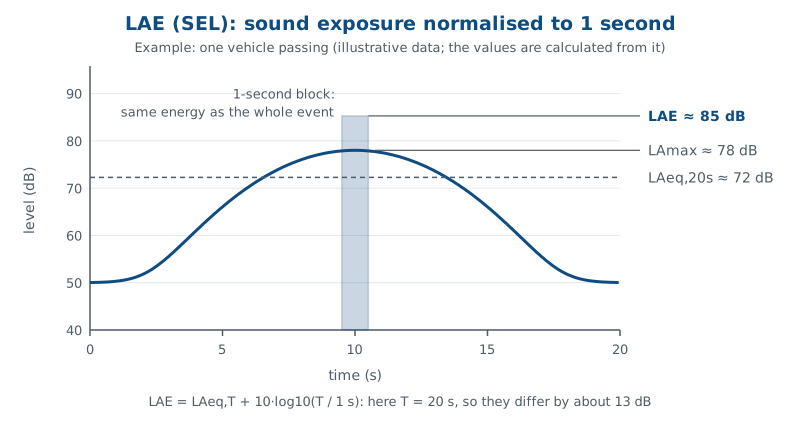
ระดับการสัมผัสเสียง (sound exposure level, LAE หรือ SEL) รวมพลังงานเสียงทั้งหมดในช่วงเวลาที่รวมค่า (เช่น ตลอดหนึ่งเหตุการณ์) แล้วแสดงเป็นระดับเสียงที่ถ้าอัดพลังงานทั้งหมดไว้ในเวลาเพียงหนึ่งวินาทีจะดังเท่าไร คือ LAE = LAeq,T + 10 log10(T / 1 s) ค่านี้จึงเป็นการสัมผัสเสียงที่อ้างอิงเวลาหนึ่งวินาที ไม่ได้จำกัดว่าต้องเป็นเหตุการณ์เดี่ยว แต่มีประโยชน์มากกับเหตุการณ์ที่เกิดเป็นครั้ง ๆ เพราะทำให้เปรียบเทียบเหตุการณ์ที่ยาวไม่เท่ากันได้ เช่น รถไฟขบวนยาวที่วิ่งผ่านนาน กับรถไฟขบวนสั้นที่ผ่านไปเร็ว หรือเครื่องบินแต่ละลำที่บินผ่านThe sound exposure level (LAE or SEL) adds up all the sound energy over the integration interval (for example the duration of one event) and expresses it as the level that energy would have if it were packed into just one second: LAE = LAeq,T + 10 log10(T / 1 s). It is therefore sound exposure normalised to one second, not only a single-event quantity, but it is particularly useful for discrete events because it makes events of different lengths comparable, for example a long train that takes a while to pass and a short one that passes quickly, or individual aircraft flying over.
เครื่องวัดเสียงสำหรับงานสิ่งแวดล้อม เช่น NTi Audio XL2 และ XL3 บันทึกค่าเหล่านี้หลายค่าพร้อมกันได้ ทั้งระดับเสียงขณะนั้น Lmin Lmax Leq และ LAE ด้วยการถ่วงน้ำหนัก A, C, Z และ Fast, Slow จึงเลือกค่าที่ต้องการได้ภายหลังEnvironmental sound level meters such as the NTi Audio XL2 and XL3 can record many of these values at once: the current level, Lmin, Lmax, Leq and LAE, with A, C and Z and Fast and Slow weightings, so the values you need can be chosen afterwards.
สรุปเปรียบเทียบSummary comparison
| ค่าValue | ตอบคำถามว่าAnswers the question | มีการถ่วงน้ำหนักเวลา?Time weighted? |
|---|---|---|
| LeqLeq | ตอบคำถามว่าAnswers the questionโดยรวมแล้วดังแค่ไหน (เฉลี่ยพลังงาน)How loud overall (energy average) | มีการถ่วงน้ำหนักเวลา?Time weighted?ไม่มีNo |
| LmaxLmax | ตอบคำถามว่าAnswers the questionช่วงที่ดังที่สุดดังเท่าไรHow loud was the loudest moment | มีการถ่วงน้ำหนักเวลา?Time weighted?มี (F หรือ S)Yes (F or S) |
| LminLmin | ตอบคำถามว่าAnswers the questionช่วงที่เงียบที่สุดเงียบเท่าไรHow quiet was the quietest moment | มีการถ่วงน้ำหนักเวลา?Time weighted?มี (F หรือ S)Yes (F or S) |
| LpeakLpeak | ตอบคำถามว่าAnswers the questionความดันเสียงชั่วขณะสูงสุดเท่าไร (เสียงกระแทก)What was the highest instantaneous pressure (impacts) | มีการถ่วงน้ำหนักเวลา?Time weighted?ไม่มีNo |
| LAE / SELLAE / SEL | ตอบคำถามว่าAnswers the questionพลังงานเสียงรวมในช่วงที่รวมค่า (เช่น หนึ่งเหตุการณ์) คิดเทียบ 1 วินาทีTotal sound exposure over the integration interval (e.g. one event), normalised to 1 second | มีการถ่วงน้ำหนักเวลา?Time weighted?ไม่มีNo |
ความเข้าใจผิดที่พบบ่อยCommon misunderstandings
- “Leq คือค่าเฉลี่ยของตัวเลข dB” — ไม่ใช่ Leq เฉลี่ยพลังงาน จึงสูงกว่าค่าเฉลี่ยตัวเลขธรรมดาเสมอเมื่อเสียงขึ้นลง“Leq is the average of the dB numbers” — no. Leq averages energy, so it is always higher than a plain average of the numbers when the sound fluctuates.
- “Lpeak กับ Lmax คือค่าเดียวกัน” — ไม่ใช่ Lpeak ไม่มีการถ่วงน้ำหนักเวลา ส่วน Lmax ผ่านการถ่วงน้ำหนักเวลาแล้ว สำหรับเสียงกระแทก Lpeak มักสูงกว่ามาก“Lpeak and Lmax are the same” — no. Lpeak has no damping, while Lmax is time weighted. For impacts, Lpeak is usually much higher.
- “ค่าเฉลี่ยสูงกว่าค่าสูงสุดไม่ได้ ถ้าเห็นแบบนี้แปลว่าเครื่องเสีย” — เมื่อบันทึกข้อมูลเป็นช่วงสั้นมาก เช่น ทุก 100 มิลลิวินาที แล้วเสียงดังขึ้นทันที Leq ของช่วงนั้นรับรู้การเปลี่ยนแปลงทันที แต่ LAFmax ต้องใช้เวลาราว 0.6 วินาทีจึงจะไต่ตามทัน ในช่วงแรก Leq จึงอาจสูงกว่า Lmax ได้จริง ไม่ใช่ความผิดพลาดของเครื่อง“An average can never exceed the maximum, so the meter must be faulty” — when data is logged in very short intervals, such as every 100 milliseconds, and the sound suddenly rises, the Leq of that interval registers the change immediately, whereas LAFmax needs about 0.6 seconds to catch up. For the first intervals Leq can genuinely be higher than Lmax; it is not an instrument error.
- รายงาน Leq โดยไม่บอกช่วงเวลา — Leq 5 นาทีกับ Leq 8 ชั่วโมงของสถานที่เดียวกันอาจต่างกันมากReporting Leq without its time period — a 5-minute Leq and an 8-hour Leq at the same place can be very different.
คำถามที่พบบ่อยFrequently asked questions
ทำไม LAeq 1 ชั่วโมงไม่เท่ากับค่าเฉลี่ยของ LAeq 15 นาทีสี่ค่าWhy does my 1-hour LAeq not equal the average of four 15-minute LAeq values?
เพราะต้องเฉลี่ยแบบพลังงาน ไม่ใช่เฉลี่ยตัวเลข dB ถ้าแปลงแต่ละค่าเป็นพลังงาน เฉลี่ย แล้วแปลงกลับ จะได้ LAeq 1 ชั่วโมงเท่ากับที่เครื่องวัดได้ (ช่วงย่อยต้องยาวเท่ากันและต่อเนื่องกัน)Because it must be an energy average, not an average of the dB numbers. Convert each value to energy, average, and convert back, and you get the same 1-hour LAeq the meter measured (the sub-periods must be equal in length and continuous).
LCpeak กับ LAFmax ใช้แทนกันได้ไหมCan LCpeak and LAFmax be used interchangeably?
ไม่ได้ LCpeak คือความดันสูงสุดชั่วขณะที่ไม่มีการถ่วงน้ำหนักเวลา ส่วน LAFmax คือระดับสูงสุดหลังถ่วงน้ำหนัก A และ Fast สำหรับเสียงกระแทก LCpeak มักสูงกว่ามาก จึงต้องเทียบกับเกณฑ์ที่เขียนด้วยชื่อค่าเดียวกันเท่านั้นNo. LCpeak is the highest instantaneous pressure with no time weighting; LAFmax is the highest level after A and Fast weighting. For impacts LCpeak is usually much higher, so always compare with a limit written for the same named value.
คำศัพท์สำคัญKey terms
- ระดับเสียงเฉลี่ยเทียบเท่า (Leq)Equivalent continuous sound level (Leq)
- ระดับเสียงคงที่ที่มีพลังงานรวมเท่ากับเสียงจริงในช่วงเวลาที่วัดThe steady level with the same total energy as the real sound over the measurement period.
- Lmax / Lmin
- ระดับเสียงสูงสุด / ต่ำสุดหลังการถ่วงน้ำหนักเวลาในช่วงการวัดThe highest / lowest time-weighted level in the measurement period.
- ค่ายอด (Lpeak)Peak level (Lpeak)
- ความดันเสียงชั่วขณะสูงสุด ไม่มีการถ่วงน้ำหนักเวลา มักใช้แบบ C (LCpeak)The highest instantaneous sound pressure, with no time weighting; usually C-weighted (LCpeak).
- ระดับการสัมผัสเสียง (LAE, SEL)Sound exposure level (LAE, SEL)
- การสัมผัสเสียงรวมในช่วงเวลาที่รวมค่า (เช่น หนึ่งเหตุการณ์) แสดงเป็นระดับที่อ้างอิงเวลาหนึ่งวินาที: LAE = LAeq,T + 10 log10(T / 1 s)The sound exposure over the integration interval (for example one event), expressed as a level normalised to one second: LAE = LAeq,T + 10 log10(T / 1 s).
นำไปใช้ที่ไหนWhere it is used
- เสียงรบกวนในสิ่งแวดล้อมและชุมชน — LAeq ในช่วงเวลาที่กำหนด คู่กับ LAFmax สำหรับเหตุการณ์ที่ดังที่สุดEnvironmental and community noise — LAeq over a defined period, with LAFmax for the loudest events.
- เสียงในที่ทำงาน — LAeq ใช้คำนวณระดับการสัมผัสเสียงต่อวัน และ LCpeak ใช้กับเสียงกระแทกWorkplace noise — LAeq to calculate daily exposure, and LCpeak for impacts.
- เสียงจากรถไฟหรือเครื่องบินที่ผ่านเป็นครั้ง ๆ — LAE ช่วยเปรียบเทียบแต่ละเหตุการณ์Passing trains or aircraft — LAE helps compare individual events.
- งานแสดงสดและคอนเสิร์ต — เฝ้าดูค่าเฉลี่ยในช่วงเวลาและค่ายอดเพื่อปกป้องการได้ยินของผู้ชมLive events and concerts — averages over time and peak values are watched to protect the audience's hearing.