โจทย์การวัดThe measurement problem
ลองนึกถึงโรงงานที่อยู่ติดชุมชน ชาวบ้านบอกว่าได้ยินเสียงหึ่งตอนกลางคืน ผู้บริหารโรงงานบอกว่าเครื่องจักรเงียบกว่ารถบนถนนหน้าบ้าน หน่วยงานต้องการตัวเลขที่เชื่อถือได้ ทุกฝ่ายต้องการคำตอบเดียวกัน คือ เสียงจากโรงงานไปถึงบ้านเท่าไร ในช่วงเวลาไหน และมีลักษณะที่น่ารำคาญเป็นพิเศษหรือไม่Picture a plant next to a residential area. Residents say they hear a hum at night; the plant manager says the machinery is quieter than the traffic outside their homes; the authority wants figures it can rely on. Everyone needs the same answer: how much of the plant's sound reaches the homes, in which periods, and does it have especially annoying features?
การสำรวจเสียงสิ่งแวดล้อมคือการวางแผน วัด วิเคราะห์ และรายงานเพื่อตอบคำถามนี้ ใช้ทั้งในการศึกษาผลกระทบของโครงการ การตรวจเรื่องร้องเรียน และการยืนยันผลของมาตรการลดเสียง คู่มือนี้เน้นเสียงจากโรงงานไปถึงผู้อยู่อาศัยรอบข้างAn environmental noise survey is the planning, measuring, analysing and reporting needed to answer that question, for impact studies, complaint investigations and verifying noise control. This guide focuses on noise from a plant reaching the people who live around it.
ทำไมงานนี้จึงยากWhy it is difficult
- เครื่องวัดได้ยินทุกอย่าง: ที่หน้าบ้าน เสียงโรงงานปนอยู่กับถนน นก แมลง ลม และเพื่อนบ้าน ต้องแยกส่วนที่มาจากโรงงานออกมาให้ได้The meter hears everything: outside a home, plant noise is mixed with traffic, birds, insects, wind and neighbours, and the plant's share must be separated out.
- เสียงเปลี่ยนตามเวลา: เครื่องจักรเปิดปิดตามกะ ภาระงานเปลี่ยนตามฤดูกาล และปัญหามักเกิดตอนกลางคืนเมื่อเสียงพื้นหลังต่ำSound changes over time: machines switch with shifts, load varies with the season, and problems often appear at night when the background is low.
- สภาพอากาศเปลี่ยนผล: ลมและอุณหภูมิที่ต่างกันตามความสูงทำให้เสียงที่ระยะไกลต่างกันได้หลายเดซิเบลในแต่ละวัน และลมที่ไมโครโฟนยังสร้างเสียงรบกวนเองWeather changes the result: wind and temperature gradients can change distant levels by several decibels from day to day, and wind on the microphone creates its own noise.
- ตำแหน่งวัดมีผล: ผนังอาคาร รั้ว และพื้นแข็งสะท้อนเสียงทำให้ค่าสูงขึ้น ถ้าไม่บันทึกตำแหน่งให้ชัด ผลจะเทียบกันไม่ได้Position matters: walls, fences and hard ground reflect sound and raise the reading; without a clearly recorded position, results cannot be compared.
ต้องวัดอะไรบ้างWhat should be measured
| ข้อมูลData | ใช้ทำอะไรWhat it is used for |
|---|---|
| LAeq ตามช่วงเวลา (เช่น ทุก 1 วินาทีถึง 15 นาที)LAeq over time (e.g. every 1 s to 15 min) | ใช้ทำอะไรWhat it is used forค่าหลักของการประเมิน และใช้รวมเป็นค่าของแต่ละช่วง เช่น กลางวันและกลางคืนThe main assessment quantity, combined into values for each period such as day and night |
| LAFmaxLAFmax | ใช้ทำอะไรWhat it is used forบอกเหตุการณ์เสียงดังสั้น ๆ เช่น ประตูกระแทก รถบรรทุกShows short loud events such as a slamming door or a truck |
| ค่าเปอร์เซ็นไทล์ เช่น L90, L10Percentiles such as L90, L10 | ใช้ทำอะไรWhat it is used forL90 มักใช้เป็นตัวแทนเสียงพื้นหลัง ช่วยดูว่าโรงงานเพิ่มเสียงจากพื้นหลังเท่าไร (ไม่ใช่ค่าเดียวกับเสียงคงเหลือ)L90 is often used as an indicator of the background sound, helping show how much the plant adds (it is not the same as the residual sound) |
| สเปกตรัม 1/3 ออกเตฟ1/3 octave spectra | ใช้ทำอะไรWhat it is used forระบุแหล่งเสียงจากรูปแบบความถี่ และใช้ตรวจเสียงโทนIdentifies sources by their frequency pattern and is used to check for tones |
| ไฟล์เสียงAudio recording | ใช้ทำอะไรWhat it is used forฟังย้อนหลังเพื่อยืนยันว่ายอดสูงแต่ละยอดมาจากอะไรListening back confirms what caused each peak |
| สภาพอากาศWeather | ใช้ทำอะไรWhat it is used forตัดช่วงลมแรงหรือฝนตก และอธิบายความต่างระหว่างวันExcludes windy or rainy periods and explains day-to-day differences |
| การเดินเครื่องของแหล่งเสียงSource operation | ใช้ทำอะไรWhat it is used forรู้ว่าช่วงไหนเครื่องจักรทำงานเต็มที่ ช่วงไหนหยุดShows when the plant ran at full load and when it was off |
หลักการ: เสียงรวม เสียงเฉพาะแหล่ง และเสียงคงเหลือThe principle: total, specific and residual sound
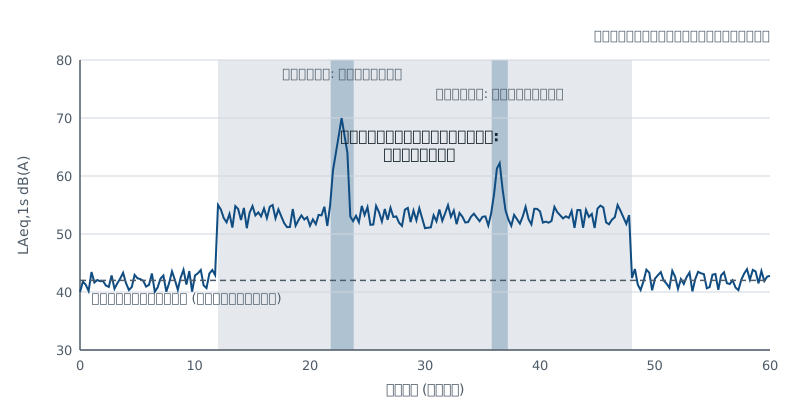
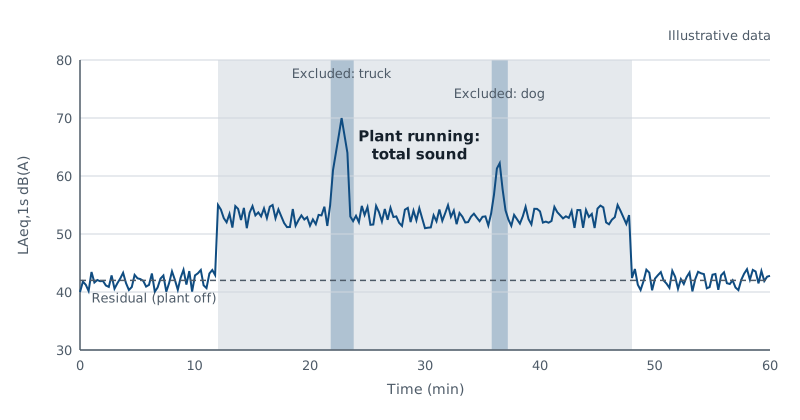
สิ่งที่เครื่องวัดอ่านได้ที่หน้าบ้านคือ เสียงรวม (total sound) ส่วนที่มาจากโรงงานเรียกว่า เสียงเฉพาะแหล่ง (specific sound) และส่วนที่เหลือเมื่อไม่มีเสียงโรงงานเรียกว่า เสียงคงเหลือ (residual sound) คำเหล่านี้นิยามไว้ใน ISO 1996-1 และวิธีประเมินอีกหลายวิธีใช้คำเดียวกัน (BS 4142 เรียกเสียงรวมว่า ambient sound) ส่วน เสียงพื้นหลัง (background sound) เป็นอีกปริมาณหนึ่ง บางวิธี เช่น BS 4142 ใช้ LA90 แทนเสียงพื้นหลัง ซึ่งไม่ใช่ค่าเดียวกับ LAeq ของเสียงคงเหลือWhat the meter reads outside a home is the total sound. The part that comes from the plant is the specific sound, and what remains without the plant is the residual sound. ISO 1996-1 defines these terms and many other assessment methods use them (BS 4142 calls the total the ambient sound). Background sound is a different quantity: some methods, such as BS 4142, take it as LA90, which is not the same as the residual LAeq.
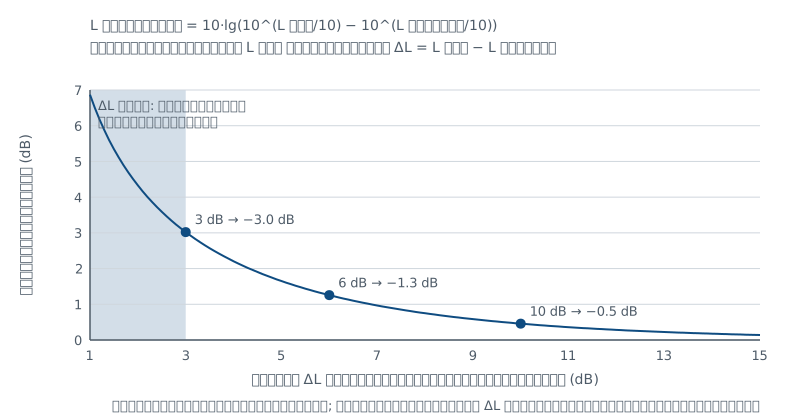
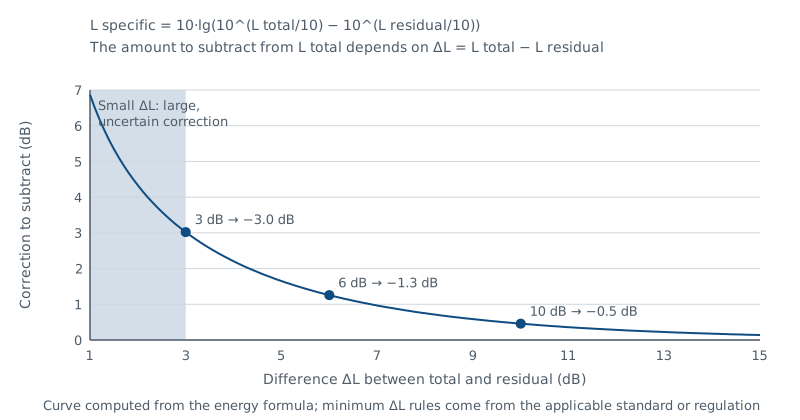
เดซิเบลบวกลบกันตรง ๆ ไม่ได้ ต้องคิดแบบพลังงาน ถ้ารู้ทั้งเสียงรวมและเสียงคงเหลือ จะคำนวณเสียงเฉพาะแหล่งได้จากสูตรในภาพด้านล่าง เมื่อเสียงรวมสูงกว่าเสียงคงเหลือ 10 dB ค่าที่ต้องหักออกน้อยกว่า 0.5 dB แต่ถ้าต่างกันเพียง 3 dB ต้องหักออกประมาณ 3 dB และผลจะไม่แน่นอนมาก เพราะความผันผวนเล็กน้อยของเสียงคงเหลือทำให้ผลเปลี่ยนมาก สูตรนี้คำนวณได้ทุกผลต่าง แต่จะหักค่าได้หรือไม่ และต้องต่างกันอย่างน้อยเท่าไร เป็นเรื่องที่มาตรฐานหรือกฎเกณฑ์ที่ใช้เป็นผู้กำหนด ให้ตรวจเงื่อนไขนี้จากฉบับที่ใช้จริงDecibels cannot be added or subtracted directly; they combine on an energy basis. Knowing both the total and the residual level, the specific level follows from the formula in the figure below. When the total is 10 dB above the residual, less than 0.5 dB has to be subtracted; when the difference is only 3 dB, about 3 dB must be subtracted and the result becomes very uncertain, because small changes in the residual change it a lot. The formula works for any difference, but whether a correction may be applied, and from which minimum difference, is decided by the standard or regulation used; check that condition in the edition you apply.
วางแผนก่อนออกหน้างานPlanning before going on site
ความผิดพลาดส่วนใหญ่ของงานสำรวจเสียงเกิดก่อนเปิดเครื่องวัด ถ้าคำถามไม่ชัด จุดวัดผิด หรือวัดผิดช่วงเวลา ข้อมูลที่ได้จะใช้ตอบคำถามไม่ได้ ไม่ว่าเครื่องมือจะดีแค่ไหนMost survey errors happen before the meter is switched on. If the question is unclear, the positions are wrong or the wrong periods are measured, the data cannot answer the question, however good the instrument.
- ตกลงกฎเกณฑ์ที่ใช้: กฎหมาย ประกาศ หรือมาตรฐานใดใช้กับงานนี้ กำหนดช่วงเวลา ตัวชี้วัด บทลงโทษ และวิธีวัดอย่างไร บทความนี้ไม่ได้ให้ค่าเกณฑ์ทางกฎหมาย ให้ตรวจจากข้อกำหนดที่ใช้บังคับกับงานนั้นโดยตรงAgree the applicable rules: which law, notification or standard applies, and how it defines periods, indicators, penalties and the measurement method. This guide gives no legal limit values; check the requirements that apply to the specific project.
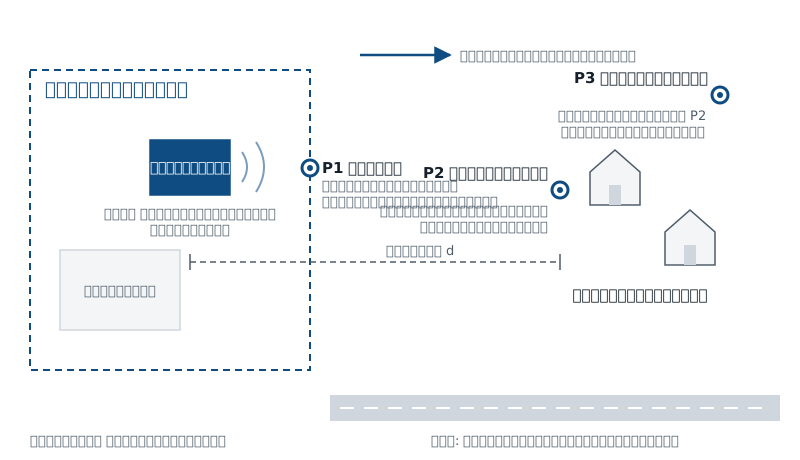
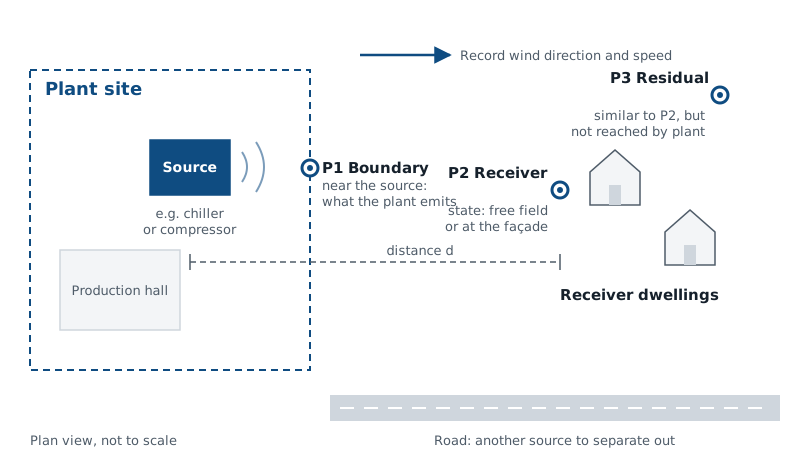
- ระบุแหล่งเสียงและผู้รับเสียง: เครื่องจักรใดน่าจะเป็นต้นเหตุ บ้านหรืออาคารใดได้รับผลกระทบมากที่สุด และหน้าต่างห้องนอนหันไปทางไหนIdentify sources and receivers: which equipment is likely responsible, which homes or buildings are most exposed and which way bedroom windows face.
- เลือกจุดวัดผู้รับเสียง: ตำแหน่งที่เป็นตัวแทนของผู้ได้รับผลกระทบ ระบุว่าวัดแบบห่างจากผนัง (free field) หรือติดผนังอาคาร (façade) เพราะเสียงสะท้อนจากผนังทำให้ค่าสูงขึ้น บันทึกความสูงไมโครโฟน ระยะจากพื้นผิวสะท้อน และถ่ายภาพChoose the receiver position: representative of the people affected; state whether it is free field or at a façade, because façade reflections raise the level. Record microphone height, distance from reflecting surfaces, and take photos.
- เพิ่มจุดใกล้แหล่งเสียง: จุดที่แนวเขตโรงงานช่วยยืนยันว่าเสียงที่ผู้รับได้ยินมาจากโรงงานจริง และใช้เทียบรูปแบบความถี่Add a position near the source: a boundary position helps confirm that what the receiver hears really comes from the plant, and allows frequency patterns to be compared.
- วางแผนหาเสียงคงเหลือ: ขอให้หยุดเครื่องจักรช่วงสั้น ๆ ถ้าทำได้ หรือหาจุดอ้างอิงที่มีสภาพแวดล้อมคล้ายกันแต่ไม่ได้ยินโรงงานPlan for the residual sound: ask for a short shutdown if possible, or find a reference position with similar surroundings that the plant does not reach.
ระยะเวลาและช่วงเวลาที่ต้องวัดMeasurement duration and time periods
ระยะเวลาวัดต้องยาวพอให้ เป็นตัวแทน ของช่วงเวลาที่ประเมิน ทั้งในด้านการเดินเครื่องของแหล่งเสียงและสภาพอากาศ เครื่องจักรที่ทำงานคงที่ตลอดเวลาอาจใช้เวลาวัดสั้นกว่า ส่วนแหล่งเสียงที่เปลี่ยนตามรอบการผลิต หรือปัญหาที่เกิดเป็นครั้งคราว ต้องวัดครอบคลุมหลายรอบหรือหลายวันThe measurement must be long enough to be representative of the assessment period, both in source operation and weather. A machine running steadily may need a shorter measurement; a source that follows a production cycle, or a problem that comes and goes, needs several cycles or several days.
- วัดในช่วงเวลาที่กฎเกณฑ์กำหนด เช่น กลางวันและกลางคืน และให้ครอบคลุมช่วงที่ผู้ร้องเรียนบอกว่ามีปัญหาMeasure in the periods the rules define, such as day and night, and cover the times complainants say the problem occurs.
- ถ้าปัญหาเกิดไม่แน่นอน ให้พิจารณาการเฝ้าระวังระยะยาวแบบไม่ต้องมีคนเฝ้า (ดูคู่มือการเฝ้าระวังเสียงระยะยาว)If the problem is intermittent, consider unattended long-term monitoring (see the long-term monitoring guide).
- วัดแบบมีคนอยู่หน้างานอย่างน้อยบางช่วง เพราะการฟังและจดบันทึกด้วยตัวเองช่วยระบุแหล่งเสียงได้ดีที่สุดAttend the measurement for at least part of the time: listening and taking notes in person is the best way to identify sources.
ขั้นตอนการทำงานทั่วไปTypical workflow
- กำหนดคำถามและกฎเกณฑ์: แหล่งเสียง ผู้รับเสียง ช่วงเวลา ตัวชี้วัด และวิธีวัดที่ใช้Define the question and rules: source, receiver, periods, indicators and measurement method.
- สำรวจพื้นที่: ฟังเสียงที่ผู้รับเสียงและรอบโรงงาน ถ่ายภาพ วัดระยะ เลือกจุดวัดและจุดอ้างอิงเสียงคงเหลือWalk the site: listen at the receiver and around the plant, take photos, measure distances, and choose positions and a residual reference.
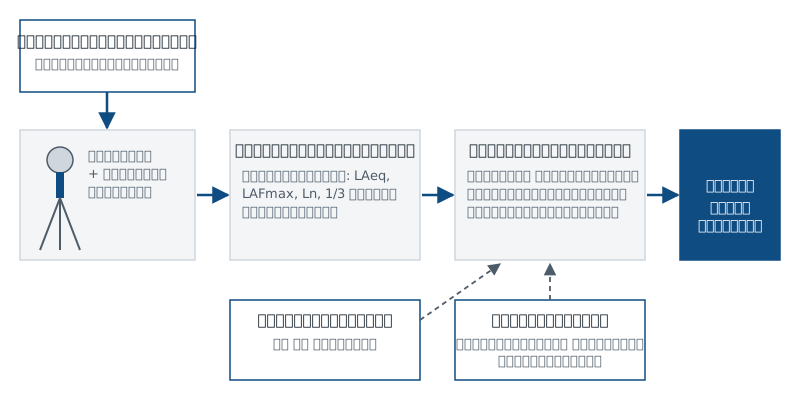
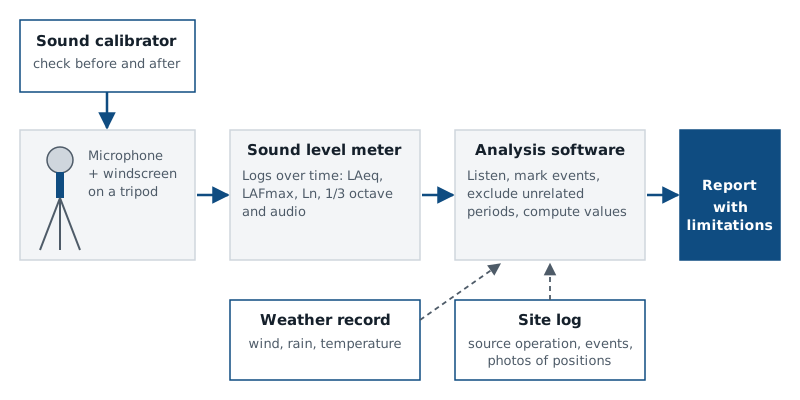
- เตรียมเครื่องมือ: ตรวจใบรับรองการสอบเทียบของเครื่องวัดและเครื่องสอบเทียบว่ายังไม่หมดอายุ ตั้งค่าการบันทึก ตรวจแบตเตอรี่และหน่วยความจำPrepare the equipment: check that calibration certificates of the meter and calibrator are valid, set up logging, check batteries and memory.
- ติดตั้งและตรวจด้วยเครื่องสอบเทียบ: ติดตั้งไมโครโฟนพร้อมฉากกันลม ตรวจความไวด้วยเครื่องสอบเทียบ แล้วบันทึกค่าที่อ่านได้Set up and check with the calibrator: mount the microphone with its windscreen, check sensitivity with the calibrator and note the reading.
- วัดและบันทึก: ระดับเสียงตามเวลา สเปกตรัม ไฟล์เสียง สภาพอากาศ การเดินเครื่อง และบันทึกเหตุการณ์ที่ได้ยินMeasure and log: levels over time, spectra, audio, weather, source operation and notes of events heard.
- วัดเสียงคงเหลือ: ช่วงที่โรงงานหยุด หรือที่จุดอ้างอิง ในสภาพอากาศและช่วงเวลาใกล้เคียงกันMeasure the residual: while the plant is off, or at the reference position, in similar weather and time of day.
- ตรวจด้วยเครื่องสอบเทียบหลังวัด: ถ้าค่าต่างจากก่อนวัดเกินเกณฑ์ที่วิธีวัดกำหนด ต้องพิจารณาว่าผลยังใช้ได้หรือไม่Check with the calibrator afterwards: if the reading differs from the initial check by more than the method allows, consider whether the results are still valid.
- วิเคราะห์และรายงาน: ฟังเสียง ทำเครื่องหมายและตัดช่วงที่ไม่เกี่ยวข้อง คำนวณค่าตามช่วงเวลา ตรวจเสียงโทนและเสียงกระแทก เทียบกับเกณฑ์ และเขียนรายงานAnalyse and report: listen, mark and exclude unrelated periods, calculate values per period, check for tones and impulses, compare with the criterion and write the report.
ลม ฝน และฉากกันลมWind, rain and windscreens
ลมที่พัดผ่านไมโครโฟนทำให้เกิดเสียงรบกวนความถี่ต่ำที่ไม่ได้มาจากแหล่งเสียงใด ฉากกันลม (windscreen) ช่วยลดผลนี้ได้มาก แต่ไม่ได้ทำให้วัดได้ในลมแรงทุกกรณี ส่วนฝนที่ตกกระทบไมโครโฟนและใบไม้ก็เพิ่มเสียงเช่นกัน นอกจากนี้ลมและอุณหภูมิยังเปลี่ยนการเดินทางของเสียงระยะไกล การวัดตอนผู้รับเสียงอยู่ใต้ลมมักได้ค่าสูงกว่าตอนอยู่เหนือลมWind flowing over the microphone creates low-frequency noise that comes from no source at all. A windscreen reduces this a lot, but does not make every windy condition measurable. Rain hitting the microphone and foliage adds noise too. Wind and temperature also change long-distance propagation: a receiver downwind of the source usually measures higher levels than one upwind.
- ใช้ฉากกันลมทุกครั้งที่วัดภายนอกอาคาร และใช้ชุดไมโครโฟนกลางแจ้งที่กันฝนสำหรับการวัดยาวหลายชั่วโมงหรือหลายวันAlways use a windscreen outdoors, and a weather-protected outdoor microphone set for measurements lasting hours or days.
- บันทึกความเร็วและทิศทางลม ฝน และอุณหภูมิไปพร้อมกับระดับเสียง ดีที่สุดคือบันทึกตามเวลาเดียวกันLog wind speed and direction, rain and temperature along with the sound, ideally on the same time base.
- มาตรฐานการวัดภายนอกอาคารมักกำหนดสภาพอากาศที่ยอมรับได้ ช่วงที่อยู่นอกเงื่อนไขให้ทำเครื่องหมายและพิจารณาตัดออก พร้อมระบุในรายงานOutdoor measurement standards usually state acceptable weather; mark periods outside those conditions, consider excluding them and say so in the report.
การสอบเทียบก่อนและหลังวัดCalibration before and after
ก่อนเริ่มและหลังจบการวัดแต่ละชุด ให้สวมเครื่องสอบเทียบเสียง (sound calibrator) บนไมโครโฟนและบันทึกค่าที่อ่านได้ การตรวจก่อนวัดยืนยันว่าระบบพร้อม ส่วนการตรวจหลังวัดยืนยันว่าความไวไม่เปลี่ยนระหว่างวัด ถ้าไม่ตรวจหลังวัด จะพิสูจน์ไม่ได้ว่าข้อมูลทั้งวันยังถูกต้อง นอกจากนี้เครื่องวัด ไมโครโฟน และเครื่องสอบเทียบเองต้องมีใบรับรองการสอบเทียบจากห้องปฏิบัติการที่ยังไม่หมดอายุBefore and after each measurement series, fit the sound calibrator over the microphone and record the reading. The initial check confirms that the system is ready; the final check confirms that sensitivity did not change during the measurement. Without the final check, there is no proof that a full day of data is still valid. In addition, the meter, microphone and calibrator themselves need valid laboratory calibration certificates.
เหตุการณ์ ไฟล์เสียง เสียงโทนและเสียงกระแทกEvents, audio, tones and impulses
ข้อมูลระดับเสียงตามเวลาบอกว่า เมื่อไร เสียงดังขึ้น แต่ไม่ได้บอกว่า อะไร ทำให้ดัง ไฟล์เสียงและเครื่องหมายเหตุการณ์ (marker) จึงเป็นหลักฐานสำคัญ ผู้วัดทำเครื่องหมายเมื่อได้ยินเสียงที่ไม่เกี่ยวข้อง เช่น รถบรรทุก สุนัขเห่า หรือเครื่องบิน แล้วตรวจยืนยันด้วยการฟังย้อนหลังก่อนตัดออกจากผลA level time history shows when the level rose, not what caused it. Audio and event markers are therefore key evidence. The operator marks unrelated sounds such as a truck, a barking dog or an aircraft, and confirms them by listening back before excluding them from the result.
- เสียงโทน: เสียงหึ่งหรือเสียงหวีดที่ความถี่หนึ่งเด่นชัด ตรวจด้วยสเปกตรัม 1/3 ออกเตฟหรือ FFT ตามวิธีที่กฎเกณฑ์กำหนดTones: a hum or whine at one prominent frequency, checked with 1/3 octave spectra or FFT using the method the rules specify.
- เสียงกระแทก: เสียงสั้นและแรง เช่น การตอก การกระทบของโลหะ ตรวจจากค่าที่ใช้ค่าคงที่เวลาต่างกันหรือวิธีวัดความเด่นของเสียงกระแทกImpulses: short, strong sounds such as hammering or metal impacts, checked by comparing time weightings or with an impulse-prominence method.
- ผลของการตรวจใช้ในการบวกบทลงโทษเพื่อได้ ระดับประเมิน (rating level) ขนาดของบทลงโทษขึ้นกับกฎเกณฑ์ที่ใช้The result is used to add penalties and obtain the rating level; penalty sizes depend on the applicable rules.
เครื่องมือ: เริ่มจากห่วงโซ่การวัด แล้วจึงเลือกรุ่นEquipment: the measurement chain first, then the models
- เครื่องวัดระดับเสียง ตาม IEC 61672 ชั้นความแม่นยำตามที่กฎเกณฑ์กำหนด (งานจำนวนมากต้องใช้ Class 1) บันทึกค่าตามเวลา ค่าเปอร์เซ็นไทล์ สเปกตรัม และไฟล์เสียงได้Sound level meter to IEC 61672, of the class the rules require (many jobs need Class 1), able to log over time, with percentiles, spectra and audio.
- ไมโครโฟนและชุดป้องกันกลางแจ้ง: ฉากกันลมสำหรับการวัดระยะสั้น ชุดกันฝนสำหรับการวัดหลายวันMicrophone and outdoor protection: a windscreen for short measurements, a weather-protected set for several days.
- เครื่องสอบเทียบเสียง ตาม IEC 60942 ชั้นที่เข้ากับเครื่องวัดSound calibrator to IEC 60942, of a class that matches the meter.
- การบันทึกสภาพอากาศ และ ซอฟต์แวร์วิเคราะห์ ที่ฟังเสียง ทำเครื่องหมาย และคำนวณค่าตามช่วงเวลาได้Weather logging and analysis software that can play audio, set markers and calculate period values.
ชุดเครื่องมือจาก NTi Audio (ตามที่ NTi ระบุ): เครื่องวัด XL2 เมื่อเพิ่ม XL2 Extended Acoustic Pack จะบันทึกไฟล์เสียง WAV ค่าเปอร์เซ็นไทล์ การบันทึกทุก 100 ms การบันทึกเสียงและข้อมูลเมื่อเกิดเหตุการณ์ และการตรวจความเป็นเสียงกระแทกตาม BS 4142:2014 และ NordTest ACOU 112 ถ้างานต้องใช้เครื่องวัดที่ได้ Type approval ต้องใช้ XL2 ที่ติดตั้ง XL2 Type Approval Option (XL2-TA) ส่วน XL3 กับไมโครโฟน M2230 หรือ M2340 เป็นเครื่องวัด Class 1 ที่ได้ Type approval ตามเอกสารทางเทคนิคของ XL3 และ XL3 Extended Noise Measurement Option เพิ่มค่าเปอร์เซ็นไทล์ การบันทึกทุก 100 ms และการบันทึกเสียงNTi Audio equipment (as stated by NTi): the XL2 with the XL2 Extended Acoustic Pack adds WAV recording, percentiles, 100 ms logging, event-triggered audio and data recording, and impulsiveness detection per BS 4142:2014 and NordTest ACOU 112; where a type-approved meter is required, the XL2 needs the XL2 Type Approval Option (XL2-TA). The XL3 with an M2230 or M2340 microphone forms a type-approved Class 1 meter according to the XL3 technical data, and its XL3 Extended Noise Measurement Option adds percentiles, 100 ms logging and audio recording.
สำหรับงานกลางแจ้ง NTi Audio มีชุด M2230-WP และ M2340-WP (ไมโครโฟนกับชุดป้องกันสภาพอากาศ WP40-90) M2340 มีระบบตรวจตัวเอง (CIC) ที่ใช้กับ XL2 และใช้กับ XL3 ได้ผ่าน API เท่านั้น เครื่องสอบเทียบ Class 1 Sound Calibrator (94 dB ที่ 1 kHz, IEC 60942:2017 Class 1) ใช้ตรวจก่อนและหลังวัด ส่วนซอฟต์แวร์ Data Explorer ทำเครื่องหมายเสียงโทนและเสียงกระแทกโดยอัตโนมัติตามวิธีอ้างอิง เช่น ISO 1996-2:2017 และ BS 4142:2014 และคำนวณ Lr, Lden และค่าตามช่วงเวลา (สำหรับ XL3 มี XL3 Environmental Noise Bundle ที่รวม Option กับ License นี้) ถ้ามีหลายแหล่งเสียงที่เป็นไปได้ Noise Locator NL1 ที่ใช้กับ XL3 ช่วยบอกทิศทางของเสียงFor outdoor work, NTi Audio offers the M2230-WP and M2340-WP sets (microphone with WP40-90 weather protection); the M2340 has a system self-test (CIC) that works with the XL2, and with the XL3 only via the API. The Class 1 Sound Calibrator (94 dB at 1 kHz, IEC 60942:2017 Class 1) is used for the checks before and after. Data Explorer software sets tonal and impulsive markers automatically with reference methods such as ISO 1996-2:2017 and BS 4142:2014, and calculates Lr, Lden and interval values (for the XL3, the XL3 Environmental Noise Bundle combines the option with this licence). When several sources are possible, the Noise Locator NL1 used with the XL3 shows the direction of the sound.
มาตรฐานที่เกี่ยวข้องRelevant standards
- ISO 1996-1:2016: ปริมาณพื้นฐาน ระดับประเมิน และการปรับค่าตามลักษณะเสียงและช่วงเวลาISO 1996-1:2016: basic quantities, rating levels and adjustments for sound character and time of day.
- ISO 1996-2:2017: การหาระดับความดันเสียง รวมถึงสภาพอากาศ ตำแหน่งไมโครโฟน เสียงคงเหลือ และความไม่แน่นอนISO 1996-2:2017: determining sound pressure levels, including weather, microphone positions, residual sound and uncertainty.
- IEC 61672-1, IEC 60942 และ IEC 61260-1: ข้อกำหนดของเครื่องวัดระดับเสียง เครื่องสอบเทียบ และฟิลเตอร์ย่านความถี่IEC 61672-1, IEC 60942 and IEC 61260-1: requirements for sound level meters, calibrators and band filters.
- ISO 1996 ไม่ได้กำหนดค่าเกณฑ์ ค่าเกณฑ์มาจากกฎหมายของแต่ละพื้นที่ และวิธีประเมินระดับประเทศ เช่น BS 4142 อาจมีรายละเอียดต่างออกไปISO 1996 sets no limits; limits come from each area's law, and national methods such as BS 4142 may differ in detail.
รายงานควรมีอะไรWhat the report should contain
- แผนผังและภาพถ่ายจุดวัด ความสูงไมโครโฟน และระยะจากพื้นผิวสะท้อนSite plan and photos of positions, microphone height and distance from reflecting surfaces.
- เครื่องมือ หมายเลขเครื่อง ใบรับรองการสอบเทียบ และผลตรวจด้วยเครื่องสอบเทียบก่อนและหลังวัดInstruments, serial numbers, calibration certificates and the calibrator checks before and after.
- วัตถุประสงค์ กฎเกณฑ์ที่ใช้ วันเวลาที่วัด สภาพอากาศ การเดินเครื่องของแหล่งเสียง และเหตุการณ์ที่สังเกตได้Purpose and rules applied, dates and times, weather, source operation and observed events.
- ผลตามช่วงเวลา เสียงคงเหลือ ช่วงที่ตัดออกพร้อมเหตุผล บทลงโทษ และระดับประเมินResults per period, residual sound, excluded periods with reasons, penalties and the rating level.
- ความไม่แน่นอนและข้อจำกัดของผล เช่น ฤดูกาลหรือภาระงานที่อาจต่างจากวันที่วัดUncertainty and limitations, such as season or load conditions that may differ from the measurement days.
ข้อผิดพลาดที่พบบ่อยCommon mistakes
- วัดครั้งเดียวสั้น ๆ ตอนกลางวัน ทั้งที่ปัญหาเกิดตอนกลางคืนMeasuring once, briefly, in the daytime when the problem happens at night.
- ไม่ระบุว่าวัดแบบห่างผนังหรือติดผนังอาคาร ทำให้เทียบผลกับเกณฑ์หรือกับการวัดครั้งอื่นไม่ได้Not stating free-field or façade position, so results cannot be compared with the criterion or with other surveys.
- ไม่วัดเสียงคงเหลือ แล้วสรุปว่าเสียงทั้งหมดมาจากโรงงานNot measuring the residual and assuming all the sound comes from the plant.
- วัดโดยไม่มีฉากกันลม หรือไม่บันทึกลม แล้วรวมช่วงลมแรงไว้ในผลMeasuring without a windscreen or wind records, and leaving windy periods in the result.
- ตรวจด้วยเครื่องสอบเทียบก่อนวัดแต่ไม่ตรวจหลังวัดChecking with the calibrator before, but not after, the measurement.
ตัวอย่างสถานการณ์Example scenario
โรงงานผลิตชิ้นส่วนพลาสติกติดตั้งพัดลมระบายอากาศชุดใหม่บนผนังด้านที่หันไปทางหมู่บ้าน ห่างจากบ้านหลังแรกประมาณ 150 เมตร ผู้อยู่อาศัยแจ้งว่าได้ยินเสียงหึ่งต่อเนื่องหลังสี่ทุ่ม
ทีมวัดวางจุดวัดสามจุด: แนวเขตโรงงานด้านหน้าพัดลม หน้าบ้านหลังแรกแบบห่างจากผนัง และจุดอ้างอิงในหมู่บ้านอีกด้านที่ไม่ได้ยินโรงงาน บันทึก LAeq ทุก 1 วินาที สเปกตรัม 1/3 ออกเตฟ ไฟล์เสียง และข้อมูลลมสองคืน และขอให้โรงงานปิดพัดลม 20 นาทีในแต่ละคืน
ผลแสดงว่าเสียงรวมหน้าบ้านช่วงพัดลมทำงานสูงกว่าช่วงปิดประมาณ 6 dB ตามสูตรพลังงาน เสียงเฉพาะของพัดลมจึงต่ำกว่าเสียงรวมราว 1.3 dB ซึ่งวิธีที่ใช้ในงานนี้ยอมให้หักค่าที่ผลต่างระดับนี้ สเปกตรัมมีย่านความถี่หนึ่งเด่นทั้งที่แนวเขตและหน้าบ้าน ซึ่งเข้าเงื่อนไขเสียงโทนตามวิธีของกฎเกณฑ์ที่ใช้ ช่วงที่ลมแรงเกินเงื่อนไขถูกตัดออก ข้อสรุปนำไปสู่การออกแบบแก้ไขพัดลม แล้ววัดซ้ำด้วยวิธีเดิมเพื่อยืนยันผลA plastics plant installs new ventilation fans on the wall facing a village, about 150 m from the nearest house. Residents report a continuous hum after 10 p.m.
The team sets up three positions: the plant boundary in front of the fans, a free-field position in front of the nearest house, and a reference position on the far side of the village that the plant does not reach. They log 1-second LAeq, 1/3 octave spectra, audio and wind data over two nights, and ask the plant to switch the fans off for 20 minutes each night.
The results show the total at the house is about 6 dB higher with the fans running than with them off, so by the energy formula the fans' specific level is about 1.3 dB below the total, a correction the method applied here allows at this difference. One frequency band stands out both at the boundary and at the house, meeting the tonal condition of the applicable method. Periods with wind above the allowed conditions are excluded. The conclusion leads to a design fix for the fans, followed by a repeat survey with the same method to confirm the result.
คำถามที่พบบ่อยFrequently asked questions
ถ้าเสียงโรงงานเบากว่าเสียงรถบนถนน จะวัดได้ไหม?Can I measure a plant that is quieter than the road traffic?
ยาก แต่มักทำได้ถ้าเลือกช่วงเวลาที่การจราจรน้อย เช่น กลางดึก ใช้สเปกตรัมหาย่านความถี่ที่เสียงโรงงานเด่น วัดที่แนวเขตแล้วคำนวณไปยังผู้รับเสียง หรือใช้วิธีหาทิศทางของเสียง ถ้าผลต่างระหว่างเสียงรวมกับเสียงคงเหลือน้อยเกินไป ต้องรายงานว่าผลมีความไม่แน่นอนสูงIt is harder, but often possible: choose low-traffic periods such as late night, use spectra to find bands where the plant dominates, measure at the boundary and calculate to the receiver, or use direction-finding. If the total-minus-residual difference is too small, report the high uncertainty.
ควรตั้งไมโครโฟนสูงเท่าไร?What microphone height should I use?
ขึ้นกับมาตรฐานหรือกฎเกณฑ์ที่ใช้และลักษณะผู้รับเสียง เช่น ระดับหน้าต่างชั้นที่ได้รับผลกระทบ สิ่งสำคัญคือทำตามข้อกำหนด บันทึกความสูงและระยะจากพื้นผิวสะท้อนในรายงาน และใช้ตำแหน่งเดิมเมื่อวัดซ้ำIt depends on the standard or rules applied and the receiver, for example the height of an affected window. What matters is to follow the requirement, record the height and distance from reflecting surfaces in the report, and use the same position when repeating the survey.
ต้องใช้เครื่องวัด Class 1 เสมอไหม?Do I always need a Class 1 meter?
ไม่เสมอไป แต่งานที่ใช้ประกอบการตัดสินทางกฎหมายหรือตามสัญญามักกำหนด Class 1 และบางงานต้องการเครื่องที่ได้ Type approval ตรวจจากข้อกำหนดของงานก่อน สำหรับการสำรวจเบื้องต้น Class 2 อาจเพียงพอNot always, but legal or contractual work usually requires Class 1, and some jobs require a type-approved meter. Check the project's requirements first; for a preliminary survey, Class 2 may be enough.