มาตรฐานนี้คืออะไรWhat it is
เสียงในสิ่งแวดล้อมเปลี่ยนตลอดเวลา รถวิ่งผ่านเป็นช่วง ๆ โรงงานเดินเครื่องบางกะ และเสียงเดินทางไกลได้แตกต่างกันตามลมและอุณหภูมิ ISO 1996 ให้ภาษากลางในการบรรยายเสียงแบบนี้ บอกว่าควรใช้ปริมาณใด วัดอย่างไรให้ผลน่าเชื่อถือ และแปลงผลวัดเป็นตัวเลขที่ใช้ประเมินผลกระทบต่อชุมชนได้Environmental noise changes all the time: traffic comes in waves, a plant runs certain shifts, and sound travels differently with wind and temperature. ISO 1996 provides a common language for this kind of noise: which quantities to use, how to measure them reliably and how to turn results into a figure for assessing community impact.
| ส่วนPart | เนื้อหาโดยย่อIn short |
|---|---|
| ISO 1996-1ISO 1996-1 | เนื้อหาโดยย่อIn shortปริมาณพื้นฐาน ระดับประเมิน การปรับค่าตามลักษณะเสียงและช่วงเวลา และแนวทางคาดการณ์ความรำคาญของชุมชนBasic quantities, rating levels, adjustments for sound character and time of day, and guidance on predicting community annoyance |
| ISO 1996-2ISO 1996-2 | เนื้อหาโดยย่อIn shortการหาระดับความดันเสียงด้วยการวัดโดยตรง และการคำนวณต่อจากผลวัด รวมถึงสภาพอากาศ ตำแหน่งไมโครโฟน การแก้ค่าเสียงคงเหลือ และความไม่แน่นอนDetermining sound pressure levels by direct measurement and by extrapolating measured results with calculation, including weather, microphone positions, residual sound correction and uncertainty |
| ISO/PAS 1996-3ISO/PAS 1996-3 | เนื้อหาโดยย่อIn shortวิธีเชิงวัตถุในการวัดความเด่นของเสียงกระแทก (Impulsive) เพื่อใช้ปรับค่า LAeqAn objective method for measuring how prominent impulsive sounds are, used to adjust LAeq |
หน้านี้เป็นบทสรุปที่ GET BEST SOUND เขียนขึ้นเอง ไม่ได้คัดลอกเนื้อหา ตาราง หรือค่าปรับของมาตรฐาน งานที่ต้องอ้างอิงข้อกำหนดจริงควรซื้อฉบับทางการจาก ISO หรือหน่วยงานมาตรฐานแห่งชาติThis page is GET BEST SOUND’s own summary and does not reproduce the standard’s text, tables or adjustment values. For work that relies on the actual requirements, buy the official copy from ISO or your national standards body.
ครอบคลุมอะไรบ้าง (ขอบเขตแบบภาษาง่าย)What it covers, in plain words
- แหล่งเสียงหลายประเภท: การจราจรทางถนน รถไฟ อากาศยาน อุตสาหกรรม และกิจกรรมอื่น ๆ ที่เสียงไปถึงบริเวณที่คนอยู่อาศัยMany source types: road traffic, rail, aircraft, industry and other activities whose noise reaches places where people live.
- การบรรยายและการประเมิน: ปริมาณที่ใช้ และวิธีรวมผลเป็นระดับประเมินสำหรับช่วงกลางวัน กลางคืน หรือช่วงเวลาอื่นDescription and assessment: the quantities to use and how to combine results into rating levels for day, night or other periods.
- การหาระดับเสียง: การวัดโดยตรง และการวัดแล้วคำนวณต่อไปยังจุดหรือสภาพอื่น (ส่วนที่ 2 มุ่งที่งานกลางแจ้งเป็นหลัก) ส่วนการคาดการณ์ด้วยการคำนวณล้วนใช้มาตรฐานอื่น เช่น ISO 9613-2Determining levels: direct measurement, and measurement extrapolated by calculation to other points or conditions (part 2 is mainly for outdoor use). Prediction by calculation alone uses other standards, such as ISO 9613-2.
- ไม่ครอบคลุม: ค่าจำกัดทางกฎหมาย และเสียงในที่ทำงาน (ซึ่งใช้ ISO 9612)Not covered: legal limit values, and noise at work (which uses ISO 9612).
แนวคิดและปริมาณสำคัญKey concepts and quantities
- ระดับเฉลี่ยเชิงพลังงาน (LAeq,T)Equivalent continuous level (LAeq,T)
- ระดับเสียงถ่วงน้ำหนัก A ที่เฉลี่ยเชิงพลังงานตลอดช่วงเวลา T เป็นปริมาณหลักของงานเสียงสิ่งแวดล้อมThe A-weighted level averaged on an energy basis over a time interval T; the main quantity of environmental noise work.
- ระดับประเมิน (Rating level, LR)Rating level (LR)
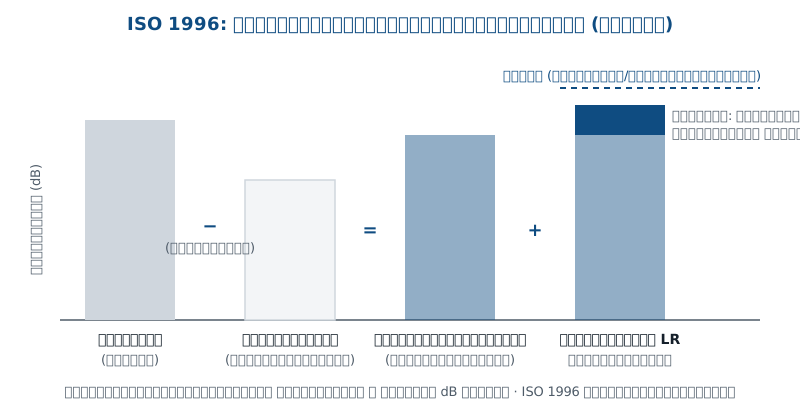
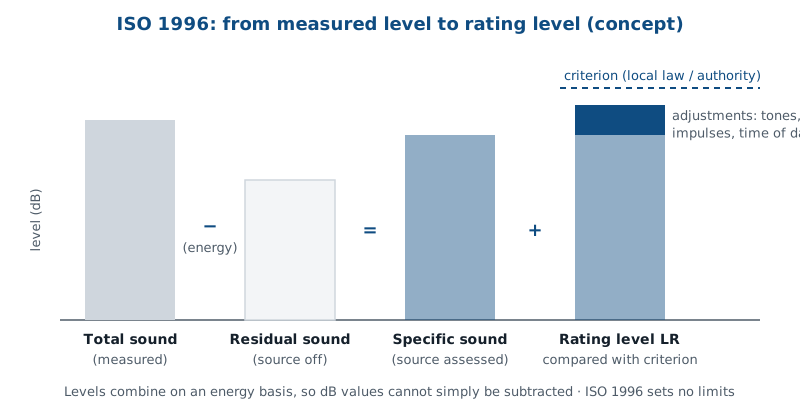
- ระดับที่ได้จากการวัดหรือคำนวณ แล้วบวกค่าปรับสำหรับลักษณะเสียงที่รบกวนมากกว่าปกติ เช่น เสียงมีโทนเด่น เสียงกระแทก หรือเกิดในช่วงเวลาที่ไวต่อเสียง ใช้เทียบกับเกณฑ์A measured or calculated level plus adjustments for features that make noise more annoying, such as prominent tones, impulses or sensitive times of day; this is what gets compared with the criterion.
- เสียงรวม เสียงเฉพาะ และเสียงคงเหลือTotal, specific and residual sound
- เสียงรวม (Total sound) คือทุกเสียงที่จุดวัด เสียงเฉพาะ (Specific sound) คือเสียงของแหล่งที่กำลังประเมิน เสียงคงเหลือ (Residual sound) คือเสียงที่เหลือเมื่อไม่มีแหล่งนั้น การแยกสามอย่างนี้ออกจากกันคือหัวใจของการประเมิน วิธีระดับประเทศบางวิธีใช้ชื่อต่างออกไป เช่น BS 4142 เรียกเสียงรวมว่า ambient sound และใช้ “background sound level” (LA90 ของเสียงคงเหลือ) ซึ่งไม่ใช่ปริมาณเดียวกับเสียงคงเหลือTotal sound is everything at the point; specific sound is the source being assessed; residual sound is what remains without that source. Separating them is at the heart of an assessment. Some national methods use other names: BS 4142, for example, calls the total sound “ambient sound” and uses a “background sound level” (the LA90 of the residual sound), which is not the same quantity as the residual sound level.
- ระดับตามช่วงเวลาของวันDay, evening and night levels
- การแยกผลตามช่วงกลางวัน ช่วงเย็น และกลางคืน และรวมเป็นตัวเลขเดียวที่ให้น้ำหนักกับช่วงเย็นและกลางคืนมากขึ้น (เช่น Lden) ช่วงเวลาและน้ำหนักที่ใช้จริงขึ้นกับข้อกำหนดของแต่ละพื้นที่Results split into day, evening and night, and combined into one figure that gives the evening and night more weight (e.g. Lden). The actual periods and weights depend on local rules.
- เสียงโทนเด่นและเสียงกระแทกTonal and impulsive sound
- เสียงที่มีความถี่เดียวเด่นออกมา (เช่น เสียงหึ่ง เสียงหวีด) หรือเสียงกระแทกเป็นจังหวะ มักรบกวนมากกว่าเสียงที่ดังเท่ากัน จึงมีวิธีตรวจและค่าปรับเฉพาะSound with a single prominent frequency (a hum or whine) or repeated bangs is usually more annoying than steady noise of the same level, so there are specific detection methods and adjustments.
- สภาพอากาศกับการแพร่ของเสียงWeather and sound propagation
- ลมและการเปลี่ยนอุณหภูมิตามความสูงทำให้ระดับเสียงที่ระยะไกลต่างกันได้มากในแต่ละวัน การบันทึกสภาพอากาศจึงเป็นส่วนหนึ่งของการวัดWind and the change of temperature with height can make distant levels differ greatly from day to day, so recording the weather is part of the measurement.
ใครใช้ และใช้เมื่อไรWho uses it and when
- ที่ปรึกษาด้านสิ่งแวดล้อม: รายงานผลกระทบสิ่งแวดล้อม การตรวจวัดก่อนและหลังโครงการ และการตรวจสอบเรื่องร้องเรียนEnvironmental consultants: impact assessments, before/after project surveys and complaint investigations.
- หน่วยงานรัฐและผู้วางผังเมือง: เป็นกรอบของวิธีวัดและการประเมินในข้อกำหนดท้องถิ่นหลายแห่งAuthorities and planners: the framework for measurement and assessment methods in many local regulations.
- โรงงานและผู้ประกอบการ: ติดตามเสียงที่ออกไปถึงชุมชนในระยะยาวPlants and operators: long-term monitoring of the noise reaching the community.
โดยทั่วไปวัดอย่างไรHow measurements are typically done
ขั้นตอนต่อไปนี้เป็นภาพรวมทั่วไปของงานวัดเสียงสิ่งแวดล้อม ไม่ใช่ขั้นตอนของมาตรฐาน รายละเอียดจริงขึ้นกับมาตรฐานฉบับที่ใช้และข้อกำหนดของพื้นที่The following is a general outline of environmental noise work, not the standard’s procedure. The details depend on the edition used and local requirements.
- กำหนดคำถาม: ประเมินแหล่งเสียงใด ที่จุดรับใด ในช่วงเวลาใด และเทียบกับเกณฑ์ของใครDefine the question: which source, at which receiver, for which periods, against whose criteria.
- เลือกตำแหน่งและความสูงไมโครโฟน: เช่น ในที่โล่ง หรือห่างจากผนังอาคาร หรือติดผนังอาคาร และบันทึกให้ชัด เพราะแสงสะท้อนจากผนังเปลี่ยนค่าที่อ่านได้Choose microphone position and height: e.g. free field, away from or on a façade, and record it clearly, because façade reflections change the reading.
- วัดให้นานพอ: ครอบคลุมการทำงานของแหล่งเสียงและสภาพอากาศที่เป็นตัวแทน บันทึกข้อมูลตามเวลาและเสียงประกอบเพื่อระบุเหตุการณ์Measure long enough: cover representative source operation and weather; log levels over time and record audio to identify events.
- แยกเสียงคงเหลือ: วัดเมื่อแหล่งเสียงหยุด หรือใช้วิธีอื่นแยกเสียงเฉพาะออกจากเสียงรวมSeparate the residual sound: measure with the source off, or use another way to separate the specific sound from the total.
- ตรวจลักษณะเสียงและคำนวณระดับประเมิน: หาเสียงโทนเด่นหรือเสียงกระแทก ใส่ค่าปรับตามที่กำหนด แล้วเทียบกับเกณฑ์Check sound character and compute the rating level: look for tones or impulses, apply the required adjustments and compare with the criterion.
- รายงานพร้อมความไม่แน่นอน: เครื่องมือ การสอบเทียบ ตำแหน่ง สภาพอากาศ การทำงานของแหล่งเสียง และความไม่แน่นอนของผลReport with uncertainty: instruments, calibration, positions, weather, source operation and the uncertainty of the result.
การใช้งานจริง: มาตรฐานนี้มีความหมายอย่างไรต่องานวัดPractical use: what this means for a measurement job
ในงานประเมินเสียงสิ่งแวดล้อม ISO 1996 ช่วยตอบคำถามว่า "เสียงจากแหล่งนี้ที่ถึงผู้รับเสียง เมื่อปรับตามลักษณะเสียงแล้ว เป็นเท่าไร" ส่วนคำถามว่า "มากเกินไปหรือไม่" ต้องตอบด้วยเกณฑ์ของพื้นที่นั้นIn environmental work ISO 1996 helps answer "what level of sound from this source reaches the receiver, once adjusted for its character?". Whether that is "too much" is answered by the criteria of the place concerned.
- แยกเสียงคงเหลือ: วางแผนวัดช่วงที่แหล่งกำเนิดหยุด หรือหาช่วงที่ใช้แทนกันได้ ถ้าเสียงคงเหลือใกล้กับเสียงรวมมาก ผลของแหล่งกำเนิดจะมีความไม่แน่นอนสูง การหักลบแบบพลังงานให้ค่าประมาณทางคณิตศาสตร์เท่านั้น ส่วนจะใช้การแก้ค่าได้เมื่อใด และผลนั้นยอมรับได้หรือไม่ ขึ้นกับฉบับของมาตรฐานและกติกาของหน่วยงานSeparate the residual sound: plan a period with the source off, or a period that can stand in for it; if the residual is close to the total, the source's contribution becomes highly uncertain. Energy subtraction only gives a mathematical estimate; when a correction may be applied, and whether the result is accepted, depends on the edition used and the authority's rules.
- บันทึกเสียงและสภาพอากาศ: เสียงที่บันทึกไว้ช่วยยืนยันว่าเหตุการณ์ที่ดังมาจากแหล่งใด ข้อมูลลมและอุณหภูมิช่วยอธิบายว่าทำไมผลแต่ละวันต่างกันRecord audio and weather: audio confirms which source caused a loud event; wind and temperature data explain why results vary from day to day.
- ลักษณะเสียง: ถ้าได้ยินเสียงหึ่ง เสียงแหลม หรือเสียงกระแทกซ้ำ ให้วางแผนวิเคราะห์ความถี่หรือเสียงกระแทกตั้งแต่ต้น เพราะอาจต้องใช้ค่าปรับSound character: if you hear a hum, whine or repeated bangs, plan spectrum or impulse analysis from the start, since adjustments may apply.
- รายงาน: แยกให้ชัดระหว่างค่าที่วัดได้ ค่าที่แก้เสียงคงเหลือแล้ว และระดับประเมิน พร้อมความไม่แน่นอนReport: keep the measured level, the residual-corrected level and the rating level clearly apart, with the uncertainty.
โรงงานที่เดินเครื่องกลางคืนถูกร้องเรียนจากหมู่บ้านข้างเคียง ทีมวัดติดตั้งเครื่องบันทึกใกล้บ้านผู้ร้องเรียนหลายคืน บันทึกเสียงเพื่อระบุเหตุการณ์ ขอให้โรงงานหยุดเครื่องช่วงสั้น ๆ เพื่อวัดเสียงคงเหลือ และพบเสียงโทนจากพัดลมระบายความร้อนในสเปกตรัม ระดับประเมินจึงรวมค่าปรับสำหรับเสียงโทนตามกติกาที่หน่วยงานท้องถิ่นใช้ ก่อนนำไปเทียบกับเกณฑ์A plant that runs at night receives complaints from a nearby village. The team logs for several nights near the complainants' homes, records audio to identify events, asks the plant to stop briefly to measure the residual sound, and finds a tone from a cooling fan in the spectrum. The rating level therefore includes a tonal adjustment under the rules the local authority uses before it is compared with the criterion.
มาตรฐานที่เกี่ยวข้องและความเชื่อมโยงRelated standards and how they connect
| มาตรฐานStandard | ความเชื่อมโยงกับ ISO 1996Link with ISO 1996 |
|---|---|
| IEC 61672, IEC 60942IEC 61672, IEC 60942 | ความเชื่อมโยงกับ ISO 1996Link with ISO 1996เครื่องวัดระดับเสียงและเครื่องสอบเทียบที่ใช้วัดThe sound level meters and calibrators used for the measurements |
| IEC 61260-1IEC 61260-1 | ความเชื่อมโยงกับ ISO 1996Link with ISO 1996ตัวกรองย่านความถี่สำหรับวิเคราะห์เสียงโทนเด่นและสเปกตรัมBand filters for tonal analysis and spectra |
| ISO 9613-2ISO 9613-2 | ความเชื่อมโยงกับ ISO 1996Link with ISO 1996วิธีคำนวณการลดทอนของเสียงกลางแจ้ง ใช้คาดการณ์ระดับเสียงที่จุดรับCalculation of outdoor sound attenuation, used to predict levels at receivers |
| ISO 9612ISO 9612 | ความเชื่อมโยงกับ ISO 1996Link with ISO 1996เสียงที่ผู้ปฏิบัติงานได้รับในที่ทำงาน ไม่ใช่เสียงที่ออกไปถึงชุมชนWorkers’ exposure at the workplace, not noise reaching the community |
| วิธีระดับประเทศ (เช่น BS 4142, TA Lärm)National methods (e.g. BS 4142, TA Lärm) | ความเชื่อมโยงกับ ISO 1996Link with ISO 1996วิธีประเมินเฉพาะประเทศที่ใช้แนวคิดใกล้เคียงกัน แต่ค่าปรับและเกณฑ์อาจต่างกันCountry-specific assessments with similar ideas but possibly different adjustments and criteria |
ความเข้าใจผิดที่พบบ่อยCommon misunderstandings
- “ISO 1996 บอกว่าเสียงเกินกี่ dB ถึงผิด” มาตรฐานไม่กำหนดค่าจำกัด ค่าที่ต้องผ่านมาจากกฎหมายหรือหน่วยงานในพื้นที่“ISO 1996 says how many dB is too much.” The standard sets no limits; limits come from local laws or authorities.
- “ระดับที่วัดได้คือระดับประเมิน” ระดับประเมินอาจต้องหักเสียงคงเหลือและบวกค่าปรับสำหรับโทน เสียงกระแทก หรือช่วงเวลา“The measured level is the rating level.” The rating level may need the residual sound removed and adjustments added for tones, impulses or time of day.
- “วัดครั้งเดียวสิบนาทีก็พอ” เสียงสิ่งแวดล้อมเปลี่ยนตามการทำงานของแหล่งเสียงและสภาพอากาศ ต้องวัดให้เป็นตัวแทนของช่วงที่ประเมิน“One ten-minute reading is enough.” Environmental noise varies with source operation and weather; the measurement must represent the assessment period.
- “จุดวัดตรงไหนก็เหมือนกัน” ระยะจากผนัง ความสูง และสิ่งกีดขวาง เปลี่ยนค่าที่อ่านได้หลายเดซิเบล“Any microphone position will do.” Distance from walls, height and obstacles can change readings by several decibels.
เกี่ยวข้องกับเครื่องมือวัดอย่างไรHow this relates to instruments
ข้อกำหนดทั่วไป: งานเสียงสิ่งแวดล้อมมักต้องใช้เครื่องวัดระดับเสียงตาม IEC 61672 (หลายงานกำหนด Class 1) ที่บันทึกข้อมูลตามเวลาได้ วิเคราะห์ย่านความถี่ได้ถ้าต้องตรวจเสียงโทน บันทึกเสียงเพื่อระบุเหตุการณ์ได้ และมีอุปกรณ์กันลมกันฝนสำหรับงานกลางแจ้ง ร่วมกับเครื่องสอบเทียบตาม IEC 60942 และการบันทึกสภาพอากาศGeneral requirements: environmental work usually needs an IEC 61672 sound level meter (many jobs require Class 1) that logs over time, analyses frequency bands if tones must be checked, records audio to identify events and has wind and weather protection outdoors, together with an IEC 60942 calibrator and weather records.
ข้อมูลเฉพาะของ NTi Audio (ตามที่ NTi ระบุ): NTi Audio ระบุว่าซอฟต์แวร์ Data Explorer สร้างเครื่องหมายเสียงโทนและเสียงกระแทกโดยอ้างอิง ISO 1996-2:2017 และวิธีระดับประเทศอื่น ๆ และคำนวณระดับประเมินพร้อมค่าปรับตามกฎเกณฑ์ที่เลือก NTi Audio ยังระบุว่าไมโครโฟนกลางแจ้ง Class 1 และ Class 2 ของตนกำหนดสเปกตามทิศทางเสียงทั้งแนวนอนและแนวดิ่งตาม IEC 61672NTi Audio specifics (as stated by NTi): NTi Audio states that its Data Explorer software sets tonal and impulsive markers with reference to ISO 1996-2:2017 and other national methods, and calculates rating levels with penalties for the chosen regulation. NTi Audio also states that its Class 1 and Class 2 outdoor microphones are specified for horizontal and vertical sound incidence under IEC 61672.
คำถามที่พบบ่อยFrequently asked questions
ต้องวัดนานเท่าไรHow long should I measure?
ไม่มีตัวเลขเดียวที่ใช้ได้ทุกงาน ต้องนานพอให้ครอบคลุมการทำงานของแหล่งกำเนิดที่เป็นตัวแทนและสภาพอากาศที่เกี่ยวข้อง งานร้องเรียนหรือเสียงที่เปลี่ยนตามกะมักต้องบันทึกหลายวัน และหน่วยงานบางแห่งกำหนดระยะเวลาขั้นต่ำไว้เองThere is no single figure for every job: long enough to cover representative source operation and the relevant weather. Complaints or shift-dependent noise often need several days of logging, and some authorities set their own minimum durations.
ไมโครโฟนควรสูงเท่าไรและห่างผนังเท่าไรHow high should the microphone be, and how far from walls?
ISO 1996-2 ให้แนวทางเรื่องตำแหน่งไมโครโฟนและผลของการสะท้อนจากผนังอาคาร รวมถึงกรณีติดบนผนังโดยตรง หลักสำคัญคือเลือกตำแหน่งที่ตอบโจทย์และบันทึกให้ชัด เพราะตำแหน่งใกล้ผนังอ่านค่าสูงขึ้นจากการสะท้อนISO 1996-2 gives guidance on microphone positions and on the effect of façade reflections, including mounting directly on a façade. The key is to choose a position that answers the question and to record it clearly, because a position close to a wall reads higher due to reflection.
ISO 1996 เกี่ยวกับเกณฑ์ของประเทศอย่างไรHow does ISO 1996 relate to national criteria?
ISO 1996 ให้กรอบของปริมาณและวิธีวัด ส่วนค่าที่ยอมรับได้และกติกาการคำนวณเฉพาะกำหนดโดยกฎหมายหรือหน่วยงานของแต่ละประเทศ ควรตรวจข้อกำหนดของหน่วยงานที่เกี่ยวข้องกับงานเสมอISO 1996 provides the framework of quantities and measurement; acceptable values and specific calculation rules are set by each country's law or authorities. Always check the requirements of the authority relevant to the job.