โจทย์การวัดThe measurement problem
ชิลเลอร์ คูลลิ่งทาวเวอร์ เครื่องส่งลมเย็น (AHU) เครื่องเป่าลมเย็น (FCU) ท่อลม ปั๊ม หม้อแปลง เครื่องกำเนิดไฟฟ้าสำรอง และระบบระบายความร้อนของศูนย์ข้อมูล ทำงานเกือบตลอดเวลา คำร้องเรียนที่พบบ่อยคือ “ได้ยินเสียงหึ่งตอนกลางคืน” หรือ “ในห้องนอนดังกว่าข้างนอก” แม้ dB(A) จะดูไม่สูงChillers, cooling towers, air handling units (AHUs), fan-coil units (FCUs), ducts, pumps, transformers, standby generators and data-centre cooling run almost all the time. Typical complaints are “I hear a hum at night” or “the bedroom is louder than outside”, even when dB(A) does not look high.
งานนี้มีสองบริบท คือ ในอาคาร ซึ่งมักตรวจรับตามเกณฑ์ NC หรือ NR ในข้อกำหนด และ ภายนอกที่เพื่อนบ้าน ซึ่งประเมินตามวิธีวัดเสียงสิ่งแวดล้อมและกฎเกณฑ์ของพื้นที่ ทั้งสองต้องตอบให้ได้ว่า เสียงอยู่ที่ความถี่ใด มาจากเครื่องไหน ผ่านทางใด และเกิดในสภาพการเดินเครื่องแบบใดThere are two contexts: inside the building, often accepted against an NC or NR criterion in the specification, and outdoors at neighbours, assessed with an environmental noise method and the local rules. Both must answer the same questions: at which frequencies, from which machine, along which path, and in which operating condition.
ทำไมงานนี้จึงยากWhy it is difficult
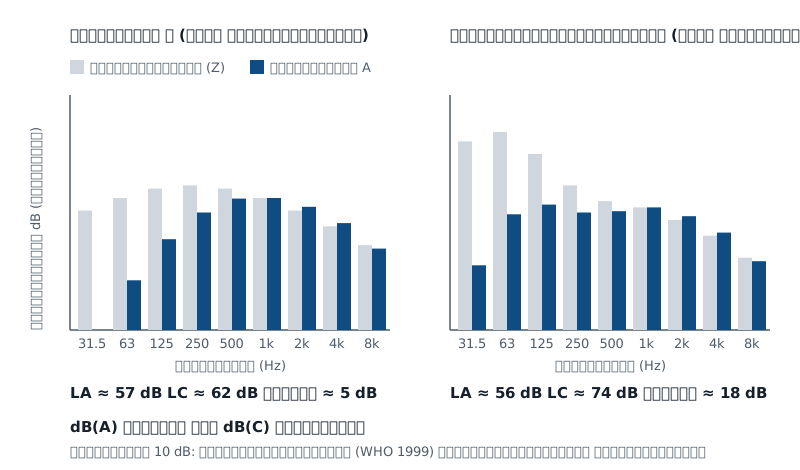
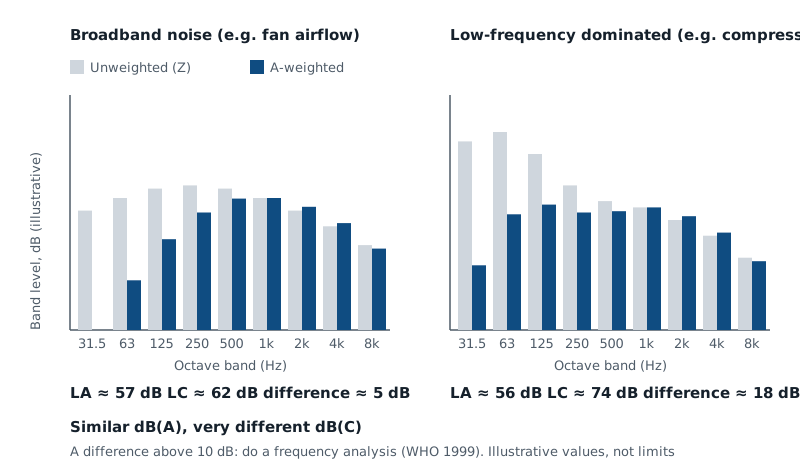
- dB(A) ลดน้ำหนักความถี่ต่ำลงมาก ที่ 63 Hz ลดประมาณ 26 dB เสียงหึ่งที่คนรู้สึกได้ชัดจึงแทบไม่เปลี่ยนตัวเลขdB(A) strongly discounts low frequencies: about 26 dB at 63 Hz, so a clearly noticeable hum barely changes the number.
- คลื่นความถี่ต่ำยาวมาก (ประมาณ 5.4 m ที่ 63 Hz) ในห้องจึงเกิดโหมดของห้อง ระดับเปลี่ยนมากตามตำแหน่งและมักสูงสุดที่มุมห้อง ความถี่ต่ำยังผ่านผนังและหน้าต่างได้ดีกว่าความถี่สูงLow-frequency waves are long (about 5.4 m at 63 Hz), so rooms develop modes: the level varies strongly with position and is usually highest in corners. Low frequencies also pass through walls and windows more easily than high ones.
- เสียงโทน จากพัดลม คอมเพรสเซอร์ มอเตอร์ และหม้อแปลง รบกวนมากกว่าเสียงกว้างที่ระดับเท่ากัน และเสียงอาจมา ทางโครงสร้าง ผ่านพื้น ผนัง และท่อTones from fans, compressors, motors and transformers annoy more than broadband noise at the same level, and the noise may be structure-borne, through slabs, walls and pipes.
- สภาพการเดินเครื่องเปลี่ยนตลอด เช่น จำนวนคอมเพรสเซอร์ ความเร็วพัดลม โหมดกลางคืน หรือการทดสอบเครื่องกำเนิดไฟฟ้า ผลตอนกลางวันจึงอาจไม่ตรงกับช่วงที่ร้องเรียนThe operating state keeps changing: compressor staging, fan speed, night modes, generator tests. A daytime result may not match the complaint period.
ต้องวัดอะไรWhat should be measured
| ค่าที่วัดQuantity | ใช้ทำอะไรWhat it is for |
|---|---|
| LAeq เครื่องเดินและเครื่องหยุดLAeq, plant on and off | ใช้ทำอะไรWhat it is forฐานของเกณฑ์ส่วนใหญ่ และแยกเสียงเครื่องออกจากเสียงคงเหลือBasis of most criteria; separates plant from residual |
| LCeq คู่กับ LAeqLCeq alongside LAeq | ใช้ทำอะไรWhat it is forคัดกรองเสียงความถี่ต่ำScreening for low frequencies |
| สเปกตรัมออกเตฟ (Leq ไม่ถ่วงน้ำหนัก)Octave spectrum (unweighted Leq) | ใช้ทำอะไรWhat it is forประเมิน NC / NR และหาย่านที่เป็นตัวกำหนดNC / NR rating and the controlling band |
| สเปกตรัม 1/3 ออกเตฟ และ FFT1/3-octave spectrum and FFT | ใช้ทำอะไรWhat it is forคัดกรองและหาความถี่ของเสียงโทนScreening and pinpointing tones |
| ประวัติตามเวลา LA90 และการบันทึกเสียงTime history, LA90, audio | ใช้ทำอะไรWhat it is forดูการตัด-ต่อของเครื่อง พื้นหลัง และยืนยันแหล่งเสียงCycling, background, source confirmation |
| การสั่นสะเทือนเหนือและใต้ตัวแยกVibration above and below isolators | ใช้ทำอะไรWhat it is forตรวจทางผ่านโครงสร้างChecking the structure-borne path |
| บันทึกสถานะการเดินเครื่องOperating-state log | ใช้ทำอะไรWhat it is forเชื่อมผลวัดกับเครื่องที่เดินและภาระLinks results to units and load |
หลักการวัดMeasurement principle
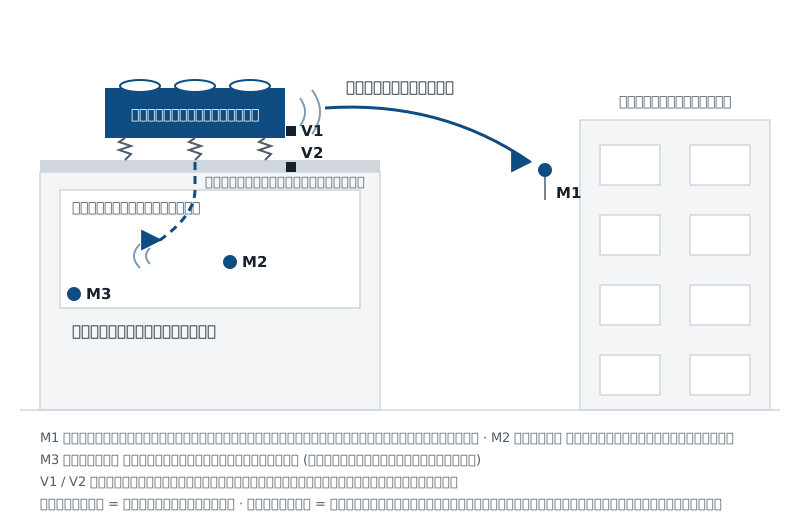
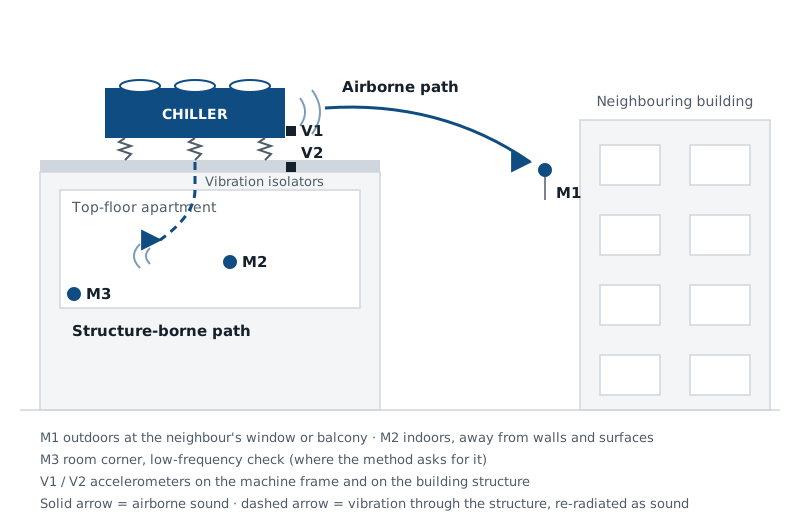
ในอาคาร: เกณฑ์ NC หรือ NR เทียบ สเปกตรัมออกเตฟ กับชุดเส้นโค้ง จึงต้องวัด Leq ไม่ถ่วงน้ำหนักทุกย่านตั้งแต่ความถี่ต่ำถึงประมาณ 8 kHz ในสภาพการเดินเครื่องและสภาพประตูหน้าต่างที่ข้อกำหนดระบุ วางไมโครโฟน ห่างจากผนัง พื้นผิวสะท้อน และหน้ากากจ่ายลม และใช้หลายตำแหน่งเพราะโหมดของห้อง วิธีวัดเสียงจากงานระบบในอาคาร เช่น ISO 16032 มีตำแหน่งวัดใกล้มุมห้องด้วย เพราะความถี่ต่ำมักสูงสุดที่มุม ให้ตรวจตำแหน่งที่แน่นอนจากมาตรฐานที่ใช้Indoors: NC or NR compares the octave spectrum with a family of curves, so measure the unweighted Leq in every band from the low end to about 8 kHz, with the operating and door/window conditions the specification defines. Keep the microphone away from walls, reflecting surfaces and diffusers, and use several positions because of room modes. Service-equipment methods such as ISO 16032 also include a position near a room corner, where low frequencies usually peak; check the exact positions in the standard you use.
ภายนอกที่เพื่อนบ้าน: วัดที่ตำแหน่งผู้รับตามวิธีที่ใช้ เช่น หน้าหน้าต่างหรือระเบียงที่ร้องเรียน ใช้ที่กันลม และวัดในสภาพอากาศตามเงื่อนไขของวิธี เพราะลมสร้างสัญญาณรบกวนความถี่ต่ำที่ไมโครโฟน ช่วง กลางคืน มักสำคัญที่สุด เพราะพื้นหลังต่ำและเสียงโทนเด่นขึ้น นอกจากระดับ ให้ดู ลักษณะของเสียง ได้แก่ เสียงโทนและความถี่ต่ำ ซึ่งกฎหลายแห่งใช้ปรับเพิ่มระดับประเมินOutdoors at neighbours: measure at the receiver position the method defines, for example the complaining window or balcony, with a windscreen and only in weather within the method's limits, because wind creates low-frequency noise at the microphone. Night-time is usually critical: the background is low and tones stand out. Beyond the level, assess the character: tones and low-frequency content, which many rules use to adjust the rating level.
ตัวชี้วัดคัดกรอง dB(C) − dB(A): แนวทางเรื่องเสียงชุมชนขององค์การอนามัยโลก (WHO, 1999) ระบุว่าผลต่างนี้บอกอย่างหยาบว่ามีความถี่ต่ำมากเพียงใด และถ้ามากกว่า 10 dB ควรวิเคราะห์ความถี่ ค่านี้เป็น ตัวชี้วัด ไม่ใช่ค่าจำกัดตามกฎหมาย และไม่ใช้แทนสเปกตรัมThe dB(C) − dB(A) screening indicator: the WHO Guidelines for Community Noise (1999) describe this difference as crude information on low-frequency content and recommend a frequency analysis when it exceeds 10 dB. It is an indicator, not a legal limit, and it does not replace the spectrum.
ทางผ่านอากาศหรือโครงสร้าง: ถ้าปิดหน้าต่างแล้วเสียงแทบไม่ลด หรือห้องที่ติดโครงสร้างใต้เครื่องดังกว่าห้องอื่น ให้สงสัยทางผ่านโครงสร้าง แล้ว วัดการสั่นสะเทือนด้านบนและด้านล่างของตัวแยกการสั่นสะเทือน ถ้าสองด้านใกล้กันในย่านความถี่ของเครื่อง แสดงว่าการแยกไม่ได้ผล ให้หาจุดลัดวงจร เช่น สปริงที่ยังล็อก ท่อที่ต่อแข็งโดยไม่มีข้อต่ออ่อน หรือเศษวัสดุค้ำใต้ฐานเครื่องAirborne or structure-borne: if closing the window barely helps, or rooms connected to the structure under the plant are louder than others, suspect a structure-borne path and measure vibration above and below the isolators. Similar levels on both sides in the machine's frequency range mean the isolation is not working: look for short circuits such as locked springs, pipes without flexible connectors, or debris under the base.
ขั้นตอนการทำงานTypical workflow
- กำหนดคำถาม เกณฑ์ และวิธีวัด เช่น ตรวจรับ NC ของห้องประชุม หรือสอบสวนเรื่องร้องเรียนDefine the question, criterion and method, e.g. meeting-room NC acceptance or a complaint investigation.
- รวบรวมข้อมูลเครื่อง ตารางการเดินเครื่อง ความเร็วรอบ จำนวนใบพัด ขั้นคอมเพรสเซอร์ เวลาทดสอบเครื่องกำเนิดไฟฟ้า และนัดผู้ดูแลอาคารเพื่อเปิด-ปิดเครื่องCollect plant data: schedules, shaft speeds, blade counts, compressor stages, generator test times, and arrange on/off switching with the facility manager.
- ฟังและเลือกตำแหน่ง ถามผู้ร้องเรียนว่าได้ยินเมื่อไรและที่ไหน แล้วเลือกตำแหน่งในห้อง ที่เพื่อนบ้าน และใกล้แต่ละเครื่องListen and choose positions: ask when and where people hear it; choose positions in the room, at the neighbour and near each unit.
- ตรวจการสอบเทียบก่อนและหลังวัด ใส่ที่กันลม บันทึก A, C, Z พร้อมกัน สเปกตรัม 1/1 และ 1/3 ออกเตฟ และเสียงCheck calibration before and after, fit a windscreen, record A, C and Z together, 1/1 and 1/3-octave spectra and audio.
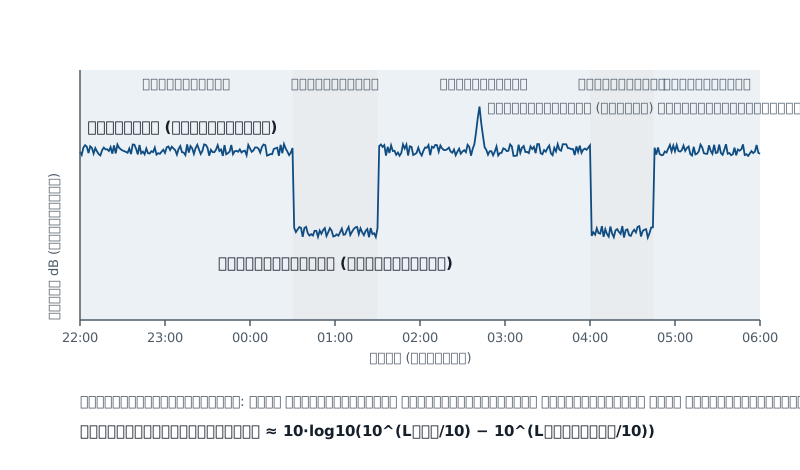
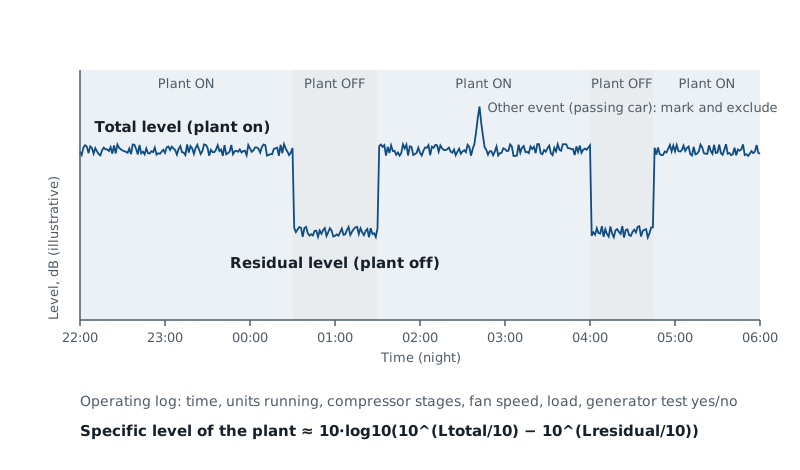
- วัดขณะเครื่องเดินในสภาพที่เป็นปัญหา แล้ววัดขณะเครื่องหยุด ที่ตำแหน่งเดิม ใกล้เวลาเดิม ถ้ามีหลายเครื่องให้เปิดทีละเครื่องเพื่อจัดลำดับแหล่งเสียงMeasure with the plant running in the problem condition, then off, at the same positions and close in time; with several units, switch them on one by one to rank the sources.
- บันทึกตลอดคืน ถ้าปัญหาเกิดเป็นช่วง โดยตั้งนาฬิกาให้ตรงกับระบบควบคุมอาคาร และวัดอ้างอิงใกล้แต่ละเครื่องLog overnight if the problem is intermittent, with clocks synchronised to the building management system, and take near-source reference spectra.
- วัดการสั่นสะเทือน ถ้าสงสัยทางผ่านโครงสร้าง และบันทึกตำแหน่ง รูปถ่าย สภาพอากาศ และสถานะประตูหน้าต่างให้ครบMeasure vibration if a structure-borne path is suspected, and document positions, photos, weather and door/window state.
การวิเคราะห์ผลAnalysis
- แยกเสียงเครื่องจากเสียงคงเหลือ แบบพลังงาน: 10·log10(10^(Lรวม/10) − 10^(Lคงเหลือ/10)) ถ้าต่างกันเกิน 10 dB การแก้ค่าน้อยกว่า 0.5 dB ต่างกัน 6 dB แก้ค่าประมาณ 1.3 dB ถ้าต่างกันน้อยกว่าประมาณ 3 dB (แก้ค่าประมาณ 3 dB ขึ้นไป) จะแยกได้ไม่น่าเชื่อถือ นี่เป็นเพียงการคำนวณ ส่วนการยอมให้แก้ค่าได้เมื่อใดขึ้นกับมาตรฐานหรือกฎเกณฑ์ที่ใช้Separate plant from residual on an energy basis: 10·log10(10^(Ltotal/10) − 10^(Lresidual/10)). Above a 10 dB difference the correction is under 0.5 dB; at 6 dB it is about 1.3 dB; below about 3 dB (a correction of about 3 dB or more) the plant cannot be separated reliably. That is the arithmetic only; whether a correction is permitted is set by the applicable standard or regulation.
- เทียบ LCeq − LAeq ขณะเครื่องเดินกับเครื่องหยุด ถ้ากว้างขึ้นชัด แสดงว่าเครื่องเพิ่มความถี่ต่ำCompare LCeq − LAeq, plant on versus off: a clear increase shows the plant adds low-frequency energy.
- ประเมิน NC / NR ตามที่ข้อกำหนดระบุ ย่านที่แตะเส้นโค้งบอกทิศทางการแก้ไขRate NC / NR as specified; the band that touches the curve points to the fix.
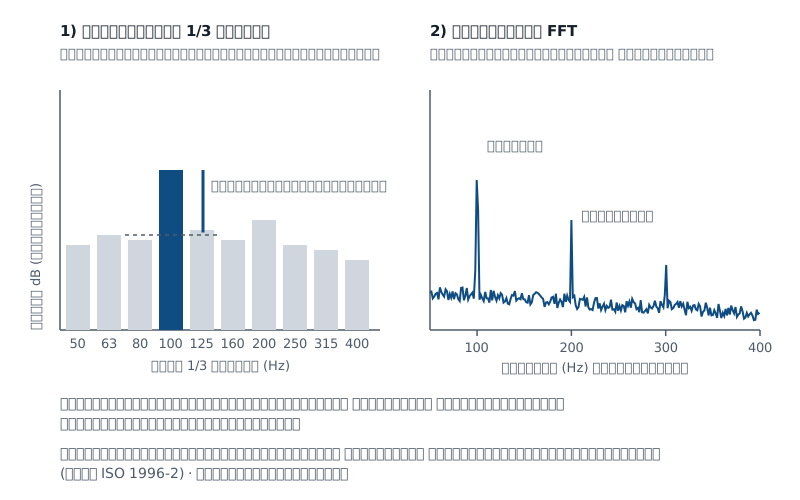
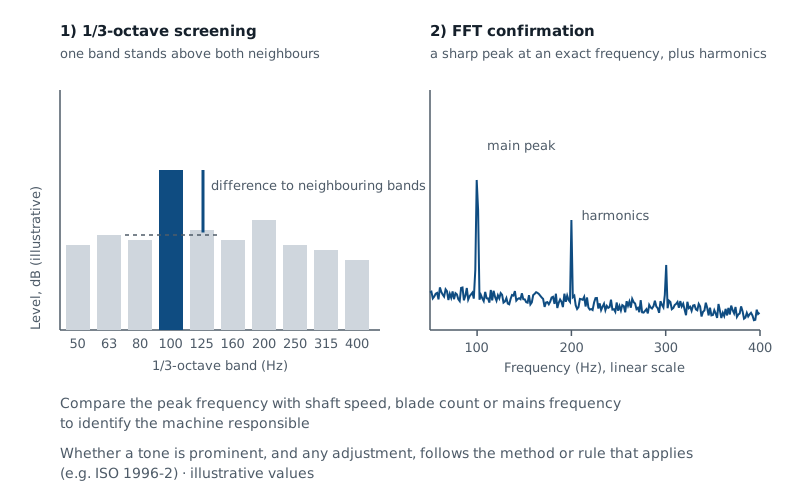
- เสียงโทน: ใน 1/3 ออกเตฟ ย่านที่สูงกว่าย่านข้างเคียงทั้งสองข้างชัดเจนเป็นสัญญาณของเสียงโทน ISO 1996-2:2017 มีวิธีประเมินเสียงโทนแบบวัตถุวิสัย ทั้งแบบที่ใช้ 1/3 ออกเตฟ และแบบละเอียดที่ใช้ FFT แถบแคบ วิธีประเมินความได้ยินของเสียงโทนแบบวิศวกรรมปัจจุบันเผยแพร่เป็น ISO/TS 20065:2022 ซึ่งใช้กับเสียงโทนตั้งแต่ 50 Hz ขึ้นไป ต่ำกว่านั้นต้องใช้วิธีอื่น เช่น การประเมินด้วยการฟัง ให้ตรวจว่ากฎของงานนั้นกำหนดวิธีและค่าปรับใดTones: in 1/3 octaves, a band clearly above both neighbours signals a tone. ISO 1996-2:2017 includes objective tonal methods, one based on 1/3 octaves and a more detailed one using narrow-band FFT; the engineering method for tone audibility is now published as ISO/TS 20065:2022, which covers tones at 50 Hz and above. Below that, another approach such as a listening assessment is needed. Check which method and adjustment the rules of the job require.
- จับคู่ความถี่กับเครื่อง: ความถี่ใบพัด = (รอบต่อนาที ÷ 60) × จำนวนใบ หม้อแปลงหึ่งที่สองเท่าของความถี่ไฟฟ้า (100 Hz ในระบบ 50 Hz) และฮาร์มอนิก เครื่องยนต์สี่จังหวะจุดระเบิดที่ (รอบต่อนาที ÷ 60) × จำนวนสูบ ÷ 2Match frequencies to machines: blade-pass = (rpm ÷ 60) × blades; transformers hum at twice the mains frequency (100 Hz on a 50 Hz grid) and harmonics; a four-stroke engine fires at (rpm ÷ 60) × cylinders ÷ 2.
เครื่องมือที่ใช้Equipment
ชุดทั่วไป: เครื่องวัดระดับเสียง Class 1 ตาม IEC 61672-1 ที่มีตัวกรอง 1/1 และ 1/3 ออกเตฟตาม IEC 61260-1 วัด A, C, Z พร้อมกัน บันทึกข้อมูลและเสียงได้ และมี FFT ไมโครโฟนที่มีสัญญาณรบกวนในตัวต่ำพอสำหรับห้องนอนที่เงียบ ที่กันลม ขาตั้ง เครื่องสอบเทียบเสียงตาม IEC 60942 หัววัดความเร่งกับเครื่องวัดการสั่นสะเทือน และซอฟต์แวร์ทำรายงานGeneric chain: a Class 1 sound level meter to IEC 61672-1 with 1/1 and 1/3-octave filters to IEC 61260-1, measuring A, C and Z together, with logging, audio and FFT; a microphone with low enough self-noise for a quiet bedroom; windscreen and tripod; a sound calibrator to IEC 60942; an accelerometer with a vibration meter; and reporting software.
- XL2 + M2230 (Class 1): RTA 1/1 และ 1/3 ออกเตฟ และ FFT XL2 Extended Acoustic Pack (#600 000 339) เพิ่ม Percentile การบันทึกเสียง ข้อมูลทุก 100 ms และ Zoom-FFT ละเอียดถึง 0.4 Hz (5 Hz – 20 kHz) XL2 Spectral Limits Option (#600 000 376) เพิ่ม 1/6 และ 1/12 ออกเตฟ และ Noise Curves ตาม ANSI S12.2 และ ISO 1996XL2 + M2230 (Class 1): 1/1 and 1/3-octave RTA and FFT. The XL2 Extended Acoustic Pack (#600 000 339) adds percentiles, audio recording, 100 ms logging and zoom FFT down to 0.4 Hz (5 Hz – 20 kHz); the XL2 Spectral Limits Option (#600 000 376) adds 1/6 and 1/12 octaves and noise curves to ANSI S12.2 and ISO 1996.
- XL3: 1/1 ออกเตฟ 8 Hz – 16 kHz และ 1/3 ออกเตฟ 6.3 Hz – 20 kHz (Class 1) XL3 Extended Noise Measurement Option เพิ่ม Percentile ข้อมูล 100 ms และเสียงแบบไม่บีบอัด XL3 Extended Room Acoustics Option รวม Noise CurvesXL3: 1/1 octave 8 Hz – 16 kHz and 1/3 octave 6.3 Hz – 20 kHz (Class 1). The XL3 Extended Noise Measurement Option adds percentiles, 100 ms logging and uncompressed audio; the XL3 Extended Room Acoustics Option includes noise curves.
- Class 1 Sound Calibrator 94 dB (#600 000 402)Class 1 Sound Calibrator 94 dB (#600 000 402)
- Data Explorer (NTi Audio ระบุว่าสร้างเครื่องหมายเสียงโทนและเสียงกระแทกโดยอ้างอิง ISO 1996-2:2017) และ Room Acoustics Reporter (NC / RNC ตาม ANSI/ASA S12.2-2019, NR ตาม ISO/R 1996-1971)Data Explorer (NTi Audio states it sets tonal and impulsive markers with reference to ISO 1996-2:2017) and Room Acoustics Reporter (NC / RNC to ANSI/ASA S12.2-2019, NR to ISO/R 1996-1971).
- XL2 Vibration Meter (XL2 + XL2 Vibration Option #600 000 436 + หัววัดความเร่ง): 1/1 หรือ 1/3 ออกเตฟ 0.8 Hz – 2.5 kHz และ FFT 1 Hz – 1.69 kHz สำหรับตรวจตัวแยกการสั่นสะเทือนXL2 Vibration Meter (XL2 + XL2 Vibration Option #600 000 436 + accelerometer): 1/1 or 1/3 octave 0.8 Hz – 2.5 kHz and FFT 1 Hz – 1.69 kHz for checking isolators.
ข้อมูล XL3 ที่ตรวจสอบแล้วระบุสเปกตรัม 1/1 และ 1/3 ออกเตฟ ถ้าต้องใช้ FFT แถบแคบบน XL3 ให้สอบถามวิศวกรเพื่อยืนยันกับ NTi Audio ก่อนสั่งซื้อThe verified XL3 data list 1/1 and 1/3-octave spectra. If you need narrow-band FFT on the XL3, ask an engineer to confirm with NTi Audio before ordering.
มาตรฐานที่เกี่ยวข้องRelevant standards
- ISO 1996-2 การวัดเสียงสิ่งแวดล้อม รวมวิธีประเมินเสียงโทนISO 1996-2: environmental noise measurement, including tonal methods.
- ISO 16032 (แบบวิศวกรรม) และ ISO 10052 (แบบสำรวจ) เสียงจากงานระบบในอาคารISO 16032 (engineering) and ISO 10052 (survey): service-equipment sound in buildings.
- ANSI/ASA S12.2 เกณฑ์ NC และ RNC · IEC 61672-1 · IEC 61260-1 · IEC 60942ANSI/ASA S12.2 NC and RNC · IEC 61672-1 · IEC 61260-1 · IEC 60942
ค่าจำกัดที่ใช้ตัดสินขึ้นกับกฎหมาย ข้อกำหนด หรือสัญญาของแต่ละงาน หน้านี้ไม่ได้ระบุค่าจำกัดตามกฎหมายThe limits used to judge results depend on the regulations, specification or contract of each job. This page does not state legal limits.
ข้อผิดพลาดที่พบบ่อยCommon mistakes
- วัดแค่ dB(A) ทั้งที่ปัญหาเป็นความถี่ต่ำหรือเสียงโทนMeasuring dB(A) only when the problem is low frequency or tonal.
- วัดชิดผนังหรือตำแหน่งเดียว ในห้องที่มีโหมดชัด ผลจึงสะท้อนตำแหน่งมากกว่าเครื่องMeasuring against a wall, or at one position, in a room with strong modes.
- ไม่บันทึกสถานะการเดินเครื่อง และไม่วัดตอนเครื่องหยุดNot logging operating states, and skipping the plant-off measurement.
- วัดตอนกลางวัน ทั้งที่ปัญหาเกิดตอนกลางคืนMeasuring in the daytime when the problem is at night.
- ไม่ใช้ที่กันลม หรือวางขาตั้งบนฐานเครื่องที่สั่นNo windscreen, or a tripod standing on the vibrating plant base.
ตัวอย่างสถานการณ์: ชิลเลอร์บนหลังคาคอนโดตอนกลางคืนExample scenario: a condominium rooftop chiller at night
ผู้พักชั้นบนสุดและเพื่อนบ้านอาคารข้างเคียงร้องเรียนเสียงหึ่งช่วง 23:00–03:00 การตรวจ dB(A) ตอนกลางวันไม่พบอะไร
ทีมวัดพบจากตารางการเดินเครื่องว่าตอนกลางคืนชิลเลอร์เดินภาระต่ำและพัดลมเปลี่ยนความเร็ว จึงนัดหยุดเครื่องสั้น ๆ เวลา 01:00 วางไมโครโฟนกลางห้องนอนและที่มุมห้อง อีกตัวที่ระเบียงเพื่อนบ้าน และติดหัววัดความเร่งเหนือและใต้ตัวแยกการสั่นสะเทือน
ในห้องนอน dB(A) ขณะเครื่องเดินสูงกว่าตอนหยุดเพียงเล็กน้อย แต่ dB(C) − dB(A) กว้างขึ้นชัด สเปกตรัม 1/3 ออกเตฟมีย่านความถี่ต่ำหนึ่งย่านเด่น FFT พบยอดที่ความถี่เปลี่ยนตามขั้นของคอมเพรสเซอร์ การสั่นสะเทือนสองด้านของตัวแยกตัวหนึ่งแทบเท่ากัน และพบท่อน้ำต่อแข็งกับโครงสร้าง ส่วนที่ระเบียงเพื่อนบ้านได้ยินเสียงโทนเดียวกันผ่านอากาศ
สรุปว่ามีทั้งทางโครงสร้างและทางอากาศ แล้วจึงเทียบผลกับเกณฑ์ที่ใช้กับพื้นที่และสัญญา (สถานการณ์สมมติ ไม่ใช่โครงการจริง)Top-floor residents and neighbours in the next building complain of a hum between 23:00 and 03:00; a daytime dB(A) check found nothing.
The operating schedule shows the chiller runs at low load at night with variable fan speed, so the team arranges a short shutdown at 01:00. Microphones go mid-bedroom and in a corner, another on the neighbour's balcony, and accelerometers above and below an isolator.
In the bedroom, dB(A) with the plant running is only slightly above plant-off, but dB(C) − dB(A) widens clearly. One low-frequency 1/3-octave band stands out, and FFT finds a peak whose frequency moves with the compressor stage. Vibration on both sides of one isolator is almost equal, and a water pipe is found rigidly fixed to the structure. On the balcony the same tone is audible through the air.
Conclusion: both structure-borne and airborne paths; results are then compared with the criteria for the location and contract. (Hypothetical scenario, not a real project.)
นำผลไปใช้อย่างไรWhat to do with the results
- แหล่งกำเนิด: ซ่อมหรือปรับสมดุลพัดลม ใช้โหมดเงียบตอนกลางคืน เลี่ยงความเร็วที่ทำให้เกิดเสียงโทน ย้ายเวลาทดสอบเครื่องกำเนิดไฟฟ้าSource: repair or rebalance fans, use night modes, avoid speeds that excite tones, reschedule generator tests.
- ทางผ่าน: แก้ตัวแยกที่ลัดวงจร ใช้ข้อต่ออ่อนและที่แขวนกันสั่น ส่วนทางอากาศใช้ตัวลดเสียงในท่อ ครอบเครื่อง กำแพง หรือบานเกล็ดลดเสียงโดยไม่ขวางการระบายความร้อนPath: fix short-circuited isolators, add flexible connectors and resilient hangers; for airborne noise use silencers, enclosures, barriers or acoustic louvres without blocking cooling airflow.
- ผู้รับ: ปรับปรุงหน้าต่างหรือผนังด้านรับเสียง เมื่อแก้ที่ต้นเหตุไม่พอ แล้ว วัดซ้ำด้วยวิธีและตำแหน่งเดิมReceiver: upgrade windows or the exposed façade when source and path measures are not enough, then re-measure with the same method and positions.
คำถามที่พบบ่อยFAQ
ทำไมเครื่องวัดบอกว่าเงียบ แต่ยังได้ยินเสียงหึ่งWhy does the meter say it is quiet when I still hear the hum?
เพราะ dB(A) ลดน้ำหนักความถี่ต่ำมาก ให้ดู dB(C) สเปกตรัม 1/3 ออกเตฟ และ FFT ร่วมด้วยBecause dB(A) strongly discounts low frequencies. Look at dB(C), the 1/3-octave spectrum and FFT as well.
dB(C) − dB(A) มากกว่า 10 dB เป็นค่าจำกัดตามกฎหมายหรือไม่Is a dB(C) − dB(A) difference above 10 dB a legal limit?
ไม่ใช่ เป็นตัวชี้วัดคัดกรองจากแนวทาง WHO (1999) ว่าควรวิเคราะห์ความถี่ต่อ การตัดสินต้องใช้เกณฑ์ของงานนั้นNo. It is a screening indicator from the WHO guidelines (1999) saying a frequency analysis is needed; the judgement uses the job's criteria.
ถ้าหยุดเครื่องไม่ได้ เช่น โรงพยาบาลหรือศูนย์ข้อมูลWhat if the plant cannot be switched off, e.g. a hospital or data centre?
วัดช่วงภาระต่ำสุด สลับเครื่องสำรองทีละเครื่อง วัดอ้างอิงใกล้เครื่อง หรือหาช่วงพื้นหลังต่ำจากการบันทึกระยะยาว และระบุข้อจำกัดในรายงานMeasure at the lowest load, switch redundant units one at a time, take near-source references, or find low-background periods in long-term logs, and state the limitation.
วัดเครื่องกำเนิดไฟฟ้าสำรองอย่างไรHow do I measure a standby generator?
นัดวัดช่วงทดสอบ ใช้ภาระใกล้สภาพจริงถ้าทำได้ และบันทึกช่วงสตาร์ต เดินคงที่ และหยุด พร้อมเสียงและสเปกตรัมSchedule it during a test, with realistic load if possible, and record start, steady running and shutdown with audio and spectra.
ใช้แอปโทรศัพท์ได้หรือไม่Can I use a phone app?
ใช้จดเวลาได้ แต่ไมโครโฟนโทรศัพท์ไม่ได้สอบเทียบตาม IEC 61672 และไม่กำหนดการตอบสนองความถี่ต่ำ จึงไม่เหมาะกับการประเมินหรือรายงานOnly for noting times: phone microphones are not calibrated to IEC 61672 and their low-frequency response is unspecified, so they are unsuitable for assessment or reports.