ขอบเขตแบบเข้าใจง่ายScope in plain words
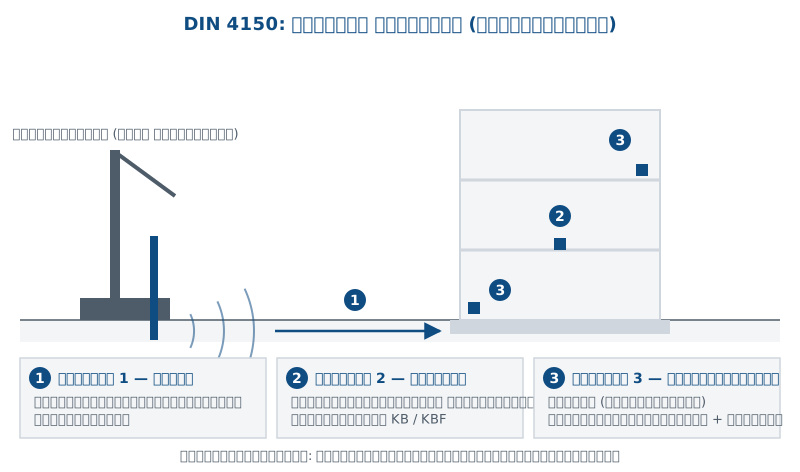
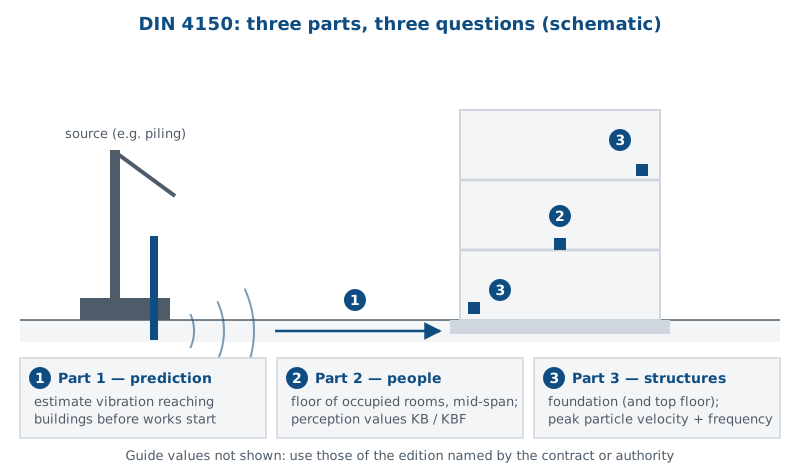
- ส่วนที่ 1 — การประเมินล่วงหน้า วิธีคาดการณ์ว่าการสั่นจากแหล่งกำเนิด เช่น งานก่อสร้างหรือการจราจร จะไปถึงอาคารข้างเคียงมากแค่ไหน ก่อนเริ่มงานPart 1 — prediction: how to estimate, before work starts, how much vibration from a source such as construction or traffic will reach nearby buildings.
- ส่วนที่ 2 — ผลต่อคนในอาคาร ประเมินการสั่นที่คนในอาคารรับรู้ในช่วงประมาณ 1 ถึง 80 Hz จากแหล่งภายนอกหลายประเภท โดยปรับวิธีตามแหล่งกำเนิด ตามข้อมูลของ DIN Media ไม่รวมการสั่นที่เกิดจากกิจกรรมของผู้อยู่อาศัยในอาคารเองPart 2 — effects on people: evaluates vibration perceived by people in buildings, in about the 1 to 80 Hz range, from various external sources, with the method adapted to the source. According to DIN Media, it excludes vibration generated by the occupants' own activities.
- ส่วนที่ 3 — ผลต่อโครงสร้าง วิธีวัดและประเมินว่าการสั่นอาจทำให้อาคารที่ออกแบบรับน้ำหนักแบบสถิตเป็นหลักเกิดความเสียหายหรือไม่ เช่น รอยร้าวที่ลดความสามารถในการใช้งานPart 3 — effects on structures: how to measure and assess whether vibration may damage buildings designed mainly for static loads, such as cracks that reduce serviceability.
แนวคิดและปริมาณสำคัญKey concepts and quantities
- ความเร็วอนุภาค (particle velocity)Particle velocity
- ความเร็วที่จุดหนึ่งของโครงสร้างเคลื่อนที่ไปมาขณะสั่น หน่วย mm/s ส่วนที่ 3 ใช้ค่ายอดของความเร็วนี้เป็นตัวชี้วัดหลัก ในทางวิศวกรรมถือกันว่าความเร็วสัมพันธ์กับความเครียดในโครงสร้างได้ดีกว่าความเร่งHow fast a point on the structure moves back and forth while vibrating, in mm/s. Part 3 uses the peak of this velocity as the main indicator; in engineering practice velocity is regarded as relating to stress in the structure better than acceleration does.
- PPV และ PVSPPV and PVS
- PPV (peak particle velocity) คือความเร็วอนุภาคสูงสุด ส่วน PVS (peak vector sum) คือค่าสูงสุดของผลรวมเวกเตอร์ของสามแกน มาตรฐานแต่ละฉบับใช้แบบต่างกัน บางฉบับประเมินแต่ละแกนแยกกัน บางฉบับใช้ผลรวมเวกเตอร์ ต้องใช้ให้ตรงกับมาตรฐานที่อ้างPPV (peak particle velocity) is the maximum particle velocity; PVS (peak vector sum) is the maximum of the vector sum of the three axes. Standards differ: some evaluate each axis separately, others use the vector sum, so use the one your standard specifies.
- ความถี่หลักและค่าแนวทางที่ขึ้นกับความถี่Dominant frequency and frequency-dependent guide values
- อาคารทนการสั่นความถี่ต่ำได้น้อยกว่าความถี่สูง ส่วนที่ 3 จึงให้ค่าแนวทางที่ขึ้นกับทั้งประเภทอาคาร (เช่น อาคารพาณิชย์ อาคารพักอาศัย อาคารที่อ่อนไหวหรือมีคุณค่าทางประวัติศาสตร์) และความถี่ของการสั่น เครื่องวัดจึงต้องรายงานความถี่คู่กับค่ายอดBuildings tolerate low-frequency vibration less well than high-frequency vibration, so Part 3 gives guide values that depend on both the building category (e.g. commercial, residential, sensitive or historic) and the vibration frequency. Instruments must therefore report the frequency alongside the peak.
- การสั่นระยะสั้นและระยะยาวShort-term and long-term vibration
- ส่วนที่ 3 แยกการสั่นที่เกิดไม่บ่อย (เช่น การระเบิด) กับการสั่นที่เกิดต่อเนื่องหรือซ้ำ ๆ (เช่น เครื่องบดอัดแบบสั่น) เพราะผลต่อโครงสร้างต่างกัน และจุดวัดก็ต่างกัน (เช่น ฐานรากหรือพื้นชั้นบนสุด)Part 3 distinguishes infrequent vibration (e.g. blasting) from continuous or repeated vibration (e.g. vibratory compaction), because the effects differ, as do the measurement points (e.g. the foundation or the top floor).
- ค่า KB และ KBF (ส่วนที่ 2)KB and KBF values (Part 2)
- ปริมาณที่ใช้แสดงความแรงของการสั่นที่คนรับรู้ โดยถ่วงน้ำหนักความถี่ตามการรับรู้ของคน แล้วประเมินทั้งค่าสูงสุด (KBFmax) และค่าประเมินตามช่วงเวลา (KBFTr) สำหรับกลางวันและกลางคืน เทียบกับค่าแนวทางที่ขึ้นกับประเภทพื้นที่ ฉบับ 2025 มีกติกาเฉพาะตามประเภทแหล่งกำเนิด จึงควรตรวจรายละเอียดจากฉบับที่ใช้Quantities expressing the perceived strength of vibration, frequency-weighted for human perception, evaluated both as a maximum (KBFmax) and as an assessment value over the day and night periods (KBFTr), and compared with guide values that depend on the area type. The 2025 edition has source-specific rules, so check the details in the edition you use.
หน้านี้ไม่แสดงตารางค่าแนวทางของ DIN 4150 เพราะค่าขึ้นกับประเภทอาคาร ความถี่ จุดวัด และฉบับของมาตรฐาน และเป็นเนื้อหาที่มีลิขสิทธิ์ ให้ใช้ค่าจากตัวมาตรฐานฉบับที่สัญญาหรือหน่วยงานกำหนดเท่านั้น ในประเทศไทยหรือประเทศอื่น ค่าที่ใช้บังคับอาจมาจากกฎหมายหรือข้อกำหนดของโครงการ ไม่ใช่จาก DIN 4150 โดยอัตโนมัติThis page does not reproduce the DIN 4150 guide-value tables, because the values depend on building category, frequency, measurement point and edition, and are copyrighted. Use values only from the edition required by the contract or authority. In Thailand or elsewhere, binding values may come from law or project specifications rather than automatically from DIN 4150.
ใครใช้ และใช้เมื่อไรWho uses it and when
- ผู้รับเหมาและที่ปรึกษา เฝ้าระวังอาคารข้างเคียงระหว่างงานตอกเสาเข็ม ขุดดิน รื้อถอน บดอัด หรือระเบิดหิน (ส่วนที่ 3)Contractors and consultants monitoring neighbouring buildings during piling, excavation, demolition, compaction or rock blasting (Part 3).
- ผู้ประเมินเรื่องร้องเรียนการสั่นสะเทือนจากรถไฟ ถนน หรือเครื่องจักรที่คนในอาคารรู้สึกได้ (ส่วนที่ 2)Assessors of complaints about perceptible vibration from railways, roads or machinery (Part 2).
- ผู้ออกแบบโครงการที่ต้องประเมินผลกระทบล่วงหน้า (ส่วนที่ 1)Project designers who must estimate impacts in advance (Part 1).
- เจ้าของอาคารและบริษัทประกัน ที่ต้องการหลักฐานการสั่นก่อน ระหว่าง และหลังงานก่อสร้างBuilding owners and insurers who need evidence of vibration before, during and after construction.
การวัดโดยทั่วไปทำอย่างไรHow measurements are typically done
- สำรวจสภาพอาคารก่อนเริ่มงาน (ถ่ายภาพรอยร้าวเดิม) และกำหนดประเภทอาคารตามที่มาตรฐานใช้Survey the building before work starts (photograph existing cracks) and classify the building as the standard requires.
- ติดตั้งเซนเซอร์สามแกนให้แน่นกับโครงสร้างที่จุดวัดตามมาตรฐาน เช่น ฐานรากหรือผนังรับน้ำหนักชั้นล่าง และพื้นชั้นบนสุดสำหรับบางกรณีMount three-axis sensors firmly to the structure at the points the standard specifies, such as the foundation or a load-bearing ground-floor wall, and the top floor in some cases.
- บันทึกต่อเนื่องตลอดช่วงงาน พร้อมบันทึกค่ายอดและความถี่หลักของแต่ละเหตุการณ์ ตั้งการแจ้งเตือนเมื่อเข้าใกล้ค่าที่กำหนดRecord continuously throughout the works, capturing the peak and dominant frequency of each event, with alarms as values approach the agreed limits.
- สำหรับผลต่อคน (ส่วนที่ 2) วัดบนพื้นในห้องที่คนอยู่ ในช่วงเวลาที่เป็นตัวแทน แล้วประเมินตามวิธีของแหล่งกำเนิดนั้นFor effects on people (Part 2), measure on the floor of occupied rooms over representative periods and evaluate with the method for that source.
- รายงานผลพร้อมฉบับของมาตรฐาน ประเภทอาคาร ตำแหน่ง และข้อมูลเหตุการณ์ที่เกินReport with the edition used, building category, positions and details of any exceedances.
การใช้งานจริง: มาตรฐานนี้มีความหมายอย่างไรต่องานวัดPractical use: what this means for a measurement job
งานเฝ้าระวังการสั่นสะเทือนระหว่างก่อสร้างเป็นทั้งเรื่องเทคนิคและเรื่องหลักฐาน ข้อมูลที่ดีช่วยทั้งควบคุมงานและตอบข้อโต้แย้งเรื่องรอยร้าวในภายหลังConstruction vibration monitoring is both technical and evidential: good data helps control the works and answers crack disputes later.
- สำรวจก่อนเริ่มงาน: ถ่ายภาพและบันทึกรอยร้าวเดิมของอาคารข้างเคียงพร้อมวันที่ ซึ่งเป็นหลักฐานสำคัญที่สุดเมื่อมีข้อพิพาทPre-construction survey: photograph and log existing cracks in neighbouring buildings with dates; this is the key evidence in any dispute.
- ตกลงเกณฑ์และฉบับ: ระบุในสัญญาว่าใช้ DIN 4150-3 ฉบับใด ประเภทอาคารใด และระดับแจ้งเตือนเท่าไร ก่อนเริ่มเฝ้าระวังAgree criteria and edition: state in the contract which DIN 4150-3 edition, building category and alarm levels apply before monitoring starts.
- ระดับเตือน: ตั้งระดับเตือนต่ำกว่าเกณฑ์ที่ตกลง เพื่อให้ผู้รับเหมาปรับวิธีทำงานก่อนเกินWarning levels: set warnings below the agreed criteria so the contractor can adjust methods before exceeding them.
- แยกเรื่องคนกับอาคาร: เรื่องร้องเรียนว่ารู้สึกสั่นเป็นคำถามของส่วนที่ 2 หรือ ISO 2631 ไม่ใช่ส่วนที่ 3Keep people and buildings apart: complaints about feeling vibration belong to Part 2 or ISO 2631, not Part 3.
งานตอกเสาเข็มอยู่ห่างตึกแถวเก่าห้าเมตร ผู้รับเหมาติดตั้งเครื่องวัดสามแกนที่ฐานรากของตึกแถว ตั้งการแจ้งเตือนทางข้อความให้ต่ำกว่าเกณฑ์ที่ตกลงในสัญญา เมื่อค่าเข้าใกล้ระดับเตือนระหว่างตอกเข็มต้นที่ใกล้ที่สุด ทีมเปลี่ยนวิธีทำงานเป็นเจาะนำก่อนตอก และบันทึกทุกเหตุการณ์ไว้เป็นหลักฐานPiling takes place five metres from old shophouses. The contractor installs a three-axis monitor on a shophouse foundation, with text-message warnings set below the contract criteria. When values approach the warning level while driving the nearest piles, the team switches to pre-boring before driving and logs every event as evidence.
มาตรฐานที่เกี่ยวข้องและความเชื่อมโยงRelated standards and how they connect
- ISO 2631 มาตรฐานสากลสำหรับการสั่นสะเทือนทั้งตัวที่มีผลต่อคน ใช้ปริมาณความเร่งถ่วงน้ำหนัก ต่างจากปริมาณของ DIN 4150-2ISO 2631 is the international standard for whole-body vibration affecting people; it uses weighted acceleration, different from the DIN 4150-2 quantities.
- BS 7385-2 และ BS 5228-2 (สหราชอาณาจักร) และ USBM RI 8507 (สหรัฐอเมริกา สำหรับการระเบิด) ใช้ประเมินผลต่อโครงสร้างด้วยแนวทางของตัวเองBS 7385-2 and BS 5228-2 (UK) and USBM RI 8507 (USA, blasting) assess effects on structures in their own way.
- BS 6472-1 (สหราชอาณาจักร) ประเมินการสั่นที่มีผลต่อคนในอาคารด้วย VDVBS 6472-1 (UK) assesses vibration affecting people in buildings using VDV.
- DIN 45669 เป็นมาตรฐานเยอรมันเกี่ยวกับการวัดการสั่นสะเทือนแบบ immission และเครื่องมือวัด ซึ่งมักใช้คู่กับ DIN 4150DIN 45669 is the German standard on immission vibration measurement and instruments, often used together with DIN 4150.
ความเข้าใจผิดที่พบบ่อยCommon misunderstandings
- ค่าแนวทางของ DIN 4150-3 คือค่าที่ทำให้อาคารพังทันที — ค่าแนวทางตั้งไว้ที่ระดับซึ่งไม่คาดว่าจะเกิดความเสียหายต่อการใช้งาน การเกินค่าไม่ได้แปลว่าเสียหายแน่นอน แต่ควรตรวจสอบเพิ่มเติมDIN 4150-3 guide values are the point of collapse. They are set at levels where no loss of serviceability is expected; exceeding them does not mean damage is certain, but it calls for further investigation.
- ถ้าอาคารไม่เสียหาย คนก็ไม่ควรร้องเรียน — คนรับรู้การสั่นได้ที่ระดับต่ำกว่าระดับที่ทำให้โครงสร้างเสียหายมาก ผลต่อคน (ส่วนที่ 2) กับผลต่อโครงสร้าง (ส่วนที่ 3) จึงต้องประเมินแยกกันIf the building is undamaged, people should not complain. People perceive vibration at levels far below those that damage structures, so effects on people (Part 2) and on structures (Part 3) must be assessed separately.
- ใช้ตารางค่าจากฉบับเก่าได้ — DIN 4150-2 มีฉบับใหม่ปี 2025 และ DIN 4150-1 มีฉบับปี 2022 ควรตรวจว่าสัญญาอ้างฉบับใดTables from an old edition are fine. DIN 4150-2 has a new 2025 edition and DIN 4150-1 a 2022 edition; check which edition the contract refers to.
- วัดค่ายอดอย่างเดียวพอ — ต้องมีความถี่ของการสั่นด้วย เพราะค่าแนวทางขึ้นกับความถี่Recording the peak alone is enough. The frequency is needed too, because the guide values depend on it.
เกี่ยวข้องกับเครื่องมือวัดอย่างไรHow this relates to instruments
ข้อกำหนดทั่วไป: เซนเซอร์สามแกน (geophone หรือ accelerometer) ที่ครอบคลุมช่วงความถี่ต่ำพอ ติดตั้งแน่นกับโครงสร้าง เครื่องบันทึกที่คำนวณค่ายอดความเร็วและความถี่หลักของแต่ละเหตุการณ์ บันทึกต่อเนื่องได้นานและแจ้งเตือนได้ สำหรับส่วนที่ 2 ต้องคำนวณปริมาณการรับรู้ของคนตามวิธีของมาตรฐาน ข้อกำหนดเครื่องมือในเยอรมนีมักอ้าง DIN 45669-1General requirements: three-axis sensors (geophones or accelerometers) covering low enough frequencies, firmly coupled to the structure; a logger that calculates the peak velocity and dominant frequency of each event, records for long periods and raises alarms. For Part 2, the human-perception quantities must be calculated as the standard specifies. Instrument requirements in Germany usually refer to DIN 45669-1.
ข้อมูลจาก NTi Audio (ตามที่ NTi ระบุ): หน้า Vibration Monitoring ของ NTi Audio กล่าวถึง DIN 4150-3 (ผลต่อโครงสร้าง ช่วง 1–100 Hz) และ DIN 4150-2 (ค่า KBF ตามประเภทพื้นที่) และระบุ XL2 Vibration Meter และ GSS 5GV สำหรับงานเฝ้าระวัง ข่าวของ NTi เรื่อง MeasurEye Vibration Mode ก็ระบุ DIN 4150-3 และ DIN 4150-2 ด้วย หน้าดังกล่าวไม่ได้ระบุฉบับของมาตรฐาน จึงควรยืนยันกับผู้ผลิตว่ารองรับ DIN 4150-2 ฉบับ 2025 หรือไม่From NTi Audio (as stated by NTi): NTi Audio's Vibration Monitoring page mentions DIN 4150-3 (effects on structures, 1–100 Hz) and DIN 4150-2 (KBF values by area type), naming the XL2 Vibration Meter and GSS 5GV for monitoring; NTi's MeasurEye Vibration Mode news also lists DIN 4150-3 and DIN 4150-2. The page does not state editions, so confirm with the manufacturer whether the 2025 edition of DIN 4150-2 is supported.
คำถามที่พบบ่อยFrequently asked questions
ใช้ DIN 4150-3 ในประเทศไทยได้ไหมCan DIN 4150-3 be used in Thailand?
ใช้ได้เมื่อสัญญาหรือหน่วยงานที่เกี่ยวข้องกำหนดให้ใช้ หรือเมื่อคู่สัญญาตกลงใช้เป็นเกณฑ์อ้างอิง มาตรฐานนี้ไม่มีผลบังคับโดยอัตโนมัติ ควรตรวจกฎหมายและข้อกำหนดที่ใช้กับโครงการเสมอYes, when a contract or the relevant authority specifies it, or when the parties agree it as a reference. It is not automatically binding; always check the laws and requirements that apply to the project.
ทำไมต้องบันทึกความถี่ด้วยWhy record the frequency as well?
เพราะค่าแนวทางของส่วนที่ 3 ขึ้นกับความถี่ ความเร็วอนุภาคเท่ากันที่ความถี่ต่ำถือว่าเสี่ยงกว่าที่ความถี่สูง ถ้าไม่มีความถี่ก็เทียบกับค่าแนวทางได้ไม่ถูกต้องBecause the Part 3 guide values depend on frequency: the same particle velocity is considered riskier at low frequency than at high frequency. Without the frequency, the comparison cannot be made correctly.
geophone หรือ accelerometer ดีกว่าGeophone or accelerometer?
geophone วัดความเร็วโดยตรงและนิยมในงานเฝ้าระวังงานก่อสร้าง accelerometer ใช้งานได้กว้างกว่าแต่ต้องอินทิเกรตเป็นความเร็ว ให้เลือกตามช่วงความถี่ ระดับการสั่น และข้อกำหนดเครื่องมือที่งานอ้างถึงGeophones measure velocity directly and are common in construction monitoring; accelerometers are more versatile but need integration to velocity. Choose by frequency range, vibration level and the instrument requirements the job refers to.