ขอบเขตแบบเข้าใจง่ายScope in plain words
การสั่นสะเทือนทั้งตัว (whole-body vibration) คือการสั่นที่ส่งเข้าร่างกายผ่านส่วนที่รองรับน้ำหนัก เช่น ก้นและหลังเมื่อนั่ง เท้าเมื่อยืน หรือทั้งตัวเมื่อนอน ต่างจากการสั่นสะเทือนที่มือและแขน (hand-arm vibration) จากเครื่องมือช่าง ซึ่งใช้มาตรฐานอื่น (ISO 5349)Whole-body vibration enters the body through the supporting surfaces: the buttocks and back when seated, the feet when standing, or the whole body when lying down. It is different from hand-arm vibration from power tools, which has its own standard (ISO 5349).
- ส่วนที่ 1 กำหนดวิธีวัด แกนการวัด การถ่วงน้ำหนักความถี่ และแนวทางประเมินผลต่อสุขภาพ ความสบาย และการรับรู้ (0.5 ถึง 80 Hz) และอาการเมารถเมาเรือ (0.1 ถึง 0.5 Hz) ตามบทคัดย่อของ ISO ใช้ได้กับการสั่นในยานพาหนะ เครื่องจักร และอาคารPart 1 sets out the measurement method, axes, frequency weightings and guidance on health, comfort and perception (0.5 Hz to 80 Hz) and motion sickness (0.1 Hz to 0.5 Hz); according to the ISO abstract it applies to vibration in vehicles, machinery and buildings.
- ส่วนที่ 2 เน้นผู้อยู่อาศัยในอาคาร เรื่องความสบายและความรำคาญ ในช่วง 1 ถึง 80 Hz และมีการถ่วงน้ำหนักความถี่แบบที่ไม่ต้องระบุท่าทางของคน (เพราะในอาคารคนอาจนั่ง ยืน หรือนอน) ตามบทคัดย่อของฉบับ 2026 ส่วนนี้ไม่ได้กำหนดค่าการสั่นที่ยอมรับได้ แต่ให้เส้นความสัมพันธ์ระหว่างการสัมผัสกับความรำคาญ (exposure-response curves) ในภาคผนวก C เป็นแนวทาง และไม่ครอบคลุมความเสียหายของโครงสร้าง (ซึ่งอยู่ใน ISO 4866) หรือผลต่อสุขภาพและความปลอดภัยPart 2 focuses on building occupants, comfort and annoyance, from 1 to 80 Hz, with a frequency weighting that does not require the occupant's posture to be known (since people in buildings may sit, stand or lie). According to the 2026 abstract, it does not state acceptable vibration magnitudes but gives guidance in Annex C as exposure-response curves for estimating annoyance, and it does not cover structural damage (dealt with in ISO 4866) or effects on health and safety.
- ส่วนอื่น เช่น ความสบายของผู้โดยสารในระบบราง และการสั่นที่มีแรงกระแทกซ้ำ ๆ (เช่น เรือเร็วหรือยานพาหนะวิ่งบนพื้นขรุขระ)Other parts cover e.g. passenger comfort in rail systems and vibration with repeated shocks (such as fast boats or vehicles on rough terrain).
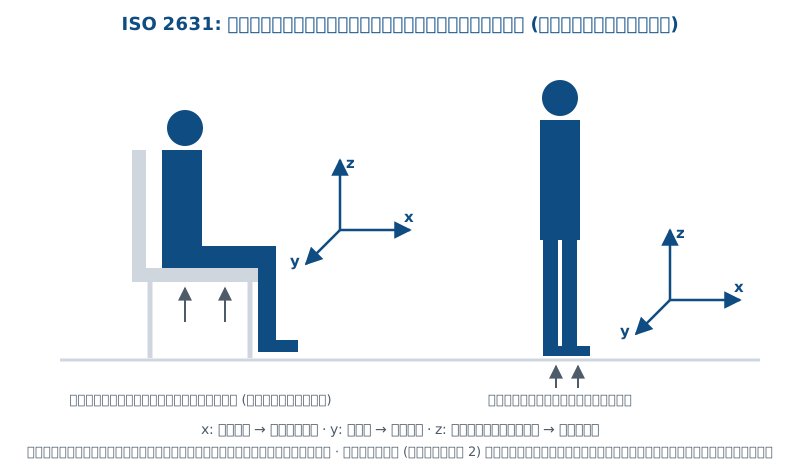
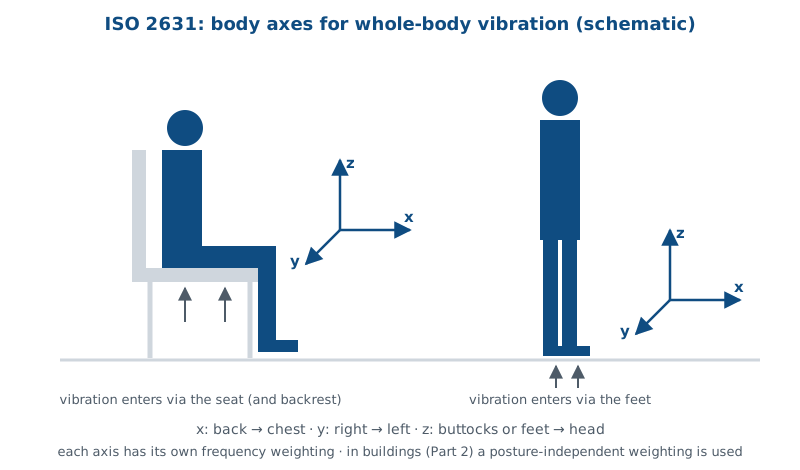
แนวคิดและปริมาณสำคัญKey concepts and quantities
- การถ่วงน้ำหนักความถี่Frequency weighting
- ร่างกายไวต่อการสั่นแต่ละความถี่ไม่เท่ากัน และไวต่างกันในแนวตั้งกับแนวนอน มาตรฐานจึงกำหนดตัวกรองถ่วงน้ำหนักหลายแบบตามแกนและการใช้งาน (เช่น แบบสำหรับแนวตั้งของคนนั่ง แบบสำหรับแนวนอน และแบบสำหรับอาคารในส่วนที่ 2) หลักคิดคล้ายการถ่วงน้ำหนัก A สำหรับเสียงThe body is not equally sensitive to every frequency, and differs between vertical and horizontal directions. The standard therefore defines several weighting filters by axis and application (e.g. for vertical seated vibration, for horizontal vibration, and a building weighting in Part 2). The idea is similar to A-weighting for sound.
- ความเร่ง RMS ถ่วงน้ำหนัก (aw)Weighted RMS acceleration (aw)
- ค่าเฉลี่ยกำลังสองของความเร่งหลังถ่วงน้ำหนักความถี่ หน่วย m/s² เป็นค่าพื้นฐานที่ใช้ประเมิน วัดแยกในสามแกน (x, y, z)The root-mean-square of the frequency-weighted acceleration, in m/s²; the basic evaluation value, measured separately in three axes (x, y, z).
- Running RMS และ MTVVRunning RMS and MTVV
- เมื่อการสั่นมีช่วงกระชากเป็นครั้งคราว ค่าเฉลี่ยทั้งช่วงอาจต่ำเกินจริง จึงใช้ค่า RMS แบบเลื่อนช่วงเวลาสั้น และค่าสูงสุดของค่านั้น (maximum transient vibration value)When vibration contains occasional jolts, an overall average can understate it, so a short moving-window RMS and its maximum (maximum transient vibration value) are used.
- VDV — Vibration Dose ValueVDV — vibration dose value
- ค่าสะสมที่ให้น้ำหนักกับช่วงสั่นแรงมากกว่าค่า RMS จึงไวต่อแรงกระแทกมากกว่า ใช้เมื่อการสั่นมีแรงกระแทกหรือยอดสูง (crest factor สูง)A cumulative value that weights strong episodes more heavily than RMS, making it more sensitive to shocks; used when vibration has shocks or high peaks (high crest factor).
- Crest factor
- อัตราส่วนระหว่างค่ายอดกับค่า RMS ใช้ตัดสินว่าค่า RMS พื้นฐานเพียงพอหรือควรใช้วิธีเสริมThe ratio of peak to RMS, used to decide whether the basic RMS method is sufficient or additional methods should be used.
ISO 2631 ประเมินผลต่อ คน ไม่ได้ประเมินความเสียหายของอาคาร การประเมินความเสียหายของโครงสร้างใช้มาตรฐานอื่น เช่น DIN 4150-3 ซึ่งมักใช้ความเร็วอนุภาค (mm/s) แทนความเร่งถ่วงน้ำหนักISO 2631 evaluates effects on people, not damage to buildings. Structural damage is assessed with other standards such as DIN 4150-3, which usually use particle velocity (mm/s) instead of weighted acceleration.
ใครใช้ และใช้เมื่อไรWho uses it and when
- ผู้ประเมินการสั่นสะเทือนในอาคารจากรถไฟ รถไฟฟ้า ถนน เครื่องจักร หรืองานก่อสร้าง เมื่อมีเรื่องร้องเรียนหรือในการศึกษาผลกระทบAssessors of building vibration from railways, metro lines, roads, machinery or construction, for complaints or impact studies.
- ผู้ออกแบบยานพาหนะ เบาะนั่ง และห้องโดยสาร เพื่อความสบายของผู้ขับขี่และผู้โดยสารDesigners of vehicles, seats and cabs, for driver and passenger comfort.
- เจ้าหน้าที่ความปลอดภัยในการทำงาน ที่ประเมินการสัมผัสการสั่นสะเทือนทั้งตัวของผู้ขับเครื่องจักรหนัก (ร่วมกับกฎหมายของแต่ละประเทศ)Occupational safety staff assessing whole-body vibration exposure of heavy-machine operators (together with national regulations).
การวัดโดยทั่วไปทำอย่างไรHow measurements are typically done
- กำหนดจุดที่การสั่นเข้าสู่ร่างกาย เช่น พื้นห้องตรงจุดที่คนอยู่ หรือเบาะนั่ง และกำหนดแกน x, y, z ตามมาตรฐานIdentify where vibration enters the body, such as the floor where people are, or the seat, and set up the x, y, z axes as defined by the standard.
- ติดตั้ง accelerometer ให้แน่นกับพื้นผิว (ในอาคารมักวางบนพื้นกลางห้องซึ่งสั่นมากกว่าริมผนัง) หรือใช้แผ่นวัดบนเบาะสำหรับการนั่งMount accelerometers firmly to the surface (in buildings often on the floor mid-span, which vibrates more than near walls), or use a seat pad for seated measurements.
- บันทึกในช่วงเวลาที่เป็นตัวแทนของเหตุการณ์ เช่น ครอบคลุมขบวนรถไฟหลายขบวน หรือช่วงงานก่อสร้างที่สั่นมากที่สุดRecord over periods that represent the events, e.g. several train pass-bys or the most intense construction activity.
- ใช้ตัวกรองถ่วงน้ำหนักที่เหมาะสม คำนวณค่า RMS ถ่วงน้ำหนัก และค่าเสริม (running RMS หรือ VDV) เมื่อมีแรงกระแทกApply the appropriate weightings and calculate the weighted RMS, plus the additional values (running RMS or VDV) when shocks are present.
- เทียบผลกับเกณฑ์ที่ใช้ในประเทศหรือโครงการนั้น เพราะเกณฑ์ความพอใจหรือความรำคาญในอาคารแตกต่างกันไปตามประเทศCompare with the criteria that apply in that country or project, since acceptability criteria for buildings differ between countries.
การใช้งานจริง: มาตรฐานนี้มีความหมายอย่างไรต่องานวัดPractical use: what this means for a measurement job
งานวัดการสั่นสะเทือนที่มีผลต่อคนในอาคารมักเริ่มจากเรื่องร้องเรียน การเตรียมงานที่ดีช่วยให้ได้ข้อมูลที่ตอบคำถามว่า "รู้สึกแรงแค่ไหน เมื่อไร และจากอะไร"Human vibration work in buildings usually starts with a complaint; good preparation gives data that answers "how strongly is it felt, when, and from what?".
- คุยกับผู้ร้องเรียน: รู้สึกเวลาใด ในห้องใด และในท่าใด (นอน นั่ง ยืน) ข้อมูลนี้ช่วยเลือกตำแหน่งและช่วงเวลาวัดTalk to the complainant: when, in which room and in which posture (lying, sitting, standing); this helps choose positions and times.
- ตำแหน่งบนพื้น: กลางช่วงพื้นมักสั่นมากกว่าใกล้ผนัง อย่าวางเซนเซอร์บนพรมนุ่มหรือแผ่นพื้นที่วางลอยไม่แนบFloor position: mid-span usually vibrates more than near walls; do not place the sensor on soft carpet or loose floor panels.
- สามแกนและเวลาอ้างอิง: บันทึกทั้งสามแกนพร้อมเวลาจริง เพื่อเทียบกับตารางเดินรถไฟหรือบันทึกงานก่อสร้างThree axes and time stamps: record all three axes with real time, to match against train timetables or construction logs.
- เลือกค่าให้ตรงกับเหตุการณ์: การสั่นต่อเนื่องใช้ค่า RMS ถ่วงน้ำหนัก เหตุการณ์กระแทกเป็นระยะควรดู running RMS, MTVV หรือ VDV ประกอบMatch the value to the event: continuous vibration uses weighted RMS; intermittent shocks call for running RMS, MTVV or VDV as well.
- แยกเรื่องคนกับโครงสร้าง: ถ้าผู้ว่าจ้างกังวลเรื่องรอยร้าวด้วย ให้วางแผนประเมินตาม DIN 4150-3 หรือมาตรฐานด้านโครงสร้างที่เกี่ยวข้องแยกต่างหากSeparate people and structures: if the client also worries about cracks, plan a separate assessment to DIN 4150-3 or the relevant structural standard.
ผู้อยู่อาศัยในคอนโดใกล้แนวรถไฟฟ้ายกระดับรู้สึกพื้นสั่นเวลารถไฟผ่านตอนกลางคืน ทีมวัดติดตั้ง accelerometer สามแกนกลางพื้นห้องนอน บันทึกต่อเนื่องหลายคืน แยกเหตุการณ์รถไฟผ่านตามเวลา แล้วคำนวณค่าถ่วงน้ำหนักตาม ISO 2631 ของแต่ละเหตุการณ์ ผลนำไปเทียบกับเกณฑ์ที่ผู้ว่าจ้างและผู้เชี่ยวชาญตกลงกันCondo residents near an elevated rail line feel the floor shake as trains pass at night. The team mounts a three-axis accelerometer mid-floor in a bedroom, logs for several nights, separates train pass-bys by time, and calculates ISO 2631 weighted values per event. The results are compared with criteria agreed between the client and the specialists.
มาตรฐานที่เกี่ยวข้องและความเชื่อมโยงRelated standards and how they connect
- ISO 8041-1 ข้อกำหนดของเครื่องวัดการสั่นสะเทือนที่มีผลต่อคน (human vibration meter) รวมถึงตัวกรองถ่วงน้ำหนักISO 8041-1 specifies human-vibration measuring instruments, including the weighting filters.
- ISO 5349 การสั่นสะเทือนที่มือและแขน ซึ่งไม่อยู่ในขอบเขตของ ISO 2631ISO 5349 covers hand-arm vibration, outside the scope of ISO 2631.
- DIN 4150-2 และ BS 6472-1 เป็นมาตรฐานระดับประเทศสำหรับประเมินการสั่นสะเทือนที่มีผลต่อคนในอาคาร ใช้ปริมาณและเกณฑ์ของตัวเองDIN 4150-2 and BS 6472-1 are national standards for vibration affecting people in buildings, with their own quantities and criteria.
- DIN 4150-3 ประเมินผลต่อโครงสร้างอาคาร ไม่ใช่ต่อคนDIN 4150-3 evaluates effects on building structures, not on people.
ความเข้าใจผิดที่พบบ่อยCommon misunderstandings
- อ้าง ISO 2631 โดยไม่ระบุส่วนก็พอ — ส่วนที่ 1 และส่วนที่ 2 ใช้การถ่วงน้ำหนักต่างกันสำหรับบางกรณี ควรระบุส่วนและฉบับที่ใช้ในรายงานCiting ISO 2631 without a part is enough. Parts 1 and 2 use different weightings for some cases; state the part and edition in the report.
- ส่วนที่ 2 ยังมีเส้นเกณฑ์สำหรับตัดสินเหมือนฉบับเก่า — ฉบับปี 1989 เคยมีเส้นโค้งพื้นฐาน (base curves) แต่ฉบับ 2003 ไม่ได้ให้ค่าเกณฑ์ไว้ในตัวมาตรฐาน การอ้างเส้นโค้งจากฉบับ 1989 จึงเป็นการอ้างมาตรฐานรุ่นเก่า ฉบับ 2026 ก็ไม่ได้กำหนดค่าที่ยอมรับได้เช่นกัน เส้นในภาคผนวก C ใช้ประมาณความรำคาญ ไม่ใช่ค่าเกณฑ์Part 2 still gives acceptance curves like the old edition. The 1989 edition had base curves, but the 2003 edition does not give criteria in the standard itself; quoting the 1989 curves is a legacy reference. The 2026 edition also states no acceptable magnitudes; its Annex C curves estimate annoyance and are not limit values.
- ค่าความเร่งถ่วงน้ำหนักเทียบกับค่า PPV ได้ตรง ๆ — คนละปริมาณ คนละหน่วย และคนละวัตถุประสงค์Weighted acceleration can be compared directly with PPV. They are different quantities, units and purposes.
- วัดแกนตั้งแกนเดียวพอ — ในอาคารสูงหรือพื้นเบา การสั่นแนวนอนอาจสำคัญ ควรวัดสามแกนMeasuring the vertical axis alone is enough. In tall buildings or lightweight floors, horizontal vibration can matter; measure all three axes.
เกี่ยวข้องกับเครื่องมือวัดอย่างไรHow this relates to instruments
ข้อกำหนดทั่วไป: ต้องใช้ accelerometer ที่ไวพอสำหรับการสั่นระดับต่ำในอาคาร ติดตั้งได้แน่นในสามแกน และเครื่องวิเคราะห์ที่มีตัวกรองถ่วงน้ำหนักตามมาตรฐาน (ข้อกำหนดเครื่องมืออยู่ใน ISO 8041-1) พร้อมคำนวณ RMS, running RMS และ VDV ได้ ควรตรวจสอบเครื่องมือกับเครื่องสอบเทียบการสั่นสะเทือนก่อนวัดGeneral requirements: accelerometers sensitive enough for low building vibration levels, mounted firmly in three axes, and an analyzer with the standard weighting filters (instrument requirements are in ISO 8041-1) that can calculate RMS, running RMS and VDV. Check the chain with a vibration calibrator before measuring.
ข้อมูลจาก NTi Audio (ตามที่ NTi ระบุ): หน้า Vibration Monitoring ของ NTi Audio กล่าวถึง ISO 2631 สำหรับความเร่งถ่วงน้ำหนักความถี่ในการประเมินความสบายของผู้อยู่อาศัย และระบุ XL2 Vibration Meter และ GSS 5GV สำหรับงานเฝ้าระวังการสั่นสะเทือน หน้าดังกล่าวไม่ได้ระบุส่วนหรือฉบับของ ISO 2631 ควรตรวจกับผู้ผลิตว่าเครื่องรองรับการถ่วงน้ำหนักตามส่วนและฉบับที่โครงการต้องการFrom NTi Audio (as stated by NTi): NTi Audio's Vibration Monitoring page mentions ISO 2631 for frequency-weighted acceleration in occupant comfort assessment, and names the XL2 Vibration Meter and GSS 5GV for vibration monitoring. The page does not state the part or edition of ISO 2631; check with the manufacturer that the weighting required by your part and edition is supported.
คำถามที่พบบ่อยFrequently asked questions
ใช้แอปวัดการสั่นในโทรศัพท์ได้ไหมCan a phone app measure this?
เซนเซอร์ในโทรศัพท์ไม่ได้ออกแบบมาเพื่อวัดการสั่นระดับต่ำในอาคารอย่างแม่นยำ และมักไม่มีฟิลเตอร์ถ่วงน้ำหนักตามมาตรฐาน อาจช่วยบันทึกเวลาที่เกิดเหตุการณ์ได้ แต่ไม่ใช่ผลวัดตาม ISO 2631Phone sensors are not designed to measure low building vibration accurately and usually lack the standard weighting filters. An app may help log when events happen, but it is not an ISO 2631 measurement.
ISO 2631 กับ ISO 5349 ต่างกันอย่างไรHow do ISO 2631 and ISO 5349 differ?
ISO 2631 ใช้กับการสั่นที่เข้าสู่ร่างกายทั้งตัวผ่านที่นั่ง พื้น หรือที่นอน ISO 5349 ใช้กับการสั่นที่มือและแขนจากเครื่องมือ เช่น สว่านหรือเครื่องเจียร ทั้งสองใช้ฟิลเตอร์ถ่วงน้ำหนักและเกณฑ์ต่างกันISO 2631 covers vibration entering the whole body through a seat, floor or bed; ISO 5349 covers hand-arm vibration from tools such as drills or grinders. They use different weightings and criteria.
ต้องวัดนานเท่าไรHow long should I measure?
ให้นานพอจะเก็บเหตุการณ์ที่เป็นตัวแทน เช่น รถไฟผ่านหลายขบวนในช่วงเวลาที่ร้องเรียน หรือช่วงงานก่อสร้างที่หนักที่สุด ค่า VDV ขึ้นกับระยะเวลา จึงต้องระบุช่วงเวลาประเมินให้ชัดLong enough to capture representative events, such as many train pass-bys in the complaint period or the heaviest construction phase. VDV depends on duration, so the assessment period must be stated.