โจทย์การวัดThe measurement task
ห้องประชุม ห้องเรียน ห้องพักโรงแรม โรงพยาบาล สตูดิโอ หรือโรงภาพยนตร์ มักมีข้อกำหนดเสียงพื้นหลังเป็นค่า NC เช่น ระบบปรับอากาศต้องไม่ทำให้ห้องเกินค่า NC ที่กำหนด งานวัดค่า NC จึงมักเกิดขึ้นตอนตรวจรับงานระบบ ตอนมีคนร้องเรียนว่าห้องมีเสียงหึ่ง หรือก่อนและหลังการปรับปรุงเพื่อดูว่าแก้ได้ผลหรือไม่Meeting rooms, classrooms, hotel rooms, hospitals, studios and cinemas often have a background-noise requirement stated as an NC value, for example that the air-conditioning must not make the room exceed a given NC. NC measurements therefore usually happen at system acceptance, when people complain of a hum in the room, or before and after a fix to see whether it worked.
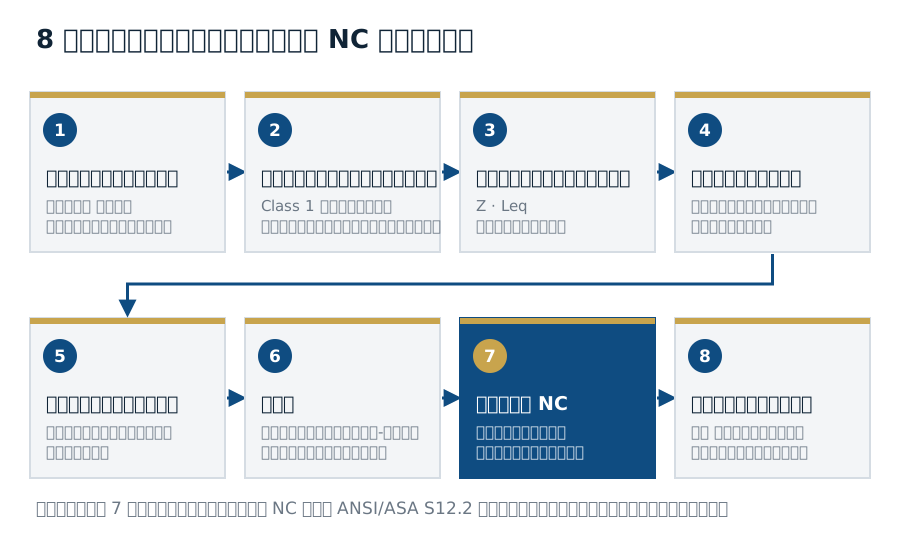
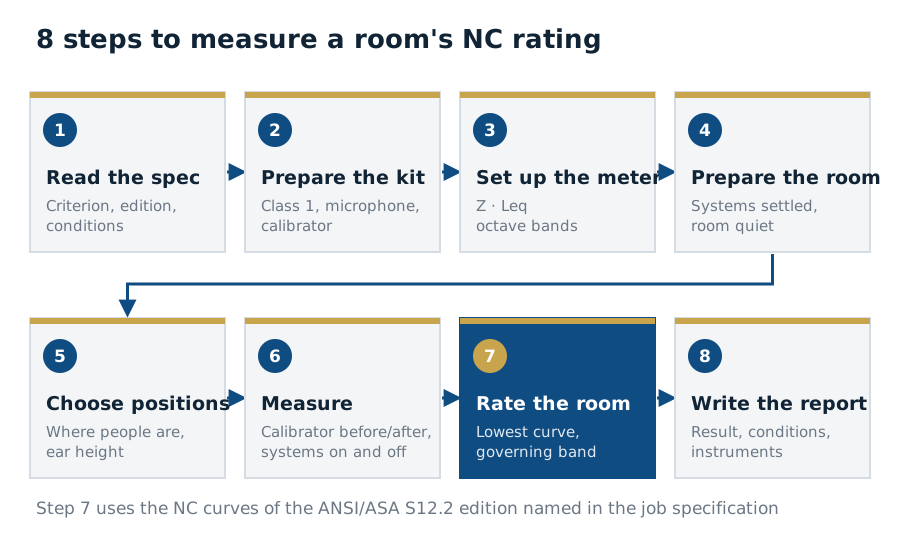
- สิ่งที่ต้องได้: ค่า NC ของห้อง ย่านความถี่ที่เป็นตัวกำหนดค่า และสเปกตรัมย่านออกเตฟที่ใช้คำนวณWhat you need to deliver: the room's NC value, the band that sets it, and the octave-band spectrum it was calculated from.
- สิ่งที่ต้องรู้ก่อนวัด: เกณฑ์และฉบับของมาตรฐานที่ข้อกำหนดอ้าง สภาพการทำงานของระบบ ตำแหน่งวัด และวิธีวัดที่ยอมรับWhat you must know before measuring: the criterion and the edition of the standard the specification cites, the operating condition of the systems, the positions and the accepted measurement method.
- สิ่งที่ไม่ใช่งานนี้: เสียงจากคนในห้อง เช่น เสียงพูดคุย และเสียงสั้น ๆ ที่เกิดเป็นครั้งคราว ไม่ใช่เสียงพื้นหลังที่ค่า NC ใช้ประเมินWhat this is not: noise from the occupants, such as talking, and short occasional sounds are not the background noise that NC assesses.
ถ้ายังไม่คุ้นกับเส้นโค้ง NC และ NR ให้อ่านบทความ "เกณฑ์เสียงรบกวนในอาคาร: NC และ NR" ก่อน หน้านี้เน้นขั้นตอนการวัดในห้องจริงIf NC and NR curves are new to you, read "Indoor noise criteria: NC and NR curves" first. This page focuses on the measurement procedure in a real room.
มาตรฐานที่ใช้ในงานนี้Standards used in this work
| มาตรฐานStandard | ใช้ทำอะไรWhat it is for |
|---|---|
| ANSI/ASA S12.2 (Criteria for Evaluating Room Noise)ANSI/ASA S12.2 (Criteria for Evaluating Room Noise) | ใช้ทำอะไรWhat it is forเส้นโค้ง NC และวิธีหาค่า รวมถึง RNC สำหรับเสียงความถี่ต่ำที่ผันผวน ข้อกำหนดของงานควรระบุฉบับ (ปี) ที่ใช้ เพราะแต่ละฉบับมีเส้นโค้งและวิธีต่างกันThe NC curves and how to rate a room, plus RNC for fluctuating low-frequency noise. The job specification should name the edition (year), because editions differ in curves and method. |
| ANSI/ASA S12.72 (Procedure for Measuring the Ambient Noise Level in a Room)ANSI/ASA S12.72 (Procedure for Measuring the Ambient Noise Level in a Room) | ใช้ทำอะไรWhat it is forวิธีวัดเสียงพื้นหลังในห้อง มีวิธีสำรวจ (survey) สำหรับประเมินอย่างรวดเร็ว และวิธีวิศวกรรม (engineering) ที่ละเอียดกว่า ใช้ได้ทั้งไมโครโฟนตั้งอยู่กับที่และไมโครโฟนเคลื่อนที่How to measure the ambient noise in a room: a survey method for a quick evaluation and a more precise engineering method, with fixed or moving microphones. |
| IEC 61672-1 และ IEC 61260-1IEC 61672-1 and IEC 61260-1 | ใช้ทำอะไรWhat it is forสมรรถนะของเครื่องวัดระดับเสียง และของตัวกรองย่านออกเตฟPerformance of the sound level meter and of the octave-band filters. |
ตาม ANSI/ASA S12.72 การวัดทำได้ทั้งที่จุดที่กำหนด ในบริเวณที่กำหนด หรือเพื่อหาค่าเฉลี่ยเชิงพื้นที่ของทั้งห้อง มาตรฐานนี้ไม่ครอบคลุมเสียงจากคนในห้อง และเสียงชั่วครู่ที่สั้นกว่า 10 วินาที ผลที่รายงานต้องระบุว่าได้จากวิธีสำรวจหรือวิธีวิศวกรรม และเพราะเสียงพื้นหลังเปลี่ยนตามเวลา การวัดห้องเดียวกันต่างเวลากันจึงไม่จำเป็นต้องได้ผลเท่ากันUnder ANSI/ASA S12.72, measurements may be made at a specified point, in a defined region, or to represent the space-average level of the whole room. The standard excludes noise from occupants and transient sounds shorter than 10 seconds. Reported data must say whether they come from the survey or the engineering method, and because ambient noise changes with time, measurements of the same room at different times need not give the same result.
หน้านี้สรุปขั้นตอนเชิงปฏิบัติ ไม่ได้แทนตัวมาตรฐาน รายละเอียดเช่น จำนวนตำแหน่ง ระยะห่าง และเวลาวัดขั้นต่ำ ให้ใช้ตามมาตรฐานฉบับที่ข้อกำหนดของงานอ้างถึงThis page summarises the practical procedure and does not replace the standards. For details such as the number of positions, distances and minimum durations, follow the edition the job specification refers to.
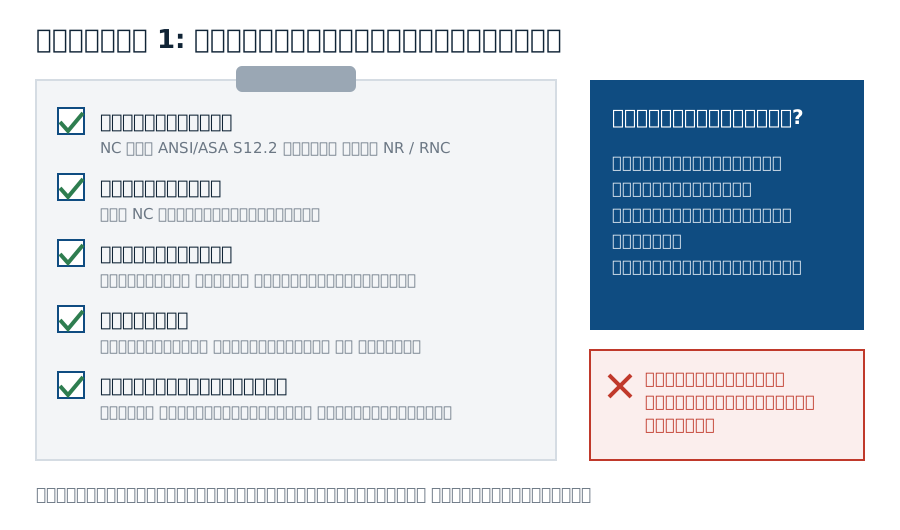
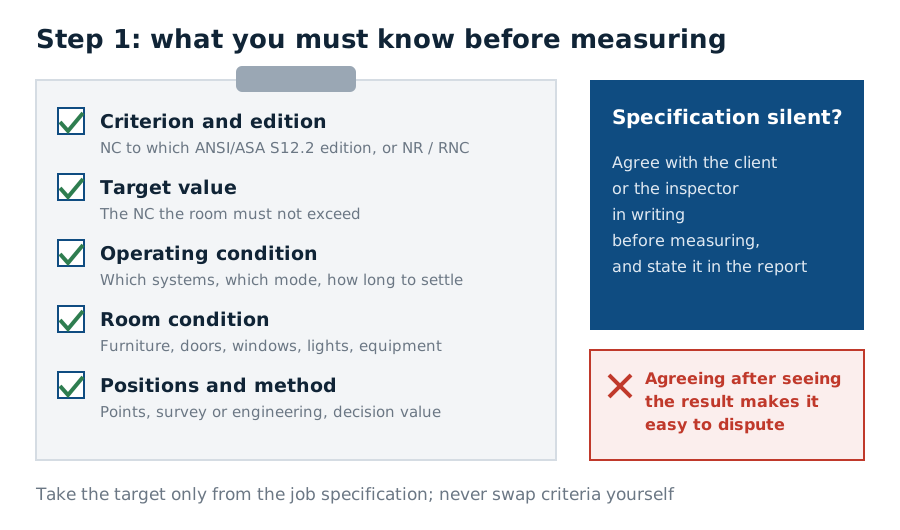
ขั้นที่ 1: อ่านข้อกำหนดและตกลงเงื่อนไขก่อนวัดStep 1: read the specification and agree the conditions
- เกณฑ์และฉบับ: NC ตาม ANSI/ASA S12.2 ฉบับใด หรือเป็นเกณฑ์อื่น เช่น NR หรือ RNC ห้ามสลับเกณฑ์เอง เพราะห้องเดียวกันได้ค่าไม่เท่ากันCriterion and edition: NC to which edition of ANSI/ASA S12.2, or another criterion such as NR or RNC. Never swap criteria yourself; the same room gives different values.
- ค่าเป้าหมาย: ค่า NC ที่ห้องต้องไม่เกิน ใช้ตามข้อกำหนดของงานเท่านั้นTarget value: the NC the room must not exceed, taken only from the job specification.
- สภาพการทำงาน: ระบบใดเปิด ความเร็วพัดลมหรือโหมดใด ทำงานกี่เครื่อง และต้องรอให้ระบบเข้าสู่สภาพคงที่นานเท่าใดOperating condition: which systems run, at which fan speed or mode, how many units, and how long the systems must settle first.
- สภาพห้อง: ห้องว่างหรือมีเฟอร์นิเจอร์ ประตูหน้าต่างปิดหรือเปิด ไฟและอุปกรณ์อื่นเปิดหรือปิดRoom condition: empty or furnished, doors and windows open or closed, lights and other equipment on or off.
- ตำแหน่งและวิธีวัด: จุดที่กำหนด บริเวณที่คนใช้งาน หรือค่าเฉลี่ยทั้งห้อง วิธีสำรวจหรือวิธีวิศวกรรม และจะตัดสินจากค่าแต่ละตำแหน่งหรือค่าเฉลี่ยPositions and method: specified points, the occupied area or a room average; survey or engineering method; and whether the decision uses each position or the average.
ถ้าข้อกำหนดไม่ระบุเรื่องใด ให้ตกลงกับผู้ว่าจ้างหรือผู้ตรวจรับเป็นลายลักษณ์อักษรก่อนวัด และเขียนไว้ในรายงาน การตกลงหลังเห็นผลทำให้ผลถูกโต้แย้งได้ง่ายIf the specification leaves any of these open, agree it in writing with the client or the inspector before measuring, and state it in the report. Agreeing after seeing the result makes the result easy to dispute.
ขั้นที่ 2: เตรียมเครื่องมือStep 2: prepare the equipment
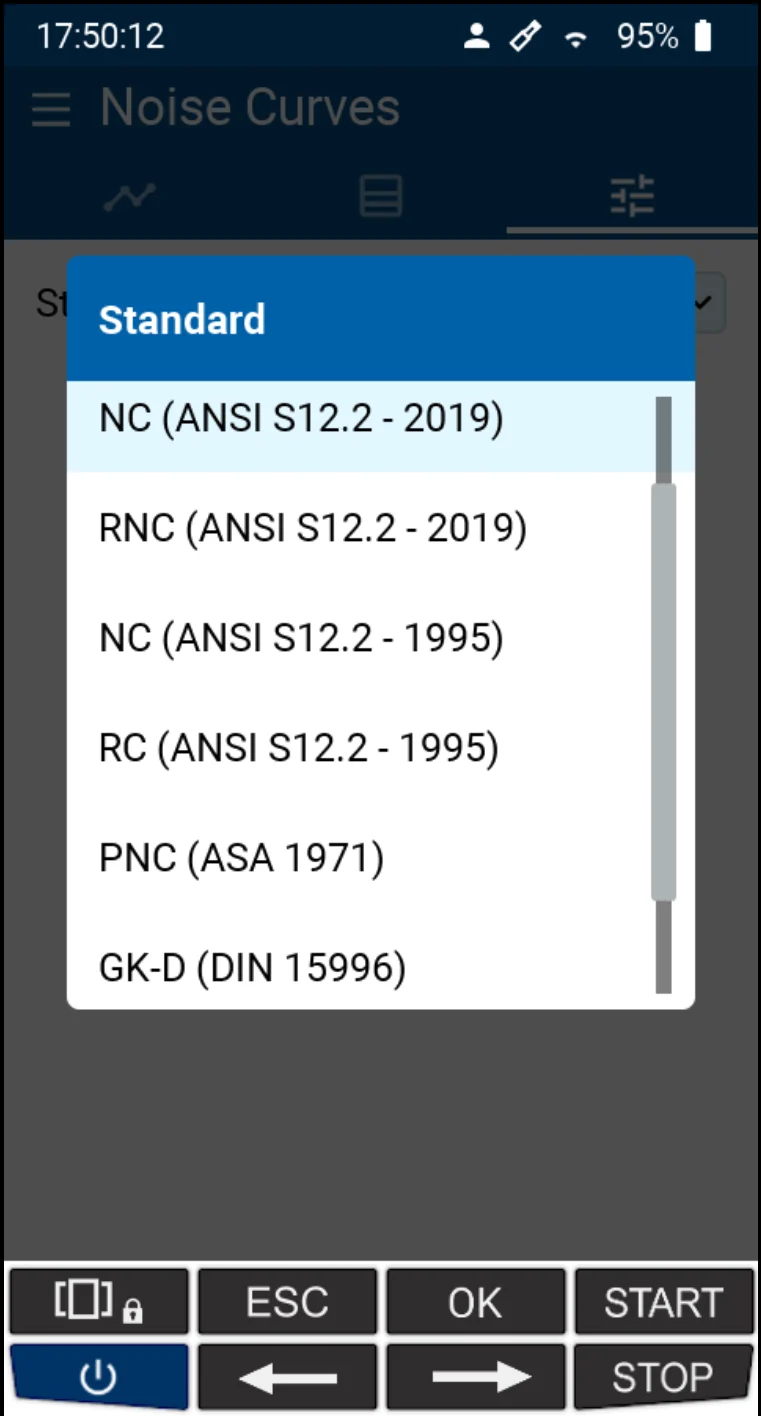
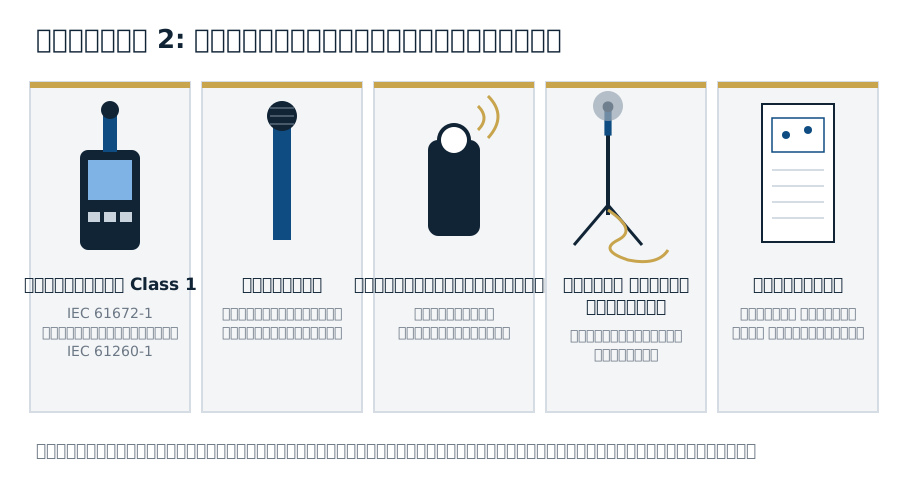
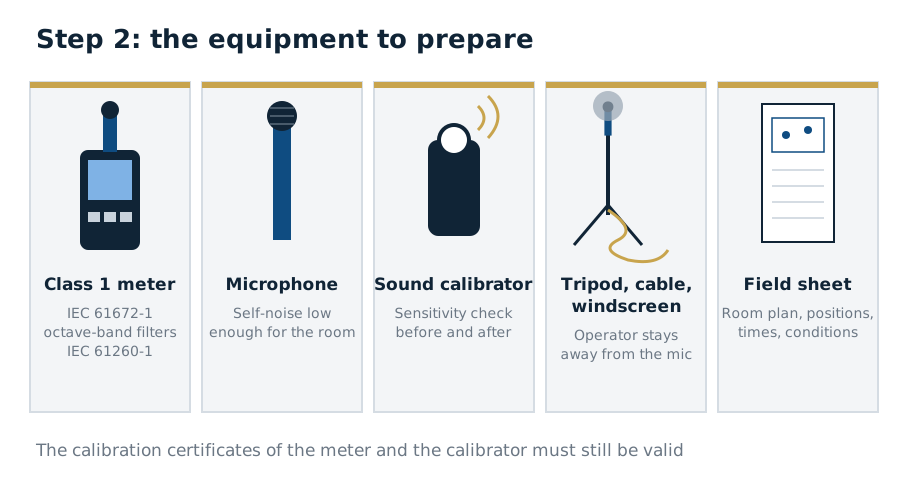
- เครื่องวัดระดับเสียง Class 1 ตาม IEC 61672-1 ที่มี ตัวกรองย่านออกเตฟ ตาม IEC 61260-1 และวัดได้ครบทุกย่านที่วิธีประเมินใช้ เส้นโค้ง NC ใน ANSI/ASA S12.2-2019 ครอบคลุมย่านออกเตฟ 16 Hz ถึง 8 kHzA Class 1 sound level meter to IEC 61672-1 with octave-band filters to IEC 61260-1, covering every band the method uses. The NC curves of ANSI/ASA S12.2-2019 cover the octave bands from 16 Hz to 8 kHz.
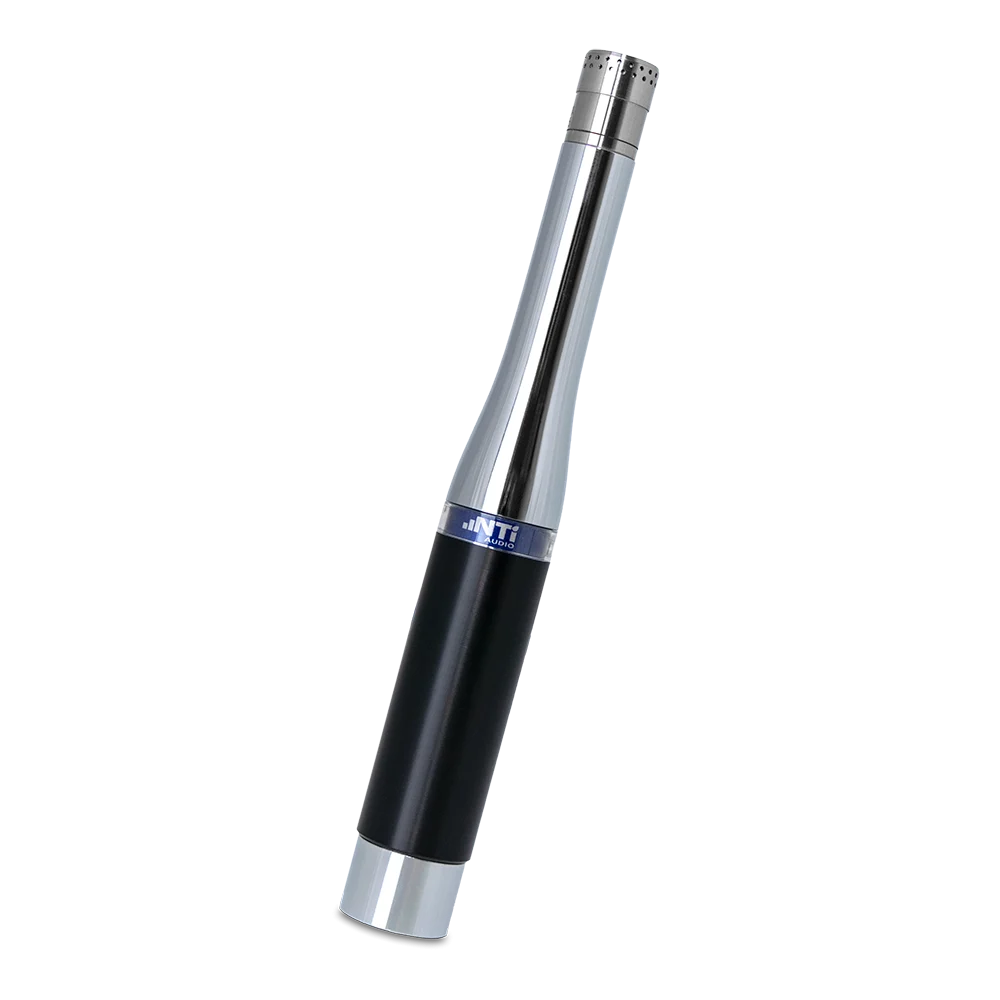
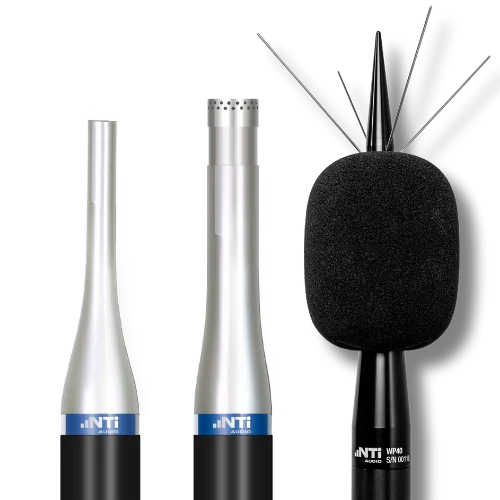
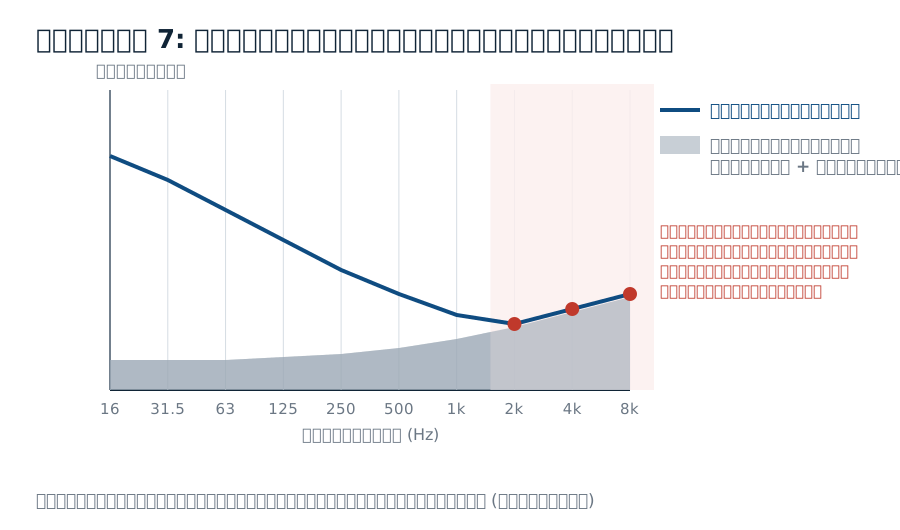
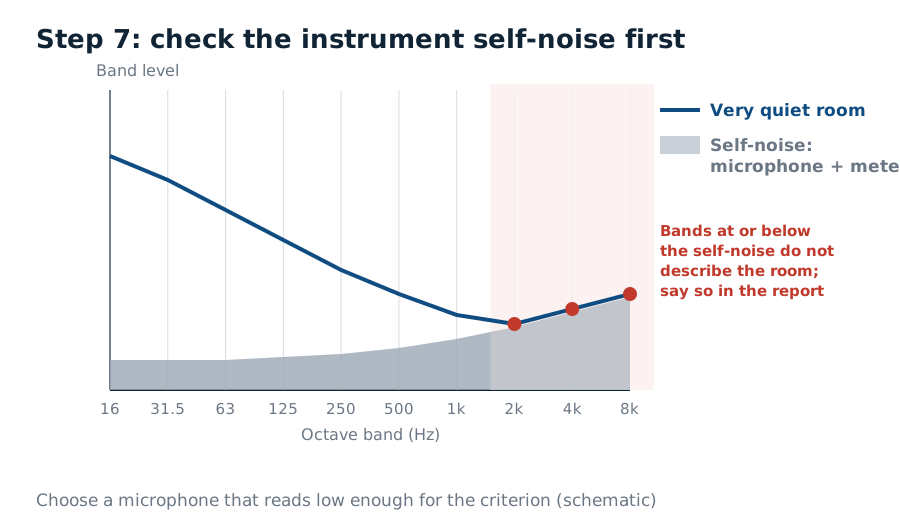
- ไมโครโฟนที่เสียงรบกวนในตัวต่ำพอ: ห้องที่เงียบมากอาจเงียบกว่าเสียงรบกวนในตัวของไมโครโฟนในบางย่าน ผลที่อ่านได้จะเป็นเสียงของเครื่องเอง ไม่ใช่ของห้อง ให้ตรวจค่าต่ำสุดที่ไมโครโฟนรุ่นนั้นวัดได้ก่อนรับงานห้องที่มีเกณฑ์ต่ำA microphone with low enough self-noise: a very quiet room can be quieter than the microphone's own noise in some bands, so the reading shows the instrument, not the room. Check the lowest rating the microphone can measure before taking on a room with a low criterion.
- เครื่องสอบเทียบเสียง (calibrator) สำหรับตรวจความไวของเครื่องก่อนและหลังการวัด และใบรับรองการสอบเทียบที่ยังไม่หมดอายุA sound calibrator to check the meter's sensitivity before and after the measurement, and calibration certificates that are still valid.
- ขาตั้ง สายต่อไมโครโฟน และกระบังลม สายต่อช่วยให้ผู้วัดอยู่ห่างจากไมโครโฟน ไม่ให้ตัวผู้วัดบังหรือสะท้อนเสียงTripod, microphone extension cable and windscreen. The cable lets the operator stay away from the microphone so their body does not shield or reflect sound.
- แบบบันทึก: ผังห้อง ตำแหน่งวัด เวลา สภาพการทำงาน และสิ่งรบกวนที่สังเกตได้Field sheet: room plan, positions, times, operating condition and any disturbances noticed.
ขั้นที่ 3: ตั้งค่าเครื่องวัดStep 3: set up the meter
| การตั้งค่าSetting | ค่าที่ใช้Value | เหตุผลWhy |
|---|---|---|
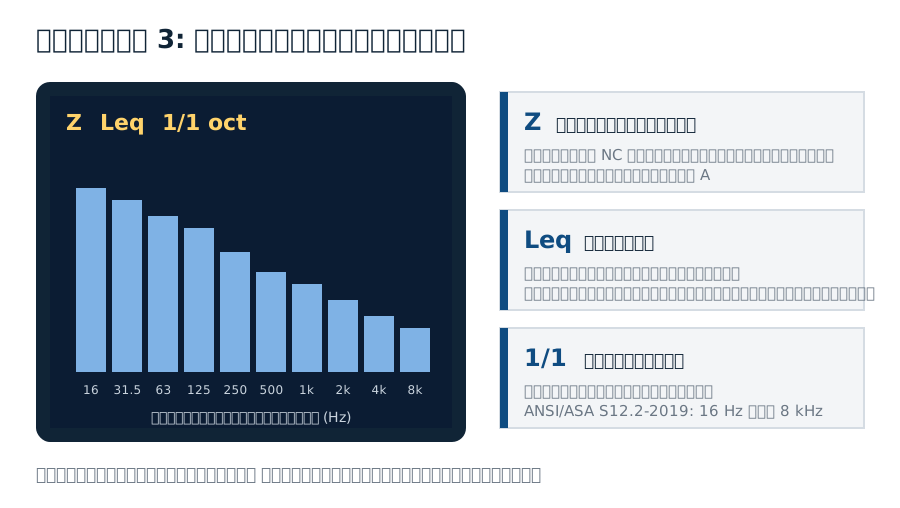
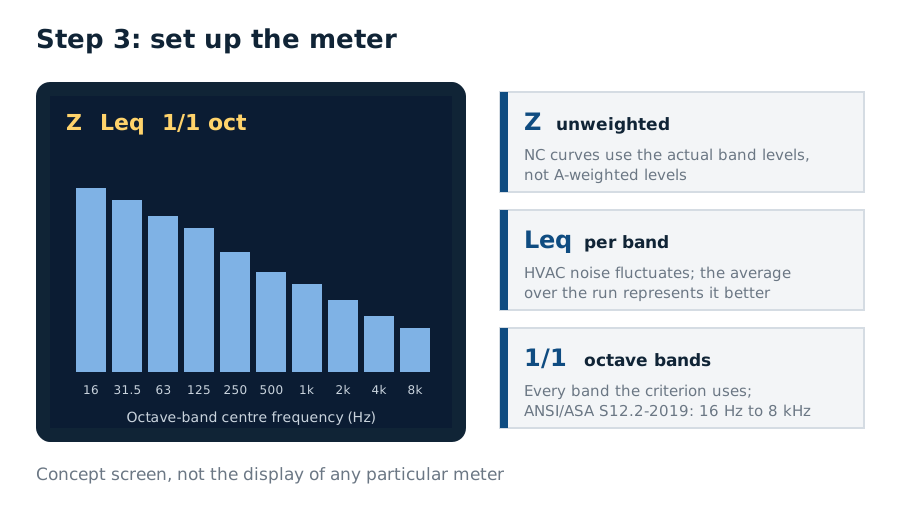
| การถ่วงความถี่Frequency weighting | ค่าที่ใช้ValueZ (ไม่ถ่วง)Z (unweighted) | เหตุผลWhyเส้นโค้ง NC ใช้กับระดับเสียงจริงในแต่ละย่าน ไม่ใช่ค่าที่ถ่วงแบบ ANC curves apply to the actual band levels, not A-weighted levels |
| ค่าที่ใช้ต่อย่านValue per band | ค่าที่ใช้ValueLeq (ระดับเฉลี่ยเชิงพลังงาน)Leq (energy-average level) | เหตุผลWhyเสียงระบบปรับอากาศผันผวน ค่าเฉลี่ยตลอดช่วงวัดเป็นตัวแทนได้ดีกว่าค่าขณะใดขณะหนึ่งHVAC noise fluctuates; the average over the run represents it better than a momentary value |
| ความละเอียดResolution | ค่าที่ใช้Valueย่านออกเตฟ (หรือ 1/3 ออกเตฟที่รวมเป็นออกเตฟ)Octave bands (or 1/3 octaves combined into octaves) | เหตุผลWhyค่า NC ประเมินจากย่านออกเตฟ ข้อมูล 1/3 ออกเตฟช่วยหาต้นเหตุได้ละเอียดขึ้นNC is rated from octave bands; 1/3-octave data helps pinpoint the cause |
| ช่วงความถี่Frequency range | ค่าที่ใช้Valueครบทุกย่านที่เกณฑ์ใช้Every band the criterion uses | เหตุผลWhyย่านความถี่ต่ำมักเป็นย่านที่กำหนดค่าในงานระบบปรับอากาศLow bands often set the rating in HVAC work |
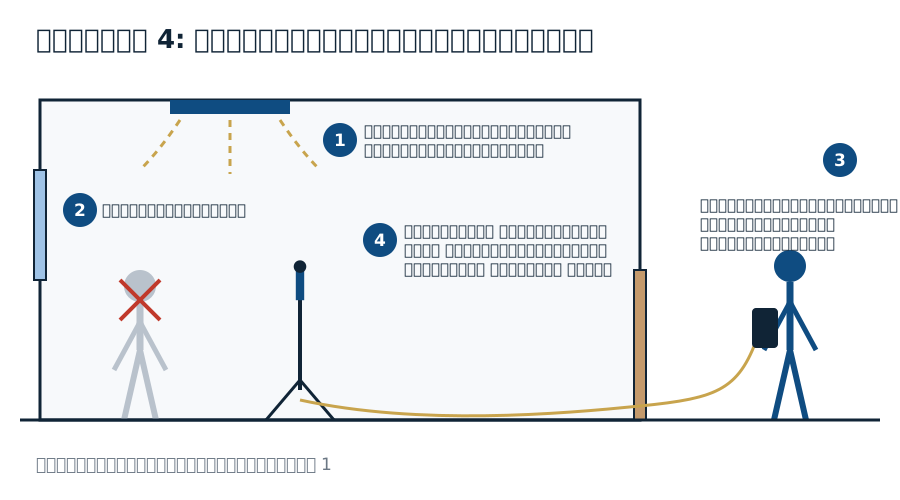
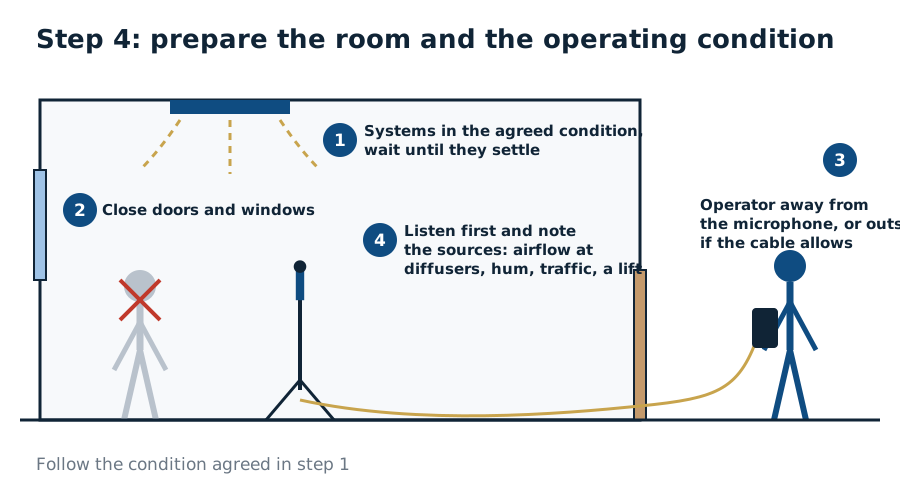
ขั้นที่ 4: เตรียมห้องและสภาพการทำงานStep 4: prepare the room and the operating condition
- ตั้งระบบอาคารให้ทำงานตามสภาพที่ตกลงไว้ แล้วรอจนระบบเข้าสู่สภาพคงที่Set the building services to the agreed condition and wait until they have settled.
- ปิดประตูหน้าต่าง หรือจัดตามที่ข้อกำหนดระบุClose doors and windows, or set them as the specification says.
- ให้คนออกจากห้อง หรือให้อยู่นิ่งและเงียบ ผู้วัดควรอยู่ห่างไมโครโฟน หรืออยู่นอกห้องถ้าใช้สายต่อได้Ask people to leave, or to stay still and quiet. The operator should keep away from the microphone, or stay outside if the cable allows.
- ฟังเสียงในห้องก่อนวัด จดแหล่งเสียงที่ได้ยิน เช่น เสียงลมที่หน้ากากจ่ายลม เสียงหึ่ง เสียงการจราจร หรือเสียงลิฟต์Listen to the room before measuring and note the sources you hear, such as airflow at diffusers, a hum, traffic or a lift.
ขั้นที่ 5: เลือกตำแหน่งไมโครโฟนStep 5: choose the microphone positions
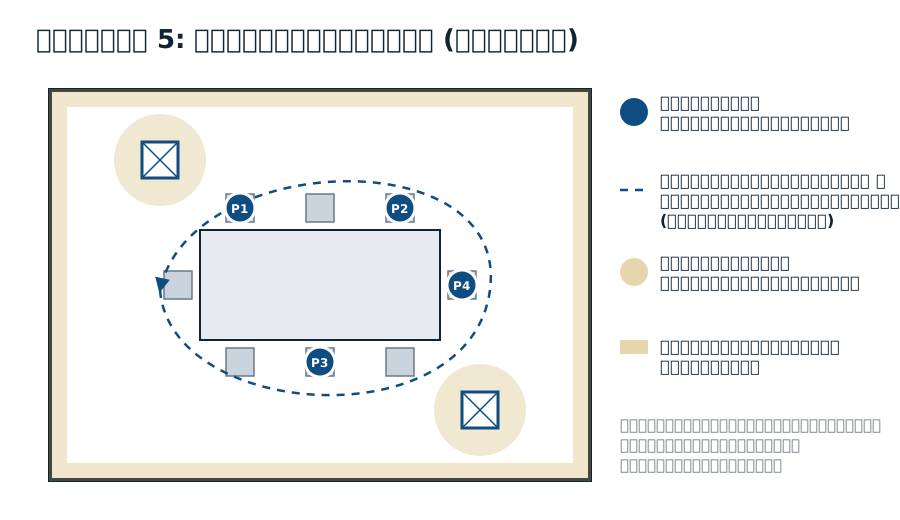
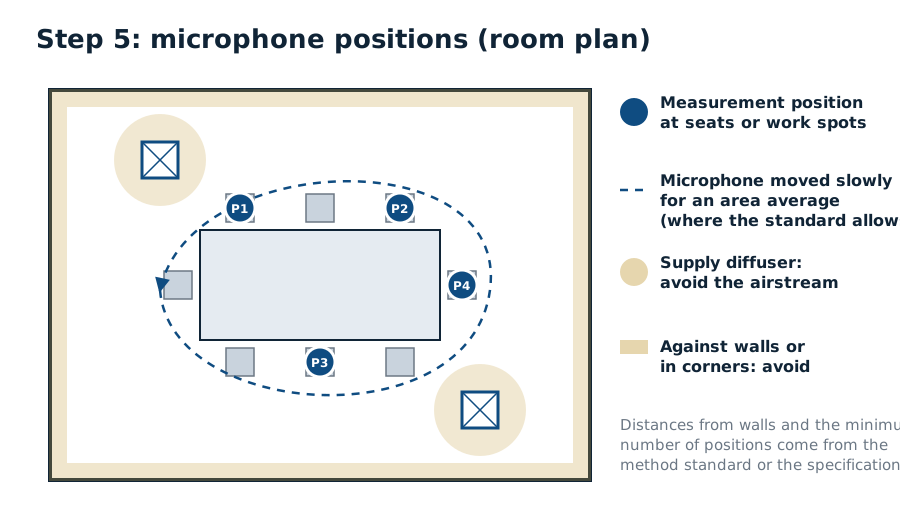
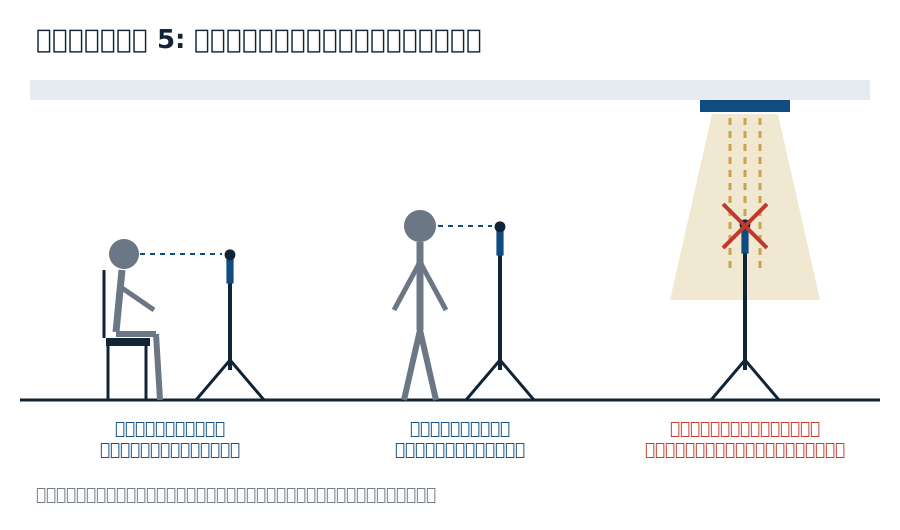
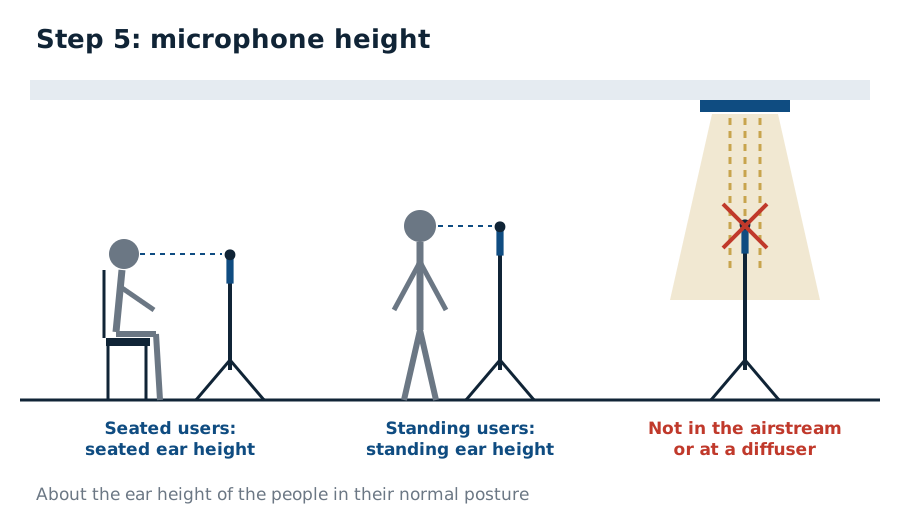
- ตำแหน่งที่คนใช้งาน: ที่นั่งหรือจุดที่คนทำงานจริง ความสูงประมาณระดับหูของคนในท่าใช้งาน (นั่งหรือยืน)Where people are: seats or work spots, at about the ear height of the people in their normal posture (seated or standing).
- หลายตำแหน่ง: เสียงในห้องไม่เท่ากันทุกจุด โดยเฉพาะย่านความถี่ต่ำ การวัดหลายจุดช่วยให้เห็นภาพทั้งห้อง และรวมจุดที่แย่ที่สุดที่คนใช้งานSeveral positions: the level is not the same everywhere, especially at low frequencies. Several positions show the whole room and include the worst occupied spot.
- หลีกเลี่ยงจุดที่ไม่เป็นตัวแทน: ชิดหน้ากากจ่ายลมหรือในกระแสลมโดยตรง ชิดผนังหรือมุมห้อง เว้นแต่ข้อกำหนดระบุจุดนั้นAvoid unrepresentative spots: right at a diffuser or directly in the airstream, against a wall or in a corner, unless the specification names that spot.
- ไมโครโฟนเคลื่อนที่: ถ้าต้องการค่าเฉลี่ยของบริเวณหรือของห้อง ใช้ไมโครโฟนเคลื่อนที่ช้า ๆ ไปทั่วบริเวณได้ ตามที่มาตรฐานวิธีวัดอนุญาตMoving microphone: for a region or room average, the microphone can be moved slowly through the area, as the measurement standard allows.
ระยะห่างจากผนังและจำนวนตำแหน่งขั้นต่ำ ให้ใช้ตามมาตรฐานวิธีวัดหรือข้อกำหนดของงาน และวาดผังตำแหน่งไว้ในรายงานทุกครั้งTake the distances from walls and the minimum number of positions from the measurement standard or the job specification, and always draw the positions on a plan in the report.
ขั้นที่ 6: วัดStep 6: measure
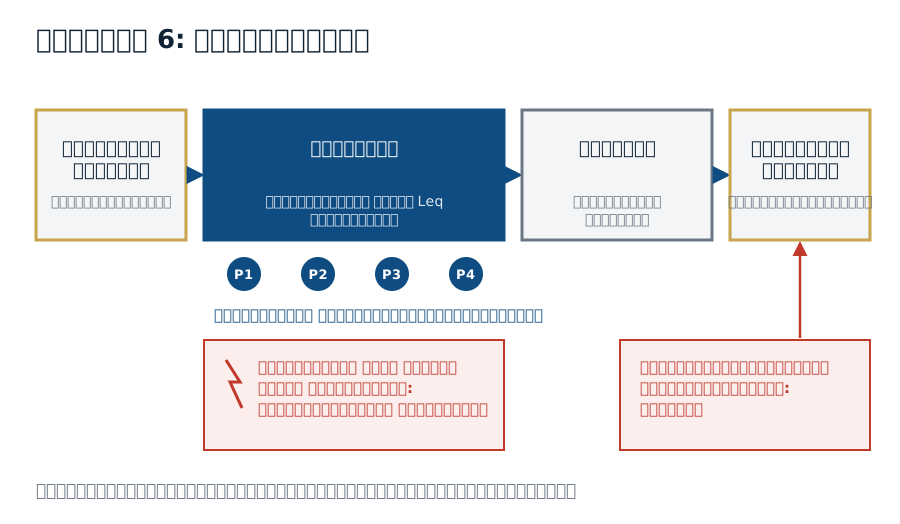
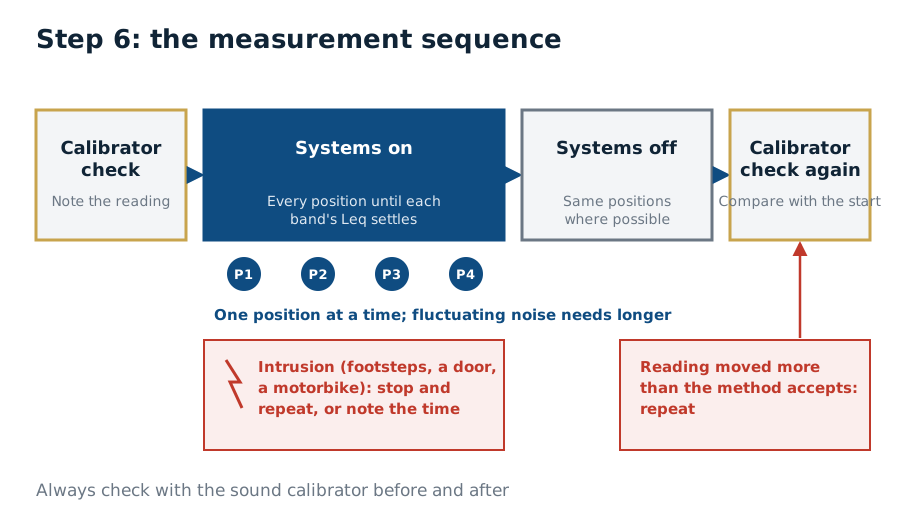
- ตรวจด้วยเครื่องสอบเทียบเสียง ก่อนเริ่มวัด และจดค่าที่อ่านได้Check with the sound calibrator before you start and note the reading.
- วัดขณะระบบทำงาน ที่แต่ละตำแหน่ง ใช้เวลาวัดนานพอให้ค่า Leq ทุกย่านนิ่ง เสียงที่ผันผวนต้องใช้เวลานานขึ้นMeasure with the systems running at each position, long enough for every band's Leq to settle. Fluctuating noise needs longer.
- ถ้ามีเสียงแทรก เช่น คนเดินผ่าน ประตูปิด หรือรถมอเตอร์ไซค์ ให้หยุดและวัดใหม่ หรือจดช่วงเวลาไว้เพื่อตัดออกตามวิธีที่ตกลงไว้If an intrusion occurs, such as footsteps, a door or a passing motorbike, stop and repeat, or note the time so it can be excluded by the agreed method.
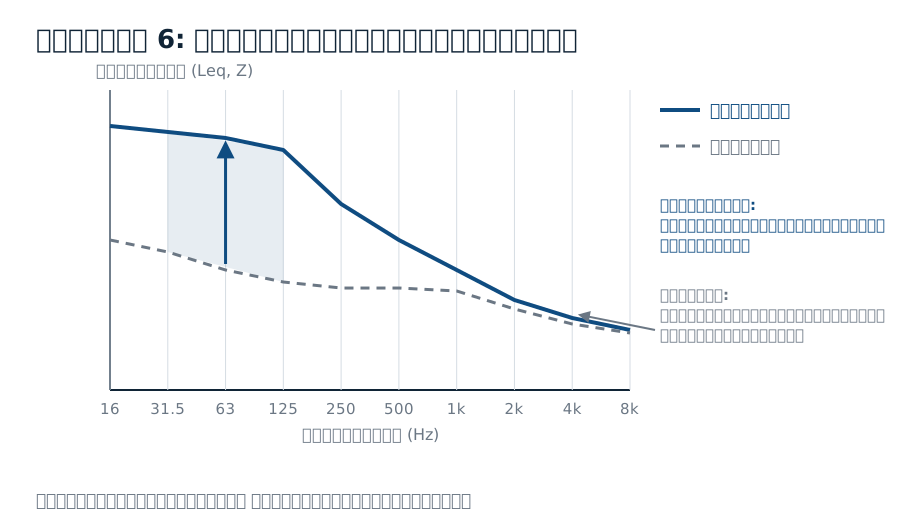
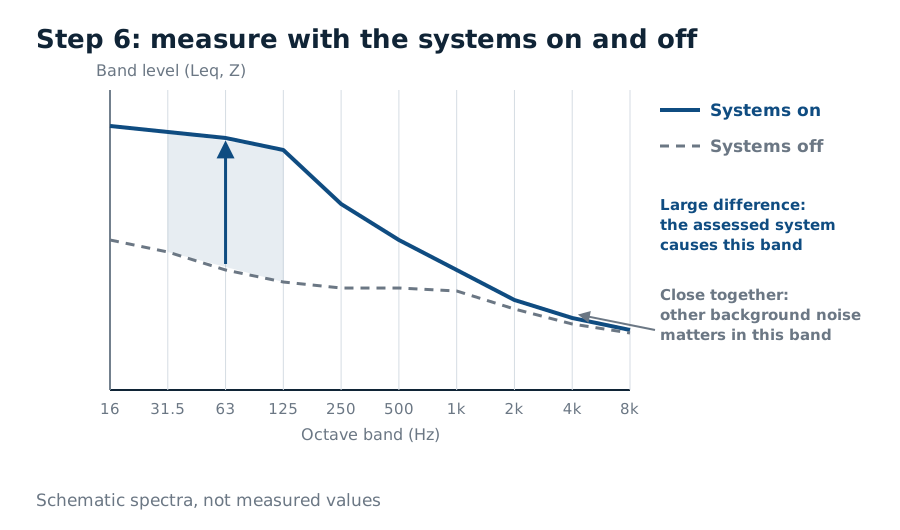
- วัดขณะปิดระบบ ที่ตำแหน่งเดิมถ้าทำได้ เพื่อดูว่าเสียงพื้นหลังจากแหล่งอื่นมีผลต่อย่านใด และระบบที่ประเมินเป็นต้นเหตุจริงหรือไม่Measure with the systems off at the same positions where possible, to see which bands other background noise affects and whether the assessed system really is the cause.
- ตรวจด้วยเครื่องสอบเทียบเสียงอีกครั้ง หลังวัดเสร็จ ถ้าค่าต่างจากก่อนวัดมากเกินกว่าที่วิธีวัดยอมรับ ให้วัดใหม่Check with the calibrator again at the end. If the reading has moved more than the method accepts, repeat the measurements.
ขั้นที่ 7: หาค่า NC และอ่านผลStep 7: rate the room and read the result
- ตรวจข้อมูลก่อน: ย่านใดมีระดับใกล้หรือต่ำกว่าเสียงรบกวนในตัวของไมโครโฟน ย่านนั้นไม่ได้บอกเสียงของห้อง ให้ระบุไว้ในรายงานCheck the data first: a band at or below the microphone's self-noise does not describe the room; say so in the report.
- วางสเปกตรัมบนเส้นโค้ง NC ของฉบับที่ข้อกำหนดระบุPlot the spectrum on the NC curves of the edition the specification names.
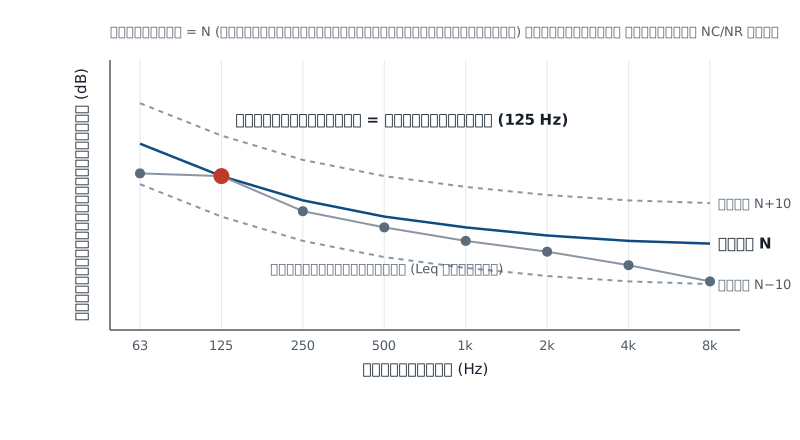
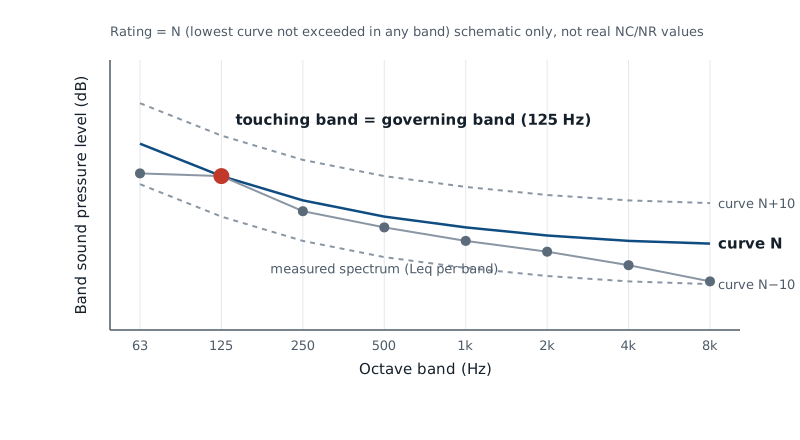
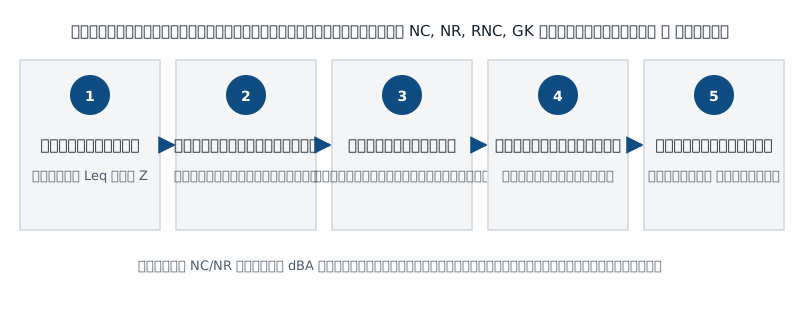
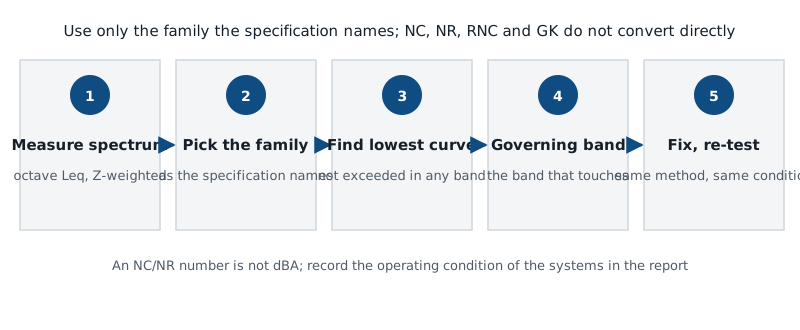
- หาเส้นโค้งต่ำสุดที่สเปกตรัมไม่เกินในทุกย่าน เลขของเส้นนั้นคือค่า NC ของตำแหน่งนั้นFind the lowest curve the spectrum does not exceed in any band. That curve's number is the NC at that position.
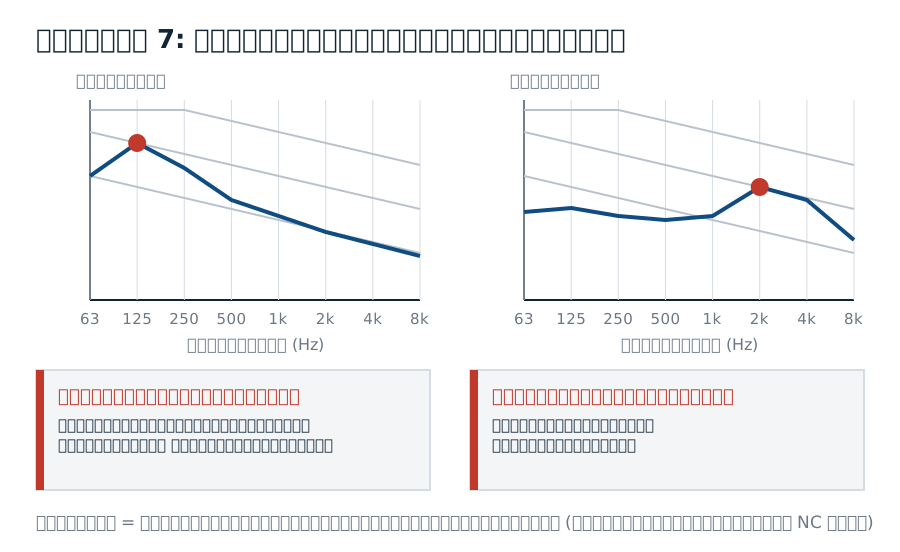
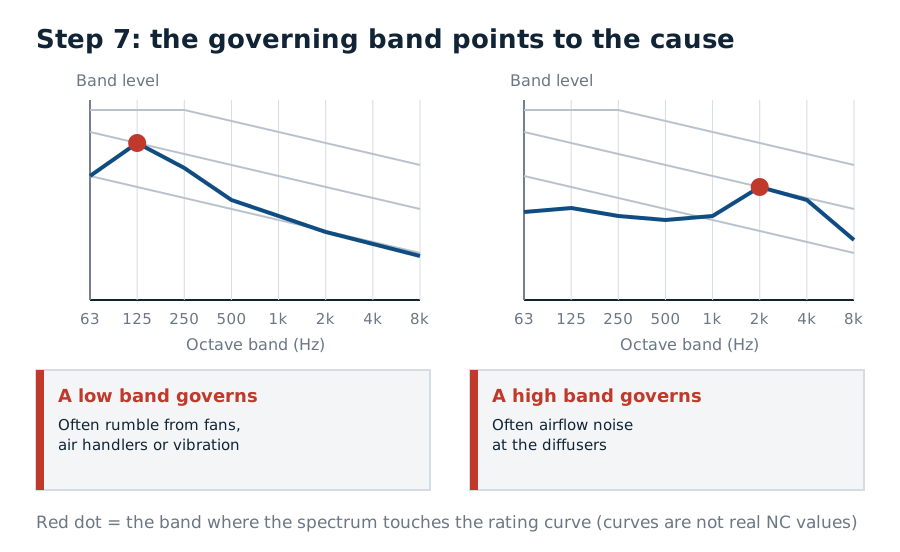
- ดูย่านที่เป็นตัวกำหนดค่า ย่านความถี่ต่ำมักชี้ไปที่เสียงหึ่งจากพัดลม เครื่องส่งลม หรือการสั่นสะเทือน ย่านความถี่สูงมักชี้ไปที่เสียงลมที่หน้ากากจ่ายลมLook at the governing band. A low band often points to rumble from fans, air handlers or vibration; a high band often points to airflow noise at the diffusers.
- สรุปผลของห้อง ตามที่ตกลงไว้ เช่น ใช้ค่าสูงสุดของทุกตำแหน่ง หรือค่าจากสเปกตรัมเฉลี่ย แล้วเทียบกับค่าเป้าหมายState the room result as agreed, for example the highest position value or the value of the averaged spectrum, and compare it with the target.
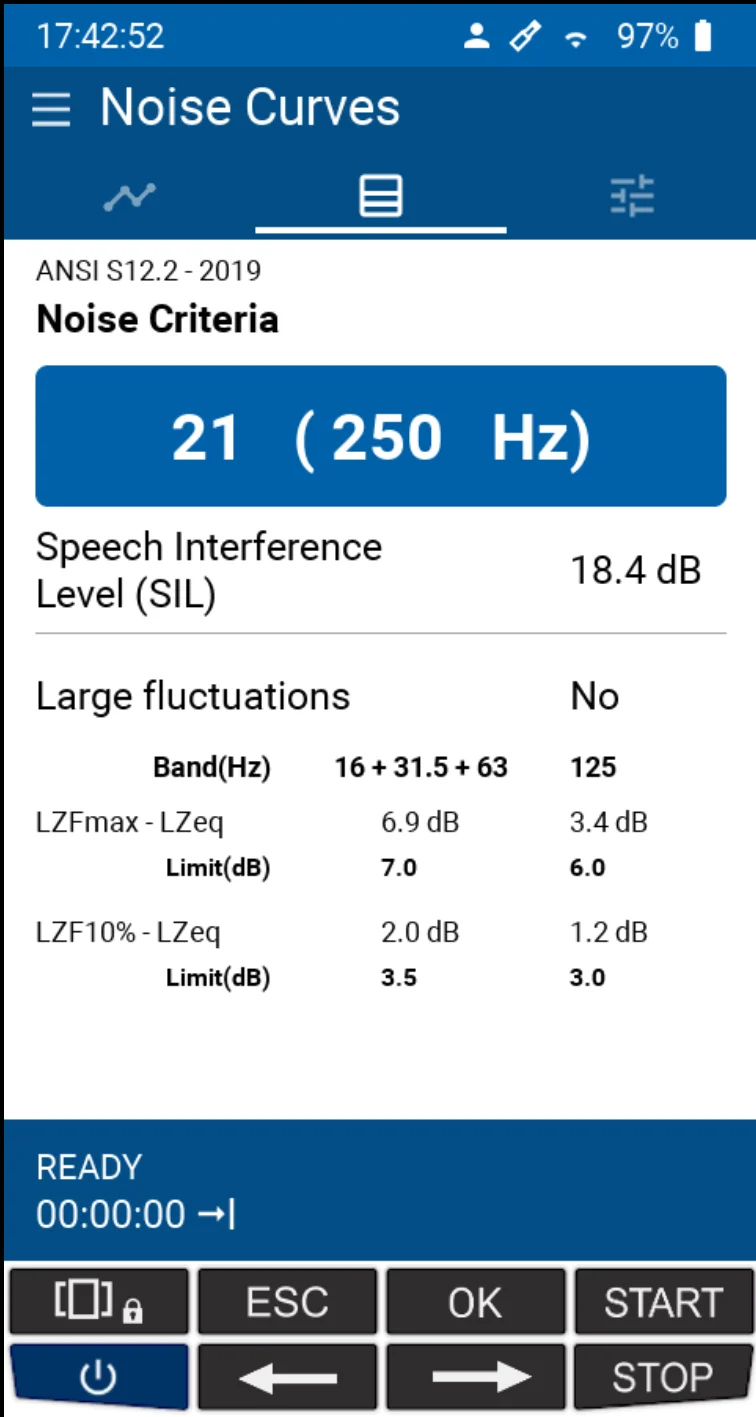
ถ้าได้ยินเสียงความถี่ต่ำที่ดังขึ้นลงเป็นจังหวะ ค่า NC อย่างเดียวอาจไม่สะท้อนความรำคาญ ANSI/ASA S12.2-2019 มีวิธี RNC (Room Noise Criterion) สำหรับกรณีนี้ ใช้เมื่อข้อกำหนดอนุญาตหรือร้องขอIf you hear low-frequency noise that surges up and down, NC alone may not reflect the annoyance. ANSI/ASA S12.2-2019 has the RNC (Room Noise Criterion) method for this case; use it where the specification allows or asks for it.
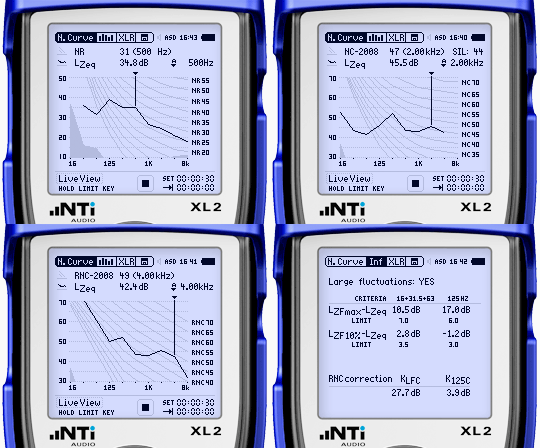
ขั้นที่ 8: เขียนรายงานStep 8: write the report
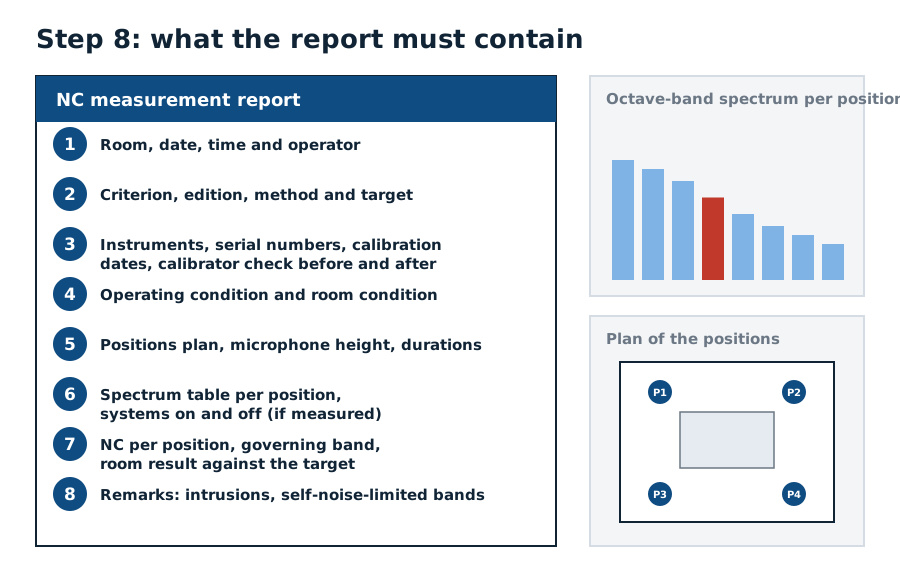
- ห้อง วันที่ เวลา และผู้วัดRoom, date, time and operator.
- เกณฑ์และฉบับของมาตรฐาน วิธีวัด (สำรวจหรือวิศวกรรม) และค่าเป้าหมายจากข้อกำหนดCriterion and standard edition, measurement method (survey or engineering) and the target from the specification.
- เครื่องมือ รุ่น หมายเลขเครื่อง วันที่สอบเทียบ และค่าตรวจด้วยเครื่องสอบเทียบเสียงก่อนและหลังวัดInstruments, models, serial numbers, calibration dates and the calibrator check before and after.
- สภาพการทำงานของระบบและสภาพห้องขณะวัดOperating condition of the systems and the state of the room during the measurement.
- ผังตำแหน่งวัด ความสูงไมโครโฟน และเวลาวัดของแต่ละตำแหน่งPlan of the positions, microphone height and the duration at each position.
- ตารางสเปกตรัมย่านออกเตฟของแต่ละตำแหน่ง ทั้งขณะระบบทำงานและขณะปิด (ถ้าวัด)Octave-band spectrum table per position, with the systems on and off (if measured).
- ค่า NC ของแต่ละตำแหน่ง ย่านที่กำหนดค่า ผลของห้อง และการเทียบกับเป้าหมายNC per position, the governing band, the room result and the comparison with the target.
- ข้อสังเกต เช่น เสียงแทรก ย่านที่ติดเสียงรบกวนในตัวของเครื่อง หรือเสียงความถี่ต่ำที่ผันผวนRemarks, such as intrusions, bands limited by instrument self-noise, or fluctuating low-frequency noise.
อุปกรณ์ที่ใช้: เครื่องมือ NTi AudioEquipment: NTi Audio instruments
ส่วนนี้เป็นข้อมูลเฉพาะของ NTi Audio จากเอกสารของผู้ผลิตThis part is NTi Audio-specific, from the manufacturer's documents.
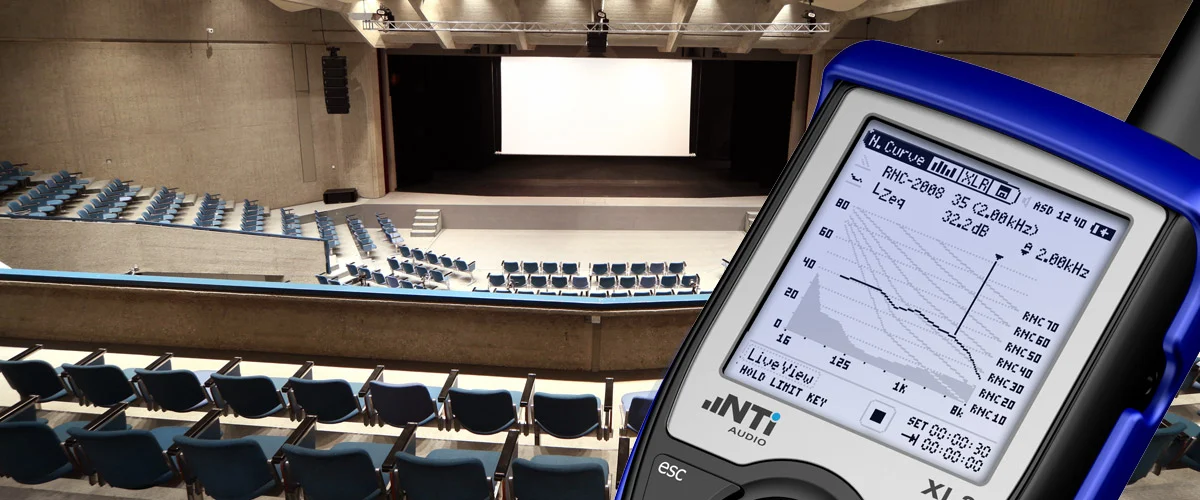
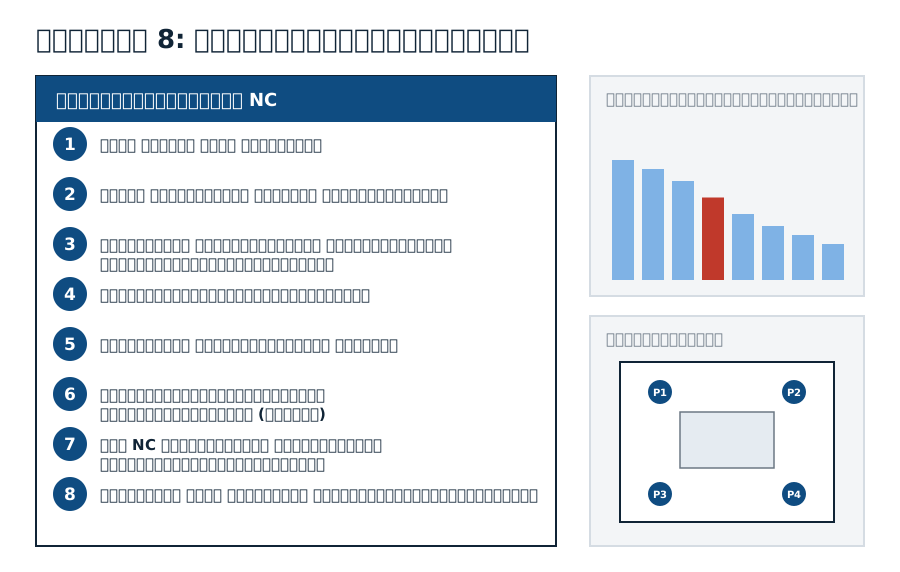
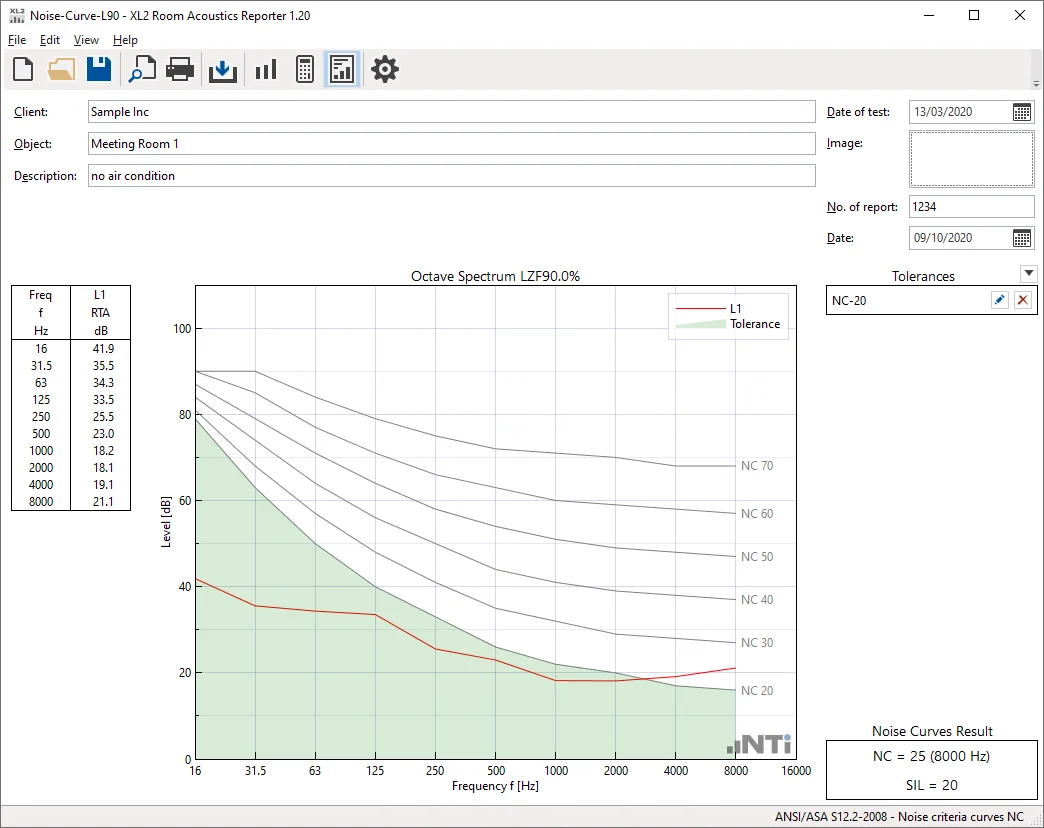
- XL2 + XL2 Spectral Limits Option เพื่อดูค่า NC บนหน้าจอแบบ real time (รองรับ NC, RNC, RC, NR และ PNC) และใช้โปรแกรม Room Acoustics Reporter ในการดึงข้อมูลจากเครื่องวัดมาสร้างรายงานผลค่า NC บนคอมพิวเตอร์The XL2 + XL2 Spectral Limits Option shows the NC value on the screen in real time (NC, RNC, RC, NR and PNC are supported), and Room Acoustics Reporter imports the data from the meter to build the NC report on a computer.
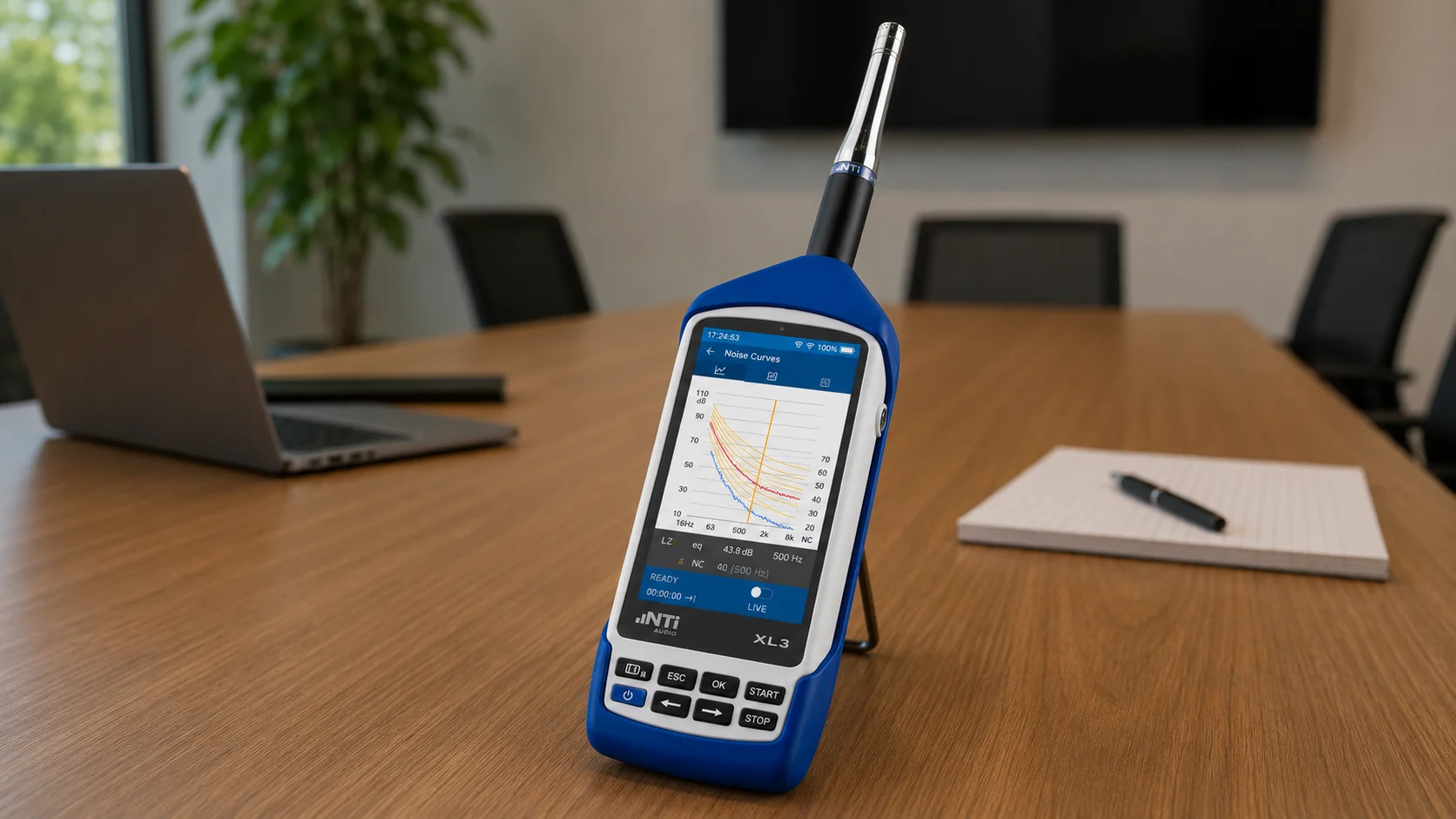
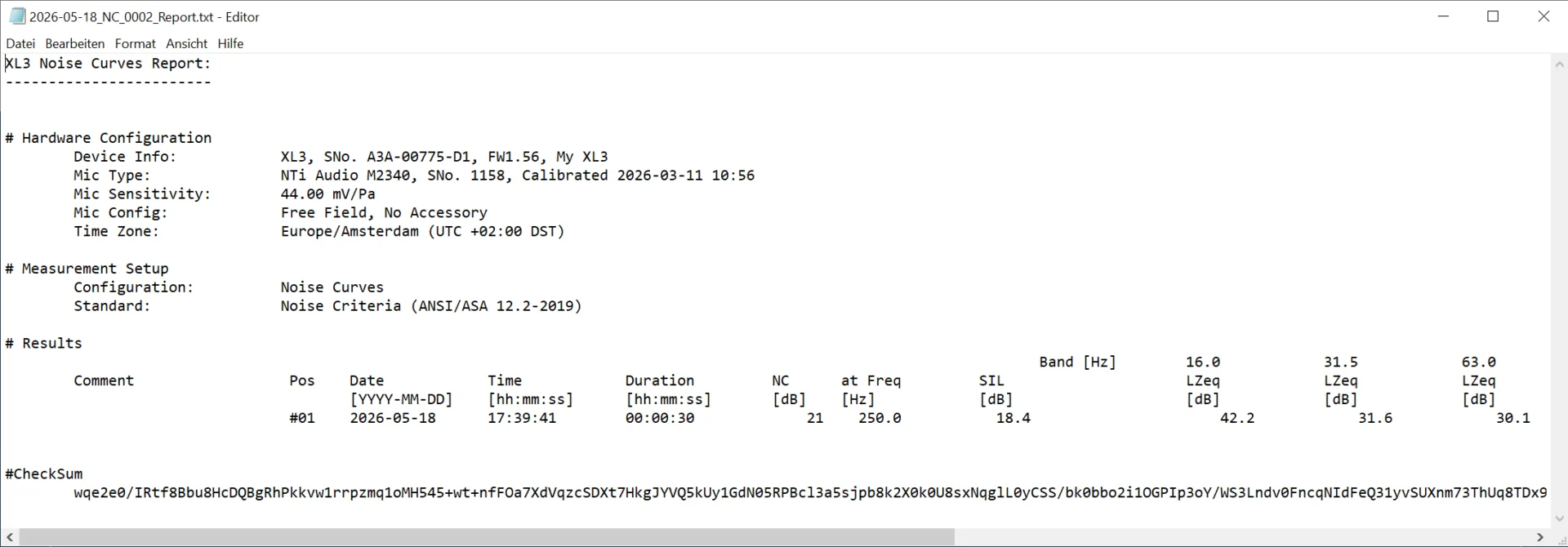
- XL3 พร้อมกับ XL3 Room Acoustics Bundle (XL3 Extended Room Acoustics Option + ไลเซนส์ Room Acoustics Reporter) เพื่อดูค่า NC บนหน้าจอ และสร้างรายงานผลการวัดค่า NC บนคอมพิวเตอร์ ฟังก์ชัน Noise Curve ของ XL3 ต้องใช้เฟิร์มแวร์ V1.56 ขึ้นไปThe XL3 with the XL3 Room Acoustics Bundle (XL3 Extended Room Acoustics Option + Room Acoustics Reporter licence) shows the NC value on the screen and builds the NC measurement report on a computer. The XL3 noise curve function needs firmware V1.56 or later.
| เรื่องTopic | XL2 (ฟังก์ชัน Noise Curves)XL2 (Noise Curves function) | XL3 (ฟังก์ชัน Noise Curves)XL3 (Noise Curves function) |
|---|---|---|
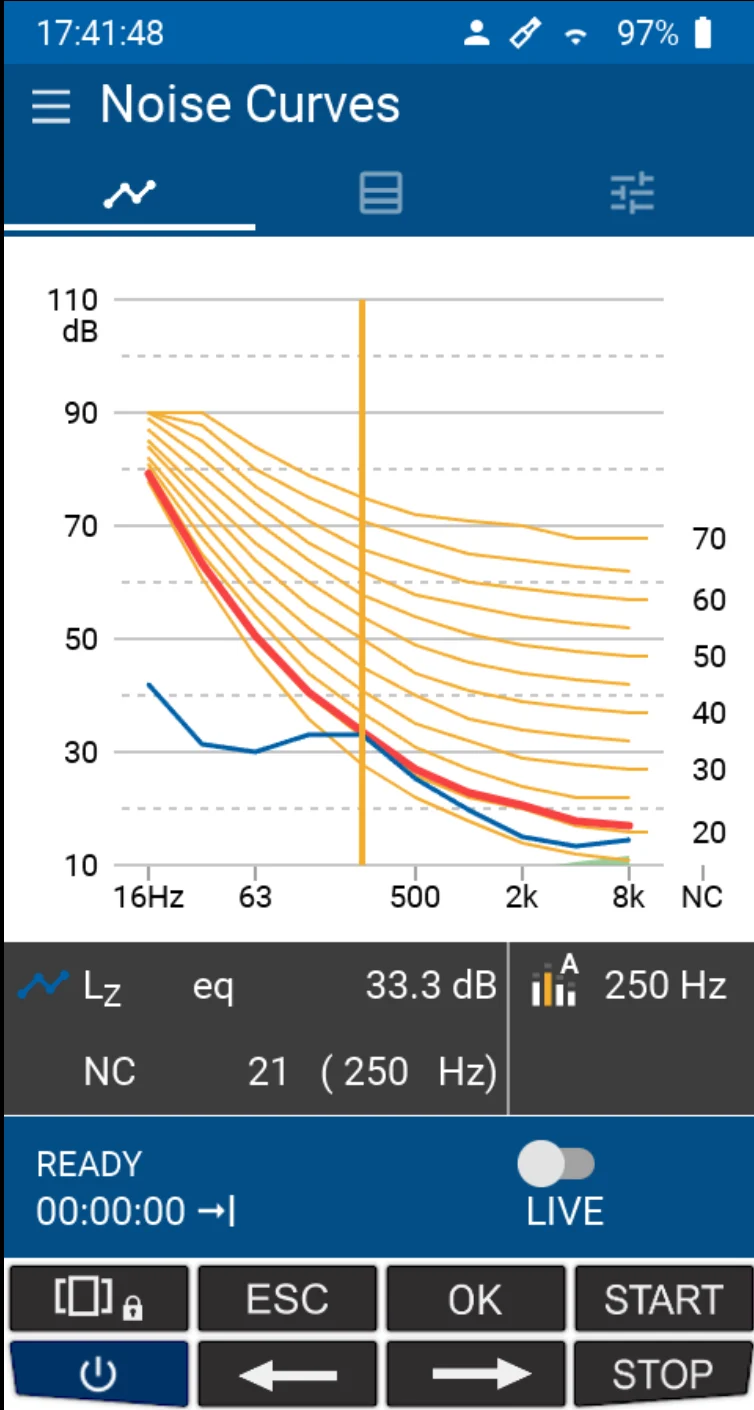
| วิธีวัดตามคู่มือMethod in the manual | XL2 (ฟังก์ชัน Noise Curves)XL2 (Noise Curves function)เลือก Noise Curves และชนิดเกณฑ์ กด start แล้วเคลื่อนไมโครโฟนช้า ๆ ไปรอบห้องที่ระดับหู นานกว่า 20 วินาที (RNC ต้องใช้อย่างน้อย 20 วินาที) กด stop แล้ว enter เพื่อบันทึกSelect Noise Curves and the criterion, press start and move the microphone slowly around the room at ear height for more than 20 s (RNC needs at least 20 s), press stop, then enter to save. | XL3 (ฟังก์ชัน Noise Curves)XL3 (Noise Curves function)แสดงสเปกตรัม LZeq แบบย่านออกเตฟหรือ 1/3 ออกเตฟเทียบกับเส้นโค้ง เส้นที่เป็นตัวกำหนดค่าแสดงเป็นสีแดง พร้อมค่าและย่านที่กำหนดค่า ผลบันทึกเป็นไฟล์ TXTShows the octave or 1/3-octave LZeq spectrum against the curves, with the limiting curve in red and the value and limiting band; results are saved as a TXT file. |
| เกณฑ์Criteria | XL2 (ฟังก์ชัน Noise Curves)XL2 (Noise Curves function)วัดทุกชนิดพร้อมกัน จึงสลับดูชนิดอื่นได้หลังวัดAll types are measured at once, so you can switch after measuring. | XL3 (ฟังก์ชัน Noise Curves)XL3 (Noise Curves function)เลือกได้หลายมาตรฐาน รวม NC และ RNC ตาม ANSI S12.2-2019Several standards to choose from, including NC and RNC to ANSI S12.2-2019. |
| เสียงรบกวนในตัวเครื่องInstrument self-noise | XL2 (ฟังก์ชัน Noise Curves)XL2 (Noise Curves function)แสดงพื้นเสียงรบกวนของไมโครโฟนและ XL2 เป็นพื้นที่สีเทาบนกราฟ ค่าต่ำสุดที่ใช้ได้ตามคู่มือ: M2230 และ M2340 NC15, M2211 NC20, M4261 NC25The microphone + XL2 noise floor is shown as a grey area. Lowest usable rating in the manual: M2230 and M2340 NC15, M2211 NC20, M4261 NC25. | XL3 (ฟังก์ชัน Noise Curves)XL3 (Noise Curves function)ตรวจสเปกของไมโครโฟนที่ใช้Check the specification of the microphone used. |
| วัดหลายตำแหน่งSeveral positions | XL2 (ฟังก์ชัน Noise Curves)XL2 (Noise Curves function)บันทึกแต่ละตำแหน่งเป็นไฟล์ แล้วรวมใน Room Acoustics ReporterSave each position as a file and combine them in Room Acoustics Reporter. | XL3 (ฟังก์ชัน Noise Curves)XL3 (Noise Curves function)ฟังก์ชัน Measurement Series ของเครื่องวัดใช้เฉลี่ยการวัดสั้น ๆ หลายตำแหน่งในห้องเดียวกันThe meter's Measurement Series averages short measurements at several positions in one room. |
ข้อผิดพลาดที่พบบ่อยCommon mistakes
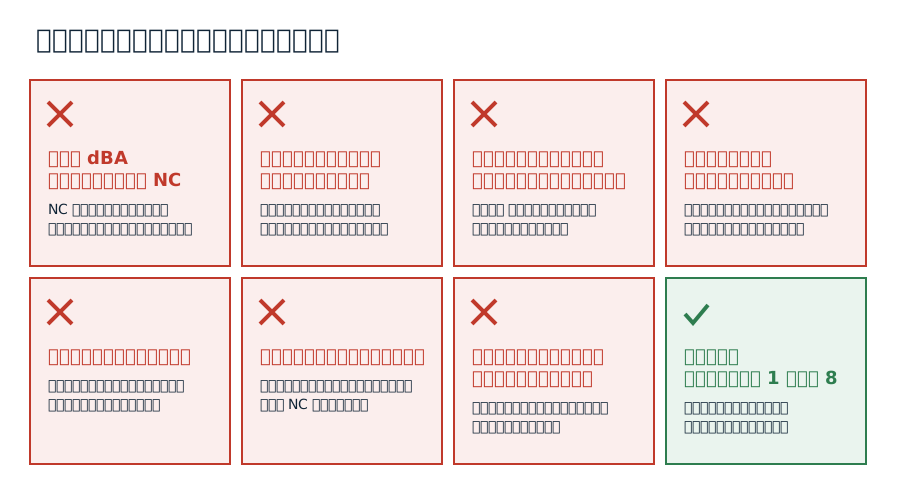
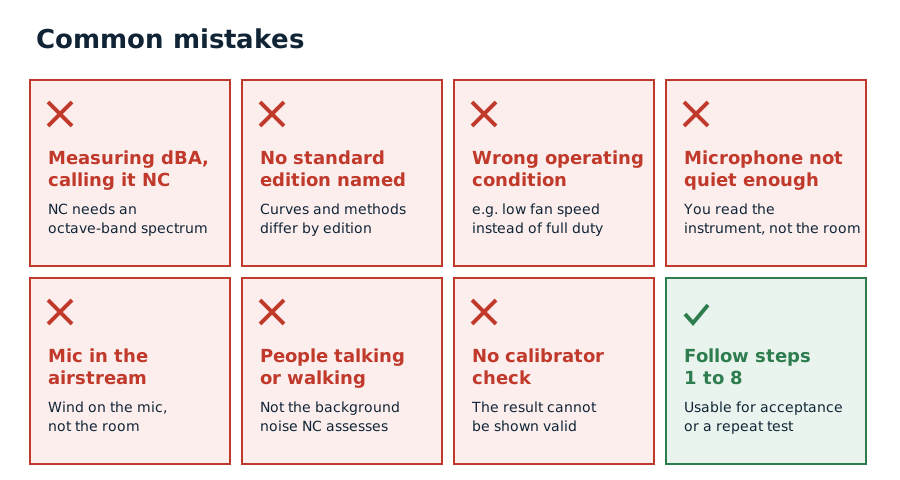
- วัดเป็น dBA แล้วเรียกว่า NC ค่า NC ต้องคำนวณจากสเปกตรัมย่านออกเตฟ ไม่มีสูตรแปลงจาก dBAMeasuring dBA and calling it NC. NC must be rated from an octave-band spectrum; there is no conversion from dBA.
- ไม่ระบุฉบับของมาตรฐาน เส้นโค้งและวิธีของแต่ละฉบับต่างกันNot naming the standard edition. Curves and methods differ between editions.
- วัดในสภาพการทำงานที่ไม่ตรงข้อกำหนด เช่น พัดลมรอบต่ำแทนรอบสูงสุดMeasuring in the wrong operating condition, for example low fan speed instead of full duty.
- ไมโครโฟนเงียบไม่พอสำหรับห้อง ผลในย่านความถี่สูงกลายเป็นเสียงของเครื่องเองA microphone not quiet enough for the room. High-band results show the instrument's own noise.
- วางไมโครโฟนในกระแสลมหรือชิดหน้ากากจ่ายลม ได้เสียงลมที่ไมโครโฟนแทนเสียงในห้องPlacing the microphone in the airstream or at a diffuser. You record wind on the microphone instead of the room.
- มีคนพูดหรือเดินในห้องขณะวัด เสียงจากคนไม่ใช่เสียงพื้นหลังที่ NC ประเมินPeople talking or walking during the measurement. Occupant noise is not the background noise NC assesses.
- ไม่ตรวจด้วยเครื่องสอบเทียบเสียงก่อนและหลังวัด ทำให้ยืนยันความถูกต้องของผลไม่ได้No calibrator check before and after, so the result cannot be shown to be valid.
ตัวอย่างสถานการณ์: ห้องประชุมที่มีเสียงหึ่งExample: a meeting room with a hum
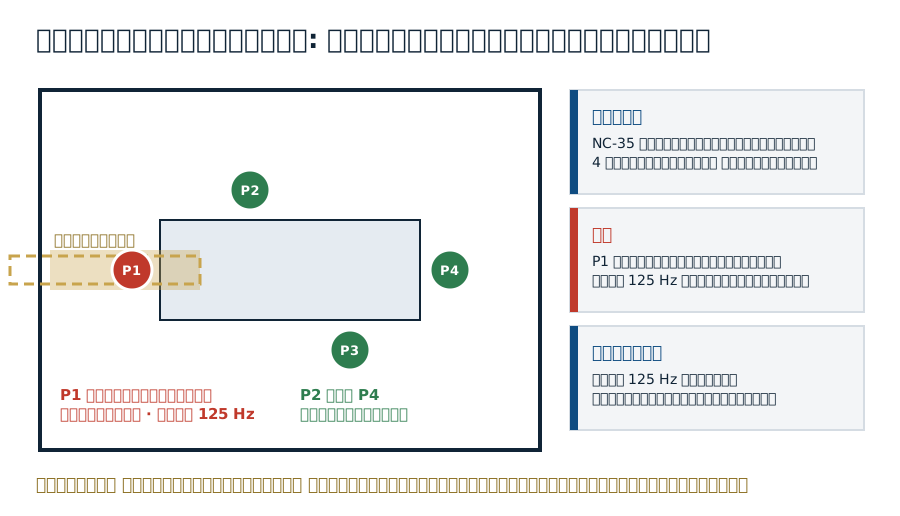
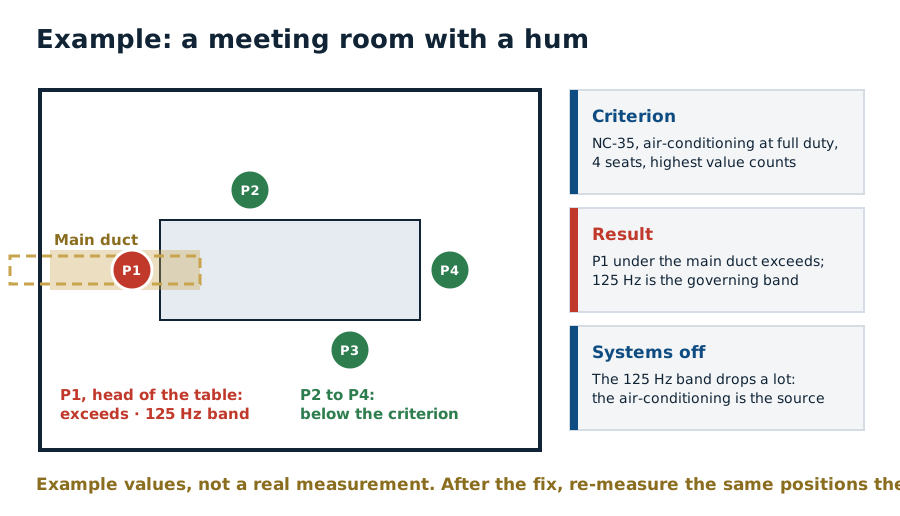
ข้อกำหนดของห้องประชุมระบุว่าห้องต้องไม่เกิน NC-35 ตาม ANSI/ASA S12.2 ขณะระบบปรับอากาศทำงานเต็มกำลัง (ค่าสมมติ) ผู้วัดตกลงกับผู้ตรวจรับว่าจะวัด 4 ตำแหน่งที่ที่นั่ง ความสูงระดับหูขณะนั่ง และใช้ค่าสูงสุดของทุกตำแหน่งเป็นผลของห้อง ผลที่ได้คือ 3 ตำแหน่งต่ำกว่าเกณฑ์ แต่ที่นั่งใกล้หัวโต๊ะซึ่งอยู่ใต้ท่อลมหลักได้ค่าเกินเกณฑ์ และย่าน 125 Hz เป็นย่านกำหนดค่า เมื่อปิดระบบ ย่านนี้ลดลงมาก จึงยืนยันได้ว่าเสียงมาจากระบบปรับอากาศ ไม่ใช่จากภายนอก รายงานจึงชี้ไปที่เสียงหึ่งที่มากับท่อลม และหลังแก้ไขให้วัดซ้ำที่ตำแหน่งเดิมด้วยวิธีเดิมA meeting-room specification says the room must not exceed NC-35 to ANSI/ASA S12.2 with the air-conditioning at full duty (example values). The operator agrees with the inspector to measure 4 seated positions at seated ear height and to use the highest position value as the room result. Three positions are below the criterion, but the seat at the head of the table, under the main duct, exceeds it, and the 125 Hz band sets the value. With the system off this band drops a lot, confirming that the noise comes from the air-conditioning and not from outside. The report therefore points to rumble carried along the duct, and after the fix the same positions are re-measured with the same method.
คำถามที่พบบ่อยFrequently asked questions
วัดค่า NC ต้องใช้เวลานานแค่ไหนต่อตำแหน่งHow long should each NC measurement take?
นานพอให้ค่า Leq ทุกย่านนิ่ง และไม่สั้นกว่าที่มาตรฐานหรือข้อกำหนดของงานระบุ คู่มือ XL2 แนะนำให้เคลื่อนไมโครโฟนช้า ๆ รอบห้องนานกว่า 20 วินาที และ RNC ต้องใช้อย่างน้อย 20 วินาที เสียงที่ผันผวนต้องใช้เวลานานขึ้นLong enough for every band's Leq to settle, and not shorter than the standard or the job specification requires. The XL2 manual recommends moving the microphone slowly around the room for more than 20 s, and RNC needs at least 20 s. Fluctuating noise needs longer.
ใช้แอปมือถือวัดค่า NC ได้ไหมCan I measure NC with a phone app?
ไม่เหมาะกับงานตรวจรับ งานนี้ต้องใช้เครื่องวัด Class 1 ที่มีตัวกรองย่านออกเตฟตามมาตรฐาน วัดย่านความถี่ต่ำได้ครบ และมีใบรับรองการสอบเทียบNot for acceptance work. It needs a Class 1 meter with standard octave-band filters, full low-frequency coverage and a calibration certificate.
ควรรายงานค่าแต่ละตำแหน่งหรือค่าเฉลี่ยของห้องShould I report each position or a room average?
ให้ทำตามข้อกำหนดของงาน ถ้าไม่ระบุ ให้ตกลงกันก่อนวัด และรายงานค่าของทุกตำแหน่งไว้ด้วยเสมอ เพื่อให้เห็นจุดที่แย่ที่สุดFollow the job specification. If it is silent, agree before measuring, and always report every position as well so the worst spot is visible.
ถ้าเสียงจากภายนอก เช่น การจราจร ดังกว่าเสียงระบบปรับอากาศ ทำอย่างไรWhat if outside noise, such as traffic, is louder than the air-conditioning?
วัดทั้งขณะระบบทำงานและขณะปิด ดูว่าย่านใดถูกเสียงภายนอกครอบ และพิจารณาวัดในช่วงเวลาที่เสียงภายนอกเบากว่า ถ้าข้อกำหนดอนุญาต จดไว้ในรายงานว่าย่านใดประเมินระบบได้และย่านใดไม่ได้Measure with the systems on and off, see which bands outside noise masks, and consider measuring at a quieter time if the specification allows. State in the report which bands can and cannot assess the system.
คำศัพท์สำคัญKey terms
- NC (Noise Criteria)
- ชุดเส้นโค้งเกณฑ์เสียงพื้นหลังในอาคาร ตาม ANSI/ASA S12.2A family of indoor background-noise curves, in ANSI/ASA S12.2.
- ย่านกำหนดค่า (Governing band)Governing band
- ย่านที่สเปกตรัมแตะเส้นโค้งซึ่งให้ค่า NC ของห้องThe band where the spectrum touches the curve that gives the room's NC.
- วิธีสำรวจ / วิธีวิศวกรรมSurvey / engineering method
- สองระดับความละเอียดของการวัดเสียงพื้นหลังใน ANSI/ASA S12.72The two levels of precision for ambient noise measurements in ANSI/ASA S12.72.
- เสียงรบกวนในตัวเครื่อง (Self-noise)Self-noise
- ระดับเสียงต่ำสุดที่เครื่องวัดและไมโครโฟนอ่านได้แม้ไม่มีเสียงเข้าThe lowest level the meter and microphone read with no sound present.
- เครื่องสอบเทียบเสียง (Sound calibrator)Sound calibrator
- อุปกรณ์ที่สร้างระดับเสียงอ้างอิงเพื่อตรวจความไวของเครื่องวัดในสนามA device that produces a reference level to check the meter's sensitivity in the field.