ทำไมต้องเริ่มจากเรื่องนี้Why start here
ทุกเรื่องในศูนย์ความรู้นี้ ตั้งแต่เดซิเบล เสียงรบกวน เสียงก้องในห้อง ไปจนถึงการกันเสียงระหว่างห้อง ล้วนต่อยอดมาจากคำถามง่าย ๆ ข้อเดียว คือ เสียงคืออะไร และเดินทางอย่างไร ถ้าเข้าใจภาพนี้ชัด บทต่อ ๆ ไปจะอ่านง่ายขึ้นมาก เพราะตัวเลขและค่าที่วัดได้ทั้งหมดเป็นเพียงวิธีอธิบายการสั่นและการเดินทางของเสียงให้เป็นตัวเลขEvery topic in this Knowledge Center, from decibels and noise to reverberation in a room and sound insulation between rooms, builds on one simple question: what is sound, and how does it travel? Once this picture is clear, the following articles become much easier, because every number and measured value is simply a way of describing how sound vibrates and travels.
บทนี้ไม่มีสมการ เราจะใช้ตัวอย่างที่เจอทุกวัน เช่น ลำโพง เสียงคุยกัน เครื่องปรับอากาศ และห้องของเพื่อนบ้านThis article has no equations. We will use things you meet every day: a loudspeaker, a conversation, an air conditioner and the room next door.
เสียงเริ่มต้นจากการสั่นSound starts with a vibration
เสียงทุกเสียงเริ่มจากสิ่งที่ สั่น (vibration) คือเคลื่อนไปมาอย่างรวดเร็วรอบตำแหน่งเดิม สายกีตาร์ที่ถูกดีด เส้นเสียงในลำคอเวลาเราพูด แผ่นกรวยของลำโพง หรือตัวเครื่องจักรที่กำลังทำงาน ล้วนสั่นทั้งสิ้น บางครั้งการสั่นเร็วและเล็กมากจนมองด้วยตาไม่เห็น แต่ถ้าเอามือแตะคอขณะพูด หรือแตะตู้ลำโพงขณะเปิดเพลงดัง ๆ จะรู้สึกได้Every sound begins with something that vibrates: it moves quickly back and forth around its resting position. A plucked guitar string, the vocal cords in your throat when you speak, the cone of a loudspeaker and the body of a running machine are all vibrating. Often the movement is too small and too fast to see, but if you touch your throat while speaking, or touch a loudspeaker cabinet playing loud music, you can feel it.
ลองดูลำโพงเบสขณะเปิดเพลง แผ่นกรวยจะขยับออกมาข้างหน้าแล้วถอยกลับซ้ำ ๆ ทุกครั้งที่ขยับออก มันจะดันอากาศด้านหน้าให้อัดแน่นขึ้นเล็กน้อย และทุกครั้งที่ถอยกลับ อากาศตรงนั้นจะเบาบางลงเล็กน้อย จังหวะอัดและคลายนี่แหละคือจุดเริ่มต้นของเสียงที่เราได้ยินWatch a bass loudspeaker while music is playing. The cone moves forward and back again and again. Each time it moves forward, it squeezes the air in front of it slightly; each time it moves back, the air there becomes slightly thinner. This rhythm of squeezing and releasing is where the sound we hear begins.
เสียงเดินทางเป็นคลื่นอย่างไรHow sound travels as a wave
อากาศประกอบด้วยโมเลกุลเล็ก ๆ จำนวนมหาศาล เมื่อวัตถุที่สั่นดันโมเลกุลที่อยู่ใกล้ที่สุด โมเลกุลเหล่านั้นจะไปชนและดันโมเลกุลถัดไป แล้วถอยกลับที่เดิม ต่อกันเป็นทอด ๆ สิ่งที่เดินทางไปไกลจึงไม่ใช่ตัวอากาศ แต่เป็น รูปแบบของการอัดและการคลาย ที่ส่งต่อกันไป เราเรียกสิ่งนี้ว่า คลื่นเสียง (sound wave)Air is made of an enormous number of tiny molecules. When a vibrating object pushes the molecules nearest to it, they bump into the next ones and push them, then move back to where they were, and so on down the line. What travels a long way is therefore not the air itself but a pattern of squeezing and releasing handed from one layer of air to the next. We call this a sound wave.
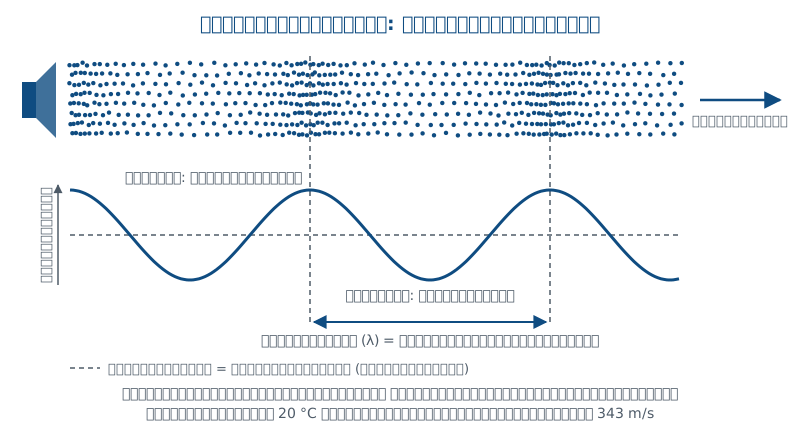
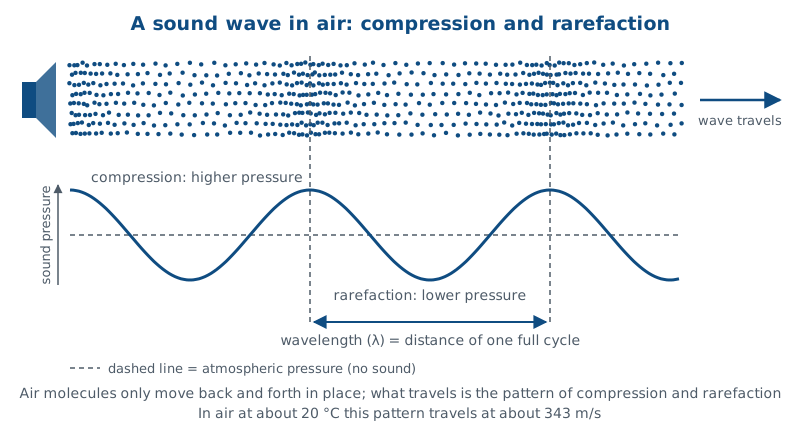
นึกถึงคนดูในสนามกีฬาที่ทำ “คลื่นมนุษย์” แต่ละคนแค่ยืนขึ้นแล้วนั่งลงที่เดิม ไม่มีใครวิ่งไปไหน แต่คลื่นกลับเคลื่อนรอบสนามได้ เสียงก็เป็นแบบเดียวกัน โมเลกุลอากาศแค่ขยับไปมาอยู่กับที่ แต่จังหวะการขยับเดินทางจากลำโพงมาถึงหูเราได้Think of a crowd in a stadium doing a “Mexican wave”. Each person only stands up and sits down in their own seat; nobody runs anywhere, yet the wave travels around the stadium. Sound works the same way: the air molecules only move back and forth where they are, but the rhythm of that movement travels from the loudspeaker to your ear.
เพราะเสียงต้องอาศัยการส่งต่อระหว่างโมเลกุล เสียงจึงต้องมี ตัวกลาง (medium) เสมอ ในสุญญากาศซึ่งไม่มีอากาศ เสียงจึงเดินทางไม่ได้ ในทางกลับกัน เสียงเดินทางผ่านของเหลวและของแข็งได้ดี และมักเร็วกว่าในอากาศ นี่คือเหตุผลที่เสียงเคาะท่อน้ำหรือเสียงเดินบนพื้นชั้นบนจึงลอดมาถึงห้องอื่นได้ แม้ประตูหน้าต่างจะปิดสนิทBecause sound relies on molecules passing the movement along, sound always needs a medium. In a vacuum, where there is no air, sound cannot travel. On the other hand, sound travels well through liquids and solids, usually faster than through air. This is why the knock on a water pipe or footsteps on the floor above can reach another room even when every door and window is closed.
สามส่วนของทุกเสียง: แหล่งกำเนิด ตัวกลาง ผู้รับThe three parts of every sound: source, medium, receiver
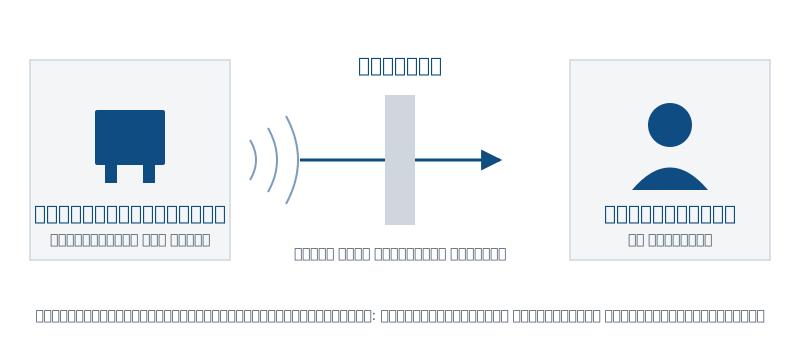
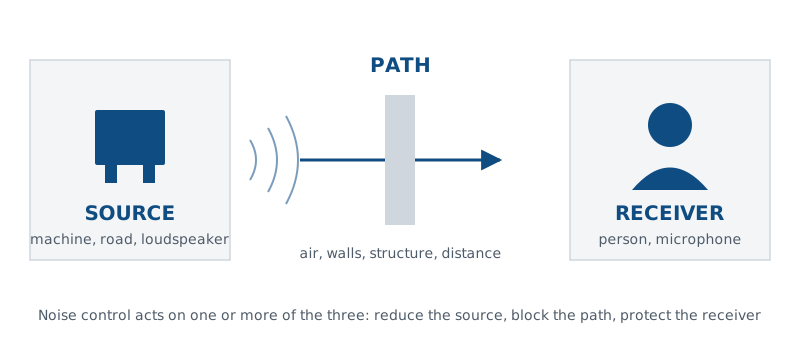
เวลาคุยเรื่องเสียง ไม่ว่าจะเป็นเสียงที่อยากได้ยินหรือเสียงรบกวน ให้แยกเป็นสามส่วนเสมอ วิธีคิดนี้ง่ายแต่ใช้ได้จริงตั้งแต่งานเล็ก ๆ ในบ้านไปจนถึงโครงการขนาดใหญ่Whenever we talk about sound, whether it is sound we want to hear or unwanted noise, it helps to split it into three parts. This way of thinking is simple, yet it works for everything from a small problem at home to a large project.
- แหล่งกำเนิด (source): สิ่งที่สั่นและปล่อยเสียงออกมา เช่น คนพูด ลำโพง คอมเพรสเซอร์แอร์ รถยนต์ เครื่องจักรSource: the thing that vibrates and gives out the sound, e.g. a person talking, a loudspeaker, an air-conditioner compressor, a car, a machine.
- ตัวกลางหรือเส้นทาง (medium / path): สิ่งที่เสียงเดินทางผ่าน เช่น อากาศในห้อง ผนัง พื้น โครงสร้างอาคาร ท่อ หรือช่องว่างใต้ประตูMedium or path: what the sound travels through, e.g. the air in a room, a wall, a floor, the building structure, a duct or the gap under a door.
- ผู้รับ (receiver): ผู้ที่ได้ยินหรือสิ่งที่รับเสียง เช่น หูของคน สัตว์ หรือไมโครโฟนของเครื่องวัดReceiver: whoever or whatever picks up the sound, e.g. a person's ear, an animal, or the microphone of a measuring instrument.
| สถานการณ์Situation | แหล่งกำเนิดSource | ตัวกลาง / เส้นทางMedium / path | ผู้รับReceiver |
|---|---|---|---|
| คุยกันในห้องประชุมA conversation in a meeting room | แหล่งกำเนิดSourceเสียงพูดของผู้บรรยายThe speaker's voice | ตัวกลาง / เส้นทางMedium / pathอากาศในห้อง และเสียงสะท้อนจากผนังThe air in the room and reflections from the walls | ผู้รับReceiverผู้ฟังในห้องThe listeners in the room |
| แอร์ของเพื่อนบ้านดังตอนกลางคืนA neighbour's air conditioner at night | แหล่งกำเนิดSourceคอมเพรสเซอร์และพัดลมของคอยล์ร้อนThe compressor and fan of the outdoor unit | ตัวกลาง / เส้นทางMedium / pathอากาศภายนอก หน้าต่าง และขาแขวนที่ยึดกับผนังOutdoor air, the window and the mounting bracket fixed to the wall | ผู้รับReceiverคนที่พยายามนอนหลับSomeone trying to sleep |
| เสียงเดินจากชั้นบนFootsteps from the flat above | แหล่งกำเนิดSourceส้นเท้ากระทบพื้นHeels striking the floor | ตัวกลาง / เส้นทางMedium / pathแผ่นพื้นคอนกรีตและโครงสร้างอาคารThe concrete slab and the building structure | ผู้รับReceiverผู้อยู่อาศัยชั้นล่างThe occupants below |
| การวัดเสียงในโรงงานA measurement in a factory | แหล่งกำเนิดSourceเครื่องจักรที่กำลังเดินA running machine | ตัวกลาง / เส้นทางMedium / pathอากาศในอาคารโรงงานThe air in the factory hall | ผู้รับReceiverไมโครโฟนของเครื่องวัดระดับเสียงThe microphone of a sound level meter |
การแยกสามส่วนนี้ช่วยให้คิดทางแก้ได้เป็นระบบ: ลดเสียงที่แหล่งกำเนิด (เปลี่ยนหรือปรับเครื่อง) ตัดหรือกั้นเส้นทาง (ผนัง ฉนวน ยางรองกันสั่น) หรือปกป้องผู้รับ (ย้ายตำแหน่ง อุปกรณ์ป้องกันเสียง) โดยทั่วไปการแก้ที่แหล่งกำเนิดมักได้ผลคุ้มค่าที่สุดSplitting a sound into these three parts makes solutions easier to think through: reduce the sound at the source (change or adjust the equipment), block or break the path (walls, insulation, anti-vibration mounts), or protect the receiver (move them, hearing protection). In general, treating the source tends to give the best value.
ความดันเสียง: สิ่งที่หูและไมโครโฟนรับรู้Sound pressure: what ears and microphones detect
อากาศรอบตัวเรามีความดันบรรยากาศอยู่แล้วตลอดเวลา เมื่อคลื่นเสียงผ่านมา ความดันตรงจุดนั้นจะสูงขึ้นและต่ำลงสลับกันเร็ว ๆ รอบค่าปกตินั้น ส่วนที่แกว่งขึ้นลงนี้เรียกว่า ความดันเสียง (sound pressure) และมีขนาดเล็กมากเมื่อเทียบกับความดันบรรยากาศ แม้แต่เสียงที่ดังจนหูอื้อ ก็ยังเป็นเพียงการเปลี่ยนแปลงเพียงเศษเสี้ยวเล็ก ๆ ของความดันอากาศทั้งหมดThe air around us always has atmospheric pressure. When a sound wave passes, the pressure at that point rises and falls quickly around that normal value. This rising and falling part is called sound pressure, and it is very small compared with atmospheric pressure. Even a sound loud enough to make your ears ring is only a tiny fraction of the total air pressure.
แก้วหูของเราเป็นเยื่อบาง ๆ ที่ขยับตามความดันที่เปลี่ยนไป ไมโครโฟนของเครื่องวัดเสียงก็ทำงานคล้ายกัน คือมีแผ่นบาง ๆ (diaphragm) ที่ขยับตามความดันเสียง แล้วแปลงการขยับนั้นเป็นสัญญาณไฟฟ้าให้เครื่องคำนวณต่อ ดังนั้นเมื่อเราพูดว่า “วัดเสียง” ความหมายจริงคือ วัดความดันเสียง นั่นเองOur eardrum is a thin membrane that moves with the changing pressure. The microphone of a sound level meter works in a similar way: a thin diaphragm moves with the sound pressure and turns that movement into an electrical signal that the instrument then processes. So when we say we “measure sound”, what we really measure is sound pressure.
ความดันเสียงที่หูรับได้มีช่วงกว้างมาก ตั้งแต่เบาสุดที่พอได้ยินไปจนถึงดังจนเจ็บหู จึงนิยมบอกเป็นหน่วย เดซิเบล (dB) แทนการบอกเป็นความดันตรง ๆ เรื่องนี้อธิบายละเอียดในบทเดซิเบลและระดับความดันเสียงThe range of sound pressures our ears can handle is huge, from the faintest sound we can just hear to sound loud enough to hurt. That is why it is normally expressed in decibels (dB) rather than as a pressure value. This is explained in detail in the article on the decibel and sound pressure level.
เสียงเดินทางเร็วแค่ไหน และความยาวคลื่นคืออะไรHow fast sound travels, and what a wavelength is
ในอากาศที่อุณหภูมิห้อง (ประมาณ 20 °C) เสียงเดินทางได้ประมาณ 343 เมตรต่อวินาที หรือราว 1 กิโลเมตรในเวลาประมาณ 3 วินาที ซึ่งช้ากว่าแสงมาก เราจึงเห็นฟ้าแลบก่อนได้ยินฟ้าร้อง ถ้านับวินาทีระหว่างแสงกับเสียงแล้วหารด้วย 3 จะได้ระยะทางโดยประมาณเป็นกิโลเมตรIn air at room temperature (about 20 °C), sound travels at about 343 metres per second, or roughly 1 kilometre in about 3 seconds. That is far slower than light, which is why we see lightning before we hear the thunder. Count the seconds between the flash and the sound, divide by 3, and you get the approximate distance in kilometres.
จำนวนครั้งที่แหล่งกำเนิดสั่นในหนึ่งวินาทีเรียกว่า ความถี่ (frequency) มีหน่วยเป็นเฮิรตซ์ (Hz) ส่วนระยะทางที่คลื่นเดินไปได้ในระหว่างการสั่นหนึ่งรอบเรียกว่า ความยาวคลื่น (wavelength) ยิ่งความถี่ต่ำ ความยาวคลื่นยิ่งยาว ตารางด้านล่างแสดงค่าประมาณในอากาศThe number of times a source vibrates each second is called its frequency, measured in hertz (Hz). The distance the wave travels during one complete vibration is called the wavelength. The lower the frequency, the longer the wavelength. The table below gives approximate values in air.
| ความถี่Frequency | ความยาวคลื่นโดยประมาณApproximate wavelength | เทียบขนาดกับAbout the size of |
|---|---|---|
| 50 Hz (เสียงทุ้มต่ำมาก)50 Hz (very deep) | ความยาวคลื่นโดยประมาณApproximate wavelengthประมาณ 7 เมตรabout 7 m | เทียบขนาดกับAbout the size ofความกว้างของห้องขนาดใหญ่the width of a large room |
| 100 Hz100 Hz | ความยาวคลื่นโดยประมาณApproximate wavelengthประมาณ 3.4 เมตรabout 3.4 m | เทียบขนาดกับAbout the size ofความสูงของห้องหนึ่งชั้นthe height of one storey |
| 1,000 Hz (1 kHz)1,000 Hz (1 kHz) | ความยาวคลื่นโดยประมาณApproximate wavelengthประมาณ 34 เซนติเมตรabout 34 cm | เทียบขนาดกับAbout the size ofความยาวไม้บรรทัดยาวa long ruler |
| 10,000 Hz (10 kHz)10,000 Hz (10 kHz) | ความยาวคลื่นโดยประมาณApproximate wavelengthประมาณ 3.4 เซนติเมตรabout 3.4 cm | เทียบขนาดกับAbout the size ofความกว้างของนิ้วโป้งthe width of a thumb |
ตัวเลขเหล่านี้อธิบายเรื่องที่หลายคนเคยสังเกต: เสียงทุ้มต่ำ เช่น เสียงเบสจากงานเลี้ยงข้างบ้าน อ้อมผ่านสิ่งกีดขวางและลอดผ่านผนังได้ง่ายกว่าเสียงแหลม จึงควบคุมได้ยากกว่า เรื่องความถี่อธิบายต่อในบทถัดไปThese numbers explain something many people have noticed: deep, low sounds, such as the bass from a party next door, bend around obstacles and pass through walls more easily than high sounds, so they are harder to control. Frequency is explained further in the next article.
เมื่อเสียงไปกระทบสิ่งต่าง ๆWhen sound meets a surface
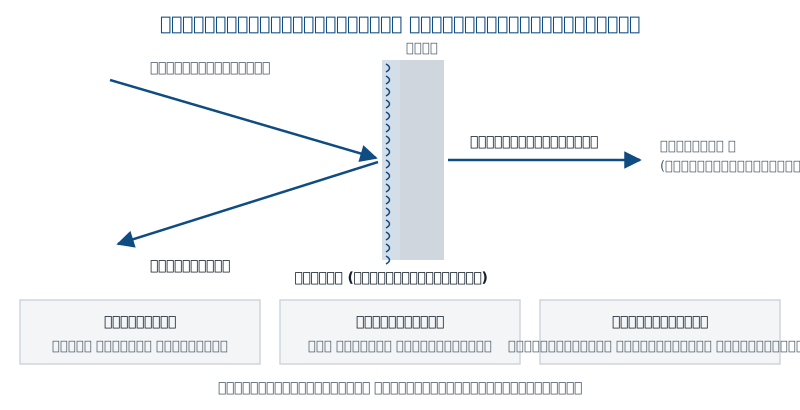
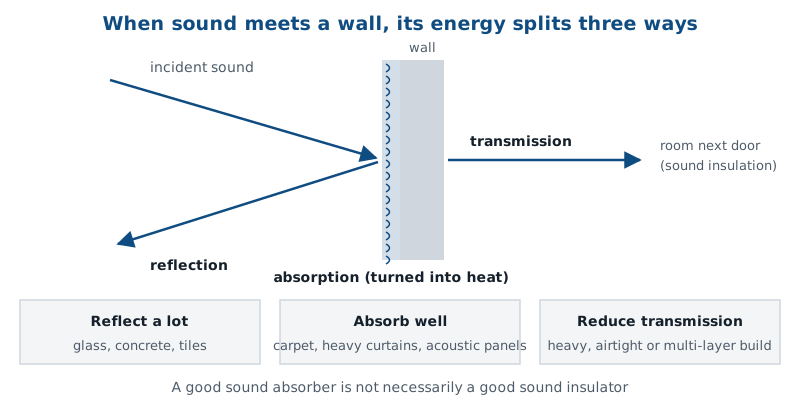
ระหว่างทาง เสียงมักไปกระทบผนัง พื้น เพดาน เฟอร์นิเจอร์ หรือผู้คน ทุกครั้งที่กระทบ พลังงานเสียงจะถูกแบ่งออกเป็นสามทางOn its way, sound usually meets walls, floors, ceilings, furniture or people. Each time it does, the sound energy is split three ways.
- สะท้อน (reflection): เสียงเด้งกลับเข้ามาในห้อง ผิวแข็งและเรียบ เช่น กระจก คอนกรีต กระเบื้อง สะท้อนเสียงได้มากReflection: the sound bounces back into the room. Hard, smooth surfaces such as glass, concrete and tiles reflect a lot of sound.
- ดูดซับ (absorption): พลังงานเสียงส่วนหนึ่งถูกเปลี่ยนเป็นความร้อนเล็กน้อยในวัสดุที่มีรูพรุนหรือนุ่ม เช่น พรม ม่านหนา แผ่นซับเสียงAbsorption: part of the sound energy is turned into a tiny amount of heat inside porous or soft materials such as carpet, heavy curtains and acoustic panels.
- ส่งผ่าน (transmission): เสียงบางส่วนทะลุผ่านผนังหรือพื้นไปยังอีกฝั่ง ซึ่งเป็นเรื่องของการกันเสียงTransmission: some of the sound passes through the wall or floor to the other side, which is the subject of sound insulation.
ลองปรบมือหนึ่งครั้งในห้องน้ำปูกระเบื้อง แล้วปรบอีกครั้งในห้องนอนที่มีเตียง ม่าน และพรม ในห้องน้ำ เสียงจะค้างอยู่นานกว่าเพราะผิวแข็งสะท้อนเสียงไปมา ส่วนในห้องนอน เสียงหายไปเร็วเพราะวัสดุนุ่มดูดซับไว้ ความต่างนี้คือเรื่องของ “เสียงก้อง” ซึ่งมีบทอธิบายแยกไว้Clap your hands once in a tiled bathroom, then again in a bedroom with a bed, curtains and carpet. In the bathroom the sound lingers longer because the hard surfaces bounce it back and forth; in the bedroom it dies away quickly because the soft materials absorb it. This difference is what we call reverberation, which has its own article.
สิ่งที่ดูดซับเสียงได้ดี ไม่จำเป็นต้องกันเสียงได้ดี แผ่นฟองน้ำบาง ๆ ช่วยลดเสียงก้องภายในห้อง แต่แทบไม่ช่วยหยุดเสียงที่ทะลุผนังไปห้องข้าง ๆ การกันเสียงต้องอาศัยโครงสร้างที่ปิดสนิท และมีมวลมาก หรือเป็นผนังหลายชั้นที่ออกแบบอย่างถูกต้องA good sound absorber is not necessarily a good sound insulator. A thin foam panel helps reduce reverberation inside a room, but does almost nothing to stop sound passing through the wall to the room next door. Sound insulation relies on airtight construction that is heavy, or properly designed multi-layer construction.
คำศัพท์สำคัญKey terms
- การสั่น (vibration)Vibration
- การเคลื่อนไปมาอย่างรวดเร็วรอบตำแหน่งเดิม เป็นจุดเริ่มต้นของเสียงทุกเสียงRapid back-and-forth movement around a resting position; the starting point of every sound.
- คลื่นเสียง (sound wave)Sound wave
- รูปแบบของการอัดและการคลายของตัวกลางที่ส่งต่อกันออกไปจากแหล่งกำเนิดThe pattern of squeezing and releasing of a medium that travels outwards from a source.
- ตัวกลาง (medium)Medium
- สิ่งที่เสียงเดินทางผ่าน เช่น อากาศ น้ำ หรือของแข็ง ไม่มีตัวกลางก็ไม่มีเสียงWhat sound travels through, such as air, water or a solid. Without a medium there is no sound.
- ความดันเสียง (sound pressure)Sound pressure
- ส่วนของความดันอากาศที่แกว่งขึ้นลงเมื่อคลื่นเสียงผ่าน เป็นสิ่งที่หูและไมโครโฟนรับรู้The part of the air pressure that rises and falls as a sound wave passes; what ears and microphones detect.
- ความถี่ (frequency)Frequency
- จำนวนรอบการสั่นต่อวินาที หน่วยเฮิรตซ์ (Hz)The number of vibrations per second, in hertz (Hz).
- ความยาวคลื่น (wavelength)Wavelength
- ระยะที่คลื่นเดินทางได้ในหนึ่งรอบการสั่น เสียงความถี่ต่ำมีความยาวคลื่นยาวThe distance a wave travels during one vibration; low-frequency sound has a long wavelength.
ความเข้าใจผิดที่พบบ่อยCommon misunderstandings
- “อากาศวิ่งจากลำโพงมาถึงหู” ไม่ใช่ อากาศแค่ขยับไปมาอยู่กับที่ สิ่งที่เดินทางคือจังหวะของการอัดและคลาย“Air flows from the loudspeaker to your ear.” No. The air only moves back and forth in place; what travels is the rhythm of squeezing and releasing.
- “ปิดหน้าต่างแล้วเสียงจะเข้าไม่ได้” เสียงยังเดินทางผ่านผนัง พื้น โครงสร้าง และช่องรั่วเล็ก ๆ ได้ โดยเฉพาะเสียงทุ้มต่ำ“Closing the window keeps the sound out.” Sound still travels through walls, floors, the structure and small gaps, especially deep low-frequency sound.
- “แผ่นซับเสียงช่วยกันเสียงไปห้องข้าง ๆ” การดูดซับช่วยลดเสียงก้องในห้อง แต่การกันเสียงระหว่างห้องต้องใช้โครงสร้างที่ปิดสนิท และมีมวลมากหรือเป็นผนังหลายชั้นที่ออกแบบอย่างถูกต้อง“Acoustic panels stop sound reaching the next room.” Absorption reduces reverberation inside a room; insulation between rooms needs airtight construction that is heavy or a properly designed multi-layer build-up.
- “วัดเสียงคือวัดความรู้สึกดัง” เครื่องวัดวัดความดันเสียงซึ่งเป็นปริมาณทางฟิสิกส์ ส่วนความรู้สึกว่าดังหรือน่ารำคาญขึ้นกับหลายปัจจัยที่จะอธิบายในบทต่อ ๆ ไป“Measuring sound means measuring how loud it feels.” An instrument measures sound pressure, a physical quantity. How loud or annoying a sound feels depends on several other factors covered in later articles.
นำไปใช้ที่ไหน และอ่านอะไรต่อWhere this is used, and what to read next
ภาพ “แหล่งกำเนิด – ตัวกลาง – ผู้รับ” ใช้ได้ในทุกงานด้านเสียง เช่น การตรวจวัดเสียงรบกวนในชุมชน การออกแบบห้องประชุมให้ฟังชัด การกันเสียงระหว่างห้องพักในคอนโด หรือการหาว่าเสียงดังในโรงงานมาจากเครื่องไหน ขั้นต่อไปแนะนำให้อ่านเรื่องความถี่ แล้วต่อด้วยเรื่องเสียงรบกวนและเดซิเบลThe source–medium–receiver picture applies to every kind of acoustic work: measuring community noise, designing a meeting room where speech is clear, insulating between condominium units, or finding out which machine in a factory is making the noise. Next, we suggest reading about frequency, then noise and the decibel.