เสียงกับเสียงรบกวนต่างกันอย่างไรSound versus noise
เครื่องวัดเสียงแยกไม่ออกว่าเสียงไหนเป็นเพลงไพเราะ เสียงไหนเป็นเสียงรบกวน สำหรับเครื่องวัด ทุกอย่างคือความดันเสียงที่แกว่งขึ้นลง ความต่างอยู่ที่ คนฟัง คำจำกัดความที่ใช้กันแพร่หลายคือ เสียงรบกวน (noise) คือเสียงที่ไม่ต้องการ หรือเสียงที่ทำให้รู้สึกถูกรบกวนA sound level meter cannot tell whether a sound is beautiful music or noise. To the instrument, everything is sound pressure rising and falling. The difference lies with the listener. The widely used definition is: noise is unwanted sound, or sound that disturbs.
เพลงเดียวกันที่เปิดดังในงานปาร์ตี้ คนที่อยู่ในงานรู้สึกสนุก แต่สำหรับเพื่อนบ้านที่ต้องตื่นไปทำงานตีห้า เพลงนั้นคือเสียงรบกวน เสียงเครื่องจักรในโรงงานก็เช่นกัน สำหรับช่างซ่อมบำรุง เสียงนี้เป็นข้อมูลบอกว่าเครื่องทำงานปกติไหม แต่สำหรับบ้านที่อยู่ติดรั้วโรงงาน มันคือสิ่งที่รบกวนการพักผ่อนThe same song played loudly at a party is fun for the guests, but for the neighbour who must get up at five for work, it is noise. Machine sound in a factory is similar: for a maintenance technician it is useful information about whether the machine is running normally; for the house next to the factory fence it is something that disturbs their rest.
เพราะความรู้สึกของคนต่างกัน การจัดการเสียงรบกวนอย่างเป็นธรรมจึงต้องอาศัย การวัดที่เป็นกลาง ตามวิธีที่ตกลงกันไว้ แทนการตัดสินจากความรู้สึกของฝ่ายใดฝ่ายหนึ่งBecause people feel differently, managing noise fairly relies on objective measurement using agreed methods, rather than on the feelings of one side or the other.
อะไรทำให้เสียงหนึ่งน่ารำคาญกว่าอีกเสียงWhat makes one sound more annoying than another
ความดังเป็นปัจจัยสำคัญ แต่ไม่ใช่ปัจจัยเดียว เสียงที่ค่อนข้างเบาก็อาจสร้างปัญหาได้ ถ้ามีลักษณะบางอย่างต่อไปนี้Loudness matters, but it is not the only factor. A fairly quiet sound can still cause problems if it has some of the following features.
- ความดัง: ยิ่งดัง ยิ่งรบกวนและยิ่งเสี่ยงต่อการได้ยินLevel: the louder it is, the more it disturbs and the greater the risk to hearing.
- เสียงโทนเด่น (tonal): มีเสียงความถี่เดียวโดดออกมา เช่น เสียงหวีดของพัดลม เสียงหอนของเครื่องยนต์กังหัน เสียงไซเรน เสียงเอี๊ยด หูจะจับได้ง่ายและรำคาญมากTonal sound: a single frequency stands out, such as a fan's whine, the howl of a turbine engine, a siren or a squeak. The ear picks it out easily and finds it very irritating.
- เสียงกระแทกเป็นจังหวะ (impulsive): เสียงเคาะ ตอก ปัง กระแทก หรือเสียงดังกึกกัก เกิดขึ้นทันทีทันใดจนทำให้สะดุ้งImpulsive sound: knocking, hammering, banging or rattling that arrives suddenly and makes you jump.
- เวลาที่เกิด: เสียงระดับเดียวกันรบกวนมากกว่าในช่วงกลางคืนที่คนต้องการนอน หลายประเทศจึงกำหนดเกณฑ์กลางคืนเข้มกว่ากลางวันTime of day: the same level disturbs more at night when people need to sleep, so many countries set stricter night-time limits.
- ระยะเวลาและความถี่ที่เกิดซ้ำ: เสียงที่เกิดทั้งคืนหรือทุกวันสะสมความรำคาญมากกว่าเสียงที่เกิดครั้งเดียวDuration and repetition: a sound that goes on all night or every day builds up more annoyance than a one-off event.
- เสียงความถี่ต่ำ: เสียงหึ่งทุ้ม ๆ จากเครื่องจักรหรือเบส ลอดผ่านผนังได้ดี และมักรู้สึกได้ชัดในห้องที่เงียบLow-frequency sound: a deep hum from machinery or bass passes through walls easily and is often very noticeable in a quiet room.
งานประเมินเสียงรบกวนจากสิ่งแวดล้อมและอุตสาหกรรมในหลายมาตรฐานจึงไม่ได้ใช้ระดับเสียงเฉลี่ยเพียงอย่างเดียว แต่เพิ่ม “ค่าปรับ” สำหรับเสียงโทนเด่น เสียงกระแทก และช่วงเวลา แล้วนำผลรวมไปเทียบกับเกณฑ์ ทำให้ผลใกล้เคียงกับความรำคาญที่คนรู้สึกจริงมากขึ้น เรื่องนี้อธิบายในบทการประเมินเสียงรบกวนในสิ่งแวดล้อมThat is why environmental and industrial noise assessments under many standards do not rely on the average level alone. They add “penalties” for tonal sound, impulsive sound and time of day, and compare the result with the limit, so that it better matches the annoyance people actually feel. This is covered in the article on environmental noise assessment.
ทำไมเสียงรบกวนจึงสำคัญWhy noise matters
เสียงรบกวนไม่ได้เป็นแค่เรื่องความรำคาญ ผลกระทบแบ่งได้เป็นหลายด้าน ทั้งระยะสั้นและระยะยาวNoise is not only a nuisance. Its effects fall into several areas, both short-term and long-term.
| ด้านArea | ผลที่อาจเกิดขึ้นPossible effects | ตัวอย่างสถานการณ์Example situation |
|---|---|---|
| การได้ยินHearing | ผลที่อาจเกิดขึ้นPossible effectsการได้ยินเสื่อมถาวร เสียงวิ้งในหู (tinnitus)Permanent hearing loss, ringing in the ears (tinnitus) | ตัวอย่างสถานการณ์Example situationทำงานกับเครื่องจักรดังทุกวันโดยไม่ป้องกัน ฟังเพลงดังมากเป็นเวลานานWorking near loud machines every day without protection; long periods of very loud music |
| การนอนหลับSleep | ผลที่อาจเกิดขึ้นPossible effectsหลับยาก ตื่นกลางดึก นอนไม่เต็มอิ่มTrouble falling asleep, waking in the night, poor-quality sleep | ตัวอย่างสถานการณ์Example situationแอร์ ปั๊ม หรือถนนใกล้ห้องนอน สถานบันเทิงใกล้บ้านAn air conditioner, pump or road near the bedroom; a nightlife venue nearby |
| ร่างกายและจิตใจBody and mind | ผลที่อาจเกิดขึ้นPossible effectsความเครียด หงุดหงิด ความดันโลหิตสูงขึ้น และในระยะยาวมีความเสี่ยงโรคหัวใจและหลอดเลือดเพิ่มขึ้นStress, irritability, raised blood pressure and, over the long term, a higher risk of heart and circulation disease | ตัวอย่างสถานการณ์Example situationอยู่อาศัยใกล้แหล่งเสียงดังต่อเนื่องหลายปีLiving near a constant loud source for years |
| การสื่อสารCommunication | ผลที่อาจเกิดขึ้นPossible effectsฟังเสียงพูดไม่ชัด ต้องตะโกน เข้าใจผิด พลาดเสียงเตือนSpeech is hard to follow, people have to shout, messages are misunderstood, warnings are missed | ตัวอย่างสถานการณ์Example situationห้องเรียนที่มีเสียงถนนหรือแอร์ดัง ห้องประชุมที่ก้อง ประกาศฉุกเฉินที่ฟังไม่รู้เรื่องA classroom with loud traffic or air conditioning, a reverberant meeting room, an emergency announcement nobody can understand |
| การทำงานWork | ผลที่อาจเกิดขึ้นPossible effectsเหนื่อยล้า เสียสมาธิ ประสิทธิภาพลดลงFatigue, distraction, lower productivity | ตัวอย่างสถานการณ์Example situationสำนักงานเปิดโล่งที่มีเสียงคุยตลอดเวลา สายการผลิตที่ดังAn open-plan office with constant chatter; a loud production line |
| สังคมและกฎหมายCommunity and law | ผลที่อาจเกิดขึ้นPossible effectsเรื่องร้องเรียน ข้อพิพาทกับเพื่อนบ้าน การตรวจสอบจากหน่วยงาน และคดีความComplaints, disputes with neighbours, inspections by authorities and legal cases | ตัวอย่างสถานการณ์Example situationร้านอาหารกลางคืน ไซต์ก่อสร้าง หรือโรงงานใกล้ชุมชนA late-night restaurant, a construction site or a factory near homes |
ความเสียหายต่อการได้ยินจากเสียงดังเป็นสิ่งที่ ไม่เจ็บและเกิดขึ้นทีละน้อย คนมักไม่รู้ตัวจนการได้ยินเสียไปแล้ว และการได้ยินที่เสียจากเสียงดังไม่กลับคืนมา สถานที่ทำงานหลายประเทศจึงมีกฎหมายกำหนดระดับการสัมผัสเสียง ตัวอย่างจากสหภาพยุโรป (Directive 2003/10/EC): นายจ้างต้องเริ่มมีมาตรการเมื่อระดับการสัมผัสเสียงประจำวัน ซึ่งคิดเทียบเป็นวันทำงาน 8 ชั่วโมง ถึง 80 dB(A) (เดซิเบล หรือ dB คือหน่วยบอกระดับเสียงแบบลอการิทึม ส่วนตัว (A) หมายถึงการถ่วงน้ำหนักความถี่แบบ A ตามมาตรฐาน ซึ่งอิงคร่าว ๆ กับความไวของหูที่ระดับเสียงปานกลาง) ค่านี้เป็นตัวอย่างของ EU ไม่ใช่เกณฑ์ของทุกประเทศ ความหมายของตัวเลขนี้อธิบายในบทเดซิเบลและบทเสียงดังในที่ทำงานHearing damage from loud sound is painless and gradual. People often do not notice until the hearing is already lost, and hearing lost to noise does not come back. That is why many countries regulate noise exposure at work. An example from the European Union (Directive 2003/10/EC): employers must start taking action when the daily noise exposure level, normalised to an 8-hour working day, reaches 80 dB(A) (the decibel, dB, is a logarithmic unit for sound level, and the (A) means the standardised A frequency weighting, loosely modelled on the ear's sensitivity at moderate levels). This is an EU example, not a limit that applies everywhere. What this number means is explained in the decibel article and the article on occupational noise.
เสียงรบกวนมาจากไหนWhere noise comes from
- การคมนาคม: รถยนต์ รถบรรทุก รถไฟ เครื่องบินTransport: cars, trucks, trains, aircraft.
- อุตสาหกรรม: เครื่องจักร คอมเพรสเซอร์ พัดลม ปั๊ม ระบบระบายอากาศของโรงงานIndustry: machinery, compressors, fans, pumps, factory ventilation.
- การก่อสร้าง: เครื่องตอกเสาเข็ม เครื่องเจาะ รถขุดConstruction: pile drivers, drills, excavators.
- งานระบบอาคาร: คอยล์ร้อนแอร์ ชิลเลอร์ ปั๊มน้ำ ลิฟต์ ท่อลมBuilding services: air-conditioner outdoor units, chillers, water pumps, lifts, air ducts.
- กิจกรรมและความบันเทิง: ดนตรีสด คาราโอเกะ สถานบันเทิง งานกีฬาLeisure and entertainment: live music, karaoke, nightlife venues, sports events.
- เพื่อนบ้านและผู้ใช้อาคาร: เสียงเดิน เสียงลากเฟอร์นิเจอร์ เสียงพูดคุย เสียงทีวีNeighbours and other occupants: footsteps, furniture being dragged, conversation, television.
จัดการเสียงรบกวนได้อย่างไรHow noise can be managed
ใช้ภาพ “แหล่งกำเนิด – เส้นทาง – ผู้รับ” จากบทเสียงคืออะไร เพื่อคิดทางเลือกอย่างเป็นระบบUse the source–path–receiver picture from the article on what sound is to think through the options systematically.
| จุดที่แก้Where to act | แนวทางApproach | ตัวอย่างExamples |
|---|---|---|
| แหล่งกำเนิดSource | แนวทางApproachทำให้เสียงเกิดน้อยลงตั้งแต่ต้นMake less sound in the first place | ตัวอย่างExamplesเลือกเครื่องที่เงียบกว่า ออกแบบเครื่องใหม่ ติดตั้งบนฐานรองกันสั่น ลดความเร็วรถ ใช้ยางและผิวถนนที่เงียบกว่าChoose quieter equipment, redesign machines, mount them on anti-vibration mounts, lower traffic speeds, use quieter tyres and road surfaces |
| เส้นทางPath | แนวทางApproachกั้นหรือตัดทางที่เสียงเดินทางBlock or break the way the sound travels | ตัวอย่างExamplesกำแพงกันเสียง ผนังและหน้าต่างที่กันเสียงดีขึ้น ปิดช่องรั่ว ครอบเครื่องจักร วัสดุดูดซับในห้องNoise barriers, better walls and windows, sealing gaps, machine enclosures, absorbing material inside rooms |
| ผู้รับReceiver | แนวทางApproachลดการสัมผัสของคนReduce people's exposure | ตัวอย่างExamplesจัดห้องนอนให้ห่างจากแหล่งเสียง จัดตารางเวลางานที่ดัง อุปกรณ์ป้องกันการได้ยินPlace bedrooms away from the source, schedule noisy work carefully, hearing protection |
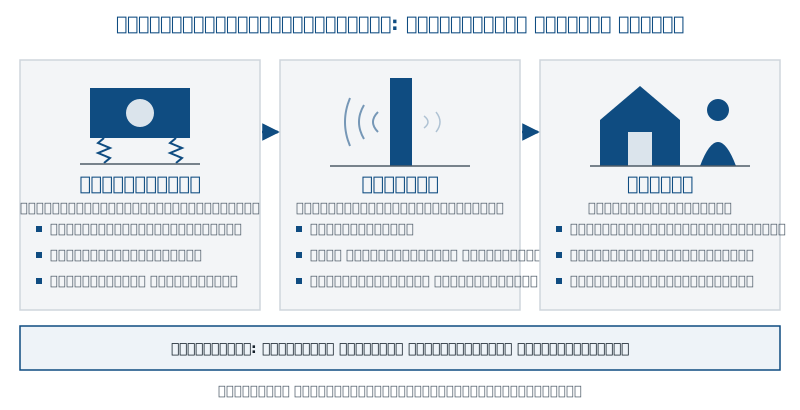
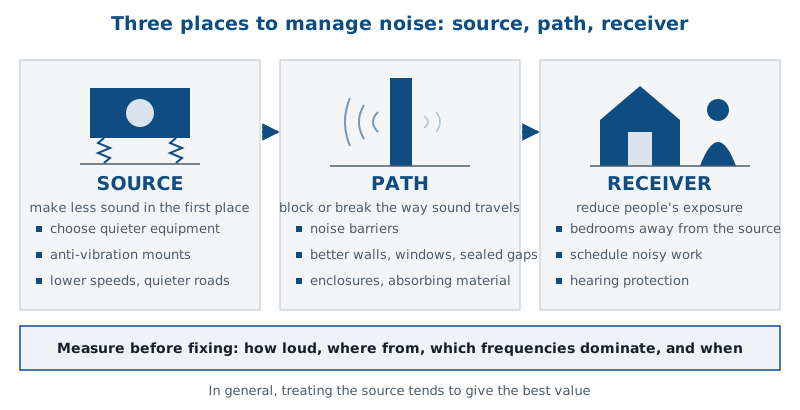
ก่อนลงทุนแก้ไข ควรวัดให้รู้ก่อนว่าเสียงดังแค่ไหน มาจากแหล่งไหน เด่นที่ความถี่อะไร และเกิดช่วงเวลาใด ถ้าแก้ผิดจุด เช่น ติดแผ่นซับเสียงเพื่อแก้เสียงเบสที่ลอดผนัง อาจเสียเงินโดยไม่ได้ผลBefore spending money on a fix, measure first: how loud the noise is, where it comes from, which frequencies dominate and when it happens. A fix in the wrong place, such as adding absorbing panels to stop bass coming through a wall, can cost money without helping.
วัดเสียงรบกวนอย่างไรHow noise is measured
- ตั้งคำถามให้ชัด: วัดเพื่ออะไร เช่น เทียบกับเกณฑ์ของทางการ หาต้นเหตุ หรือเก็บหลักฐานเรื่องร้องเรียนBe clear about the question: what is the measurement for, e.g. comparing with an official limit, finding the cause, or gathering evidence for a complaint.
- ใช้เครื่องวัดระดับเสียงที่ได้มาตรฐานและสอบเทียบแล้ว และตรวจเช็กด้วยเครื่องสอบเทียบเสียง (อุปกรณ์เล็ก ๆ ที่สวมบนไมโครโฟนแล้วปล่อยเสียงที่รู้ระดับแน่นอน) ก่อนและหลังวัดUse a standard-compliant, calibrated sound level meter, and check it with a sound calibrator (a small device that fits over the microphone and plays a sound of exactly known level) before and after measuring.
- วัดในตำแหน่งและช่วงเวลาที่เกี่ยวข้อง เช่น หน้าห้องนอนของผู้ร้องเรียนในช่วงกลางคืน และวัดเสียงพื้นหลังเมื่อแหล่งกำเนิดหยุดทำงานด้วยMeasure at the relevant place and time, e.g. outside the complainant's bedroom at night, and also measure the background noise when the source is off.
- บันทึกค่าที่เหมาะสม เช่น ระดับเสียงเฉลี่ยเทียบเท่า (Leq) ซึ่งเป็นค่าเฉลี่ยเชิงพลังงานตลอดช่วงที่วัด (ไม่ใช่การเฉลี่ยตัวเลข dB ตรง ๆ) ค่าสูงสุด ค่าเปอร์เซ็นไทล์ซึ่งบอกว่าเสียงดังเกินระดับหนึ่งนานเท่าไรของเวลาทั้งหมด และสเปกตรัมความถี่ซึ่งบอกว่าเสียงมีพลังงานอยู่ที่ความถี่ใด (แต่ละค่ามีบทอธิบายแยกในระดับ 1) เมื่อต้องการหลักฐาน ให้บันทึกเสียงจริงไว้ด้วยเพื่อยืนยันว่าเสียงที่วัดได้มาจากแหล่งไหนRecord the right values, such as the equivalent continuous level (Leq), which is the energy average over the measurement period (not a simple average of dB readings), the maximum, percentile levels, which tell you for what share of the time the sound was above a given level, and the frequency spectrum, which shows at which frequencies the sound has its energy (each of these has its own article in Level 1). When evidence is needed, also record the audio so you can confirm where the measured sound came from.
- ตีความตามบริบท: เทียบกับเกณฑ์ที่ใช้บังคับ และพิจารณาลักษณะเสียง เช่น เสียงโทนเด่นหรือเสียงกระแทกInterpret in context: compare with the applicable limit and take account of the sound's character, such as tones or impulses.
สำหรับเรื่องร้องเรียนที่เกิดเป็นช่วง ๆ เช่น เสียงดนตรีตอนดึกหรือเสียงเครื่องจักรที่เปิดเป็นบางเวลา การวัดครั้งเดียวไม่กี่นาทีมักไม่พอ อาจต้องติดตั้งเครื่องเฝ้าระวังเสียงไว้หลายวันหรือหลายสัปดาห์ ระบบอย่าง NTi XL3 บันทึกระดับเสียงต่อเนื่อง และบันทึกเสียงจริงควบคู่ได้ (ฟังก์ชันขึ้นกับรุ่นและออปชันที่ใช้) เพื่อใช้ประกอบการพิจารณาFor complaints about noise that comes and goes, such as late-night music or machinery that runs only at certain times, a single measurement of a few minutes is often not enough. A noise monitor may need to stay in place for days or weeks. Systems such as the NTi XL3 log the level continuously and can also record audio (features depend on the model and options), to support the assessment.
คำศัพท์สำคัญKey terms
- เสียงรบกวน (noise)Noise
- เสียงที่ไม่ต้องการ หรือเสียงที่ทำให้รู้สึกถูกรบกวนUnwanted or disturbing sound.
- เสียงพื้นหลัง (background noise)Background noise
- เสียงที่มีอยู่ในพื้นที่เมื่อไม่มีแหล่งเสียงที่กำลังพิจารณา งานเสียงสิ่งแวดล้อมตาม ISO 1996 เรียกเสียงนี้ว่าเสียงคงเหลือ (residual sound) ส่วนบางวิธีประเมินใช้คำว่า “background” หมายถึงค่าเปอร์เซ็นไทล์ เช่น L90The sound present in a place when the source being assessed is not operating. Environmental noise work to ISO 1996 calls this the residual sound; some assessment methods use “background” for a percentile level such as L90.
- เสียงโทนเด่น (tonal noise)Tonal noise
- เสียงที่มีความถี่หนึ่งโดดเด่นออกมาจนได้ยินชัด เช่น เสียงหวีดหรือเสียงหึ่งSound with one clearly audible, dominant frequency, such as a whine or a hum.
- เสียงกระแทก (impulsive noise)Impulsive noise
- เสียงที่ดังขึ้นทันทีในช่วงเวลาสั้น ๆ เช่น เสียงตอก เสียงปังSound that rises suddenly for a short moment, such as hammering or a bang.
- เสียงวิ้งในหู (tinnitus)Tinnitus
- การได้ยินเสียงวิ้งหรือเสียงหึ่งในหูโดยไม่มีแหล่งเสียงจริง อาจเกิดจากการสัมผัสเสียงดังHearing ringing or buzzing without any real sound source; it can be caused by exposure to loud noise.
ความเข้าใจผิดที่พบบ่อยCommon misunderstandings
- “ไม่เกินค่ามาตรฐานแปลว่าไม่มีปัญหา” เสียงที่ต่ำกว่าเกณฑ์ยังอาจรบกวนได้จริง โดยเฉพาะเสียงโทนเด่น เสียงกระแทก หรือเสียงตอนกลางคืน ระดับเสียงเฉลี่ยเพียงตัวเดียวไม่สะท้อนความรำคาญเสมอไป“Below the limit means no problem.” Sound under a limit can still genuinely disturb people, especially tonal, impulsive or night-time sound. A single average level does not always reflect annoyance.
- “ชินแล้ว ไม่เป็นไร” การรู้สึกชินไม่ได้แปลว่าหูปลอดภัย การได้ยินเสื่อมจากเสียงดังเกิดขึ้นโดยไม่เจ็บและไม่รู้ตัว“I'm used to it, so it's fine.” Getting used to noise does not mean your hearing is safe; noise-induced hearing loss happens painlessly and unnoticed.
- “ใช้แอปมือถือวัดก็พอสำหรับข้อพิพาท” แอปช่วยให้เห็นภาพคร่าว ๆ ได้ แต่การวัดที่ใช้อ้างอิงควรใช้เครื่องวัดที่เป็นไปตามมาตรฐานและผ่านการสอบเทียบ“A phone app is good enough for a dispute.” An app can give a rough idea, but measurements used as a reference should be made with a standard-compliant, calibrated instrument.
- “เสียงรบกวนคือเสียงดังเท่านั้น” เสียงหึ่งเบา ๆ ในห้องนอนที่เงียบก็เป็นเสียงรบกวนได้ ถ้าทำให้นอนไม่หลับ“Noise only means loud sound.” A quiet hum in a silent bedroom can be noise too if it keeps someone awake.
อ่านอะไรต่อWhat to read next
เมื่อเข้าใจแล้วว่าเสียงรบกวนคืออะไรและทำไมจึงสำคัญ ขั้นต่อไปคือเข้าใจตัวเลขที่ใช้บอกความดัง คือ เดซิเบล จากนั้นจึงต่อด้วยเรื่อง dBA และค่า Leq ซึ่งเป็นภาษาพื้นฐานของการวัดเสียงรบกวนทุกประเภทNow that you know what noise is and why it matters, the next step is the number used to describe loudness: the decibel. After that come dBA and Leq, the basic language of every kind of noise measurement.