ทำไมเรื่องนี้สำคัญWhy this matters
เกือบทุกตัวเลขในงานเสียง ทั้งเกณฑ์เสียงรบกวน ผลวัดในโรงงาน ค่าการกันเสียงของผนัง และสเปกของลำโพง ล้วนเป็นหน่วยเดซิเบล แต่เดซิเบลทำงานไม่เหมือนหน่วยที่เราคุ้นเคยอย่างเมตรหรือกิโลกรัม ถ้าไม่เข้าใจวิธีคิดของมัน อาจตีความผิดได้ง่าย เช่น คิดว่า 90 dB ดังกว่า 60 dB แค่ครึ่งเดียว หรือคิดว่าเครื่องจักรสองเครื่องที่ดังเครื่องละ 80 dB จะรวมกันได้ 160 dBAlmost every number in acoustics, from noise limits and factory measurements to the insulation of a wall and loudspeaker specifications, is given in decibels. But the decibel does not behave like familiar units such as metres or kilograms. Without understanding how it works, it is easy to misread results, for example thinking 90 dB is only half as loud again as 60 dB, or that two machines of 80 dB each add up to 160 dB.
เริ่มจากความดันเสียงStart from sound pressure
จากบทเสียงคืออะไร เสียงคือความดันอากาศที่แกว่งขึ้นลงเล็กน้อยรอบความดันบรรยากาศ ปริมาณที่แกว่งนี้เรียกว่า ความดันเสียง (sound pressure) มีหน่วยเป็น ปาสคาล (Pa) ซึ่งเป็นหน่วยเดียวกับที่ใช้วัดความดันลมยางหรือความดันอากาศ เพียงแต่ความดันเสียงมีค่าน้อยมากAs the article on what sound is explained, sound is air pressure rising and falling slightly around atmospheric pressure. The size of this swing is the sound pressure, measured in pascals (Pa), the same unit used for tyre pressure or air pressure, except that sound pressures are extremely small.
ความดันบรรยากาศที่ระดับน้ำทะเลอยู่ที่ประมาณ 100,000 Pa ส่วนเสียงที่ดังพอสมควร เช่น เสียงจากเครื่องสอบเทียบเสียงที่ใช้ตรวจเช็กเครื่องวัด มีความดันเสียงประมาณ 1 Pa เท่านั้น คือราวหนึ่งในแสนของความดันอากาศ และเสียงที่เบาที่สุดที่หูคนหนุ่มสาวได้ยินมีความดันเพียงประมาณ 0.00002 Pa (20 ไมโครปาสคาล) หูของเราจึงเป็นเครื่องรับรู้ความดันที่ไวมากAtmospheric pressure at sea level is about 100,000 Pa. A fairly loud sound, such as the tone from a sound calibrator used to check instruments, has a sound pressure of only about 1 Pa, roughly one hundred-thousandth of the air pressure. The faintest sound a young person can hear has a pressure of only about 0.00002 Pa (20 micropascals). Our ears are remarkably sensitive pressure sensors.
ทำไมต้องใช้สเกลลอการิทึมWhy a logarithmic scale?
ความดันเสียงที่หูรับได้ ตั้งแต่เบาสุดที่พอได้ยิน (ประมาณ 0.00002 Pa) ไปจนถึงดังจนเริ่มเจ็บหู (ประมาณ 20 Pa ขึ้นไป) ต่างกันถึง ประมาณหนึ่งล้านเท่า ถ้าใช้ปาสคาลตรง ๆ ตัวเลขจะมีทั้งทศนิยมหลายตำแหน่งและตัวเลขหลายหลัก อ่านและเปรียบเทียบยากมากThe sound pressures our ears can handle, from the faintest audible (about 0.00002 Pa) to sound that starts to hurt (about 20 Pa and above), differ by roughly a factor of a million. Using pascals directly would mean numbers with many decimal places at one end and many digits at the other, which are hard to read and compare.
สเกลลอการิทึม (logarithmic scale) แก้ปัญหานี้โดยไม่นับว่า “ต่างกันกี่หน่วย” แต่นับว่า “ต่างกันกี่เท่า” ทุกครั้งที่ค่าคูณด้วยจำนวนเท่าเดิม ตัวเลขบนสเกลจะเพิ่มขึ้นเป็นขั้นเท่าเดิม ช่วงล้านเท่าจึงกลายเป็นตัวเลขประมาณ 0 ถึง 120 ซึ่งใช้งานง่ายกว่ามากA logarithmic scale solves this by counting not “how many units apart” but “how many times larger”. Each time a value is multiplied by the same factor, the number on the scale goes up by the same step. The million-fold range becomes numbers from about 0 to 120, which are far easier to work with.
เหตุผลข้อที่สองคือ หูของเราก็รับรู้ความดังแบบเป็นสัดส่วนคล้ายกัน การเพิ่มความดันจาก 1 เป็น 2 หน่วยให้ความรู้สึกต่างพอ ๆ กับการเพิ่มจาก 10 เป็น 20 หน่วย ไม่ใช่จาก 10 เป็น 11 หน่วย สเกลลอการิทึมจึงสอดคล้องกับการได้ยินมากกว่าสเกลธรรมดาThe second reason is that our hearing also responds in proportion. Going from 1 to 2 units of pressure feels like a similar change to going from 10 to 20 units, not from 10 to 11. A logarithmic scale therefore matches hearing better than an ordinary scale.
เดซิเบลคืออะไรWhat is a decibel?
เดซิเบล (decibel, dB) คือหน่วยบนสเกลลอการิทึมที่บอกว่าค่าที่วัดได้ มากหรือน้อยกว่าค่าอ้างอิงกี่เท่า ตัวเดซิเบลเองจึงเป็น “อัตราส่วน” ไม่ใช่ปริมาณที่มีขนาดในตัว การบอกว่า “80 dB” จะมีความหมายก็ต่อเมื่อรู้ว่าเทียบกับค่าอ้างอิงอะไรThe decibel (dB) is a unit on a logarithmic scale that says how many times larger or smaller a measured value is than a reference value. A decibel is therefore a ratio, not an amount in its own right. Saying “80 dB” only means something when you know what reference it is compared with.
เดซิเบลไม่ได้ใช้เฉพาะงานเสียง วิศวกรไฟฟ้าและสื่อสารก็ใช้บอกอัตราขยายหรือการลดทอนของสัญญาณ เวลาเห็น dB ในเอกสาร จึงควรดูว่าเป็นเดซิเบลของอะไรเสมอ เช่น ระดับความดันเสียง ระดับแรงดันไฟฟ้า หรือความต่างระหว่างสองค่าDecibels are not used only for sound. Electrical and telecommunications engineers use them for signal gain or loss too. Whenever you see dB in a document, check what it is a decibel of: a sound pressure level, a voltage level, or a difference between two values.
บทความระดับเริ่มต้นนี้จะไม่ใช้สมการ สิ่งที่ต้องจำคือ ทุกครั้งที่ความดันเสียงเพิ่มเป็น 10 เท่า ระดับจะเพิ่มขึ้น 20 dB และ ทุกครั้งที่พลังงานเสียงเพิ่มเป็น 10 เท่า ระดับจะเพิ่มขึ้น 10 dB (พลังงานเสียงเพิ่มตามกำลังสองของความดัน ความดันเพิ่ม 10 เท่าจึงเท่ากับพลังงานเพิ่ม 100 เท่า) ในทางเทคนิค ปริมาณที่แปรตามกำลังสองของความดันคือกำลังหรือความเข้มเสียง (พลังงานต่อวินาที) ในศูนย์ความรู้นี้เรียกสั้น ๆ ว่า “พลังงานเสียง”This beginner article uses no equations. What to remember is: every time the sound pressure becomes 10 times larger, the level goes up by 20 dB, and every time the sound energy becomes 10 times larger, the level goes up by 10 dB (sound energy grows with the square of the pressure, so 10 times the pressure means 100 times the energy). Strictly, the quantities proportional to pressure squared are sound power or intensity (energy per second); this Knowledge Center calls them “sound energy” for short.
ระดับความดันเสียง (SPL) และจุด 0 dBSound pressure level (SPL) and the 0 dB point
เมื่อใช้เดซิเบลกับความดันเสียง ค่าที่ได้เรียกว่า ระดับความดันเสียง (sound pressure level, SPL) มักเขียนย่อว่า Lp หรือ dB SPL ค่าอ้างอิงที่ใช้ทั่วโลกคือ 20 ไมโครปาสคาล (20 µPa) ซึ่งใกล้เคียงกับเสียงเบาที่สุดที่หูคนหนุ่มสาวสุขภาพดีได้ยินที่ความถี่กลาง เสียงที่มีความดันเท่ากับค่าอ้างอิงนี้พอดีจึงมีระดับ 0 dBWhen decibels are applied to sound pressure, the result is the sound pressure level (SPL), often written Lp or dB SPL. The reference used worldwide is 20 micropascals (20 µPa), close to the faintest sound a healthy young person can hear at mid frequencies. A sound whose pressure equals this reference therefore has a level of 0 dB.
- 0 dB ไม่ได้แปลว่าไม่มีเสียง แปลว่าความดันเท่ากับค่าอ้างอิงพอดี เสียงที่เบากว่านั้นจะมีค่าติดลบ เช่น ในห้องทดสอบพิเศษหรือไมโครโฟนที่ไวมาก0 dB does not mean silence. It means the pressure equals the reference. Quieter sounds have negative values, which can occur, for example, in special test rooms or with very sensitive microphones.
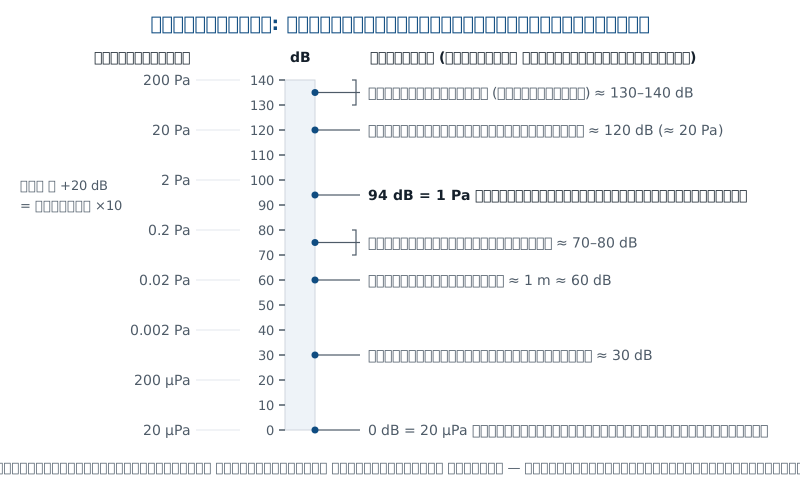
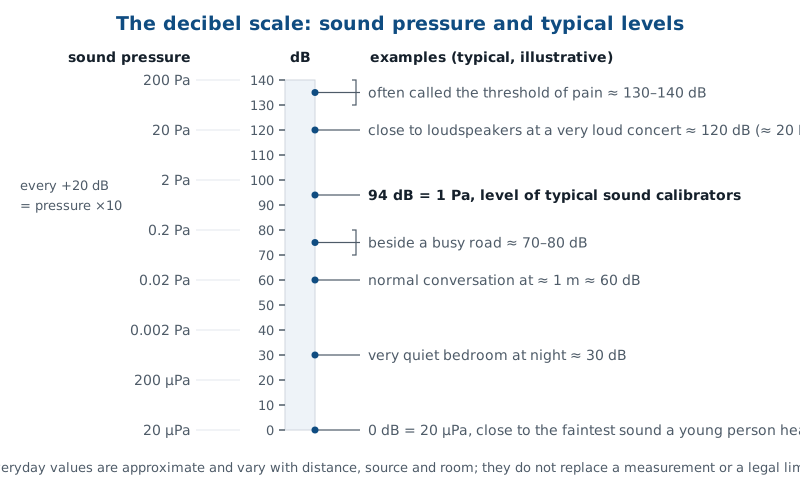
- 1 Pa เท่ากับประมาณ 94 dB SPL ค่านี้สำคัญในทางปฏิบัติ เพราะเครื่องสอบเทียบเสียงมักปล่อยเสียง 94 dB ที่ความถี่ 1 kHz เพื่อตรวจเช็กเครื่องวัดก่อนและหลังการวัด1 Pa equals about 94 dB SPL. This matters in practice, because sound calibrators usually produce 94 dB at 1 kHz to check the instrument before and after a measurement.
- 20 Pa เท่ากับประมาณ 120 dB SPL คือความดันเพิ่มหนึ่งล้านเท่าจาก 20 µPa ซึ่งบนสเกลเดซิเบลคือเพิ่ม 20 dB หกครั้ง20 Pa equals about 120 dB SPL: a million times the pressure of 20 µPa, which on the decibel scale is six steps of 20 dB.
ตัวเลขที่ควรจำNumbers worth remembering
| การเปลี่ยนแปลงChange | ผลต่อระดับเป็น dBEffect on level in dB |
|---|---|
| พลังงานเสียงเพิ่มเป็น 2 เท่า (เช่น แหล่งเสียงที่เหมือนกันเพิ่มจาก 1 เป็น 2)Sound energy doubled (e.g. from one identical source to two) | ผลต่อระดับเป็น dBEffect on level in dB+3 dB+3 dB |
| ความดันเสียงเพิ่มเป็น 2 เท่าSound pressure doubled | ผลต่อระดับเป็น dBEffect on level in dB+6 dB+6 dB |
| พลังงานเสียงเพิ่มเป็น 10 เท่าSound energy ×10 | ผลต่อระดับเป็น dBEffect on level in dB+10 dB+10 dB |
| ความดันเสียงเพิ่มเป็น 10 เท่าSound pressure ×10 | ผลต่อระดับเป็น dBEffect on level in dB+20 dB+20 dB |
| พลังงานเสียงลดลงครึ่งหนึ่งSound energy halved | ผลต่อระดับเป็น dBEffect on level in dB−3 dB−3 dB |
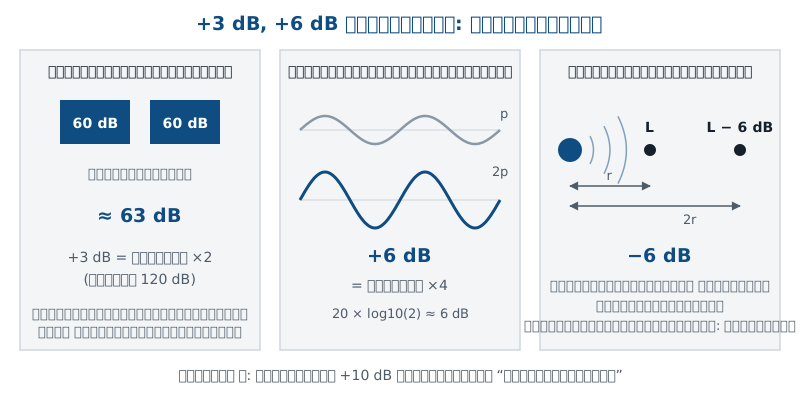
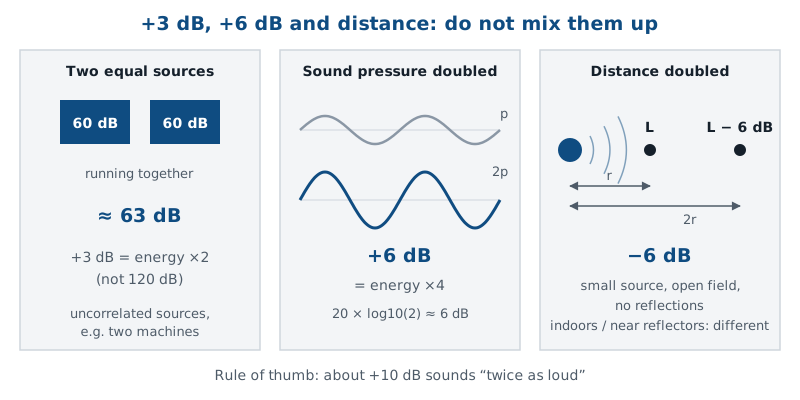
ระวังอย่าปน +3 dB กับ +6 dB: +3 dB คือพลังงานเป็นสองเท่า เช่น เปิดแหล่งเสียงที่เหมือนกันและไม่สัมพันธ์กัน (เช่น เครื่องจักรสองเครื่อง) เพิ่มอีกหนึ่งแหล่ง ส่วน +6 dB คือความดันเสียงเป็นสองเท่า ซึ่งเท่ากับพลังงานเป็นสี่เท่า เรื่องระยะทางเป็นอีกเรื่องหนึ่ง: สำหรับแหล่งเสียงขนาดเล็กในที่โล่งที่ไม่มีเสียงสะท้อน ระดับจะลดลงประมาณ 6 dB ทุกครั้งที่ระยะห่างเพิ่มเป็นสองเท่า แต่ในห้องหรือใกล้ผิวสะท้อน ค่าจะต่างไปจากนี้Do not mix up +3 dB and +6 dB. +3 dB means twice the energy, e.g. adding a second identical, unrelated (uncorrelated) source such as another machine. +6 dB means twice the sound pressure, which is four times the energy. Distance is a separate matter: for a small source in the open with no reflections, the level falls by about 6 dB each time the distance doubles, but indoors or near reflecting surfaces the change is different.
ส่วนความรู้สึกของหู กฎจำง่ายที่ใช้กันทั่วไป (เป็นค่าโดยประมาณ แต่ละคนและแต่ละเสียงต่างกันได้) คือAs for how the ear perceives changes, the commonly used rules of thumb (approximate; they vary between people and sounds) are:
- เปลี่ยน 1 dB: แทบสังเกตไม่ได้ในชีวิตประจำวันA change of 1 dB: hardly noticeable in everyday life.
- เปลี่ยน 3 dB: เริ่มสังเกตได้ แม้พลังงานเปลี่ยนไปถึงสองเท่าA change of 3 dB: just noticeable, even though the energy has doubled or halved.
- เปลี่ยน 5 dB: ได้ยินความต่างชัดเจนA change of 5 dB: clearly noticeable.
- เปลี่ยน 10 dB: รู้สึกว่าดังขึ้นประมาณสองเท่า (หรือเบาลงประมาณครึ่งหนึ่ง) ทั้งที่พลังงานเปลี่ยนไปถึง 10 เท่าA change of 10 dB: feels roughly twice as loud (or half as loud), even though the energy has changed tenfold.
ความต่างระหว่าง “พลังงานเป็นสองเท่า” (+3 dB) กับ “ความรู้สึกว่าดังเป็นสองเท่า” (ประมาณ +10 dB) เป็นเรื่องที่คนสับสนบ่อยที่สุดเรื่องหนึ่ง แต่มีผลในทางปฏิบัติมาก เช่น การลดเสียงลง 3 dB อาจฟังดูไม่ต่างมาก แต่ในทางพลังงานคือลดลงครึ่งหนึ่ง และเป็นผลที่มีนัยสำคัญต่อการสัมผัสเสียงของคนทำงานThe difference between “twice the energy” (+3 dB) and “sounds twice as loud” (about +10 dB) is one of the most common sources of confusion, and it matters in practice. A 3 dB reduction may not sound like much, but it halves the energy, which is a significant change in the noise exposure of workers.
ระดับเสียงโดยทั่วไปTypical sound levels
ตารางนี้ช่วยให้เห็นภาพว่าตัวเลขเดซิเบลแต่ละช่วงหมายถึงอะไร ค่าในชีวิตประจำวันเป็น ค่าโดยประมาณ ซึ่งเปลี่ยนไปได้มากตามระยะห่าง ลักษณะของแหล่งเสียง และห้อง ไม่ควรใช้แทนการวัดจริงหรือแทนเกณฑ์ทางกฎหมายThis table gives a feel for what different decibel values mean. The everyday values are approximate and change a lot with distance, the type of source and the room. They should not replace a real measurement or a legal limit.
| ระดับLevel | ตัวอย่างหรือความหมายExample or meaning |
|---|---|
| 0 dB0 dB | ตัวอย่างหรือความหมายExample or meaningค่าอ้างอิง 20 µPa ใกล้กับเสียงเบาที่สุดที่หูคนหนุ่มสาวได้ยินThe 20 µPa reference, close to the faintest sound a young person can hear |
| ประมาณ 30 dBabout 30 dB | ตัวอย่างหรือความหมายExample or meaningห้องนอนที่เงียบมากในเวลากลางคืนA very quiet bedroom at night |
| ประมาณ 60 dBabout 60 dB | ตัวอย่างหรือความหมายExample or meaningคนคุยกันด้วยเสียงปกติที่ระยะประมาณ 1 เมตรNormal conversation at about 1 metre |
| ประมาณ 70–80 dBabout 70–80 dB | ตัวอย่างหรือความหมายExample or meaningยืนริมถนนที่มีรถหนาแน่นStanding beside a busy road |
| 80 / 85 / 87 dB(A)80 / 85 / 87 dB(A) | ตัวอย่างหรือความหมายExample or meaningตัวอย่างจากสหภาพยุโรป: ค่าที่ระเบียบ 2003/10/EC ใช้กับระดับการสัมผัสเสียงประจำวันที่คิดเทียบเป็นวันทำงาน 8 ชั่วโมง: เริ่มมีมาตรการ / ต้องใช้อุปกรณ์ป้องกันและลดเสียง / ห้ามเกิน (ค่าสุดท้ายคิดรวมผลของอุปกรณ์ป้องกันการได้ยินแล้ว)An EU example: values used by the Noise at Work Directive (2003/10/EC) for the daily exposure level normalised to an 8-hour working day: lower action / upper action / limit that must not be exceeded (the limit takes hearing protection into account) |
| 94 dB94 dB | ตัวอย่างหรือความหมายExample or meaningความดันเสียง 1 Pa ระดับที่เครื่องสอบเทียบเสียงทั่วไปใช้A sound pressure of 1 Pa; the level used by typical sound calibrators |
| ประมาณ 120 dBabout 120 dB | ตัวอย่างหรือความหมายExample or meaningความดันเสียงประมาณ 20 Pa เช่น ใกล้ลำโพงในคอนเสิร์ตที่ดังมาก เริ่มรู้สึกไม่สบายหูA sound pressure of about 20 Pa, e.g. close to the loudspeakers at a very loud concert; uncomfortable for the ears |
| ประมาณ 130–140 dBabout 130–140 dB | ตัวอย่างหรือความหมายExample or meaningช่วงที่มักเรียกว่าขีดเริ่มเจ็บหู ระเบียบเดียวกันของสหภาพยุโรปกำหนดค่าขีดจำกัดของความดันเสียงยอดสูงสุด (peak) ไว้ที่ 140 dB(C)Often called the threshold of pain; the same EU directive sets a peak sound pressure limit of 140 dB(C) |
ตัวอักษรในวงเล็บ เช่น dB(A) หรือ dB(C) หมายถึงการถ่วงน้ำหนักความถี่ตามมาตรฐาน ซึ่งให้น้ำหนักแต่ละความถี่ไม่เท่ากัน (A-weighting อิงคร่าว ๆ กับความไวของหูที่ระดับเสียงปานกลาง) อธิบายในบทถัดไป ส่วนความหมายของค่าในที่ทำงาน อธิบายละเอียดในบทเสียงดังในที่ทำงานThe letter in brackets, as in dB(A) or dB(C), is the standardised frequency weighting, which gives different frequencies different weight (A-weighting is loosely modelled on the ear's sensitivity at moderate levels); it is explained in the next article. The workplace values are explained in detail in the article on occupational noise.
การรวมเดซิเบล: ทำไม 60 + 60 ไม่เท่ากับ 120Adding decibels: why 60 + 60 is not 120
เพราะเดซิเบลเป็นสเกลลอการิทึม จึง บวกกันตรง ๆ ไม่ได้ เมื่อมีแหล่งเสียงหลายแหล่ง สิ่งที่รวมกันจริงคือ พลังงานเสียง แล้วจึงแปลงผลรวมกลับเป็นเดซิเบล หลักคิดที่ใช้ได้บ่อยมีดังนี้Because decibels are on a logarithmic scale, they cannot simply be added. When there are several sources, what really adds up is the sound energy; the total is then converted back to decibels. The following rules cover most everyday cases.
- สองแหล่งที่ดังเท่ากัน รวมกันดังขึ้นประมาณ 3 dB เพราะพลังงานเพิ่มเป็นสองเท่า (ใช้กับแหล่งเสียงที่ไม่สัมพันธ์กัน ซึ่งเป็นกรณีปกติของเครื่องจักรและเสียงรบกวน) เช่น เครื่องจักรสองเครื่องที่แต่ละเครื่องวัดได้ 60 dB เมื่อเปิดพร้อมกันจะได้ประมาณ 63 dB ไม่ใช่ 120 dBTwo equal sources together are about 3 dB louder, because the energy doubles (this applies to unrelated, uncorrelated sources, the normal case for machines and noise). Two machines that each measure 60 dB give about 63 dB when running together, not 120 dB.
- สี่แหล่งที่ดังเท่ากัน ดังขึ้นประมาณ 6 dB และ สิบแหล่งที่ดังเท่ากัน ดังขึ้นประมาณ 10 dBFour equal sources add about 6 dB, and ten equal sources add about 10 dB.
- ถ้าสองแหล่งต่างกันตั้งแต่ 10 dB ขึ้นไป แหล่งที่เบากว่าแทบไม่มีผล เช่น 70 dB รวมกับ 60 dB ได้ประมาณ 70.4 dB ในทางปฏิบัติจึงถือว่าเท่ากับแหล่งที่ดังกว่าIf two sources differ by 10 dB or more, the quieter one hardly counts. 70 dB combined with 60 dB gives about 70.4 dB, which in practice is the same as the louder source.
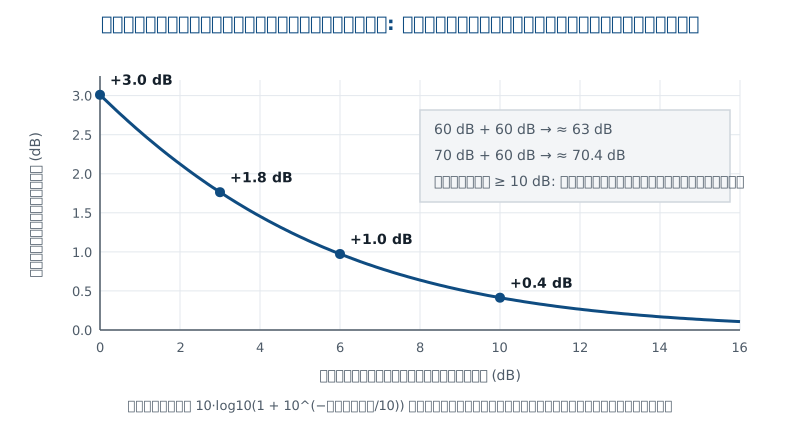
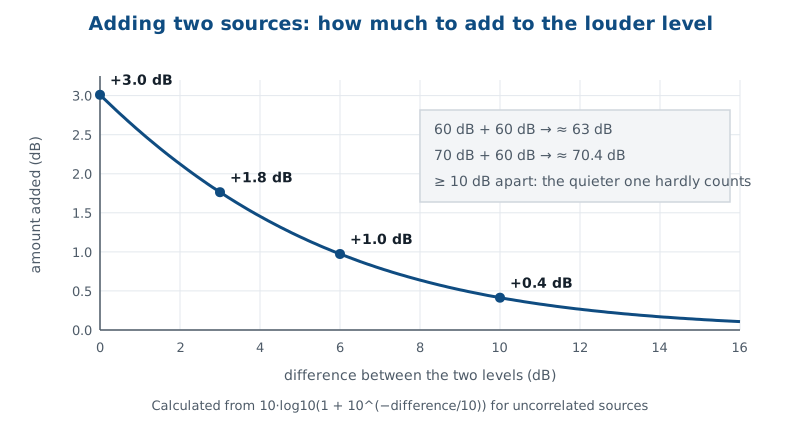
โรงงานมีปั๊มน้ำ 2 ตัวที่ดังตัวละ 80 dB ที่จุดวัด ผู้จัดการอยากลดเสียงจึงปิดปั๊มหนึ่งตัว ผลคือระดับลดลงเพียงประมาณ 3 dB (จากประมาณ 83 เหลือ 80 dB) ไม่ได้ลดลงครึ่งหนึ่งอย่างที่คาด ในอีกกรณี ถ้าในพื้นที่มีคอมเพรสเซอร์ดัง 85 dB กับพัดลมดัง 72 dB การเปลี่ยนพัดลมให้เงียบลงแทบไม่ทำให้ระดับรวมเปลี่ยน เพราะคอมเพรสเซอร์ดังกว่าเกิน 10 dB ต้องแก้ที่คอมเพรสเซอร์ก่อนA plant has two water pumps, each producing 80 dB at the measurement point. To reduce the noise, the manager switches one off. The level drops by only about 3 dB (from about 83 to 80 dB), not by half as expected. In another case, an area has a compressor at 85 dB and a fan at 72 dB. Replacing the fan with a quieter one barely changes the total, because the compressor is more than 10 dB louder; the compressor must be treated first.
หลักเดียวกันนี้ใช้กับเสียงพื้นหลังด้วย ถ้าเสียงที่ต้องการวัดดังกว่าเสียงพื้นหลังตั้งแต่ประมาณ 10 dB ขึ้นไป เสียงพื้นหลังแทบไม่กระทบผล แต่ถ้าต่างกันน้อยกว่านั้น ผลวัดจะรวมเสียงพื้นหลังไว้ด้วยและต้องพิจารณาแก้ไขตามวิธีของมาตรฐานที่ใช้The same idea applies to background noise. If the sound being measured is about 10 dB or more above the background, the background barely affects the result. If the difference is smaller, the measurement includes some background noise, which must be dealt with according to the method of the standard being used.
วัดระดับความดันเสียงอย่างไรHow sound pressure level is measured
- ไมโครโฟนวัดเสียง รับความดันเสียงและแปลงเป็นแรงดันไฟฟ้า ไมโครโฟนแต่ละตัวมีค่าความไว (sensitivity) บอกว่าให้แรงดันเท่าไรต่อความดัน 1 PaA measurement microphone picks up the sound pressure and turns it into a voltage. Each microphone has a sensitivity that states how much voltage it gives per 1 Pa of pressure.
- เครื่องวัดระดับเสียง ประมวลผลสัญญาณ ใส่การถ่วงน้ำหนักความถี่และเวลา แล้วแสดงผลเป็นเดซิเบลThe sound level meter processes the signal, applies frequency and time weighting, and shows the result in decibels.
- ตรวจเช็กด้วยเครื่องสอบเทียบเสียง ซึ่งปล่อยเสียงที่ทราบค่าแน่นอน (มักเป็น 94 dB ที่ 1 kHz) ก่อนและหลังการวัดทุกครั้ง ถ้าค่าที่อ่านได้คลาดไป ผลวัดช่วงนั้นก็น่าสงสัยCheck with a sound calibrator, which produces a known level (usually 94 dB at 1 kHz), before and after every measurement. If the reading has drifted, the results in between are in doubt.
- ส่งเครื่องวัดไปสอบเทียบในห้องปฏิบัติการเป็นระยะ เพื่อให้ผลวัดสอบกลับได้ถึงมาตรฐานการวัดระดับชาติและสากลHave the instrument calibrated in a laboratory periodically, so that results are traceable to national and international measurement standards.
เครื่องวัด NTi XL2 ที่ใช้ร่วมกับไมโครโฟนวัดเสียง เช่น M2230 และเครื่องสอบเทียบเสียง เป็นตัวอย่างของชุดวัดที่ทำงานตามขั้นตอนนี้ ความแม่นยำขึ้นกับทั้งชุด ไม่ใช่เฉพาะตัวเครื่องAn NTi XL2 used with a measurement microphone such as the M2230 and a sound calibrator is an example of a measuring system that follows these steps. Accuracy depends on the whole chain, not only on the meter.
คำถามที่พบบ่อยFrequently asked questions
เฉลี่ยค่าที่อ่านได้หลายค่าโดยบวกแล้วหารได้ไหมCan I average several readings by adding them and dividing?
ไม่ได้ ถ้าต้องการค่าเฉลี่ยพลังงาน ต้องแปลงแต่ละค่าเป็นพลังงานก่อน (10^(L/10)) หาค่าเฉลี่ย แล้วแปลงกลับเป็น dB ด้วย 10·log10 ตัวอย่างเช่น 70 dB กับ 80 dB ที่นานเท่ากัน ได้ประมาณ 77.4 dB ไม่ใช่ 75 dB เพราะช่วงที่ดังกว่ามีพลังงานมากกว่าสิบเท่าNot for an energy average. Convert each value to energy first (10^(L/10)), average, then convert back to dB with 10·log10. For example, 70 dB and 80 dB for equal times give about 77.4 dB, not 75 dB, because the louder period carries ten times the energy.
ปิดเครื่องจักรที่เหมือนกันไปครึ่งหนึ่ง เสียงจะลดลงเท่าไรIf I switch off half of a group of identical machines, how much quieter does it get?
ประมาณ 3 dB เพราะพลังงานลดลงครึ่งหนึ่ง เช่น จากสี่เครื่องเหลือสองเครื่อง ถ้าต้องการให้ลดลงราว 10 dB ต้องลดพลังงานลงเหลือหนึ่งในสิบ ซึ่งมักต้องแก้ที่แหล่งกำเนิดหรือทางผ่านด้วยAbout 3 dB, because the energy halves, for example going from four machines to two. A reduction of about 10 dB needs the energy cut to one tenth, which usually means treating the source or the path as well.
รายงานที่เขียนแค่ “dB” ขาดอะไรWhat is missing when a report just says “dB”?
ขาดข้อมูลว่าเป็นค่าอะไร ควรระบุชื่อค่าเต็ม เช่น LAeq,15min หรือ LAFmax ซึ่งบอกการถ่วงน้ำหนักความถี่ การถ่วงน้ำหนักเวลาหรือช่วงเวลาเฉลี่ย และถ้าเป็นระดับความดันเสียง ค่าอ้างอิงคือ 20 µPaIt does not say which quantity it is. Give the full name, such as LAeq,15min or LAFmax, which states the frequency weighting and the time weighting or averaging period; for sound pressure level the reference is 20 µPa.
คำศัพท์สำคัญKey terms
- ปาสคาล (Pa)Pascal (Pa)
- หน่วยของความดัน ใช้บอกความดันเสียงThe unit of pressure, used for sound pressure.
- สเกลลอการิทึม (logarithmic scale)Logarithmic scale
- สเกลที่นับเป็นจำนวนเท่า การคูณด้วยค่าเดิมแต่ละครั้งเพิ่มตัวเลขขึ้นเป็นขั้นเท่ากันA scale that counts multiples: each multiplication by the same factor adds the same step.
- เดซิเบล (dB)Decibel (dB)
- หน่วยบนสเกลลอการิทึมที่บอกอัตราส่วนระหว่างค่าที่วัดได้กับค่าอ้างอิงA logarithmic unit expressing the ratio between a measured value and a reference value.
- ระดับความดันเสียง (SPL, Lp)Sound pressure level (SPL, Lp)
- ความดันเสียงที่บอกเป็นเดซิเบล โดยอ้างอิงกับ 20 µPaSound pressure expressed in decibels relative to 20 µPa.
- ค่าอ้างอิง (reference value)Reference value
- ค่าที่ใช้เป็นจุด 0 dB สำหรับ SPL คือ 20 µPaThe value that defines 0 dB; for SPL it is 20 µPa.
- เครื่องสอบเทียบเสียง (sound calibrator)Sound calibrator
- อุปกรณ์ที่สวมบนไมโครโฟนแล้วปล่อยเสียงที่ทราบระดับแน่นอน ใช้ตรวจเช็กเครื่องวัดในภาคสนามA device that fits over the microphone and produces a known level, used to check the instrument in the field.
ความเข้าใจผิดที่พบบ่อยCommon misunderstandings
- “0 dB คือเงียบสนิท” 0 dB คือความดันเท่ากับค่าอ้างอิง 20 µPa เท่านั้น ยังมีเสียงที่เบากว่านั้นได้“0 dB is total silence.” 0 dB only means the pressure equals the 20 µPa reference; quieter sounds exist.
- “80 dB บวก 80 dB เท่ากับ 160 dB” สองแหล่งที่ดังเท่ากันรวมกันได้ประมาณ 83 dB“80 dB plus 80 dB is 160 dB.” Two equal sources together give about 83 dB.
- “ลดลง 3 dB ไม่ได้ต่างอะไร” หูอาจแค่เริ่มสังเกตได้ แต่พลังงานเสียงลดลงครึ่งหนึ่ง“A 3 dB reduction makes no difference.” The ear may only just notice it, but the sound energy has halved.
- “เดซิเบลมีค่าเดียว ใช้เทียบกันได้ทุกกรณี” ต้องดูเสมอว่าเป็น dB ของอะไร ถ่วงน้ำหนักแบบไหน (เช่น dB(A) หรือ dB(C)) และวัดที่ระยะเท่าไร“A decibel is a decibel; any two can be compared.” Always check what the dB refers to, which weighting was used (e.g. dB(A) or dB(C)) and at what distance it was measured.
- “ตัวเลขในตารางระดับเสียงทั่วไปใช้เป็นเกณฑ์ได้” ค่าในชีวิตประจำวันเป็นเพียงค่าโดยประมาณ เกณฑ์จริงต้องดูจากกฎหมายหรือมาตรฐานที่ใช้บังคับ“Typical-level tables can be used as limits.” Everyday values are only approximate; real limits come from the applicable law or standard.
นำไปใช้ที่ไหน และอ่านอะไรต่อWhere it is used, and what to read next
ความเข้าใจเรื่องเดซิเบลใช้ในทุกงาน ตั้งแต่การอ่านผลตรวจวัดเสียงรบกวน การประเมินว่าการแก้ไขจะลดเสียงได้จริงเท่าไร การเลือกเครื่องจักรที่เงียบกว่า ไปจนถึงการตรวจสอบระดับเสียงในที่ทำงานและในงานแสดงสด ขั้นต่อไปคือเรียนรู้ว่า A, C และ Z ใน dBA dBC dBZ หมายถึงอะไร แล้วต่อด้วยการถ่วงน้ำหนักเวลาและค่า LeqUnderstanding decibels is needed in every kind of work: reading noise survey results, judging how much a fix will really reduce the noise, choosing quieter machines, and checking levels at work and at live events. Next, learn what the A, C and Z in dBA, dBC and dBZ mean, then time weighting and Leq.