ทำไมเรื่องนี้สำคัญWhy this matters
เมื่อเกิดไฟไหม้หรือเหตุฉุกเฉิน เสียงไซเรนบอกได้เพียงว่า “มีเหตุ” แต่เสียงพูดบอกได้ว่า ต้องทำอะไร เช่น ให้ใช้บันไดหนีไฟฝั่งไหน หรือห้ามใช้ลิฟต์ ถ้าประกาศดังแต่ฟังไม่ออก คนอาจตื่นตระหนกหรือเดินผิดทาง ระบบนี้จึงเป็นระบบความปลอดภัย ไม่ใช่แค่ระบบเครื่องเสียงIn a fire or other emergency, a siren only says “something is wrong”; a spoken message says what to do, such as which stairway to use or not to use the lifts. If the announcement is loud but not understandable, people may panic or go the wrong way. This makes it a life-safety system, not just a sound system.
ระบบที่ติดตั้งเสร็จแล้วอาจไม่ทำงานตามแบบ เช่น ลำโพงบางตัวไม่ได้ต่อสาย ตั้งกำลังผิด หรือพื้นที่จริงก้องกว่าที่คิดไว้ การวัดตอนตรวจรับ (commissioning) และตรวจสอบเป็นระยะ (inspection) จึงเป็นหลักฐานว่าระบบใช้งานได้จริงในทุกพื้นที่An installed system may not perform as designed: some loudspeakers may be disconnected or set to the wrong power, or the real space may be more reverberant than expected. Measurements at commissioning and at periodic inspections are the evidence that the system really works in every area.
แนวคิดพื้นฐาน: ระบบประกอบด้วยอะไรThe basic idea: what the system is made of
ระบบเสียงประกาศในอาคารขนาดใหญ่มักทำงานแบบนี้: ข้อความมาจากไมโครโฟนในห้องควบคุม หรือจากข้อความที่บันทึกไว้ ส่งผ่านเครื่องขยายเสียง แล้วกระจายไปตามสายลำโพงยาว ๆ ไปยังลำโพงหลายสิบหรือหลายร้อยตัวทั่วอาคารIn a large building the system usually works like this: the message comes from a microphone in the control room or from a recorded message, passes through amplifiers, and is distributed along long loudspeaker lines to tens or hundreds of loudspeakers throughout the building.
เพื่อส่งสัญญาณได้ไกลโดยสูญเสียน้อย ระบบแบบนี้ใช้ สายลำโพงแรงดันคงที่ (constant-voltage line) เช่น ระบบ 70.7 V หรือ 100 V ลำโพงแต่ละตัวมีหม้อแปลงที่เลือกกำลังได้ (เช่น 1 W หรือ 2 W) จึงต่อลำโพงจำนวนมากขนานกันบนสายเดียวได้To carry the signal over long distances with little loss, such systems use constant-voltage loudspeaker lines, for example 70.7 V or 100 V. Each loudspeaker has a transformer with selectable power taps (for example 1 W or 2 W), so many loudspeakers can be connected in parallel on one line.
การทดสอบจึงมีสองด้าน: ด้าน เสียง (acoustic) คือสิ่งที่ผู้ฟังได้ยินจริง และด้าน ไฟฟ้า (electrical) คือสภาพของสายและลำโพงTesting therefore has two sides: the acoustic side, what listeners actually hear, and the electrical side, the condition of the lines and loudspeakers.
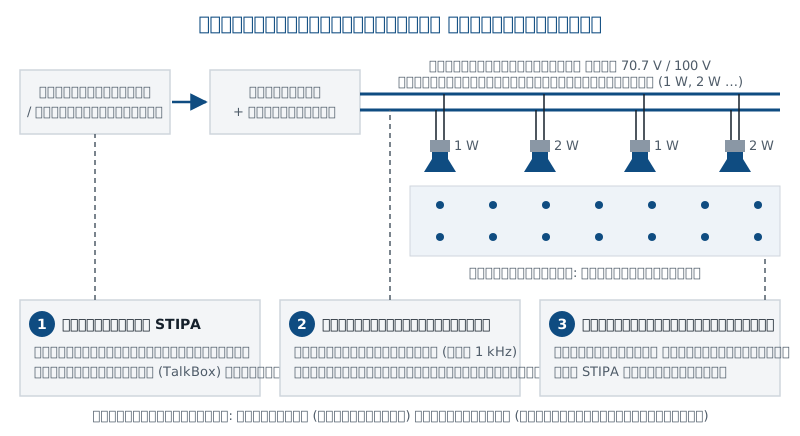
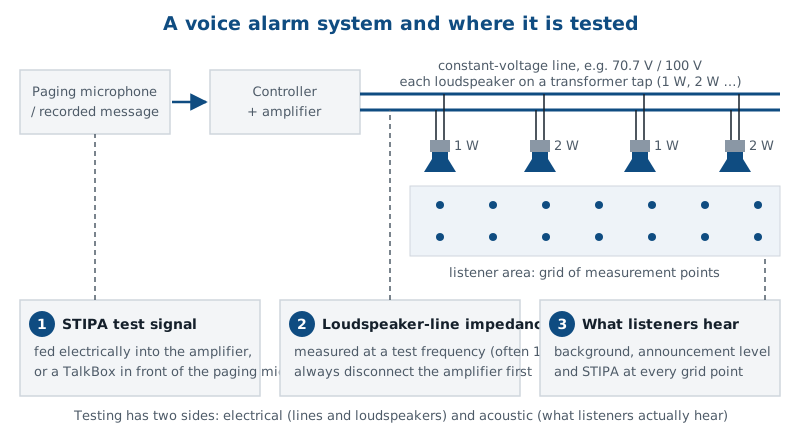
การตรวจรับระบบเสียงประกาศเหตุฉุกเฉินเป็นการยืนยันผลเทียบกับข้อกำหนดด้านความปลอดภัย ไม่ใช่งานเดียวกับการปรับจูนระบบเสียง (อีคิว ดีเลย์ ความครอบคลุม) ซึ่งเป็นการเตรียมระบบก่อนตรวจรับ และไม่ใช่การเฝ้าระดับเสียงในงานแสดง ระบบที่จูนมาดีจึงยังต้องวัดระดับเสียงและ STI ตามเกณฑ์ของโครงการCommissioning a voice alarm system verifies it against a life-safety specification. It is not the same as tuning the sound system (EQ, delay, coverage), which prepares the system before acceptance, nor is it live-event level monitoring. A well-tuned system therefore still has to be measured for level and STI against the project criteria.
ตรวจอะไรบ้างWhat is checked
| สิ่งที่ตรวจCheck | ตอบคำถามว่าAnswers the question | วัดอย่างไรHow |
|---|---|---|
| เสียงพื้นหลังBackground noise | ตอบคำถามว่าAnswers the questionพื้นที่นี้มีเสียงรบกวนเท่าไรในสภาพใช้งานปกติHow noisy is this area in normal use? | วัดอย่างไรHowวัดระดับเสียงเฉลี่ยอย่างน้อยราว 30 วินาที เก็บแยกย่านออกเตฟAverage level over a representative period (about 30 s minimum), stored in octave bands |
| ระดับเสียงประกาศAnnouncement level | ตอบคำถามว่าAnswers the questionทุกคนได้ยินชัดพอหรือไม่ และไม่ดังเกินไปIs it loud enough for everyone, without being excessive? | วัดอย่างไรHowวัดระดับเสียงถ่วงน้ำหนัก A ที่ตำแหน่งผู้ฟัง ราว 60 วินาทีต่อตำแหน่ง (แนวทางของ NTi Audio อ้างจาก ISO 7240)A-weighted level at listener positions, about 60 s per position (NTi Audio guidance citing ISO 7240) |
| ความชัดเจนของเสียงพูด (STIPA)Speech intelligibility (STIPA) | ตอบคำถามว่าAnswers the questionฟังแล้วเข้าใจคำพูดหรือไม่Can the words be understood? | วัดอย่างไรHowวัด STIPA เป็นตารางจุดทั่วพื้นที่STIPA on a grid of positions across the area |
| อิมพีแดนซ์สายลำโพงLoudspeaker-line impedance | ตอบคำถามว่าAnswers the questionสายและลำโพงต่อถูกต้องครบหรือไม่Are the lines and loudspeakers connected correctly and completely? | วัดอย่างไรHowวัดอิมพีแดนซ์ของสายแต่ละเส้น (มักที่ 1 kHz)Measure each line's impedance (typically at 1 kHz) |
| การเฝ้าระวังต่อเนื่องOngoing monitoring | ตอบคำถามว่าAnswers the questionระบบยังพร้อมใช้งานอยู่ทุกวันหรือไม่Is the system still ready every day? | วัดอย่างไรHowทดสอบอัตโนมัติตามรอบเวลาAutomated tests on a schedule |
ระดับเสียงประกาศ: ดังพอ แต่ไม่ดังเกินไปAnnouncement level: loud enough, not too loud
ข้อความประกาศต้องดังกว่าเสียงรอบข้างอย่างชัดเจน ไม่เช่นนั้นจะจมหายไป แต่การเปิดดังเกินไปก็ไม่ได้ช่วย เพราะ NTi Audio ระบุว่าความชัดเจนของเสียงพูดจะค่อย ๆ ลดลงเมื่อระดับเสียงสูงเกินราว 80 dBAThe message must be clearly louder than the surroundings or it will be lost. Yet turning it up too far does not help, because, as NTi Audio notes, speech intelligibility gradually decreases above about 80 dBA.
NTi Audio อ้างถึงแนวทางจาก ISO 7240 สำหรับระบบเสียงประกาศเหตุฉุกเฉินไว้ดังนี้ ค่าเหล่านี้ไม่ใช่ข้อกำหนดสากลของระบบเสียงประกาศทุกระบบในทุกประเทศ กฎหมายท้องถิ่นและข้อกำหนดของโครงการอาจกำหนดต่างออกไปNTi Audio cites the following guidance from ISO 7240 for voice alarm systems. These are not universal requirements for every PA system in every jurisdiction; local regulations and project specifications may set different ones:
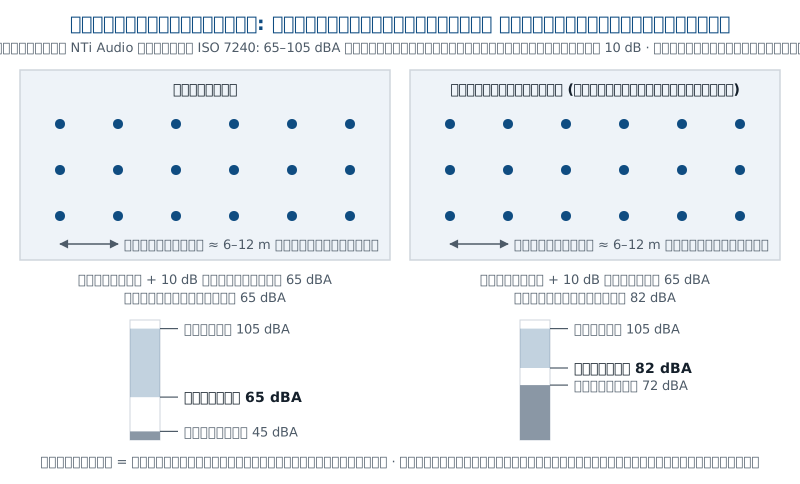
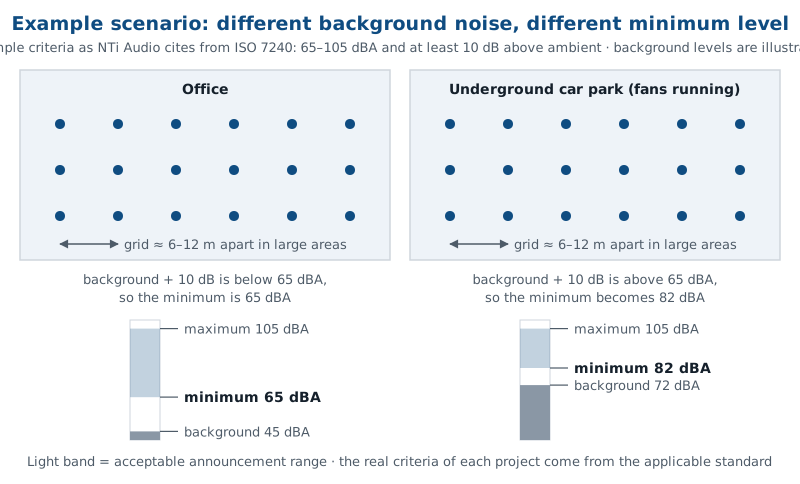
- ระดับเสียงประกาศที่ตำแหน่งผู้ฟังแต่ละจุด ไม่ควรต่ำกว่า 65 dBA และไม่เกิน 105 dBAThe announcement level at each listener position should be no less than 65 dBA and no more than 105 dBA.
- ระดับเสียงประกาศควร ดังกว่าเสียงพื้นหลังอย่างน้อย 10 dBThe announcement level should exceed the ambient level by at least 10 dB.
- วัดเฉลี่ยประมาณ 60 วินาที ที่แต่ละตำแหน่งMeasure over about 60 seconds at each position.
ลานจอดรถใต้ดินที่มีพัดลมระบายอากาศทำงาน เสียงพื้นหลังอาจสูงกว่าห้องสำนักงานเงียบ ๆ มาก ถ้าตั้งระดับลำโพงทั้งอาคารเท่ากัน ห้องสำนักงานอาจผ่าน แต่ลานจอดรถไม่ผ่านเกณฑ์ “ดังกว่าเสียงพื้นหลัง 10 dB” การวัดเสียงพื้นหลังแยกแต่ละพื้นที่จึงเป็นขั้นแรกเสมอIn an underground car park with ventilation fans running, the background noise can be far higher than in a quiet office. If every loudspeaker in the building is set to the same level, the office may pass while the car park fails the “10 dB above background” rule. That is why measuring the background noise in each area always comes first.
ความชัดเจนของเสียงพูด: การวัด STIPA เป็นตารางSpeech intelligibility: measuring STIPA on a grid
ความดังอย่างเดียวไม่พอ ต้องตรวจด้วยว่าฟังรู้เรื่อง ค่าที่ใช้คือ STI (0 ถึง 1) ซึ่งวัดด้วยวิธี STIPA ตามมาตรฐาน IEC 60268-16 (อ่านรายละเอียดหลักการได้ในบทความเรื่อง STI และ STIPA) NTi Audio ระบุว่าผลระหว่าง 0.5 ถึง 1 ถือว่าความชัดเจนเพียงพอจนถึงดีมาก ส่วนค่าขั้นต่ำที่ต้องผ่านจริงให้ยึดตามมาตรฐานที่ใช้กับโครงการLoudness alone is not enough; the message must also be understandable. The measure is STI (0 to 1), measured with the STIPA method of IEC 60268-16 (see the article on STI and STIPA for the principle). NTi Audio notes that results between 0.5 and 1 mean sufficient to very good intelligibility; the actual minimum to pass is set by the standard that applies to the project.
- แบ่งพื้นที่เป็นตาราง วางจุดวัดในบริเวณที่คนยืนหรือนั่งจริง ในพื้นที่ใหญ่ห่างกันประมาณ 6 ถึง 12 เมตร ขึ้นกับขนาดพื้นที่Lay out a grid of positions where people actually stand or sit, about 6 to 12 metres apart in large areas, depending on the size of the space.
- วัดเสียงพื้นหลังในสภาพใช้งานจริง เช่น ช่วงที่มีคนหรือเครื่องจักรทำงานตามปกติ เพราะความชัดเจนขึ้นกับสัดส่วนระหว่างเสียงประกาศกับเสียงรบกวนเป็นอย่างมากMeasure the background noise under real conditions, such as with people present or machinery running normally, because intelligibility depends heavily on the ratio of announcement to noise.
- ป้อนสัญญาณ STIPA ทางสายเข้าเครื่องขยาย หรือใช้ TalkBox วางหน้าไมโครโฟนของห้องควบคุม เพื่อทดสอบรวมถึงไมโครโฟนและตำแหน่งพูดด้วยInject the STIPA signal, electrically into the amplifier or with a TalkBox in front of the control-room microphone, so the microphone and talking position are tested too.
- วัด STIPA ที่ทุกจุดในตาราง ประมาณ 15 วินาทีต่อครั้งในเครื่องของ NTi Audio วัดซ้ำตามที่วิธีที่ใช้กำหนด (แนวทางของ IEC 60268-16 แนะนำให้วัดซ้ำ และในที่ที่มีเสียงพื้นหลัง แนวทางของ NTi Audio อธิบายการเฉลี่ยอย่างน้อยสามครั้งและตรวจความต่างระหว่างผล)Measure STIPA at every grid position, about 15 seconds per measurement on NTi Audio instruments, repeating as required by the applicable procedure (IEC 60268-16 guidance recommends repeated measurements; where background noise is present, NTi Audio's guidance describes averaging at least three measurements and checking the spread between results).
- รวมผลกับเสียงพื้นหลังแล้วทำรายงาน ในพื้นที่ที่คนหนาแน่น วัด STIPA ตอนพื้นที่ว่าง แล้วคำนวณผลของเสียงพื้นหลังที่วัดไว้ เพื่อให้ได้ค่าที่สะท้อนสภาพจริงCombine with the background noise and report. In crowded areas, measure STIPA in the empty space and calculate the effect of the recorded background noise, so the result reflects real use.
ด้านไฟฟ้า: วัดอิมพีแดนซ์สายลำโพงThe electrical side: loudspeaker-line impedance
อิมพีแดนซ์ (impedance) คือความต้านทานต่อสัญญาณไฟฟ้ากระแสสลับของสายลำโพงทั้งเส้นรวมลำโพงทุกตัวที่ต่ออยู่ ถ้ารู้ว่าควรได้ค่าประมาณเท่าไรจากจำนวนลำโพงและกำลังที่ตั้งไว้ การวัดค่านี้ที่ความถี่ทดสอบ (โดยทั่วไป 1 kHz) จะช่วยจับความผิดปกติได้โดยไม่ต้องเดินฟังลำโพงทีละตัวImpedance is the opposition of the whole loudspeaker line, with all its connected loudspeakers, to an alternating electrical signal. If you know roughly what to expect from the number of loudspeakers and their power taps, measuring it at a test frequency (typically 1 kHz) reveals faults without walking round and listening to every loudspeaker.
- ลำโพงที่ไม่ได้ต่อ หรือต่อผิดLoudspeakers not connected, or wrongly connected.
- ต่อแท็ปหม้อแปลงลำโพงผิด เช่น ตั้ง 1 W แทนที่จะเป็น 2 WWrong transformer tap, for example 1 W instead of 2 W.
- สายลัดวงจร หรือสายเชื่อมต่อไม่ดีShort circuits or poor cable connections.
- มีอุปกรณ์อื่นต่อพ่วงบนสาย เช่น อุปกรณ์แจ้งเหตุเพลิงไหม้Other devices connected to the line, such as fire alarm devices.
ความปลอดภัย: ต้องถอดเครื่องขยายเสียงออกจากสายลำโพงก่อนวัดทุกครั้ง เครื่องวัด เช่น MR-PRO ของ NTi Audio รองรับสายแรงดันคงที่ 25, 35, 50, 70.7, 100, 140 และ 200 VSafety: always disconnect the amplifier from the loudspeaker line before measuring. Instruments such as NTi Audio's MR-PRO support constant-voltage systems of 25, 35, 50, 70.7, 100, 140 and 200 V.
หลังตรวจรับ: การตรวจเป็นระยะและการเฝ้าระวังอัตโนมัติAfter commissioning: periodic checks and automatic monitoring
ระบบที่ผ่านการตรวจรับวันนี้อาจเสียในวันหน้า เช่น ลำโพงชำรุดหรือสายถูกตัดระหว่างงานปรับปรุงอาคาร จึงต้องตรวจสอบเป็นระยะ ในอาคารสำคัญยังใช้ระบบทดสอบอัตโนมัติที่ทำงานตามตารางเวลา ตรวจอิมพีแดนซ์ของสาย 70 V/100 V ตรวจว่าลำโพงและเครื่องกำเนิดสัญญาณเตือนทำงาน และตรวจไมโครโฟนในห้องควบคุม (โดยใช้ TalkBox เป็นต้นเสียง) แล้วรายงานผลไปยังระบบควบคุมA system that passes commissioning today may fail later: a loudspeaker breaks, or a cable is cut during renovation. Periodic inspections are therefore needed. In critical buildings, automated test systems also run on a schedule: they check the impedance of the 70 V/100 V lines, confirm that loudspeakers and the alarm signal generator work, and test the control-room microphone (with a TalkBox as the source), reporting to the host controller.
มาตรฐานที่ NTi Audio อ้างถึงStandards named by NTi Audio
ไม่มีมาตรฐานเดียวที่ใช้ทั่วโลก แต่ละประเทศและแต่ละโครงการเลือกใช้ต่างกัน มาตรฐานที่ NTi Audio ระบุไว้สำหรับงานนี้ ได้แก่There is no single worldwide standard; each country and project chooses its own. The standards NTi Audio names for this work include:
| มาตรฐานStandard | เกี่ยวข้องกับRelates to |
|---|---|
| IEC 60268-16IEC 60268-16 | เกี่ยวข้องกับRelates toวิธีวัดและคำนวณ STI / STIPAHow STI / STIPA is measured and calculated |
| ISO 7240 (รวมถึง ISO 7240-19:2007)ISO 7240 (including ISO 7240-19:2007) | เกี่ยวข้องกับRelates toระบบแจ้งเหตุเพลิงไหม้และระบบเสียงอพยพ รวมถึงเกณฑ์ระดับเสียงประกาศข้างต้นFire detection and alarm / sound systems for emergency purposes, including the announcement level guidance above |
| EN 54-24, CEN/TS 54-32:2015EN 54-24, CEN/TS 54-32:2015 | เกี่ยวข้องกับRelates toชุดมาตรฐานยุโรปสำหรับระบบแจ้งเหตุเพลิงไหม้และระบบเสียงอพยพEuropean series for fire alarm and voice alarm systems |
| DIN EN 50849 (VDE 0828-1):2017DIN EN 50849 (VDE 0828-1):2017 | เกี่ยวข้องกับRelates toระบบเสียงสำหรับเหตุฉุกเฉินSound systems for emergency purposes |
| VDE 0833-4 (เช่น VDE V 0833-4-32)VDE 0833-4 (e.g. VDE V 0833-4-32) | เกี่ยวข้องกับRelates toมาตรฐานเยอรมันที่เกี่ยวข้องRelated German standards |
| NFPA 72, UFC 4-021-01NFPA 72, UFC 4-021-01 | เกี่ยวข้องกับRelates toข้อกำหนดของสหรัฐอเมริกาUnited States requirements |
| AS 1670.4AS 1670.4 | เกี่ยวข้องกับRelates toมาตรฐานออสเตรเลียAustralian standard |
ก่อนเริ่มงาน ควรตรวจว่าโครงการของคุณอ้างอิงมาตรฐานใดและกำหนดค่าผ่านไว้เท่าไร เช่น ระดับเสียงขั้นต่ำและค่า STI ขั้นต่ำ บทความนี้ไม่ได้กำหนดเกณฑ์ทางกฎหมายใด ๆBefore starting, check which standard your project refers to and what pass values it sets, such as minimum level and minimum STI. This article does not set any legal criteria.
คำศัพท์สำคัญKey terms
- ระบบเสียงประกาศเหตุฉุกเฉิน (voice alarm / voice evacuation system)Voice alarm / voice evacuation system
- ระบบเสียงที่ใช้เสียงพูดแจ้งเหตุและนำทางการอพยพA sound system that uses spoken messages to warn people and guide evacuation.
- การตรวจรับ (commissioning)Commissioning
- การวัดและบันทึกผลเมื่อติดตั้งเสร็จ เพื่อยืนยันว่าระบบทำงานตามข้อกำหนดMeasuring and documenting a newly installed system to confirm it meets the specification.
- เสียงพื้นหลัง (ambient / background noise)Ambient / background noise
- เสียงทั้งหมดในพื้นที่ขณะไม่มีการประกาศAll the sound in the area when no announcement is playing.
- สายแรงดันคงที่ (constant-voltage line)Constant-voltage line
- สายลำโพงแบบ 70.7 V / 100 V ที่ต่อลำโพงหลายตัวขนานกันผ่านหม้อแปลงA 70.7 V / 100 V loudspeaker line with many loudspeakers connected in parallel via transformers.
- อิมพีแดนซ์ (impedance)Impedance
- ความต้านทานต่อสัญญาณไฟฟ้ากระแสสลับของสายและลำโพง ใช้ตรวจความผิดปกติของสายThe opposition of the line and loudspeakers to an alternating signal, used to detect wiring faults.
ความเข้าใจผิดที่พบบ่อยCommon misunderstandings
- ได้ยินเสียงแล้วก็ถือว่าผ่าน — ต้องผ่านทั้งเกณฑ์ระดับเสียงและเกณฑ์ความชัดเจน ประกาศที่ดังแต่ฟังไม่ออกไม่ช่วยให้คนอพยพได้If you can hear it, it passes. Both the level and the intelligibility criteria must be met; a loud but unintelligible message does not help people evacuate.
- วัดเฉพาะจุดกลางห้องก็พอ — ปัญหามักอยู่ที่มุม ทางเดิน บันไดหนีไฟ และพื้นที่ที่มีเครื่องจักร ต้องวัดเป็นตารางให้ครอบคลุมMeasuring in the middle of the room is enough. Problems usually hide in corners, corridors, escape stairs and plant areas; measure on a grid that covers them.
- ป้อนสัญญาณทางสายก็ครบแล้ว — ถ้าระบบใช้ไมโครโฟนประกาศสด การป้อนทางสายข้ามไมโครโฟนไป ควรทดสอบด้วย TalkBox ด้วยElectrical injection covers everything. If live microphone announcements are used, electrical injection bypasses the microphone; test with a TalkBox as well.
- ตรวจครั้งเดียวตอนส่งมอบก็พอ — ระบบความปลอดภัยต้องตรวจสอบเป็นระยะตลอดอายุการใช้งานOne check at handover is enough. A life-safety system needs periodic checks throughout its life.
นำไปใช้ที่ไหนWhere it is used
- อาคารสูง โรงแรม โรงพยาบาล และห้างสรรพสินค้าHigh-rise buildings, hotels, hospitals and shopping centres.
- สนามบิน สถานีรถไฟ และรถไฟใต้ดินAirports, railway and metro stations.
- โรงงาน คลังสินค้า และลานจอดรถ ที่มีเสียงพื้นหลังสูงFactories, warehouses and car parks with high background noise.
- สนามกีฬา หอประชุม และอาคารสาธารณะStadiums, auditoriums and public buildings.