ขอบเขตแบบเข้าใจง่ายScope in plain words
ระดับความดันเสียงที่วัดได้ขึ้นกับว่ายืนห่างเท่าไรและอยู่ในห้องแบบไหน แต่กำลังเสียงเป็นคุณสมบัติของเครื่องเอง มาตรฐานชุดนี้จึงกำหนดวิธีวัดความดันเสียงหลายจุดรอบเครื่อง แล้วคำนวณย้อนกลับเป็นกำลังเสียง โดยแก้ค่าผลของเสียงพื้นหลังและสภาพห้องMeasured sound pressure depends on how far away you stand and what room you are in, but sound power belongs to the machine itself. This series therefore specifies how to measure sound pressure at many points around the machine and work back to sound power, correcting for background noise and the room.
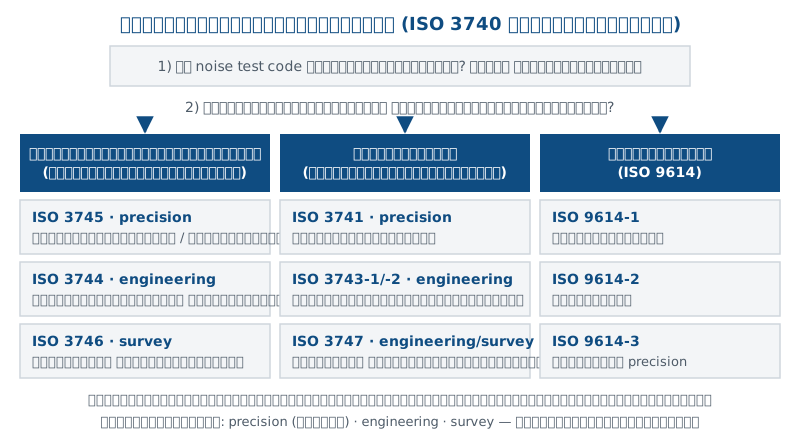
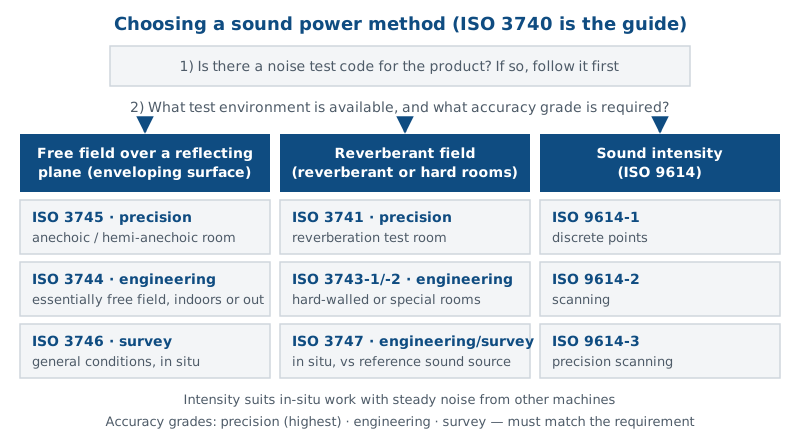
| มาตรฐานStandard | สภาพแวดล้อมการวัดTest environment | ระดับความแม่นยำAccuracy grade |
|---|---|---|
| ISO 3741ISO 3741 | สภาพแวดล้อมการวัดTest environmentห้องก้องเสียง (reverberation room)Reverberation test room | ระดับความแม่นยำAccuracy gradeแม่นยำสูง (precision)Precision |
| ISO 3743-1 / -2ISO 3743-1 / -2 | สภาพแวดล้อมการวัดTest environmentห้องผนังแข็งหรือห้องก้องเสียงพิเศษHard-walled or special reverberation test rooms | ระดับความแม่นยำAccuracy gradeวิศวกรรม (engineering)Engineering |
| ISO 3744ISO 3744 | สภาพแวดล้อมการวัดTest environmentสนามเสียงอิสระเหนือพื้นสะท้อน (ในอาคารหรือกลางแจ้ง)Essentially free field over a reflecting plane (indoors or outdoors) | ระดับความแม่นยำAccuracy gradeวิศวกรรมEngineering |
| ISO 3745ISO 3745 | สภาพแวดล้อมการวัดTest environmentห้องไร้เสียงสะท้อนหรือกึ่งไร้เสียงสะท้อนAnechoic or hemi-anechoic room | ระดับความแม่นยำAccuracy gradeแม่นยำสูงPrecision |
| ISO 3746ISO 3746 | สภาพแวดล้อมการวัดTest environmentพื้นผิวล้อมรอบเหนือพื้นสะท้อน สภาพทั่วไปEnveloping surface over a reflecting plane, general conditions | ระดับความแม่นยำAccuracy gradeสำรวจ (survey)Survey |
| ISO 3747ISO 3747 | สภาพแวดล้อมการวัดTest environmentในสถานที่จริงที่มีเสียงก้อง ใช้ต้นเสียงอ้างอิงเทียบIn situ in a reverberant environment, compared against a reference sound source | ระดับความแม่นยำAccuracy gradeวิศวกรรมหรือสำรวจEngineering or survey |
ตามแคตตาล็อกของ ISO คู่มือ ISO 3740:2019 ครอบคลุมมาตรฐานพื้นฐานสิบสองฉบับ ซึ่งรวมทั้งวิธีจากความดันเสียงในชุดนี้และวิธีจากความเข้มเสียง (ISO 9614)According to the ISO catalogue, the ISO 3740:2019 guide covers twelve basic standards, including both the pressure methods in this series and the intensity methods (ISO 9614).
แนวคิดและปริมาณสำคัญKey concepts and quantities
- ระดับกำลังเสียง LwSound power level Lw
- กำลังเสียงในหน่วยเดซิเบล อ้างอิงกับ 1 พิโควัตต์ (pW) มักรายงานเป็นค่าถ่วงน้ำหนัก A (LWA) และเป็นค่าต่อย่านความถี่Sound power in decibels, referenced to 1 picowatt (pW); usually reported A-weighted (LWA) and per frequency band.
- พื้นผิววัด (measurement surface)Measurement surface
- ใช้ในวิธีพื้นผิวล้อมรอบ (ISO 3744, 3745, 3746) เป็นพื้นผิวสมมติรอบเครื่อง เช่น ครึ่งทรงกลมหรือกล่องสี่เหลี่ยม วางไมโครโฟนหลายจุดบนพื้นผิวนี้ แล้วหากำลังเสียงจากระดับความดันเสียงเฉลี่ยบนพื้นผิว (หลังแก้ค่า K1 และ K2) กับพื้นที่ผิว: Lw = Lp + 10 lg(S/S0) โดย S0 = 1 m² ตัวอย่าง: Lp เฉลี่ยหลังแก้ค่า 70 dB บนพื้นผิว 50 m² ได้ Lw ≈ 70 + 17.0 = 87.0 dB วิธีห้องก้องเสียง (ISO 3741, 3743) ไม่ใช้สูตรนี้ แต่ใช้ระดับเฉลี่ยในห้องร่วมกับการดูดซับเสียงของห้องหรือการเทียบกับต้นเสียงอ้างอิงUsed in the enveloping-surface methods (ISO 3744, 3745, 3746): an imaginary surface around the machine, such as a hemisphere or a box, with microphones at many points on it. Sound power follows from the surface-averaged pressure level (after the K1 and K2 corrections) and the surface area: Lw = Lp + 10 lg(S/S0), with S0 = 1 m². Example: a corrected average Lp of 70 dB on a 50 m² surface gives Lw ≈ 70 + 17.0 = 87.0 dB. The reverberation-room methods (ISO 3741, 3743) do not use this relation; they use the room-averaged level with the room absorption or a comparison with a reference sound source.
- การแก้ค่าเสียงพื้นหลัง (K1)Background noise correction (K1)
- หักผลของเสียงอื่นที่ไม่ได้มาจากเครื่องที่ทดสอบ เครื่องต้องดังกว่าเสียงพื้นหลังพอสมควรตามเกณฑ์ของแต่ละวิธีRemoves the contribution of other sounds; the machine must be sufficiently louder than the background, according to each method's criteria.
- การแก้ค่าสภาพแวดล้อม (K2)Environmental correction (K2)
- ในวิธีพื้นผิวล้อมรอบเหนือพื้นสะท้อน (เช่น ISO 3744, 3746) ใช้หักผลของเสียงสะท้อนจากผนังและเพดานในห้องวัด ประเมินจากการดูดซับเสียงของห้องหรือจากต้นเสียงอ้างอิง ค่าสูงสุดที่ยอมให้ขึ้นกับแต่ละวิธีIn the enveloping-surface methods over a reflecting plane (e.g. ISO 3744, 3746), removes the effect of reflections from walls and ceiling; estimated from the room absorption or with a reference sound source. The maximum allowed value depends on the method.
- ระดับความแม่นยำ (accuracy grade)Accuracy grade
- แม่นยำสูง วิศวกรรม และสำรวจ ยิ่งแม่นยำสูง ยิ่งต้องการสภาพห้องและจำนวนตำแหน่งที่เข้มงวดกว่า ความไม่แน่นอนของผลแต่ละระดับระบุไว้ในแต่ละมาตรฐานPrecision, engineering and survey; higher grades demand stricter test environments and more positions. The uncertainty of each grade is stated in each standard.
- Noise test code
- มาตรฐานเฉพาะผลิตภัณฑ์ (เช่น เครื่องดูดฝุ่นหรือเครื่องจักรก่อสร้าง) ที่บอกว่าต้องใช้มาตรฐานพื้นฐานใด ตั้งเครื่องอย่างไร และเดินเครื่องในสภาวะใดA product-specific standard (e.g. for vacuum cleaners or construction machinery) that specifies which basic standard to use, how to mount the product and how to operate it.
ใครใช้ และใช้เมื่อไรWho uses it and when
- ผู้ผลิตเครื่องจักร เครื่องใช้ไฟฟ้า อุปกรณ์ไอที และเครื่องมือก่อสร้าง ที่ต้องแสดงค่ากำลังเสียงบนฉลากหรือในเอกสารตามกฎหมายของตลาดที่ขาย (เช่น ข้อกำหนดของสหภาพยุโรปสำหรับอุปกรณ์กลางแจ้ง)Manufacturers of machinery, appliances, IT equipment and construction tools that must declare sound power on labels or documents under the rules of the market they sell into (e.g. EU requirements for outdoor equipment).
- ฝ่ายวิจัยและพัฒนาที่ต้องเปรียบเทียบรุ่นผลิตภัณฑ์หรือตรวจผลของการลดเสียงR&D teams comparing product versions or checking noise-reduction measures.
- ผู้ซื้อและผู้ออกแบบโรงงาน ที่ใช้ค่ากำลังเสียงคำนวณระดับเสียงที่จะเกิดในพื้นที่จริงBuyers and plant designers who use sound power to calculate the resulting levels in real spaces.
การวัดโดยทั่วไปทำอย่างไร (ตัวอย่างแบบพื้นผิวล้อมรอบ)How measurements are typically done (enveloping-surface example)
- เลือกมาตรฐานตาม noise test code ของผลิตภัณฑ์ หรือตามคู่มือ ISO 3740 ถ้าไม่มี test codeChoose the standard from the product's noise test code, or with the ISO 3740 guide if there is none.
- ตั้งเครื่องบนพื้นสะท้อน เดินเครื่องในสภาวะที่กำหนด และกำหนดพื้นผิววัดพร้อมตำแหน่งไมโครโฟนPlace the machine on the reflecting floor, run it in the specified operating condition, and define the measurement surface and microphone positions.
- วัดระดับความดันเสียงที่ทุกตำแหน่ง (พร้อมกันด้วยไมโครโฟนหลายตัว หรือทีละจุด) และวัดเสียงพื้นหลังMeasure the sound pressure level at every position (simultaneously with several microphones, or one after another) and measure the background noise.
- ประเมินการแก้ค่า K1 และ K2 แล้วคำนวณระดับกำลังเสียงEvaluate the K1 and K2 corrections and calculate the sound power level.
- รายงานผลพร้อมมาตรฐานที่ใช้ ระดับความแม่นยำ สภาวะการเดินเครื่อง และความไม่แน่นอนReport the result with the standard used, accuracy grade, operating condition and uncertainty.
การใช้งานจริง: มาตรฐานนี้มีความหมายอย่างไรต่องานวัดPractical use: what this means for a measurement job
ก่อนวัดกำลังเสียง ให้ตอบสามคำถาม: มี noise test code ของผลิตภัณฑ์หรือไม่ ต้องการความแม่นยำระดับใด และมีสภาพแวดล้อมทดสอบแบบใด คำตอบเกือบทุกครั้งจะชี้ไปที่มาตรฐานที่ต้องใช้Before measuring sound power, answer three questions: is there a noise test code for the product, what accuracy grade is required, and what test environment is available? The answers almost always point to the standard.
- ถ้ามี noise test code: ให้ทำตามนั้น เพราะกำหนดทั้งการติดตั้ง สภาพการทำงาน และวิธีพื้นฐานไว้แล้วIf there is a noise test code: follow it; it already fixes mounting, operating conditions and the basic method.
- วัดในโรงงานหรือหน้างาน: ISO 3744 ทำได้ถ้าเงื่อนไขสนามเสียงผ่าน ถ้าไม่ผ่านผลอาจเหลือระดับ survey ตาม ISO 3746 หรือพิจารณาวิธีความเข้มเสียง ISO 9614On a factory floor or in situ: ISO 3744 works if the field criteria are met; otherwise the result may drop to survey grade under ISO 3746, or consider the intensity method ISO 9614.
- เครื่องขนาดใหญ่: พื้นผิววัดใหญ่ต้องใช้ตำแหน่งไมโครโฟนมาก การใช้ไมโครโฟนหลายตัวพร้อมกันช่วยลดเวลาและลดผลจากการทำงานของเครื่องที่เปลี่ยนไปLarge machines: a large measurement surface needs many microphone positions; several microphones at once save time and reduce the effect of changing operation.
- ระบุสภาพการทำงาน: กำลังเสียงของเครื่องเปลี่ยนตามภาระงาน ความเร็ว หรือโหมด ต้องบันทึกให้ชัดState the operating condition: a machine's sound power changes with load, speed or mode; record it clearly.
- การใช้ผลต่อ: ค่า LWA และสเปกตรัมกำลังเสียงใช้คำนวณระดับเสียงที่ผู้รับเสียงหรือในห้องได้ จึงควรรายงานต่อย่านความถี่ด้วยUsing the result: LWA and the sound power spectrum feed calculations of levels at receivers or in rooms, so report per band as well.
ผู้ผลิตเครื่องกำเนิดไฟฟ้าขนาดกลางต้องการค่ากำลังเสียงสำหรับเอกสารผลิตภัณฑ์ ทีมทดสอบวางเครื่องบนลานคอนกรีตกลางแจ้งที่ห่างจากอาคาร ใช้พื้นผิววัดทรงกล่องตาม ISO 3744 วัดเสียงพื้นหลังและตรวจค่าแก้สิ่งแวดล้อม แล้วรายงาน LWA พร้อมสเปกตรัม สภาพภาระงาน และความไม่แน่นอนA maker of mid-size generators needs sound power for product documents. The test team places the unit on an open concrete yard away from buildings, uses a box-shaped measurement surface to ISO 3744, measures background noise and checks the environmental correction, then reports LWA with the spectrum, load condition and uncertainty.
มาตรฐานที่เกี่ยวข้องและความเชื่อมโยงRelated standards and how they connect
- ISO 9614 หากำลังเสียงจากความเข้มเสียงแทนความดันเสียง เหมาะเมื่อวัดในสถานที่จริงที่มีเสียงจากเครื่องอื่นรบกวนISO 9614 determines sound power from sound intensity instead of pressure, useful in situ where other machines are running.
- ISO 11200 series เกี่ยวกับระดับความดันเสียงที่ตำแหน่งทำงานของเครื่องจักร (emission sound pressure) มักวัดคู่กับกำลังเสียงThe ISO 11200 series covers emission sound pressure at the work station of machines, often measured alongside sound power.
- ISO 5114-1 ว่าด้วยการประเมินความไม่แน่นอนของกำลังเสียงที่หาจากความดันเสียงISO 5114-1 deals with the uncertainty of sound power determined from sound pressure.
- noise test code เช่น IEC 60704 สำหรับเครื่องใช้ไฟฟ้าในบ้าน และ ISO 7779 สำหรับอุปกรณ์ไอที อ้างมาตรฐานในชุดนี้Noise test codes such as IEC 60704 for household appliances and ISO 7779 for IT equipment refer to this series.
- ANSI/ASA S12.51, S12.54, S12.56 เป็นมาตรฐานของสหรัฐอเมริกาที่รับ ISO 3741, 3744, 3746 ฉบับ 2010 มาใช้ตามลำดับ (ISO 3744 ปัจจุบันเป็นฉบับ 2025 แล้ว)ANSI/ASA S12.51, S12.54 and S12.56 are the US adoptions of the 2010 editions of ISO 3741, 3744 and 3746 respectively (ISO 3744 itself is now the 2025 edition).
ความเข้าใจผิดที่พบบ่อยCommon misunderstandings
- ระดับกำลังเสียงกับระดับความดันเสียงเป็นค่าเดียวกัน — คนละปริมาณ 80 dB กำลังเสียงไม่ได้แปลว่าจะได้ยิน 80 dB ที่ระยะใดระยะหนึ่งSound power level and sound pressure level are the same. They are different quantities: 80 dB of sound power does not mean you hear 80 dB at any particular distance.
- ใช้มาตรฐานใดก็ได้ในชุดนี้ — ถ้าผลิตภัณฑ์มี noise test code ต้องทำตามที่ test code กำหนด และระดับความแม่นยำต้องตรงกับที่ข้อกำหนดต้องการAny standard in the series will do. If the product has a noise test code it must be followed, and the accuracy grade must match what the requirement asks for.
- วัดในห้องใดก็ได้แล้วแก้ค่าทีหลัง — แต่ละวิธีมีเกณฑ์ของห้องและเสียงพื้นหลัง ถ้าไม่ผ่านเกณฑ์ ผลอาจใช้ไม่ได้หรือต้องลดระดับความแม่นยำAny room works; just correct later. Each method has room and background criteria; if they are not met, the result may be invalid or drop to a lower accuracy grade.
เกี่ยวข้องกับเครื่องมือวัดอย่างไรHow this relates to instruments
ข้อกำหนดทั่วไป: มาตรฐานในชุดนี้อ้างถึงเครื่องวัดระดับเสียงตาม IEC 61672-1 (ระดับ Class ขึ้นกับความแม่นยำที่เลือก) ตัวกรองย่านความถี่ตาม IEC 61260-1 และเครื่องสอบเทียบเสียงตาม IEC 60942 วิธีห้องก้องเสียงและวิธีในสถานที่จริงอาจต้องใช้ต้นเสียงอ้างอิงที่รู้ค่ากำลังเสียง การใช้ไมโครโฟนหลายตัวพร้อมกันช่วยลดเวลาวัดGeneral requirements: the series refers to sound level meters to IEC 61672-1 (class depending on the accuracy grade), band filters to IEC 61260-1 and sound calibrators to IEC 60942. Reverberation-room and in-situ methods may need a calibrated reference sound source. Using several microphones at once shortens the measurement.
ข้อมูลจาก NTi Audio (ตามที่ NTi ระบุ): หน้า Sound Power ของ NTi Audio ระบุว่าซอฟต์แวร์ XL2 Sound Power Reporter ทำรายงานกำลังเสียงตาม ISO 3744 และ ANSI-ASA S12.54 และหน้าเดียวกันยังกล่าวถึง ISO 3741, ISO 3746, ANSI-ASA S12.51/S12.56 และ Directive 2000/14/EC ผลแสดงเป็น dB อ้างอิง 1 pWFrom NTi Audio (as stated by NTi): NTi Audio's Sound Power page states that the XL2 Sound Power Reporter software produces sound power reports according to ISO 3744 and ANSI-ASA S12.54; the same page also mentions ISO 3741, ISO 3746, ANSI-ASA S12.51/S12.56 and Directive 2000/14/EC. Results are given in dB re 1 pW.
คำถามที่พบบ่อยFrequently asked questions
ต้องใช้ห้องไร้เสียงสะท้อนไหมDo I need an anechoic room?
ไม่เสมอไป ห้องไร้เสียงสะท้อนหรือกึ่งไร้เสียงสะท้อนใช้กับระดับ precision ตาม ISO 3745 ส่วนงานระดับ engineering ส่วนใหญ่ใช้ ISO 3744 ในพื้นที่ที่ใกล้เคียงสนามเสียงอิสระเหนือพื้นสะท้อน เช่น ห้องขนาดใหญ่หรือลานกลางแจ้งNot always. Anechoic or hemi-anechoic rooms are for precision grade under ISO 3745; most engineering-grade work uses ISO 3744 in an essentially free field over a reflecting plane, such as a large hall or an open yard.
ค่ากำลังเสียงบอกได้ไหมว่าเพื่อนบ้านจะได้ยินเท่าไรDoes sound power tell me what neighbours will hear?
ไม่ได้โดยตรง แต่เป็นข้อมูลขาเข้าที่ดีที่สุด เมื่อนำไปคำนวณร่วมกับระยะทาง การดูดซับเสียงของอากาศ พื้นดิน และสิ่งกีดขวาง (เช่น ตาม ISO 9613-2) จะประมาณระดับเสียงที่ผู้รับเสียงได้Not directly, but it is the best input: combined with distance, air absorption, ground and barriers (for example with ISO 9613-2), it lets you estimate the level at the receiver.
ต้องใช้ไมโครโฟนกี่ตัวHow many microphones are needed?
มาตรฐานกำหนดจำนวนตำแหน่ง ไม่ใช่จำนวนไมโครโฟน ใช้ตัวเดียวย้ายทีละตำแหน่งได้ถ้าเสียงของเครื่องคงที่ ถ้าเสียงเปลี่ยนตามเวลา การใช้หลายตัวพร้อมกันให้ผลน่าเชื่อถือกว่าThe standard sets the number of positions, not microphones. One microphone moved from point to point works if the machine is steady; if the sound varies with time, several microphones measuring together give more reliable results.