ขอบเขตแบบเข้าใจง่ายScope in plain words
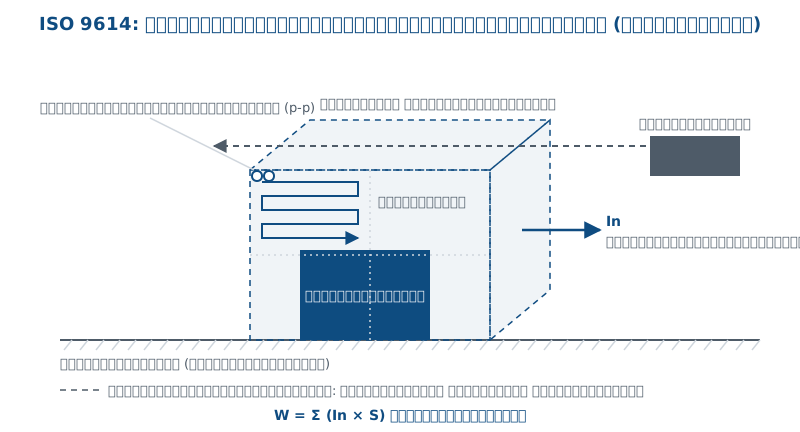
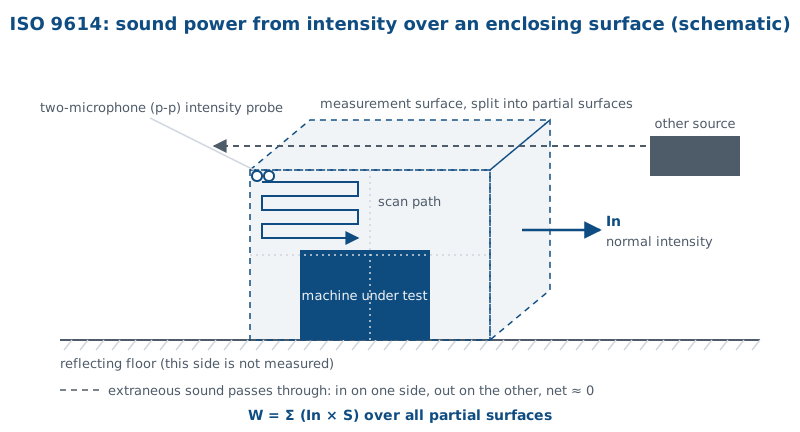
ลองนึกถึงปั๊มหนึ่งตัวในห้องเครื่องที่มีปั๊มอีกหลายตัวทำงานอยู่ ถ้าวัดความดันเสียงรอบปั๊มตัวนั้น เครื่องวัดจะได้ยินปั๊มทุกตัวรวมกัน แต่ถ้าวัด ความเข้มเสียงที่ตั้งฉากกับพื้นผิวรอบปั๊ม พลังงานที่ไหลเข้าพื้นผิวด้านหนึ่งแล้วไหลออกอีกด้านจะหักล้างกัน เหลือเฉพาะพลังงานสุทธิที่ปั๊มตัวนั้นปล่อยออกมา นี่คือแนวคิดของ ISO 9614Picture one pump in a plant room where several other pumps are running. Measuring sound pressure around that pump picks up all of them together. But if you measure the intensity normal to a surface enclosing the pump, energy that flows in on one side and out on the other cancels out, leaving the net energy that pump emits. That is the idea behind ISO 9614.
- ส่วนที่ 1 — วัดเป็นจุด วางหัววัดที่จุดคงที่หลายจุดบนพื้นผิวรอบแหล่งกำเนิด ระดับความแม่นยำที่ได้ขึ้นกับผลตรวจตัวชี้วัดสนามเสียงPart 1 — discrete points: the probe is held at many fixed points on the surface around the source; the accuracy grade achieved depends on the field-indicator checks.
- ส่วนที่ 2 — วัดแบบกวาด เคลื่อนหัววัดต่อเนื่องไปทั่วพื้นผิวย่อยแต่ละส่วน ความแม่นยำระดับวิศวกรรมหรือสำรวจPart 2 — scanning: the probe is moved continuously over each partial surface; engineering or survey accuracy.
- ส่วนที่ 3 — แบบกวาดความแม่นยำสูง มีข้อกำหนดเส้นทางการกวาดและการตรวจคุณภาพข้อมูลที่เข้มงวดขึ้นPart 3 — precision scanning: stricter requirements for scan paths and data quality checks.
ตามแคตตาล็อกของ ISO วิธีเหล่านี้ใช้ได้กับแหล่งกำเนิดที่กำหนดพื้นผิววัดที่อยู่นิ่งได้ และเสียงที่ปล่อยออกมามีลักษณะคงที่ตามเวลาAccording to the ISO catalogue, the methods apply to sources for which a stationary measurement surface can be defined and whose emitted sound is steady in time.
แนวคิดและปริมาณสำคัญKey concepts and quantities
- ความเข้มเสียง (sound intensity)Sound intensity
- อัตราการไหลของพลังงานเสียงต่อหนึ่งหน่วยพื้นที่ มีทั้งขนาดและทิศทาง (ปริมาณเวกเตอร์) ต่างจากความดันเสียงที่มีแต่ขนาดThe rate of sound energy flow per unit area; it has size and direction (a vector), unlike sound pressure, which has size only.
- หัววัดความเข้มเสียงแบบสองไมโครโฟน (p-p probe)Two-microphone (p-p) intensity probe
- ไมโครโฟนสองตัว (มักหันหน้าเข้าหากัน) โดยมีตัวคั่นระยะ ใช้ความต่างของความดันระหว่างสองไมโครโฟนประมาณความเร็วอนุภาคอากาศ แล้วคำนวณความเข้มเสียง ระยะคั่นกำหนดช่วงความถี่ที่ใช้งานได้Two microphones (usually face to face) with a spacer; the pressure difference between them estimates the particle velocity, from which intensity is calculated. The spacer length sets the usable frequency range.
- ตัวชี้วัดคุณภาพสนามเสียง (field indicators)Field indicators
- ค่าที่มาตรฐานใช้ตรวจว่าสภาพการวัดเหมาะสมหรือไม่ เช่น ความต่างระหว่างระดับความดันเสียงกับระดับความเข้มเสียง ถ้าต่างกันมากแสดงว่ามีเสียงจากแหล่งอื่นหรือเสียงสะท้อนมาก และอาจต้องปรับพื้นผิววัดหรือจำนวนจุดValues the standard uses to check whether conditions are suitable, such as the difference between the pressure level and the intensity level. A large difference indicates strong extraneous or reflected sound, and the surface or number of points may need changing.
- ความไม่ตรงกันของเฟส (phase mismatch)Phase mismatch
- ความคลาดเคลื่อนเล็กน้อยระหว่างสองช่องสัญญาณของหัววัด ซึ่งจำกัดความสามารถในการวัดในสนามเสียงที่มีเสียงสะท้อนหรือเสียงรบกวนมาก โดยเฉพาะที่ความถี่ต่ำSmall differences between the two probe channels that limit measurement in highly reactive or noisy sound fields, especially at low frequencies.
ใครใช้ และใช้เมื่อไรWho uses it and when
- วิศวกรที่ต้องหากำลังเสียงของเครื่องจักรขนาดใหญ่ที่ย้ายเข้าห้องทดสอบไม่ได้ เช่น ปั๊ม คอมเพรสเซอร์ หม้อแปลงEngineers who need the sound power of large machines that cannot be moved to a test room, such as pumps, compressors or transformers.
- งานในโรงงานที่ปิดเครื่องอื่นระหว่างวัดไม่ได้Factory work where other machines cannot be stopped during the measurement.
- งานวิจัยและลดเสียง ที่ต้องการรู้ว่าส่วนใดของเครื่องแผ่เสียงมากที่สุด (ใช้หลักความเข้มเสียงร่วมด้วย)R&D and noise control work that needs to know which part of a machine radiates most (using intensity principles as well).
การวัดโดยทั่วไปทำอย่างไรHow measurements are typically done
- กำหนดพื้นผิววัดที่ล้อมรอบแหล่งกำเนิดทั้งหมด (ด้านที่ติดพื้นสะท้อนไม่ต้องวัด) แล้วแบ่งเป็นพื้นผิวย่อยDefine a measurement surface enclosing the whole source (the side on a reflecting floor is not measured) and divide it into partial surfaces.
- เลือกตัวคั่นหัววัดให้เหมาะกับช่วงความถี่ที่ต้องการ และตรวจสภาพหัววัดตามที่ผู้ผลิตและมาตรฐานกำหนดChoose the probe spacer for the frequency range needed and check the probe as required by the manufacturer and the standard.
- วัดความเข้มเสียงตั้งฉากกับพื้นผิว: ที่จุดคงที่ (ส่วนที่ 1) หรือกวาดหัววัดด้วยความเร็วสม่ำเสมอตามเส้นทางที่กำหนด (ส่วนที่ 2 และ 3)Measure the normal intensity: at fixed points (Part 1) or by scanning the probe at steady speed along defined paths (Parts 2 and 3).
- ตรวจตัวชี้วัดคุณภาพสนามเสียงตามเกณฑ์ของมาตรฐาน ถ้าไม่ผ่านให้เพิ่มจุด ปรับระยะพื้นผิว หรือลดเสียงรบกวนCheck the field indicators against the standard's criteria; if they fail, add points, change the surface distance or reduce extraneous noise.
- รวมความเข้มเสียงคูณพื้นที่ของทุกพื้นผิวย่อยเป็นกำลังเสียง W = Σ (In × S) แปลงเป็นระดับ Lw = 10 lg(W/W0) โดย W0 = 1 pW แล้วรายงานพร้อมระดับความแม่นยำSum intensity times area over all partial surfaces to get the sound power W = Σ (In × S), convert to Lw = 10 lg(W/W0) with W0 = 1 pW, and report with the accuracy grade.
การใช้งานจริง: มาตรฐานนี้มีความหมายอย่างไรต่องานวัดPractical use: what this means for a measurement job
วิธีความเข้มเสียงมีประโยชน์ที่สุดเมื่อย้ายเครื่องไปห้องทดสอบไม่ได้และหยุดเครื่องอื่นไม่ได้ แต่ต้องใช้เครื่องมือเฉพาะและผู้วัดที่มีประสบการณ์The intensity method is most useful when the machine cannot go to a test room and other machines cannot be stopped, but it needs dedicated instruments and an experienced operator.
- ตรวจว่าเสียงรบกวนคงที่: ถ้าเครื่องข้างเคียงเปิดปิดหรือเปลี่ยนภาระระหว่างสแกน ผลอาจเชื่อถือไม่ได้ ควรวัดในช่วงที่สภาพคงที่Check extraneous noise is steady: if neighbouring machines switch or change load during the scan, results can become unreliable; measure in stable periods.
- เลือก spacer ตามช่วงความถี่: spacer สั้นเหมาะกับความถี่สูง spacer ยาวเหมาะกับความถี่ต่ำ งานที่ต้องการช่วงกว้างอาจต้องวัดสองรอบChoose the spacer for the frequency range: short spacers for high frequencies, long ones for low; a wide range may need two runs.
- สแกนด้วยความเร็วสม่ำเสมอ: สแกนช้าและสม่ำเสมอตามเส้นทางที่วางไว้ ให้ครอบคลุมพื้นผิวย่อยทั้งหมดScan at a steady speed: slowly and evenly along the planned path, covering each partial surface.
- อ่านตัวชี้วัดสนามเสียง: ถ้าไม่ผ่าน อย่าเพิ่งสรุป ให้ปรับระยะพื้นผิว เพิ่มจุด หรือกั้นเสียงรบกวนRead the field indicators: if they fail, do not conclude yet; adjust the surface distance, add points or screen the extraneous noise.
- ลมและการไหลของอากาศ: ลมจากพัดลมระบายความร้อนรบกวนหัววัดได้ ใช้กระบังลมที่เหมาะสมและหลีกเลี่ยงกระแสลมแรงWind and airflow: airflow from cooling fans disturbs the probe; use a suitable windscreen and avoid strong air streams.
โรงไฟฟ้าต้องการกำลังเสียงของปั๊มหนึ่งตัวในห้องที่มีปั๊มอีกสามตัวทำงานต่อเนื่อง การวัดความดันเสียงรอบปั๊มจะได้ค่ารวมของทุกตัว ทีมวัดจึงใช้ ISO 9614-2 สแกนหัววัดความเข้มเสียงบนพื้นผิวทรงกล่องรอบปั๊ม ตรวจตัวชี้วัดสนามเสียงทุกพื้นผิวย่อย และรายงานกำลังเสียงพร้อมระดับความแม่นยำA power plant needs the sound power of one pump in a room where three other pumps run continuously. Pressure measurements around the pump would include all of them, so the team scans an intensity probe over a box surface around the pump to ISO 9614-2, checks the field indicators on every partial surface, and reports sound power with its accuracy grade.
มาตรฐานที่เกี่ยวข้องและความเชื่อมโยงRelated standards and how they connect
- ISO 3740–3747 หากำลังเสียงจากความดันเสียง ISO 3740 เป็นคู่มือเลือกวิธีที่ครอบคลุมทั้งสองแนวทางISO 3740–3747 determine sound power from sound pressure; the ISO 3740 guide covers both approaches.
- IEC 61043 เป็นมาตรฐานเครื่องมือวัดความเข้มเสียงที่ใช้ไมโครโฟนความดันเป็นคู่ ใช้ประกอบการเลือกและตรวจสอบเครื่องมือIEC 61043 is the instrument standard for sound intensity instruments with pairs of pressure microphones, useful when choosing and checking instruments.
- ISO 15186 ใช้หลักความเข้มเสียงในการวัดการกันเสียงของอาคาร ซึ่งเป็นการใช้งานคนละแบบกับการหากำลังเสียงISO 15186 uses intensity for building sound insulation, a different application from sound power.
- noise test code บางฉบับอนุญาตให้ใช้ ISO 9614 แทนวิธีความดันเสียง ต้องตรวจในแต่ละ test codeSome noise test codes allow ISO 9614 instead of a pressure method; check each test code.
ความเข้าใจผิดที่พบบ่อยCommon misunderstandings
- ความเข้มเสียงไม่สนใจเสียงรบกวนเลย — ตัดผลของเสียงรบกวนที่คงที่ได้ดี แต่ยังมีข้อจำกัด ถ้าเสียงจากแหล่งอื่นดังกว่ามากหรือเปลี่ยนแปลงตลอด ผลจะเชื่อถือไม่ได้ มาตรฐานจึงมีตัวชี้วัดคุณภาพให้ตรวจIntensity ignores noise completely. It rejects steady extraneous noise well, but has limits: if other sources are much louder or fluctuating, results become unreliable, which is why the standard includes field indicators.
- เครื่องวัดระดับเสียงทั่วไปวัดความเข้มเสียงได้ — ต้องใช้หัววัดสองไมโครโฟนที่จับคู่เฟสและเครื่องวิเคราะห์ที่คำนวณความเข้มเสียงได้Any sound level meter measures intensity. It needs a phase-matched two-microphone probe and an analyzer that computes intensity.
- เครื่องมือที่ใช้ความเข้มเสียงหาทิศทางเสียง จะวัดกำลังเสียงตาม ISO 9614 ได้ด้วย — การหาทิศทางและการหากำลังเสียงตามมาตรฐานเป็นคนละงาน มีข้อกำหนดต่างกันAn instrument that uses intensity to find sound direction also measures sound power to ISO 9614. Direction finding and standardised sound power are different tasks with different requirements.
เกี่ยวข้องกับเครื่องมือวัดอย่างไรHow this relates to instruments
ข้อกำหนดทั่วไป: ต้องใช้ระบบวัดความเข้มเสียง (หัววัดสองไมโครโฟนที่จับคู่เฟสพร้อมตัวคั่นระยะ และเครื่องวิเคราะห์) ที่เป็นไปตามข้อกำหนดเครื่องมือที่มาตรฐานอ้างถึง ตรวจสอบหัววัดก่อนใช้ และวิเคราะห์ต่อย่านออกเตฟหรือ 1/3 ออกเตฟGeneral requirements: a sound intensity measurement system (a phase-matched two-microphone probe with spacer, and an analyzer) that meets the instrument requirements referenced by the standard, checked before use, with octave or 1/3-octave analysis.
ข้อมูลจาก NTi Audio: ณ วันที่ตรวจสอบ เราไม่พบว่า NTi Audio ระบุผลิตภัณฑ์ใดว่าใช้หากำลังเสียงตาม ISO 9614 เครื่อง NL1 Noise Locator ของ NTi Audio ใช้หลักความเข้มเสียงเพื่อบอกทิศทางและมุมเงยของเสียงที่เด่น ซึ่งเป็นการใช้งานคนละแบบ ส่วนการหากำลังเสียงด้วยเครื่องมือ NTi Audio ระบุไว้สำหรับวิธีจากความดันเสียง (ISO 3744) ผ่าน Sound Power ReporterFrom NTi Audio: at the time of checking, we found no NTi Audio statement that any of its products determines sound power to ISO 9614. NTi Audio's NL1 Noise Locator uses intensity principles to show the direction and elevation of the dominant sound, which is a different application. For sound power, NTi Audio states support for the pressure method (ISO 3744) via the Sound Power Reporter.
คำถามที่พบบ่อยFrequently asked questions
ใช้ความเข้มเสียงหาจุดรั่วของเสียงได้ไหมCan intensity be used to find sound leaks?
ได้ หลักการความเข้มเสียงใช้หาทิศทางและบริเวณที่แผ่เสียงมากได้ดี แต่เป็นงานคนละแบบกับการหากำลังเสียงตาม ISO 9614 ซึ่งมีเงื่อนไขและการตรวจสอบของตัวเองYes, intensity principles are good for finding direction and the areas that radiate most, but that is a different task from determining sound power to ISO 9614, which has its own conditions and checks.
วัดความถี่ต่ำมาก ๆ ได้ไหมCan very low frequencies be measured?
ทำได้ยากกว่า เพราะความต่างเฟสระหว่างไมโครโฟนสองตัวที่ความถี่ต่ำมีขนาดเล็กมาก ความคลาดเคลื่อนเฟสของหัววัดจึงมีผลมาก ต้องใช้ spacer ยาวและหัววัดที่จับคู่เฟสได้ดีIt is harder, because the phase difference between the two microphones is very small at low frequencies, so probe phase mismatch has a large effect. It needs a long spacer and a well phase-matched probe.
ISO 9614 กับ ISO 3744 ให้ผลเท่ากันไหมDo ISO 9614 and ISO 3744 give the same result?
ถ้าเงื่อนไขของทั้งสองวิธีผ่าน ผลควรใกล้กันภายในความไม่แน่นอนของแต่ละวิธี ถ้าต่างกันมาก มักมีสาเหตุจากสภาพสนามเสียงหรือเสียงรบกวนIf both methods' conditions are met, results should agree within their uncertainties; a large difference usually points to the sound field or extraneous noise.