ขอบเขตแบบเข้าใจง่ายScope in plain words
มาตรฐานนี้ใช้กับงานที่ผู้ชมฟังเสียงจาก ระบบเสียงไฟฟ้า (ลำโพง เครื่องขยาย) ไม่ใช่เสียงจากเครื่องดนตรีอะคูสติกล้วน ๆ ตามบทคัดย่อของ DIN Media มาตรฐานกำหนดวิธีวัดและประเมินระดับเสียงที่ผู้ชมได้รับจากระบบเสียง เพื่อลดความเสี่ยงต่อการได้ยินของผู้ชม ในทางปฏิบัติงานนี้ประกอบด้วยการประเมินล่วงหน้า การเฝ้าระวังระดับเสียงระหว่างงาน การบันทึกผล และมาตรการป้องกันสำหรับผู้ชมThe standard applies to events where the audience hears sound from electroacoustic sound systems (loudspeakers, amplifiers), not purely acoustic instruments. According to the DIN Media abstract, it specifies methods for measuring and evaluating the sound immission from sound systems in order to reduce the hearing risk to the audience. In practice this involves advance assessment, monitoring during the event, documentation and protective measures for the audience.
DIN 15905-5 เป็นมาตรฐานระดับประเทศของเยอรมนี ผลบังคับทางกฎหมายขึ้นกับว่าสัญญา ใบอนุญาต หรือหน่วยงานท้องถิ่นอ้างถึงหรือไม่ ประเทศอื่นมีกฎเกณฑ์ของตัวเอง เช่น ข้อมูลของ NTi Audio กล่าวถึงข้อบังคับ V-NISSG ของสวิตเซอร์แลนด์ร่วมกับ DIN 15905-5DIN 15905-5 is a German national standard; whether it is legally binding depends on whether contracts, permits or local authorities refer to it. Other countries have their own rules; for example, NTi Audio's information mentions the Swiss V-NISSG ordinance alongside DIN 15905-5.
แนวคิดและปริมาณสำคัญKey concepts and quantities
- ระดับเสียงเฉลี่ยแบบช่วงเวลาเลื่อนMoving-window average level
- ระดับเสียงเฉลี่ยพลังงานถ่วงน้ำหนัก A (LAeq) ที่คำนวณในช่วงเวลาความยาวคงที่ซึ่งเลื่อนไปตามเวลา ทำให้เห็นได้ตลอดว่าช่วงล่าสุดดังเกินหรือไม่ ต่างจากการเฉลี่ยทั้งคืนซึ่งช่วงเงียบจะเจือจางช่วงดัง ความยาวช่วงเวลาและค่าที่ยอมรับได้กำหนดไว้ในตัวมาตรฐานThe A-weighted energy-average level (LAeq) calculated over a fixed-length window that moves along in time, so you can always see whether the most recent period is too loud. This differs from averaging the whole night, where quiet periods dilute loud ones. The window length and acceptable values are defined in the standard.
- ระดับเสียงยอดถ่วงน้ำหนัก CC-weighted peak level
- ค่ายอดของเสียงที่เกิดขึ้นทันที เช่น เสียงกลองหรือเสียงเอฟเฟกต์ ใช้ควบคู่กับค่าเฉลี่ยเพื่อป้องกันอันตรายจากเสียงกระแทกสั้น ๆThe instantaneous peak of the sound, such as drum hits or effects, used alongside the average to guard against short impulsive sounds.
- ตำแหน่งที่ดังที่สุดของผู้ชมLoudest audience position
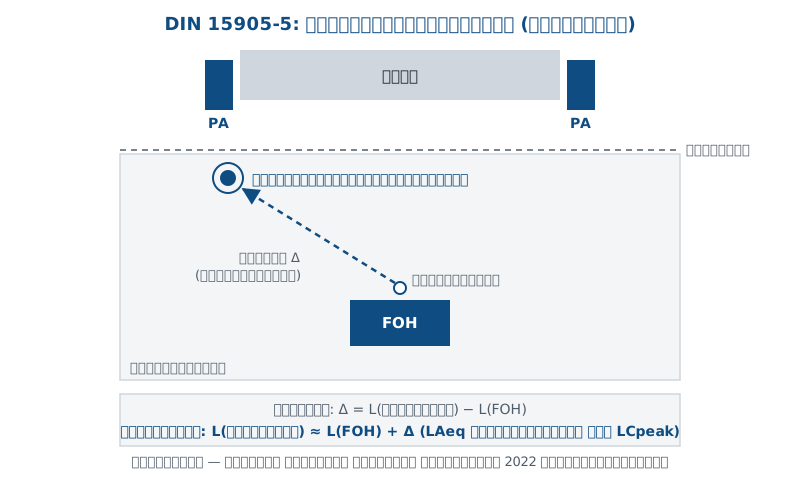
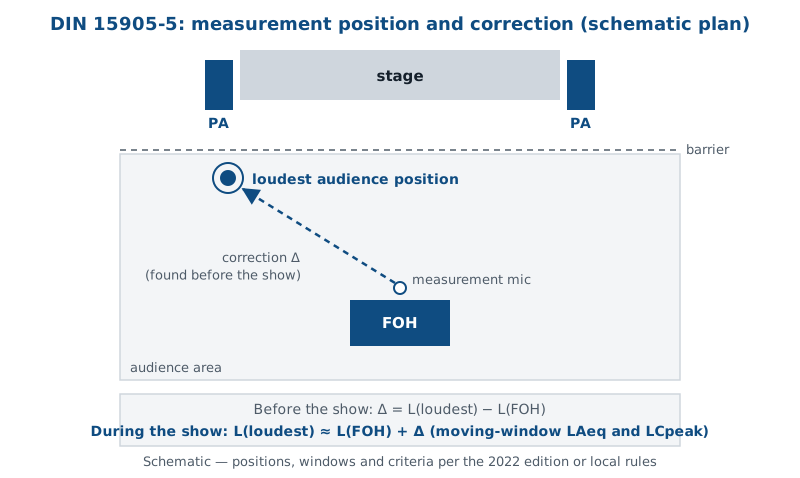
- จุดที่ผู้ชมเข้าถึงได้และได้รับเสียงดังที่สุด (มักอยู่ใกล้ลำโพงหน้าเวที) ซึ่งเป็นจุดอ้างอิงของการประเมินThe position accessible to the audience with the highest level (often near the front loudspeakers), which is the reference point for the assessment.
- ค่าแก้ระหว่างตำแหน่ง (correction value)Correction value between positions
- การวัดตลอดงานที่จุดดังที่สุดทำได้ยาก จึงมักวัดที่ตำแหน่งอื่น เช่น ห้องควบคุมเสียง (FOH) โดยวัดผลต่างระหว่างสองตำแหน่งไว้ก่อนงาน แล้วนำค่านั้นไปแก้ผลระหว่างงานMeasuring at the loudest point throughout the event is impractical, so measurements are usually made elsewhere, such as the front-of-house (FOH) position, with the difference between the two positions determined beforehand and applied as a correction during the event.
หน้านี้ไม่ยืนยันตัวเลขเกณฑ์ของ DIN 15905-5 ฉบับ 2022 เพราะเราตรวจกับเนื้อหาฉบับ 2022 โดยตรงไม่ได้ และค่าที่ใช้บังคับขึ้นกับสัญญาหรือหน่วยงานในแต่ละพื้นที่ สำหรับฉบับ 2007-11 (ฉบับเก่าที่ถูกแทนที่แล้ว) เอกสารของสำนักงานสาธารณสุขและกิจการสังคมแห่งรัฐเบอร์ลิน (LAGeSo) ระบุค่าแนะนำ (Richtwert) ของ ระดับประเมิน (rating level) LAr 99 dB(A) และ ระดับเสียงยอดถ่วงน้ำหนัก C (LCpeak) 135 dB ซึ่งต้องไม่เกิน ณ จุดใดที่ผู้ชมเข้าถึงได้ ก่อนนำไปใช้ให้ตรวจกับตัวมาตรฐานฉบับที่กำหนดหรือกฎหมายท้องถิ่นThis page does not confirm the DIN 15905-5:2022 values, because we could not check them against the 2022 text, and the applicable values depend on the contract or authority in each place. For the superseded 2007-11 edition, the Berlin State Office for Health and Social Affairs (LAGeSo) gives the guide values (Richtwerte) as a rating level LAr of 99 dB(A) and a C-weighted peak level LCpeak of 135 dB, not to be exceeded at any point accessible to the audience. Before applying them, check the required edition of the standard or local law.
ใครใช้ และใช้เมื่อไรWho uses it and when
- ผู้จัดงานและผู้ให้บริการระบบเสียง (sound engineer, system tech) ในงานคอนเสิร์ต เทศกาล โรงละคร และคลับEvent organisers and sound system providers (sound engineers, system techs) at concerts, festivals, theatres and clubs.
- เจ้าของสถานที่ที่ต้องแสดงหลักฐานว่าดูแลความปลอดภัยด้านการได้ยินของผู้ชมVenue owners who must show evidence of caring for the audience's hearing safety.
- บริษัททัวร์และผู้จัดงานระหว่างประเทศ ที่ใช้ DIN 15905-5 เป็นแนวทางการทำงาน แม้จัดงานนอกเยอรมนีTouring companies and international promoters who use DIN 15905-5 as a working guideline, even outside Germany.
การวัดโดยทั่วไปทำอย่างไรHow measurements are typically done
- ก่อนงาน: หาตำแหน่งที่ผู้ชมได้รับเสียงดังที่สุด และเลือกตำแหน่งวัดระหว่างงาน (เช่น FOH)Before the event: find the loudest audience position and choose the monitoring position (e.g. FOH).
- เปิดเสียงทดสอบหรือเพลงผ่านระบบ วัดทั้งสองตำแหน่งพร้อมกันหรือต่อเนื่อง เพื่อหาค่าแก้ระหว่างตำแหน่งPlay test signals or music through the system and measure both positions, simultaneously or in turn, to find the correction value.
- ระหว่างงาน: บันทึกระดับเสียงต่อเนื่องที่ตำแหน่งวัด แสดงค่าเฉลี่ยช่วงเวลาเลื่อนและค่ายอดแบบเรียลไทม์ให้ผู้ควบคุมเสียงเห็นDuring the event: log levels continuously at the monitoring position, showing the moving-window average and peak in real time to the mix engineer.
- ใช้ค่าแก้เพื่อประเมินระดับที่ตำแหน่งดังที่สุด และปรับระดับเสียงเมื่อเข้าใกล้ค่าที่กำหนดApply the correction to estimate the level at the loudest position, and adjust the mix as values approach the limits.
- หลังงาน: เก็บบันทึกข้อมูลและรายงานเป็นหลักฐานAfter the event: archive the logged data and report as evidence.
การใช้งานจริง: มาตรฐานนี้มีความหมายอย่างไรต่องานวัดPractical use: what this means for a measurement job
สำหรับทีมเสียงในงานแสดง มาตรฐานนี้เปลี่ยนการวัดจาก "ตัวเลขหลังจบงาน" เป็น "เครื่องมือช่วยมิกซ์ระหว่างงาน" ที่ช่วยให้เสียงมีพลังโดยไม่เสี่ยงต่อการได้ยินของผู้ชมFor event sound teams this standard turns measurement from a number after the show into a tool during the show, helping the mix stay powerful without putting the audience's hearing at risk.
- ตั้งค่าก่อนเปิดประตู: หาจุดดังสุดของผู้ชม วัดค่าแก้ระหว่างจุดนั้นกับ FOH และบันทึกวิธีที่ใช้หาค่าแก้Set up before doors open: find the loudest audience position, measure the correction to FOH and record how it was found.
- แสดงผลให้คนมิกซ์เห็น: จอที่แสดงค่าเฉลี่ยช่วงเวลาเลื่อนและค่ายอดอย่างชัดเจนช่วยให้ปรับก่อนเกิน ไม่ใช่รู้ตัวหลังเกินShow the engineer: a clear display of the moving-window average and peak helps adjust before exceeding, not after.
- เปลี่ยนผังเวทีหรือระบบ: ถ้าย้ายลำโพงหรือเพิ่มซับวูฟเฟอร์ ต้องหาค่าแก้ใหม่Changes to stage or system: if loudspeakers move or subwoofers are added, the correction must be found again.
- ป้องกันไมโครโฟน: กลางแจ้งใช้กระบังลมและป้องกันฝน วางไมโครโฟนให้พ้นจากการกระแทกและเสียงตะโกนระยะใกล้Protect the microphone: outdoors use a windscreen and rain protection, and keep it away from knocks and shouting at close range.
- เก็บข้อมูล: เก็บไฟล์บันทึกทั้งงานพร้อมค่าแก้และผลสอบเทียบ เป็นหลักฐานหากมีข้อร้องเรียนArchive: keep the whole-show log with the correction and calibration results as evidence if there is a complaint.
คอนเสิร์ตกลางแจ้งมีผู้ชมแน่นหน้าเวที ช่วงเช็กเสียงทีมวัดพบว่าจุดดังสุดอยู่ใกล้แนวลำโพงด้านซ้ายหน้ารั้ว และดังกว่าตำแหน่ง FOH อยู่ค่าหนึ่ง ระหว่างการแสดง ค่าที่ FOH บวกค่าแก้ปรากฏบนจอของคนมิกซ์ เมื่อค่าเฉลี่ยช่วงเวลาเลื่อนเข้าใกล้เกณฑ์ของผู้จัดงาน คนมิกซ์ลดเบสลงเล็กน้อยก่อนที่จะเกินAt an outdoor concert with a packed front area, sound check shows the loudest audience position is near the left PA line at the barrier, and louder than FOH by a certain amount. During the show the FOH level plus the correction appears on the engineer's screen; as the moving-window average approaches the organiser's criterion, the engineer trims the bass slightly before it is exceeded.
มาตรฐานที่เกี่ยวข้องและความเชื่อมโยงRelated standards and how they connect
- IEC 61672-1 ข้อกำหนดเครื่องวัดระดับเสียง (การถ่วงน้ำหนัก A และ C ค่ายอด และค่าเฉลี่ยพลังงาน) ที่ใช้ในการวัดIEC 61672-1 specifies the sound level meters used (A and C weighting, peak and energy-average levels).
- IEC 60942 เครื่องสอบเทียบเสียงสำหรับตรวจเครื่องวัดก่อนและหลังงานIEC 60942 sound calibrators for checking the meter before and after the event.
- V-NISSG (สวิตเซอร์แลนด์) และกฎเกณฑ์ของประเทศอื่น ๆ ใช้แนวคิดคล้ายกันแต่มีค่าและช่วงเวลาต่างกันV-NISSG (Switzerland) and other countries' rules use similar ideas with different values and time windows.
- มาตรฐานเสียงในที่ทำงาน (เช่น ISO 9612) ใช้กับพนักงานในงาน ไม่ใช่ผู้ชมOccupational noise standards (e.g. ISO 9612) apply to staff at the event, not to the audience.
ความเข้าใจผิดที่พบบ่อยCommon misunderstandings
- อ้างฉบับ 2007 ต่อไปได้ — ฉบับ 2022 แทนฉบับ 2007 แล้ว เอกสาร คู่มือ และการตั้งค่าเครื่องที่อ้างฉบับ 2007 ควรตรวจกับฉบับ 2022Citing the 2007 edition is still fine. The 2022 edition replaced the 2007 edition; documents, guides and instrument settings that refer to 2007 should be checked against the 2022 edition.
- วัดที่ FOH แล้วอ่านค่าได้เลย — FOH มักอยู่ไกลเวทีกว่าผู้ชมแถวหน้า ต้องใช้ค่าแก้ระหว่างตำแหน่ง มิฉะนั้นจะประเมินต่ำเกินจริงMeasure at FOH and read the number directly. FOH is usually further away than the front rows; without the correction, exposure is underestimated.
- ค่าเฉลี่ยทั้งคืนต่ำ แปลว่าปลอดภัย — ช่วงเงียบระหว่างเพลงทำให้ค่าเฉลี่ยทั้งคืนต่ำลง แนวคิดช่วงเวลาเลื่อนมีไว้เพื่อจับช่วงที่ดังต่อเนื่องA low whole-night average means safe. Quiet breaks lower the overall average; the moving window exists to catch sustained loud periods.
- DIN 15905-5 เป็นกฎหมายในทุกประเทศ — เป็นมาตรฐานเยอรมัน ในประเทศอื่นต้องตรวจกฎหมายและเงื่อนไขใบอนุญาตท้องถิ่นDIN 15905-5 is law everywhere. It is a German standard; elsewhere, check local law and permit conditions.
เกี่ยวข้องกับเครื่องมือวัดอย่างไรHow this relates to instruments
ข้อกำหนดทั่วไป: เครื่องวัดระดับเสียงที่วัด LAeq และค่ายอดถ่วงน้ำหนัก C ได้พร้อมกัน คำนวณค่าเฉลี่ยแบบช่วงเวลาเลื่อน บันทึกต่อเนื่องตลอดงาน แสดงผลให้ผู้ควบคุมเสียงเห็นแบบเรียลไทม์ และรองรับการใช้ค่าแก้ระหว่างตำแหน่ง ควรสอบเทียบก่อนและหลังงาน และป้องกันไมโครโฟนจากลมและการกระแทกในงานกลางแจ้งGeneral requirements: a sound level meter that measures LAeq and C-weighted peak together, computes moving-window averages, logs continuously for the whole event, displays results to the mix engineer in real time and supports a position correction. Calibrate before and after, and protect the microphone from wind and knocks outdoors.
ข้อมูลจาก NTi Audio (ตามที่ NTi ระบุ): หน้า XL2 ของ NTi Audio ระบุ DIN 15905-5 ในรายการมาตรฐานของประเทศเยอรมนี และคู่มือการใช้งาน XL2 ของ NTi ระบุว่า XL2 วัดค่าแก้ระหว่างจุดที่ดังที่สุดกับตำแหน่งวัดตาม DIN 15905-5 และ V-NISSG ซอฟต์แวร์ XL2 Projector PRO ใช้แสดงผลให้ผู้ควบคุมเสียง หน้าเหล่านี้ไม่ได้ระบุฉบับของ DIN 15905-5 จึงควรยืนยันกับผู้ผลิตว่าโปรไฟล์การวัดตรงกับฉบับ 2022From NTi Audio (as stated by NTi): NTi Audio's XL2 page lists DIN 15905-5 among the German standards, and NTi's XL2 operating manual states that the XL2 measures the correction value between the loudest point and the measurement position according to DIN 15905-5 and V-NISSG; the XL2 Projector PRO software displays results to the engineer. These pages do not state the DIN 15905-5 edition, so confirm with the manufacturer that the measurement profiles match the 2022 edition.
คำถามที่พบบ่อยFrequently asked questions
จุดดังสุดมักอยู่ที่ไหนWhere is the loudest position usually?
มักอยู่แถวหน้าใกล้ลำโพงหลักหรือลำโพงเสริมด้านหน้า แต่ขึ้นกับการจัดระบบ ต้องหาด้วยการวัดจริง ไม่ใช่การเดาOften at the front near the main or front-fill loudspeakers, but it depends on the system layout; find it by measurement, not by guessing.
มาตรฐานนี้ใช้กับดนตรีสดที่ไม่ใช้ลำโพงไหมDoes it apply to unamplified music?
ขอบเขตของมาตรฐานคือเสียงจากระบบเสียงอิเล็กโทรอะคูสติก ดนตรีที่ไม่ผ่านลำโพงจึงไม่อยู่ในขอบเขตโดยตรง แต่การดูแลการได้ยินของผู้ชมยังควรทำตามกฎของแต่ละพื้นที่Its scope is sound from electroacoustic systems, so unamplified music is not directly covered, although audience hearing still deserves care under local rules.
ใช้ค่าแก้จากงานครั้งก่อนได้ไหมCan I reuse the correction from a previous show?
ไม่ควร ค่าแก้ขึ้นกับสถานที่ ผังระบบเสียง และตำแหน่งไมโครโฟน ให้หาใหม่ทุกครั้งที่สิ่งเหล่านี้เปลี่ยนIt is better not to: the correction depends on the venue, the system layout and the microphone position, so determine it again whenever those change.