ขอบเขตแบบเข้าใจง่ายScope in plain words
- ส่วนที่ 1 — ห้องแสดง เช่น หอแสดงดนตรี โรงละคร หอประชุม เน้นวิธีวัดจาก การตอบสนองต่อแรงกระตุ้น (impulse response) ของห้อง แล้วคำนวณพารามิเตอร์หลายตัวที่สัมพันธ์กับการรับรู้ของผู้ฟังPart 1 — Performance spaces such as concert halls, theatres and auditoria. It is built around measuring the room's impulse response and deriving several parameters linked to how listeners perceive the room.
- ส่วนที่ 2 — ห้องทั่วไป เช่น ห้องเรียน สำนักงาน ร้านอาหาร และห้องที่ใช้ในการวัดการกันเสียง เน้นเวลาเสียงก้อง และมีความแม่นยำ 3 ระดับ คือ สำรวจ (survey) วิศวกรรม (engineering) และแม่นยำสูง (precision) ซึ่งต่างกันที่จำนวนตำแหน่งวัดPart 2 — Ordinary rooms such as classrooms, offices, restaurants and the rooms used in sound insulation tests. It focuses on reverberation time and has three accuracy levels: survey, engineering and precision, which differ mainly in the number of measurement positions.
- ส่วนที่ 3 — สำนักงานแบบเปิด ไม่ได้ดูเสียงก้องเป็นหลัก แต่ดูว่าเสียงพูดของคนหนึ่ง ลดลงตามระยะทาง เร็วแค่ไหน และความชัดเจนของเสียงพูดเปลี่ยนไปอย่างไรเมื่อห่างออกไปPart 3 — Open-plan offices: the focus is not reverberation but how quickly one person's speech decays with distance and how speech intelligibility changes as you move away.
แนวคิดและปริมาณสำคัญKey concepts and quantities
- T (เวลาเสียงก้อง) และ T20 / T30T (reverberation time) and T20 / T30
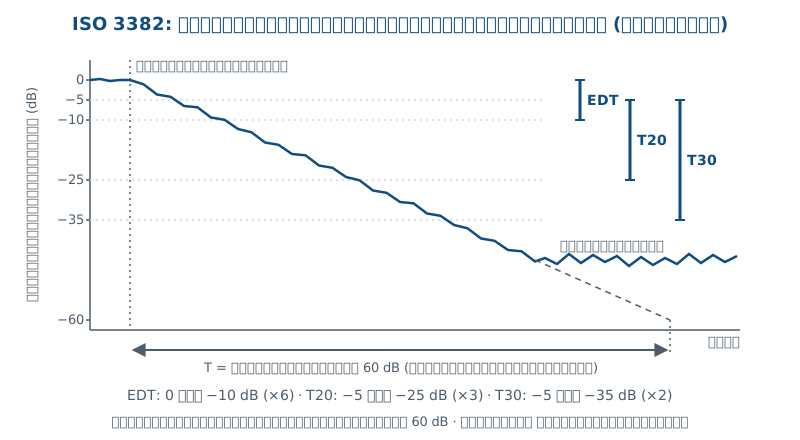
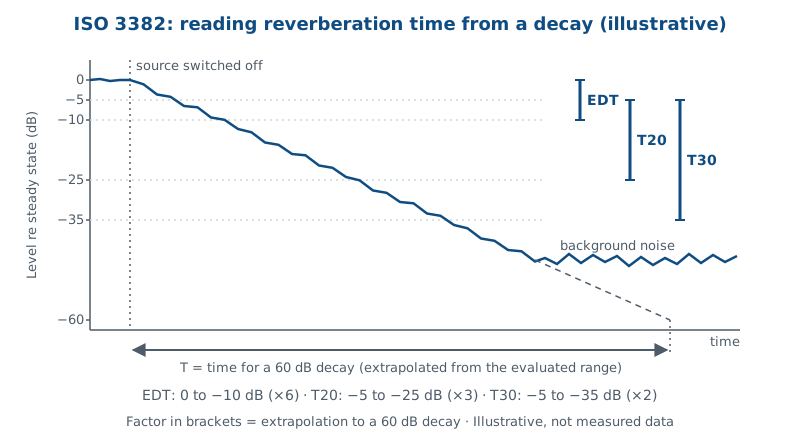
- เวลาที่เสียงในห้องลดลง 60 dB หลังต้นเสียงหยุด ในทางปฏิบัติแทบไม่มีห้องใดวัดการลดลง 60 dB ได้เต็มช่วงเหนือเสียงพื้นหลัง จึงวัดช่วงการลดลง 20 dB (T20) หรือ 30 dB (T30) แล้วประมาณเป็นเวลาสำหรับ 60 dBThe time for the sound in a room to fall by 60 dB after the source stops. In practice a full 60 dB decay above the background noise is rarely available, so a 20 dB (T20) or 30 dB (T30) portion of the decay is evaluated and extrapolated to 60 dB.
- EDT — Early Decay TimeEDT — early decay time
- ประเมินจากช่วงต้นของการลดลงของเสียง สัมพันธ์กับความรู้สึกว่าห้องก้องมากน้อยเพียงใดระหว่างที่ดนตรีหรือเสียงพูดกำลังดำเนินอยู่Evaluated from the very first part of the decay; it relates to how reverberant the room feels while music or speech is running.
- C80 — ความชัดของดนตรี (clarity)C80 — clarity for music
- เปรียบเทียบพลังงานเสียงที่มาถึงเร็ว (ช่วงแรกหลังเสียงตรง) กับพลังงานที่มาถึงช้า หน่วยเป็น dB ค่าสูงหมายถึงเสียงดนตรีแยกโน้ตได้ชัดCompares early-arriving sound energy (just after the direct sound) with late energy, in dB; a higher value means musical detail is clearer.
- D50 และ C50 — ความชัดของเสียงพูดD50 and C50 — definition and clarity for speech
- ใช้แนวคิดเดียวกับ C80 แต่ใช้ช่วงเวลาต้นที่สั้นกว่า เหมาะกับเสียงพูด D50 เป็นสัดส่วน ส่วน C50 เป็น dBSame idea as C80 but with a shorter early window suited to speech; D50 is a ratio, C50 is in dB.
- ค่าอื่นในส่วนที่ 1Other Part 1 parameters
- เช่น ความดังของห้อง (strength, G) เวลาศูนย์ถ่วง (Ts) และค่าที่เกี่ยวกับเสียงที่มาจากด้านข้าง ซึ่งสัมพันธ์กับความรู้สึกกว้างของเสียงSuch as sound strength (G), centre time (Ts) and lateral-energy measures linked to the sense of spaciousness.
- ค่าของสำนักงานแบบเปิด (ส่วนที่ 3)Open-plan office quantities (Part 3)
- เช่น อัตราการลดลงของระดับเสียงพูดเมื่อระยะเพิ่มเป็นสองเท่า (D2,S) ระดับเสียงพูดถ่วงน้ำหนัก A ที่ระยะ 4 m (Lp,A,S,4m) ระยะรบกวน (distraction distance, rD) ซึ่งเป็นระยะที่ค่า STI ลดต่ำกว่าเกณฑ์ที่กำหนด และในฉบับ 2022 มีระยะสบาย (comfort distance, rC) ซึ่งเป็นระยะที่ระดับเสียงพูดลดต่ำกว่าเกณฑ์ ฉบับ 2022 ตัดระยะความเป็นส่วนตัว (privacy distance) ของฉบับ 2012 ออกแล้วSuch as the rate at which speech level drops per doubling of distance (D2,S), the A-weighted speech level at 4 m (Lp,A,S,4m), the distraction distance rD (where STI falls below a defined value) and, in the 2022 edition, the comfort distance rC (where the speech level falls below a defined value). The 2022 edition removed the privacy distance of the 2012 edition.
คำว่า RT60 เป็นชื่อที่นิยมในวงการ ส่วนมาตรฐานใช้สัญลักษณ์ T และระบุช่วงที่ประเมิน (T20, T30) ควรเขียนในรายงานให้ชัดว่าใช้ช่วงใดRT60 is the popular industry name; the standard uses the symbol T and states the evaluation range (T20, T30). A report should make clear which one was used.
ใครใช้ และใช้เมื่อไรWho uses it and when
- ที่ปรึกษาอะคูสติก ออกแบบและตรวจรับหอประชุม ห้องแสดง ห้องเรียน ห้องประชุม และสำนักงานAcoustic consultants designing and commissioning auditoria, performance spaces, classrooms, meeting rooms and offices.
- วิศวกรที่วัดการกันเสียง ต้องวัดเวลาเสียงก้องในห้องรับเสียงตามส่วนที่ 2 เพื่อใช้ปรับผลEngineers measuring sound insulation, who need the receiving-room reverberation time to Part 2 for their corrections.
- ผู้ออกแบบสำนักงานและผู้ประเมินอาคารตามเกณฑ์อาคารเขียวหรืออาคารเพื่อสุขภาพ ที่ใช้ส่วนที่ 3 หรือเวลาเสียงก้องเป็นเกณฑ์Office designers and assessors under green or healthy-building schemes that use Part 3 or reverberation time as criteria.
การวัดโดยทั่วไปทำอย่างไรHow measurements are typically done
- เลือกวิธีกระตุ้นห้อง: วิธีเสียงรบกวนที่ถูกตัด (interrupted noise) เปิดเสียงรบกวนแล้วหยุดทันทีเพื่อบันทึกการลดลง หรือ วิธีการตอบสนองต่อแรงกระตุ้นแบบอินทิเกรต ใช้เสียงกระตุ้นสั้นหรือสัญญาณกวาดความถี่ แล้วคำนวณการลดลงจาก impulse responseChoose the excitation: the interrupted noise method (play noise, switch it off and record the decay) or the integrated impulse response method (use an impulsive source or a swept/MLS signal and derive the decay from the impulse response).
- ใช้ต้นเสียงที่กระจายเสียงใกล้เคียงรอบทิศทาง และให้ระดับเสียงสูงพอเหนือเสียงพื้นหลังเพื่อให้ได้ช่วงการลดลงที่ต้องการUse a nearly omnidirectional source loud enough above the background noise to give the decay range needed.
- วัดหลายตำแหน่งต้นเสียงและไมโครโฟน โดยเว้นระยะจากผนังและระหว่างต้นเสียงกับไมโครโฟนตามที่มาตรฐานกำหนด จำนวนตำแหน่งขึ้นกับระดับความแม่นยำที่เลือกMeasure at several source and microphone positions, keeping the distances from walls and between source and microphone set by the standard; the number of positions depends on the accuracy level chosen.
- ประเมินผลต่อย่านออกเตฟหรือ 1/3 ออกเตฟ แล้วเฉลี่ยเชิงพื้นที่Evaluate per octave or 1/3-octave band and average over the positions.
- รายงานวิธีกระตุ้น ช่วงประเมิน (T20/T30) ตำแหน่ง สภาพห้อง (มีคนหรือไม่ เฟอร์นิเจอร์) และระดับความแม่นยำReport the excitation method, evaluation range (T20/T30), positions, room condition (occupied or not, furnishing) and accuracy level.
การใช้งานจริง: มาตรฐานนี้มีความหมายอย่างไรต่องานวัดPractical use: what this means for a measurement job
การวัดเสียงก้องดูเหมือนง่าย แต่ผลจะใช้ได้ต่อเมื่อเลือกส่วนของมาตรฐาน ระดับความแม่นยำ และสภาพห้องให้ตรงกับคำถามReverberation measurements look simple, but results are only useful when the part of the standard, the accuracy level and the room condition match the question.
- ห้องทั่วไป (ส่วนที่ 2): ห้องเรียน ห้องประชุม สำนักงาน เลือกระดับ survey, engineering หรือ precision ตามวัตถุประสงค์ งานส่งมอบในทางปฏิบัติมักใช้ระดับ engineeringOrdinary rooms (Part 2): classrooms, meeting rooms, offices; choose survey, engineering or precision to suit the purpose. In practice, handover work often uses engineering level.
- สภาพห้อง: เฟอร์นิเจอร์ ผ้าม่าน และผู้คนเปลี่ยนผลได้มาก ระบุในรายงานเสมอว่าวัดในสภาพใดRoom condition: furniture, curtains and people change results a lot; always state the condition measured.
- ระดับแหล่งกำเนิด: ปลายล่างของช่วงประเมินต้องอยู่สูงกว่าเสียงพื้นหลังตามระยะเผื่อที่มาตรฐานกำหนด (ดูฉบับที่ใช้) ถ้าเสียงพื้นหลังสูงจนได้ช่วงการลดลงไม่พอสำหรับ T30 ให้ใช้ T20 และระบุไว้Source level: the lower end of the evaluation range must sit above the background noise by the margin the standard sets (check the edition applied). If background noise leaves too little decay range for T30, use T20 and say so.
- ความถี่ต่ำในห้องเล็ก: ผลย่านต่ำแกว่งมากเพราะโหมดของห้อง ควรเพิ่มจำนวนตำแหน่งวัดLow frequencies in small rooms: low-band results scatter because of room modes; use more positions.
- พื้นที่การแสดง (ส่วนที่ 1): ต้องวัด impulse response เพื่อให้ได้ EDT, C80 และ D50 ไม่ใช่แค่ TPerformance spaces (Part 1): impulse responses are needed to get EDT, C80 and D50, not only T.
ห้องประชุมใหม่ที่มีผนังกระจกและพื้นแข็งถูกร้องเรียนว่าฟังเสียงประชุมทางไกลไม่ชัด วิศวกรวัดเวลาเสียงก้องตาม ISO 3382-2 ระดับ engineering ในห้องที่มีเฟอร์นิเจอร์ครบ พบว่าย่านความถี่กลางสูงกว่าค่าเป้าหมายการออกแบบที่ผู้ว่าจ้างกำหนด จึงเสนอวัสดุดูดซับเสียงที่ฝ้าเพดานและผนังด้านหลัง แล้ววัดซ้ำหลังติดตั้งเพื่อยืนยันผลA new meeting room with glass walls and a hard floor draws complaints about unclear video-conference audio. The engineer measures reverberation time to ISO 3382-2 at engineering level with the room fully furnished and finds the mid-frequency values above the client's design target. Absorption on the ceiling and rear wall is proposed, and a repeat measurement after installation confirms the result.
มาตรฐานที่เกี่ยวข้องและความเชื่อมโยงRelated standards and how they connect
- ISO 16283 และ ISO 10140 ใช้เวลาเสียงก้องของห้องรับเสียงในการปรับผลการกันเสียงISO 16283 and ISO 10140 use the receiving-room reverberation time to adjust sound insulation results.
- IEC 60268-16 (STI) ถูกอ้างใน ISO 3382-3 สำหรับประเมินความชัดเจนของเสียงพูดตามระยะในสำนักงานแบบเปิดIEC 60268-16 (STI) is referenced in ISO 3382-3 for speech intelligibility versus distance in open-plan offices.
- ISO 354 วัดการดูดซับเสียงของวัสดุในห้องก้องเสียง (reverberation room) ใช้หลักการเวลาเสียงก้องเหมือนกันแต่คนละวัตถุประสงค์ISO 354 measures the sound absorption of materials in a reverberation room; it uses reverberation time too, but for a different purpose.
- ISO 22955 ให้เกณฑ์คุณภาพอะคูสติกของพื้นที่สำนักงานแบบเปิด ใช้ร่วมกับผลวัดตาม ISO 3382-3ISO 22955 gives acoustic quality guidance for open-office spaces and is used together with ISO 3382-3 measurements.
- ASTM E2235 เป็นมาตรฐานของสหรัฐอเมริกาสำหรับวัดอัตราการลดลงของเสียง เพื่อใช้ในวิธีทดสอบการกันเสียงของ ASTM เป็นระบบคู่ขนาน ไม่ใช่ส่วนหนึ่งของ ISO 3382ASTM E2235 is the US standard for determining decay rates for use in ASTM sound insulation test methods; a parallel system, not part of ISO 3382.
ความเข้าใจผิดที่พบบ่อยCommon misunderstandings
- อ้างถึง ISO 3382 เฉย ๆ ก็พอ — ปัจจุบันต้องระบุส่วนที่ใช้ (-1, -2 หรือ -3) เพราะแต่ละส่วนมีวิธีและปริมาณต่างกัน การอ้าง ISO 3382 ฉบับปี 1997 เป็นการอ้างมาตรฐานที่ถูกแทนที่แล้วCiting just ISO 3382 is enough. The part (-1, -2 or -3) must now be stated, as each has its own method and quantities; citing the 1997 ISO 3382 refers to a superseded standard.
- T20 กับ T30 ต้องได้ค่าเท่ากัน — ถ้าการลดลงของเสียงไม่เป็นเส้นตรง (เช่น ห้องที่เชื่อมกับห้องอื่น) ค่าสองค่านี้จะต่างกัน ซึ่งเป็นข้อมูลที่มีประโยชน์ ไม่ใช่ความผิดพลาดเสมอไปT20 and T30 must be equal. If the decay is not straight (for example in coupled spaces) they will differ, which is useful information, not necessarily an error.
- ปรบมือหนึ่งครั้งก็วัดได้ตามมาตรฐาน — การปรบมือช่วยให้รู้สึกถึงเสียงก้องได้ แต่ไม่ได้ให้ระดับเสียงและจำนวนตำแหน่งที่มาตรฐานต้องการOne hand clap is a standard measurement. A clap gives a feel for reverberation but not the level or number of positions the standard requires.
- เวลาเสียงก้องต่ำคือดีเสมอ — ค่าที่เหมาะสมขึ้นกับการใช้งาน ห้องเรียนต้องการค่าต่ำ หอแสดงดนตรีต้องการค่าสูงกว่ามากLow reverberation is always good. The right value depends on use: classrooms need it low, concert halls much higher.
เกี่ยวข้องกับเครื่องมือวัดอย่างไรHow this relates to instruments
ข้อกำหนดทั่วไป: ต้องมีต้นเสียงที่ใกล้เคียงรอบทิศทาง (เช่น ลำโพงทรงสิบสองหน้า) หรือต้นเสียงกระตุ้นที่ดังพอ ไมโครโฟนรอบทิศทาง ระบบวิเคราะห์ที่กรองย่านออกเตฟหรือ 1/3 ออกเตฟได้ และซอฟต์แวร์ที่ประเมินการลดลงของเสียงหรือ impulse response ได้ สำหรับพารามิเตอร์ในส่วนที่ 1 อย่าง C80 และ D50 ต้องใช้ระบบที่วัด impulse response ได้ ไม่ใช่แค่วัดเวลาเสียงก้องGeneral requirements: a nearly omnidirectional source (e.g. a dodecahedron loudspeaker) or a sufficiently loud impulsive source, an omnidirectional microphone, an analyzer with octave or 1/3-octave filtering, and software that evaluates decays or impulse responses. Part 1 parameters such as C80 and D50 need a system that measures impulse responses, not only reverberation time.
ข้อมูลจาก NTi Audio (ตามที่ NTi ระบุ): หน้า Reverberation Time ของ NTi Audio อ้าง ISO 3382-1 และ ISO 3382-2 ระบุว่า XL2 วัด T20 และ T30 (เลือกได้) ด้วยต้นเสียงแบบแรงกระตุ้นหรือเสียงรบกวนแบบเปิดปิด ความละเอียด 1/1 ออกเตฟ และ 1/3 ออกเตฟเมื่อมี XL2 Extended Acoustic Pack และใช้ Room Acoustics Reporter ทำรายงาน ข้อมูลตัวเลือก STIPA ของ XL2 อ้าง ISO 3382-3 ด้วย หน้าดังกล่าวไม่ได้ระบุว่าวัด EDT, C80 หรือ D50From NTi Audio (as stated by NTi): NTi Audio's Reverberation Time page cites ISO 3382-1 and ISO 3382-2 and states that the XL2 measures T20 and T30 (selectable) with impulsive or gated-noise sources, in 1/1 octaves, or 1/3 octaves with the XL2 Extended Acoustic Pack, with the Room Acoustics Reporter for reports. The XL2 STIPA option information also lists ISO 3382-3. That page does not state EDT, C80 or D50 measurement.
คำถามที่พบบ่อยFrequently asked questions
RT60 กับ T30 เป็นค่าเดียวกันไหมAre RT60 and T30 the same?
ทั้งคู่แสดงเวลาที่เสียงลดลง 60 dB แต่ T30 ประเมินจากช่วงการลดลง 30 dB แล้วขยายผลเป็น 60 dB ส่วน RT60 เป็นชื่อเรียกทั่วไปที่ไม่บอกช่วงประเมิน ในรายงานควรระบุ T20 หรือ T30 ให้ชัดBoth express the time for a 60 dB decay, but T30 is evaluated from a 30 dB portion and extrapolated, while RT60 is a general name that does not say which range was used. Reports should state T20 or T30.
ต้องวัดกี่ตำแหน่งHow many positions are needed?
ISO 3382-2 กำหนดจำนวนตำแหน่งแหล่งกำเนิดและไมโครโฟนขั้นต่ำตามระดับความแม่นยำ ยิ่งแม่นยำมากยิ่งต้องมีตำแหน่งมากขึ้น ให้ดูฉบับของมาตรฐานที่ใช้ISO 3382-2 sets minimum numbers of source and microphone positions for each accuracy level; higher accuracy needs more positions. Check the edition you apply.
ใช้เสียงปรบมือหรือลูกโป่งแตกได้ไหมCan I use a hand clap or a balloon burst?
แหล่งกำเนิดแบบแรงกระตุ้นใช้ได้กับวิธี impulse response ถ้าดังพอให้ช่วงการลดลงเพียงพอในทุกย่านที่ต้องการ เสียงปรบมือมักเบาเกินไปในย่านต่ำ จึงเหมาะแค่การประเมินคร่าว ๆImpulsive sources can be used with the impulse response method if they are loud enough to give the needed decay range in every band. A clap is usually too weak at low frequencies, so it only suits a rough impression.