ทำไมเรื่องนี้สำคัญWhy this matters
ถ้าคุณเคยเห็นรายงานผลการวัดเสียง จะพบว่าตัวเลขแทบไม่เคยเขียนเป็น “dB” เฉย ๆ แต่มักเขียนว่า dB(A), dBA, LAeq หรือ LCpeak ตัวอักษร A, C หรือ Z ที่ต่อท้ายนี้ไม่ใช่รายละเอียดเล็ก ๆ เพราะเสียงเดียวกันที่วัดด้วยการถ่วงน้ำหนักต่างกัน อาจได้ตัวเลขห่างกันได้มาก โดยเฉพาะเสียงที่มีความถี่ต่ำเยอะ เช่น เสียงเครื่องยนต์ เสียงคอมเพรสเซอร์ หรือเสียงเบสจากลำโพงIf you have seen a noise measurement report, you will notice that levels are almost never written as plain “dB”. They appear as dB(A), dBA, LAeq or LCpeak. The letter A, C or Z is not a minor detail: the same sound measured with different weightings can give very different numbers, especially when it contains a lot of low-frequency energy, such as an engine, a compressor or the bass from a loudspeaker.
การอ่านตัวอักษรนี้ให้เป็นจึงช่วยให้คุณ เปรียบเทียบตัวเลขได้ถูกต้อง เช่น ไม่นำค่า dBC ไปเทียบกับเกณฑ์ที่กำหนดเป็น dBA และช่วยให้ เลือกการตั้งค่าเครื่องวัดได้เหมาะกับงาน ตั้งแต่ก่อนเริ่มวัดReading this letter correctly lets you compare numbers properly, for example never checking a dBC value against a limit that is written in dBA, and helps you choose the right instrument setting for the task before the measurement starts.
แนวคิดพื้นฐาน: หูไม่ได้ยินทุกความถี่เท่ากันThe basic idea: the ear does not hear all frequencies equally
ไมโครโฟนวัดเสียงที่ดีตอบสนองต่อความดันเสียงเกือบเท่ากันทุกความถี่ แต่หูของคนไม่เป็นอย่างนั้น เราได้ยินเสียงช่วงความถี่กลาง ประมาณหลายร้อยเฮิรตซ์ (Hz) ไปจนถึงไม่กี่พันเฮิรตซ์ ได้ดีที่สุด ซึ่งตรงกับช่วงของเสียงพูด ส่วนเสียงทุ้มต่ำมากและเสียงแหลมสูงมาก หูจะรับรู้ได้น้อยกว่า แม้พลังงานของเสียงจะเท่ากันก็ตามA good measurement microphone responds to sound pressure almost equally at every frequency. The human ear does not. We hear the middle range best, from a few hundred hertz (Hz) up to a few thousand hertz, which is where speech sits. Very low and very high frequencies are perceived less strongly, even when they carry the same energy.
ลองนึกถึงเสียงหึ่งทุ้ม ๆ จากเครื่องจักรขนาดใหญ่ในห้องข้าง ๆ เสียงนี้อาจมีพลังงานสูงมาก แต่เรารู้สึกว่ามัน “ไม่ค่อยดัง” เท่ากับเสียงคนคุยกันที่มีพลังงานน้อยกว่า นี่คือเหตุผลที่เครื่องวัดเสียงต้องมี ตัวกรองถ่วงน้ำหนัก (weighting filter) ซึ่งเป็นตัวลดหรือเพิ่มระดับของแต่ละความถี่ตามสูตรที่กำหนดไว้ ก่อนรวมทุกความถี่เป็นตัวเลขเดียวThink of a low hum from a large machine in the next room. It can carry a lot of energy, yet it feels “not that loud” compared with people talking, which carries less energy. This is why a sound level meter has weighting filters: fixed curves that reduce or boost each frequency by a defined amount before all frequencies are combined into one number.
การถ่วงน้ำหนักทั้งสามแบบกำหนดไว้ในมาตรฐานสากลสำหรับเครื่องวัดระดับเสียง IEC 61672-1 (ฉบับที่ 2 ปี 2013) ทุกแบบมีค่าปรับเป็น 0 dB ที่ความถี่ 1,000 Hz พอดี คือที่ 1 kHz ตัวเลขจะไม่ถูกเปลี่ยนเลย ความแตกต่างจะอยู่ที่ความถี่อื่น ๆAll three weightings are defined in the international sound level meter standard IEC 61672-1 (edition 2, 2013). Each one has an adjustment of exactly 0 dB at 1,000 Hz: at 1 kHz nothing is changed. The differences are at the other frequencies.
A, C และ Z คืออะไรWhat A, C and Z are
| การถ่วงน้ำหนักWeighting | ทำอะไรกับเสียงWhat it does | ใช้กับงานแบบไหนTypical use |
|---|---|---|
| A (dBA, LA…)A (dBA, LA…) | ทำอะไรกับเสียงWhat it doesลดเสียงความถี่ต่ำลงมาก ลดเสียงแหลมสูงมากลงเล็กน้อย และเพิ่มขึ้นเล็กน้อยช่วงประมาณ 2–4 kHz อิงคร่าว ๆ กับความไวของหูที่ระดับเสียงค่อนข้างเบาถึงปานกลางStrongly reduces low frequencies, slightly reduces the very highest, and adds a little around 2–4 kHz. Loosely modelled on the ear's sensitivity at quiet to moderate levels. | ใช้กับงานแบบไหนTypical useใช้บ่อยที่สุดในการวัดที่เกี่ยวกับผลต่อคน เช่น เสียงรบกวนในสิ่งแวดล้อมและเสียงในที่ทำงาน เมื่อมาตรฐานหรือเกณฑ์ที่ใช้กำหนดThe most widely used weighting, for measurements about the effect on people such as environmental and workplace noise, where the standard or criterion calls for it. |
| C (dBC, LC…)C (dBC, LC…) | ทำอะไรกับเสียงWhat it doesเกือบแบนราบ ลดเฉพาะที่ความถี่ต่ำสุดและสูงสุด เดิมอิงคร่าว ๆ กับความไวของหูเมื่อเสียงดังมากAlmost flat; reduces only the lowest and highest frequencies. Originally loosely based on the ear's response to very loud sound. | ใช้กับงานแบบไหนTypical useค่ายอดของความดันเสียง (LCpeak) ใช้คู่กับ A เพื่อดูเสียงความถี่ต่ำ และในงานที่มาตรฐานหรือเกณฑ์กำหนดPeak sound pressure (LCpeak), alongside A to reveal low-frequency content, and wherever a standard or criterion specifies it. |
| Z (dBZ, LZ…)Z (dBZ, LZ…) | ทำอะไรกับเสียงWhat it doesการถ่วงน้ำหนัก zero: มีการตอบสนองแบบ nominally flat (ค่าปรับ 0 dB) ตามช่วงความถี่ที่มาตรฐานกำหนดZero frequency weighting: nominally flat (0 dB) over the frequency range specified by the standard. | ใช้กับงานแบบไหนTypical useการวิเคราะห์แหล่งกำเนิดเสียงและงานทางเทคนิค เช่น ทดสอบการตอบสนองความถี่ของลำโพง ที่ไม่ต้องจำลองการได้ยินของคนSource analysis and technical work, such as loudspeaker frequency response tests, where no model of human hearing is wanted. |
ตารางด้านล่างแสดงค่าปรับ (หน่วย dB) ที่แต่ละการถ่วงน้ำหนักใช้ในบางความถี่ ค่าลบหมายถึงเสียงที่ความถี่นั้นถูกลดลงก่อนนำไปรวม ตัวเลขเหล่านี้มาจากมาตรฐาน IEC 61672 ให้สังเกตว่าที่ 31.5 Hz การถ่วงน้ำหนัก A ลดเสียงลงเกือบ 40 dB ในขณะที่ C ลดเพียง 3 dBThe table below shows the adjustment (in dB) each weighting applies at selected frequencies. A negative value means the sound at that frequency is reduced before it is added in. The values come from IEC 61672. Notice that at 31.5 Hz, A-weighting removes almost 40 dB while C-weighting removes only 3 dB.
| ความถี่Frequency | A | C | Z |
|---|---|---|---|
| 31.5 Hz31.5 Hz | A−39.4−39.4 | C−3.0−3.0 | Z00 |
| 63 Hz63 Hz | A−26.2−26.2 | C−0.8−0.8 | Z00 |
| 125 Hz125 Hz | A−16.1−16.1 | C−0.2−0.2 | Z00 |
| 250 Hz250 Hz | A−8.6−8.6 | C0.00.0 | Z00 |
| 500 Hz500 Hz | A−3.2−3.2 | C0.00.0 | Z00 |
| 1,000 Hz1,000 Hz | A00 | C00 | Z00 |
| 2,000 Hz2,000 Hz | A+1.2+1.2 | C−0.2−0.2 | Z00 |
| 4,000 Hz4,000 Hz | A+1.0+1.0 | C−0.8−0.8 | Z00 |
| 8,000 Hz8,000 Hz | A−1.1−1.1 | C−3.0−3.0 | Z00 |
| 16,000 Hz16,000 Hz | A−6.6−6.6 | C−8.5−8.5 | Z00 |
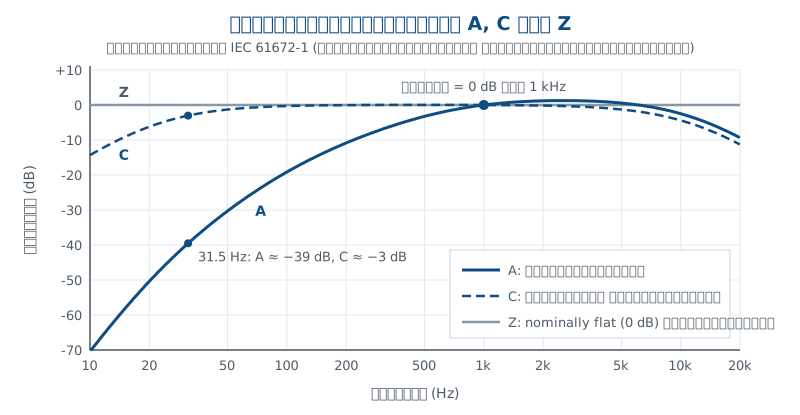
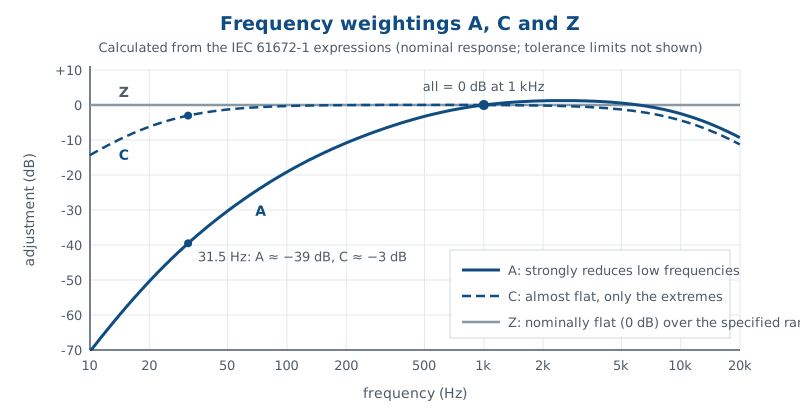
ที่ความถี่ต่ำมาก การถ่วงน้ำหนัก A ลดเสียงลงมหาศาล เช่น ที่ 6.3 Hz ลดลงประมาณ 85 dB ส่วน C ลดลงประมาณ 21 dB นี่คือเหตุผลที่ค่า dBA แทบ “มองไม่เห็น” เสียงสั่นสะเทือนความถี่ต่ำมากAt very low frequencies A-weighting removes an enormous amount: at 6.3 Hz about 85 dB, compared with about 21 dB for C-weighting. This is why a dBA value is almost “blind” to very low-frequency rumble.
ตัวอย่างในชีวิตจริงEveryday examples
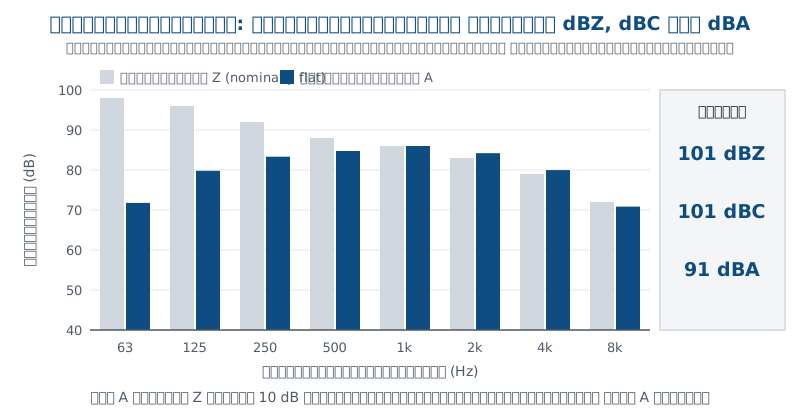
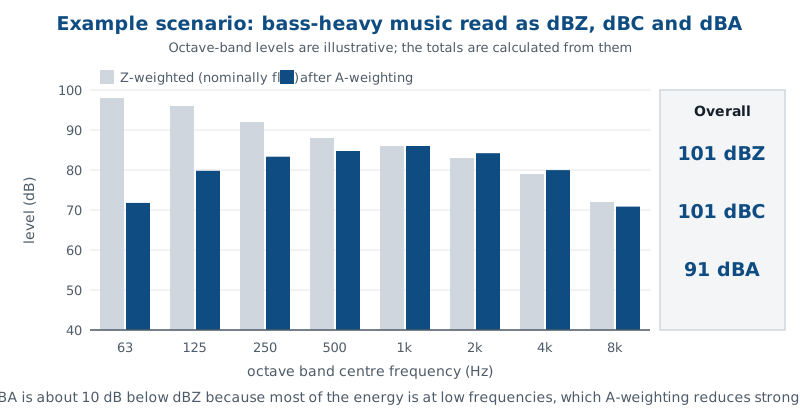
สมมติเครื่องปรับอากาศตัวหนึ่งปล่อยเสียงหึ่งที่ความถี่ประมาณ 63 Hz ระดับ 60 dB เมื่อวัดแบบ Z ส่วนนี้ของเสียงจะนับเต็ม 60 dB แบบ C นับประมาณ 59 dB แต่แบบ A จะเหลือเพียงประมาณ 34 dB (60 − 26.2) เพราะหูของคนรับรู้เสียงทุ้มนี้ได้น้อยกว่ามาก (ตัวเลขสมมติเพื่ออธิบายหลักการ)Imagine an air conditioner that produces a hum at around 63 Hz with a level of 60 dB. Measured with Z-weighting, this part of the sound counts in full at 60 dB; with C-weighting about 59 dB; with A-weighting only about 34 dB (60 − 26.2), because people perceive this low hum much less. (Illustrative numbers.)
เพื่อนบ้านเปิดเพลงที่มีเบสหนัก ค่า dBA ที่วัดในห้องคุณอาจดูไม่สูงมาก แต่ค่า dBC สูงกว่าชัดเจน เมื่อเห็นตัวเลขสองค่านี้ห่างกันมาก ก็เป็นสัญญาณว่าเสียงนั้นมีส่วนประกอบความถี่ต่ำมาก ซึ่งมักเป็นเสียงที่ทะลุผนังได้ดีและสร้างความรำคาญได้แม้ dBA จะไม่สูงA neighbour plays music with heavy bass. The dBA value measured in your room may not look high, but the dBC value is clearly higher. A large gap between the two is a sign that the sound contains a lot of low-frequency energy, which tends to pass through walls easily and can be annoying even when the dBA value is modest.
ควรใช้แบบไหนเมื่อไรWhich one to use when
- มาตรฐานวิธีวัดหรือเกณฑ์ที่ใช้เป็นตัวกำหนดการถ่วงน้ำหนักที่ต้องใช้ เมื่อมาตรฐาน กฎหมาย หรือข้อกำหนดของโครงการระบุการถ่วงน้ำหนักไว้ ให้ใช้ตามที่ระบุเสมอ รายการด้านล่างเป็นเพียงการใช้งานที่พบบ่อย ไม่ใช่กฎตายตัวThe measurement standard or criterion determines the weighting required. When a standard, regulation or project specification names a weighting, always use the one it names. The items below are common uses, not fixed rules.
- dBA — ใช้กับการวัดเสียงส่วนใหญ่ที่เกี่ยวกับผลต่อคน เช่น เสียงรบกวนชุมชน เสียงจราจร เสียงในสำนักงาน และการสัมผัสเสียงในโรงงาน ในงานเหล่านี้มาตรฐานและกฎหมายส่วนใหญ่ใช้ dBA แม้เสียงจะดังมากก็ตามdBA — for most measurements about the effect on people: community noise, traffic, offices and noise exposure in factories. For these tasks most standards and regulations use dBA even when the sound is very loud.
- dBC — ใช้กับค่ายอดของความดันเสียง (LCpeak) และใช้คู่กับ dBA เมื่อเสียงมีความถี่ต่ำมาก เช่น ดนตรีที่เบสหนัก เพราะเมื่อเสียงดังมาก หูรับรู้เสียงทุ้มได้ใกล้เคียงความถี่อื่นมากขึ้น บางงาน เช่น การเฝ้าระดับเสียงในงานแสดงสด จึงกำหนดเกณฑ์เป็น dBC ด้วยdBC — for peak sound pressure (LCpeak), and alongside dBA when the sound has strong low frequencies, such as bass-heavy music, because at high levels the ear hears low frequencies more like the other frequencies. Some applications, such as level monitoring at live events, therefore also set limits in dBC.
- dBZ — ใช้กับงานเครื่องเสียงและการวัดทางเทคนิคที่ไม่ต้องการคำนึงถึงการได้ยินของคน เช่น การวิเคราะห์ว่าเครื่องจักรปล่อยเสียงความถี่ใดออกมาจริงdBZ — for audio work and technical measurements where human hearing should not be taken into account, such as finding out which frequencies a machine really emits.
ค่ายอดแบบ C (LCpeak) คือความดันเสียงสูงสุดในชั่วขณะหนึ่ง วัดผ่านการถ่วงน้ำหนัก C ใช้ประเมินเสียงกระแทกสั้น ๆ ที่ดังมาก เช่น เสียงค้อนตอกโลหะ เสียงปืน หรือเสียงระเบิด ซึ่งอาจทำลายการได้ยินได้แม้เกิดขึ้นเพียงเสี้ยววินาที ตัวอย่างเช่น ข้อกำหนดเรื่องเสียงในที่ทำงานของสหภาพยุโรป (Directive 2003/10/EC) ใช้ทั้งค่าเฉลี่ยแบบ A และค่ายอดแบบ C คู่กัน โดยระดับเริ่มต้นที่ต้องดำเนินการคือ 80 dB(A) และค่ายอด 135 dB(C) ไปจนถึงค่าขีดจำกัดสูงสุด 87 dB(A) และ 140 dB(C) (รายละเอียดอยู่ในบทความเรื่องเสียงในที่ทำงาน)The C-weighted peak (LCpeak) is the highest instantaneous sound pressure, measured through the C-weighting. It is used to assess short, very loud impacts, such as a hammer on metal, a gunshot or an explosion, which can damage hearing even though they last only a fraction of a second. For example, the European Union workplace noise directive (2003/10/EC) uses an A-weighted average and a C-weighted peak together: the lowest action values are 80 dB(A) and a 135 dB(C) peak, up to exposure limits of 87 dB(A) and 140 dB(C) (details in the article on occupational noise).
วัดอย่างไรHow it is measured
เครื่องวัดระดับเสียงสมัยใหม่ประมวลผลการถ่วงน้ำหนักด้วยดิจิทัลภายในเครื่อง และหลายรุ่นวัด A, C และ Z พร้อมกันได้ในการวัดครั้งเดียว เช่น เครื่องวิเคราะห์เสียง NTi Audio XL2 และ XL3 ซึ่งช่วยลดความเสี่ยงที่จะตั้งค่าผิดแล้วต้องกลับไปวัดใหม่Modern sound level meters apply the weightings digitally inside the instrument, and many can measure A, C and Z at the same time in a single run, for example the NTi Audio XL2 and XL3 analyzers. This reduces the risk of choosing the wrong setting and having to repeat the measurement.
- ตรวจดูว่ามาตรฐานหรือเกณฑ์ที่จะนำผลไปเปรียบเทียบกำหนดการถ่วงน้ำหนักแบบใดCheck which weighting the standard or limit you will compare against requires.
- ตั้งค่าเครื่องให้บันทึกค่าที่ต้องการ เช่น LAeq สำหรับค่าเฉลี่ย และ LCpeak ถ้ามีเสียงกระแทกSet the meter to record the values you need, for example LAeq for the average and LCpeak if there are impacts.
- ถ้าเป็นไปได้ ให้บันทึกค่า Z หรือสเปกตรัมความถี่ไว้ด้วย เพื่อใช้วิเคราะห์ภายหลังว่าเสียงมาจากความถี่ใดIf possible, also record Z-weighted values or a frequency spectrum, so you can later analyse which frequencies the sound comes from.
- ระบุตัวอักษรการถ่วงน้ำหนักในรายงานทุกครั้ง เช่น เขียนว่า 65 dB(A) หรือ LAeq = 65 dB ไม่เขียนเพียง 65 dBAlways state the weighting in the report, for example 65 dB(A) or LAeq = 65 dB, never just 65 dB.
ความเข้าใจผิดที่พบบ่อยCommon misunderstandings
- “dBA คือเสียงที่ถูกต้องที่สุด” — ไม่เสมอไป dBA เหมาะกับการประเมินผลต่อคนในระดับเสียงทั่วไป แต่จะลดความสำคัญของเสียงทุ้มลงมาก จึงอาจประเมินเสียงเบสหรือเสียงหึ่งความถี่ต่ำต่ำกว่าที่คนรู้สึกจริงได้“dBA is the most correct value” — not always. dBA suits the effect on people at ordinary levels, but it strongly downplays low frequencies, so it can underrate bass or a low hum compared with how people actually experience it.
- “ค่า dBA กับ dBC ของเสียงเดียวกันควรเท่ากัน” — ไม่ใช่ ทั้งสองจะใกล้กันเฉพาะเมื่อเสียงนั้นแทบไม่มีความถี่ต่ำ ถ้ามีเสียงทุ้มมาก dBC จะสูงกว่า dBA อย่างชัดเจน“dBA and dBC of the same sound should be equal” — no. They are close only when the sound has little low-frequency content; with a lot of bass, dBC is clearly higher than dBA.
- “dBZ คือไม่มีตัวกรองเลย จึงวัดได้ทุกความถี่ไม่จำกัด” — ไม่ใช่ การถ่วงน้ำหนัก Z มีการตอบสนองแบบ nominally flat เฉพาะในช่วงความถี่ที่มาตรฐานกำหนด และช่วงความถี่ที่วัดได้จริงยังขึ้นกับไมโครโฟนและเครื่องวัดที่ใช้“dBZ has no filter, so it measures every frequency without limit” — no. Z-weighting is nominally flat only over the frequency range the standard specifies, and the range actually measured also depends on the microphone and the instrument.
- นำตัวเลขต่างการถ่วงน้ำหนักมาเทียบกัน — เช่น เทียบค่า dBC กับเกณฑ์ที่เป็น dBA ทำให้สรุปผลผิดได้Comparing numbers with different weightings — for example checking a dBC value against a dBA limit leads to wrong conclusions.
คำถามที่พบบ่อยFrequently asked questions
แปลงค่า dBA ที่วัดไว้แล้วเป็น dBC ภายหลังได้ไหมCan I convert a dBA reading into dBC afterwards?
จากตัวเลขตัวเดียวไม่ได้ เพราะไม่รู้ว่าพลังงานอยู่ที่ความถี่ใด ต้องมีสเปกตรัม เช่น ระดับในแถบออกเตฟหรือ 1/3 ออกเตฟ แล้วใส่ค่าถ่วงน้ำหนักทีละแถบก่อนรวม เครื่องวัดหลายรุ่นบันทึก A, C และ Z พร้อมกันได้ จึงควรเก็บไว้ตั้งแต่ตอนวัดNot from the single number, because it does not tell you where the energy lies in frequency. You need the spectrum, such as octave or 1/3-octave band levels, and apply the weighting band by band before summing. Many meters record A, C and Z at the same time, so capture them while measuring.
ทำไมค่า dBC สูงกว่า dBA มากWhy is my dBC reading much higher than dBA?
แปลว่าเสียงนั้นมีพลังงานความถี่ต่ำมาก ซึ่ง A ลดลงมากแต่ C แทบไม่ลด เช่น เบสของเพลงหรือเสียงฮัมของเครื่องจักรใหญ่ ผลต่างระหว่าง dBC กับ dBA จึงใช้เป็นสัญญาณเบื้องต้นว่าควรดูสเปกตรัมความถี่ต่ำต่อIt means the sound has a lot of low-frequency energy, which A-weighting reduces strongly but C hardly at all, such as music bass or the hum of large machines. The difference between dBC and dBA is therefore a first hint that the low-frequency spectrum is worth examining.
คำศัพท์สำคัญKey terms
- การถ่วงน้ำหนักความถี่ (frequency weighting)Frequency weighting
- การปรับระดับเสียงในแต่ละความถี่ตามเส้นโค้งที่กำหนด ก่อนรวมเป็นตัวเลขเดียวAdjusting the level at each frequency by a defined curve before combining everything into one number.
- dB(A) / dBA
- ระดับเสียงที่วัดด้วยการถ่วงน้ำหนัก AA sound level measured with A-weighting.
- dB(C) / dBC
- ระดับเสียงที่วัดด้วยการถ่วงน้ำหนัก CA sound level measured with C-weighting.
- dB(Z) / dBZ
- ระดับเสียงที่วัดด้วยการถ่วงน้ำหนัก Z ซึ่งมีการตอบสนองแบบ nominally flat ตามช่วงความถี่ที่มาตรฐานกำหนดA sound level measured with Z-weighting, which is nominally flat over the frequency range specified by the standard.
- LCpeak
- ค่ายอดของความดันเสียงชั่วขณะ วัดผ่านการถ่วงน้ำหนัก C ใช้กับเสียงกระแทกที่ดังมากThe highest instantaneous sound pressure, C-weighted; used for very loud impacts.
- IEC 61672
- มาตรฐานสากลสำหรับเครื่องวัดระดับเสียง ซึ่งกำหนดการถ่วงน้ำหนัก A, C และ ZThe international standard for sound level meters, which defines the A, C and Z weightings.
นำไปใช้ที่ไหนWhere it is used
การถ่วงน้ำหนัก A ปรากฏในงานเกือบทุกประเภท ตั้งแต่การประเมินเสียงรบกวนในสิ่งแวดล้อม การวัดเสียงในที่ทำงาน ไปจนถึงเสียงพื้นหลังในห้อง การถ่วงน้ำหนัก C ใช้คู่กันสำหรับค่ายอดและเสียงความถี่ต่ำเมื่อมาตรฐานหรือเกณฑ์กำหนด เช่น งานคอนเสิร์ตและโรงงานที่มีเครื่องปั๊มโลหะ ส่วนการถ่วงน้ำหนัก Z และสเปกตรัมความถี่ใช้เมื่อต้องหาว่าเสียงรบกวนมาจากความถี่ใด เพื่อออกแบบวิธีแก้ไขได้ตรงจุด บทถัดไปจะอธิบายการถ่วงน้ำหนักอีกแบบหนึ่ง คือ การถ่วงน้ำหนักเวลา (Fast, Slow, Impulse) ซึ่งกำหนดว่าเครื่องวัดตอบสนองต่อการเปลี่ยนแปลงของเสียงเร็วแค่ไหนA-weighting appears in almost every kind of work, from environmental noise assessment and workplace noise to background noise in rooms. C-weighting is used alongside it for peaks and low-frequency content where the standard or criterion requires it, such as at concerts and in factories with metal presses. Z-weighting and frequency spectra are used when you need to find which frequencies the noise comes from, so that the fix can be targeted. The next article explains the other kind of weighting, time weighting (Fast, Slow, Impulse), which sets how quickly the meter responds to changes in the sound.