ก่อนอ่านบทความนี้Before you read
หน้านี้เป็นแผนที่รวม จึงพูดถึงหลายเรื่องอย่างสั้น ๆ แต่ละเรื่องมีบทความของตัวเองที่อธิบายตั้งแต่พื้นฐาน เช่น เครื่องวัดระดับเสียงและ Class 1 / Class 2, การสอบเทียบ, ค่า Leq, เวลาเสียงก้อง, การกันเสียงในอาคาร, STI, กำลังเสียง และแรงสั่นสะเทือน ถ้าเจอคำที่ไม่คุ้น ให้ย้อนไปอ่านบทความนั้นก่อน (ลิงก์อยู่ท้ายหน้า)This page is an overview map, so it touches many topics briefly. Each topic has its own article that starts from the basics, such as sound level meters and Class 1 / Class 2, calibration, Leq, reverberation time, sound insulation in buildings, STI, sound power and vibration. If you meet an unfamiliar term, read that article first (links at the end of the page).
รายชื่อมาตรฐานในหน้านี้จำกัดเฉพาะที่ NTi Audio อ้างถึงในหน้าเว็บของตน ไม่ใช่รายการครบถ้วน และไม่รวมกฎหมายหรือประกาศของประเทศไทย งานจริงต้องตรวจสอบข้อกำหนดของหน่วยงานในพื้นที่ และฉบับล่าสุดของมาตรฐานที่ผู้ว่าจ้างกำหนดเสมอThe standards on this page are limited to those NTi Audio refers to on its website. The list is not exhaustive and does not include Thai laws or notifications. Real projects must always check the local authority’s requirements and the edition of each standard the client specifies.
ทำไมเรื่องนี้สำคัญWhy this matters
ตัวเลข “65 dB” ไม่มีความหมายถ้าไม่รู้ว่าวัดอย่างไร วัดที่ไหน นานเท่าไร ใช้การถ่วงน้ำหนักแบบไหน และเครื่องมือแม่นยำแค่ไหน มาตรฐานคือข้อตกลงร่วมที่ทำให้คนสองคนวัดสิ่งเดียวกันแล้วได้ผลที่เทียบกันได้ และทำให้ผลวัดใช้อ้างอิงในสัญญา การตรวจรับงาน หรือข้อพิพาทได้A figure of “65 dB” means nothing without knowing how, where and for how long it was measured, which weighting was used and how accurate the instrument is. Standards are shared agreements that let two people measure the same thing and get comparable results, and that make results usable in contracts, handovers and disputes.
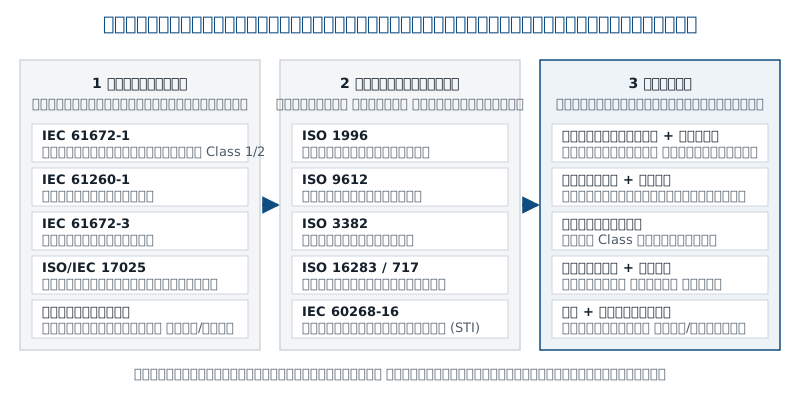
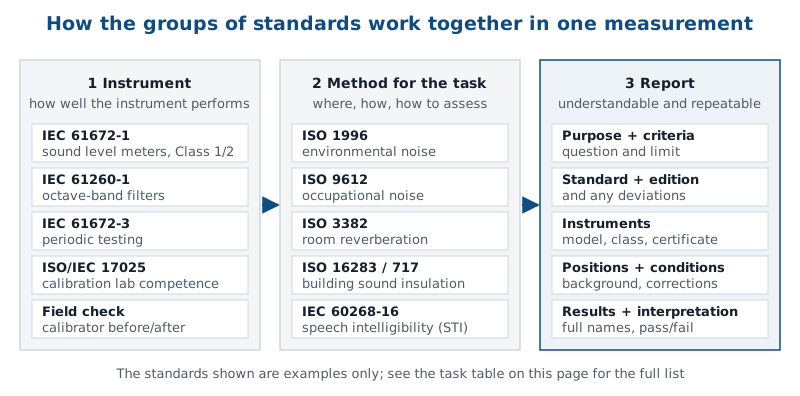
NTi Audio สรุปว่าผลการวัดที่ใช้ได้ต้องครบสามข้อ: ถูกต้อง (Correct) คือทำตามมาตรฐานที่เกี่ยวข้องและตั้งค่าเครื่องถูก, มีความหมาย (Meaningful) คือแปลผลและสรุปเป็นรายงานที่ใช้ตัดสินใจได้ และ แม่นยำ (Accurate) คือเครื่องมือมีความแม่นยำตามคลาสที่รับรองด้วยการสอบเทียบ ขาดข้อใดข้อหนึ่ง ผลวัดก็ใช้ไม่ได้ เหมือนโซ่ที่ขาดแค่ห่วงเดียวNTi Audio sums up a usable measurement as needing all three of: correct (following the relevant standard with the instrument set up properly), meaningful (interpreted and summarised in a report that supports a decision) and accurate (an instrument whose accuracy class is confirmed by calibration). Missing any one makes the result useless, like a chain with one broken link.
อ่านชื่อมาตรฐานอย่างไรHow to read a standard’s name
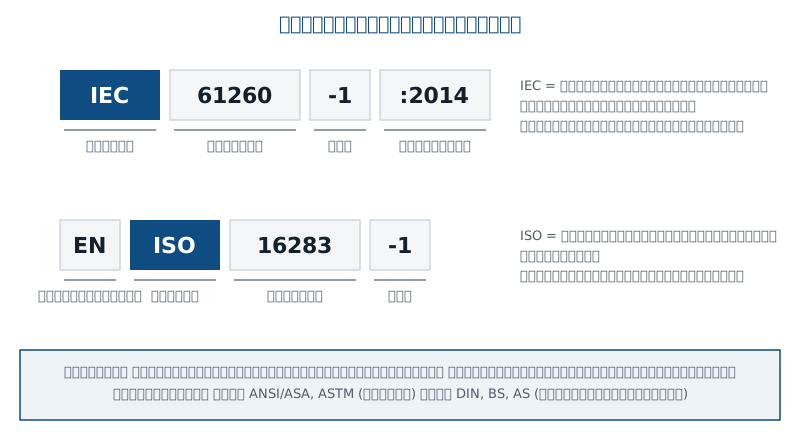
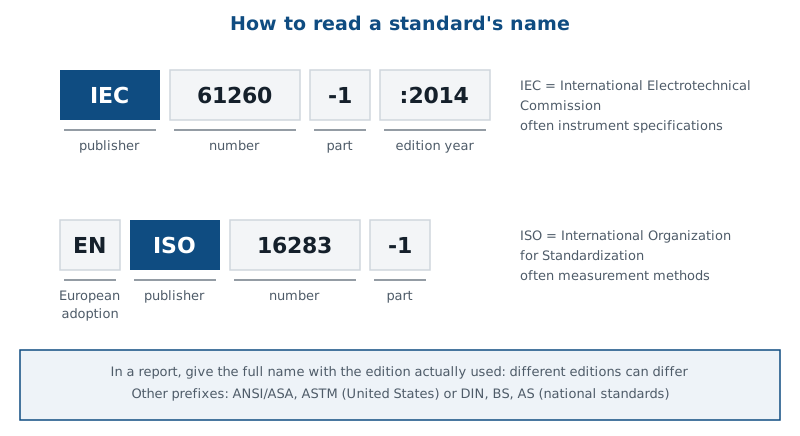
ชื่อมาตรฐานบอกได้ว่าใครออก และเป็นส่วนไหนของชุด เช่น IEC 61672-3 คือมาตรฐานของ IEC (องค์กรมาตรฐานสากลด้านไฟฟ้า) หมายเลข 61672 ส่วนที่ 3 บางครั้งมีปีต่อท้าย เช่น IEC 61260-1:2014 ซึ่งบอกฉบับที่ใช้A standard’s name tells you who issued it and which part of a series it is. For example IEC 61672-3 is IEC (the international electrotechnical standards body) standard number 61672, part 3. Sometimes a year follows, as in IEC 61260-1:2014, which identifies the edition.
| คำนำหน้าPrefix | ผู้ออกIssued by |
|---|---|
| ISOISO | ผู้ออกIssued byองค์การระหว่างประเทศว่าด้วยการมาตรฐาน: มักเป็นวิธีวัดและการประเมินInternational Organization for Standardization: often measurement and assessment methods |
| IECIEC | ผู้ออกIssued byคณะกรรมาธิการระหว่างประเทศด้านไฟฟ้า: มักเป็นสเปกของเครื่องมือและระบบไฟฟ้าเสียงInternational Electrotechnical Commission: often instrument and electroacoustic specifications |
| ENEN | ผู้ออกIssued byมาตรฐานยุโรป (มักนำ ISO/IEC มาใช้ เช่น EN ISO)European standards (often adopting ISO/IEC, e.g. EN ISO) |
| ANSI / ASA, ASTMANSI / ASA, ASTM | ผู้ออกIssued byมาตรฐานของสหรัฐอเมริกาUnited States standards |
| DIN, BS, AS, NEN, SIADIN, BS, AS, NEN, SIA | ผู้ออกIssued byมาตรฐานระดับประเทศ (เยอรมนี สหราชอาณาจักร ออสเตรเลีย เนเธอร์แลนด์ สวิตเซอร์แลนด์)National standards (Germany, United Kingdom, Australia, Netherlands, Switzerland) |
กลุ่มที่ 1: มาตรฐานของเครื่องมือGroup 1: instrument standards
มาตรฐานกลุ่มนี้ไม่ได้บอกว่าต้องวัดที่ไหน แต่บอกว่าเครื่องมือต้องทำงานได้ดีแค่ไหน ใช้เป็นพื้นฐานของงานวัดทุกแบบThese standards do not say where to measure; they say how well the instrument must perform. They underpin every kind of measurement.
| เรื่องTopic | มาตรฐานStandards | ใช้ทำอะไรWhat it is for |
|---|---|---|
| เครื่องวัดระดับเสียงSound level meters | มาตรฐานStandardsIEC 61672, ANSI/ASA S1.4IEC 61672, ANSI/ASA S1.4 | ใช้ทำอะไรWhat it is forกำหนดสมรรถนะ Class 1 และ Class 2 การถ่วงน้ำหนักความถี่และเวลาDefines Class 1 and Class 2 performance, frequency and time weightings |
| ฟิลเตอร์ย่านออกเตฟOctave-band filters | มาตรฐานStandardsIEC 61260-1, ANSI/ASA S1.11IEC 61260-1, ANSI/ASA S1.11 | ใช้ทำอะไรWhat it is forกำหนดย่านออกเตฟและเศษส่วนออกเตฟDefines octave and fractional-octave bands |
| การทดสอบตามรอบของเครื่องวัดPeriodic testing of meters | มาตรฐานStandardsIEC 61672-3IEC 61672-3 | ใช้ทำอะไรWhat it is forการสอบเทียบเครื่องวัดระดับเสียงแบบสอบกลับได้Traceable calibration of sound level meters |
| ห้องปฏิบัติการสอบเทียบCalibration laboratories | มาตรฐานStandardsISO/IEC 17025ISO/IEC 17025 | ใช้ทำอะไรWhat it is forข้อกำหนดทั่วไปด้านความสามารถของห้องปฏิบัติการทดสอบและสอบเทียบ รวมถึงความไม่แน่นอนและการสอบกลับได้General requirements for the competence of testing and calibration laboratories, including uncertainty and traceability |
| การรับรองแบบ (Type approval)Type approval | มาตรฐานStandardsตาม IEC 61672 / IEC 61260 โดยหน่วยงานมาตรวิทยาของแต่ละประเทศAgainst IEC 61672 / IEC 61260 by each country’s metrology body | ใช้ทำอะไรWhat it is forจำเป็นในบางประเทศสำหรับการวัดที่มีผลทางกฎหมาย และรับรองเฉพาะชุดอุปกรณ์ที่กำหนดRequired in some countries for legally binding measurements; covers only a defined equipment configuration |
นอกจากการสอบเทียบในห้องแล็บ (NTi Audio แนะนำปีละครั้ง) ยังควรตรวจเครื่องในสนามด้วยเครื่องสอบเทียบเสียง (Sound calibrator) ที่ 94 dB, 1 kHz ทั้งก่อนและหลังการวัดทุกครั้ง และบันทึกผลไว้ในรายงานBesides laboratory calibration (NTi Audio recommends once a year), the instrument should be checked in the field with a sound calibrator at 94 dB, 1 kHz before and after every measurement, with the result recorded in the report.
กลุ่มที่ 2: แผนที่งานวัด มาตรฐาน และสิ่งที่ต้องรายงานGroup 2: task, standards and report contents
ตารางนี้คือหัวใจของหน้านี้ ให้เริ่มจากคอลัมน์แรกว่างานของคุณคืออะไร แล้วดูว่ามาตรฐานใดเกี่ยวข้อง และรายงานควรแสดงผลอะไรThis table is the heart of the page. Start from the first column with the task you have, then see which standards are relevant and what the report should show.
| งานวัดTask | มาตรฐานที่ NTi Audio อ้างถึงStandards NTi Audio names | รายงานควรมีThe report should contain |
|---|---|---|
| เสียงสิ่งแวดล้อมและชุมชนEnvironmental and community noise | มาตรฐานที่ NTi Audio อ้างถึงStandards NTi Audio namesISO 1996ISO 1996 | รายงานควรมีThe report should containLAeq, Lmax, Lmin, LAE, ค่าเปอร์เซ็นไทล์ สเปกตรัม 1/3 ออกเตฟ ระดับประเมิน (Rating level) ที่รวมค่าปรับเสียงโทนและเสียงกระแทกตามช่วงเวลา และเสียงบันทึกประกอบLAeq, Lmax, Lmin, LAE, percentiles, 1/3 octave spectra, the rating level including tonal and impulsive penalties by time of day, and supporting audio |
| เสียงในที่ทำงานOccupational noise | มาตรฐานที่ NTi Audio อ้างถึงStandards NTi Audio namesISO 9612 (ฉบับปัจจุบัน 2025), ISO 1999, EU 2003/10/EC, UK Control of Noise at Work Regulations 2005ISO 9612 (current edition 2025), ISO 1999, EU 2003/10/EC, UK Control of Noise at Work Regulations 2005 | รายงานควรมีThe report should containLAeq ของแต่ละงานและเวลาที่สัมผัส LEX,8h และ LCpeak เทียบกับเกณฑ์ที่ใช้ เช่น ค่าของ EU Directive 2003/10/EC 80 / 85 / 87 dB(A) และ 135 / 137 / 140 dB(C) หรือค่าตามกฎหมายของประเทศนั้นLAeq per task and exposure time, LEX,8h and LCpeak compared with the applicable criteria, e.g. the EU Directive 2003/10/EC values of 80 / 85 / 87 dB(A) and 135 / 137 / 140 dB(C), or the national values that apply |
| เสียงจากระบบอาคารService equipment noise in buildings | มาตรฐานที่ NTi Audio อ้างถึงStandards NTi Audio namesISO 16032ISO 16032 | รายงานควรมีThe report should containระดับความดันเสียงจากอุปกรณ์ระบบอาคารSound pressure levels from building service equipment |
| เวลาเสียงก้องReverberation time | มาตรฐานที่ NTi Audio อ้างถึงStandards NTi Audio namesISO 3382-1 (ห้องการแสดง), ISO 3382-2 (ห้องทั่วไป), ASTM E2235ISO 3382-1 (performance spaces), ISO 3382-2 (ordinary rooms), ASTM E2235 | รายงานควรมีThe report should containT20 / T30 รายย่านออกเตฟหรือ 1/3 ออกเตฟ เฉลี่ยจากหลายตำแหน่ง ค่าสหสัมพันธ์ของเส้นการลดลง และความไม่แน่นอนT20 / T30 per octave or 1/3 octave, averaged over positions, the decay correlation and the uncertainty |
| เสียงพื้นหลังภายในห้องIndoor background noise | มาตรฐานที่ NTi Audio อ้างถึงStandards NTi Audio namesANSI/ASA S12.2-2019 (NC, RNC; RC Mark II อยู่ในภาคผนวกเชิงข้อมูล), ISO/R 1996-1971 (NR; ถูกยกเลิกแล้วแต่ยังใช้แพร่หลาย), DIN 15996:2020 (GK)ANSI/ASA S12.2-2019 (NC, RNC; RC Mark II in an informative annex), ISO/R 1996-1971 (NR; withdrawn but still widely used), DIN 15996:2020 (GK) | รายงานควรมีThe report should containสเปกตรัมออกเตฟ 16 Hz ถึง 8 kHz ค่าเรตติ้งของเส้น และระดับรบกวนการพูด (SIL)Octave spectrum 16 Hz to 8 kHz, the curve rating, and the speech interference level (SIL) |
| การกันเสียงในอาคารSound insulation in buildings | มาตรฐานที่ NTi Audio อ้างถึงStandards NTi Audio namesISO 16283 (ภาคสนาม), ISO 10140 (ห้องแล็บ), ISO 717 (ค่าเรตติ้ง), ISO 140 (ฉบับเดิม ถูกยกเลิกและแทนที่ด้วย ISO 16283 / ISO 10140), ASTM E336 และมาตรฐานระดับประเทศISO 16283 (field), ISO 10140 (laboratory), ISO 717 (ratings), ISO 140 (withdrawn predecessor, replaced by ISO 16283 / ISO 10140), ASTM E336 and national standards | รายงานควรมีThe report should containระดับเสียงห้องต้นทางและห้องรับ เสียงพื้นหลัง เวลาเสียงก้องของห้องรับ สเปกตรัมรายย่าน และค่าตัวเลขเดียว (เช่น DnT,w, R'w, L'nT,w)Source and receiving room levels, background noise, receiving-room reverberation time, band spectra and single-number ratings (e.g. DnT,w, R'w, L'nT,w) |
| ความชัดเจนของเสียงพูดSpeech intelligibility | มาตรฐานที่ NTi Audio อ้างถึงStandards NTi Audio namesIEC 60268-16 (ฉบับที่ 5, 2020)IEC 60268-16 (edition 5, 2020) | รายงานควรมีThe report should containค่า STI แต่ละตำแหน่ง ค่าแก้เสียงแวดล้อม และดัชนีการมอดูเลตของ 7 ย่านออกเตฟSTI per position, ambient noise correction, and modulation indices in 7 octave bands |
| ระบบเสียงประกาศและอพยพฉุกเฉินVoice alarm and evacuation systems | มาตรฐานที่ NTi Audio อ้างถึงStandards NTi Audio namesISO 7240-19, CEN/TS 54-32, EN 54-24, DIN EN 50849 (VDE 0828-1):2017-11, NFPA 72, AS 1670.4, VDE V 0833-4-32:2016ISO 7240-19, CEN/TS 54-32, EN 54-24, DIN EN 50849 (VDE 0828-1):2017-11, NFPA 72, AS 1670.4, VDE V 0833-4-32:2016 | รายงานควรมีThe report should containเสียงพื้นหลังรายย่านออกเตฟ ระดับเสียงประกาศ (ตัวอย่างเกณฑ์: 65–105 dBA และดังกว่าเสียงแวดล้อมอย่างน้อย 10 dB) และ STI ที่แก้ด้วยเสียงแวดล้อมจริงBackground noise in octave bands, announcement level (example criteria: 65–105 dBA and at least 10 dB above ambient) and STI corrected for the real ambient noise |
| กำลังเสียงของเครื่องจักรและผลิตภัณฑ์Sound power of machines and products | มาตรฐานที่ NTi Audio อ้างถึงStandards NTi Audio namesISO 3741, ISO 3744, ISO 3746, ANSI-ASA S12.51 / S12.54 / S12.56, EU 2000/14/EC; ตัวอย่างเฉพาะผลิตภัณฑ์: IEC 60704-2-1 กับ EU 666/2013ISO 3741, ISO 3744, ISO 3746, ANSI-ASA S12.51 / S12.54 / S12.56, EU 2000/14/EC; product-specific example: IEC 60704-2-1 with EU 666/2013 | รายงานควรมีThe report should containLWA หรือ LWZ สเปกตรัมรายย่าน ตำแหน่งไมโครโฟน และค่าแก้ K1 (เสียงพื้นหลัง) และ K2 (ห้อง)LWA or LWZ, band spectrum, microphone positions, and the K1 (background) and K2 (room) corrections |
| เสียงท่อไอเสียรถขณะจอดStationary vehicle exhaust noise | มาตรฐานที่ NTi Audio อ้างถึงStandards NTi Audio namesISO 5130 (อ้างในกฎเสียงยานยนต์ของ EU: Directive 70/157/EEC ซึ่งถูกแทนที่ด้วย Regulation (EU) No 540/2014 และยกเลิกมีผลตั้งแต่ 1 กรกฎาคม 2027)ISO 5130 (referenced in EU vehicle-noise rules: Directive 70/157/EEC, superseded by Regulation (EU) No 540/2014, which repeals it with effect from 1 July 2027) | รายงานควรมีThe report should containLAFmax สามครั้งที่ต่างกันไม่เกิน 2 dB และค่าเฉลี่ย พร้อมยืนยันว่าเสียงพื้นหลังต่ำกว่าอย่างน้อย 10 dBThree LAFmax readings within 2 dB and their average, confirming the background is at least 10 dB lower |
| แรงสั่นสะเทือนของอาคารและคนVibration of buildings and people | มาตรฐานที่ NTi Audio อ้างถึงStandards NTi Audio namesDIN 4150-3 (อาคาร), DIN 4150-2 (คน), ISO 2631, BS 6472, เส้น VC (อุปกรณ์ไวต่อการสั่น)DIN 4150-3 (structures), DIN 4150-2 (people), ISO 2631, BS 6472, VC curves (sensitive equipment) | รายงานควรมีThe report should containPPV / PCPV / PVS และความถี่เด่นสำหรับอาคาร ค่า aw (NTi Audio แสดงเป็น AWt), VDV หรือ KB สำหรับความสบาย และความเร็ว RMS รายย่าน 1/3 ออกเตฟสำหรับเส้น VCPPV / PCPV / PVS and dominant frequency for structures; aw (shown as AWt by NTi Audio), VDV or KB for comfort; RMS velocity per 1/3 octave for VC curves |
| ระบบเสียงโรงภาพยนตร์Cinema sound systems | มาตรฐานที่ NTi Audio อ้างถึงStandards NTi Audio namesISO 2969, SMPTE ST 202, SMPTE RP 200ISO 2969, SMPTE ST 202, SMPTE RP 200 | รายงานควรมีThe report should containการตอบสนองความถี่เทียบกับเส้น X-curve ระดับของแต่ละช่อง โพลาริตี ดีเลย์ และเวลาเสียงก้องFrequency response against the X-curve, channel levels, polarity, delay and reverberation time |
| ระดับเสียงในงานแสดงสดLive event sound levels | มาตรฐานที่ NTi Audio อ้างถึงStandards NTi Audio namesไม่มีมาตรฐานสากลฉบับเดียว ตัวอย่างมาตรฐานระดับประเทศคือ DIN 15905-5 (เยอรมนี) นอกนั้นใช้เกณฑ์ของหน่วยงานในพื้นที่No single international standard; DIN 15905-5 (Germany) is one national example; otherwise local authority limits apply | รายงานควรมีThe report should containระดับเสียงที่บันทึกเทียบเกณฑ์ ค่าแก้ระหว่างจุดวัด (FOH) กับจุดผู้ชมที่ดังที่สุด และเสียงบันทึกของช่วงที่เกินเกณฑ์Logged levels against the limit, the correction between the measuring point (FOH) and the loudest audience position, and audio of any exceedances |
รายงานที่ดีควรมีอะไรบ้างWhat a good report contains
แต่ละมาตรฐานมีรายการของตัวเองว่าต้องรายงานอะไร แต่รายงานการวัดเสียงที่ดีเกือบทุกแบบมีโครงเหมือนกัน ผู้อ่านที่ไม่ได้อยู่หน้างานควรเข้าใจได้ว่าวัดอะไร อย่างไร และผลแปลว่าอะไร และควรทำซ้ำได้ถ้าจำเป็นEach standard has its own list of what must be reported, but almost every good acoustic report shares the same outline. A reader who was not on site should understand what was measured, how, and what the result means, and should be able to repeat it if needed.
- วัตถุประสงค์และเกณฑ์: วัดเพื่อตอบคำถามอะไร เทียบกับเกณฑ์หรือกฎหมายใดPurpose and criteria: the question the measurement answers and the limit or regulation it is compared with.
- มาตรฐานและวิธีวัด: ชื่อมาตรฐานพร้อมฉบับ และจุดที่ทำต่างจากมาตรฐาน (ถ้ามี) พร้อมเหตุผลStandard and method: the standard with its edition, and any deviations from it with reasons.
- เครื่องมือ: รุ่น หมายเลขเครื่อง คลาส วันที่ของใบรับรองการสอบเทียบ และผลการตรวจด้วยเครื่องสอบเทียบก่อนและหลังวัดInstruments: model, serial number, class, calibration certificate date, and the calibrator check before and after measuring.
- สถานที่และตำแหน่ง: แผนผังหรือรูปถ่ายตำแหน่งไมโครโฟน ความสูง ระยะจากผนังหรือแหล่งเสียงSite and positions: a sketch or photos of microphone positions, height and distances to walls or sources.
- เวลาและสภาพแวดล้อม: วันเวลา ระยะเวลาวัด สภาพอากาศสำหรับงานกลางแจ้ง และสภาพการทำงานของแหล่งเสียงขณะวัดTime and conditions: date, time, duration, weather for outdoor work, and how the source was operating during the measurement.
- เสียงพื้นหลังและค่าแก้: ระดับเสียงพื้นหลัง และค่าแก้ที่ใช้Background noise and corrections: the background level and any corrections applied.
- ผลการวัด: ชื่อพารามิเตอร์เต็ม (เช่น LAeq,15min ไม่ใช่แค่ “dB”) ตาราง สเปกตรัม และกราฟตามเวลาResults: full parameter names (e.g. LAeq,15min, not just “dB”), tables, spectra and time histories.
- การแปลผลและสรุป: ผ่านหรือไม่ผ่านเกณฑ์ ข้อมูลผิดปกติที่ตัดออกพร้อมเหตุผล ความไม่แน่นอนเมื่อมาตรฐานกำหนด และข้อเสนอแนะInterpretation and conclusion: pass or fail against the criteria, outliers excluded with reasons, uncertainty where the standard requires it, and recommendations.
ซอฟต์แวร์รายงานช่วยลดงานพิมพ์และความผิดพลาดได้มาก เช่น Sound Insulation Reporter (ผลการกันเสียงพร้อมค่าตัวเลขเดียวและสเปกตรัม) Room Acoustics Reporter (เวลาเสียงก้องและเส้นเสียงพื้นหลัง) Sound Power Reporter (กำลังเสียง) และ Data Explorer (ข้อมูลระยะยาวและระดับประเมิน) แต่ผู้วัดยังต้องตรวจว่าการตั้งค่าตรงกับมาตรฐานที่เลือกReporting software removes a lot of typing and error, for example the Sound Insulation Reporter (insulation results with single-number ratings and spectra), the Room Acoustics Reporter (reverberation time and background noise curves), the Sound Power Reporter (sound power) and Data Explorer (long-term data and rating levels). The person measuring still has to check that the settings match the chosen standard.
คำศัพท์สำคัญKey terms
- มาตรฐานเครื่องมือ / มาตรฐานวิธีวัดInstrument standard / method standard
- กำหนดสมรรถนะของเครื่อง / กำหนดวิธีวัด ตำแหน่ง และสิ่งที่ต้องรายงานSets instrument performance / sets the measuring procedure, positions and what to report.
- Class 1 / Class 2
- ระดับความแม่นยำของเครื่องวัดระดับเสียงตาม IEC 61672 โดย Class 1 มีเกณฑ์เข้มงวดกว่าSound level meter accuracy classes under IEC 61672; Class 1 has tighter tolerances.
- การสอบกลับได้ (Traceability)Traceability
- สายการเทียบกับเครื่องที่แม่นยำกว่าต่อเนื่องไปจนถึงหน่วย SI โดยมีใบรับรองทุกขั้นAn unbroken chain of comparisons with more accurate references up to SI units, documented by certificates.
- การรับรองแบบ (Type approval)Type approval
- การประเมินแบบของเครื่องโดยหน่วยงานมาตรวิทยาของรัฐ จำเป็นในบางประเทศสำหรับการวัดที่มีผลทางกฎหมายPattern evaluation by a national metrology body, required in some countries for legally binding measurements.
- ค่าตัวเลขเดียว (Single-number rating)Single-number rating
- ผลรายย่านที่สรุปเป็นตัวเลขเดียวตามวิธีในมาตรฐาน เช่น DnT,w ตาม ISO 717Band results summarised as one number by a standard’s method, e.g. DnT,w under ISO 717.
ความเข้าใจผิดที่พบบ่อยCommon misunderstandings
- “ใช้เครื่อง Class 1 แล้วผลก็ถูกตามมาตรฐาน” ไม่พอ ต้องทำตามวิธีวัดของมาตรฐานด้วย ทั้งตำแหน่ง ระยะเวลา และพารามิเตอร์“A Class 1 meter makes the result compliant.” Not enough: the method standard must also be followed, including positions, duration and parameters.
- “มาตรฐานของต่างประเทศใช้แทนกฎหมายไทยได้” ไม่เสมอไป เกณฑ์ที่มีผลทางกฎหมายมาจากหน่วยงานในพื้นที่ มาตรฐานสากลมักใช้เป็นวิธีวัดหรือเกณฑ์อ้างอิงตามที่สัญญากำหนด“A foreign standard can replace Thai law.” Not necessarily: legally binding limits come from the local authority; international standards are often used as the method or as reference criteria where the contract says so.
- “รายงานแค่ตัวเลขสรุปก็พอ” ถ้าไม่มีวิธีวัด ตำแหน่ง เครื่องมือ และผลการตรวจสอบเทียบ ผู้อื่นตรวจทานหรือทำซ้ำไม่ได้“A summary number is enough.” Without the method, positions, instruments and calibration checks, nobody else can review or repeat it.
- “ทุกงานใช้มาตรฐานเดียวกัน” งานแต่ละแบบมีมาตรฐานของตัวเอง แม้จะใช้เครื่องวัดเครื่องเดียวกัน“One standard fits every job.” Each task has its own standards, even when the same instrument is used.