ขอบเขตแบบเข้าใจง่ายScope in plain words
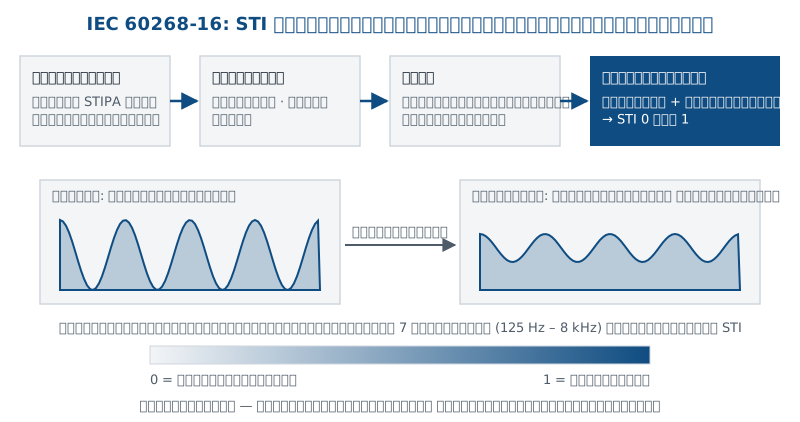
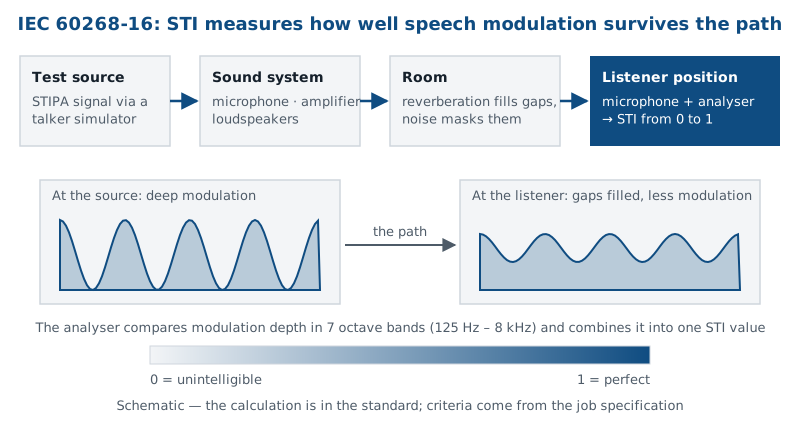
เสียงพูดที่ฟังรู้เรื่องต้องมี จังหวะขึ้นลงของความดัง (เช่น พยางค์ที่ดังสลับเงียบ) ที่ยังคงชัดเจนเมื่อไปถึงหู เสียงก้องในห้องทำให้ช่วงเงียบถูกเติมเต็มด้วยเสียงสะท้อน เสียงรบกวนทำให้ช่วงเงียบถูกกลบ และระบบเสียงที่ผิดเพี้ยนก็ทำให้จังหวะนี้เลือนไป STI วัดว่าจังหวะขึ้นลงนี้ ถูกรักษาไว้ได้มากแค่ไหน ตลอดเส้นทางจากผู้พูดถึงผู้ฟังIntelligible speech depends on its rhythm of loudness changes (loud syllables alternating with gaps) still being clear when it reaches the ear. Reverberation fills the gaps with reflections, noise masks them, and a distorting sound system blurs them. STI measures how well that modulation is preserved along the path from talker to listener.
- ใช้ได้ทั้งเส้นทางเสียงพูดแบบธรรมชาติ (คนพูดในห้อง) และผ่านระบบเสียง (ไมโครโฟน เครื่องขยาย ลำโพง)Applies both to natural speech paths (a person talking in a room) and to paths through a sound system (microphone, amplifier, loudspeakers).
- ครอบคลุมทั้งการวัดในสถานที่จริงและการทำนายจากข้อมูลการออกแบบCovers both on-site measurement and prediction from design data.
- ใช้ประเมินความชัดเจนของเสียงพูด ไม่ได้ใช้ประเมินคุณภาพเสียงดนตรีRates speech intelligibility, not the quality of music reproduction.
แนวคิดและปริมาณสำคัญKey concepts and quantities
- STI (ฉบับเต็ม)Full STI
- ใช้สัญญาณทดสอบที่ครอบคลุมหลายย่านความถี่และหลายความถี่การมอดูเลต จึงละเอียดที่สุด แต่ใช้เวลาวัดนาน หรือคำนวณจาก impulse response ของห้องUses test conditions covering many frequency bands and many modulation frequencies, so it is the most detailed, but slow to measure directly, or it is derived from a room impulse response.
- STIPA
- STI สำหรับระบบเสียงประกาศ (STI for Public Address) ใช้สัญญาณทดสอบแบบย่อที่ส่งทุกย่านพร้อมกัน วัดจุดหนึ่งได้ภายในเวลาสั้น เหมาะกับการตรวจหลายจุดในอาคาร ให้ผลใกล้เคียง STI ฉบับเต็มในสถานการณ์ส่วนใหญ่ แต่มีข้อจำกัดในบางสถานการณ์ที่มาตรฐานอธิบายไว้STI for Public Address: a condensed test signal that excites all bands at once, so one position can be measured in a short time, ideal for many positions in a building. In most situations it agrees closely with full STI, but it has limitations in some cases described in the standard.
- วิธีทางตรงและทางอ้อมDirect and indirect methods
- วิธีทางตรงเปิดสัญญาณทดสอบที่มีการมอดูเลตแล้ววัดที่ตำแหน่งผู้ฟัง วิธีทางอ้อมวัด impulse response แล้วคำนวณ STI ซึ่งต้องระวังเรื่องผลของเสียงรบกวนและความไม่เป็นเชิงเส้นของระบบThe direct method plays a modulated test signal and measures at the listener position; the indirect method measures an impulse response and calculates STI, which needs care regarding noise and system non-linearity.
- การแก้ค่าเสียงรบกวนและผลของระดับเสียงNoise correction and level effects
- STI ขึ้นกับระดับเสียงพูดเทียบกับเสียงรบกวนขณะใช้งานจริง และการได้ยินของคนที่เปลี่ยนไปตามระดับเสียง จึงอาจต้องวัดเสียงรบกวนแยกในสภาพใช้งาน (เช่น มีผู้คน) แล้วนำมาแก้ค่าSTI depends on the speech level relative to the noise present in real use, and on level-dependent effects of hearing, so the noise in operating conditions (e.g. with people present) may be measured separately and applied as a correction.
- ระดับคุณภาพ (qualification bands)Qualification bands
- นอกจากค่า 0–1 แล้ว มาตรฐานฉบับหลัง ๆ ยังจัดกลุ่มค่าเป็นระดับตัวอักษร เพื่อใช้เขียนข้อกำหนดของการใช้งานแต่ละแบบได้ง่ายขึ้นBesides the 0–1 value, recent editions group values into lettered bands, making it easier to write requirements for different applications.
ใครใช้ และใช้เมื่อไรWho uses it and when
- ผู้ติดตั้งและผู้ตรวจรับระบบเสียงประกาศฉุกเฉิน (voice alarm / evacuation) ในอาคาร สนามบิน สถานีรถไฟ และอุโมงค์Installers and commissioning engineers of voice alarm / evacuation systems in buildings, airports, stations and tunnels.
- ผู้ออกแบบห้องเรียน ห้องประชุม หอประชุม และศาสนสถานDesigners of classrooms, meeting rooms, auditoria and places of worship.
- ผู้ประเมินสำนักงานแบบเปิดตาม ISO 3382-3 ซึ่งใช้ STI บอกว่าเสียงพูดยังฟังรู้เรื่องไปได้ไกลเท่าไรAssessors of open-plan offices under ISO 3382-3, which uses STI to show how far speech remains intelligible.
- ผู้ผลิตและผู้ทดสอบระบบสื่อสารManufacturers and testers of communication systems.
การวัดโดยทั่วไปทำอย่างไรHow measurements are typically done
- ป้อนสัญญาณทดสอบ STIPA เข้าระบบเสียง (ทางไฟฟ้าเข้าอินพุตของระบบ) หรือเปิดจากลำโพงจำลองผู้พูด (talkbox) หน้าไมโครโฟนของระบบ เพื่อให้เส้นทางทั้งหมดถูกทดสอบFeed the STIPA test signal into the sound system (electrically at the system input) or play it from a talker-simulating loudspeaker (talkbox) in front of the system microphone, so the whole chain is tested.
- ตั้งระดับสัญญาณให้เท่ากับระดับเสียงพูดจริงของระบบ เพราะ STI ขึ้นกับระดับเสียงSet the signal to the system's real speech level, because STI depends on level.
- วัดที่ตำแหน่งผู้ฟังหลายจุดตามแผน แต่ละจุดอาจวัดซ้ำเพื่อตรวจความสม่ำเสมอMeasure at planned listener positions; each position may be repeated to check consistency.
- ถ้าวัดในเวลาที่ไม่มีผู้คน ให้วัดหรือประมาณเสียงรบกวนขณะใช้งานจริงแล้วนำมาแก้ค่าIf measuring when the space is empty, measure or estimate the operating noise and apply it as a correction.
- สรุปผลเทียบกับเกณฑ์ที่ข้อกำหนดหรือมาตรฐานของระบบนั้นกำหนด (เช่น มาตรฐานระบบเสียงประกาศฉุกเฉินของแต่ละภูมิภาค)Compare the results with the criteria set by the specification or the system standard (e.g. the voice alarm standard of the region).
การใช้งานจริง: มาตรฐานนี้มีความหมายอย่างไรต่องานวัดPractical use: what this means for a measurement job
ในการตรวจรับระบบเสียงประกาศหรือระบบเสียงแจ้งเหตุ ค่า STI ที่ได้ขึ้นกับการเตรียมงานมากพอ ๆ กับเครื่องมือ นอกจากการตั้งระดับและการแก้ค่าเสียงรบกวนในขั้นตอนข้างต้น ให้วางแผนเรื่องต่อไปนี้When commissioning a PA or voice alarm system, the STI you get depends as much on preparation as on the instrument. Beyond the level setting and noise correction in the steps above, plan the following.
- วางแผนตำแหน่ง: ครอบคลุมทุกโซน โดยเฉพาะจุดที่คาดว่าจะแย่ เช่น ไกลลำโพง ใกล้ผนังแข็ง หรือบริเวณที่มีเสียงดังPlan positions: cover every zone, especially likely weak spots: far from loudspeakers, near hard walls or in noisy areas.
- ทดสอบทั้งเส้นทาง: ถ้าข้อกำหนดต้องการรวมไมโครโฟนประกาศ ให้ใช้ลำโพงจำลองผู้พูดหน้าไมโครโฟน ไม่ใช่ป้อนสัญญาณไฟฟ้าอย่างเดียวTest the whole path: if the requirement includes the paging microphone, use a talker-simulating loudspeaker in front of it rather than only electrical injection.
- ถ้าค่าต่ำ: หาว่าสาเหตุคือเสียงก้อง (ดูเวลาเสียงก้อง) หรือเสียงรบกวน (ดูอัตราส่วนสัญญาณต่อเสียงรบกวน) เพราะวิธีแก้ต่างกันIf values are low: find out whether reverberation (check reverberation time) or noise (check signal-to-noise ratio) is the cause, because the fixes differ.
ในการตรวจรับระบบเสียงแจ้งเหตุของอาคารจอดรถ ตำแหน่งกลางอาคารได้ค่า STIPA ดี แต่ตำแหน่งใกล้ทางลาดคอนกรีตได้ค่าต่ำ การวัดเวลาเสียงก้องแสดงว่าบริเวณนั้นก้องมาก ทีมติดตั้งจึงเพิ่มลำโพงระยะใกล้และลดระดับลำโพงที่อยู่ไกล แล้ววัดซ้ำจนผ่านเกณฑ์ของข้อกำหนดDuring voice alarm commissioning in a car park, central positions give good STIPA values but positions near a concrete ramp give low ones. Reverberation measurements show that area is very reverberant, so the installers add closer loudspeakers and turn down distant ones, then remeasure until the specification's criterion is met.
มาตรฐานที่เกี่ยวข้องและความเชื่อมโยงRelated standards and how they connect
- มาตรฐานระบบเสียงประกาศฉุกเฉิน เช่น ISO 7240-19, EN 50849 และเอกสาร CEN/TS 54-32 อ้าง IEC 60268-16 เป็นวิธีวัด เกณฑ์ STI ที่ต้องผ่านมาจากมาตรฐานระบบหรือข้อกำหนดของโครงการเหล่านี้ ไม่ได้มาจาก IEC 60268-16 ให้ตรวจฉบับที่โครงการอ้างVoice alarm standards such as ISO 7240-19, EN 50849 and CEN/TS 54-32 refer to IEC 60268-16 as the measurement method. The STI criteria to be met come from these system standards or the project specification, not from IEC 60268-16; check the edition the project cites.
- ISO 3382-3 ใช้ STI ในการประเมินสำนักงานแบบเปิดISO 3382-3 uses STI in the assessment of open-plan offices.
- ISO 3382-1 / -2 พารามิเตอร์ห้อง เช่น เวลาเสียงก้อง ช่วยอธิบายว่าทำไม STI ในห้องหนึ่งจึงต่ำISO 3382-1 / -2 room parameters such as reverberation time help explain why STI is low in a room.
- IEC 61260-1 ตัวกรองย่านออกเตฟที่เครื่องวิเคราะห์ใช้แยกความถี่IEC 61260-1 octave-band filters used by analyzers to separate the bands.
ความเข้าใจผิดที่พบบ่อยCommon misunderstandings
- เปิดเสียงให้ดังขึ้นแล้ว STI จะดีขึ้นเสมอ — ช่วยได้เมื่อปัญหาคือเสียงรบกวน แต่ถ้าปัญหาคือเสียงก้อง การเพิ่มความดังแทบไม่ช่วย และที่ระดับสูงมาก การได้ยินของคนเองก็ทำให้ความชัดลดลงTurning it up always improves STI. It helps when noise is the problem, but not when reverberation is, and at very high levels hearing itself reduces intelligibility.
- STIPA กับ STI เป็นคนละมาตรฐาน — STIPA เป็นวิธีหนึ่งภายใน IEC 60268-16 เดียวกันSTIPA and STI are different standards. STIPA is one method within the same IEC 60268-16.
- ผลจากฉบับต่างกันเทียบกันได้ตรง ๆ — ตามบทคัดย่อของ IEC ฉบับ 2020 ปรับสเปกตรัมสัญญาณเสียงพูดผู้ชายที่ 125 Hz และ 250 Hz ตัดสเปกตรัมเสียงพูดผู้หญิงออก และแก้สูตรบางส่วนเมื่อเทียบกับฉบับ 2011 ควรระบุฉบับที่ใช้ในรายงาน และตรวจว่าเกณฑ์ของโครงการอ้างฉบับใดResults from different editions compare directly. According to the IEC abstract, the 2020 edition modified the male speech test-signal spectrum at 125 Hz and 250 Hz, removed the female speech spectrum and corrected some formulas compared with 2011. State the edition used and check which one the project criteria refer to.
- วัดตอนห้องว่างก็เท่ากับตอนใช้งานจริง — ผู้คนเพิ่มทั้งการดูดซับเสียงและเสียงรบกวน ผลจึงต่างกัน ต้องพิจารณาการแก้ค่าAn empty-room result equals the in-use result. People add both absorption and noise, so results differ; corrections must be considered.
เกี่ยวข้องกับเครื่องมือวัดอย่างไรHow this relates to instruments
ข้อกำหนดทั่วไป: ต้องมีแหล่งสัญญาณทดสอบ STIPA ที่ถูกต้อง (ไฟล์เสียงหรือเครื่องกำเนิดสัญญาณ) ลำโพงจำลองผู้พูดเมื่อต้องทดสอบผ่านไมโครโฟนของระบบ และเครื่องวิเคราะห์ที่คำนวณ STIPA ตามฉบับมาตรฐานที่ต้องการ ควรสอบเทียบเครื่องวัดระดับเสียงก่อนวัด เพราะการแก้ค่าเสียงรบกวนและผลของระดับเสียงต้องใช้ระดับเสียงที่ถูกต้องGeneral requirements: a correct STIPA test signal source (audio file or generator), a talker-simulating loudspeaker when the system microphone must be included, and an analyzer that computes STIPA to the required edition. Calibrate the meter first, because noise corrections and level effects need correct absolute levels.
ข้อมูลจาก NTi Audio (ตามที่ NTi ระบุ): NTi Audio ระบุว่า XL2 และ XL3 วัดความชัดเจนของเสียงพูดตาม IEC 60268-16:2020 และรองรับฉบับเก่ากว่าด้วย ใช้ TalkBox เป็นต้นเสียงเมื่อทดสอบผ่านไมโครโฟน และ MR-PRO สำหรับป้อนสัญญาณ STIPA ทางไฟฟ้า มีเครื่องมือ STI Reporting Tool สำหรับทำรายงานและแก้ค่าเสียงรบกวนFrom NTi Audio (as stated by NTi): NTi Audio states that the XL2 and XL3 measure speech intelligibility according to IEC 60268-16:2020 and also support older editions, with the TalkBox as the acoustic source when testing through a microphone and the MR-PRO for electrical STIPA signal injection; an STI Reporting Tool handles reports and ambient-noise correction.
คำถามที่พบบ่อยFrequently asked questions
ต้องวัดซ้ำที่ตำแหน่งเดิมกี่ครั้งHow many repeats per position?
ผล STIPA แปรผันได้จากเสียงรบกวนและตัวสัญญาณทดสอบ จึงควรวัดซ้ำและเฉลี่ยในบางกรณี จำนวนครั้งที่ต้องการขึ้นกับฉบับของมาตรฐานและข้อกำหนดของงาน ถ้าผลซ้ำต่างกันมาก ให้หาสาเหตุก่อนสรุปSTIPA results vary with noise and with the test signal itself, so repeating and averaging is advisable in some cases. The required number depends on the edition and the job specification; if repeats differ widely, find the reason before concluding.
STI ใช้กับภาษาไทยได้ไหมDoes STI work for Thai speech?
STI เป็นการวัดเชิงวัตถุว่าเส้นทางเสียงรักษาการขึ้นลงของความดังของเสียงพูดไว้ได้แค่ไหน จึงใช้ได้กับหลายภาษา แต่ผู้ฟังบางกลุ่ม เช่น ผู้ที่ฟังภาษาที่ไม่ใช่ภาษาแม่ หรือผู้มีปัญหาการได้ยิน อาจต้องการความชัดเจนสูงกว่า ซึ่งควรพิจารณาตอนกำหนดเกณฑ์STI is an objective measure of how well the path preserves the loudness modulation of speech, so it applies across languages. Some listener groups, such as people listening in a second language or with hearing loss, may need higher intelligibility, which should be considered when setting the criterion.
ควรวัดตอนมีคนหรือตอนว่างShould I measure occupied or empty?
ส่วนใหญ่วัดตอนว่างเพราะควบคุมได้ แล้วแก้ค่าด้วยเสียงรบกวนขณะใช้งาน คนช่วยดูดซับเสียงแต่ก็เพิ่มเสียงรบกวน ผลสุทธิจึงขึ้นกับพื้นที่ ให้ทำตามที่ข้อกำหนดระบุUsually empty, because it is controllable, then corrected for operating noise. People add absorption but also noise, so the net effect depends on the space; follow what the specification states.