มาตรฐานนี้คืออะไรWhat it is
ตัวเลข dB(A) ตัวเดียวบอกว่าเสียงดังแค่ไหน แต่ไม่บอกว่าดังที่ความถี่ใด การแก้ปัญหาเสียงจึงมักต้องดูสเปกตรัม เช่น เสียงหึ่งจากหม้อแปลงอยู่ที่ความถี่ต่ำ เสียงพัดลมกระจายหลายความถี่ IEC 61260 ทำให้สเปกตรัมจากเครื่องมือต่างยี่ห้อเทียบกันได้ โดยกำหนดว่าย่านความถี่อยู่ตรงไหน กว้างเท่าไร และตัวกรองต้องมีรูปร่างการตอบสนองแม่นยำแค่ไหนA single dB(A) figure says how loud a sound is but not at which frequencies. Solving noise problems therefore often needs a spectrum: a transformer hum sits at low frequencies, a fan spreads over many. IEC 61260 makes spectra from different instruments comparable by setting where the bands are, how wide they are and how precisely the filters must respond.
| ส่วนPart | เนื้อหาโดยย่อIn short |
|---|---|
| IEC 61260-1IEC 61260-1 | เนื้อหาโดยย่อIn shortข้อกำหนดสมรรถนะของตัวกรอง Class 1 และ Class 2Performance specifications for Class 1 and Class 2 filters |
| IEC 61260-2IEC 61260-2 | เนื้อหาโดยย่อIn shortการทดสอบแบบของรุ่นเครื่อง (Pattern evaluation)Pattern-evaluation tests of an instrument model |
| IEC 61260-3IEC 61260-3 | เนื้อหาโดยย่อIn shortการทดสอบตามรอบของเครื่องแต่ละเครื่องPeriodic tests of each individual instrument |
หน้านี้เป็นบทสรุปที่ GET BEST SOUND เขียนขึ้นเอง ไม่ได้คัดลอกตาราง สูตร หรือเนื้อหาของมาตรฐาน ค่าและเกณฑ์ที่แน่นอนต้องดูจากฉบับทางการที่ซื้อจาก IEC หรือหน่วยงานมาตรฐานแห่งชาติThis page is GET BEST SOUND’s own summary and does not reproduce the standard’s tables, formulas or text. For exact values and limits, use the official copy bought from IEC or your national standards body.
ครอบคลุมอะไรบ้าง (ขอบเขตแบบภาษาง่าย)What it covers, in plain words
- ตัวกรองทุกรูปแบบ: ทั้งวงจรแอนะล็อก ตัวกรองแบบชักตัวอย่างสัญญาณ (sampled-data) และตัวกรองดิจิทัลในเครื่องวัดสมัยใหม่ ข้อกำหนดเดียวกันใช้ได้กับทุกแบบAny implementation: analogue, sampled-data and the digital filters inside modern meters; the same requirements apply to all.
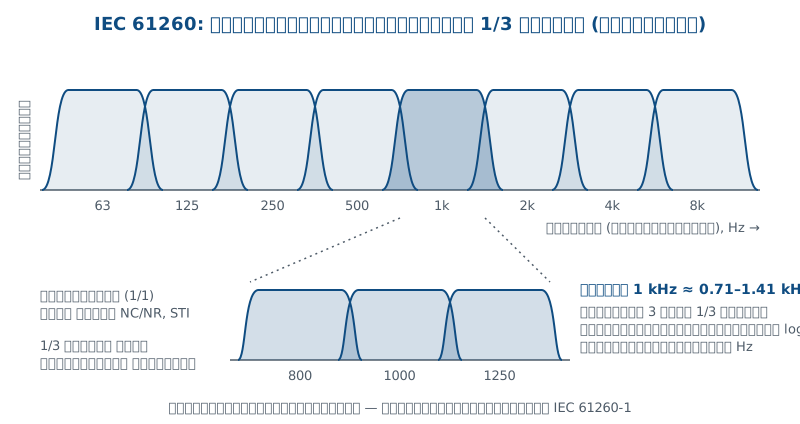
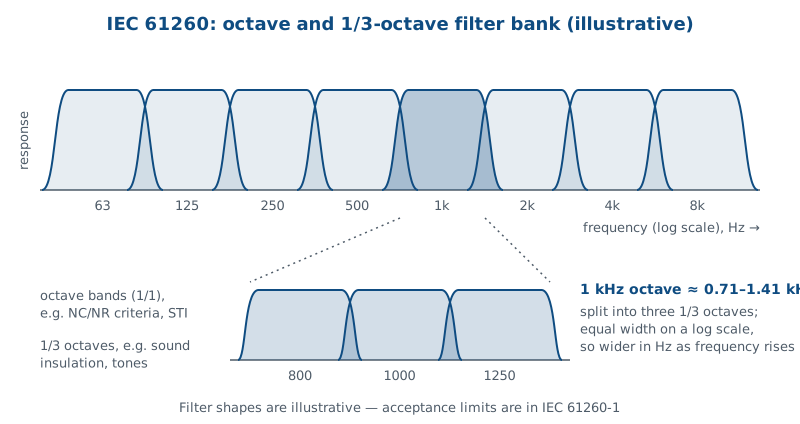
- ย่านกว้างเป็นสัดส่วน: ความกว้างของแต่ละย่านเป็นสัดส่วนคงที่ของความถี่กลาง ย่านที่ความถี่สูงจึงกว้างกว่าย่านที่ความถี่ต่ำเมื่อนับเป็นเฮิรตซ์Proportional bandwidth: each band’s width is a fixed proportion of its mid-band frequency, so higher bands are wider in hertz than lower ones.
- ย่านต่อเนื่องกัน: เครื่องหนึ่งมีตัวกรองกี่ย่านก็ได้ ต่อกันครอบคลุมช่วงความถี่ที่ต้องการ (ชุดตัวกรองแบบนี้คือหัวใจของเครื่องวิเคราะห์แบบเรียลไทม์ หรือ RTA)Contiguous bands: an instrument can have any number of adjacent filters covering the range it needs (such a filter bank is the heart of a real-time analyser, RTA).
- สภาพแวดล้อม: สภาพอ้างอิงของฉบับปี 2014 คือ 23 °C และความชื้นสัมพัทธ์ 50 % และมีข้อกำหนดว่าผลของอุณหภูมิและความชื้นต่อตัวกรองต้องอยู่ในขอบเขตที่ยอมรับได้Environment: the 2014 edition uses reference conditions of 23 °C and 50 % relative humidity, and limits how much temperature and humidity may affect the filters.
แนวคิดและปริมาณสำคัญKey concepts and quantities
- ออกเตฟ และเศษส่วนออกเตฟ (1/b)Octave and fractional octave (1/b)
- ออกเตฟคือช่วงที่ความถี่สูงสุดเป็นประมาณสองเท่าของความถี่ต่ำสุด ย่าน 1/3 ออกเตฟแบ่งหนึ่งออกเตฟเป็นสามย่าน และมีแบบที่แคบกว่า เช่น 1/6 หรือ 1/12 ออกเตฟAn octave is a band whose upper edge is about twice its lower edge; 1/3-octave bands split each octave into three, and narrower options such as 1/6 or 1/12 octave exist.
- ความถี่กลางที่แน่นอน และความถี่กลางที่ใช้เรียกExact and nominal mid-band frequencies
- ความถี่กลางที่แน่นอนคำนวณจากระบบของมาตรฐาน ส่วนตัวเลขที่เห็นบนหน้าจอ เช่น 63 Hz, 1 kHz, 8 kHz เป็นค่าที่ปัดไว้ใช้เรียกชื่อย่านExact mid-band frequencies come from the standard’s system; the figures you see on screen, such as 63 Hz, 1 kHz or 8 kHz, are rounded names for the bands.
- ระบบฐาน 10Base-10 system
- IEC 61260-1:2014 กำหนดความถี่ของย่านด้วยอัตราส่วนแบบฐาน 10 ทำให้ย่าน 1/3 ออกเตฟ 10 ย่านต่อกันพอดีหนึ่งเดเคด (ความถี่เพิ่มสิบเท่า)IEC 61260-1:2014 sets the band frequencies with a base-10 ratio, so ten 1/3-octave bands span exactly one decade (a tenfold frequency change).
- การลดทอนสัมพัทธ์Relative attenuation
- ตัวกรองลดระดับของความถี่แต่ละความถี่ลงเท่าไรเทียบกับกลางย่าน มาตรฐานกำหนดขอบเขตที่ยอมรับได้ทั้งในย่านผ่านและนอกย่านHow much the filter reduces each frequency relative to mid-band; the standard sets acceptance limits both inside and outside the pass-band.
- Class 1 และ Class 2Class 1 and Class 2
- เป้าหมายการออกแบบเดียวกัน แต่ขอบเขตที่ยอมรับได้ของ Class 2 กว้างกว่าหรือเท่ากับ Class 1 ฉบับปี 2014 ยังนำความไม่แน่นอนของการทดสอบมาพิจารณาในการแสดงความสอดคล้องด้วยThe same design goals, but Class 2 acceptance limits are greater than or equal to those of Class 1. The 2014 edition also takes the test's measurement uncertainty into account when demonstrating conformance.
ใครใช้ และใช้เมื่อไรWho uses it and when
- ผู้ผลิตเครื่องวัดและเครื่องวิเคราะห์: ออกแบบตัวกรองให้เป็นไปตามส่วนที่ 1 และทดสอบแบบตามส่วนที่ 2Meter and analyser manufacturers: design filters to part 1 and run pattern evaluation under part 2.
- ที่ปรึกษาและผู้ตรวจวัด: ทุกครั้งที่มาตรฐานวิธีวัดขอผลเป็นรายย่านออกเตฟหรือ 1/3 ออกเตฟ เช่น การกันเสียง เวลาเสียงก้อง เส้น NC/NR หรือ STIConsultants and field engineers: whenever a method standard asks for octave or 1/3-octave results, e.g. sound insulation, reverberation time, NC/NR curves or STI.
- ห้องแล็บสอบเทียบ: ทดสอบตัวกรองของเครื่องตามรอบตามส่วนที่ 3Calibration laboratories: periodic tests of an instrument’s filters under part 3.
โดยทั่วไปใช้ในการวัดอย่างไรHow it typically enters a measurement
- ดูจากมาตรฐานวิธีวัดว่าต้องการความละเอียดแบบใด (1/1 หรือ 1/3 ออกเตฟ) และช่วงความถี่ใดCheck in the method standard which resolution (1/1 or 1/3 octave) and which frequency range it needs.
- ใช้เครื่องที่ตัวกรองเป็นไปตาม IEC 61260-1 ในคลาสที่เหมาะสม ซึ่งส่วนใหญ่มากับเครื่องวัดระดับเสียงในตัวUse an instrument whose filters meet IEC 61260-1 in a suitable class, usually built into the sound level meter.
- ตั้งช่วงเวลาเฉลี่ยให้เหมาะกับงาน เพราะย่านความถี่ต่ำแคบกว่าเมื่อนับเป็นเฮิรตซ์ จึงต้องใช้เวลานานกว่าเพื่อให้ค่าคงที่Set an averaging time suited to the task; low bands are narrow in hertz, so they need longer to settle.
- รายงานความถี่กลางของย่าน ความละเอียดที่ใช้ และการถ่วงน้ำหนัก (ปกติสเปกตรัมรายย่านแสดงแบบ Z ซึ่งเป็นแบบ nominally flat เว้นแต่มาตรฐานวิธีวัดกำหนดอย่างอื่น)Report the band centre frequencies, the resolution and the weighting (band spectra are normally shown Z-weighted, i.e. nominally flat, unless the method standard says otherwise).
การใช้งานจริง: มาตรฐานนี้มีความหมายอย่างไรต่องานวัดPractical use: what this means for a measurement job
ทุกครั้งที่รายงานมีกราฟแท่งแยกตามความถี่ เบื้องหลังคือฟิลเตอร์ตาม IEC 61260 นอกจากเวลาเฉลี่ยและการถ่วงน้ำหนักในขั้นตอนข้างต้น งานจริงมักต้องตัดสินใจเรื่องต่อไปนี้Whenever a report shows bars by frequency, IEC 61260 filters are behind them. Besides the averaging time and weighting covered above, a real job usually needs these decisions.
- ความละเอียด: ใช้ 1/1 ออกเตฟเมื่อเกณฑ์กำหนดเป็นออกเตฟ (เช่น เส้น NC/NR หรือ STI) และ 1/3 ออกเตฟสำหรับการกันเสียงหรือการหาเสียงโทน ถ้ากราฟเป็น A-weighted ให้ระบุไว้ เพราะรูปกราฟต่างจากแบบ Z มากที่ความถี่ต่ำResolution: 1/1 octave where criteria are in octaves (e.g. NC/NR curves or STI); 1/3 octave for sound insulation or for spotting tones. If a spectrum is A-weighted, say so, because its shape differs greatly from Z at low frequencies.
- ย่านความถี่ต่ำ: เสียงหึ่งจากระบบปรับอากาศหรือหม้อแปลงมักอยู่ในย่านต่ำ ตรวจว่าเครื่องแสดงย่าน 50 Hz หรือต่ำกว่าได้ถ้างานต้องการ และให้เวลาเฉลี่ยนานพอเพราะย่านต่ำแกว่งมากกว่าLow bands: hum from HVAC plant or transformers often sits in the low bands; check the instrument shows 50 Hz or lower if the job needs it, and allow enough averaging time because low bands fluctuate more.
- FFT หรือออกเตฟ: ถ้าต้องหาความถี่ของเสียงโทนให้แม่นยำ ให้ใช้ FFT ประกอบ แล้วรายงานผลในรูปแบบที่มาตรฐานวิธีวัดกำหนดFFT or octaves: to pin down a tone's exact frequency, use FFT as well, then report in the form the method standard requires.
ผู้อยู่อาศัยร้องเรียนเสียงหึ่งจากห้องเครื่องสูบน้ำชั้นล่าง ค่า dB(A) ดูไม่สูง แต่สเปกตรัม 1/3 ออกเตฟแสดงย่านหนึ่งที่สูงเด่นกว่าย่านข้างเคียงชัดเจน วิศวกรจึงใช้ FFT หาความถี่ที่แน่นอน และพบว่าตรงกับรอบหมุนของปั๊ม ทำให้เลือกวิธีแก้ที่ต้นเหตุได้Residents complain of a hum from a pump room below. The dB(A) figure does not look high, but the 1/3-octave spectrum shows one band standing clearly above its neighbours. The engineer uses FFT to find the exact frequency, which matches the pump's rotational speed, so the fix can target the cause.
มาตรฐานที่เกี่ยวข้องและความเชื่อมโยงRelated standards and how they connect
| มาตรฐานStandard | ความเชื่อมโยงกับ IEC 61260Link with IEC 61260 |
|---|---|
| IEC 61672IEC 61672 | ความเชื่อมโยงกับ IEC 61260Link with IEC 61260เครื่องวัดระดับเสียงที่มักมีตัวกรองย่านออกเตฟอยู่ในเครื่องเดียวกันSound level meters that often contain the octave filters |
| ISO 266ISO 266 | ความเชื่อมโยงกับ IEC 61260Link with IEC 61260ความถี่ที่แนะนำสำหรับงานอะคูสติก ซึ่งเป็นที่มาของชื่อย่านที่คุ้นเคยPreferred frequencies for acoustics, the source of the familiar band names |
| ISO 16283, ISO 717, ISO 3382, IEC 60268-16ISO 16283, ISO 717, ISO 3382, IEC 60268-16 | ความเชื่อมโยงกับ IEC 61260Link with IEC 61260มาตรฐานวิธีวัดที่ใช้ผลรายย่านออกเตฟหรือ 1/3 ออกเตฟMethod standards that work with octave or 1/3-octave results |
| ANSI S1.11ANSI S1.11 | ความเชื่อมโยงกับ IEC 61260Link with IEC 61260มาตรฐานของสหรัฐอเมริกาในเรื่องเดียวกันThe United States standard on the same subject |
ความเข้าใจผิดที่พบบ่อยCommon misunderstandings
- “1/3 ออกเตฟดีกว่า 1/1 เสมอ” ละเอียดกว่าก็จริง แต่บางเกณฑ์ เช่น เส้น NC/NR ใช้ย่านออกเตฟ ให้ใช้ความละเอียดตามที่มาตรฐานวิธีวัดกำหนด“1/3 octave is always better than 1/1.” It is finer, but some criteria, such as NC/NR curves, use octave bands; use the resolution the method standard specifies.
- “สเปกตรัมออกเตฟเท่ากับ FFT” FFT แบ่งความถี่เป็นช่องกว้างเท่ากันเป็นเฮิรตซ์ ส่วนออกเตฟกว้างเป็นสัดส่วน สองแบบตอบคำถามต่างกัน“An octave spectrum is the same as an FFT.” FFT uses bins of equal width in hertz; octave bands are proportional. They answer different questions.
- “ตัวเลข 1 kHz คือความถี่กลางที่แน่นอน” ตัวเลขบนหน้าจอเป็นชื่อเรียกที่ปัดแล้ว ความถี่กลางที่แน่นอนต่างไปเล็กน้อย“The 1 kHz label is the exact centre.” On-screen figures are rounded names; the exact mid-band frequencies differ slightly.
- “Class 0” คลาสนี้มาจาก IEC 61260 ฉบับปี 1995 ที่ถูกแทนที่แล้ว ฉบับปัจจุบัน (IEC 61260-1:2014) มีเพียง Class 1 และ Class 2“Class 0”. That class comes from the replaced 1995 edition of IEC 61260; the current IEC 61260-1:2014 has only Class 1 and Class 2.
เกี่ยวข้องกับเครื่องมือวัดอย่างไรHow this relates to instruments
ข้อกำหนดทั่วไป: ถ้างานต้องการผลรายย่าน ให้ตรวจว่าเอกสารของเครื่องระบุว่าตัวกรองเป็นไปตาม IEC 61260-1 ในคลาสใด มีความละเอียดใดบ้าง (1/1, 1/3 หรือแคบกว่า) และครอบคลุมช่วงความถี่ที่มาตรฐานวิธีวัดต้องการหรือไม่ โดยเฉพาะย่านความถี่ต่ำมาก ๆGeneral requirements: if the job needs band results, check that the instrument documentation states IEC 61260-1 conformance and the class, which resolutions it offers (1/1, 1/3 or finer) and whether it covers the frequency range the method standard requires, especially the lowest bands.
ข้อมูลเฉพาะของ NTi Audio (ตามที่ NTi ระบุ): NTi Audio ระบุว่าข้อมูลย่านความถี่ 1/1, 1/3, 1/6 และ 1/12 ออกเตฟของตนอ้างอิงระบบฐาน 10 ตาม IEC 61260-1:2014 และระบุว่า XL2 ในชุด Type Approval ให้สมรรถนะ Class 1 ตาม IEC 61260 ร่วมกับ IEC 61672 (หน้าเว็บบางหน้าของ NTi ยังใช้คำว่า “Class 0” ซึ่งมาจากฉบับปี 1995)NTi Audio specifics (as stated by NTi): NTi Audio states that its 1/1, 1/3, 1/6 and 1/12 octave band data refer to the base-10 system of IEC 61260-1:2014, and that the XL2 in its type-approval configuration offers Class 1 performance to IEC 61260 together with IEC 61672. (Some NTi pages still use “Class 0”, which comes from the 1995 edition.)
คำถามที่พบบ่อยFrequently asked questions
ทำไมหนึ่งออกเตฟมีกราฟ 1/3 ออกเตฟสามแท่งWhy are there three 1/3-octave bars per octave?
เพราะแต่ละออกเตฟถูกแบ่งเป็นสามย่านที่กว้างเท่ากันบนสเกลลอการิทึม เช่น ออกเตฟ 1 kHz แบ่งเป็นย่าน 800, 1000 และ 1250 Hz เมื่อรวมพลังงานของสามย่านนี้จะได้ค่าใกล้เคียงย่านออกเตฟ 1 kHzBecause each octave is split into three bands of equal width on a logarithmic scale; the 1 kHz octave, for example, splits into the 800, 1000 and 1250 Hz bands. Adding the energy of those three gives approximately the 1 kHz octave value.
Class 1 กับ Class 2 ของฟิลเตอร์ต่างกันมากไหมในงานจริงDoes filter Class 1 vs Class 2 matter in practice?
สำหรับงานสำรวจทั่วไปมักไม่ใช่ปัจจัยหลัก แต่เมื่อมาตรฐานวิธีวัดอ้าง IEC 61260-1 Class 1 หรือมีเสียงโทนเด่นอยู่ใกล้ขอบย่าน ความแม่นยำของการแยกย่านจะมีผล ให้ใช้ class ตามที่ข้อกำหนดระบุFor general surveys it is rarely the main factor, but when a method standard cites IEC 61260-1 Class 1, or a prominent tone sits near a band edge, the accuracy of band separation matters. Use the class the requirement specifies.
เครื่องที่เขียนว่า Class 0 ยังใช้ได้ไหมCan I still use an instrument described as Class 0?
ชื่อ Class 0 มาจากฉบับปี 1995 ที่ถูกแทนแล้ว เครื่องอาจยังทำงานได้ดี แต่ในรายงานควรอ้างความสอดคล้องกับ IEC 61260-1:2014 และ class ตามฉบับปัจจุบันที่ผู้ผลิตยืนยันThe Class 0 name comes from the replaced 1995 edition. The instrument may still work well, but a report should cite conformance to IEC 61260-1:2014 and the current-edition class the manufacturer confirms.