ทำไมเรื่องนี้สำคัญWhy this matters
สถานการณ์ที่พบบ่อย: โรงงานวัดเสียงแล้วไม่เกินค่ามาตรฐาน แต่เพื่อนบ้านยังร้องเรียนอยู่ ทั้งสองฝ่ายพูดความจริง ผลวัดระดับเสียงแบบธรรมดาไม่ตรงกับการตัดสินของมนุษย์ เพราะคนไม่ได้ตอบสนองต่อ "ความดังเฉลี่ย" อย่างเดียว แต่ตอบสนองต่อลักษณะของเสียงด้วยA common situation: a plant measures its noise within the limit, yet the neighbours still complain. Both sides are telling the truth. A simple level measurement does not match human judgement, because people respond not only to the "average loudness" but also to the character of the sound.
มาตรฐานและแนวปฏิบัติจึงมีวิธีวัด "ระดับการรบกวน" ที่นำเสียงกระแทกและเสียงโทนมาคิดด้วย การประเมินให้ครบถ้วนต้องอาศัยความเชี่ยวชาญและประสบการณ์Standards and guidelines therefore define ways to measure a "disturbance level" that account for impulsive and tonal noise. A complete assessment requires expertise and experience.
อะไรทำให้เสียงรบกวนมากกว่าตัวเลขWhat makes noise more annoying than its number
| ลักษณะFeature | ตัวอย่างExamples | ตรวจอย่างไรHow it is detected |
|---|---|---|
| เสียงกระแทก (Impulsive)Impulsive | ตัวอย่างExamplesเสียงแตก เสียงกระทบ เสียงเคาะ เสียงตอก เสียงปังCrackling, rattling, beating, knocking, banging | ตรวจอย่างไรHow it is detectedดูการเปลี่ยนแปลงของระดับเสียงในช่วงเวลาสั้น ตามกฎการคำนวณของมาตรฐานที่ใช้From the short-term variation of the level, by the calculation rule of the applicable standard |
| เสียงโทน (Tonal)Tonal | ตัวอย่างExamplesเสียงกังหัน ไซเรน เสียงเอี๊ยด เสียงหวีดTurbine noise, sirens, squeaks, whistles | ตรวจอย่างไรHow it is detectedวิเคราะห์ย่าน 1/3 ออกเตฟ หรือวิเคราะห์ความถี่ด้วย FFT1/3 octave band analysis or FFT frequency analysis |
| ช่วงเวลาTime of day | ตัวอย่างExamplesเสียงเดียวกันในเวลากลางคืนThe same noise at night | ตรวจอย่างไรHow it is detectedมาตรฐานของแต่ละประเทศอาจกำหนดเกณฑ์กลางคืนต่ำกว่าNational standards may set lower limits at night |
| เหตุการณ์พิเศษExtraordinary events | ตัวอย่างExamplesเสียงที่วิธีมาตรฐานจับไม่ได้หรือจับได้ไม่พอComponents the standard methods miss or capture insufficiently | ตรวจอย่างไรHow it is detectedผู้เชี่ยวชาญด้านเสียงระบุและประเมินขนาดของผลIdentified and quantified by an acoustic expert |
เสียงนับเป็นเสียงกระแทกที่รบกวนหรือไม่ และมากแค่ไหน ขึ้นกับมาตรฐานที่ใช้ กฎการคำนวณต่างกันในแต่ละประเทศWhether a sound counts as a disturbing impulse, and to what degree, depends on the applicable standard; the calculation rules differ from country to country.
จาก LAeq สู่ระดับการประเมิน: 5 ขั้นFrom LAeq to the assessment level: five steps
- บันทึกระดับเสียงพร้อมสเปกตรัมต่อเนื่องเป็นช่วงเวลายาวพอRecord the level with its spectrum over an extended period.
- คำนวณ LAeq ซึ่งเป็นฐานของการคำนวณทั้งหมดCalculate LAeq, the basis for everything that follows.
- วิเคราะห์ข้อมูลที่บันทึก เพื่อหาเหตุการณ์ที่รบกวนและกำหนดค่าปรับAnalyse the recorded data to find disruptive events and determine the penalties.
- บวกค่าปรับสำหรับเสียงกระแทก เสียงโทน ช่วงเวลา และเหตุการณ์พิเศษ เข้ากับ LAeq ผลที่ได้คือระดับการประเมินAdd the penalties for impulsiveness, tonality, time of day and extraordinary events to LAeq; the result is the assessment level.
- เทียบระดับการประเมินกับเกณฑ์ตามกฎหมาย และกำหนดมาตรการถ้าจำเป็น เช่น จำกัดเวลาทำงานหรือสร้างกำแพงกันเสียงCompare the assessment level with the legal limit, and take measures if needed, such as operating restrictions or noise barriers.
วิธีของไทยใช้หลักเดียวกันThe Thai method uses the same principle
วิธีตรวจวัดเสียงรบกวนของไทย (ประกาศคณะกรรมการควบคุมมลพิษ พ.ศ. 2565) ก็ปรับค่าตามลักษณะของเสียงเช่นกัน: บวก 5 dBA เมื่อเสียงมีลักษณะกระแทก แหลมดัง หรือมีความสั่นสะเทือน และบวก 3 dBA สำหรับเวลากลางคืนหรือพื้นที่ที่ต้องการความเงียบ จากนั้นนำไปลบด้วยระดับเสียงพื้นฐาน LA90 ได้เป็นระดับการรบกวน ถ้ามากกว่า 10 dBA ถือเป็นเสียงรบกวนThailand's method for disturbing noise (Pollution Control Committee notification B.E. 2565) also adjusts for the character of the sound: add 5 dBA when the noise is impulsive, sharp-loud or carries vibration, and add 3 dBA at night or in quiet areas. The background level LA90 is then subtracted to give the disturbance level; more than 10 dBA is disturbing noise.
รายละเอียดของขั้นตอนและเงื่อนไขอยู่ในหน้าเสียงรบกวนตามเกณฑ์ 10 dBA และดูว่ากฎหมายกำหนดเครื่องวัดอย่างไรในเครื่องวัดเสียงตามกฎหมายไทยกำหนดThe procedure and its conditions are on our page on the 10 dBA disturbance criterion; for what the law requires of the instrument see the sound level meter Thai law requires.
เครื่องมือที่ต้องมีสำหรับงานนี้The tools this work needs
- เครื่องวัดที่บันทึกระดับเสียงพร้อมสเปกตรัมตามเวลา เพื่อย้อนกลับไปดูได้ว่าช่วงไหนมีโทนหรือเสียงกระแทก XL3 และ XL2 บันทึกสเปกตรัม 1/3 ออกเตฟได้A meter that logs level and spectrum over time, so you can go back and see which periods contained tones or impulses; the XL3 and XL2 log 1/3 octave spectra.
- การบันทึกเสียงเมื่อเกิดเหตุการณ์ เพื่อฟังยืนยันว่าเสียงช่วงนั้นคืออะไร และมาจากแหล่งที่ร้องเรียนจริงหรือไม่Audio recording on events, to confirm by listening what the sound was and whether it came from the source complained about.
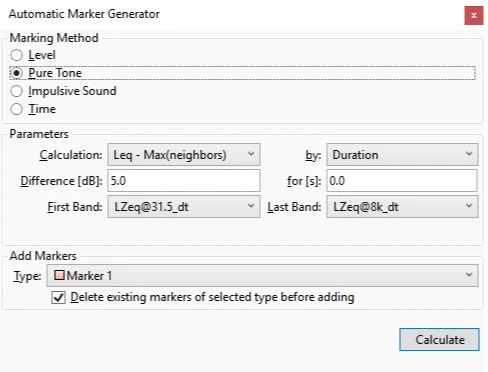
- โปรแกรมวิเคราะห์ Data Explorer สร้าง Marker สำหรับเสียงโทนและเสียงกระแทกอัตโนมัติ และคำนวณ Rating level พร้อมค่าปรับตามมาตรฐานต่างประเทศ เช่น BS 4142Analysis software: Data Explorer generates tonal and impulsive markers automatically and calculates a rating level with penalties to foreign standards such as BS 4142.
- ข้อมูลทิศทางของเสียง จาก Noise Locator NL1 ช่วยแยกว่าเสียงช่วงที่รบกวนมาจากทิศของแหล่งใดDirection data from the Noise Locator NL1 helps separate which source a disturbing period came from.
ตัวอย่างสถานการณ์Example scenario
โรงงานแห่งหนึ่งมีพัดลมดูดอากาศที่ให้เสียงหวีดความถี่เดียว ระดับ LAeq ที่บ้านข้างเคียงต่ำกว่าเกณฑ์ แต่เจ้าของบ้านร้องเรียนต่อเนื่อง เมื่อดูสเปกตรัม 1/3 ออกเตฟ พบย่านหนึ่งสูงกว่าย่านข้างเคียงอย่างชัดเจน ซึ่งเป็นลักษณะของเสียงโทน การแก้ที่ตรงจุดคือจัดการที่พัดลมตัวนั้น (เช่น เปลี่ยนรอบหมุนหรือติดตัวเก็บเสียง) ไม่ใช่ลดระดับเสียงรวมของทั้งโรงงานA plant has an extraction fan with a single-frequency whine. LAeq at the neighbouring house is below the limit, yet the owner keeps complaining. The 1/3 octave spectrum shows one band standing clearly above its neighbours: the signature of a tone. The targeted fix is at that fan (for example a change of speed or a silencer), not a reduction of the whole plant's overall level.
คำถามที่พบบ่อยFrequently asked questions
วัดแล้วไม่เกินเกณฑ์ แต่ยังถูกร้องเรียน ควรทำอย่างไร?We are within the limit but still get complaints. What should we do?
ตรวจลักษณะของเสียงก่อน: มีโทนเด่น มีเสียงกระแทก หรือเกิดในเวลากลางคืนหรือไม่ บันทึกสเปกตรัมและเสียงประกอบ แล้วประเมินตามวิธีที่กฎหมายกำหนดซึ่งรวมค่าปรับด้วย ผลอาจต่างจากการวัดระดับเสียงอย่างเดียวCheck the character of the noise first: a dominant tone, impulses, or night-time operation. Log the spectrum and audio, then assess by the method the law prescribes, which includes the adjustments; the outcome can differ from a plain level measurement.
ค่าปรับ (Penalty) เท่ากันทุกประเทศไหม?Are the penalties the same in every country?
ไม่ กฎการคำนวณและขนาดของค่าปรับต่างกันในแต่ละมาตรฐาน งานในประเทศไทยให้ใช้ค่าตามประกาศของไทยNo. The calculation rules and penalty sizes differ between standards; work in Thailand uses the values in the Thai notifications.
เสียงความถี่ต่ำที่หึ่ง ๆ ประเมินอย่างไร?How is a low-frequency hum assessed?
เสียงหึ่งมักเป็นเสียงโทนในย่านความถี่ต่ำ การดูสเปกตรัม 1/3 ออกเตฟหรือ FFT ช่วยระบุความถี่ของมันได้ ดูคู่มือเสียงความถี่ต่ำจากระบบปรับอากาศและเครื่องกำเนิดไฟฟ้าA hum is usually a tone in the low-frequency range; the 1/3 octave or FFT spectrum identifies its frequency. See our guide on low-frequency noise from HVAC and generators.