มาตรฐานนี้คืออะไรWhat it is
เครื่องวัดระดับเสียงสองเครื่องจากคนละผู้ผลิตควรอ่านค่าเสียงเดียวกันได้ใกล้เคียงกัน IEC 61672 ทำให้เป็นเช่นนั้นได้ โดยกำหนด “เป้าหมายการออกแบบ” ของเครื่อง เช่น การตอบสนองต่อความถี่ การถ่วงน้ำหนัก ความเป็นเชิงเส้นของระดับ และผลของอุณหภูมิหรือความชื้น พร้อมขอบเขตที่ยอมให้คลาดเคลื่อนได้ และวิธีทดสอบว่าเครื่องทำได้ตามนั้นจริงTwo sound level meters from different manufacturers should read the same sound almost identically. IEC 61672 makes this possible by setting the meter’s design goals, such as frequency response, weightings, level linearity and the effect of temperature or humidity, together with the permitted deviations and the tests that show the meter really meets them.
| ส่วนPart | เนื้อหาโดยย่อIn short | ใครใช้เป็นหลักMainly used by |
|---|---|---|
| IEC 61672-1IEC 61672-1 | เนื้อหาโดยย่อIn shortข้อกำหนดสมรรถนะของเครื่อง Class 1 และ Class 2Performance specifications for Class 1 and Class 2 meters | ใครใช้เป็นหลักMainly used byผู้ผลิต ผู้เขียนสเปก ผู้ซื้อManufacturers, specification writers, buyers |
| IEC 61672-2IEC 61672-2 | เนื้อหาโดยย่อIn shortการทดสอบแบบของเครื่องรุ่นหนึ่ง ๆ อย่างละเอียด (Pattern evaluation)Full tests of a meter model (pattern evaluation) | ใครใช้เป็นหลักMainly used byสถาบันมาตรวิทยาและห้องแล็บที่ได้รับการรับรองMetrology institutes and accredited laboratories |
| IEC 61672-3IEC 61672-3 | เนื้อหาโดยย่อIn shortการทดสอบตามรอบของเครื่องแต่ละเครื่องPeriodic tests of each individual meter | ใครใช้เป็นหลักMainly used byห้องแล็บสอบเทียบCalibration laboratories |
หน้านี้เป็นบทสรุปที่ GET BEST SOUND เขียนขึ้นเองเพื่อช่วยให้เข้าใจภาพรวม ไม่ได้คัดลอกเนื้อหาของมาตรฐาน งานที่ต้องอ้างอิงข้อกำหนดจริงควรซื้อฉบับทางการจาก IEC หรือหน่วยงานมาตรฐานแห่งชาติ และตรวจว่าสัญญาหรือผู้ว่าจ้างกำหนดให้ใช้ฉบับปีใดThis page is GET BEST SOUND’s own summary to help you understand the big picture; it does not reproduce the standard. For work that relies on the actual requirements, buy the official copy from IEC or your national standards body, and check which edition the contract or client specifies.
ครอบคลุมอะไรบ้าง (ขอบเขตแบบภาษาง่าย)What it covers, in plain words
- เครื่องวัด 3 แบบ: เครื่องที่แสดงระดับเสียงถ่วงน้ำหนักเวลา (อ่านค่าแบบ Fast/Slow) เครื่องที่หาค่าเฉลี่ยตามเวลา (Leq) และเครื่องที่วัดระดับการสัมผัสเสียง (Sound exposure level) เครื่องสมัยใหม่ส่วนใหญ่ทำได้ทั้งสามแบบในเครื่องเดียวThree kinds of meter: meters that show time-weighted levels (Fast/Slow readings), meters that compute time averages (Leq) and meters that measure sound exposure level. Most modern meters do all three.
- ย่านการได้ยินของคน: เครื่องตามมาตรฐานนี้มีไว้วัดเสียงในช่วงความถี่ที่คนได้ยินโดยทั่วไป ไม่ได้ออกแบบมาสำหรับอินฟราซาวด์หรืออัลตราซาวด์The human hearing range: meters to this standard are intended for sound generally in the range of human hearing; they are not designed for infrasound or ultrasound.
- ทั้งชุดเครื่องมือ: ข้อกำหนดใช้กับเครื่องทั้งชุดที่ผู้ผลิตระบุ รวมไมโครโฟน ปรีแอมป์ และอุปกรณ์ประกอบ เช่น กระบังลม ไม่ใช่เฉพาะตัวเครื่องแสดงผลThe complete instrument: the requirements apply to the whole configuration the manufacturer states, including microphone, preamplifier and accessories such as a windscreen, not just the display unit.
- ไม่ใช่วิธีวัด: ไม่ได้บอกตำแหน่งวัด ระยะเวลาวัด หรือเกณฑ์ผ่าน/ไม่ผ่านของเสียงรบกวนNot a measurement method: it does not set measuring positions, durations or noise limits.
แนวคิดและปริมาณสำคัญKey concepts and quantities
- Class 1 และ Class 2Class 1 and Class 2
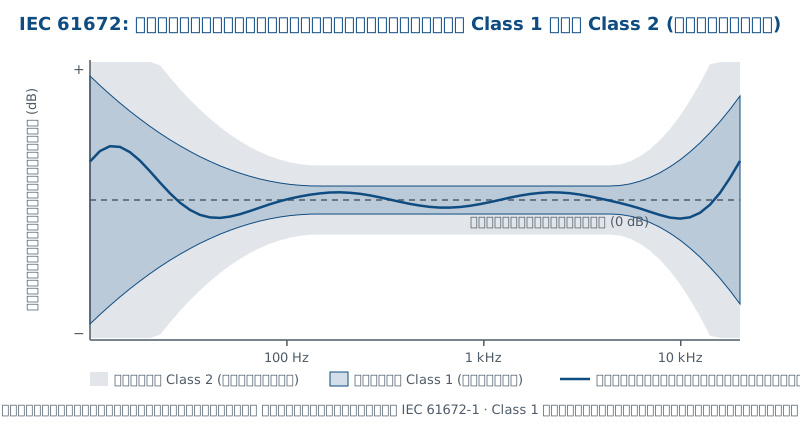
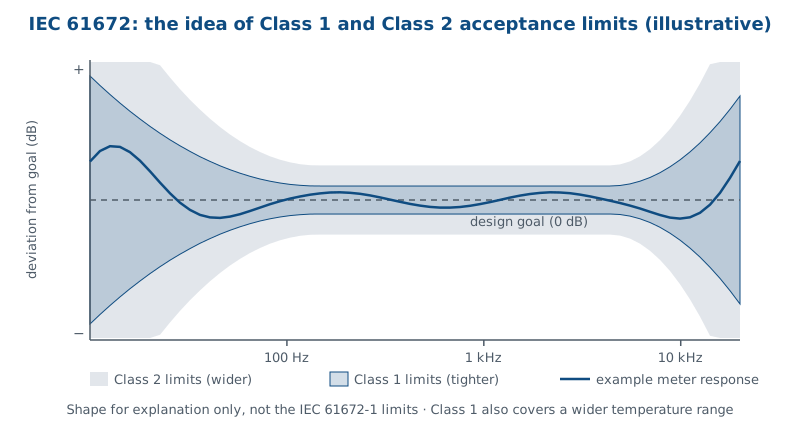
- สองระดับสมรรถนะที่มีเป้าหมายการออกแบบเดียวกัน ต่างกันที่ขอบเขตความคลาดเคลื่อนที่ยอมรับได้และช่วงอุณหภูมิที่ต้องทำงานได้ Class 1 เข้มงวดกว่า จึงมักใช้กับงานที่ต้องอ้างอิงหรือมีผลทางกฎหมาย ในฉบับปี 2013 การแสดงว่าเครื่องเป็นไปตามข้อกำหนดต้องพิจารณาความไม่แน่นอนของการทดสอบร่วมด้วย ไม่ใช่ดูเพียงค่าความเบี่ยงเบนTwo performance categories with the same design goals, differing in the permitted deviations and the temperature range the meter must cover. Class 1 is tighter, so it is usually required for reference or legally relevant work. In the 2013 edition, conformance also takes the test's measurement uncertainty into account, not only the measured deviation.
- การถ่วงน้ำหนักความถี่ A, C, ZFrequency weightings A, C, Z
- A ใกล้เคียงความไวของหูที่ระดับเสียงปานกลาง C ลดเฉพาะความถี่ต่ำสุดและสูงสุดเพียงเล็กน้อย ใช้กับค่าพีก (LCpeak) และในงานที่มาตรฐานหรือเกณฑ์กำหนด Z มีการตอบสนองแบบ nominally flat (การถ่วงน้ำหนัก zero) ในช่วงความถี่ที่มาตรฐานกำหนด การถ่วงน้ำหนักที่ต้องใช้ขึ้นกับมาตรฐานวิธีวัดหรือเกณฑ์A approximates the ear’s sensitivity at moderate levels; C trims only the extreme low and high frequencies and is used for peaks (LCpeak) and wherever a standard or criterion specifies it; Z is nominally flat (zero frequency weighting) over the specified frequency range. The measurement standard or criterion determines which weighting is required.
- การถ่วงน้ำหนักเวลา F และ STime weightings F and S
- Fast ใช้ค่าคงที่เวลา 0.125 s และ Slow ใช้ 1 s กำหนดว่าตัวเลขที่แสดงตอบสนองต่อการเปลี่ยนแปลงของเสียงเร็วแค่ไหนFast uses a 0.125 s time constant and Slow uses 1 s; they set how quickly the displayed value follows changes in the sound.
- ระดับเฉลี่ยตามเวลา (Leq)Time-averaged level (Leq)
- ระดับคงที่ที่มีพลังงานเสียงเท่ากับเสียงที่เปลี่ยนไปมาตลอดช่วงเวลาวัด เป็นปริมาณหลักของงานวัดเสียงสิ่งแวดล้อมและเสียงในที่ทำงานThe steady level that carries the same sound energy as the fluctuating sound over the measuring time; the core quantity of environmental and occupational measurements.
- ระดับการสัมผัสเสียง (SEL / LAE)Sound exposure level (SEL / LAE)
- พลังงานเสียงทั้งหมดของเหตุการณ์หนึ่งที่ปรับเทียบเป็นช่วงเวลา 1 วินาที ใช้เปรียบเทียบเหตุการณ์ที่ยาวไม่เท่ากัน เช่น รถไฟหรือเครื่องบินผ่านThe total sound energy of an event normalised to 1 second; used to compare events of different duration, such as a train or aircraft pass-by.
- ระดับพีก C (LCpeak)C-weighted peak level (LCpeak)
- ค่าสูงสุดของความดันเสียงชั่วขณะที่ถ่วงน้ำหนัก C โดยไม่ผ่านการถ่วงน้ำหนักเวลา ใช้กับเสียงกระแทกที่อาจเป็นอันตรายต่อหูThe highest instantaneous C-weighted sound pressure, without time weighting; used for impulses that may harm hearing.
- การทดสอบรับรองแบบ (Pattern evaluation)Pattern evaluation
- การทดสอบเครื่องรุ่นหนึ่งอย่างครบถ้วนโดยห้องแล็บอิสระตามส่วนที่ 2 เพื่อยืนยันว่ารุ่นนั้นเป็นไปตามส่วนที่ 1 บางประเทศใช้เป็นพื้นฐานของการรับรองแบบ (Type approval) ทางกฎหมายA complete test of a meter model by an independent laboratory under part 2, confirming the model meets part 1; some countries base legal type approval on it.
- การทดสอบตามรอบ (Periodic tests)Periodic tests
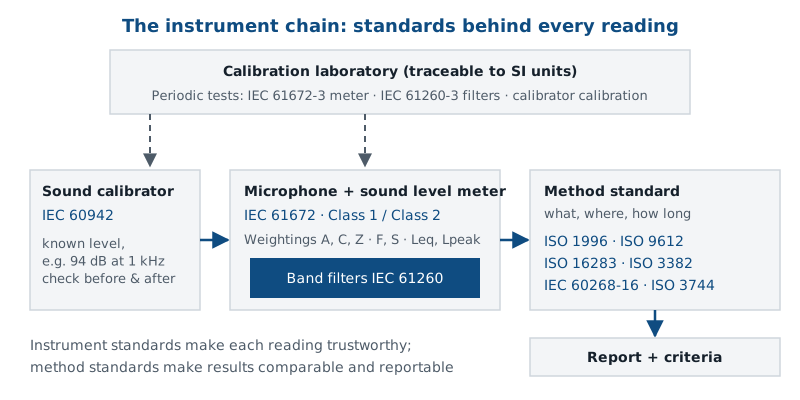
- ชุดทดสอบที่สั้นกว่าตามส่วนที่ 3 ใช้ตรวจเครื่องแต่ละเครื่องเป็นระยะ ๆ ในห้องแล็บสอบเทียบA shorter set of tests under part 3, used to check each individual meter at intervals in a calibration laboratory.
ใครใช้ และใช้เมื่อไรWho uses it and when
- ผู้ซื้อเครื่องมือและผู้เขียนสเปก: ระบุในเอกสารจัดซื้อว่าเครื่องต้องเป็นไปตาม IEC 61672-1 Class 1 หรือ Class 2Buyers and specification writers: state in the purchase specification that the meter must meet IEC 61672-1 Class 1 or Class 2.
- ที่ปรึกษาและผู้ตรวจวัด: ตรวจว่าเครื่องที่ใช้ตรงกับคลาสที่มาตรฐานวิธีวัดหรือหน่วยงานกำหนด และมีใบรับรองการสอบเทียบที่ยังไม่หมดอายุConsultants and field engineers: check that the meter matches the class the method standard or authority requires and has a valid calibration certificate.
- ห้องแล็บสอบเทียบ: ทดสอบเครื่องตามรอบตามส่วนที่ 3 และออกรายงานCalibration laboratories: carry out part 3 periodic tests and issue the report.
- ผู้ผลิตและสถาบันมาตรวิทยา: ออกแบบเครื่องและทดสอบรับรองแบบตามส่วนที่ 1 และ 2Manufacturers and metrology institutes: design meters and run pattern evaluation under parts 1 and 2.
โดยทั่วไปเกี่ยวข้องกับการวัดอย่างไรHow it typically enters a measurement
IEC 61672 ไม่ใช่ขั้นตอนการวัดภาคสนาม แต่เป็นพื้นฐานที่อยู่เบื้องหลังทุกงานวัด ในทางปฏิบัติมาตรฐานนี้เข้ามาเกี่ยวข้องในลักษณะต่อไปนี้IEC 61672 is not a field procedure; it sits behind every measurement. In practice it comes in like this:
- เลือกเครื่อง: มาตรฐานวิธีวัดหรือข้อกำหนดของงานบอกว่าต้องใช้ Class ใด แล้วเลือกเครื่องที่เป็นไปตาม IEC 61672-1 ในคลาสนั้นทั้งชุดChoose the meter: the method standard or the job specification states the required class; choose a complete configuration that meets IEC 61672-1 in that class.
- ตรวจเอกสาร: มีหลักฐานการทดสอบรับรองแบบของรุ่นนั้น (ถ้างานต้องการ) และรายงานการทดสอบตามรอบของเครื่องนั้นที่ยังไม่หมดอายุCheck the paperwork: evidence of pattern evaluation for the model (where the job needs it) and a current periodic test report for that individual meter.
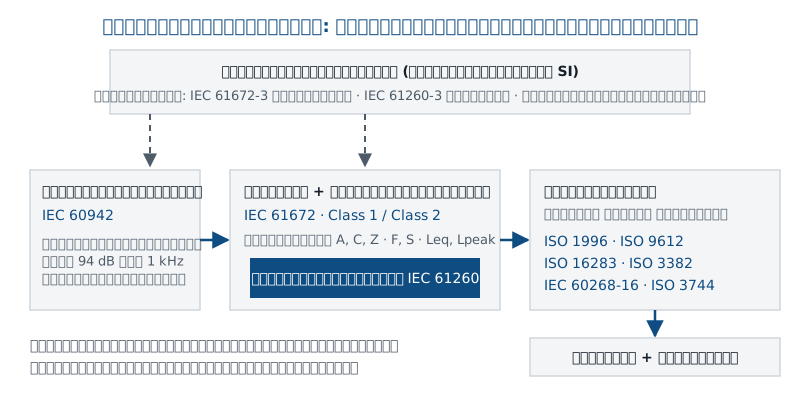
- ตรวจในสนาม: ใช้เครื่องสอบเทียบเสียงตาม IEC 60942 ตรวจความไวก่อนและหลังการวัด แล้วบันทึกผลField check: check the sensitivity with an IEC 60942 sound calibrator before and after measuring and record the result.
- ตั้งค่าให้ตรงกับมาตรฐานวิธีวัด: เลือกการถ่วงน้ำหนักความถี่และเวลา และพารามิเตอร์ (เช่น LAeq, LAFmax, LCpeak) ตามที่มาตรฐานวิธีวัดกำหนดSet up to the method standard: choose the frequency and time weightings and the parameters (e.g. LAeq, LAFmax, LCpeak) the method standard asks for.
- รายงาน: ระบุรุ่น หมายเลขเครื่อง คลาส และวันที่สอบเทียบในรายงานReport: state the model, serial number, class and calibration date in the report.
การใช้งานจริง: มาตรฐานนี้มีความหมายอย่างไรต่องานวัดPractical use: what this means for a measurement job
ในงานจริง เมื่อผู้ตรวจรายงานถามว่า "เครื่องนี้เป็นไปตามมาตรฐานอะไร" คำตอบที่ดีระบุทั้ง class ชุดอุปกรณ์ที่ใช้จริง และหลักฐานการทดสอบ ชื่อรุ่นอย่างเดียวยังไม่พอOn a real job, when a report reviewer asks "which standard does this meter meet?", a good answer names the class, the configuration actually used and the test evidence; the model name alone is not enough.
- ก่อนรับงาน: อ่านมาตรฐานวิธีวัดหรือข้อกำหนดของผู้ว่าจ้างว่าต้องการ Class 1 หรือ Class 2 ถ้าไม่ระบุ งานที่อาจถูกโต้แย้งหรือใช้เป็นหลักฐานควรใช้ Class 1Before accepting the job: read the method standard or the client's specification for Class 1 or Class 2. If nothing is stated, work that may be disputed or used as evidence is safer with Class 1.
- ชุดอุปกรณ์: ตรวจว่าไมโครโฟน ปรีแอมป์ สายต่อ และกระบังลมที่จะใช้ อยู่ในชุดที่ผู้ผลิตระบุว่าเป็นไปตาม class นั้น โดยเฉพาะเมื่อใช้สายต่อยาวหรือไมโครโฟนกลางแจ้งConfiguration: check that the microphone, preamplifier, extension cable and windscreen you will use are in the configuration the manufacturer states for that class, especially with long cables or outdoor microphones.
- ขีดจำกัดของเครื่อง: ระวังเสียงที่เบามากจนใกล้ระดับรบกวนภายในของเครื่อง หรือดังจนเกินช่วงวัด และสภาพแวดล้อม เช่น ลมแรงหรือความชื้นสูง ซึ่งอยู่นอกสิ่งที่ class รับประกันInstrument limits: watch for very quiet sound close to the meter's own noise floor, sound loud enough to exceed its range, and conditions such as strong wind or high humidity that lie outside what the class guarantees.
ผู้ว่าจ้างต้องการผลวัดเสียงจากเครื่องกำเนิดไฟฟ้าสำรองที่ขอบเขตโครงการ เพื่อแนบรายงานต่อหน่วยงานท้องถิ่น วิศวกรเลือกเครื่อง Class 1 พร้อมไมโครโฟนและกระบังลมที่อยู่ในชุดที่ผู้ผลิตระบุ ตรวจว่ารายงานการทดสอบตามรอบยังไม่หมดอายุ ตรวจเครื่องด้วยเครื่องสอบเทียบก่อนและหลังการวัด และเขียนรุ่น หมายเลขเครื่อง class และวันที่สอบเทียบไว้ในรายงาน หากภายหลังมีผู้โต้แย้งผล เอกสารชุดนี้คือสิ่งที่ยืนยันว่าตัวเลขเชื่อถือได้A client needs levels from a standby generator at the site boundary for a report to the local authority. The engineer picks a Class 1 meter with the microphone and windscreen in the manufacturer's stated configuration, checks that the periodic test report is still valid, checks the meter with a calibrator before and after, and writes the model, serial number, class and calibration date into the report. If the result is later challenged, this paperwork is what shows the numbers can be trusted.
มาตรฐานที่เกี่ยวข้องและความเชื่อมโยงRelated standards and how they connect
| มาตรฐานStandard | ความเชื่อมโยงกับ IEC 61672Link with IEC 61672 |
|---|---|
| IEC 60942IEC 60942 | ความเชื่อมโยงกับ IEC 61672Link with IEC 61672เครื่องสอบเทียบเสียงที่ใช้ตรวจเครื่องวัดในสนามและในการทดสอบตามรอบSound calibrators used to check meters in the field and during periodic tests |
| IEC 61260-1IEC 61260-1 | ความเชื่อมโยงกับ IEC 61672Link with IEC 61672ตัวกรองย่านออกเตฟเมื่อเครื่องวัดวิเคราะห์สเปกตรัมด้วยOctave-band filters when the meter also analyses spectra |
| IEC 61252IEC 61252 | ความเชื่อมโยงกับ IEC 61672Link with IEC 61672เครื่องวัดการสัมผัสเสียงส่วนบุคคล (Noise dosimeter) ใช้คู่กันในงานเสียงในที่ทำงานPersonal sound exposure meters (dosimeters), used alongside in occupational work |
| ISO 1996, ISO 9612ISO 1996, ISO 9612 | ความเชื่อมโยงกับ IEC 61672Link with IEC 61672มาตรฐานวิธีวัดที่กำหนดว่าต้องใช้เครื่องตาม IEC 61672 คลาสใดMethod standards that state which IEC 61672 class the meter must meet |
| IEC 60651, IEC 60804IEC 60651, IEC 60804 | ความเชื่อมโยงกับ IEC 61672Link with IEC 61672มาตรฐานรุ่นเก่าที่ถูกแทนที่ด้วย IEC 61672 แล้วOlder standards replaced by IEC 61672 |
ในสหรัฐอเมริกามีมาตรฐาน ANSI S1.4 ซึ่งผู้ผลิตหลายรายอ้างถึงคู่กับ IEC 61672 ถ้างานในต่างประเทศอ้างมาตรฐานระดับประเทศ ให้ตรวจกับหน่วยงานมาตรฐานของประเทศนั้นว่าตรงกับฉบับ IEC ใดIn the United States there is ANSI S1.4, which many manufacturers cite alongside IEC 61672. If a job abroad cites a national standard, check with that country’s standards body which IEC edition it corresponds to.
ความเข้าใจผิดที่พบบ่อยCommon misunderstandings
- “ออกแบบตาม Class 1” เท่ากับ “ผ่านการทดสอบ Class 1” ไม่เหมือนกัน การยืนยันที่หนักแน่นกว่าคือหลักฐานการทดสอบรับรองแบบโดยห้องแล็บอิสระ ไม่ใช่คำประกาศของผู้ผลิตอย่างเดียว“Designed to Class 1” means “tested as Class 1”. Not the same: stronger evidence is pattern evaluation by an independent laboratory, not just the manufacturer’s declaration.
- “ใช้เครื่อง Class 1 แล้วผลวัดก็ถูกตามมาตรฐาน” เครื่องที่ดีเป็นแค่ส่วนหนึ่ง ตำแหน่งวัด เวลา สภาพอากาศ และพารามิเตอร์ต้องเป็นไปตามมาตรฐานวิธีวัดด้วย“A Class 1 meter makes the result compliant.” A good meter is only one part; positions, duration, weather and parameters must also follow the method standard.
- “คลาสเป็นของตัวเครื่องแสดงผล” คลาสใช้กับทั้งชุดที่ผู้ผลิตระบุ เปลี่ยนไมโครโฟนหรือใช้สายต่อที่ไม่ได้ระบุไว้อาจทำให้ไม่อยู่ในคลาสนั้นอีก“The class belongs to the display unit.” The class applies to the whole configuration the manufacturer states; swapping the microphone or adding an unlisted cable can take it out of class.
- “ตรวจด้วยเครื่องสอบเทียบเสียงแล้ว ไม่ต้องส่งแล็บ” การตรวจในสนามเช็กที่ระดับและความถี่เดียว ส่วนการทดสอบตามรอบในแล็บตรวจหลายคุณสมบัติ ทั้งสองอย่างจำเป็น“A calibrator check replaces the lab.” A field check tests one level at one frequency; the laboratory periodic test covers many properties. Both are needed.
- “Class 1 แม่นยำในทุกสภาพ” ข้อกำหนดมีขอบเขตสภาพแวดล้อมที่รองรับ ลม ฝน หรืออุณหภูมิที่อยู่นอกช่วงยังทำให้ผลผิดพลาดได้“Class 1 is accurate in any condition.” The requirements have environmental limits; wind, rain or temperatures outside the range can still spoil results.
เกี่ยวข้องกับเครื่องมือวัดอย่างไรHow this relates to instruments
ข้อกำหนดทั่วไป: นอกจากคลาส ชุดอุปกรณ์ และรายงานการทดสอบตามรอบที่กล่าวข้างต้น ถ้างานอยู่ในประเทศที่กำหนดให้ใช้เครื่องที่ผ่านการรับรองแบบทางกฎหมาย ให้ตรวจว่าการรับรองครอบคลุมชุดอุปกรณ์และเฟิร์มแวร์ที่ใช้จริง เพราะมักรับรองเฉพาะชุดที่ระบุไว้เท่านั้นGeneral requirements: beyond the class, configuration and periodic test report covered above, if the job is in a country that requires legally type-approved meters, check that the approval covers the configuration and firmware you actually use, because approvals usually cover only the stated configuration.
ข้อมูลเฉพาะของ NTi Audio (ตามที่ NTi ระบุ): NTi Audio ระบุว่า XL2 เมื่อใช้กับไมโครโฟน M2230 หรือ M2340 และ XL2 Type Approval Option เป็นเครื่องวัดระดับเสียงที่ผ่านการรับรองแบบ ให้สมรรถนะ Class 1 ตาม IEC 61672 และ ANSI S1.4 และระบุว่า XL3 เป็นเครื่องวัดระดับเสียง Class 1 เมื่อใช้กับไมโครโฟน M2230 หรือ M2340 ส่วนไมโครโฟน M4262 ระบุเป็น Class 2 ประเทศที่รับรองและรายละเอียดของชุดอุปกรณ์ ให้ตรวจจากหน้าเว็บ NTi Audio ฉบับล่าสุดNTi Audio specifics (as stated by NTi): NTi Audio states that the XL2 with an M2230 or M2340 microphone and the XL2 Type Approval Option forms a type-approved sound level meter with Class 1 performance to IEC 61672 and ANSI S1.4, and that the XL3 is a Class 1 sound level meter with an M2230 or M2340 microphone; the M4262 microphone is stated as Class 2. Check NTi Audio’s current pages for the approving countries and configuration details.
คำถามที่พบบ่อยFrequently asked questions
แอปวัดเสียงในโทรศัพท์มือถือเป็นไปตาม IEC 61672 ได้ไหมCan a smartphone app meet IEC 61672?
โดยทั่วไปไม่ได้ในความหมายของมาตรฐาน เพราะ class ต้องพิสูจน์กับชุดอุปกรณ์ทั้งชุด ทั้งไมโครโฟน วงจร และซอฟต์แวร์ ภายใต้สภาพแวดล้อมที่กำหนด แอปอาจใช้สำรวจเบื้องต้นได้ แต่ไม่ควรใช้เป็นผลวัดที่ต้องอ้างอิงมาตรฐานหรือใช้เป็นหลักฐานGenerally not in the sense of the standard, because a class must be demonstrated for the complete configuration, including microphone, electronics and software, under defined environmental conditions. An app can be useful for a first look, but should not be used for results that must cite the standard or serve as evidence.
ต้องส่งเครื่องทดสอบตามรอบบ่อยแค่ไหนHow often does a meter need a periodic test?
IEC 61672-3 อธิบายวิธีทดสอบ แต่รอบเวลามักกำหนดโดยกฎหมาย ระบบคุณภาพ หรือข้อกำหนดของผู้ว่าจ้าง ในทางปฏิบัติหลายองค์กรใช้รอบหนึ่งหรือสองปี ให้ยึดข้อกำหนดที่ใช้กับงานของคุณIEC 61672-3 describes the tests, but the interval is usually set by law, a quality system or the client's specification. In practice many organisations use one or two years; follow the requirement that applies to your work.
Class 2 ใช้ได้เมื่อไรWhen is Class 2 good enough?
Class 2 เหมาะกับงานสำรวจ การคัดกรอง หรืองานที่มาตรฐานวิธีวัดหรือผู้ว่าจ้างยอมรับ class นี้ ข้อจำกัดสำคัญคือความคลาดเคลื่อนที่ยอมให้กว้างกว่า โดยเฉพาะที่ความถี่ต่ำและสูง และช่วงอุณหภูมิที่แคบกว่า จึงไม่เหมาะกับงานวิเคราะห์ความถี่อย่างละเอียดหรืองานที่เป็นข้อพิพาทClass 2 suits surveys, screening, or work where the method standard or client accepts it. Its main limits are wider permitted deviations, especially at low and high frequencies, and a narrower temperature range, so it is less suitable for detailed frequency work or disputed cases.