ทำไมเรื่องนี้สำคัญWhy this matters
ไมโครโฟนเป็นต้นทางของตัวเลขทุกตัวในรายงาน ไมโครโฟนที่เบาเกินไปสำหรับเสียงดังจะเพี้ยน ไมโครโฟนที่มีเสียงรบกวนในตัวสูงจะวัดห้องเงียบไม่ได้ และไมโครโฟนที่ Class ไม่ตรงข้อกำหนดทำให้ทั้งชุดเครื่องมือไม่ผ่านเกณฑ์ ถึงแม้ตัวเครื่องจะดีเพียงใด ความสับสนที่พบบ่อยที่สุดคือคำว่า “Class 1” ซึ่งถูกใช้ในความหมายต่างกันThe microphone is the origin of every number in a report. A microphone that cannot take the level will distort; one with high self-noise cannot measure a quiet room; and a microphone of the wrong class stops the whole instrument meeting the requirement, however good the meter is. The most common confusion is the term "Class 1", which is used with different meanings.
แนวคิดทั่วไป 1: ใช้คำเรื่อง Class ให้ถูกGeneral concept 1: using the class terms correctly
ส่วนนี้เป็นหลักทั่วไปที่ใช้ได้กับทุกยี่ห้อ IEC 61672 กำหนด Class 1 และ Class 2 ให้กับ เครื่องวัดระดับเสียงทั้งเครื่องรวมไมโครโฟน ผู้ผลิตไมโครโฟนจึงใช้คำอธิบายที่ต่างกัน ซึ่งต้องอ่านให้ละเอียดThis part is general and applies to any brand. IEC 61672 assigns Class 1 and Class 2 to the complete sound level meter including its microphone. Microphone makers therefore use different descriptions, which need careful reading.
| คำที่เห็นTerm you see | ความหมายMeaning | เหมาะกับSuited to |
|---|---|---|
| Certified Class 1 (Class 1 ที่ได้รับการรับรอง)Certified Class 1 | ความหมายMeaningไมโครโฟนเป็นส่วนหนึ่งของชุดเครื่องมือที่ผ่านการตรวจสอบหรือรับรองว่าเป็นไปตาม Class 1 ครบถ้วนThe microphone is part of an instrument configuration verified or approved as meeting Class 1 in full | เหมาะกับSuited toงานที่กฎหมาย มาตรฐาน หรือสัญญากำหนด Class 1Work where a law, standard or contract requires Class 1 |
| Class 1 frequency response (ผลตอบสนองความถี่ระดับ Class 1)Class 1 frequency response | ความหมายMeaningผลตอบสนองความถี่อยู่ในเกณฑ์ของ Class 1 แต่ไม่ได้หมายความว่าชุดเครื่องมือผ่านข้อกำหนด Class 1 ทุกข้อThe frequency response is within Class 1 tolerances, but this does not mean the instrument meets every Class 1 requirement | เหมาะกับSuited toงานวัดที่ต้องการความถูกต้องสูง แต่ไม่ได้ถูกกำหนดให้ใช้ Class 1 อย่างเป็นทางการAccurate work where Class 1 is not formally required |
| Class 2Class 2 | ความหมายMeaningชุดเครื่องมือเป็นไปตามเกณฑ์ Class 2 ซึ่งกว้างกว่าThe instrument meets the wider Class 2 tolerances | เหมาะกับSuited toงานทั่วไป งานติดตั้งและดูแลระบบเสียงGeneral work, installing and servicing sound systems |
สรุปสั้น ๆ: Class ของผลการวัดถูกกำหนดโดย ชิ้นที่ด้อยที่สุดในชุด และโดยการรับรองของชุดนั้น ไมโครโฟน Class 1 frequency response บนเครื่องที่รองรับ Class 1 ไม่ได้ทำให้ได้ชุด Certified Class 1 โดยอัตโนมัติIn short: the class of a result is set by the weakest part of the set and by how that set was verified. A Class 1 frequency-response microphone on a Class 1-capable meter does not automatically make a certified Class 1 instrument.
แนวคิดทั่วไป 2: ปัจจัยทางเทคนิคอื่นGeneral concept 2: the other technical factors
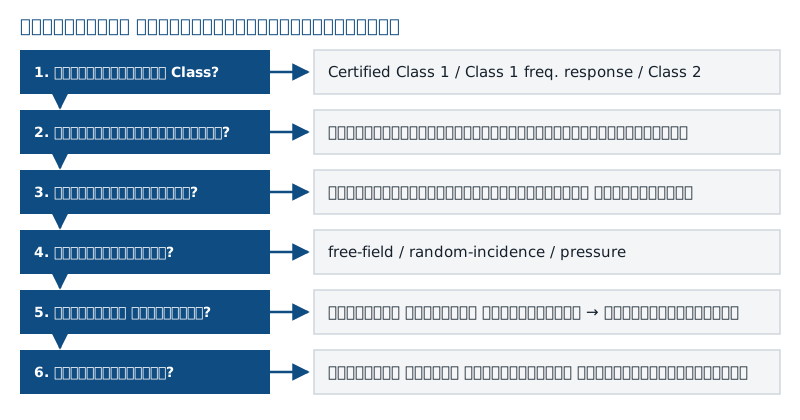
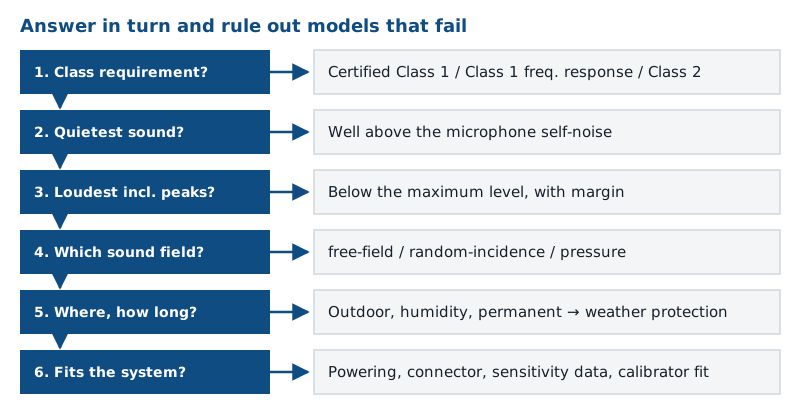
- ช่วงระดับเสียง (dynamic range): ขอบล่างคือเสียงรบกวนในตัว (self-noise) ขอบบนคือระดับสูงสุดก่อนเพี้ยน ควรให้เสียงเบาที่สุดที่ต้องวัดสูงกว่าเสียงรบกวนในตัวพอสมควร และเสียงดังที่สุด (รวมค่าพีค) ต่ำกว่าระดับสูงสุดDynamic range: the lower end is the self-noise, the upper end the maximum level before distortion. The quietest sound to be measured should be well above the self-noise, and the loudest (including peaks) below the maximum.
- ชนิดสนามเสียง: free-field, diffuse-field (random incidence) หรือ pressure ให้ตรงกับสภาพการวัดและข้อกำหนดของมาตรฐานSound-field type: free-field, diffuse-field (random incidence) or pressure, matching the measurement conditions and the standard's requirements.
- ขนาดแคปซูล: 1/2 นิ้วเป็นขนาดทั่วไปของงานวัดระดับเสียง 1/4 นิ้วรบกวนสนามเสียงน้อยกว่าและรับเสียงดังได้ดี แต่มักมีเสียงรบกวนในตัวสูงกว่า แคปซูลขนาดใหญ่กว่ามักใช้กับงานเสียงเบามากCapsule size: 1/2 inch is the usual size for sound level work; 1/4 inch disturbs the field less and handles high levels well but usually has higher self-noise; larger capsules are typically used for very low levels.
- การโพลาไรซ์และการจ่ายไฟ: แคปซูลแบบ pre-polarized ไม่ต้องใช้แรงดันโพลาไรซ์จากภายนอก ส่วนแบบ externally polarized ต้องใช้ ปรีแอมป์ต้องได้ไฟเลี้ยงแบบที่เครื่องวัดจ่ายได้ และข้อต่อต้องเข้ากันPolarisation and powering: a pre-polarized capsule needs no external polarisation voltage; an externally polarized one does. The preamplifier needs the type of power the meter provides, and the connectors must match.
- ข้อมูลเซนเซอร์ในตัว: ไมโครโฟนบางระบบมีข้อมูลรุ่นและความไวอยู่ในตัว ให้เครื่องอ่านเองได้ ลดความผิดพลาดจากการใส่ค่าด้วยมือBuilt-in sensor data: some microphone systems store the model and sensitivity so the meter can read them, reducing manual-entry mistakes.
- สภาพแวดล้อมและความทนทาน: ความชื้น อุณหภูมิ ฝุ่น ลม และการติดตั้งถาวรกลางแจ้ง ต้องการไดอะแฟรมที่ทนทานและชุดกันสภาพอากาศEnvironment and durability: humidity, temperature, dust, wind and permanent outdoor installation call for a robust diaphragm and weather protection.
- การสอบเทียบ: เครื่องสอบเทียบต้องสวมไมโครโฟนขนาดนั้นได้ (หรือมีอะแดปเตอร์) และมี Class เหมาะกับชุดเครื่องมือCalibration: the calibrator must fit the microphone size (or have an adapter) and be of a class that suits the instrument.
ชั้นวิศวกรรม: ตรวจช่วงระดับเสียงด้วยตัวเลขEngineering layer: checking the level range with numbers
เสียงรบกวนในตัวของไมโครโฟนรวมกับเสียงที่ต้องการวัดแบบพลังงาน ผลที่อ่านได้จึงสูงกว่าเสียงจริงเสมอ ยิ่งเสียงจริงใกล้ขอบล่างมากเท่าไร ความคลาดยิ่งมาก ความต่างระหว่างเสียงที่วัดกับเสียงรบกวนในตัวให้ผลโดยประมาณดังนี้ (คำนวณจากการรวมพลังงาน 10 lg(1 + 10^(−Δ/10)))The microphone's self-noise adds to the sound being measured on an energy basis, so the reading is always higher than the true sound, and the closer the true sound is to the lower limit, the larger the error. The difference between the measured sound and the self-noise gives approximately the following (from energy addition, 10 lg(1 + 10^(−Δ/10))).
| เสียงจริงสูงกว่าเสียงรบกวนในตัว (Δ)True sound above self-noise (Δ) | ค่าที่อ่านได้สูงเกินประมาณReading too high by about |
|---|---|
| 10 dB10 dB | ค่าที่อ่านได้สูงเกินประมาณReading too high by about0.4 dB0.4 dB |
| 6 dB6 dB | ค่าที่อ่านได้สูงเกินประมาณReading too high by about1.0 dB1.0 dB |
| 3 dB3 dB | ค่าที่อ่านได้สูงเกินประมาณReading too high by about1.8 dB1.8 dB |
| 0 dB0 dB | ค่าที่อ่านได้สูงเกินประมาณReading too high by about3.0 dB3.0 dB |
ข้อควรระวัง: ค่าเสียงรบกวนในตัวในเอกสารมักเป็นค่ารวมถ่วงน้ำหนัก A ถ้าจะวิเคราะห์ย่านออกเตฟหรือ 1/3 ออกเตฟ ให้ดูสเปกตรัมเสียงรบกวนในตัวของชุดไมโครโฟนและเครื่องวัด หรือวัดเองโดยใส่ไมโครโฟนในที่เงียบมาก ด้านบนก็เช่นกัน เสียงกระแทกและเสียงอิมพัลส์มีค่าพีคสูงกว่าค่า Leq มาก ให้เทียบค่าพีคที่คาดไว้กับระดับสูงสุดของไมโครโฟนและของเครื่องวัดA caution: the self-noise in a data sheet is usually an A-weighted overall value. For octave or 1/3-octave analysis, look at the self-noise spectrum of the microphone and meter combination, or measure it yourself with the microphone in a very quiet enclosure. The same applies at the top end: impacts and impulsive sounds have peaks far above their Leq, so compare the expected peak with the maximum level of both the microphone and the meter.
สิ่งที่ต้องมีคู่กับไมโครโฟน: ฟองกันลมที่ผู้ผลิตระบุ ชุดกันสภาพอากาศสำหรับงานกลางแจ้ง สายต่อที่ยาวพอและมีคุณภาพ อะแดปเตอร์ของเครื่องสอบเทียบถ้าขนาดไม่ตรง และใบรับรองการสอบเทียบของไมโครโฟนWhat you need alongside the microphone: the windscreen the manufacturer specifies, weather protection for outdoor work, an extension cable of adequate length and quality, a calibrator adapter if the size differs, and the microphone's calibration certificate.
ในเครื่องมือ NTi AudioHow NTi Audio equipment fits
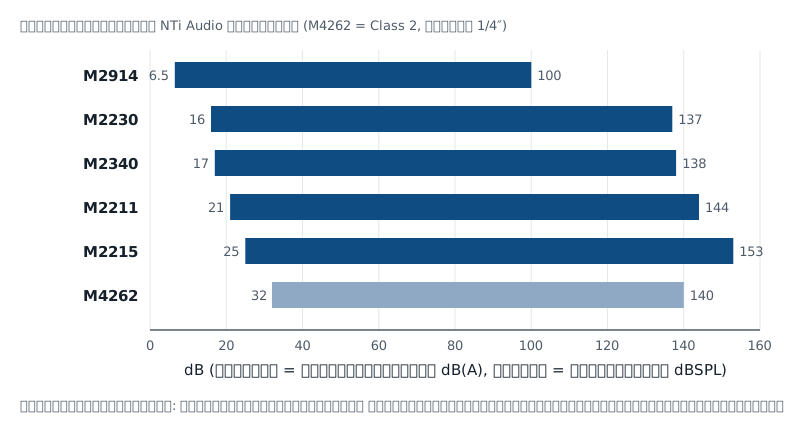
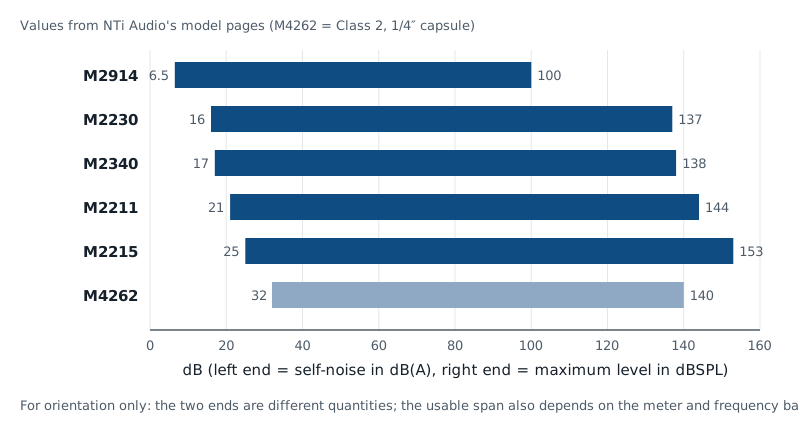
ส่วนนี้เป็นข้อมูลเฉพาะของ NTi Audio ตามหน้าเว็บของแต่ละรุ่น ไมโครโฟนสำหรับ XL2 / XL3 ทุกรุ่นในตารางเป็นแบบรับเสียงรอบทิศ ผลตอบสนองแบบ free-field มีแผ่นข้อมูลอิเล็กทรอนิกส์ให้เครื่องอ่านอัตโนมัติ (ASD) และรับไฟแฟนทอม 48 V จากเครื่องวัด ยกเว้น M2914 ที่ใช้ไฟแบบ ICP และต่อผ่าน ICP Adapter ASD NTi Audio แบ่งเป็นสามกลุ่มซึ่งตรงกับคำในส่วนแรกThis part is NTi Audio-specific, from each model's web page. Every microphone in the table, for the XL2 / XL3, is omnidirectional with a free-field response, carries an electronic data sheet the meter reads automatically (ASD), and runs on 48 V phantom power from the meter, except the M2914, which is ICP-powered and connects through the ICP Adapter ASD. NTi Audio groups them in three categories that match the terms above.
| รุ่นModel | กลุ่มตาม NTi AudioNTi Audio category | เสียงรบกวนในตัว / ระดับสูงสุดIntrinsic noise / maximum level | งานที่ NTi Audio ระบุApplications named by NTi Audio |
|---|---|---|---|
| M2230M2230 | กลุ่มตาม NTi AudioNTi Audio categoryClass 1 CertifiedClass 1 certified | เสียงรบกวนในตัว / ระดับสูงสุดIntrinsic noise / maximum level16 dB(A) / 137 dBSPL16 dB(A) / 137 dBSPL | งานที่ NTi Audio ระบุApplications named by NTi Audioงานทางกฎหมาย งานวัดเสียง อะคูสติกอาคารLegal applications, noise measurements, building acoustics |
| M2340M2340 | กลุ่มตาม NTi AudioNTi Audio categoryClass 1 Certified + ทดสอบตัวเอง (CIC)Class 1 certified + self-test (CIC) | เสียงรบกวนในตัว / ระดับสูงสุดIntrinsic noise / maximum level17 dB(A) / 138 dBSPL17 dB(A) / 138 dBSPL | งานที่ NTi Audio ระบุApplications named by NTi Audioงานทางกฎหมาย เฝ้าระวังระยะยาวLegal applications, long-term monitoring |
| M2211M2211 | กลุ่มตาม NTi AudioNTi Audio categoryClass 1 frequency responseClass 1 frequency response | เสียงรบกวนในตัว / ระดับสูงสุดIntrinsic noise / maximum level21 dB(A) / 144 dBSPL21 dB(A) / 144 dBSPL | งานที่ NTi Audio ระบุApplications named by NTi Audioงานวัดเสียง STIPA ระบบเสียงติดตั้งNoise measurements, STIPA, installed sound |
| M2215M2215 | กลุ่มตาม NTi AudioNTi Audio categoryClass 1 frequency response เสียงดังมากClass 1 frequency response, high level | เสียงรบกวนในตัว / ระดับสูงสุดIntrinsic noise / maximum level25 dB(A) / 153 dBSPL25 dB(A) / 153 dBSPL | งานที่ NTi Audio ระบุApplications named by NTi AudioเสียงดังมากHigh-level noise |
| M2914M2914 | กลุ่มตาม NTi AudioNTi Audio categoryClass 1 frequency response เสียงเบามากClass 1 frequency response, low level | เสียงรบกวนในตัว / ระดับสูงสุดIntrinsic noise / maximum level6.5 dB(A) / 100 dB RMS6.5 dB(A) / 100 dB RMS | งานที่ NTi Audio ระบุApplications named by NTi AudioเสียงเบามากLow-level noise |
| M4262M4262 | กลุ่มตาม NTi AudioNTi Audio categoryClass 2 แคปซูล 1/4″Class 2, 1/4″ capsule | เสียงรบกวนในตัว / ระดับสูงสุดIntrinsic noise / maximum level32 dB(A) / 140 dBSPL32 dB(A) / 140 dBSPL | งานที่ NTi Audio ระบุApplications named by NTi Audioงานวัดทั่วไป งานระบบเสียงGeneral measurements, sound systems |
NTi Audio ระบุว่า XL3 ที่ใช้กับ M2230 หรือ M2340 เป็นเครื่องวัดระดับเสียง Class 1 สำหรับงานกลางแจ้งมีชุด M2230-WP, M2340-WP และ M4262-WP ซึ่งรวมไมโครโฟนกับชุดป้องกันสภาพอากาศ (WP40-90 หรือ WP62-90) ส่วนค่าความไว ช่วงอุณหภูมิ และข้อมูลอื่นที่ไม่ได้อยู่บนหน้าเว็บ ให้ดูเอกสารข้อมูลผลิตภัณฑ์ของ NTi AudioNTi Audio states that the XL3 with an M2230 or M2340 forms a Class 1 sound level meter. For outdoor work there are the M2230-WP, M2340-WP and M4262-WP sets, which combine the microphone with weather protection (WP40-90 or WP62-90). For sensitivity, temperature range and other data not on the web pages, see NTi Audio's product data sheets.
ตัวอย่างงานวิศวกรรมPractical engineering example
ทีมงานมีสองโครงการ โครงการแรกคือวัดเสียงพื้นหลังในห้องบันทึกเสียงที่ออกแบบให้เงียบมาก คาดว่าระดับในบางย่านต่ำกว่า 20 dB ไมโครโฟน 1/4 นิ้วที่มีเสียงรบกวนในตัว 32 dB(A) จะวัดเสียงของตัวเองแทนเสียงห้อง จึงต้องใช้ไมโครโฟนสำหรับเสียงเบามาก และตรวจเสียงรบกวนในตัวของทั้งชุดก่อนวัด โครงการที่สองคือวัดเสียงในสนามยิงปืนในร่ม ซึ่งค่าพีคสูงมาก ไมโครโฟนที่รับได้สูงสุดราว 137 dB จะเพี้ยน จึงต้องใช้รุ่นสำหรับเสียงดังมาก ทั้งสองงานไม่ได้กำหนด Class 1 อย่างเป็นทางการ แต่ถ้าผลต้องยื่นหน่วยงาน ทีมต้องกลับไปตรวจว่าข้อกำหนดต้องการชุด Certified Class 1 หรือไม่A team has two projects. The first is background noise in a recording studio designed to be very quiet, with some bands expected below 20 dB. A 1/4-inch microphone with 32 dB(A) self-noise would measure itself rather than the room, so a low-level microphone is needed and the self-noise of the whole set is checked before measuring. The second is an indoor shooting range with very high peaks; a microphone topping out around 137 dB would distort, so a high-level model is needed. Neither job formally requires Class 1, but if results are submitted to an authority the team must check whether a certified Class 1 set is required.
ความเข้าใจผิดที่พบบ่อยCommon misunderstandings
- “Class 1 frequency response = Class 1” ไม่ใช่ เป็นเพียงคุณสมบัติด้านผลตอบสนองความถี่ ไม่ใช่การรับรองทั้งชุดเครื่องมือ“Class 1 frequency response = Class 1.” No. It describes the frequency response only, not a verified complete instrument.
- “ไมโครโฟน Class 1 ทำให้เครื่องใดก็ได้เป็น Class 1” ไม่ใช่ Class เป็นของทั้งชุด เครื่อง ไมโครโฟน และการตั้งค่า“A Class 1 microphone makes any meter Class 1.” No. The class belongs to the whole set: meter, microphone and configuration.
- “ยิ่งรับเสียงดังได้มากยิ่งดี” ไมโครโฟนสำหรับเสียงดังมากมักมีเสียงรบกวนในตัวสูงกว่า เลือกช่วงให้ตรงกับเสียงที่จะวัด“The higher the maximum level the better.” High-level microphones usually have higher self-noise; match the range to the sound.
- “ไมโครโฟนทุกตัวใช้กับเครื่องทุกเครื่องได้” การจ่ายไฟ ข้อต่อ และการอ่านค่าความไวต้องเข้ากัน ถ้าเครื่องจ่ายไฟต่ำกว่าที่ไมโครโฟนออกแบบไว้ ระดับสูงสุดอาจลดลง“Any microphone works with any meter.” Powering, connectors and sensitivity handling must match; lower supply voltage than designed can reduce the maximum level.
คำถามที่พบบ่อยFrequently asked questions
เปลี่ยนไมโครโฟนเป็นรุ่นอื่นแล้ว ต้องสอบเทียบใหม่ไหมAfter changing to another microphone, do I need to recalibrate?
ต้องตรวจด้วยเครื่องสอบเทียบทุกครั้งที่เปลี่ยนไมโครโฟนและก่อนวัด ถ้าเครื่องอ่านความไวจากข้อมูลในตัวไมโครโฟนได้ ก็ยังควรตรวจด้วยเครื่องสอบเทียบเพื่อยืนยันว่าทั้งชุดทำงานถูกต้อง และถ้างานต้องใช้ชุดที่รับรองแล้ว ชุดใหม่ต้องเป็นชุดที่อยู่ในการรับรองนั้นด้วยCheck with a calibrator every time you change microphones and before measuring. Even if the meter reads the sensitivity from the microphone's stored data, a calibrator check confirms that the whole set works correctly. If the job needs a certified set, the new combination must be one covered by that certification.
ไมโครโฟน 1/4 นิ้วดีกว่า 1/2 นิ้วไหมIs a 1/4-inch microphone better than a 1/2-inch one?
ไม่ได้ดีกว่าหรือด้อยกว่า แต่เหมาะกับงานต่างกัน 1/4 นิ้วรบกวนสนามเสียงน้อยกว่า ทนเสียงดังได้ดี และใช้ในพื้นที่แคบได้ แต่มักมีเสียงรบกวนในตัวสูงกว่า จึงไม่เหมาะกับห้องที่เงียบมากNeither better nor worse, just suited to different work. A 1/4-inch microphone disturbs the field less, handles high levels well and fits tight spaces, but usually has higher self-noise, so it is less suitable for very quiet rooms.
ติดตั้งไมโครโฟนกลางแจ้งถาวรต้องคิดอะไรบ้างWhat matters for a permanent outdoor microphone?
ต้องใช้ชุดกันสภาพอากาศที่ผู้ผลิตระบุสำหรับไมโครโฟนนั้น ป้องกันฝน ความชื้น นก และลม วางแผนการตรวจสอบความไวเป็นระยะหรือใช้ระบบทดสอบตัวเองถ้ามี และตรวจว่าการตอบสนองสำหรับทิศทางเสียงที่สนใจ (เช่น เสียงเครื่องบินจากด้านบน) เป็นไปตามที่งานต้องการUse the weather protection the manufacturer specifies for that microphone, against rain, humidity, birds and wind; plan periodic sensitivity checks or use a self-test system where available; and check that the response for the directions of interest (such as aircraft noise from above) meets the job's needs.
ไฟเลี้ยงไมโครโฟนไม่ตรงกับที่ออกแบบไว้จะเกิดอะไรขึ้นWhat happens if the microphone supply does not match its design?
ไมโครโฟนอาจทำงานได้แต่ระดับสูงสุดที่รับได้ลดลง หรือทำงานไม่ถูกต้อง ให้ตรวจข้อกำหนดไฟเลี้ยงในเอกสารของผู้ผลิตเสมอ ตัวอย่างเช่น NTi Audio มีบทความอธิบายผลของการใช้แฟนทอมเพาเวอร์ 24 V กับไมโครโฟนวัดเสียงของตนThe microphone may work but with a lower maximum level, or may not work correctly. Always check the supply requirement in the manufacturer's documents; NTi Audio, for example, publishes a note on using 24 V phantom power with its measurement microphones.
คำศัพท์สำคัญKey terms
- Certified Class 1
- ไมโครโฟนที่เป็นส่วนของชุดเครื่องมือซึ่งตรวจสอบหรือรับรองแล้วว่าเป็นไปตาม Class 1 ครบถ้วนA microphone that is part of an instrument configuration verified or approved as meeting Class 1 in full.
- Class 1 frequency response
- ผลตอบสนองความถี่อยู่ในเกณฑ์ Class 1 โดยไม่ได้อ้างว่าทั้งชุดผ่านทุกข้อกำหนดA frequency response within Class 1 tolerances, without claiming the whole set meets every requirement.
- เสียงรบกวนในตัว (Self-noise / intrinsic noise)Self-noise / intrinsic noise
- ระดับสัญญาณรบกวนของไมโครโฟนเองเมื่อไม่มีเสียง เป็นขอบล่างของการวัดThe microphone's own noise with no sound present; the lower limit of measurement.
- Pre-polarized
- แคปซูลที่มีประจุไฟฟ้าถาวรในตัว ไม่ต้องใช้แรงดันโพลาไรซ์จากภายนอกA capsule with a permanent built-in charge, needing no external polarisation voltage.
- ASD / แผ่นข้อมูลอิเล็กทรอนิกส์ASD / electronic data sheet
- ข้อมูลรุ่นและความไวในตัวไมโครโฟน ซึ่งเครื่องวัด NTi Audio อ่านได้อัตโนมัติModel and sensitivity data stored in the microphone, read automatically by NTi Audio meters.