ทำไมเรื่องนี้สำคัญWhy this matters
เสียงในคอนเสิร์ตตั้งใจให้ดังและเร้าใจ แต่ความดังที่มากเกินไปเป็นเวลานานทำร้ายการได้ยินได้ ผู้ชมหลายคนเคยมีอาการหูอื้อหรือได้ยินเสียงวี้ดในหูหลังเลิกงาน ซึ่งเป็นสัญญาณเตือนว่าหูรับเสียงมากเกินไปแล้ว นอกจากนี้เสียงเบสจากเวทีกลางแจ้งหรือผับบาร์ยังเดินทางไปไกลและรบกวนบ้านเรือนรอบ ๆ ได้Concert sound is meant to be loud and exciting, but too much level for too long can damage hearing. Many people have left a show with dull hearing or ringing in their ears, a warning sign that the ears have taken too much. Bass from open-air stages or bars also travels far and can disturb nearby homes.
ด้วยเหตุนี้ ผู้จัดงานหรือสถานที่หลายแห่งจึงต้องทำตาม ขีดจำกัดระดับเสียง (sound limit) ที่มาจากกฎหมายท้องถิ่น ใบอนุญาตจัดงาน หรือนโยบายของสถานที่ การเฝ้าระดับเสียงช่วยให้ซาวด์เอนจิเนียร์ รู้ตัวก่อนเกินขีดจำกัด และมีหลักฐานบันทึกไว้ว่างานเป็นไปตามข้อกำหนดFor this reason many organisers and venues must keep to sound limits set by local regulations, event permits or venue policy. Monitoring lets the sound engineer know before the limit is exceeded and provides a record that the event complied.
บทความนี้ไม่ได้ระบุค่าขีดจำกัดทางกฎหมาย เพราะแตกต่างกันในแต่ละประเทศ แต่ละเมือง และแต่ละงาน ให้ยึดค่าที่ระบุในใบอนุญาตหรือข้อกำหนดของงานของคุณThis article does not give legal limit values, because they differ by country, city and event. Use the values stated in your permit or event requirements.
แนวคิดพื้นฐาน: ทำไมใช้ค่าเฉลี่ยในช่วงเวลา ไม่ใช่ค่าที่เห็นบนจอตอนนี้The basic idea: why a time average, not the number on screen right now
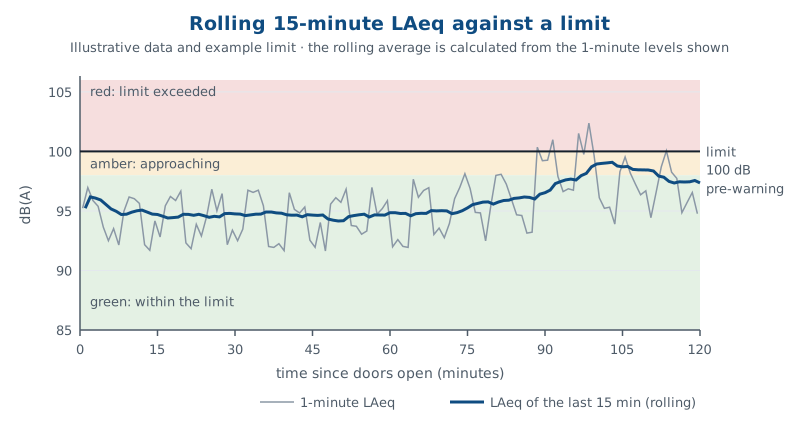
เพลงมีช่วงเบาและช่วงดังสลับกันตลอด ตัวเลขบนเครื่องวัดจึงกระโดดขึ้นลงตลอดเวลา ถ้าใช้ตัวเลขชั่วขณะเป็นเกณฑ์ ทุกครั้งที่กลองกระแทกก็จะเกินขีดจำกัด ซึ่งไม่ได้สะท้อนปริมาณเสียงที่หูได้รับจริงMusic keeps alternating between quiet and loud passages, so the meter reading jumps all the time. If the instantaneous number were the criterion, every drum hit would break the limit, which says little about how much sound the ears actually receive.
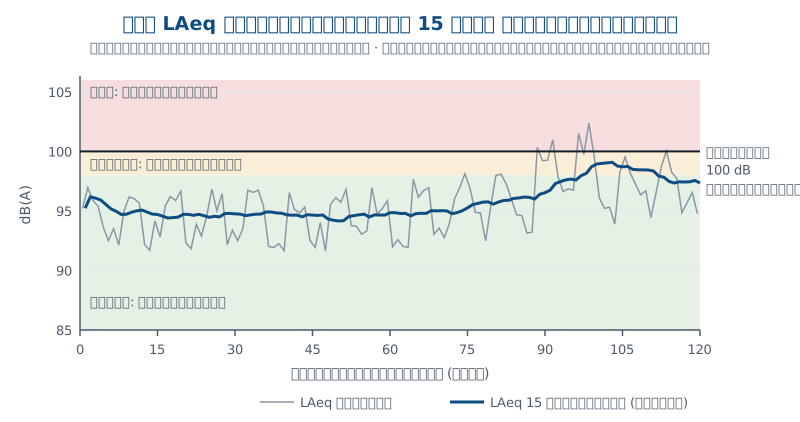
สิ่งที่ใช้จึงเป็น ระดับเสียงเฉลี่ยเทียบเท่า (Leq) คือระดับคงที่ที่มีพลังงานเสียงรวมเท่ากับเสียงจริงที่ขึ้นลงในช่วงเวลานั้น (อ่านเพิ่มในบทความเรื่อง Leq) ในงานแสดงสดมักคำนวณในช่วง 15 นาที หรือ 60 นาที แบบ เลื่อนต่อเนื่อง (moving / rolling window) หมายความว่าทุกขณะ เครื่องจะบอกค่าเฉลี่ยของ 15 หรือ 60 นาทีล่าสุด ไม่ใช่รอให้ครบชั่วโมงแล้วค่อยเริ่มนับใหม่The value used is therefore the equivalent continuous level (Leq): the steady level that carries the same total sound energy as the fluctuating sound over the period (see the Leq article). At live events it is usually calculated over 15 minutes or 60 minutes as a moving (rolling) window: at every moment the meter shows the average of the most recent 15 or 60 minutes, rather than waiting for the hour to finish and starting again.
ลองนึกถึงถังน้ำที่มีรูรั่ว เสียงดังคือการเทน้ำใส่ถังเร็ว ๆ ช่วงเพลงช้าคือเทน้อยลง ระดับน้ำในถัง (ค่าเฉลี่ย 15 นาที) ไม่ได้ขึ้นลงตามทุกจังหวะกลอง แต่สะท้อนว่าในช่วงหลังนี้เทมากหรือน้อย ถ้าเพลงดังติดต่อกันหลายเพลง ระดับน้ำจะค่อย ๆ สูงจนใกล้ขอบถัง ซาวด์เอนจิเนียร์จึงต้องเห็นแนวโน้มนี้ล่วงหน้า และลดลงในเพลงถัดไปThink of a bucket with a small leak. Loud music is pouring water in quickly; a slow song pours less. The water level (the 15-minute average) does not follow every drum beat; it reflects how much has been poured recently. After several loud songs in a row the level creeps towards the rim, so the engineer needs to see this trend early and pull back in the next song.
วัดค่าอะไรบ้างWhat is measured
| ค่าValue | ความหมายMeaning | ใช้ดูอะไรWhat it shows |
|---|---|---|
| LAeq (15 หรือ 60 นาที)LAeq (15 or 60 min) | ความหมายMeaningระดับเสียงเฉลี่ยถ่วงน้ำหนัก AA-weighted equivalent level | ใช้ดูอะไรWhat it showsระดับเสียงโดยรวมบนสเกลถ่วงน้ำหนัก A ที่เกณฑ์ด้านการได้ยินส่วนใหญ่ใช้ ใช้กับขีดจำกัดหลักOverall level on the A-weighted scale that most hearing-related limits use; used for the main limit |
| LCeqLCeq | ความหมายMeaningระดับเสียงเฉลี่ยถ่วงน้ำหนัก CC-weighted equivalent level | ใช้ดูอะไรWhat it showsเสียงความถี่ต่ำ (เบส) ซึ่งการถ่วงน้ำหนัก A ลดทอนไปมากLow-frequency (bass) energy, which A-weighting strongly reduces |
| LCpeakLCpeak | ความหมายMeaningค่ายอดสูงสุดของความดันเสียง ถ่วงน้ำหนัก CC-weighted peak sound pressure level | ใช้ดูอะไรWhat it showsเสียงกระแทกสั้นมากที่อาจเป็นอันตรายต่อหูทันทีVery short impulses that may harm hearing instantly |
ทำไมต้องมีทั้ง A และ C? การถ่วงน้ำหนัก A เป็นการถ่วงน้ำหนักมาตรฐานที่อิงคร่าว ๆ กับการที่หูไวต่อเสียงต่ำน้อยกว่าที่ระดับเสียงปานกลาง จึงลดทอนเบสไปมาก แต่ดนตรีสมัยใหม่มีเบสหนัก ถ้าดูแค่ dBA อาจไม่เห็นว่าเบสดังมาก ซึ่งเบสนี่เองที่มักเดินทางไปรบกวนเพื่อนบ้าน ค่า C จึงช่วยเติมภาพให้ครบ (ดูบทความเรื่อง dBA dBC และ dBZ)Why both A and C? A-weighting is a standardised weighting loosely modelled on the ear's lower sensitivity to low frequencies at moderate levels, so it strongly reduces bass. Modern music is bass-heavy; looking only at dBA can hide how loud the bass really is, and bass is exactly what tends to travel to the neighbours. The C value completes the picture (see the article on dBA, dBC and dBZ).
วัดที่ไหน: ตำแหน่ง FOH และค่าแก้Where to measure: the FOH position and the correction
ขีดจำกัดส่วนใหญ่ (ขึ้นกับกฎเกณฑ์ที่ใช้) หมายถึงระดับเสียงที่ ผู้ชมได้รับ โดยเฉพาะบริเวณที่ดังที่สุด เช่น หน้าเวที แต่การตั้งไมโครโฟนกลางฝูงชนตลอดงานทำได้ยาก จึงนิยมวัดที่ FOH (Front of House) ซึ่งคือตำแหน่งโต๊ะมิกซ์เสียงกลางพื้นที่ผู้ชม ที่ซาวด์เอนจิเนียร์อยู่และดูแลเครื่องได้ตลอดLimits often (depending on the applicable rules) refer to what the audience receives, especially at the loudest spot, such as in front of the stage. Keeping a microphone in the middle of the crowd all evening is impractical, so measurement is usually made at FOH (Front of House): the mixing desk position in the audience area, where the engineer is and can look after the meter.
- ก่อนผู้ชมเข้า วัดระดับเสียงพร้อมกันทั้งที่ FOH และที่ตำแหน่งผู้ชมที่ดังที่สุดBefore the audience arrives, measure at FOH and at the loudest audience position at the same time.
- เครื่องวัดคำนวณ ค่าแก้ (correction value) ซึ่งคือผลต่างระหว่างสองตำแหน่งนี้The meter calculates a correction value: the difference between the two positions.
- ระหว่างงาน วัดที่ FOH และรวมค่าแก้เข้าไป ตัวเลขที่แสดงและบันทึกจึงเป็นระดับเสียงในพื้นที่ผู้ชมจริง ถ้าระบบเสียง การตั้งค่า หรือผังผู้ชมเปลี่ยนไปมาก ควรหาค่าแก้ใหม่During the event, measure at FOH with the correction applied, so the displayed and logged values represent the audience area. If the system, its settings or the audience layout change significantly, determine the correction again.
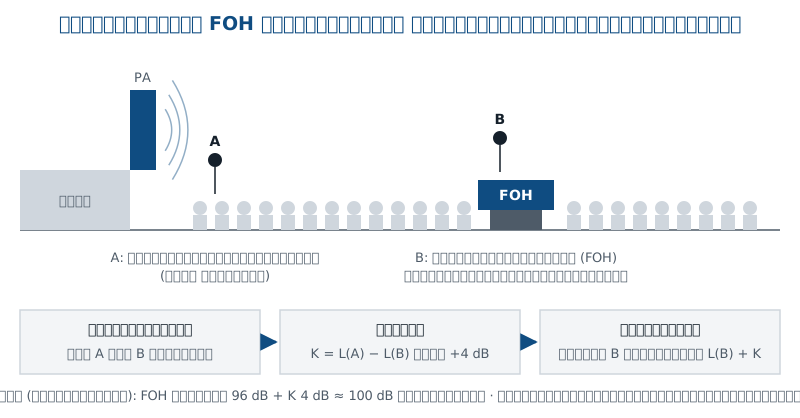
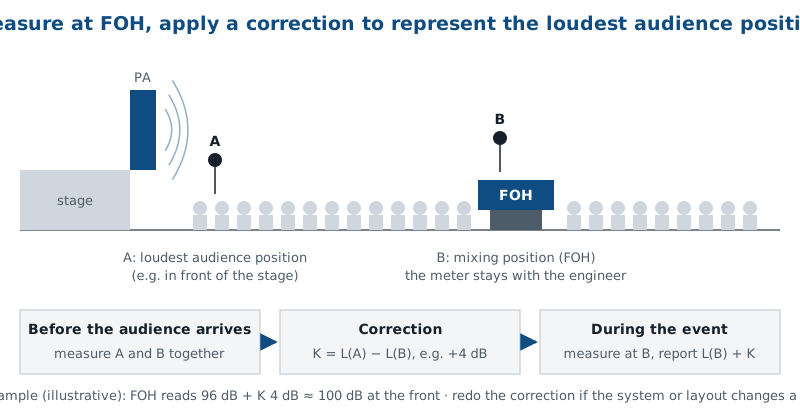
ถ้าตำแหน่งหน้าเวทีดังกว่า FOH อยู่ 4 dB เมื่อเครื่องที่ FOH วัดได้ 96 dB ค่าที่รายงานจะเป็นระดับของพื้นที่หน้าเวที คือประมาณ 100 dB ถ้าไม่แก้ค่า ซาวด์เอนจิเนียร์อาจคิดว่ายังห่างจากขีดจำกัด ทั้งที่ผู้ชมแถวหน้าได้รับเสียงเกินไปแล้ว (ตัวเลขนี้เป็นตัวอย่างสมมติ)If the area in front of the stage is 4 dB louder than FOH, then when the FOH meter reads 96 dB the reported value for the front area is about 100 dB. Without the correction, the engineer might think there is still headroom while the front rows are already over the limit. (These numbers are an illustrative example.)
แสดงขีดจำกัดให้ซาวด์เอนจิเนียร์เห็นอย่างไรHow limits are shown to the engineer
ซาวด์เอนจิเนียร์ต้องมองเวทีและฟังเพลง ไม่มีเวลาอ่านตัวเลขเล็ก ๆ บนเครื่องวัด ระบบเฝ้าระดับเสียงจึงออกแบบให้ เข้าใจได้ในพริบตาThe engineer is watching the stage and listening to the mix, with no time to read small numbers on a meter. Monitoring systems are therefore designed to be understood at a glance.
- สีแบบไฟจราจร: เขียว = อยู่ในขีดจำกัด เหลืองอำพัน = ใกล้ขีดจำกัด (เตือนล่วงหน้า) แดง = เกินขีดจำกัดTraffic-light colours: green = within the limit, amber = approaching the limit (pre-warning), red = limit exceeded.
- ตัวเลขขนาดใหญ่บนจอคอมพิวเตอร์ เช่น โปรแกรม Projector PRO ที่ต่อกับเครื่องวัด XL2 แสดงระดับเสียงได้หนึ่งถึงสามค่าพร้อมกันด้วยตัวอักษรใหญ่ และเปลี่ยนสีพื้นหลังตามขีดจำกัดที่ผู้ใช้ตั้งไว้Large numbers on a computer screen: for example Projector PRO with an XL2 meter shows one to three levels at once in large figures, with the background changing colour according to user-defined limits.
- การพยากรณ์ระดับเสียง ฟังก์ชัน Sound Level Predictor แสดงประวัติระดับเสียงในช่วงเวลาปัจจุบัน และบอกว่ายัง เหลือระยะ (headroom) อีกเท่าไรสำหรับช่วงที่เหลือหรือไม่กี่นาทีข้างหน้าLevel prediction: the Sound Level Predictor shows the level history of the current interval and indicates the headroom left for the rest of the period or the next few minutes.
- ไฟเตือนแยก (Limit Light) สำหรับวางไว้ในสายตาของผู้ควบคุมเสียงA separate warning light (Limit Light) placed in the engineer's line of sight.
การบันทึกข้อมูลและรายงานLogging and reporting
นอกจากการแสดงผลสด เครื่องวัดยังบันทึกค่าทั้งหมดตลอดงานโดยอัตโนมัติ และบันทึกไฟล์เสียง (แบบบีบอัด) ไปพร้อมกันได้ หลังงานจบจะได้รายงานที่มีกราฟระดับเสียงตลอดเวลา และถ้ามีช่วงที่เกินขีดจำกัด ก็เปิดฟังเสียงที่บันทึกไว้เพื่อดูว่าเกิดจากอะไร เช่น เป็นเสียงดนตรีจากเวที หรือเป็นเสียงผู้ชมตะโกนเชียร์ใกล้ไมโครโฟนBesides the live display, the meter automatically logs all values throughout the event and can record a (compressed) audio file at the same time. After the show a report shows the level history, and any period above the limit can be played back to find the cause: music from the stage, or the crowd cheering right next to the microphone.
- เป็นหลักฐานว่างานเป็นไปตามเงื่อนไขของใบอนุญาตหรือสถานที่Evidence that the event met the permit or venue conditions.
- ช่วยตอบเรื่องร้องเรียนจากเพื่อนบ้านด้วยข้อมูลจริงAnswers neighbour complaints with real data.
- ใช้วางแผนงานครั้งต่อไป เช่น ดูว่าช่วงใดของงานที่ระดับเสียงเข้าใกล้ขีดจำกัดHelps plan the next event, for example by showing which parts of the show came close to the limit.
คำศัพท์สำคัญKey terms
- FOH (Front of House)
- ตำแหน่งโต๊ะมิกซ์เสียงในพื้นที่ผู้ชมThe mixing desk position in the audience area.
- ขีดจำกัดระดับเสียง (sound limit)Sound limit
- ค่าสูงสุดที่อนุญาต กำหนดโดยกฎหมาย ใบอนุญาต หรือสถานที่The maximum allowed value, set by regulations, a permit or the venue.
- ค่าเฉลี่ยแบบเลื่อน (moving / rolling average)Moving (rolling) average
- ค่าเฉลี่ยของช่วงเวลาล่าสุดที่อัปเดตตลอด เช่น 15 นาทีล่าสุดAn average over the most recent period that updates continuously, such as the last 15 minutes.
- ค่าแก้ (correction value)Correction value
- ผลต่างระดับเสียงระหว่าง FOH กับตำแหน่งผู้ชมที่ดังที่สุดThe level difference between FOH and the loudest audience position.
- ระยะเหลือ (headroom)Headroom
- ระดับเสียงที่ยังเพิ่มได้ก่อนถึงขีดจำกัดในช่วงเวลาที่เหลือHow much level is still available before reaching the limit for the rest of the period.
ความเข้าใจผิดที่พบบ่อยCommon misunderstandings
- ตัวเลขที่ FOH คือสิ่งที่ผู้ชมได้ยิน — มักไม่ใช่ บริเวณหน้าเวทีอาจดังกว่า ต้องหาค่าแก้ก่อนงานเริ่มThe FOH reading is what the audience hears. Usually not; the area near the stage may be louder, so find the correction before the show.
- เกินขีดจำกัดแค่แวบเดียวก็ถือว่าผิด — ขีดจำกัดส่วนใหญ่ใช้ค่าเฉลี่ยในช่วงเวลา เช่น 15 หรือ 60 นาที แต่ค่ายอดอย่าง LCpeak เป็นอีกเกณฑ์หนึ่งที่ดูเหตุการณ์สั้น ๆOne brief exceedance breaks the limit. Most limits use a time average such as 15 or 60 minutes; peak values like LCpeak are a separate criterion for short events.
- ดู dBA อย่างเดียวก็พอ — เพลงที่เบสหนักอาจผ่านเกณฑ์ dBA แต่ยังรบกวนเพื่อนบ้าน ควรดู LCeq ด้วยdBA alone is enough. A bass-heavy show may pass in dBA yet still disturb neighbours; watch LCeq too.
- ลดเสียงตอนเห็นไฟแดงก็ทัน — ค่าเฉลี่ยตอบสนองช้า เมื่อไฟแดงขึ้นมักเกินไปแล้ว ควรใช้การเตือนล่วงหน้าและการพยากรณ์ระยะเหลือTurning down at red is soon enough. The average reacts slowly; by the time it turns red it is usually too late. Use the pre-warning and headroom prediction.
- เครื่องเฝ้าระดับเสียงบอกได้ว่าระบบเสียงจูนดีหรือฟังชัด — ไม่ใช่ การเฝ้าระดับเสียงตรวจเฉพาะว่าเป็นไปตามขีดจำกัดความดังหรือไม่ ส่วนการจูนระบบ (การตอบสนองความถี่ ดีเลย์ ความครอบคลุม) และความชัดเจนของเสียงพูด (STI) เป็นการวัดคนละเรื่องThe level monitor tells you whether the system is well tuned or intelligible. No: level monitoring only checks compliance with loudness limits. System tuning (frequency response, delay, coverage) and speech intelligibility (STI) are separate measurements.
นำไปใช้ที่ไหนWhere it is used
- คอนเสิร์ตและเทศกาลดนตรีทั้งในร่มและกลางแจ้งIndoor and open-air concerts and music festivals.
- ผับ บาร์ และสถานบันเทิงใกล้ที่พักอาศัย ที่ต้องเฝ้าระดับเสียงทุกคืนClubs, bars and entertainment venues near homes that need nightly monitoring.
- งานอีเวนต์ องค์กร และการแสดงในหอประชุมCorporate events and shows in auditoriums.
- สถานที่ที่มีเงื่อนไขเรื่องเสียงในใบอนุญาตVenues whose permits include sound conditions.