ทำไมเรื่องนี้สำคัญWhy this matters
สองห้องที่วัดได้ 40 dBA เท่ากันอาจรู้สึกต่างกันมาก ห้องหนึ่งมีเสียงลมเบา ๆ ที่แทบไม่รบกวน อีกห้องมีเสียงหึ่งความถี่ต่ำจากเครื่องส่งลมที่น่ารำคาญตลอดวัน ตัวเลข dBA ตัวเดียวไม่บอกความต่างนี้ ข้อกำหนดงานระบบปรับอากาศและงานออกแบบอาคารจึงนิยมระบุเป็นเกณฑ์ NC หรือ NR ซึ่งบังคับให้ดู รูปร่างของสเปกตรัม ถ้าอ่านค่าไม่ถูก หรือใช้เกณฑ์ผิดชุด อาจตัดสินผลตรวจรับผิดได้Two rooms that both measure 40 dBA can feel very different: one has a soft airflow hiss that hardly bothers anyone, the other a low-frequency hum from an air handler that annoys all day. A single dBA number does not show the difference. That is why HVAC and building design specifications often use NC or NR criteria, which force you to look at the shape of the spectrum. Reading the rating wrongly, or using the wrong family of curves, can lead to a wrong acceptance decision.
แนวคิดทั่วไป: เส้นโค้งเกณฑ์คืออะไรThe general concept: what a criterion curve is
แต่ละเกณฑ์เป็น ชุดเส้นโค้ง บนกราฟที่แกนนอนเป็นย่านออกเตฟ และแกนตั้งเป็นระดับความดันเสียง เส้นแต่ละเส้นมีชื่อเป็นตัวเลข เช่น NC-30 หรือ NR-35 ทุกเส้นลาดลงจากความถี่ต่ำไปความถี่สูง เพราะหูคนไวต่อเสียงความถี่สูงมากกว่า และทนเสียงความถี่ต่ำได้มากกว่าในระดับเดียวกัน เส้นโค้งจึงยอมให้ความถี่ต่ำมีระดับสูงกว่าEach criterion is a family of curves on a graph whose horizontal axis is octave bands and whose vertical axis is sound pressure level. Each curve is named by a number, such as NC-30 or NR-35. Every curve slopes downward from low to high frequencies, because the ear is more sensitive to high frequencies and more tolerant of low frequencies at the same level, so the curves allow higher levels at low frequencies.
- วัดสเปกตรัมย่านออกเตฟ ของเสียงพื้นหลังในห้อง ขณะระบบทำงานในสภาพที่ต้องการประเมิน โดยทั่วไปใช้ระดับเฉลี่ยเชิงพลังงาน (Leq) ต่อย่าน แบบ Z (nominally flat)Measure the octave-band spectrum of the room's background noise with the systems running in the condition to be assessed, usually as the energy-average level (Leq) per band, Z-weighted (nominally flat).
- วางสเปกตรัมบนชุดเส้นโค้ง ของเกณฑ์ที่ข้อกำหนดระบุPlot the spectrum on the family of curves named in the specification.
- หาเส้นโค้งต่ำสุดที่สเปกตรัมไม่เกินในทุกย่าน เลขของเส้นนั้นคือค่า NC หรือ NR ของห้อง วิธีนี้มักเรียกว่าวิธีสัมผัส (tangency) บางวิธีอนุญาตให้ประมาณค่าระหว่างเส้นเพื่อได้ค่าละเอียดขึ้น ให้ทำตามเอกสารที่อ้างอิงFind the lowest curve the spectrum does not exceed in any band. That curve's number is the room's NC or NR. This is often called the tangency method; some methods allow interpolation between curves for a finer value. Follow the referenced document.
- ดูว่าย่านไหนเป็นตัวกำหนดค่า ย่านที่แตะเส้นโค้งคือย่านที่เป็นปัญหา ซึ่งบอกวิศวกรว่าควรแก้ที่ต้นเหตุใดSee which band sets the rating. The band that touches the curve is the problem band, and it tells the engineer which cause to address.
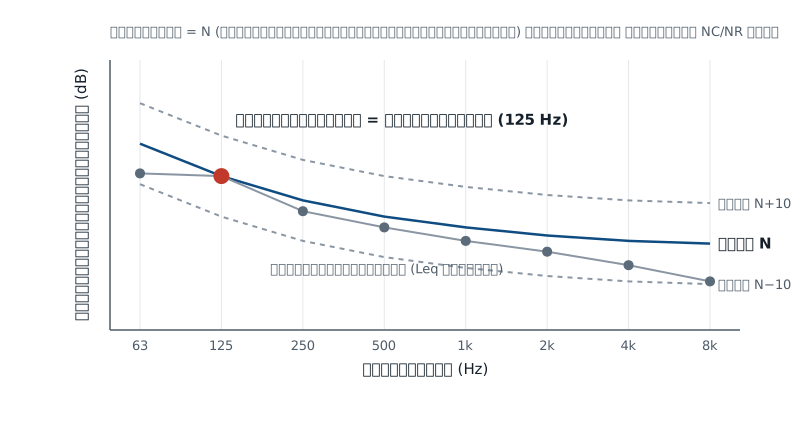
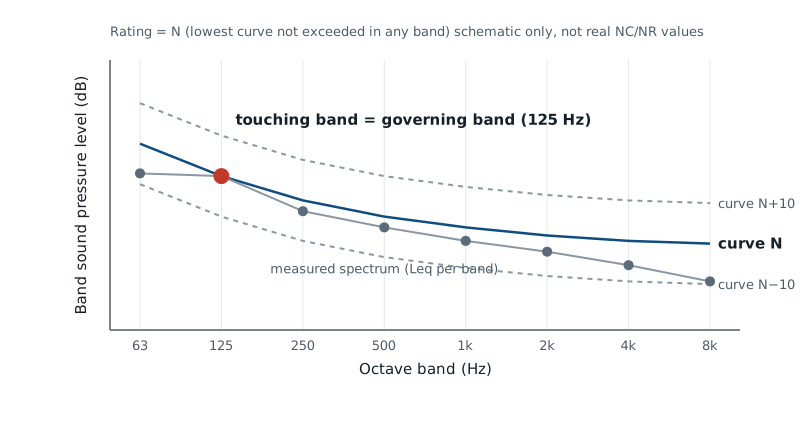
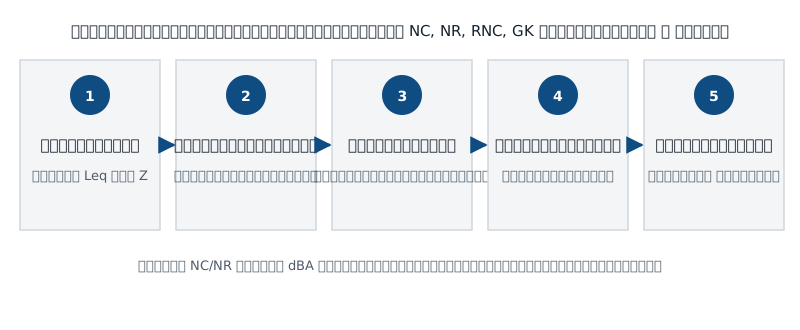
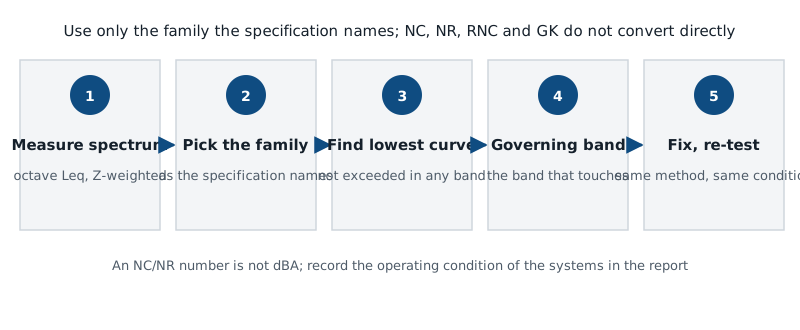
บทความนี้ไม่แสดงตารางค่าของเส้นโค้ง เพราะตารางเป็นเนื้อหาของมาตรฐานที่มีลิขสิทธิ์ ให้ใช้ค่าจากเอกสารต้นฉบับที่ข้อกำหนดของงานอ้างถึง หรือจากซอฟต์แวร์ที่คำนวณตามเอกสารนั้นThis article does not reproduce the curve tables, which are copyrighted standard content. Use the values from the original document the job specification refers to, or software that calculates according to it.
NC และ NR มาจากไหน และต่างกันอย่างไรWhere NC and NR come from, and how they differ
- NC (Noise Criteria): Leo Beranek เสนอเส้นโค้ง NC ในปี 1957 เพื่อให้สถาปนิกและวิศวกรกำหนดเสียงพื้นหลังในอาคารด้วยตัวเลขเดียวที่ยังสะท้อนสเปกตรัม ใช้กันมากในอเมริกาเหนือและในข้อกำหนดงานระบบปรับอากาศ ปัจจุบันเกณฑ์ NC อยู่ในมาตรฐานอเมริกัน ANSI/ASA S12.2 (Criteria for Evaluating Room Noise) ซึ่งมีวิธี RNC (Room Noise Criterion) สำหรับเสียงความถี่ต่ำที่ผันผวนด้วยNC (Noise Criteria): Leo Beranek proposed the NC curves in 1957 so that architects and engineers could specify background noise in buildings with one number that still reflects the spectrum. They are widely used in North America and in HVAC specifications. NC is now part of the American standard ANSI/ASA S12.2 (Criteria for Evaluating Room Noise), which also includes the RNC (Room Noise Criterion) method for fluctuating low-frequency noise.
- NR (Noise Rating): เส้นโค้ง NR ตีพิมพ์ในเอกสารข้อแนะนำ ISO/R 1996:1971 โดยอิงงานของ Kosten และ van Os NR ถูกใช้แพร่หลายในยุโรปและอีกหลายภูมิภาค รวมถึงข้อกำหนดงานอาคารที่อ้างแนวปฏิบัติแบบยุโรป เอกสาร ISO/R 1996:1971 ถูกยกเลิกแล้ว และมาตรฐาน ISO 1996 ฉบับปัจจุบันเป็นเรื่องเสียงในสิ่งแวดล้อม ซึ่งเป็นคนละเรื่องกัน การอ้าง NR จึงเป็นการอ้างเอกสารรุ่นเก่า ควรระบุแหล่งที่มาให้ชัดในข้อกำหนดNR (Noise Rating): the NR curves were published in the ISO Recommendation ISO/R 1996:1971, based on work by Kosten and van Os. NR is widely used in Europe and several other regions, including building specifications that follow European practice. ISO/R 1996:1971 has been withdrawn, and the current ISO 1996 standard deals with environmental noise, a different subject. Citing NR is therefore citing a legacy document; the specification should name its source clearly.
- เกณฑ์อื่นที่อาจพบ: RC (Room Criterion) และ NCB ซึ่งเคยอยู่ในเนื้อหาหลักของ ANSI S12.2 ฉบับก่อน (ฉบับ 2019 เก็บวิธี RC Mark II ไว้ในภาคผนวกเชิงข้อมูล) และ GK (Grenzkurven) ตาม DIN 15996 ในเยอรมนี แต่ละชุดมีรูปร่างเส้นโค้งและวิธีอ่านค่าของตัวเองOther criteria you may meet: RC (Room Criterion) and NCB, which were in the main text of earlier editions of ANSI S12.2 (the 2019 edition keeps the RC Mark II procedure in an informative annex), and GK (Grenzkurven) to DIN 15996 in Germany. Each has its own curve shapes and rating method.
NC กับ NR ไม่ใช่ตัวเลขเดียวกัน เส้นโค้งมีรูปร่างและช่วงความถี่ต่างกัน ห้องเดียวกันอาจได้ค่า NC และ NR ไม่เท่ากัน จึงแปลงค่าจากชุดหนึ่งไปอีกชุดตรง ๆ ไม่ได้ และไม่ควรเทียบกับ dBA ด้วยสูตรลัด ถ้าข้อกำหนดระบุ NC ต้องประเมินด้วย NCNC and NR are not the same number. The curves differ in shape and frequency range, so the same room can have different NC and NR values. You cannot convert one directly into the other, nor into dBA with a shortcut formula. If the specification says NC, assess with NC.
ชั้นวิศวกรรม: วัดให้ได้ข้อมูลที่ใช้ประเมินได้Engineering layer: measuring data you can rate
- กำหนดสภาพการทำงานก่อนวัด: ระบบปรับอากาศที่ความเร็วพัดลมใด เครื่องทำงานกี่เครื่อง ห้องว่างหรือมีเฟอร์นิเจอร์ ประตูหน้าต่างปิดหรือเปิด สิ่งเหล่านี้ต้องตรงกับที่ข้อกำหนดระบุ และบันทึกไว้ในรายงานFix the operating condition before measuring: which fan speed, how many units running, empty or furnished room, doors and windows open or closed. These must match the specification and be recorded in the report.
- เลือกตำแหน่งที่เป็นตัวแทน: จุดที่คนใช้งานจริง หลายจุด และไม่ชิดหน้ากากจ่ายลมหรือผนังเกินไป เว้นแต่ข้อกำหนดระบุตำแหน่งไว้Choose representative positions: where people actually sit or work, several of them, and not too close to diffusers or walls, unless the specification defines the positions.
- แยกเสียงของระบบออกจากเสียงอื่น: วัดทั้งขณะระบบทำงานและขณะปิด ถ้าทำได้ เพื่อดูว่าเสียงพื้นหลังจากภายนอก เช่น การจราจร มีผลต่อย่านใดบ้างSeparate the system from other noise: measure with the systems on and, where possible, off, to see which bands are affected by other background noise such as traffic.
- ตรวจช่วงย่านความถี่ที่วิธีประเมินต้องใช้: แต่ละวิธีครอบคลุมย่านออกเตฟไม่เท่ากัน โดยเฉพาะย่านความถี่ต่ำ เครื่องวัดต้องวัดได้ครบและเสียงรบกวนในตัวต้องต่ำพอในย่านนั้นCheck the band range the method needs: methods cover different octave bands, especially at low frequencies. The meter must measure them all, with low enough self-noise in those bands.
- ใช้ระยะเวลาเฉลี่ยพอ: เสียงระบบปรับอากาศมักผันผวน ให้วัดนานพอให้ค่า Leq ต่อย่านนิ่ง และถ้าได้ยินเสียงความถี่ต่ำเป็นจังหวะ ให้พิจารณาวิธีที่ออกแบบมาสำหรับเสียงผันผวน เช่น RNC ถ้าข้อกำหนดอนุญาตAverage long enough: HVAC noise often fluctuates; measure until each band's Leq is stable, and if low-frequency surging is audible, consider a method designed for fluctuating noise, such as RNC, where the specification allows.
ในเครื่องมือ NTi AudioHow NTi Audio equipment fits
ส่วนนี้เป็นข้อมูลเฉพาะของ NTi Audio ซอฟต์แวร์ Room Acoustics Reporter นำเข้าข้อมูลสเปกตรัม (RTA) จาก XL2 / XL3 รวมถึงข้อมูลจากฟังก์ชัน Noise Curves ของ XL2 เพื่อเฉลี่ยสเปกตรัมเสียงพื้นหลังและเทียบกับช่วงเป้าหมายตามการใช้งานของห้อง NTi Audio ระบุว่ารองรับ NC และ RNC ตาม ANSI/ASA S12.2-2019, NR ตาม ISO/R 1996-1971 และ GK ตาม DIN 15996:2020This part is NTi Audio-specific. The Room Acoustics Reporter software imports spectrum (RTA) data from the XL2 / XL3, including data from the XL2's Noise Curves function, to average the background-noise spectrum and compare it with the target range for the room's use. NTi Audio lists support for NC and RNC to ANSI/ASA S12.2-2019, NR to ISO/R 1996-1971 and GK to DIN 15996:2020.
ตัวอย่างงานวิศวกรรมPractical engineering example
ข้อกำหนดของห้องประชุมผู้บริหารระบุเกณฑ์เสียงพื้นหลังเป็นค่า NC ขณะระบบปรับอากาศทำงานเต็มกำลัง ผลวัดรวมได้ระดับ dBA ที่ดูไม่สูง แต่เมื่อวางสเปกตรัมย่านออกเตฟบนเส้นโค้ง NC พบว่าย่าน 125 Hz เป็นย่านเดียวที่ดันค่าขึ้นเกินเกณฑ์ ขณะที่ย่านอื่นต่ำกว่าเส้นเป้าหมายมาก ลักษณะนี้ชี้ไปที่เสียงหึ่งจากพัดลมหรือเครื่องส่งลมที่เดินทางมาตามท่อ ไม่ใช่เสียงลมที่หน้ากากจ่ายลม การแก้จึงเน้นตัวลดเสียงในท่อและการแยกการสั่นสะเทือนของเครื่อง แล้ววัดซ้ำด้วยวิธีเดิมเพื่อยืนยันผลA boardroom specification sets a background-noise criterion as an NC value with the air-conditioning at full duty. The overall dBA result does not look high, but plotted on the NC curves the octave-band spectrum shows that the 125 Hz band alone pushes the rating over the limit, while the other bands are well below the target curve. That pattern points to fan or air-handler rumble travelling along the ducts, not airflow noise at the diffusers. The fix therefore focuses on duct silencers and vibration isolation of the unit, followed by a repeat measurement with the same method to confirm the result.
ความเข้าใจผิดที่พบบ่อยCommon misunderstandings
- “NC 30 เท่ากับ 30 dBA” ไม่ใช่ NC เป็นเลขของเส้นโค้งที่ใช้กับสเปกตรัมย่านออกเตฟ ไม่ใช่ระดับเสียงถ่วงน้ำหนัก A“NC 30 equals 30 dBA.” No. NC is the number of a curve applied to an octave-band spectrum, not an A-weighted level.
- “NC กับ NR ใช้แทนกันได้” ไม่ได้ เส้นโค้งต่างกัน ต้องใช้ชุดที่ข้อกำหนดระบุ“NC and NR are interchangeable.” No. The curves differ; use the family named in the specification.
- “NR เป็นมาตรฐาน ISO ปัจจุบัน” เอกสาร ISO/R 1996:1971 ถูกยกเลิกแล้ว NR ยังใช้กันแพร่หลายแต่เป็นการอ้างอิงรุ่นเก่า“NR is a current ISO standard.” ISO/R 1996:1971 has been withdrawn; NR is still widely used, but as a legacy reference.
- “วัดตอนไหนก็ได้” ต้องวัดในสภาพการทำงานที่ข้อกำหนดระบุ และแยกเสียงจากภายนอกหรือกิจกรรมอื่นออก“Any time will do.” Measure in the operating condition the specification defines, and keep out noise from outside or other activities.
คำถามที่พบบ่อยFrequently asked questions
ห้องประชุมควรได้ค่า NC หรือ NR เท่าไรWhat NC or NR should a meeting room achieve?
บทความนี้ไม่ให้ตัวเลขเป้าหมาย เพราะค่าที่เหมาะสมขึ้นกับการใช้งานห้อง แนวปฏิบัติที่อ้างอิง และข้อกำหนดของโครงการ ให้ใช้ค่าจากข้อกำหนดของงานหรือแนวทางการออกแบบที่โครงการเลือกใช้ และระบุชุดเส้นโค้งกับเอกสารต้นทางให้ชัดThis article gives no target numbers, because a suitable value depends on the room's use, the guidance followed and the project specification. Take the value from the job specification or the design guidance the project adopts, and name the curve family and its source document clearly.
วัดด้วยเครื่องที่วัดได้แต่ dBA ได้ไหมCan I measure with a meter that only gives dBA?
ไม่ได้ การประเมิน NC หรือ NR ต้องใช้สเปกตรัมย่านออกเตฟ เครื่องวัดต้องมีตัวกรองย่านออกเตฟ (หรือ 1/3 ออกเตฟที่รวมเป็นออกเตฟได้) ตาม IEC 61260No. NC or NR assessment needs an octave-band spectrum, so the meter must have octave-band filters (or 1/3-octave bands that can be combined into octaves) to IEC 61260.
ถ้าย่านเดียวเกินเกณฑ์ ถือว่าไม่ผ่านไหมIf only one band exceeds the curve, does the room fail?
ในวิธีสัมผัส ย่านเดียวที่สูงที่สุดเมื่อเทียบกับเส้นโค้งเป็นตัวกำหนดค่าของห้อง ถ้าค่านั้นเกินเกณฑ์ ผลก็เกินเกณฑ์ แม้ย่านอื่นจะต่ำ ข้อดีคือบอกได้ทันทีว่าต้องแก้ที่ย่านใด การตัดสินผ่านหรือไม่ผ่านขั้นสุดท้ายเป็นไปตามข้อกำหนดของงานWith the tangency method, the single band that is highest relative to the curves sets the room's rating, so if that value exceeds the criterion, the result exceeds it even if the other bands are low. The benefit is that it shows immediately which band needs fixing. The final pass/fail decision follows the job specification.
ควรวัดเสียงพื้นหลังขณะห้องมีคนหรือไม่มีคนShould background noise be measured with the room occupied or empty?
เกณฑ์ NC และ NR ใช้กับเสียงพื้นหลังจากระบบอาคารและภายนอก จึงมักวัดขณะไม่มีกิจกรรมของคนในห้อง แต่ระบบทำงานตามสภาพที่กำหนด ให้ตรวจข้อกำหนดของงานว่าระบุไว้อย่างไรNC and NR address background noise from building services and outside, so measurements are usually made without occupant activity but with the systems running in the defined condition. Check what the job specification says.
คำศัพท์สำคัญKey terms
- NC (Noise Criteria)
- ชุดเส้นโค้งเกณฑ์เสียงพื้นหลังในอาคาร พัฒนาโดย Beranek ปัจจุบันอยู่ใน ANSI/ASA S12.2A family of indoor background-noise curves developed by Beranek, now in ANSI/ASA S12.2.
- NR (Noise Rating)
- ชุดเส้นโค้งจาก ISO/R 1996:1971 (ยกเลิกแล้ว) ยังใช้แพร่หลายในข้อกำหนดงานอาคารA family of curves from ISO/R 1996:1971 (withdrawn), still widely used in building specifications.
- RNC (Room Noise Criterion)
- วิธีใน ANSI/ASA S12.2 สำหรับประเมินเสียงความถี่ต่ำที่ผันผวนThe ANSI/ASA S12.2 method for evaluating fluctuating low-frequency noise.
- วิธีสัมผัส (Tangency method)Tangency method
- การหาค่าจากเส้นโค้งต่ำสุดที่สเปกตรัมไม่เกินในทุกย่านRating by the lowest curve the spectrum does not exceed in any band.
- สเปกตรัมย่านออกเตฟ (Octave-band spectrum)Octave-band spectrum
- ระดับเสียงแยกตามย่านความถี่ที่แต่ละย่านกว้างหนึ่งออกเตฟSound levels split into frequency bands, each one octave wide.