ก่อนอ่านบทความนี้Before you read
บทความนี้อยู่ในหมวดการวัด ควรอ่านเรื่องไมโครโฟนวัดเสียง สนามเสียงอิสระ และเสียงพื้นหลังกับการแก้ค่ามาก่อน เพราะสภาพอากาศกลางแจ้งส่วนใหญ่ส่งผลในรูปของ “เสียงรบกวนที่ไม่ต้องการ” และ “ตำแหน่งวัดที่เปลี่ยนสนามเสียง” ส่วนการนำไปใช้จริงดูได้ในคู่มือการสำรวจเสียงสิ่งแวดล้อมและการเฝ้าระวังเสียงระยะยาวThis article belongs to the measurement section. It helps to read about measurement microphones, the free field, and background noise and correction first, because most outdoor weather effects appear as “unwanted noise” or as “a measuring position that changes the sound field”. For practical use, see the guides to environmental noise surveys and long-term monitoring.
ทำไมการวัดกลางแจ้งจึงยากWhy outdoor measurement is difficult
ในห้อง เราควบคุมเงื่อนไขได้เกือบทั้งหมด แต่กลางแจ้งไม่ใช่อย่างนั้น ลมเปลี่ยนแรงและทิศทุกนาที อุณหภูมิอากาศใกล้พื้นต่างกันระหว่างกลางวันกับกลางคืน ฝนตกได้ทุกเมื่อ โดยเฉพาะในภูมิอากาศร้อนชื้นที่มีพายุฝนช่วงบ่ายและความชื้นสูงเกือบตลอดปี นอกจากนี้ยังมีพื้นดิน ผนังอาคาร และรั้วที่สะท้อนเสียง ซึ่งเปลี่ยนระดับที่ไมโครโฟนได้โดยไม่เกี่ยวกับแหล่งเสียงเลยIndoors we control almost every condition; outdoors we do not. Wind changes strength and direction every minute, the air temperature near the ground differs between day and night, and rain can arrive at any time, especially in a hot, humid climate with afternoon storms and high humidity for most of the year. On top of that, the ground, building walls and fences reflect sound and change the level at the microphone without any change in the source.
ผลคือ ตัวเลขเดียวที่วัดได้กลางแจ้งอาจไม่ได้บอก “เสียงของแหล่ง” อย่างที่เราคิด ผู้วัดต้องแยกให้ได้ว่า ส่วนไหนเป็นเสียงจริงจากแหล่ง ส่วนไหนเป็นผลของลมที่ไมโครโฟน และส่วนไหนเป็นผลของสภาพการเดินทางของเสียงในวันนั้นAs a result, a single outdoor number may not describe “the source’s sound” as we assume. The person measuring has to tell apart the real sound from the source, the effect of wind at the microphone, and the effect of that day’s propagation conditions.
เสียงลมที่ไมโครโฟนWind-induced noise at the microphone
เมื่อลมพัดผ่านไมโครโฟน อากาศรอบตัวไมโครโฟนเกิดความปั่นป่วน (Turbulence) ความดันอากาศที่หน้าไดอะแฟรมจึงผันผวนไปมา ไมโครโฟนแยกไม่ออกว่าความผันผวนนี้ไม่ใช่เสียงที่เดินทางมาจากแหล่ง จึงวัดออกมาเป็นระดับเสียง ปรากฏการณ์นี้เรียกว่า เสียงรบกวนจากลม (Wind-induced noise) เหมือนเสียงหึ่ง ๆ ที่ได้ยินเวลาอัดเสียงด้วยโทรศัพท์ในวันลมแรงWhen wind blows past a microphone, the air around it becomes turbulent and the pressure at the diaphragm fluctuates. The microphone cannot tell that these fluctuations are not sound travelling from a source, so it measures them as sound level. This is wind-induced noise, like the rumble you hear when recording with a phone on a windy day.
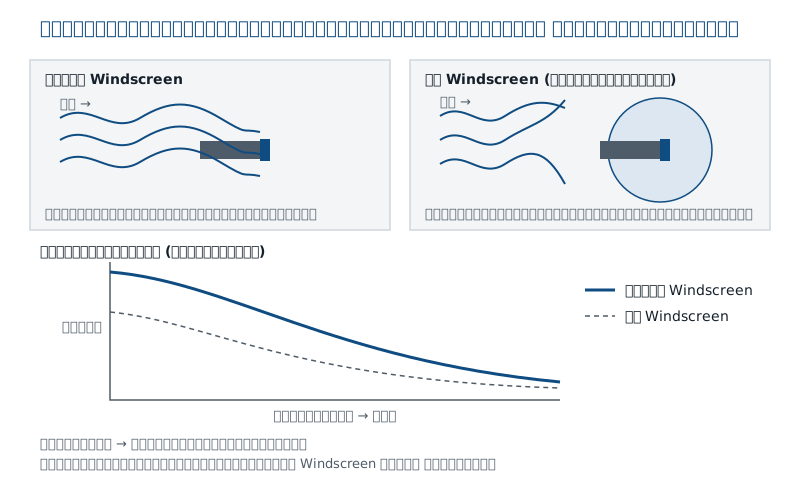
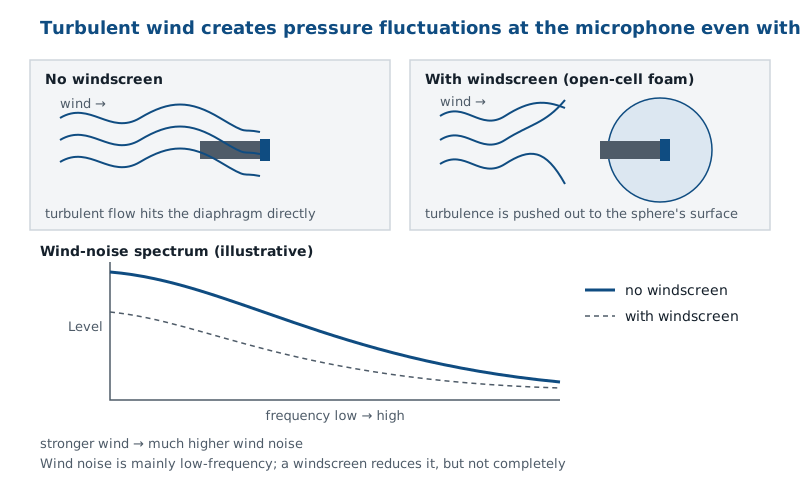
- อยู่ที่ความถี่ต่ำเป็นหลัก: เสียงลมมีพลังงานมากที่ความถี่ต่ำ ค่า dB(A) ซึ่งลดน้ำหนักความถี่ต่ำจึงได้รับผลน้อยกว่าค่า dB(C), dB(Z) หรือย่านออกเตฟต่ำ งานที่ต้องวัดความถี่ต่ำจึงเสี่ยงกับลมมากที่สุดMainly low-frequency: wind noise carries most of its energy at low frequencies, so dB(A), which de-emphasises low frequencies, is affected less than dB(C), dB(Z) or the low octave bands. Low-frequency work is the most exposed to wind.
- เพิ่มเร็วตามความเร็วลม: ลมแรงขึ้นเพียงเล็กน้อยอาจทำให้เสียงลมเพิ่มขึ้นมาก ช่วงที่มีลมกระโชกจึงอาจทำให้ Leq และค่าสูงสุดสูงขึ้นโดยไม่มีเสียงจริงเพิ่มRises quickly with wind speed: a small increase in wind can raise wind noise a lot, so gusty periods can lift the Leq and the maximum levels with no real sound increase.
- สังเกตได้: ระดับย่านต่ำแกว่งขึ้นลงตามลมกระโชก ฟังเสียงที่บันทึกไว้แล้วได้ยินเสียงลมตีไมโครโฟน หรือระดับสัมพันธ์กับความเร็วลมที่บันทึกไว้It can be recognised: low-band levels swing with the gusts, recorded audio has the sound of wind buffeting the microphone, or the level correlates with the recorded wind speed.
Windscreen ช่วยได้แค่ไหนHow far a windscreen helps
Windscreen ทั่วไปคือลูกฟองน้ำเซลล์เปิด (Open-cell foam) ที่สวมรอบไมโครโฟน เสียงผ่านฟองน้ำได้เกือบไม่ลดลง แต่กระแสลมที่ปั่นป่วนถูกดันออกไปที่ผิวนอกของลูกฟองน้ำ ความผันผวนของความดันที่ไปถึงไดอะแฟรมจึงลดลงมาก ยิ่งลูกใหญ่ ไมโครโฟนยิ่งอยู่ห่างจากความปั่นป่วน และยิ่งช่วยที่ความถี่ต่ำได้ดีขึ้น ชุดไมโครโฟนกลางแจ้งสำหรับติดตั้งระยะยาวจึงมักใช้ Windscreen ขนาดใหญ่กว่าลูกที่ใช้วัดแบบถือมือA typical windscreen is an open-cell foam ball fitted around the microphone. Sound passes through the foam almost unchanged, but the turbulent flow is pushed out to the ball’s outer surface, so the pressure fluctuations reaching the diaphragm fall considerably. The larger the ball, the further the microphone sits from the turbulence and the better it helps at low frequencies. Outdoor sets for long-term installation therefore often use a larger windscreen than the ball used for handheld measurements.
- ลดได้ แต่ไม่หมด: ในลมแรง เสียงลมยังคงเกินเสียงที่ต้องการวัดได้ โดยเฉพาะที่ความถี่ต่ำ Windscreen ไม่ได้ทำให้วัดในลมแรงได้เสมอไปReduces, but does not remove: in strong wind, wind noise can still exceed the sound being measured, especially at low frequencies. A windscreen does not make every windy day measurable.
- มีผลต่อผลตอบสนองความถี่เล็กน้อย: Windscreen และชุดป้องกันสภาพอากาศเปลี่ยนผลตอบสนองที่ความถี่สูงได้บ้าง เครื่องวัดบางรุ่นจึงมีค่าแก้หรือ Filter สำหรับอุปกรณ์เสริมที่ใช้ ต้องเลือกให้ตรงกับของที่ติดจริงSlightly affects the frequency response: windscreens and weather protection can change the high-frequency response a little, so some meters provide a correction or filter for the accessory in use. Select the one that matches what is actually fitted.
- ฟองน้ำเปียกหรือเสื่อม: ฟองน้ำที่อุ้มน้ำ สกปรก หรือกรอบแตกจะทำงานไม่เหมือนเดิม ต้องตรวจและเปลี่ยนตามรอบWet or aged foam: foam that is soaked, dirty or brittle no longer behaves as designed; inspect and replace it on schedule.
- ไม่ได้กันลมที่ต้นทาง: ลมยังพัดเสียงของต้นไม้ ใบไม้ และวัตถุรอบ ๆ ซึ่งเป็นเสียงจริงที่ Windscreen ไม่ได้ช่วยตัดออกIt does not stop wind at the source: wind still makes trees, leaves and nearby objects rustle and rattle. That is real sound, and a windscreen does not remove it.
หลายวิธีวัดและแนวทางการประเมินกำหนดความเร็วลมสูงสุดที่ความสูงไมโครโฟน และกำหนดว่าต้องใช้ Windscreen ตัวเลขที่ใช้ขึ้นกับวิธีวัดและประเทศ จึงต้องตรวจในวิธีที่ใช้จริงก่อนออกภาคสนามMany measurement methods and assessment guidelines set a maximum wind speed at microphone height and require a windscreen. The value depends on the method and the country, so check it in the method you actually use before going to the field.
ฝน ความชื้น และอุณหภูมิที่ตัวเครื่องRain, humidity and temperature at the instrument
ฝน สร้างเสียงจริงจากเม็ดฝนกระทบ Windscreen หลังคา ใบไม้ และพื้น และทำให้ถนนเปียก ซึ่งมักทำให้เสียงยางรถบนถนนดังขึ้น ข้อมูลช่วงฝนตกจึงมักไม่เป็นตัวแทนของสภาพปกติ วิธีวัดส่วนใหญ่ให้คัดช่วงนั้นออก การเฝ้าระวังระยะยาวจึงควรมีข้อมูลว่าฝนตกช่วงไหน เพื่อทำเครื่องหมายหรือตัดข้อมูลออกภายหลังRain makes real noise as drops hit the windscreen, roofs, leaves and the ground, and it wets roads, which usually makes tyre noise louder. Data from rainy periods therefore rarely represent normal conditions, and most methods exclude them. Long-term monitoring should know when it rained so those periods can be flagged or removed later.
ความชื้นและอุณหภูมิ มีผลสองทาง ทางแรกคือตัวเครื่อง ไอน้ำที่ควบแน่นในไมโครโฟนหรือขั้วต่ออาจทำให้ความไวเปลี่ยนหรือเกิดเสียงรบกวนทางไฟฟ้า การย้ายเครื่องจากห้องแอร์ออกไปที่อากาศร้อนชื้นทันทีเสี่ยงต่อการควบแน่น ควรปล่อยให้เครื่องปรับอุณหภูมิก่อน และตรวจสอบเทียบด้วยเครื่องสอบเทียบเสียงทั้งก่อนและหลังการวัด ทางที่สองคืออากาศเอง อากาศดูดซับเสียงความถี่สูงมากกว่าความถี่ต่ำ ปริมาณการดูดซับขึ้นกับอุณหภูมิและความชื้น (คำนวณได้ตาม ISO 9613-1) ผลนี้สำคัญที่ระยะไกลและความถี่สูงHumidity and temperature act in two ways. First on the instrument: condensation inside the microphone or connectors can shift the sensitivity or cause electrical noise. Moving equipment straight from an air-conditioned room into hot, humid air risks condensation, so let it acclimatise, and check it with a sound calibrator before and after the measurement. Second on the air itself: air absorbs high frequencies more than low ones, and the amount depends on temperature and humidity (it can be calculated with ISO 9613-1). This matters at long distances and high frequencies.
ลมและอุณหภูมิเปลี่ยนการเดินทางของเสียงWind and temperature change how sound travels
ความเร็วเสียงขึ้นกับอุณหภูมิอากาศ และเสียงที่เดินทางตามลมจะเร็วขึ้นเมื่อเทียบกับพื้น เมื่ออุณหภูมิหรือความเร็วลมเปลี่ยนตามความสูง หน้าคลื่นเสียงจึงเอียง และทางเดินของเสียงโค้ง เรียกว่า การหักเห (Refraction) โดยเสียงจะโค้งเข้าหาบริเวณที่ความเร็วเสียงต่ำกว่าThe speed of sound depends on air temperature, and sound travelling with the wind moves faster relative to the ground. When temperature or wind speed changes with height, the wavefront tilts and the sound path curves. This is refraction: sound bends towards the region where the speed of sound is lower.
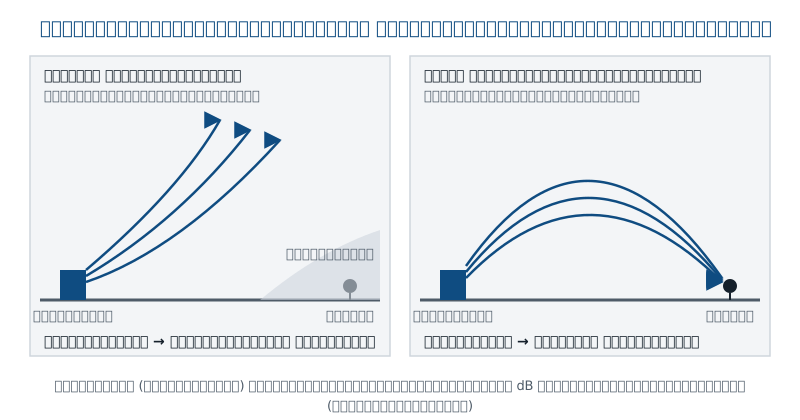
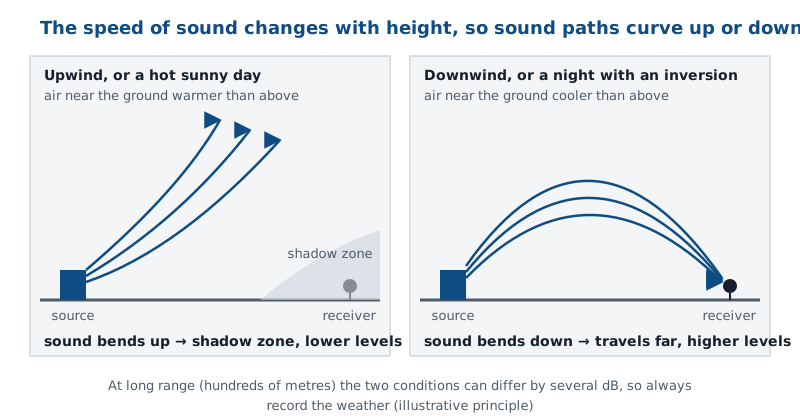
- กลางวันแดดจัด: พื้นร้อน อากาศใกล้พื้นร้อนกว่าข้างบน เสียงโค้งขึ้น จุดวัดที่ไกลอาจได้ยินเสียงเบาลงSunny daytime: the ground is hot and the air near it warmer than above, so sound bends upwards and distant receivers may hear less.
- กลางคืนฟ้าโปร่งลมสงบ: พื้นเย็นตัวเร็ว เกิด อุณหภูมิผกผัน (Temperature inversion) เสียงโค้งลง เสียงจากโรงงานหรือทางด่วนที่ไกลจึงอาจชัดขึ้นตอนกลางคืนClear, calm night: the ground cools quickly and a temperature inversion forms; sound bends down, which is why a distant factory or expressway can seem clearer at night.
- ใต้ลม: จุดวัดอยู่ปลายลมจากแหล่งเสียง เสียงโค้งลง ระดับสูงกว่าวันที่ลมพัดกลับทางDownwind: with the receiver downwind of the source, sound bends down and levels are higher than on a day with the wind reversed.
ที่ระยะใกล้ (ไม่กี่สิบเมตร) ผลนี้มักเล็ก แต่ที่ระยะหลายร้อยเมตร ความต่างระหว่างสภาพที่เสียงเดินทางดีกับสภาพที่ไม่ดีอาจมากหลาย dB การพยากรณ์ตาม ISO 9613-2 ใช้สภาพที่เอื้อต่อการเดินทางของเสียง (ใต้ลมหรืออุณหภูมิผกผันระดับปานกลาง) เป็นฐาน ส่วน ISO 1996-2 อธิบายว่าต้องพิจารณาและบันทึกสภาพอุตุนิยมวิทยาในการวัด การวัดครั้งเดียวในวันเดียวจึงอาจไม่เป็นตัวแทน ควรวัดซ้ำในหลายสภาพ หรือวัดระยะยาวAt short range (a few tens of metres) the effect is usually small, but at several hundred metres the difference between favourable and unfavourable conditions can be several dB. Predictions to ISO 9613-2 are based on conditions favourable to propagation (downwind or a moderate inversion), while ISO 1996-2 explains that meteorological conditions must be considered and recorded when measuring. A single measurement on a single day may therefore not be representative; repeat under several conditions, or measure long-term.
ความสูงไมโครโฟนและพื้นผิวสะท้อนMicrophone height and reflecting surfaces
พื้นที่โล่งกลางแจ้งที่ห่างจากอาคารและสิ่งสะท้อนอื่นมักมีสภาพใกล้เคียง สนามเสียงอิสระเหนือพื้นสะท้อน (free field over a reflecting plane) ไม่ใช่สนามเสียงอิสระสมบูรณ์ทุกทิศทาง เพราะเกือบทุกกรณีมีพื้นอยู่ เสียงที่มาถึงไมโครโฟนจึงเป็นเสียงตรงรวมกับเสียงสะท้อนจากพื้น ผลรวมขึ้นกับความสูงของแหล่งเสียงและไมโครโฟน ระยะ และชนิดพื้น (คอนกรีตสะท้อนมาก หญ้าและดินร่วนดูดซับบางส่วน) ดังนั้นความสูงไมโครโฟนต้องเป็นไปตามวิธีวัด ISO 1996-2 แนะนำความสูง 4.0 m (±0.2 m) สำหรับการทำแผนที่เสียงทั่วไปหากไม่ได้กำหนดเป็นอย่างอื่น และงานประเมินอื่นอาจกำหนดความสูงอื่น เช่น 1.5 mAn open outdoor site away from buildings and other reflectors is essentially a free field over a reflecting plane, not a free field in every direction, because the ground is almost always present. The sound reaching the microphone is the direct sound plus the ground reflection, and the combination depends on the source and microphone heights, the distance and the ground type (concrete reflects strongly; grass and loose soil absorb some). The microphone height must therefore follow the method. ISO 1996-2 recommends 4.0 m (±0.2 m) for general noise mapping unless otherwise specified, and other assessments may specify other heights, such as 1.5 m.
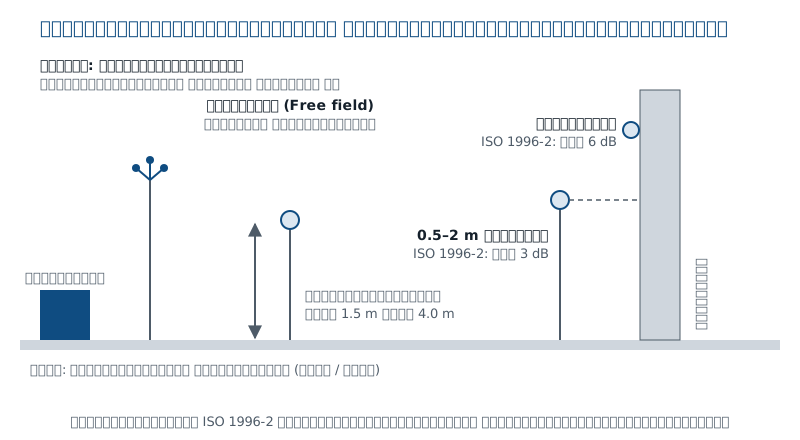
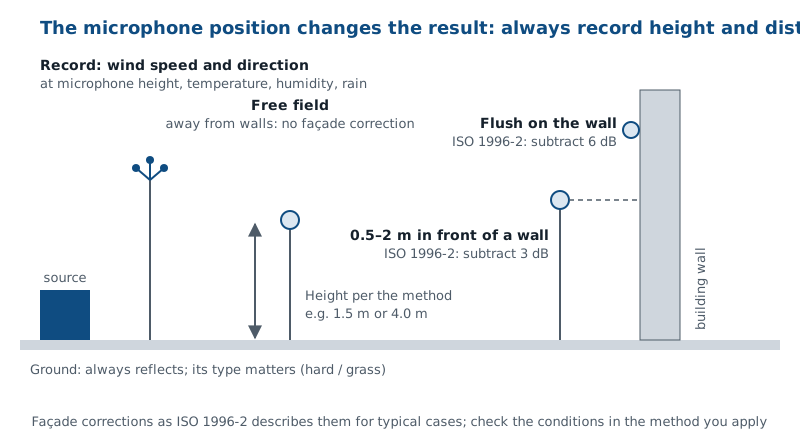
- ผนังด้านหลังไมโครโฟน: เสียงสะท้อนจากผนังเพิ่มระดับที่ไมโครโฟน ในงานประเมินหน้าอาคาร ISO 1996-2 อธิบายค่าแก้สำหรับกรณีทั่วไปไว้ (ดูภาพ) แต่ต้องตรวจเงื่อนไขของวิธีที่ใช้ และบันทึกระยะจากผนังเสมอA wall behind the microphone: its reflection raises the level at the microphone. For façade assessments ISO 1996-2 describes corrections for typical cases (see figure), but check the conditions of your method and always record the distance from the wall.
- วัตถุใกล้ไมโครโฟน: รถที่จอด รั้วโลหะ หรือป้าย อาจสะท้อนเสียงหรือสั่นเองเมื่อมีลม ให้ห่างไว้Objects near the microphone: parked cars, metal fences or signs can reflect sound or rattle in the wind; keep clear of them.
- ตัวผู้วัดเอง: ร่างกายของคนสะท้อนและบังเสียง เมื่อวัดแบบถือมือ ให้ยื่นเครื่องออกห่างตัวหรือใช้ขาตั้งกับสายต่อไมโครโฟนThe person measuring: a body reflects and shadows sound. For handheld measurements hold the meter away from the body, or use a tripod and a microphone extension cable.
ชุดวัดกลางแจ้งOutdoor measurement kits
ระบบวัดกลางแจ้งระยะยาวโดยทั่วไปประกอบด้วย: ไมโครโฟนวัดเสียงในชุดป้องกันสภาพอากาศ Windscreen ขนาดใหญ่ ที่กันนกเกาะ สายไมโครโฟน เครื่องวัดระดับเสียงในกล่องกันน้ำ แหล่งจ่ายไฟ การบันทึกข้อมูลและการเชื่อมต่อระยะไกล และเซนเซอร์สภาพอากาศหรือข้อมูลอากาศจากสถานีใกล้เคียง ทั้งระบบต้องสอบเทียบได้ในภาคสนามA long-term outdoor measuring system generally includes: a measurement microphone in weather protection, a large windscreen, a bird spike, a microphone cable, a sound level meter in a weatherproof case, a power supply, data logging with remote access, and a weather sensor or weather data from a nearby station. The whole chain must be checkable with a calibrator in the field.
ตัวอย่างจาก NTi Audio: ชุดไมโครโฟนกลางแจ้ง M2230-WP และ M2340-WP ประกอบไมโครโฟนกับชุดป้องกันสภาพอากาศ WP40-90 ใช้กับเครื่องวัด XL2 หรือ XL3 ในระดับ Class 1 ส่วน M4262-WP ใช้ชุด WP62-90 และเป็นไปตามข้อกำหนดผลตอบสนองความถี่ Class 2 (ไม่ใช่ Certified) ชุดเหล่านี้มีตัวเรือนโพลิเมอร์ไม่เป็นสนิม Windscreen 90 mm เมมเบรนกันน้ำ และที่กันนกเกาะ ผู้ใช้เลือก Filter แก้ค่าตามทิศทางเสียงที่เข้าหาไมโครโฟน (แนวราบหรือแนวดิ่ง) ในเครื่องวัด และถอดส่วนบนออกเพื่อสอบเทียบได้ NTi Audio แนะนำให้เปลี่ยน Windscreen ทุกปีและเมมเบรนทุก 2 ปีAn NTi Audio example: the M2230-WP and M2340-WP outdoor sets combine the microphone with the WP40-90 weather protection and work at Class 1 with the XL2 or XL3 meters; the M4262-WP uses the WP62-90 and meets the Class 2 frequency-response requirements (not certified). The sets have a corrosion-free polymer housing, a 90 mm windscreen, a water-repellent membrane and a bird spike. The user selects the correction filter for the direction of sound incidence (horizontal or vertical) in the meter, and the top section can be removed for calibration. NTi Audio recommends replacing the windscreen yearly and the membrane every 2 years.
ถ้างานกำหนดระดับการป้องกัน (IP) ของอุปกรณ์ ให้สอบถาม GET BEST SOUND เพื่อยืนยันกับเอกสารล่าสุดของผู้ผลิตIf a project specifies an ingress protection (IP) rating, ask GET BEST SOUND to confirm it against the manufacturer’s latest documents.
บันทึกสภาพอากาศอย่างไรHow to document the weather
| สิ่งที่บันทึกWhat to record | ทำไมWhy |
|---|---|
| ความเร็วลมและทิศลม ที่ความสูงใกล้ไมโครโฟนWind speed and direction, near microphone height | ทำไมWhyตรวจเกณฑ์ลมของวิธีวัด และรู้ว่าจุดวัดอยู่ใต้ลมหรือเหนือลมTo check the method’s wind criterion and know whether the receiver was downwind or upwind |
| อุณหภูมิและความชื้นTemperature and humidity | ทำไมWhyการดูดซับเสียงของอากาศ ความเสี่ยงควบแน่น และช่วงอุณหภูมิใช้งานของเครื่องAir absorption, condensation risk and the instrument’s operating range |
| ฝนและสภาพผิวถนนRain and road surface condition | ทำไมWhyคัดช่วงข้อมูลที่ไม่เป็นตัวแทนออกTo exclude unrepresentative periods |
| เมฆและช่วงเวลา (กลางวัน/กลางคืน)Cloud cover and time of day | ทำไมWhyใช้ประเมินว่ามีโอกาสเกิดอุณหภูมิผกผันหรือไม่To judge whether a temperature inversion was likely |
| ความสูงไมโครโฟน ระยะจากผนัง ชนิดพื้น และ Windscreen ที่ใช้Microphone height, distance from walls, ground type and windscreen used | ทำไมWhyให้ผู้อื่นทำซ้ำและตรวจสอบได้So others can reproduce and review the measurement |
| ผลการตรวจเครื่องสอบเทียบก่อนและหลังวัดCalibrator check before and after | ทำไมWhyยืนยันว่าความไวของระบบไม่เปลี่ยนระหว่างวัดTo confirm the system sensitivity did not drift |
ถ่ายรูปตำแหน่งวัดจากหลายมุม และบันทึกเสียงช่วงที่มีเหตุการณ์ผิดปกติ ข้อมูลเหล่านี้ช่วยอธิบายผลที่ดูแปลกได้ภายหลัง และทำให้รายงานน่าเชื่อถือขึ้นมากPhotograph the measuring position from several angles and record audio during unusual events. This information explains odd-looking results later and makes the report far more credible.
ตัวอย่างสถานการณ์Example scenario
ไซต์ก่อสร้างติดตั้งสถานีเฝ้าระวังเสียงที่แนวรั้วด้านหมู่บ้านเป็นเวลาหนึ่งเดือนในฤดูฝน ข้อมูลรายชั่วโมงบางช่วงสูงผิดปกติทั้งที่ไม่มีงานก่อสร้าง เมื่อเทียบกับข้อมูลลมและฝนพบว่า ช่วงเหล่านั้นตรงกับพายุฝนช่วงบ่ายที่มีลมกระโชก ระดับย่าน 63 และ 125 Hz แกว่งแรง และเสียงที่บันทึกไว้มีเสียงฝนและลมตีไมโครโฟน วิศวกรจึงทำเครื่องหมายช่วงเหล่านั้นว่าไม่ใช้ในการประเมิน ตามเกณฑ์ที่ตกลงไว้ในแผนการวัด และรายงานสัดส่วนข้อมูลที่ถูกคัดออก ผลที่เหลือจึงสะท้อนเสียงจากงานก่อสร้างจริง (สถานการณ์สมมุติ ไม่ใช่โครงการจริง)A construction site installs a noise monitoring station on the fence line facing a village for one month in the rainy season. Some hourly values are unusually high even with no construction work. Comparing with wind and rain data shows those periods match afternoon storms with gusty wind: the 63 and 125 Hz bands swing strongly, and the recorded audio contains rain and wind buffeting. The engineer flags those periods as excluded from the assessment, following the criteria agreed in the measurement plan, and reports the share of data removed. The remaining results then reflect the real construction noise. (Hypothetical scenario, not a real project.)
ความผิดพลาดที่พบบ่อยCommon mistakes
- วัดโดยไม่มี Windscreen เพราะคิดว่าลมเบา ลมที่รู้สึกเบาที่ระดับตัวคนอาจแรงกว่าที่ความสูงไมโครโฟนMeasuring without a windscreen because the wind feels light: wind that feels gentle at body height may be stronger at microphone height.
- ไม่บันทึกสภาพอากาศ ทำให้อธิบายผลที่ต่างกันระหว่างวันไม่ได้Not recording the weather, so day-to-day differences cannot be explained.
- วางไมโครโฟนใกล้ผนังโดยไม่ตั้งใจ แล้วรายงานเหมือนเป็นสนามอิสระPlacing the microphone near a wall unintentionally and reporting it as free field.
- ใช้ข้อมูลช่วงฝนตก หรือช่วงลมแรงโดยไม่ตรวจUsing rainy or windy periods without checking.
- สรุปจากการวัดครั้งเดียว สำหรับแหล่งเสียงที่อยู่ไกลหลายร้อยเมตรDrawing conclusions from a single measurement of a source several hundred metres away.
- ไม่เปลี่ยน Windscreen ที่เสื่อม ในสถานีระยะยาวNot replacing an aged windscreen at a long-term station.
คำถามที่พบบ่อยFrequently asked questions
Windscreen ทำให้ผลวัดเปลี่ยนไหมDoes a windscreen change the reading?
เปลี่ยนเล็กน้อย โดยเฉพาะที่ความถี่สูง ผู้ผลิตจึงให้ข้อมูลหรือค่าแก้สำหรับ Windscreen ของตน เมื่อใช้ Windscreen ที่ผู้ผลิตกำหนดและตั้งค่าเครื่องให้ตรง ผลจะอยู่ในเกณฑ์ ส่วนผลเสียของการไม่ใช้ Windscreen กลางแจ้งมักมากกว่ามากSlightly, mainly at high frequencies, which is why manufacturers provide data or corrections for their windscreens. With the specified windscreen and the matching meter setting, the result stays within specification; leaving the windscreen off outdoors usually does far more harm.
ลมแรงแค่ไหนถึงควรหยุดวัดHow windy is too windy?
ขึ้นกับวิธีวัดที่ใช้ และระดับของเสียงที่ต้องการวัด เสียงดังทนลมได้มากกว่าเสียงเบา ให้ใช้เกณฑ์ความเร็วลมในวิธีวัด และดูสัญญาณของเสียงลมในย่านความถี่ต่ำประกอบIt depends on the method and on how loud the sound being measured is: a loud source tolerates more wind than a quiet one. Use the wind criterion in your method, together with the signs of wind noise in the low bands.
ทำไมกลางคืนได้ยินเสียงจากที่ไกลชัดกว่ากลางวันWhy do distant sounds seem clearer at night?
ส่วนหนึ่งเพราะเสียงพื้นหลังต่ำลง และอีกส่วนเพราะอุณหภูมิผกผันในคืนที่ฟ้าโปร่งลมสงบทำให้เสียงโค้งลงหาพื้น ระดับที่ระยะไกลจึงสูงขึ้นจริงPartly because the background is lower, and partly because on clear, calm nights a temperature inversion bends sound back down towards the ground, so the level at a distance really is higher.
ต้องมีสถานีวัดอากาศของตัวเองไหมDo I need my own weather station?
สำหรับงานระยะยาวหรืองานที่ใช้ตัดสินข้อพิพาท ควรมีข้อมูลลมที่จุดวัด เพราะลมที่สถานีอุตุนิยมวิทยาห่างออกไปอาจต่างจากลมที่ไมโครโฟนมาก สำหรับงานสั้น การบันทึกด้วยเครื่องวัดลมแบบมือถือพร้อมบันทึกข้อสังเกตอาจเพียงพอ ตามที่วิธีวัดกำหนดFor long-term work or measurements used in disputes, wind data at the measuring point are advisable, because wind at a distant meteorological station can differ greatly from wind at the microphone. For short measurements a handheld anemometer and written observations may be enough, as the method allows.
คำศัพท์สำคัญKey terms
- เสียงรบกวนจากลม (Wind-induced noise)Wind-induced noise
- ความดันผันผวนที่ไมโครโฟนจากลมที่ปั่นป่วน ไม่ใช่เสียงจากแหล่งPressure fluctuations at the microphone from turbulent wind, not sound from a source.
- Windscreen
- ฟองน้ำเซลล์เปิดหรือโครงหุ้มไมโครโฟน ลดเสียงลมโดยไม่ลดเสียงจริงมากนักOpen-cell foam or a cover around the microphone that reduces wind noise without much effect on real sound.
- การหักเห (Refraction)Refraction
- การโค้งของทางเดินเสียงเพราะความเร็วเสียงเปลี่ยนตามความสูง จากอุณหภูมิหรือลมThe bending of sound paths because the speed of sound changes with height, due to temperature or wind.
- อุณหภูมิผกผัน (Temperature inversion)Temperature inversion
- สภาพที่อากาศใกล้พื้นเย็นกว่าข้างบน ทำให้เสียงโค้งลงและไปได้ไกลAir near the ground cooler than above, making sound bend down and carry further.
- เขตเงาเสียง (Shadow zone)Shadow zone
- บริเวณที่เสียงตรงไปไม่ถึงเพราะเสียงโค้งขึ้น ระดับเสียงต่ำกว่าที่คาดA region that direct sound does not reach because it bends upwards; levels are lower than expected.
- ค่าแก้ผนัง (Façade correction)Façade correction
- การหักผลของเสียงสะท้อนจากผนังด้านหลังไมโครโฟน เพื่อเทียบกับสนามอิสระRemoving the effect of the reflection from a wall behind the microphone, to relate to free-field conditions.