ทำไมเรื่องนี้สำคัญWhy this matters
เสียงรบกวนในสิ่งแวดล้อม (environmental noise) คือเสียงที่ไปถึงบ้าน โรงเรียน โรงพยาบาล หรือพื้นที่สาธารณะจากแหล่งภายนอก เช่น ถนน รถไฟ สนามบิน โรงงาน สถานที่ก่อสร้าง หรือสถานบันเทิง เสียงเหล่านี้รบกวนการนอน การพักผ่อน และการสื่อสาร และเมื่อเกิดต่อเนื่องเป็นเวลานานก็ส่งผลต่อสุขภาพได้Environmental noise is sound reaching homes, schools, hospitals or public spaces from outside sources such as roads, railways, airports, factories, construction sites or entertainment venues. It disturbs sleep, rest and communication, and when it persists over long periods it can affect health.
การประเมินที่ดีตอบคำถามได้ชัดว่า เสียงจากแหล่งที่สนใจดังเท่าไร ณ ตำแหน่งผู้รับเสียง ในช่วงเวลาไหน มีลักษณะที่น่ารำคาญเป็นพิเศษหรือไม่ และเกินเกณฑ์ที่ใช้หรือไม่ ผลนี้ใช้ทั้งในการขออนุญาตโครงการ การตรวจเรื่องร้องเรียน และการออกแบบมาตรการลดเสียงA good assessment answers clearly: how loud the source of interest is at the receiver, in which periods, whether it has especially annoying features, and whether it exceeds the applicable criterion. The result is used for project permits, complaint investigations and designing noise control.
แนวคิดพื้นฐาน: เริ่มจาก LAeqThe basic idea: start from LAeq
เสียงในสิ่งแวดล้อมขึ้นลงตลอดเวลา รถผ่านไปแล้วก็เงียบ เครื่องจักรเปิดแล้วก็ปิด การประเมินจึงใช้ ระดับเสียงเฉลี่ยเทียบเท่า (Leq) ซึ่งเป็นระดับคงที่ที่มีพลังงานเสียงรวมเท่ากับเสียงจริงที่ผันผวนในช่วงเวลานั้น และมักใช้การถ่วงน้ำหนักความถี่แบบ A (LAeq) ซึ่งเป็นการถ่วงน้ำหนักมาตรฐานที่อิงคร่าว ๆ กับการที่หูไวต่อเสียงความถี่ต่ำและความถี่สูงมากได้น้อยกว่าความถี่กลาง NTi Audio อธิบายว่า LAeq เป็นฐานของการคำนวณอื่น ๆ ทั้งหมดในการประเมินความรำคาญEnvironmental sound rises and falls all the time: a car passes, then it is quiet; a machine switches on, then off. Assessment therefore uses the equivalent continuous level (Leq), the steady level with the same total energy as the fluctuating sound over the period, usually A-weighted (LAeq), a standardised weighting loosely based on the ear's lower sensitivity to low and very high frequencies. NTi Audio describes LAeq as the basis for all further calculations in an annoyance assessment.
ค่า Leq ต้องบอกช่วงเวลาเสมอ LAeq ของหนึ่งชั่วโมงที่ดังที่สุด กับ LAeq ของทั้งกลางวัน อาจต่างกันมาก กฎเกณฑ์แต่ละฉบับจะกำหนดว่าใช้ช่วงเวลาอ้างอิงยาวเท่าไรAn Leq always needs its time period. The LAeq of the loudest hour and the LAeq of the whole daytime can be very different, and each set of rules defines the reference period to use.
รายละเอียดเชิงวิศวกรรม: เสียงโดยรวม เสียงเฉพาะ และเสียงคงเหลือEngineering detail: ambient, specific and residual sound
ISO 1996 ใช้ศัพท์สามคำเพื่อแยกสิ่งที่เครื่องวัดได้ยิน เสียงโดยรวม (total หรือ ambient sound) คือทุกเสียงที่มาถึงตำแหน่งวัด เสียงเฉพาะ (specific sound) คือส่วนที่มาจากแหล่งที่กำลังประเมิน และ เสียงคงเหลือ (residual sound) คือเสียงที่เหลืออยู่เมื่อตัดเสียงเฉพาะออกไป สิ่งที่เราต้องการคือเสียงเฉพาะ แต่สิ่งที่วัดได้โดยตรงคือเสียงโดยรวมISO 1996 uses three terms to separate what the meter hears. Total (ambient) sound is everything arriving at the measurement position. Specific sound is the part coming from the source being assessed. Residual sound is what remains when the specific sound is removed. What we want is the specific sound; what we can measure directly is the total.
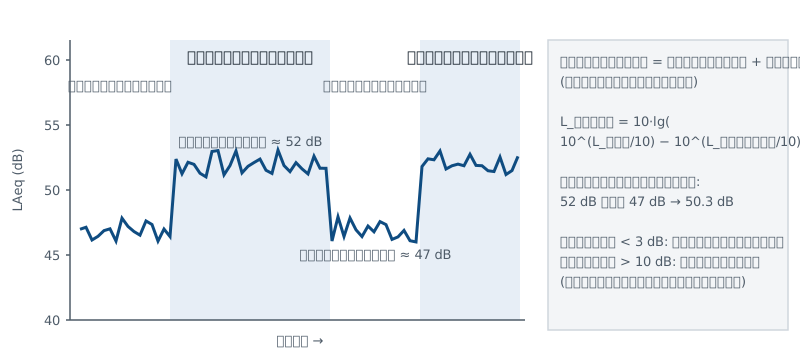
เพราะระดับเดซิเบลรวมกันแบบพลังงาน การหาเสียงเฉพาะจึงต้องลบแบบพลังงาน ไม่ใช่ลบตัวเลขตรง ๆ:
L เฉพาะ = 10 × log10(10^(L รวม/10) − 10^(L คงเหลือ/10))
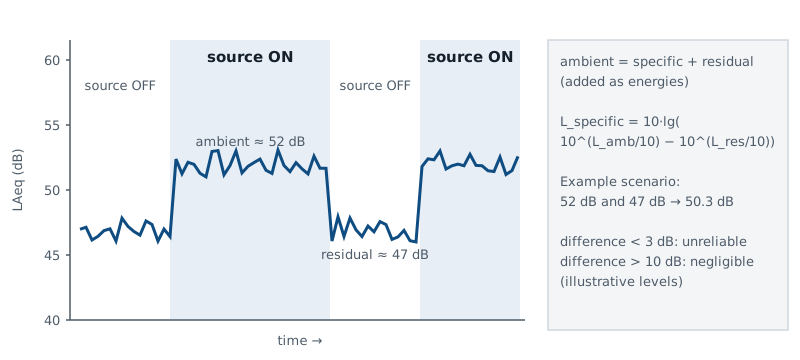
ยิ่งเสียงโดยรวมกับเสียงคงเหลือต่างกันน้อย ผลการลบยิ่งไวต่อความคลาดเคลื่อนเล็ก ๆ ในทางปฏิบัติ ถ้าต่างกันน้อยกว่าประมาณ 3 dB มักหาเสียงเฉพาะได้ไม่น่าเชื่อถือ ถ้าต่างกันเกินประมาณ 10 dB ผลของเสียงคงเหลือแทบไม่มีนัยสำคัญ ช่วงระหว่างนั้นใช้การแก้ไขได้ ตามเงื่อนไขของวิธีที่ใช้Because decibel levels add as energy, the specific sound must be found by subtracting energies, not by subtracting the numbers directly:
L specific = 10 × log10(10^(L total/10) − 10^(L residual/10))
The smaller the difference between total and residual, the more sensitive the result is to small errors. In practice, if they differ by less than about 3 dB the specific sound usually cannot be determined reliably; if they differ by more than about 10 dB the residual has practically no influence. In between, a correction can be applied under the conditions of the method used.
เสียงคงเหลือไม่ใช่สิ่งเดียวกับ L90 เสมอไป เสียงคงเหลือคือเสียงทั้งหมดเมื่อไม่มีแหล่งที่ประเมิน ซึ่งอาจมีรถผ่านเป็นระยะ ส่วน L90 เป็นค่าสถิติที่มักใช้เป็นตัวแทนของ เสียงพื้นหลัง (background) ที่ต่ำและคงที่ วิธีประเมินแต่ละวิธีกำหนดว่าจะใช้ค่าใดResidual sound is not always the same as L90. The residual is all the sound present without the assessed source, which may include passing cars; L90 is a statistic often used to represent the low, steady background. Each assessment method states which one to use.
ระยะทาง การสะท้อน และตำแหน่งไมโครโฟนDistance, reflections and microphone position
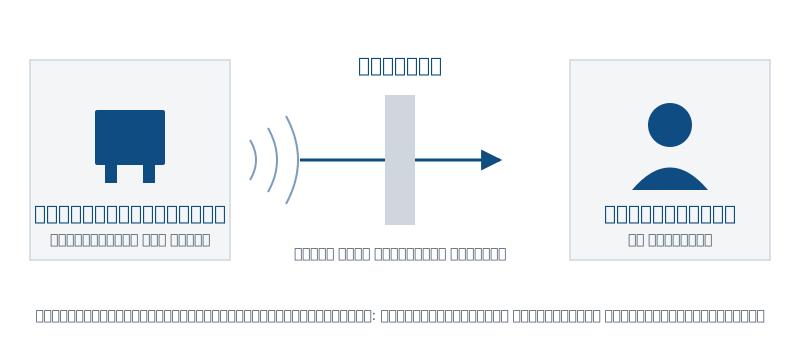
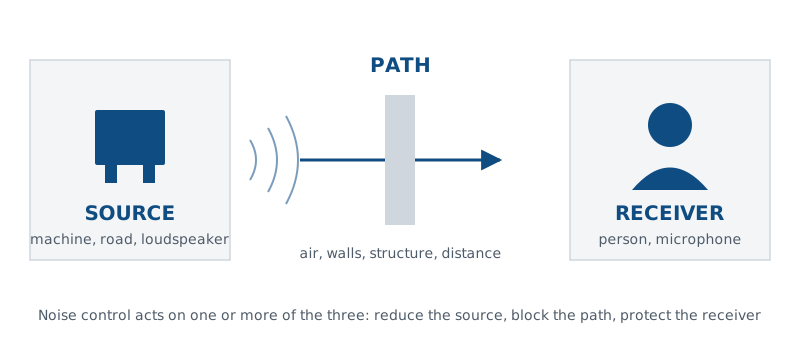
ระดับเสียงที่ผู้รับขึ้นกับทางผ่านของเสียงมาก สำหรับแหล่งเสียงขนาดเล็กเมื่อเทียบกับระยะทาง (point source) ในที่โล่ง ระดับลดลงประมาณ 6 dB ทุกครั้งที่ระยะเพิ่มเป็นสองเท่า จากการแผ่กระจายตามรูปทรงเรขาคณิต สำหรับแหล่งเสียงยาว เช่น ถนนที่มีรถหนาแน่น (line source) ลดลงประมาณ 3 dB ต่อระยะสองเท่า นอกจากนี้ยังมีผลของพื้นดิน การดูดกลืนของอากาศ (มากขึ้นที่ความถี่สูง) สิ่งกีดขวาง และสภาพอากาศThe level at the receiver depends strongly on the path. For a source that is small compared with the distance (a point source) in the open, the level falls by about 6 dB for every doubling of distance through geometric spreading. For a long source such as a busy road (a line source), it falls by about 3 dB per doubling. On top of that come ground effects, air absorption (greater at high frequencies), obstacles and weather.
- หน้าผนังอาคาร ไมโครโฟนที่อยู่ห่างผนังราว 0.5–2 m รับทั้งเสียงตรงและเสียงสะท้อนจากผนัง ISO 1996-2 ให้ค่าแก้ไขสูงสุด 3 dB เมื่อเป็นไปตามเงื่อนไขของมาตรฐานIn front of a façade, a microphone about 0.5–2 m from the wall receives both direct and reflected sound; ISO 1996-2 gives a correction of up to 3 dB when its conditions are met.
- ติดเรียบกับผนัง ในกรณีอุดมคติ ความดันที่ผิวผนังสูงกว่าสนามเสียงอิสระ 6 dB ISO 1996-2 จึงใช้ค่าแก้ไข 6 dB สำหรับไมโครโฟนที่ติดเรียบกับผนังFlush on the wall, the pressure at the surface is ideally 6 dB above the free-field value, so ISO 1996-2 applies a 6 dB correction for flush-mounted microphones.
- ความสูง ISO 1996-2 ใช้ความสูงอ้างอิงเช่น 4 m สำหรับการประเมินพื้นที่อยู่อาศัยหลายชั้น และ 1.2–1.5 m สำหรับพื้นที่ที่ผู้คนอยู่ระดับพื้นHeight: ISO 1996-2 uses reference heights such as 4 m for multi-storey residential assessment and 1.2–1.5 m where people are at ground level.
- บันทึกตำแหน่งเสมอ ระยะจากแหล่งเสียง ความสูง ระยะจากพื้นผิวสะท้อน และรูปถ่าย เพราะตำแหน่งต่างกันไม่กี่เมตรอาจให้ผลต่างกันหลายเดซิเบลAlways record the position: distance to the source, height, distance to reflecting surfaces, and photographs, because a few metres can change the result by several decibels.
ช่วงกลางวัน ช่วงเย็น และช่วงกลางคืนDay, evening and night periods
คนไวต่อเสียงตอนกลางคืนมากกว่ากลางวัน เพราะเป็นเวลาพักผ่อนและเสียงพื้นหลังต่ำกว่า กฎเกณฑ์ส่วนใหญ่จึงแบ่งวันออกเป็นช่วง และใช้เกณฑ์ที่เข้มกว่าในช่วงกลางคืน บางวิธีรวมทั้งวันเป็นตัวเลขเดียวโดยเพิ่มน้ำหนักให้ช่วงเย็นและกลางคืนPeople are more sensitive to noise at night, when they rest and the background is lower. Most rules therefore split the day into periods and apply stricter criteria at night. Some methods combine the whole day into one number while giving extra weight to the evening and night.
| ตัวชี้วัดIndicator | ความหมายMeaning |
|---|---|
| Lday, Levening, LnightLday, Levening, Lnight | ความหมายMeaningLAeq ของช่วงกลางวัน ช่วงเย็น และช่วงกลางคืน ตามช่วงเวลาที่กฎเกณฑ์นั้นกำหนดLAeq over the day, evening and night periods as defined by the applicable rules |
| LdnLdn | ความหมายMeaningค่ารวมกลางวันและกลางคืน โดยเพิ่มน้ำหนักให้กลางคืนDay-night level, with extra weight on the night |
| LdenLden | ความหมายMeaningค่ารวมกลางวัน เย็น และกลางคืน โดยเพิ่มน้ำหนักให้ช่วงเย็นและกลางคืนDay-evening-night level, with extra weight on evening and night |
| Lr (ระดับประเมิน)Lr (rating level) | ความหมายMeaningLAeq ที่บวกบทลงโทษตามลักษณะเสียงและช่วงเวลาแล้วLAeq with penalties added for sound character and time of day |
ชั่วโมงเริ่มต้นและสิ้นสุดของแต่ละช่วง น้ำหนักที่เพิ่ม และเกณฑ์ที่ใช้ ไม่ได้เหมือนกันทุกประเทศ บทความนี้ไม่ได้ให้ค่าเกณฑ์ทางกฎหมาย สำหรับงานในประเทศไทย ให้ตรวจสอบกฎหมายและประกาศที่ใช้บังคับกับงานนั้นโดยตรงThe start and end hours of each period, the added weights and the limits are not the same in every country. This article gives no legal limit values; for work in Thailand, check the laws and notifications that apply to the specific project.
ระดับประเมินและบทลงโทษThe rating level and penalties
เสียงสองเสียงที่ LAeq เท่ากันอาจน่ารำคาญไม่เท่ากัน เสียงหึ่งของพัดลมหรือเสียงหวีดของกังหัน และเสียงทุบ เคาะ หรือกระแทกเป็นจังหวะ มักรบกวนมากกว่าเสียงจราจรที่สม่ำเสมอ วิธีประเมินหลายวิธีจึงคำนวณ ระดับประเมิน (rating level, Lr) โดยเริ่มจาก LAeq แล้วบวกบทลงโทษTwo sounds with the same LAeq can be very differently annoying. A fan hum or turbine whine, or rhythmic banging, knocking and impacts, usually disturb more than steady traffic. Many methods therefore calculate a rating level (Lr): start from LAeq and add penalties.
- บทลงโทษเสียงโทน (tonal penalty): เมื่อมีเสียงที่ความถี่เดียวเด่นชัด เช่น เสียงหึ่ง เสียงหวีด เสียงไซเรน การตรวจหาใช้การวิเคราะห์ 1/3 ออกเตฟ หรือ FFT ตามวิธีอ้างอิงของมาตรฐานTonal penalty: when a single frequency stands out, such as a hum, whistle or siren. Detection uses 1/3 octave analysis or FFT under the standard's reference method.
- บทลงโทษเสียงกระแทก (impulsive penalty): เมื่อมีเสียงสั้นและแรง เช่น การตอก การเคาะ เสียงกระทบของโลหะImpulsive penalty: for short, sharp sounds such as hammering, knocking or metal impacts.
- ผลของช่วงเวลา: บางวิธีเพิ่มน้ำหนักหรือใช้เกณฑ์ที่เข้มกว่าในช่วงกลางคืนหรือช่วงเวลาที่ต้องการความสงบTime of day: some methods add weight, or use stricter criteria, at night or in other quiet-sensitive periods.
ขนาดของบทลงโทษและวิธีตัดสินว่ามีเสียงโทนหรือเสียงกระแทกหรือไม่ ขึ้นกับกฎเกณฑ์ของแต่ละประเทศ ตัวอย่างมาตรฐานและแนวทางที่ใช้วิธีลักษณะนี้ ได้แก่ ISO 1996-1:2016 และ ISO 1996-2:2017, BS 4142:2014+A1:2019 (สหราชอาณาจักร), DIN 45645-1 (เยอรมนี) และ DM 16 marzo 1998 (อิตาลี) ซอฟต์แวร์อย่าง Data Explorer สามารถทำเครื่องหมายช่วงที่มีเสียงโทนหรือเสียงกระแทกโดยอัตโนมัติ และคำนวณ Lr ตามวิธีเหล่านี้The size of each penalty, and how a tone or impulse is judged present, depend on each country's rules. Examples of standards and guidance that work this way include ISO 1996-1:2016 and ISO 1996-2:2017, BS 4142:2014+A1:2019 (UK), DIN 45645-1 (Germany) and DM 16 marzo 1998 (Italy). Software such as Data Explorer can mark tonal or impulsive periods automatically and calculate Lr according to these methods.
แยกเสียงของแหล่งกำเนิดออกจากเสียงอื่นSeparating the source from everything else
ที่ตำแหน่งผู้รับเสียง เครื่องวัดได้ยินทุกอย่างรวมกัน ทั้งเสียงจากโรงงานที่กำลังประเมิน รถบนถนน นก แมลง และลม งานสำคัญของการประเมินจึงเป็นการแยกว่าเสียงส่วนไหนมาจากแหล่งที่เราสนใจAt the receiver the meter hears everything together: the factory under assessment, road traffic, birds, insects and wind. A key part of the assessment is working out which part of the sound comes from the source of interest.
- ฟังและจดบันทึก: ผู้วัดที่อยู่หน้างานคือเครื่องมือระบุแหล่งกำเนิดที่ดีที่สุดListen and take notes: an operator on site is the best source-identification tool.
- บันทึกเสียง: ใช้ฟังย้อนหลังเพื่อยืนยันว่ายอดสูงแต่ละยอดมาจากอะไรRecord audio: listen back to confirm what caused each peak.
- ดูสเปกตรัม 1/3 ออกเตฟ: ช่วยระบุแหล่งที่เด่นและเสียงโทน เพราะแต่ละแหล่งมีรูปแบบความถี่ของตัวเองLook at 1/3 octave spectra: they help identify dominant sources and tones, since each source has its own frequency pattern.
- วัดช่วงที่แหล่งกำเนิดหยุด: ถ้าทำได้ ช่วยให้รู้ระดับเสียงที่เหลือเมื่อไม่มีแหล่งนั้น (residual sound)Measure while the source is off: where possible, this shows the remaining sound level without it (the residual sound).
- ใช้ค่าเปอร์เซ็นไทล์: L90 คือระดับที่ถูกเกินอยู่ 90% ของเวลา หลายวิธีประเมินใช้ค่านี้เป็นตัวแทนของระดับเสียงพื้นหลังUse percentiles: L90, the level exceeded 90% of the time, is used by many assessment methods as an indicator of the background level.
- ทำเครื่องหมายและตัดออก: ช่วงที่มีเสียงไม่เกี่ยวข้อง เช่น เครื่องบินผ่าน สามารถแยกออกจากผลรวมได้ โดยระบุเหตุผลในรายงานMark and exclude: periods with unrelated sound, such as a passing aircraft, can be removed from totals, with the reason stated in the report.
- หาทิศทางของเสียง: เมื่อมีหลายแหล่งที่เป็นไปได้ เครื่องมืออย่าง Noise Locator NL1 ช่วยบอกทิศทางที่เสียงมาFind the direction: when several sources are possible, instruments such as the NL1 Noise Locator show where the sound is coming from.
สภาพอากาศWeather
สภาพอากาศมีผลต่อการวัดเสียงภายนอกอาคารสองทาง ทางแรกคือ ผลต่อไมโครโฟน ลมทำให้เกิดเสียงลมที่ไมโครโฟน และฝนที่ตกกระทบก็สร้างเสียงเช่นกัน ทางที่สองคือ ผลต่อการเดินทางของเสียง ทิศทางลมและอุณหภูมิของอากาศในแต่ละระดับความสูงทำให้เสียงที่ไปถึงผู้รับในระยะไกลแรงขึ้นหรือเบาลงได้ ผลการวัดวันหนึ่งกับอีกวันหนึ่งจึงต่างกันได้ แม้แหล่งกำเนิดจะเหมือนเดิมWeather affects outdoor measurements in two ways. First, at the microphone: wind creates noise on the microphone, and rain hitting it makes noise too. Second, along the propagation path: wind direction and the temperature of the air at different heights can make sound arriving at a distant receiver stronger or weaker. Results can therefore differ from one day to the next even when the source has not changed.
- ใช้ไมโครโฟนสำหรับภายนอกอาคารที่มีฉากกันลมและการป้องกันน้ำ สำหรับการวัดระยะยาวUse an outdoor microphone with windscreen and rain protection for long-term measurements.
- บันทึกความเร็วและทิศทางลม ฝน อุณหภูมิ และความชื้นไปพร้อมกับระดับเสียงLog wind speed and direction, rain, temperature and humidity along with the sound.
- มาตรฐานการวัดภายนอกอาคารมักกำหนดสภาพอากาศที่ยอมรับได้ ช่วงที่อยู่นอกเงื่อนไขควรทำเครื่องหมายและพิจารณาตัดออกOutdoor measurement standards usually state acceptable weather; periods outside those conditions should be marked and considered for exclusion.
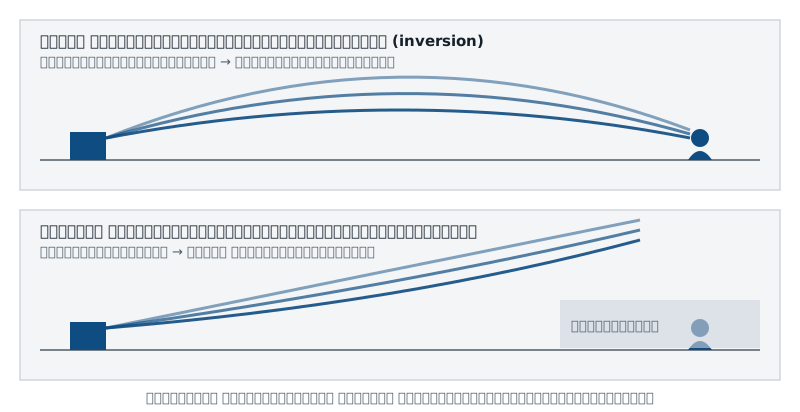
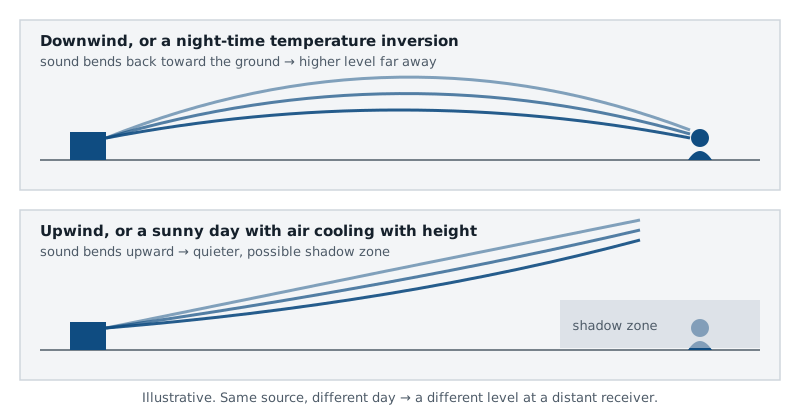
กลไกเบื้องหลังคือ การหักเห (refraction) ความเร็วของเสียงเทียบกับพื้นดินขึ้นกับอุณหภูมิของอากาศและความเร็วลมที่แต่ละระดับความสูง ลมมักแรงขึ้นตามความสูง ด้านใต้ลมเสียงจึงโค้งกลับลงหาพื้น ด้านเหนือลมเสียงโค้งขึ้น ตอนกลางวันที่แดดจัด อากาศใกล้พื้นร้อนกว่าและเย็นลงตามความสูง เสียงจึงโค้งขึ้น ส่วนตอนกลางคืนที่ท้องฟ้าโปร่ง มักเกิด inversion คืออากาศชั้นบนอุ่นกว่าชั้นล่าง เสียงจึงโค้งลงและเดินทางได้ไกล นี่คือเหตุผลที่ผู้อยู่อาศัยมักบอกว่าได้ยินเสียงโรงงานชัดขึ้นตอนดึกThe mechanism is refraction. The speed of sound relative to the ground depends on the air temperature and the wind speed at each height. Wind usually increases with height, so downwind the sound bends back toward the ground and upwind it bends upward. On a sunny day the air near the ground is warmer and cools with height, so sound bends upward. On clear nights an inversion often forms, with warmer air above cooler air, so sound bends down and travels far. That is why residents often say a factory sounds clearer late at night.
ผลนี้เล็กน้อยที่ระยะใกล้ แต่ที่ระยะหลายร้อยเมตร ผลการวัดในวันที่สภาพอากาศต่างกันอาจต่างกันได้หลายเดซิเบล วิธีวัดกลางแจ้งหลายวิธีจึงกำหนดให้วัดในสภาพที่เอื้อต่อการเดินทางของเสียง เช่น ผู้รับอยู่ใต้ลม เพื่อให้ผลซ้ำได้และไม่ประเมินต่ำเกินไป และกำหนดความเร็วลมสูงสุดที่ไมโครโฟนเพื่อจำกัดเสียงลม การบันทึกข้อมูลสภาพอากาศพร้อมระดับเสียงจึงเป็นสิ่งจำเป็น ไม่ใช่ทางเลือกThe effect is small at short range, but at several hundred metres results from days with different weather can differ by several decibels. Many outdoor methods therefore ask for measurements in conditions favourable to propagation, such as the receiver being downwind, so that results are repeatable and not underestimated, and they set a maximum wind speed at the microphone to limit wind noise. Logging weather data together with the sound level is therefore essential, not optional.
ขั้นตอนการประเมินโดยสรุปThe assessment step by step
- กำหนดขอบเขต: แหล่งกำเนิดที่ประเมิน ตำแหน่งผู้รับเสียง ช่วงเวลาที่สำคัญ และกฎเกณฑ์หรือมาตรฐานที่ใช้Define the scope: the source being assessed, the receiver positions, the relevant periods and the applicable rules or standard.
- เลือกเครื่องมือ: เครื่องวัดที่มีชั้นความแม่นยำตามที่กฎเกณฑ์กำหนด (มักเป็น Class 1) ไมโครโฟนสำหรับภายนอกอาคาร และเครื่องสอบเทียบเสียงChoose the equipment: a meter of the class the rules require (often Class 1), an outdoor microphone and a sound calibrator.
- วัด: ตรวจด้วยเครื่องสอบเทียบก่อนและหลัง บันทึก LAeq, Lmax, ค่าเปอร์เซ็นไทล์ สเปกตรัม 1/3 ออกเตฟ ไฟล์เสียง และสภาพอากาศ ให้ครอบคลุมช่วงเวลาที่สำคัญMeasure: calibrator check before and after; log LAeq, Lmax, percentiles, 1/3 octave spectra, audio and weather, covering the relevant periods.
- วิเคราะห์: ระบุและทำเครื่องหมายเหตุการณ์ ตัดช่วงที่ไม่เกี่ยวข้องหรือสภาพอากาศไม่เหมาะ คำนวณค่าตามช่วงเวลา แล้วตรวจเสียงโทนและเสียงกระแทกตามวิธีของกฎเกณฑ์Analyse: identify and mark events, remove unrelated or bad-weather periods, calculate values per period, then check for tones and impulses using the rules' method.
- สรุปและรายงาน: คำนวณระดับประเมิน เทียบกับเกณฑ์ และรายงานวิธีการ เครื่องมือ การสอบเทียบ สภาพอากาศ และข้อจำกัดของผลConclude and report: calculate the rating level, compare it with the criterion, and report the method, instruments, calibration, weather and limitations of the result.
โรงงานแห่งหนึ่งติดตั้งเครื่องทำความเย็นใหม่บนหลังคา ชาวบ้านที่อยู่ห่างออกไปราว 200 เมตรร้องเรียนว่าได้ยินเสียงหึ่งตอนกลางคืน
ผู้ประเมินติดตั้งเครื่องวัดที่บ้านของผู้ร้องเรียนหลายคืน บันทึก LAeq ทุก 1 วินาที สเปกตรัม 1/3 ออกเตฟ และไฟล์เสียง พร้อมข้อมูลลม ผลแสดงว่า LAeq กลางคืนไม่ได้สูงมาก แต่มีย่านความถี่หนึ่งโดดเด่นตลอดเวลาที่เครื่องทำงาน เมื่อตรวจตามวิธีของกฎเกณฑ์ที่ใช้ จึงต้องเพิ่มบทลงโทษเสียงโทน ทำให้ระดับประเมินสูงกว่า LAeq ช่วงที่ลมแรงถูกทำเครื่องหมายและตัดออก ผลนี้ใช้ตัดสินว่าต้องแก้ไขเครื่องทำความเย็นหรือไม่A factory installs a new chiller on its roof. Residents about 200 m away complain of a hum at night.
The assessor sets up a meter at a complainant's home for several nights, logging LAeq every second, 1/3 octave spectra and audio, along with wind data. Night-time LAeq turns out to be not very high, but one frequency band stands out whenever the chiller runs. Checked by the method of the applicable rules, a tonal penalty is required, so the rating level is higher than the LAeq. Periods of strong wind are marked and excluded. The result is used to decide whether the chiller must be treated.
ตัวอย่างสถานการณ์: เครื่องกำเนิดไฟฟ้าสำรองกับบ้านข้างเคียงExample scenario: a standby generator and the house next door
อาคารสำนักงานทดสอบเดินเครื่องกำเนิดไฟฟ้าสำรองทุกสัปดาห์ เจ้าของบ้านที่อยู่ห่างออกไปราว 50 m ร้องเรียนเรื่องเสียง
วัด: ตั้งเครื่องวัด Class 1 ที่ความสูง 1.5 m ในสวนหน้าบ้าน ห่างจากผนังบ้านมากกว่า 3 m ตรวจด้วยเครื่องสอบเทียบก่อนและหลัง ลมเบา บันทึก LAeq ทุก 1 วินาที สเปกตรัม 1/3 ออกเตฟ และไฟล์เสียง
ผล: ขณะเครื่องทำงาน LAeq ของช่วงที่คงที่ = 52 dB ขณะหยุดเครื่อง (เสียงคงเหลือ) = 47 dB ต่างกัน 5 dB จึงลบแบบพลังงานทางคณิตศาสตร์ได้ (ส่วนการยอมรับค่าที่แก้ไขแล้วขึ้นกับวิธีประเมินที่ใช้) เสียงเฉพาะ = 10 × log10(10^5.2 − 10^4.7) ≈ 50.3 dB
คิดต่อ: ถ้าบ้านอีกหลังอยู่ห่าง 100 m หรือสองเท่าของระยะเดิม และถือว่าเป็น point source ในที่โล่งโดยไม่มีสิ่งกีดขวาง เสียงเฉพาะที่นั่นจะประมาณ 50.3 − 6 ≈ 44 dB
ขั้นต่อไป: ตรวจสเปกตรัมว่ามีเสียงโทนจากพัดลมระบายความร้อนหรือไม่ตามวิธีของกฎเกณฑ์ที่ใช้ คำนวณระดับประเมินตามช่วงเวลาที่เครื่องเดิน แล้วจึงเทียบกับเกณฑ์ (ระดับเสียงเป็นค่าสมมติเพื่ออธิบายวิธีคิด)An office building test-runs its standby generator every week. A homeowner about 50 m away complains about the noise.
Measure: a Class 1 meter at 1.5 m height in the front garden, more than 3 m from the house wall; calibrator checks before and after; light wind; LAeq logged every second with 1/3 octave spectra and audio.
Result: with the generator running, the LAeq of the steady period = 52 dB; with it stopped (residual) = 47 dB. The difference is 5 dB, so the energy subtraction is mathematically possible (whether a corrected value is accepted depends on the assessment method that applies): specific sound = 10 × log10(10^5.2 − 10^4.7) ≈ 50.3 dB.
Next thought: another house at 100 m, twice the distance, treated as a point source in the open with no obstacles, would receive about 50.3 − 6 ≈ 44 dB of specific sound.
Then: check the spectrum for a tone from the cooling fan using the method of the applicable rules, calculate the rating level for the periods the generator runs, and only then compare with the criterion. (Hypothetical levels, to show the reasoning.)
คำถามที่พบบ่อยFrequently asked questions
ควรวัดนานเท่าไรHow long should I measure?
นานพอให้ครอบคลุมการทำงานของแหล่งเสียงที่เป็นตัวแทนและช่วงเวลาที่กฎเกณฑ์ใช้ประเมิน เช่น รอบการทำงานของเครื่องจักรหลายรอบ ช่วงกลางคืนที่มีการร้องเรียน และช่วงที่แหล่งเสียงหยุดเพื่อหาเสียงคงเหลือ แหล่งเสียงที่คงที่อาจใช้เวลาไม่นาน แหล่งที่เปลี่ยนตามวันหรือสภาพอากาศอาจต้องวัดหลายวันหรือเฝ้าระวังต่อเนื่องLong enough to cover representative operation of the source and the periods the rules assess: several machine cycles, the night-time hours complained about, and periods with the source off to obtain the residual. A steady source may need little time; one that varies from day to day or with the weather may need several days or continuous monitoring.
ทำไมลมจึงมีผลกับการวัดWhy does wind affect the measurement?
สองทาง ทางแรก ลมที่ปะทะไมโครโฟนสร้างเสียงลมความถี่ต่ำที่ทำให้ค่าสูงเกินจริง ฉากกันลมช่วยได้แต่มีขีดจำกัด ทางที่สอง ลมทำให้เสียงหักเห ด้านใต้ลมเสียงดังขึ้นที่ระยะไกล ด้านเหนือลมเสียงเบาลง จึงต้องบันทึกความเร็วและทิศทางลมไว้เสมอIn two ways. Wind hitting the microphone creates low-frequency wind noise that inflates the reading; a windscreen helps but has limits. And wind refracts sound: downwind it is louder at a distance, upwind quieter. So always log wind speed and direction.
วัดที่แนวเขตโรงงานแทนหน้าบ้านผู้ร้องเรียนได้ไหมCan I measure at the site boundary instead of at the complainant's house?
ขึ้นกับกฎเกณฑ์ บางกฎเกณฑ์กำหนดเกณฑ์ที่แนวเขต บางกฎเกณฑ์กำหนดที่ตำแหน่งผู้รับ การวัดที่แนวเขตช่วยให้เข้าถึงง่ายและมีเสียงอื่นปนน้อยกว่า แล้วคำนวณไปยังผู้รับได้ แต่ต้องอธิบายวิธีคำนวณและข้อจำกัดให้ชัดIt depends on the rules: some set criteria at the boundary, others at the receiver. Measuring at the boundary is easier to access and less contaminated by other sound, and the level at the receiver can then be calculated, but the method and its limitations must be explained clearly.
ถ้าเสียงพื้นหลังดังเกือบเท่าเสียงจากแหล่งที่ประเมินจะทำอย่างไรWhat if the background is almost as loud as the source?
เมื่อต่างกันน้อยกว่าประมาณ 3 dB การลบแบบพลังงานให้ผลที่เชื่อถือไม่ได้ ทางเลือกคือวัดในช่วงที่เสียงพื้นหลังต่ำกว่า เช่น กลางดึก ย้ายไปวัดใกล้แหล่งเสียงแล้วคำนวณไปยังผู้รับ ใช้การวิเคราะห์ความถี่แยกเสียงของแหล่งออกมา หรือรายงานว่าเสียงเฉพาะต่ำกว่าค่าหนึ่งโดยระบุข้อจำกัดชัดเจนWhen the difference is less than about 3 dB, energy subtraction is unreliable. Options: measure when the background is lower, such as late at night; measure closer to the source and calculate to the receiver; use frequency analysis to separate the source; or report that the specific sound is below a stated value, with the limitation made clear.
ต้องใช้เครื่องวัด Class 1 หรือไม่Do I need a Class 1 meter?
งานที่ผลอาจถูกใช้ในการอนุญาตหรือข้อพิพาทมักต้องการ Class 1 และบางประเทศต้องการเครื่องที่ผ่านการรับรองแบบ ตรวจข้อกำหนดของกฎเกณฑ์หรือสัญญาที่ใช้ก่อนเลือกเครื่องWork whose results may be used for permits or disputes usually requires Class 1, and some countries require a type-approved meter. Check the rules or contract that apply before choosing the instrument.
คำศัพท์สำคัญKey terms
- LAeq
- ระดับเสียงเฉลี่ยเทียบเท่าแบบถ่วงน้ำหนัก A ในช่วงเวลาที่กำหนดThe A-weighted equivalent continuous level over a stated period.
- ระดับประเมิน (rating level, Lr)Rating level (Lr)
- LAeq ที่บวกบทลงโทษสำหรับเสียงโทน เสียงกระแทก หรือช่วงเวลาแล้ว ใช้เทียบกับเกณฑ์LAeq with penalties added for tones, impulses or time of day; compared with the criterion.
- เสียงโทน (tonal noise)Tonal noise
- เสียงที่มีความถี่เดียวหรือไม่กี่ความถี่เด่นชัด เช่น เสียงหึ่ง เสียงหวีดSound with one or a few clearly dominant frequencies, such as a hum or whistle.
- เสียงกระแทก (impulsive noise)Impulsive noise
- เสียงสั้น แรง และเกิดขึ้นทันที เช่น การตอก การเคาะShort, sudden, strong sound such as hammering or knocking.
- ตำแหน่งผู้รับเสียง (receiver)Receiver
- ตำแหน่งที่ได้รับผลกระทบและใช้ประเมิน เช่น หน้าบ้านหรือหน้าต่างห้องนอนThe affected location used for the assessment, such as outside a house or a bedroom window.
- Lden
- ตัวเลขเดียวที่รวมช่วงกลางวัน เย็น และกลางคืน โดยเพิ่มน้ำหนักให้ช่วงเย็นและกลางคืนA single figure combining day, evening and night, with extra weight on evening and night.
ความเข้าใจผิดที่พบบ่อยCommon misunderstandings
- “วัดตอนกลางวันครั้งเดียวก็พอ” เสียงหลายแหล่งเปลี่ยนตามเวลา และกลางคืนมักมีเกณฑ์เข้มกว่า ต้องวัดให้ครอบคลุมช่วงที่เป็นปัญหา“One daytime reading is enough.” Many sources vary over time and night criteria are usually stricter; the measurement must cover the problem periods.
- “LAeq ต่ำแปลว่าไม่มีปัญหา” เสียงโทนหรือเสียงกระแทกอาจน่ารำคาญมากแม้ LAeq ไม่สูง ซึ่งเป็นเหตุผลที่มีระดับประเมิน“A low LAeq means there is no problem.” Tonal or impulsive sound can be very annoying even at a modest LAeq; that is why the rating level exists.
- “ค่าที่เครื่องวัดได้คือเสียงจากโรงงาน” เครื่องวัดทุกเสียงรวมกัน ต้องแยกเสียงพื้นหลังและเสียงที่ไม่เกี่ยวข้องออกก่อน“The meter reading is the factory's noise.” The meter measures everything together; background and unrelated sounds must be separated first.
- “เกณฑ์เสียงเหมือนกันทุกที่” ช่วงเวลา บทลงโทษ และค่าเกณฑ์ต่างกันไปตามประเทศ ประเภทพื้นที่ และประเภทแหล่งกำเนิด“Noise limits are the same everywhere.” Periods, penalties and limits differ by country, type of area and type of source.
นำไปใช้ที่ไหนWhere it is used
- การศึกษาผลกระทบสิ่งแวดล้อมของโครงการใหม่ เช่น โรงงาน ถนน หรือระบบขนส่งEnvironmental impact studies for new projects such as factories, roads or transit systems.
- การตรวจสอบเรื่องร้องเรียนจากชุมชนInvestigating community complaints.
- การเฝ้าระวังเสียงระหว่างการก่อสร้างNoise monitoring during construction.
- การออกแบบและตรวจสอบผลของมาตรการลดเสียง เช่น กำแพงกันเสียงหรือการปิดครอบเครื่องจักรDesigning and verifying noise control such as barriers or machine enclosures.