ทำไมเรื่องนี้สำคัญWhy this matters
เสียงรบกวน (noise) คือเสียงที่คนไม่ต้องการได้ยิน จึงเป็นเรื่องที่ขึ้นกับความรู้สึกของผู้ฟังด้วย เพลงเดียวกันอาจไพเราะสำหรับคนที่เปิดฟัง แต่เป็นเสียงรบกวนสำหรับคนที่พยายามนอนอยู่ห้องข้าง ๆ ผลของเสียงรบกวนไม่ได้มีแค่ความรำคาญ หากได้รับเป็นเวลานานยังเกี่ยวข้องกับปัญหาการนอนหลับ ความเครียด และความดันโลหิตที่สูงขึ้นNoise is sound that people do not want to hear, so it partly depends on the listener. The same music can be enjoyable for the person playing it and noise for someone trying to sleep next door. The effects go beyond annoyance: long-term exposure is linked to sleep disturbance, stress and raised blood pressure.
เมื่อมีเรื่องร้องเรียน เจ้าของโครงการ โรงงาน หรือหน่วยงานที่ดูแลต้องตอบให้ได้ว่า เสียงดังจริงหรือไม่ ดังเมื่อไร นานแค่ไหน และมาจากอะไร การส่งคนไปวัดครั้งเดียวสั้น ๆ มักพลาดช่วงที่เป็นปัญหา เพราะเสียงที่คนร้องเรียนมักเกิดเป็นช่วง ๆ เช่น ตอนกลางคืน หรือเฉพาะวันที่เครื่องจักรบางตัวทำงาน การเฝ้าระวังต่อเนื่องจึงเป็นวิธีเก็บหลักฐานที่ครบกว่าWhen a complaint arrives, the project owner, factory or authority has to answer whether it really is loud, when, for how long and from what source. A single short visit often misses the problem period, because the sounds people complain about tend to come and go: at night, or only on days when a particular machine runs. Continuous monitoring gives a far more complete record.
ทำไมคนร้องเรียน ทั้งที่ค่าที่วัดได้ไม่เกินเกณฑ์Why people complain even when the level is below the limit
ผลการวัดที่ใช้กันมากที่สุดคือระดับเสียงเฉลี่ยเทียบเท่า (Leq) ซึ่งเป็นค่าเฉลี่ยพลังงานเสียงตลอดช่วงเวลาที่วัด ค่านี้ดีมากสำหรับบอกปริมาณเสียงโดยรวม แต่ความรำคาญของคนไม่ได้ขึ้นกับปริมาณเพียงอย่างเดียว ลักษณะของเสียงก็มีผลมาก NTi Audio ชี้ว่าการวัดระดับเสียงแบบธรรมดามักไม่ตรงกับความรู้สึกของผู้ที่ได้รับเสียง ด้วยเหตุผลหลัก ๆ ดังนี้The most common result is the equivalent continuous sound level (Leq), an energy average over the measurement period. It describes the overall amount of sound very well, but annoyance does not depend on amount alone: the character of the sound matters a great deal. NTi Audio points out that a plain sound level measurement often does not match how exposed people actually feel, mainly for these reasons.
- เสียงกระแทกเป็นจังหวะ (impulsive) เช่น เสียงเคาะ ทุบ กระแทก ปังปัง หรือเสียงแตกกรอบแกรบ แต่ละครั้งสั้นมากจึงแทบไม่ดันค่าเฉลี่ยขึ้น แต่หูรับรู้ชัดและรบกวนมากImpulsive sounds such as knocking, hammering, banging or crackling. Each event is very short, so it barely raises the average, yet the ear notices it clearly and finds it disturbing.
- เสียงที่มีโทนเด่น (tonal) เช่น เสียงหึ่งของพัดลมระบายความร้อน เสียงหวีดของกังหัน เสียงไซเรน หรือเสียงเอี๊ยด เสียงที่มีความถี่เดียวโดดออกมาจะดึงความสนใจของหู แม้ระดับรวมไม่สูงTonal sounds such as the hum of a cooling fan, a turbine whine, a siren or a squeak. A single standout frequency grabs attention even when the overall level is modest.
- ช่วงเวลา เสียงระดับเดียวกันรบกวนตอนกลางคืนมากกว่ากลางวัน มาตรฐานของหลายประเทศจึงกำหนดค่าจำกัดตอนกลางคืนต่ำกว่าTime of day. The same level is more disturbing at night than during the day, so many national standards set lower limits at night.
- ความต่างจากเสียงพื้นหลัง ในย่านที่เงียบ เสียงใหม่ที่ดังกว่าพื้นหลังเพียงเล็กน้อยก็ได้ยินชัด ค่าที่ ‘ไม่เกินเกณฑ์’ จึงอาจยังโดดเด่นมากสำหรับผู้อยู่อาศัยContrast with the background. In a quiet area a new sound only slightly above the background is clearly audible, so a level that is ‘within the limit’ can still stand out strongly to residents.
ผู้อยู่อาศัยในคอนโดร้องเรียนเสียงจากเครื่องทำความเย็นบนหลังคาอาคารข้างเคียง ผลวัดค่าเฉลี่ยตลอดคืนไม่เกินเกณฑ์ แต่เมื่อดูสเปกตรัมความถี่พบเสียงหึ่งที่ความถี่หนึ่งโดดออกมา และเมื่อฟังเสียงที่อัดไว้พบว่าช่วงตีสองเครื่องจะเริ่มเดินพร้อมกันหลายตัว ข้อมูลแบบนี้อธิบายเรื่องร้องเรียนได้ ทั้งที่ตัวเลขค่าเฉลี่ยตัวเดียวดูปกติA condominium resident complains about the chillers on the roof of the building next door. The night-time average is below the limit, but the frequency spectrum shows a hum at one frequency standing out, and the recorded audio reveals that several units start together around 2 a.m. This explains the complaint even though the single average looked fine.
การประเมินเสียงสิ่งแวดล้อมอย่างเป็นทางการจึงมักไม่ใช้ Leq ตรง ๆ แต่เริ่มจาก LAeq แล้วบวกค่าปรับ (penalty) สำหรับเสียงกระแทก เสียงโทนเด่น และช่วงเวลา ได้เป็น ‘ระดับประเมิน’ (rating level) รายละเอียดอยู่ในบทความการประเมินเสียงรบกวนในสิ่งแวดล้อมFormal environmental assessments therefore rarely use Leq on its own: they start from LAeq and add penalties for impulsiveness, tonality and time of day to obtain a ‘rating level’. See the article on environmental noise assessment for details.
สถานีเฝ้าระวังเสียงประกอบด้วยอะไรWhat a monitoring station is made of
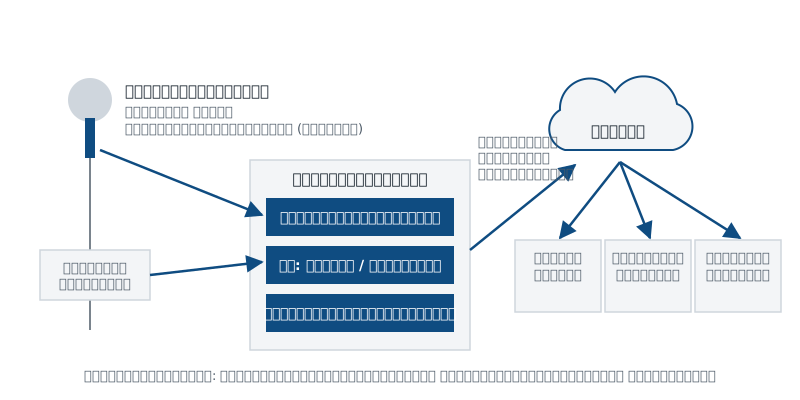
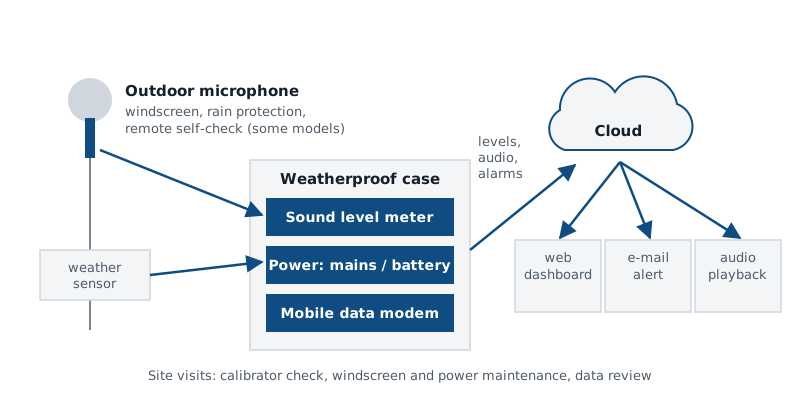
สถานีเฝ้าระวังเสียงแบบไม่มีคนเฝ้า (unattended noise monitoring) คือชุดวัดที่ทำงานเองได้ทั้งกลางวันและกลางคืน ไม่ว่าฝนจะตกหรือแดดจะออก ส่วนประกอบหลักมีดังนี้An unattended noise monitoring station is a measurement set-up that runs on its own day and night, whatever the weather. Its main parts are:
- ไมโครโฟนสำหรับใช้กลางแจ้ง (outdoor microphone) มีการป้องกันลมและน้ำ และเมื่อใช้ร่วมกับเครื่องวัด ทั้งชุดผ่านข้อกำหนด Class 1 หรือ Class 2 ตาม IEC 61672 และ ANSI/ASA S1.4 ทั้งสำหรับเสียงที่มาจากแนวนอนและจากด้านบน (เช่น เสียงเครื่องบิน) โดยคลาสเป็นคุณสมบัติของชุดเครื่องวัดทั้งชุด ไม่ใช่ของไมโครโฟนตัวเดียวAn outdoor microphone protected against wind and water which, together with the meter, meets Class 1 or Class 2 requirements of IEC 61672 and ANSI/ASA S1.4 for sound arriving both horizontally and from above (for example aircraft). The class belongs to the complete measuring system, not to the microphone alone.
- เครื่องวัดระดับเสียง (sound level meter) เช่น XL3 หรือ XL2 ทำหน้าที่คำนวณและบันทึกค่าต่าง ๆ ตลอดเวลาA sound level meter, such as the XL3 or XL2, which calculates and logs the results all the time.
- การเชื่อมต่อ ส่งข้อมูลขึ้นระบบคลาวด์ เพื่อดูระดับเสียงสดและข้อมูลย้อนหลังจากเว็บเบราว์เซอร์ได้จากทุกที่ เช่น แพลตฟอร์ม MeasurEye ของ NTi AudioA connection that sends data to the cloud so live and past levels can be viewed from any web browser, for example on NTi Audio's MeasurEye platform.
- การตรวจสอบตัวเองจากระยะไกล (self-check) ไมโครโฟนกลางแจ้งบางรุ่น เช่น M2340-WP ทำการทดสอบตัวเองอัตโนมัติได้เมื่อใช้กับ XL3 ช่วยยืนยันว่าระบบยังวัดได้ถูกต้องแม้ไม่มีคนไปตรวจที่หน้างานRemote self-check. Some outdoor microphones, such as the M2340-WP, can run automatic self-tests when used with an XL3, confirming that the system still measures correctly without anyone visiting the site.
- เซนเซอร์เสริม แพลตฟอร์มคลาวด์สามารถรวมข้อมูลเสียงกับข้อมูลสภาพอากาศ แรงสั่นสะเทือน และคุณภาพอากาศ ข้อมูลลมและฝนมีประโยชน์มาก เพราะลมแรงหรือฝนตกหนักทำให้ไมโครโฟนกลางแจ้งวัดเสียงที่ไม่ได้มาจากแหล่งที่สนใจExtra sensors. The cloud platform can combine noise with weather, vibration and air-quality data. Wind and rain data are especially useful, because strong wind or heavy rain makes an outdoor microphone pick up sound that does not come from the source of interest.
สถานีบันทึกอะไรบ้างWhat the station records
เครื่องวัดระดับเสียงสมัยใหม่คำนวณหลายค่าพร้อมกัน ทั้งค่าเฉลี่ย ค่าสูงสุด ค่าต่ำสุด และระดับการรับเสียงสะสม (LAE) โดยใช้การถ่วงน้ำหนักความถี่ A, C, Z และการถ่วงน้ำหนักเวลา Fast, Slow (และ Impulse เป็นตัวเลือก) ในงานเฝ้าระวัง แต่ละค่าตอบคำถามต่างกันA modern sound level meter calculates many values at once: averages, maxima, minima and the sound exposure level (LAE), with frequency weightings A, C and Z and time weightings Fast and Slow (Impulse optional). In monitoring, each value answers a different question.
| สิ่งที่บันทึกWhat is recorded | ตอบคำถามอะไรWhat it tells you |
|---|---|
| Leq ต่อช่วงเวลา (เช่น ทุก 1 วินาที ทุก 15 นาที ทุกชั่วโมง)Leq per interval (e.g. every second, 15 minutes, hour) | ตอบคำถามอะไรWhat it tells youปริมาณเสียงโดยรวมในแต่ละช่วง ใช้เทียบกับค่าจำกัดที่กำหนดเป็นค่าเฉลี่ยThe overall amount of sound in each period; compared with limits that are defined as averages |
| Lmax และค่าพีกLmax and peak values | ตอบคำถามอะไรWhat it tells youเหตุการณ์ดังสั้น ๆ ที่ค่าเฉลี่ยมองไม่เห็น เช่น เสียงกระแทกหรือประตูรถปิดShort loud events the average hides, such as impacts or a car door slamming |
| Lmin และค่าเปอร์เซ็นไทล์ เช่น L90Lmin and percentiles such as L90 | ตอบคำถามอะไรWhat it tells youตัวบ่งชี้ระดับเสียงพื้นหลังของพื้นที่ ใช้ดูว่าเสียงใหม่โดดเด่นแค่ไหน (L90 คือระดับที่ถูกเกิน 90% ของเวลา หลายวิธีประเมินใช้แทนเสียงพื้นหลัง ส่วน Lmin เป็นเพียงช่วงที่เงียบที่สุดขณะเดียว จึงไม่ค่อยเสถียร)Indicators of the underlying background level, used to judge how much a new sound stands out (L90, the level exceeded 90% of the time, is used by many methods as the background indicator; Lmin is just the single quietest moment and is less robust) |
| สเปกตรัม 1/3 ออกเตฟ1/3-octave spectrum | ตอบคำถามอะไรWhat it tells youช่วยระบุแหล่งเสียงหลักและเสียงโทนเด่น เช่น เสียงหึ่งหรือเสียงหวีดHelps identify dominant sources and tonal components such as hums or whines |
| เสียงที่อัดไว้ (audio)Audio recordings | ตอบคำถามอะไรWhat it tells youฟังได้ว่าเสียงดังนั้นคืออะไร ใช้แยกเสียงจากแหล่งที่สนใจออกจากเสียงอื่นLets you hear what the loud event actually was, separating the source of interest from everything else |
การแจ้งเตือน: รู้ทันทีเมื่อเสียงเกินAlerts: knowing at once when a limit is exceeded
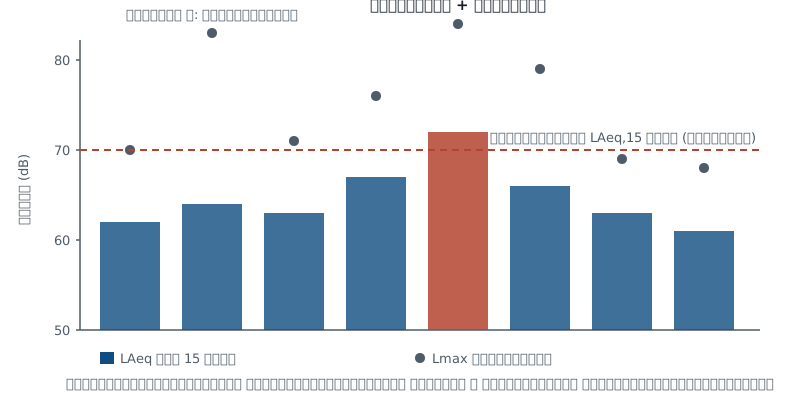
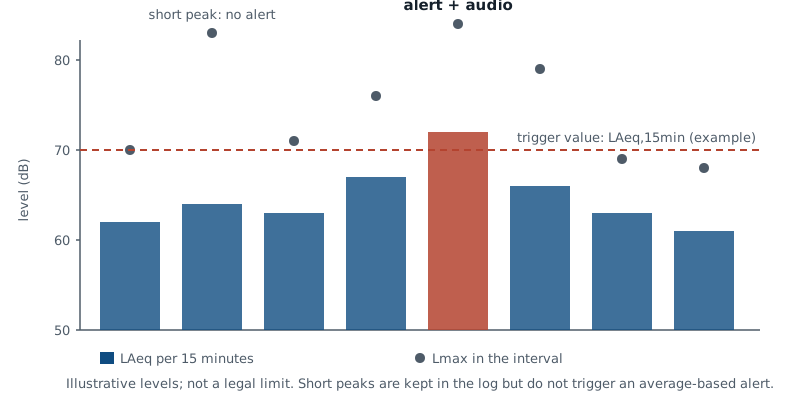
ข้อดีสำคัญของการเฝ้าระวังแบบออนไลน์คือไม่ต้องรอดูข้อมูลตอนสิ้นเดือน ผู้ใช้ตั้งค่าจำกัด (threshold) ไว้ล่วงหน้า เมื่อระดับเสียงเกินค่านั้น ระบบจะส่งอีเมลแจ้งผู้รับผิดชอบทันที ทำให้แก้ปัญหาได้ในขณะที่ยังเกิดอยู่ เช่น สั่งหยุดเครื่องจักรที่หน้างานA key advantage of online monitoring is that nobody has to wait for the end of the month to see the data. The user sets a threshold in advance; when the level exceeds it, the system emails the responsible person immediately, so the problem can be fixed while it is still happening, for example by stopping a machine on site.
การแจ้งเตือนที่ดีควรตรงกับวิธีกำหนดค่าจำกัด ถ้าเกณฑ์กำหนดเป็นค่าเฉลี่ย 15 นาที ก็ควรแจ้งเตือนเมื่อค่าเฉลี่ยในช่วง 15 นาทีเกิน ไม่ใช่ทุกครั้งที่มีเสียงดังชั่วขณะ MeasurEye สามารถรวมหลายเงื่อนไขเข้าด้วยกัน เช่น แจ้งเตือนเฉพาะเมื่อเสียงเกินในช่วงเวลากลางคืน ช่วยลดการแจ้งเตือนที่ไม่จำเป็นA good alert matches how the limit is defined. If the criterion is a 15-minute average, the alert should fire when the 15-minute average is exceeded, not at every brief loud moment. MeasurEye can combine several conditions, such as alerting only when the level is exceeded during night hours, which reduces unnecessary alerts.
เสียงที่อัดไว้ช่วยระบุแหล่งเสียงอย่างไรHow audio recordings identify the source
ตัวเลขบอกได้ว่า ‘ดัง’ แต่ไม่บอกว่า ‘อะไรดัง’ ไมโครโฟนรับทุกเสียงที่มาถึง ทั้งเครื่องจักรที่เป็นประเด็น รถที่วิ่งผ่าน สุนัขเห่า หรือเสียงฟ้าร้อง ถ้าไม่มีเสียงบันทึก ค่าที่เกินเกณฑ์อาจถูกโต้แย้งได้ง่ายว่ามาจากแหล่งอื่น การอัดเสียงจึงทำหน้าที่เป็นหลักฐานประกอบตัวเลขNumbers say ‘loud’ but not ‘what was loud’. The microphone picks up everything that arrives: the machine in question, passing cars, barking dogs or thunder. Without audio, an exceedance can easily be disputed as coming from somewhere else, so the recording serves as evidence alongside the numbers.
- อัดเสียงเมื่อเกินค่าจำกัด ระบบเก็บไฟล์เสียงช่วงที่เกิดการแจ้งเตือนไว้ให้ฟังย้อนหลังAudio on alarm: the system keeps a sound file of the period that triggered the alert.
- อัดเสียงต่อเนื่อง ให้บริบทของทุกเหตุการณ์ และช่วยไม่ให้ข้อมูลสำคัญหายเมื่อต้องอธิบายผลการวัดภายหลังContinuous audio gives context for every event and ensures no important information is lost when the results have to be explained later.
- ผู้ร้องเรียนกดบันทึกเอง ในระบบบันทึกเสียงรบกวนสำหรับเรื่องร้องเรียน (noise nuisance recording) เครื่องจะบันทึกระดับเสียงตลอดเวลา และเมื่อผู้ร้องเรียนได้ยินเสียงที่เป็นปัญหาก็กดปุ่ม เครื่องจะเก็บเสียงย้อนหลังก่อนกดปุ่มได้ระหว่าง 5 ถึง 30 วินาที และบันทึกต่ออีก 30 วินาที 1, 2 หรือ 5 นาที เป็นไฟล์เสียงคุณภาพสูงแบบไม่บีบอัดComplainant-triggered recording. In a noise nuisance recording system the meter logs levels all the time, and when the complainant hears the problem sound they press a button. The meter keeps between 5 and 30 seconds of sound from before the press and records a further 30 seconds, 1, 2 or 5 minutes as high-quality uncompressed audio.
- การจำแนกเสียงด้วย AI MeasurEye มีตัวเลือกจำแนกประเภทเสียง เช่น เสียงพูด เครื่องจักร หรือการจราจร พร้อมบอกระดับความมั่นใจ ช่วยคัดเหตุการณ์จำนวนมากได้เร็วขึ้น แต่ผลที่สำคัญยังควรมีคนฟังยืนยันAI classification. MeasurEye offers optional classification of sounds such as speech, machinery or traffic, with a confidence score, which speeds up sorting through many events; important results should still be confirmed by a person listening.
หากต้องการรู้ด้วยว่าเสียงมาจาก ‘ทิศทางไหน’ ยังมีอุปกรณ์วัดทิศทางเสียง เช่น Noise Locator NL1 ซึ่งช่วยแยกแหล่งเสียงเมื่อมีผู้ต้องสงสัยหลายราย ส่วนการอัดเสียงในพื้นที่ที่มีคนอยู่ควรคำนึงถึงความเป็นส่วนตัวและกฎหมายที่เกี่ยวข้องด้วยIf you also need to know the direction a sound comes from, direction-finding devices such as the Noise Locator NL1 help separate sources when there are several suspects. When recording audio where people are present, also consider privacy and the applicable law.
รายละเอียดเชิงวิศวกรรม: ติดตั้งสถานีให้ข้อมูลใช้ได้จริงEngineering detail: installing a station that produces usable data
สถานีที่ติดตั้งไม่ดีอาจเก็บข้อมูลได้ครบทุกนาที แต่ใช้เป็นหลักฐานไม่ได้เลย ประเด็นที่วิศวกรตรวจก่อนปล่อยให้สถานีทำงานเองมีดังนี้A badly installed station can record every minute and still produce nothing usable as evidence. These are the points an engineer checks before leaving a station to run on its own.
- ตำแหน่งและความสูงของไมโครโฟน ให้ตรงกับวิธีประเมินที่ใช้ ห่างจากพื้นผิวสะท้อนที่ไม่ได้ตั้งใจ และห่างจากแหล่งเสียงเฉพาะจุดที่ไม่เกี่ยวข้อง เช่น เครื่องระบายอากาศ ต้นไม้ที่ใบเสียดสีกัน หรือหลังคาโลหะที่ฝนตกกระทบMicrophone position and height matching the assessment method, clear of unintended reflecting surfaces and of unrelated local sources such as ventilation units, rustling trees or metal roofs struck by rain.
- ความปลอดภัยและความมั่นคง เสาและตู้ต้องยึดแน่น ไม่สั่นตามลม และป้องกันการถูกงัดแงะSecurity and stability: mast and case firmly fixed, not shaking in the wind, and protected against tampering.
- ไฟเลี้ยงและการสื่อสาร ประเมินการใช้ไฟต่อวันและความแรงของสัญญาณอินเทอร์เน็ตที่จุดติดตั้ง ข้อมูลที่ขาดหายช่วงกลางคืนเพราะแบตเตอรี่หมด มักเป็นช่วงที่สำคัญที่สุดพอดีPower and communication: estimate daily power use and the mobile-signal strength at the site. Data lost at night because a battery ran flat is usually exactly the period that mattered.
- เวลาของเครื่อง ต้องตรงกับเวลามาตรฐาน เพื่อให้เทียบกับบันทึกของผู้ร้องเรียน ข้อมูลสภาพอากาศ และบันทึกการทำงานของโรงงานได้Instrument clock: must match standard time so the data can be compared with complainants' logs, weather data and the plant's operating records.
- ตรวจด้วยเครื่องสอบเทียบเมื่อติดตั้ง เมื่อไปดูแล และเมื่อถอนสถานี ใช้การทดสอบตัวเองจากระยะไกลระหว่างนั้นถ้าระบบรองรับ และบันทึกผลทั้งหมดCalibrator checks at installation, at each service visit and at removal, with remote self-checks in between where the system supports them, all recorded.
- ความครบถ้วนของข้อมูล รายงานสัดส่วนของเวลาที่ได้ข้อมูลที่ใช้ได้ เช่น กี่เปอร์เซ็นต์ของช่วงกลางคืนทั้งหมด ผู้อ่านรายงานต้องรู้ว่าข้อสรุปมาจากข้อมูลมากน้อยแค่ไหนData completeness: report the share of time with valid data, for example what percentage of all night-time hours. Readers must know how much data a conclusion rests on.
จากข้อมูลดิบสู่หลักฐานFrom raw data to evidence
- เก็บข้อมูลดิบไว้ไม่แก้ไข ทำงานกับสำเนา เพื่อให้ตรวจย้อนกลับได้ว่าตัดหรือทำเครื่องหมายอะไรไปKeep the raw data unchanged and work on a copy, so it can be traced what was excluded or marked.
- ทำเครื่องหมายช่วงที่ใช้ไม่ได้ เช่น ลมแรงเกินเกณฑ์ ฝนตก ช่วงบำรุงรักษา หรือโอเวอร์โหลด พร้อมเหตุผลFlag invalid periods such as wind above the limit, rain, maintenance or overload, with the reason.
- ระบุเหตุการณ์ จากกราฟ ค่าพีก และสเปกตรัม แล้วฟังไฟล์เสียงเพื่อยืนยันว่าเป็นเสียงจากแหล่งที่ประเมินหรือไม่Identify events from the time history, peaks and spectra, then listen to the audio to confirm whether they come from the assessed source.
- คำนวณตัวชี้วัด ตามช่วงเวลาที่เกณฑ์กำหนด เช่น LAeq กลางวันและกลางคืน ค่าเปอร์เซ็นไทล์ และจำนวนเหตุการณ์ที่เกินค่า Lmax ที่กำหนดCalculate the indicators for the periods the criterion defines, such as day and night LAeq, percentiles and the number of events above a set Lmax.
- สรุปพร้อมหลักฐาน ตารางช่วงที่เกินเกณฑ์ สาเหตุที่ยืนยันแล้ว ตัวอย่างไฟล์เสียง ข้อมูลสภาพอากาศ ผลการตรวจเช็ก และข้อจำกัดของข้อมูลConclude with evidence: a table of exceedances, their confirmed causes, sample audio files, weather data, check results and the limitations of the data.
วางแผนการเฝ้าระวังอย่างไรHow to plan a monitoring project
- ตั้งคำถามให้ชัด ต้องการพิสูจน์ว่าไม่เกินเกณฑ์ ต้องการหาว่าใครเป็นต้นเหตุ หรือต้องการเตือนหน้างานให้ลดเสียงทันที คำถามจะกำหนดค่าที่ต้องวัดและระยะเวลาDefine the question. Do you need to prove compliance, find the cause, or warn the site to reduce noise at once? The question sets which values to measure and for how long.
- เลือกตำแหน่งวัด โดยทั่วไปวัดใกล้ผู้ได้รับผลกระทบ หรือระหว่างแหล่งเสียงกับผู้ได้รับผลกระทบ และหลีกเลี่ยงเสียงเฉพาะจุดที่ไม่เกี่ยวข้อง เช่น เครื่องปรับอากาศที่อยู่ติดไมโครโฟนChoose the position. Usually near the affected people, or between the source and them, avoiding unrelated local sounds such as an air-conditioning unit right next to the microphone.
- เลือกค่าและช่วงบันทึก ให้ตรงกับเกณฑ์ที่ใช้ เช่น LAeq ต่อ 15 นาทีหรือต่อชั่วโมง ร่วมกับ Lmax สเปกตรัม และค่าเปอร์เซ็นไทล์Choose values and logging intervals that match the criterion, such as LAeq per 15 minutes or per hour, together with Lmax, spectra and percentiles.
- ตั้งค่าจำกัดและผู้รับการแจ้งเตือน และตัดสินใจว่าจะอัดเสียงเมื่อใดSet limits and alert recipients, and decide when audio will be recorded.
- ตรวจสอบความถูกต้อง ตรวจเช็กด้วยเครื่องสอบเทียบเสียง (sound calibrator) ที่ 94 dB, 1 kHz ก่อนและหลังการวัด และใช้การตรวจสอบตัวเองจากระยะไกลระหว่างการวัดระยะยาวถ้าระบบรองรับCheck accuracy with a sound calibrator at 94 dB, 1 kHz before and after measuring, and use remote self-checks during long campaigns where the system supports them.
- ทบทวนข้อมูล ดูกราฟร่วมกับเสียงที่อัดไว้และข้อมูลสภาพอากาศ ตัดช่วงที่ปนเปื้อน (เช่น ฝนตกหนัก) แล้วสรุปเป็นรายงานReview the data with the audio and weather data, exclude contaminated periods (such as heavy rain) and summarise in a report.
ตัวอย่างสถานการณ์: ไซต์ก่อสร้างในเมืองExample scenario: an urban construction site
ไซต์ก่อสร้างอาคารสูงอยู่ติดโรงเรียนและคอนโด สัญญากำหนดค่าแจ้งเตือนเป็น LAeq ต่อ 15 นาทีที่ขอบไซต์ (ค่าจริงของโครงการไม่ได้แสดงในที่นี้)
ทีมงานติดตั้งสถานีสองจุด จุดหนึ่งที่ขอบไซต์ด้านโรงเรียน อีกจุดที่ระเบียงชั้นต่ำของคอนโด ตั้งการแจ้งเตือนตามค่าเฉลี่ย 15 นาที และอัดเสียงเมื่อเกินค่า
สัปดาห์แรกมีการแจ้งเตือนช่วงก่อนฟ้าสางหลายครั้ง เมื่อฟังเสียงพบว่าเป็นรถส่งคอนกรีตที่มาจอดรอหน้าไซต์ก่อนเวลาทำงาน ไม่ใช่เครื่องจักรในไซต์ ผู้จัดการไซต์จึงเปลี่ยนจุดจอดรอและเวลานัดรถ การแจ้งเตือนช่วงเช้ามืดหายไป
อีกเหตุการณ์หนึ่ง ค่าที่คอนโดเกินในช่วงฝนตกหนัก ข้อมูลสภาพอากาศยืนยันว่าเป็นเสียงฝน ช่วงนั้นจึงถูกทำเครื่องหมายและไม่นับเป็นการเกินจากงานก่อสร้าง (สถานการณ์สมมติเพื่ออธิบายวิธีทำงาน)A high-rise construction site sits next to a school and a condominium. The contract sets a trigger value as a 15-minute LAeq at the site boundary (the project's actual value is not given here).
The team installs two stations, one at the site boundary facing the school and one on a low balcony of the condominium, with alerts based on the 15-minute average and audio recorded on exceedance.
In the first week several alerts fire before dawn. The audio shows they come from concrete trucks idling outside the gate before working hours, not from site plant. The site manager changes the waiting area and the delivery times, and the early-morning alerts stop.
In another event the condominium station exceeds during heavy rain. The weather data confirms rain noise, so the period is flagged and not counted as a construction exceedance. (Hypothetical scenario, to show the working method.)
คำถามที่พบบ่อยFrequently asked questions
ควรเฝ้าระวังนานเท่าไรHow long should monitoring run?
ให้ครอบคลุมรูปแบบการทำงานของแหล่งเสียงและช่วงที่เป็นปัญหา อย่างน้อยควรรวมวันธรรมดาและวันหยุด และหลายคืนถ้าเรื่องร้องเรียนเป็นช่วงกลางคืน งานก่อสร้างมักเฝ้าระวังตลอดช่วงงานที่มีเสียงดัง ส่วนการตรวจเรื่องร้องเรียนมักเริ่มจากหนึ่งถึงสองสัปดาห์แล้วปรับตามผลLong enough to cover the source's operating pattern and the problem periods: at least weekdays and weekends, and several nights if the complaint is about night-time. Construction is often monitored for the whole noisy phase; complaint investigations often start with one or two weeks and are adjusted based on the results.
ควรติดไมโครโฟนไว้ที่ไหนWhere should the microphone go?
ที่ตำแหน่งที่เกณฑ์กำหนด ซึ่งมักเป็นตำแหน่งผู้รับหรือแนวเขต โดยห่างจากเสียงเฉพาะจุดที่ไม่เกี่ยวข้องและพื้นผิวสะท้อนที่ไม่ได้ตั้งใจ ถ้าจำเป็นต้องติดหน้าผนังอาคาร ให้ใช้ค่าแก้ไขตามวิธีที่ใช้และระบุไว้ในรายงานWhere the criterion applies, usually at the receiver or the boundary, clear of unrelated local sounds and unintended reflecting surfaces. If it has to be in front of a façade, apply the correction of the method used and state it in the report.
ฝนทำให้ข้อมูลเสียไหมDoes rain spoil the data?
ช่วงฝนตกหนักมักต้องทำเครื่องหมายและตัดออก เพราะเสียงฝนกระทบไมโครโฟนและพื้นผิวรอบข้าง การมีเซนเซอร์ฝนหรือข้อมูลสภาพอากาศทำให้ตัดได้อย่างมีหลักฐาน ข้อมูลช่วงอื่นยังใช้ได้ตามปกติPeriods of heavy rain usually have to be flagged and excluded, because rain strikes the microphone and nearby surfaces. A rain sensor or weather data lets you exclude them with evidence; the rest of the data remains usable.
การจำแนกเสียงด้วย AI ใช้แทนการฟังได้หรือไม่Can AI classification replace listening?
ช่วยคัดกรองเหตุการณ์จำนวนมากได้เร็วขึ้น แต่ผลที่จะใช้ตัดสินหรือรายงานควรมีคนฟังยืนยันอย่างน้อยในเหตุการณ์สำคัญ และรายงานระดับความมั่นใจของการจำแนกไว้ด้วยIt speeds up sorting through many events, but results used for decisions or reports should be confirmed by a person listening, at least for the key events, with the classification confidence reported.
ข้อมูลจากสถานีเฝ้าระวังใช้เป็นหลักฐานได้หรือไม่Can monitoring data be used as evidence?
ได้ถ้าเครื่องมือเป็นไปตามคลาสที่กฎเกณฑ์กำหนด มีใบรับรองการสอบเทียบที่ยังไม่หมดอายุ มีบันทึกการตรวจเช็ก เวลาของเครื่องถูกต้อง ข้อมูลดิบไม่ถูกแก้ไข และมีไฟล์เสียงยืนยันแหล่งกำเนิด การยอมรับขั้นสุดท้ายขึ้นกับกฎหมายและหน่วยงานที่เกี่ยวข้องIt can be, if the instrument meets the class the rules require, has a current calibration certificate and recorded checks, a correct clock, unaltered raw data and audio confirming the source. Final acceptance depends on the law and the authority involved.
ต้องตรวจด้วยเครื่องสอบเทียบบ่อยแค่ไหนHow often should the calibrator check be done?
อย่างน้อยเมื่อติดตั้ง ทุกครั้งที่ไปดูแลสถานี และเมื่อถอนสถานี บางวิธีหรือบางสัญญากำหนดรอบที่ถี่กว่านั้น ระบบที่มีการทดสอบตัวเองจากระยะไกลช่วยเติมช่องว่างระหว่างการไปตรวจ แต่ไม่ใช้แทนการตรวจด้วยเครื่องสอบเทียบและการสอบเทียบในห้องปฏิบัติการAt least at installation, at every service visit and at removal; some methods or contracts require more often. Remote self-checks fill the gaps between visits but do not replace calibrator checks or laboratory calibration.
คำศัพท์สำคัญKey terms
- การเฝ้าระวังแบบไม่มีคนเฝ้า (unattended monitoring)Unattended monitoring
- การวัดเสียงระยะยาวที่เครื่องทำงานเองโดยไม่มีผู้ปฏิบัติงานอยู่ที่จุดวัดLong-term measurement in which the instrument runs by itself with no operator on site.
- ค่าจำกัดสำหรับแจ้งเตือน (threshold)Threshold
- ระดับเสียงที่ตั้งไว้ เมื่อค่าที่วัดได้เกินจะเกิดการแจ้งเตือนหรือเริ่มอัดเสียงA preset level; when the measured value exceeds it, an alert is sent or audio recording starts.
- การบันทึกก่อนทริกเกอร์ (pre-trigger)Pre-trigger
- การเก็บเสียงช่วงก่อนเกิดเหตุการณ์ไว้ด้วย ทำให้ได้ยินจุดเริ่มต้นของเสียงที่เป็นปัญหาKeeping the sound from just before the trigger, so the start of the problem sound is captured.
- เสียงโทนเด่น (tonal noise)Tonal noise
- เสียงที่มีความถี่หนึ่งโดดออกมาชัด เช่น เสียงหึ่งหรือเสียงหวีด มักรบกวนมากกว่าเสียงที่ความถี่กระจายSound with one clearly standing-out frequency, such as a hum or whine; usually more annoying than broadband sound.
- เสียงกระแทก (impulsive noise)Impulsive noise
- เสียงสั้นและแรง เช่น การตอกหรือการกระแทก ที่หูรับรู้ชัดแม้ไม่เพิ่มค่าเฉลี่ยมากShort, sharp sounds such as hammering or banging that are clearly noticed even though they add little to the average.
ความเข้าใจผิดที่พบบ่อยCommon misunderstandings
- ‘ค่าเฉลี่ยไม่เกิน แปลว่าไม่มีปัญหา’ ค่าเฉลี่ยไม่แสดงเสียงกระแทก เสียงโทนเด่น หรือเหตุการณ์ช่วงกลางคืน ต้องดู Lmax สเปกตรัม และฟังเสียงประกอบ‘The average is within the limit, so there is no problem.’ The average does not show impulses, tones or night-time events; look at Lmax and spectra and listen to the audio.
- ‘ทุกค่าที่เกินเกณฑ์คือความผิดของแหล่งเสียงที่ถูกร้องเรียน’ ไมโครโฟนรับทุกเสียง ต้องยืนยันแหล่งด้วยเสียงที่อัดไว้ก่อนสรุป‘Every exceedance is the fault of the source complained about.’ The microphone hears everything; confirm the source with the audio before drawing conclusions.
- ‘วัดหนึ่งชั่วโมงก็พอ’ เสียงที่ถูกร้องเรียนมักเกิดเป็นช่วง ๆ การวัดสั้นอาจพลาดช่วงที่เป็นปัญหาทั้งหมด‘One hour of measurement is enough.’ Complained-of sounds are often intermittent, and a short measurement can miss the problem entirely.
- ‘ติดตั้งแล้วไม่ต้องดูแล’ ระบบกลางแจ้งยังต้องการการตรวจเช็กความถูกต้อง การดูแลกันลมกันฝน และการทบทวนข้อมูลเป็นประจำ‘Once installed it needs no attention.’ Outdoor systems still need accuracy checks, weather protection maintenance and regular data review.
นำไปใช้ที่ไหนWhere it is used
- ไซต์ก่อสร้าง: ตรวจสอบค่าจำกัดและแจ้งเตือนหน้างานเมื่อเสียงเกินConstruction sites: checking limits and alerting the site when they are exceeded.
- โรงงานและสถานประกอบการ: ติดตามเสียงที่ออกสู่ชุมชนรอบข้างFactories and industrial facilities: tracking noise reaching the surrounding community.
- ชุมชนและพื้นที่อยู่อาศัย: เก็บหลักฐานประกอบเรื่องร้องเรียนเสียงจากเพื่อนบ้าน สถานบันเทิง หรือเครื่องจักรCommunities and residential areas: gathering evidence for complaints about neighbours, entertainment venues or machinery.
- งานแสดงและอีเวนต์: ติดตามระดับเสียงที่ออกไปนอกพื้นที่จัดงานConcerts and events: following the sound that leaves the venue.
- งานที่ต้องใช้ผลวัดเป็นหลักฐานทางกฎหมาย: ต้องใช้เครื่องมือตามคลาสและสถานะการสอบเทียบที่กฎเกณฑ์นั้นกำหนด (มักเป็น Class 1 ที่สอบเทียบสอบกลับได้) และบันทึกเสียงคุณภาพสูงWork where results may serve as legal evidence: requires the instrument class and calibration status the applicable rules specify (often Class 1 with traceable calibration) and high-quality audio.